THE DESIGN QUESTION · Which bottle is this?
A shelf of matching containers can look beautifully organized while making a simple task harder: telling one product from another. For beauty packaging, appearance and usability are not the same achievement. A small Korean design project makes that distinction unusually clear.
In August 2022, Amorepacific described its Braille Tag for bath products. The silicone tags identified four categories: shampoo, conditioner, body wash and body lotion. The company said they carried Korean and English braille along with additional shapes for distinguishing the products.
The independent Red Dot award archive lists Braille Tag in its 2022 Brands & Communication Design collection, under Retail Packaging, crediting Amorepacific for the design. This is a documented historical project, not a newly announced September 2026 product launch.
READ THE CLAIM · Category is not the whole label
The maker says consumers with visual impairments reviewed the tags during development. That is useful information about the process. It is not evidence that the result fits every bottle, works for every individual or remains available from every shop today.
A category tag also answers a limited question. Identifying a bottle as shampoo does not tell you its full product name, ingredients, directions or when it was opened. Those details still need to be available in a form the person using it can access.
When considering an identification aid, ask exactly what it communicates. Does it distinguish two shampoos from one another, or only shampoo from conditioner? Can it stay associated with the right container when products are replaced? These are practical questions to check with the user, not performance claims SEOULIAN has tested.
INDIVIDUAL CHOICE · Ask before choosing a system
Henshaws, a UK charity supporting people with sight loss, explains that people use different ways of reading and that not everyone with sight loss uses braille. Its guidance also emphasizes that interest in style and personal surroundings should not be assumed away.
That makes the conversation as important as the object. If you are helping someone organize beauty products, ask which information and format they prefer before buying labels or rearranging their shelf. Familiar placement, readable text, tactile markers or another method may be part of their own approach; do not replace it merely because a new design looks clever.
For a shared bathroom, agree on what happens when a bottle is moved or replaced. A labeling system is only as clear as the everyday habits around it. The aim is a setup its users understand, not a visual arrangement that pleases an observer.
SEOULIAN INTERPRETATION · Beauty beyond the photograph
We find this project interesting because it shifts attention from the label as decoration to the label as information. Color, typography and touch need not compete. Each can contribute something different, provided the intended user can actually make use of it.
Treat the linked design record as a starting point for questions, not a shopping recommendation. Current supply, compatibility and individual usefulness have not been established here. The lasting idea is smaller and more useful than a universal solution: a well-designed beauty object should help its owner make their own choices.
THE SEOULIAN SIGNAL · EDITORIAL INTERPRETATION
Why this matters
A tactile category marker and a complete accessible product label solve different problems; ask which information the user needs.
SOURCE DESK · RESEARCH RECORDS
Research used for this analysis
- Amorepacific's Braille Tag Wins the Red Dot Design Award · August 10, 2022 Amorepacific · Primary design categories, materials and user-review process. Under 140 derived words; no guarantee of universal fit or current availability.
- Braille Tag · Brands & Communication Design 2022 Red Dot · Independent award authority confirms project, year, discipline and credited designer, not user-performance claims.
- Sight Loss Myth Busters · February 2026 Henshaws · Primary support charity guidance on varied reading methods, braille use and interest in personal style. Under 100 derived words; medical sections not used.
Original synthesis & image rights
Original SEOULIAN historical design analysis. Maker development claims attributed and award record independently checked; individual preferences are not inferred from disability. No medical advice, claimed product testing, current stock promise or copied product design. Unique built-in Imagegen illustration. Targets and reported usage remain attributed to the city and are not presented as independently verified outcomes.
Image disclosure
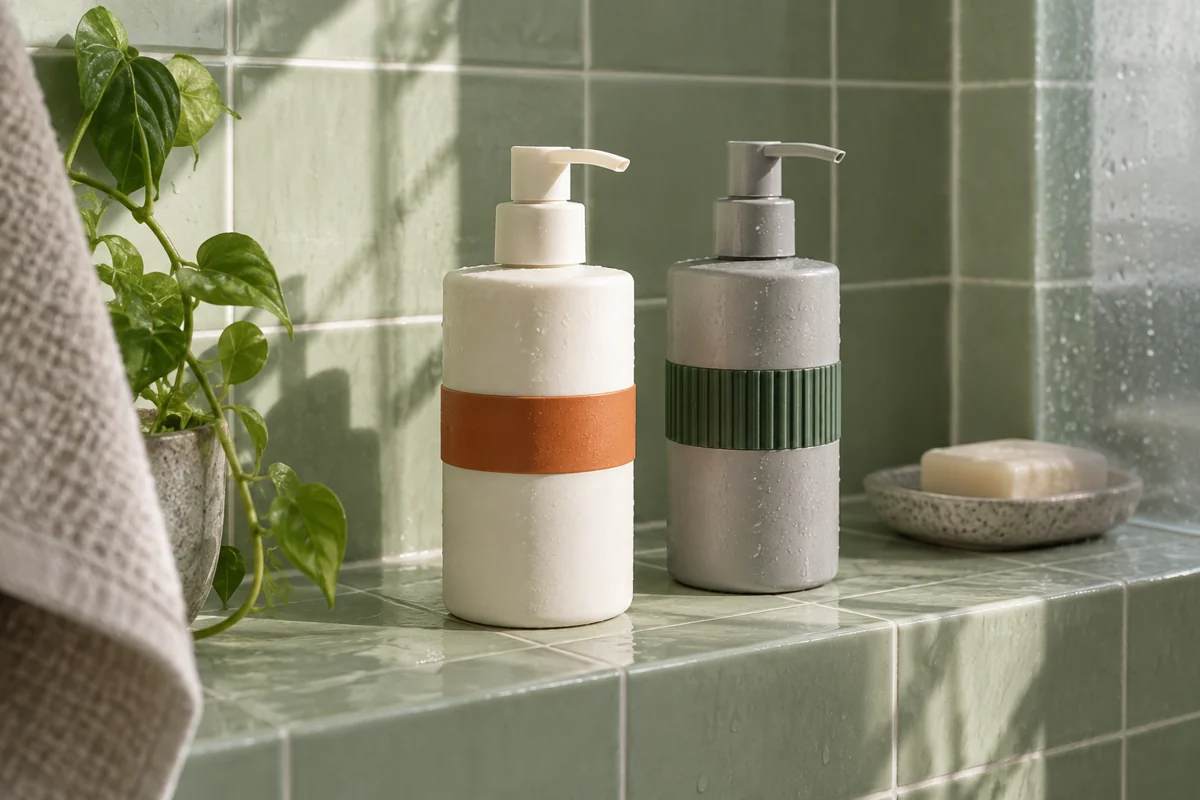
Credit: AI-generated editorial illustration; not documentary evidence. Invented conceptual packaging, not Amorepacific's Braille Tag, a validated accessibility aid or an accurate braille sample.
Creator: SEOULIAN with ChatGPT Image Generation
Source type: SEOULIAN imagegen editorial photo
Disclosure: AI-generated editorial illustration; not documentary evidence. Invented conceptual packaging, not Amorepacific's Braille Tag, a validated accessibility aid or an accurate braille sample.
License: Original SEOULIAN AI-generated editorial image