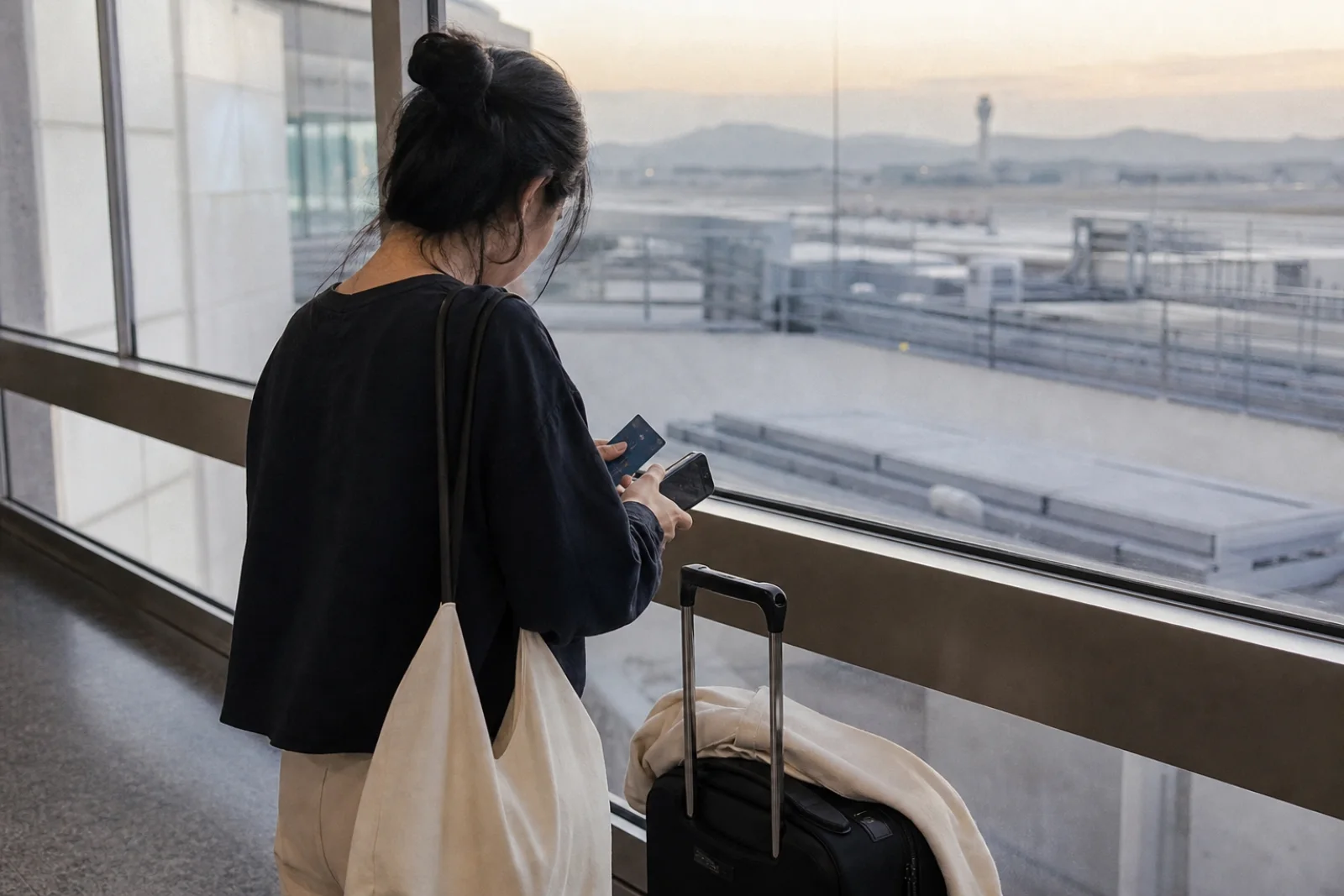
Your First 24 Hours in Seoul, Without the Rush
A calm arrival sequence for turning an unfamiliar megacity into a set of small, manageable decisions.
Read the brief
The city, translated.
SEOULIAN ORIGINAL COLLECTION · 01–50
Fifty ways into Seoul and Korea: useful enough for a first day, specific enough to reward a second look.
These are original English field notes built from linked public institutions, museums, heritage bodies, and creative-industry sources. No republished articles, lyrics, entertainment stills, celebrity photography, or unlicensed logos are used.
FIELD NOTE 01 · START HERE
A calm arrival sequence for turning an unfamiliar megacity into a set of small, manageable decisions.
Open field note 01Fact-checked September 1, 2026 · Predictions are labeled and testable.
A calm arrival sequence for turning an unfamiliar megacity into a set of small, manageable decisions.
Read the brief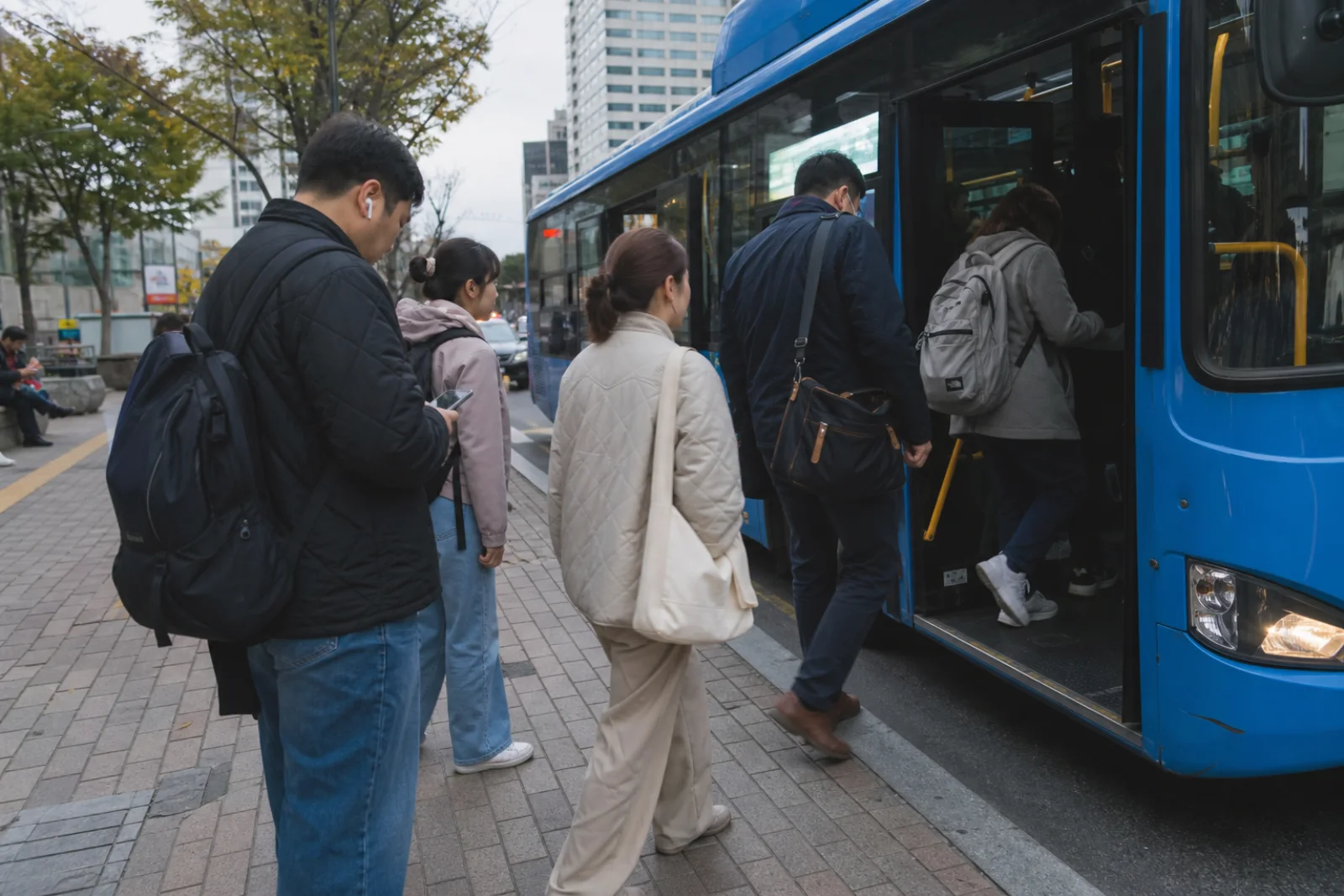
The tap, transfer, and route habits that make Seoul's enormous network feel surprisingly personal.
Read the brief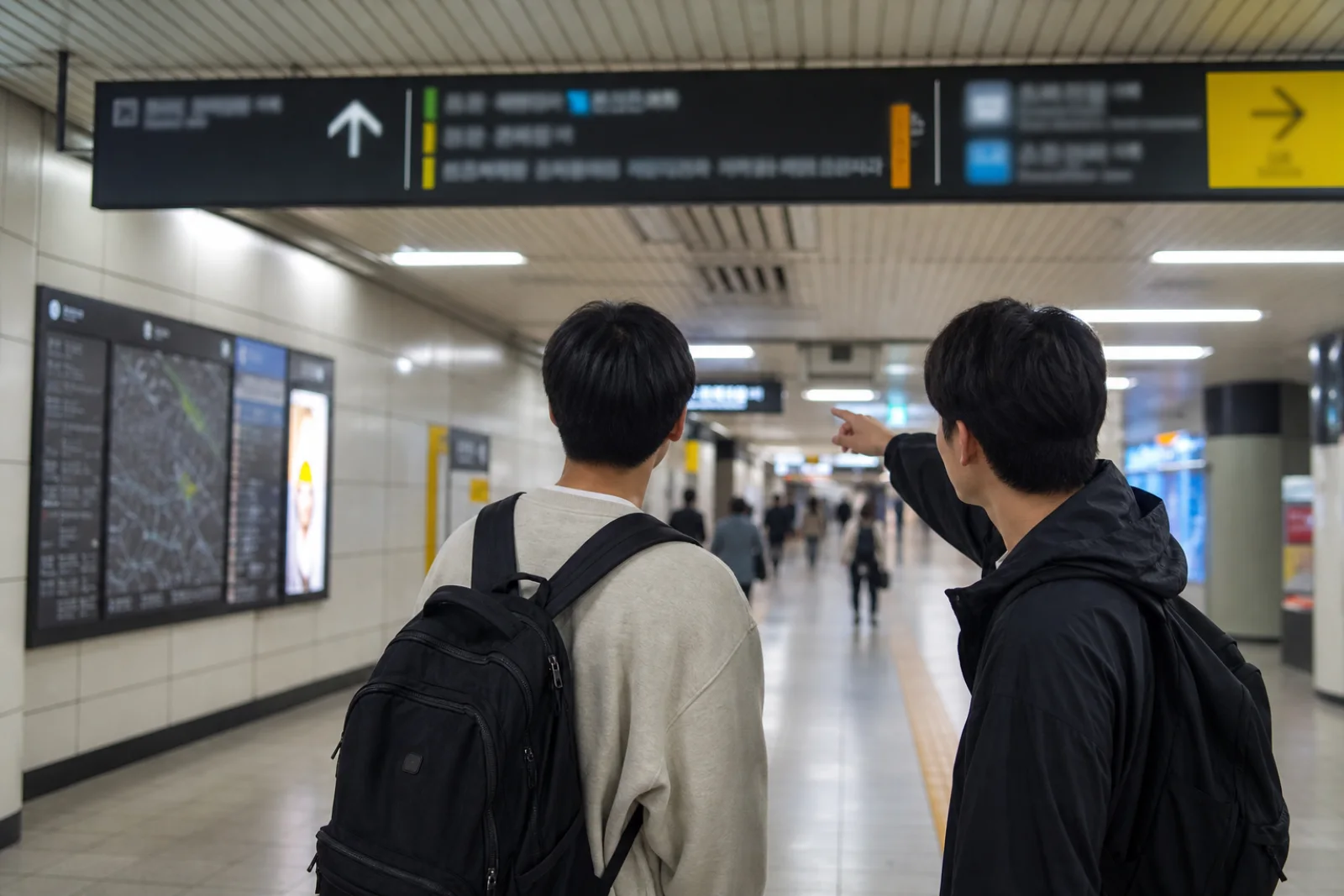
In Seoul, the difference between Exit 2 and Exit 9 can be a boulevard, a hill, or twenty avoidable minutes.
Read the brief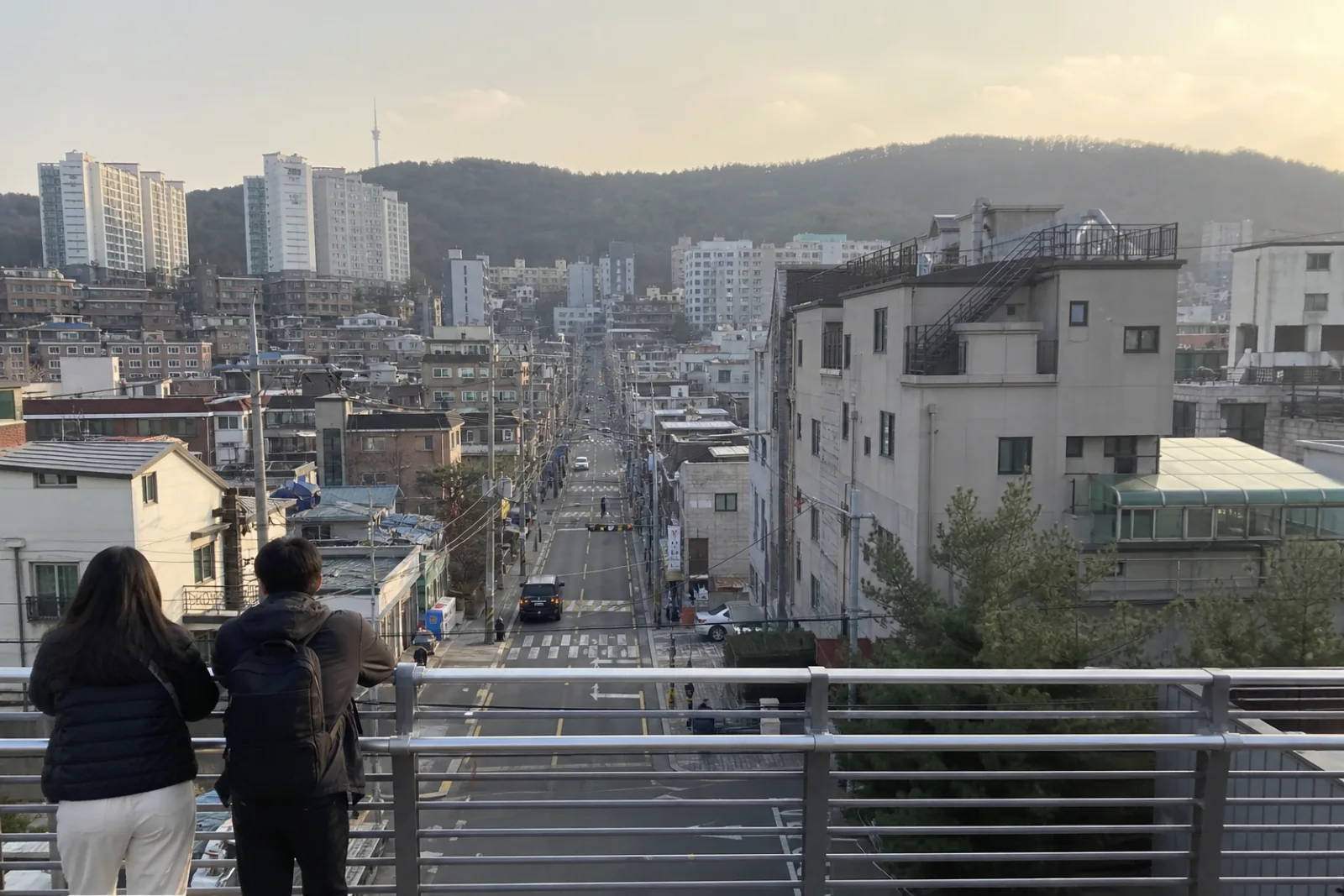
The capital makes more sense when its twenty-five autonomous districts are treated as lived places, not administrative trivia.
Read the brief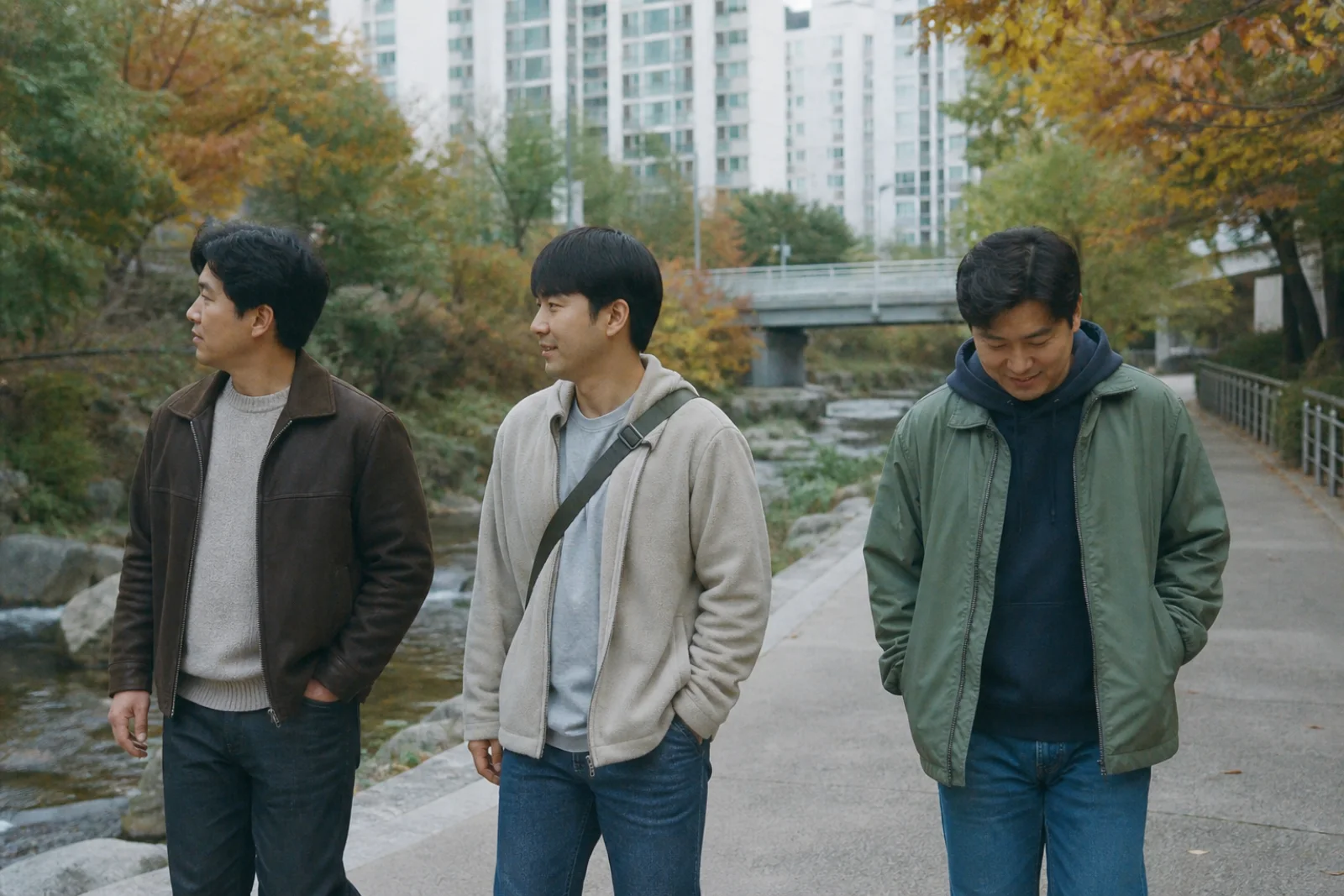
Weather does more than change the view; it rewrites what Seoul wears, eats, and does after work.
Read the brief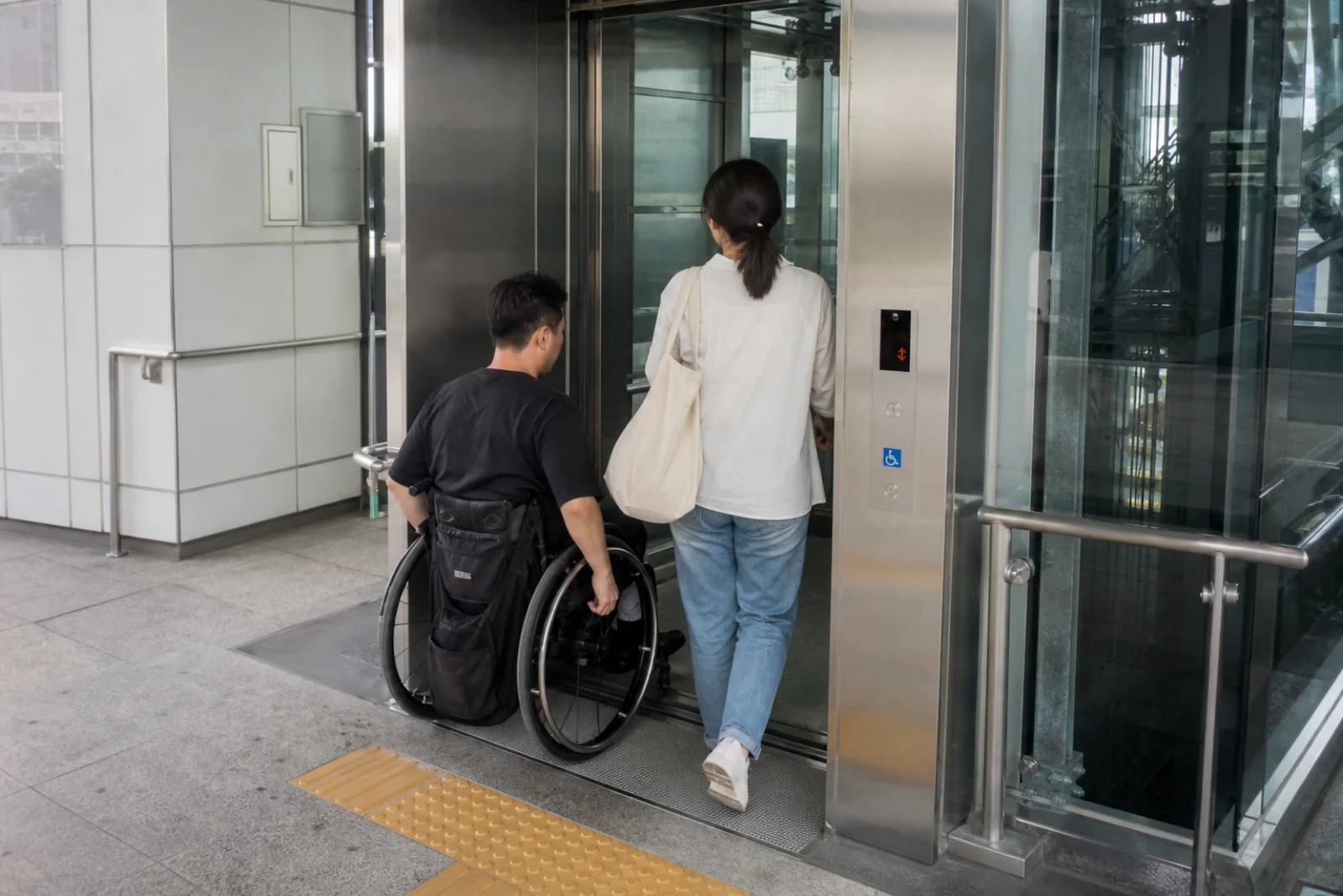
A route can be short on a map and difficult on the ground; planning for elevators, slopes, and rest is part of seeing the real city.
Read the brief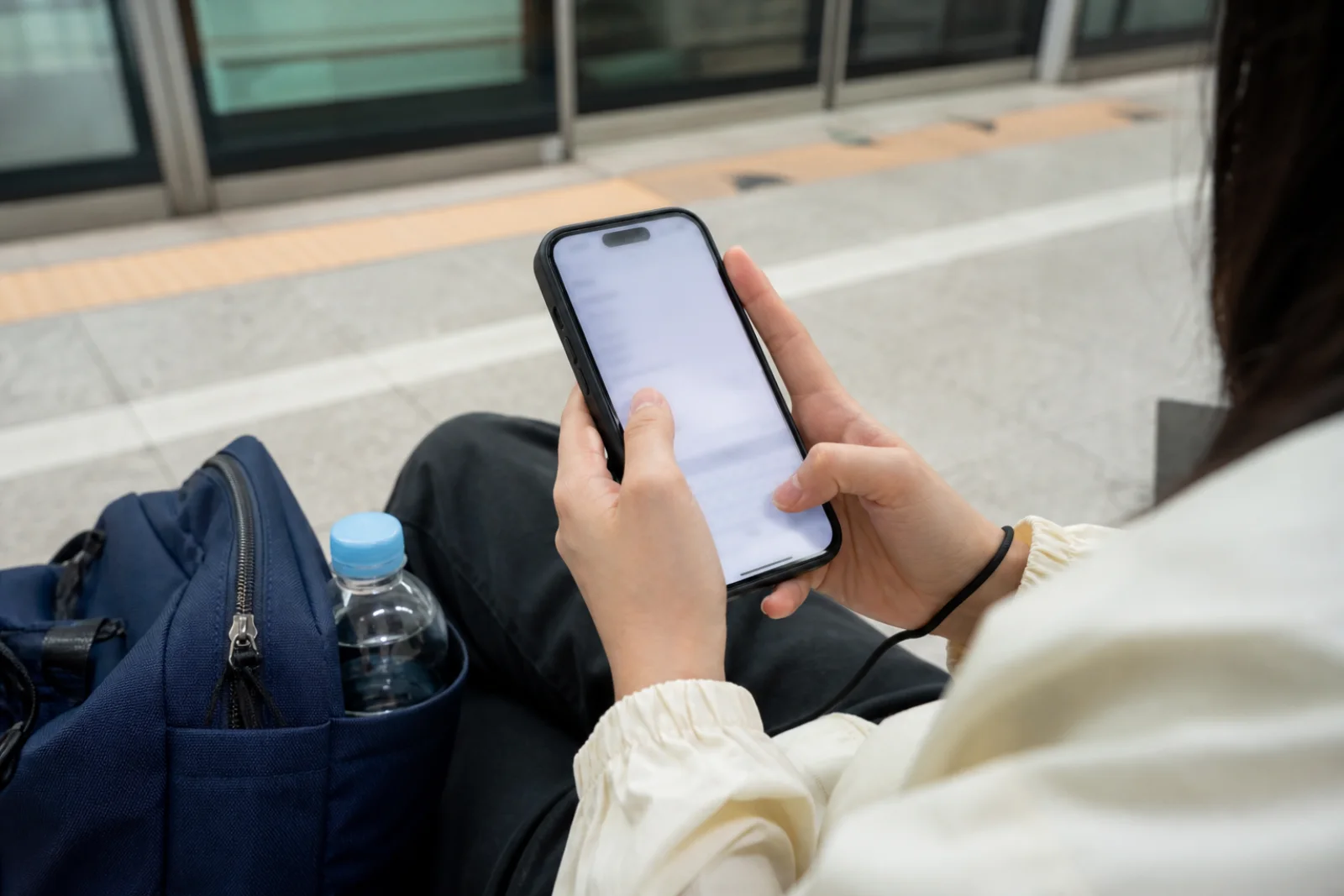
The emergency numbers, translation habits, and small preparations worth knowing before they are needed.
Read the brief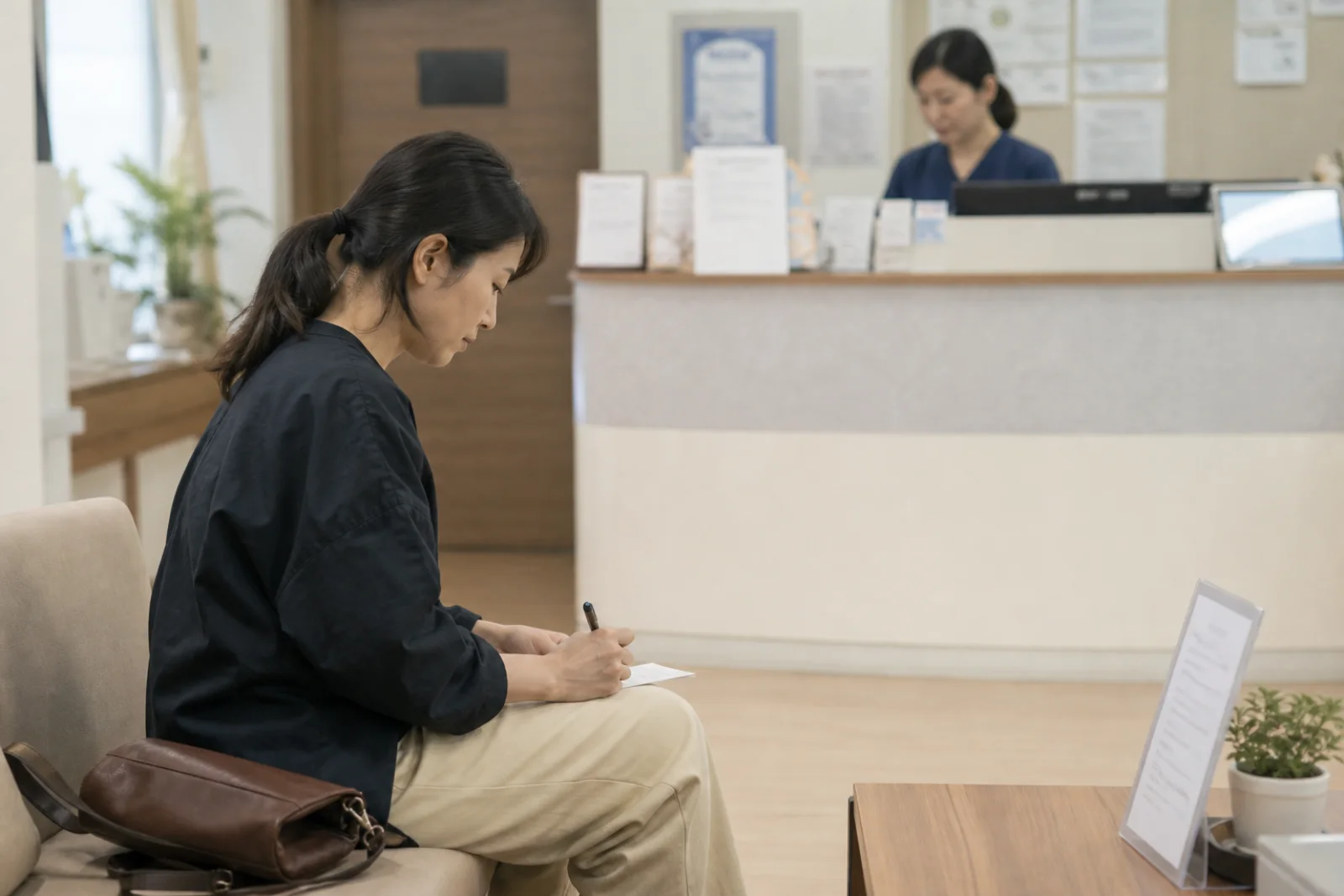
How to distinguish urgent care from ordinary care and arrive with the information a clinic actually needs.
Read the brief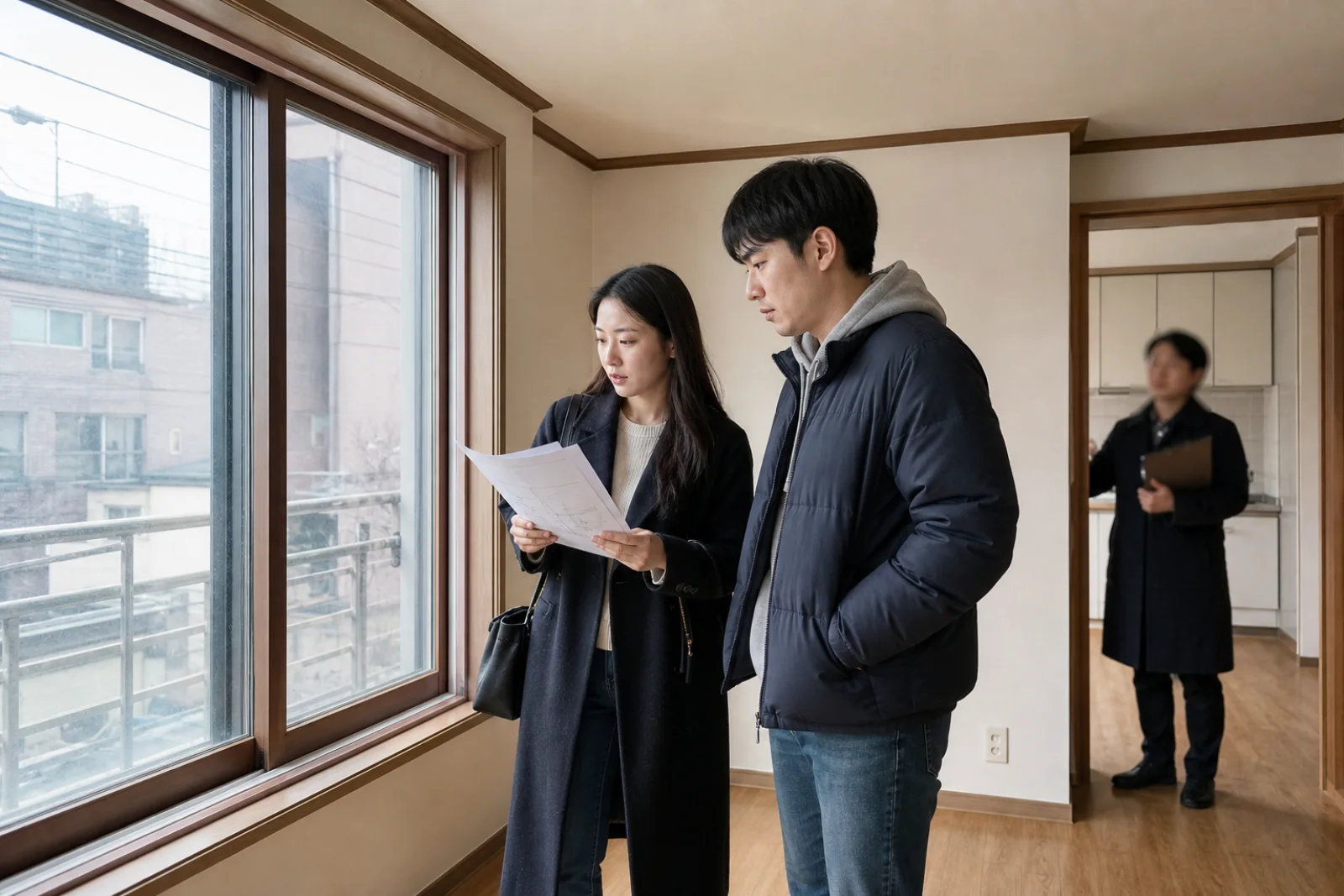
Korea's rental vocabulary changes the risk calculation, so learn the structure before falling for the room.
Read the brief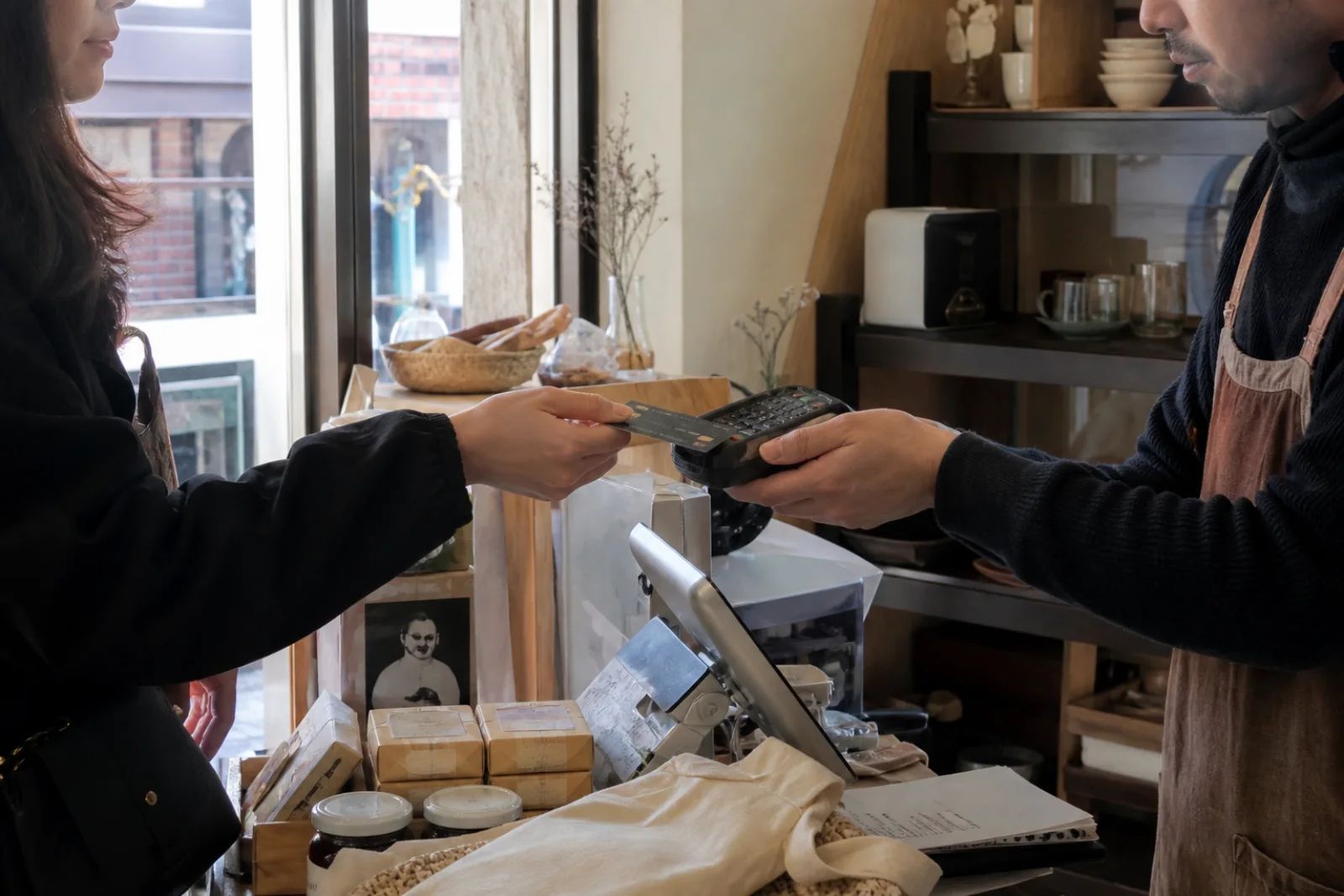
Cards dominate many counters, but the smoothest day still begins with a backup and a little context.
Read the brief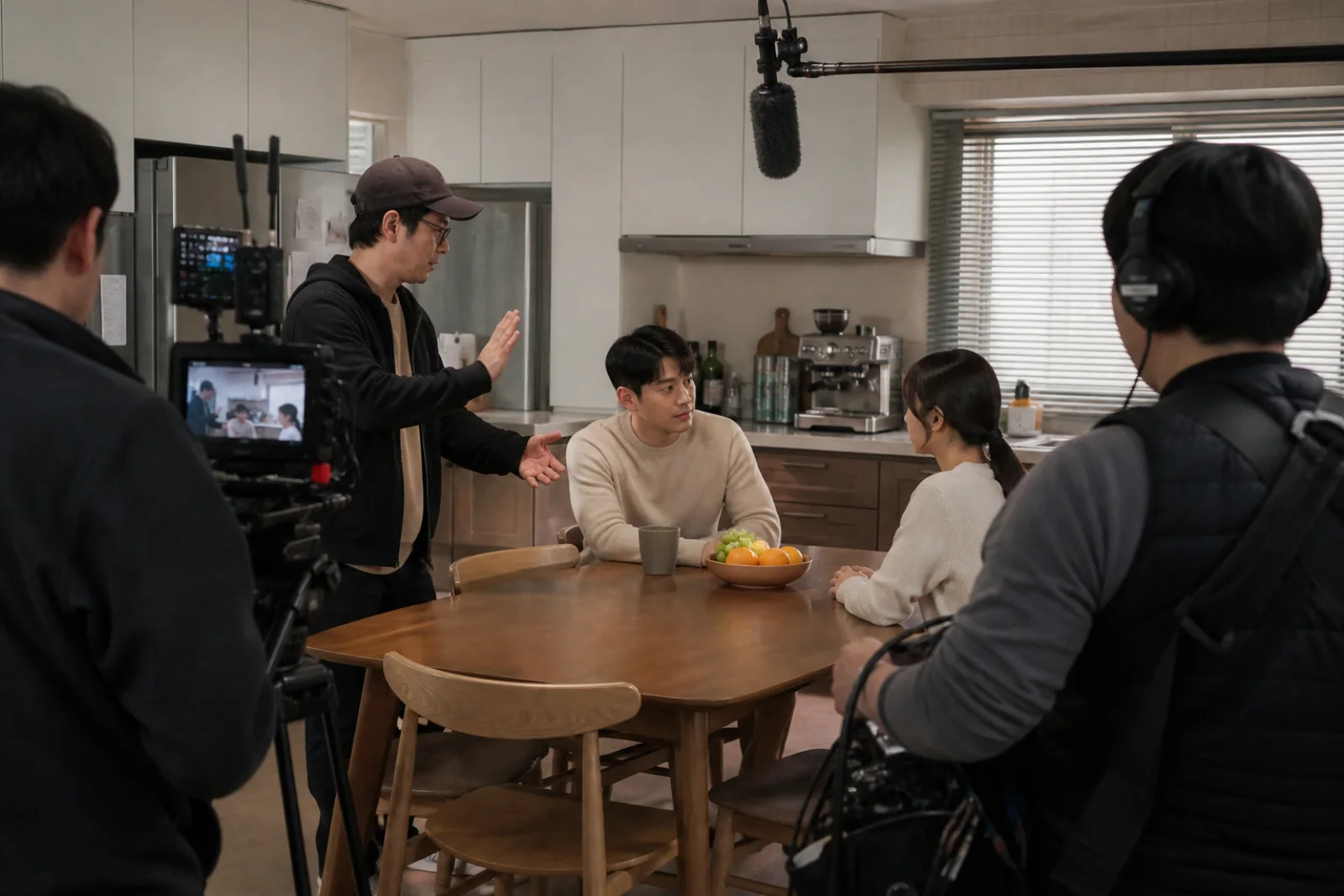
Korean dramas travel through plot, but they stay with viewers through calibrated pauses, social distance, food, music, and consequence.
Read the brief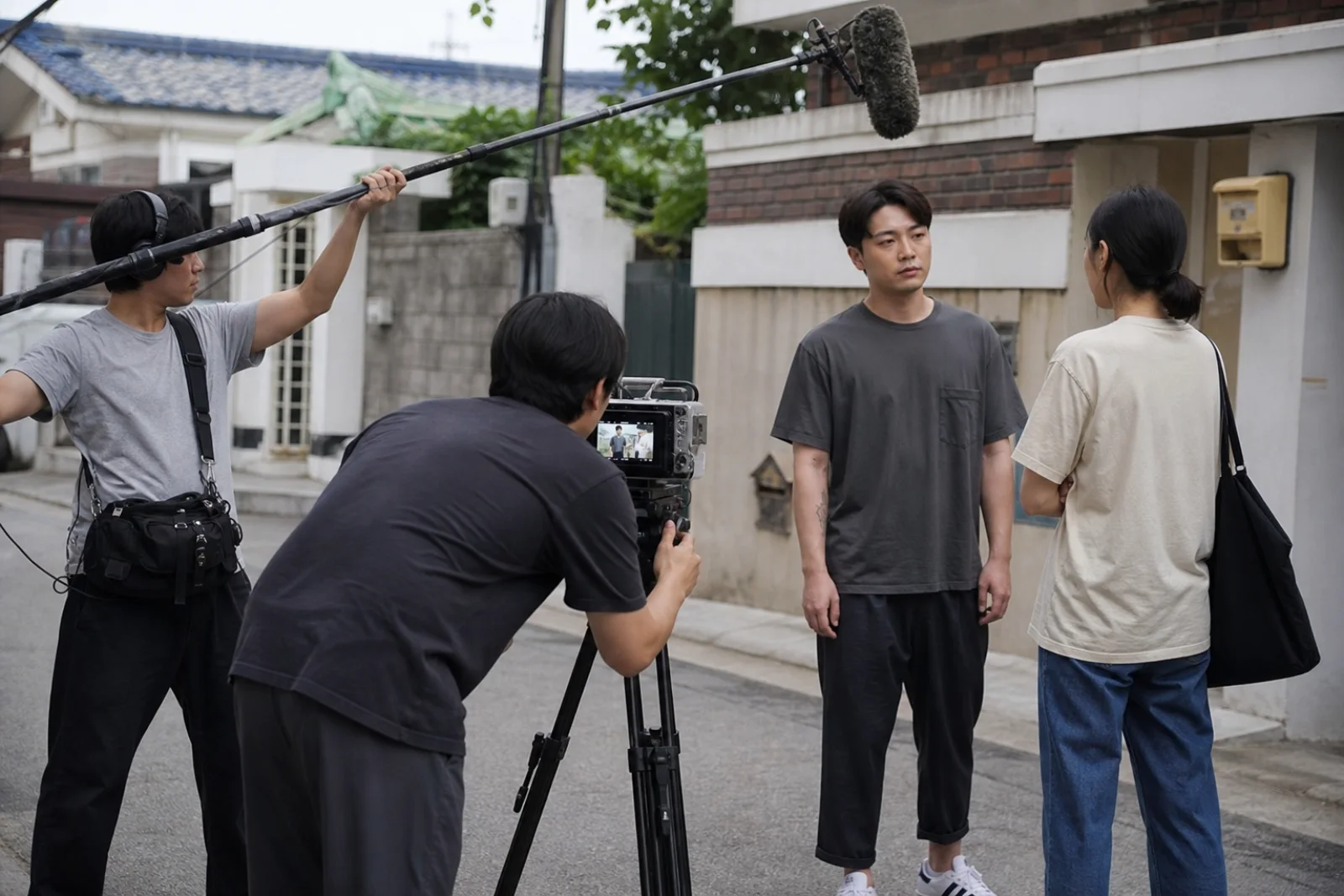
Comedy can sharpen fear, tenderness can interrupt violence, and social observation can hide inside a thriller without asking permission.
Read the brief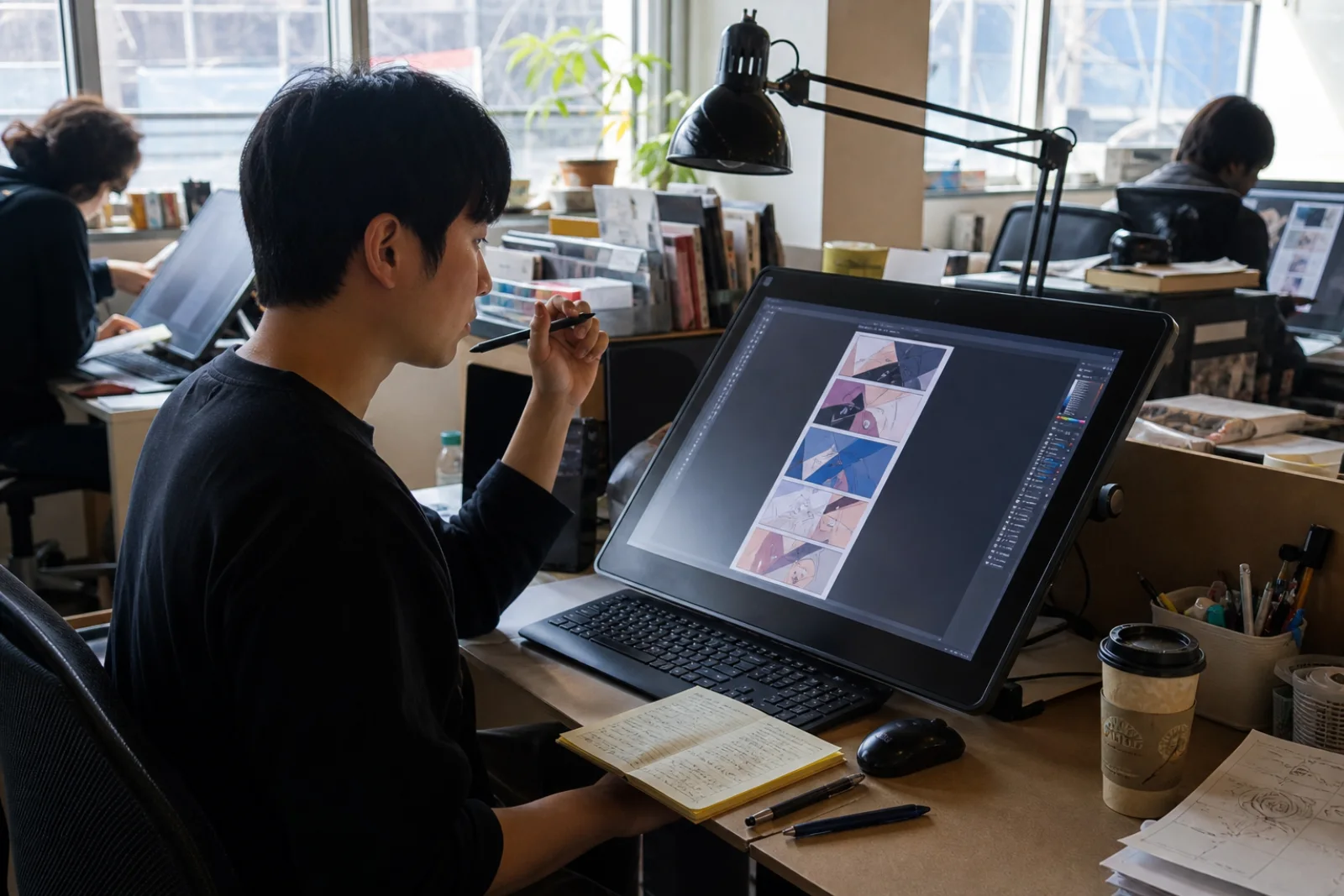
The vertical canvas is not just a comic turned sideways; spacing, reveal, color, labor, and phone reading reshape the story.
Read the brief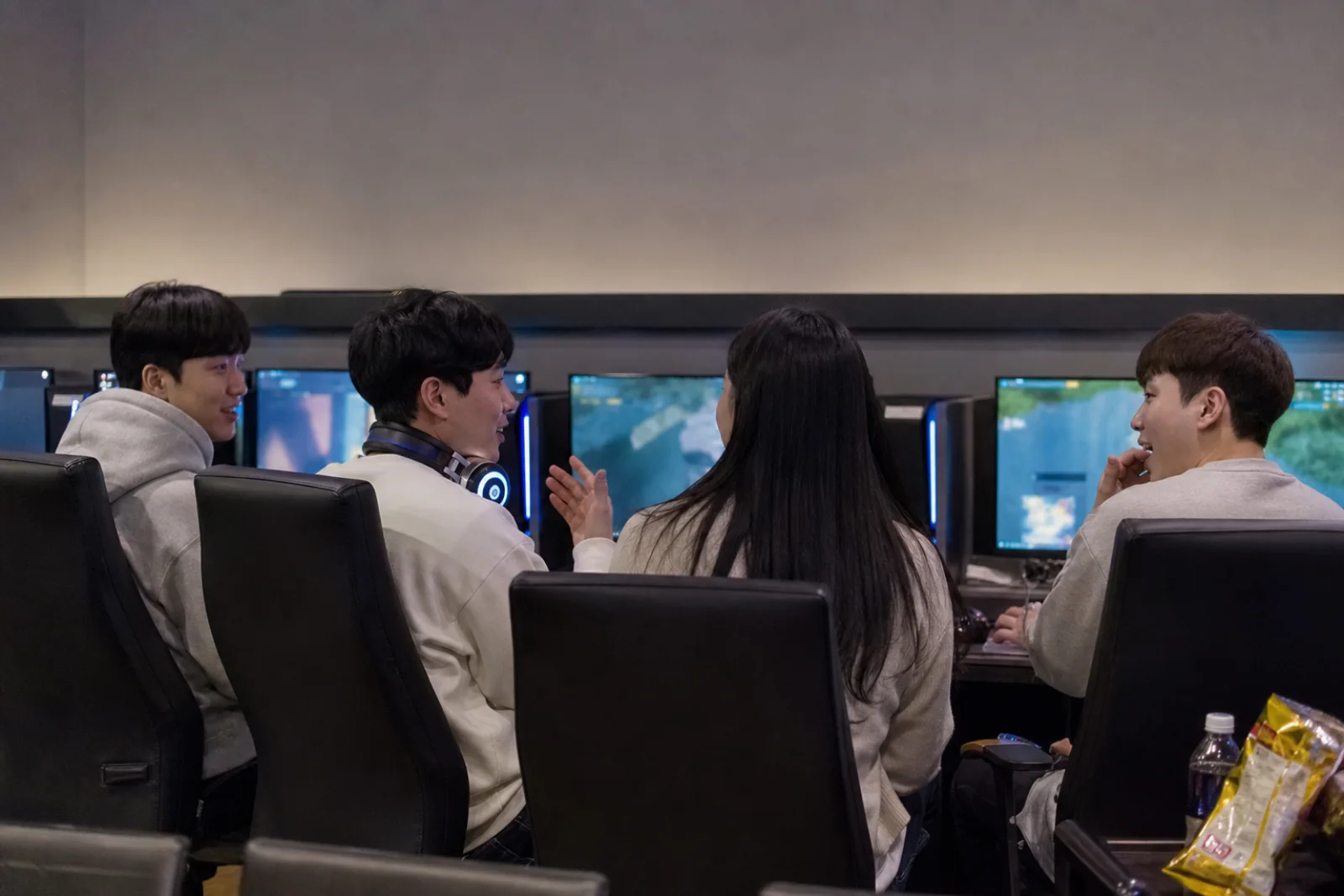
High-spec computers mattered, but so did proximity, hourly access, food, friends, and the sound of a match unfolding together.
Read the brief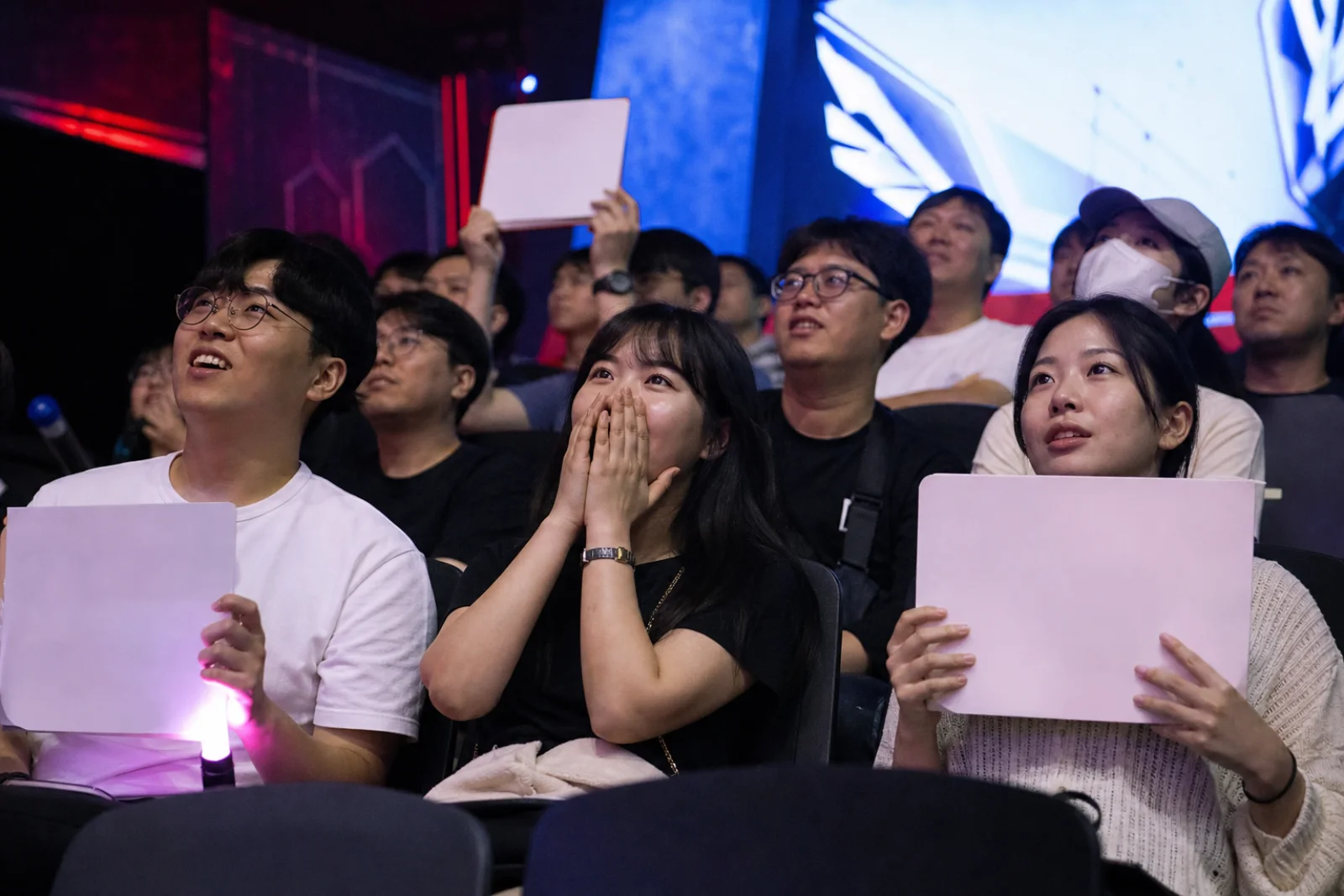
The match is digital; the tension, chants, analysis, stagecraft, and collective memory are unmistakably live.
Read the brief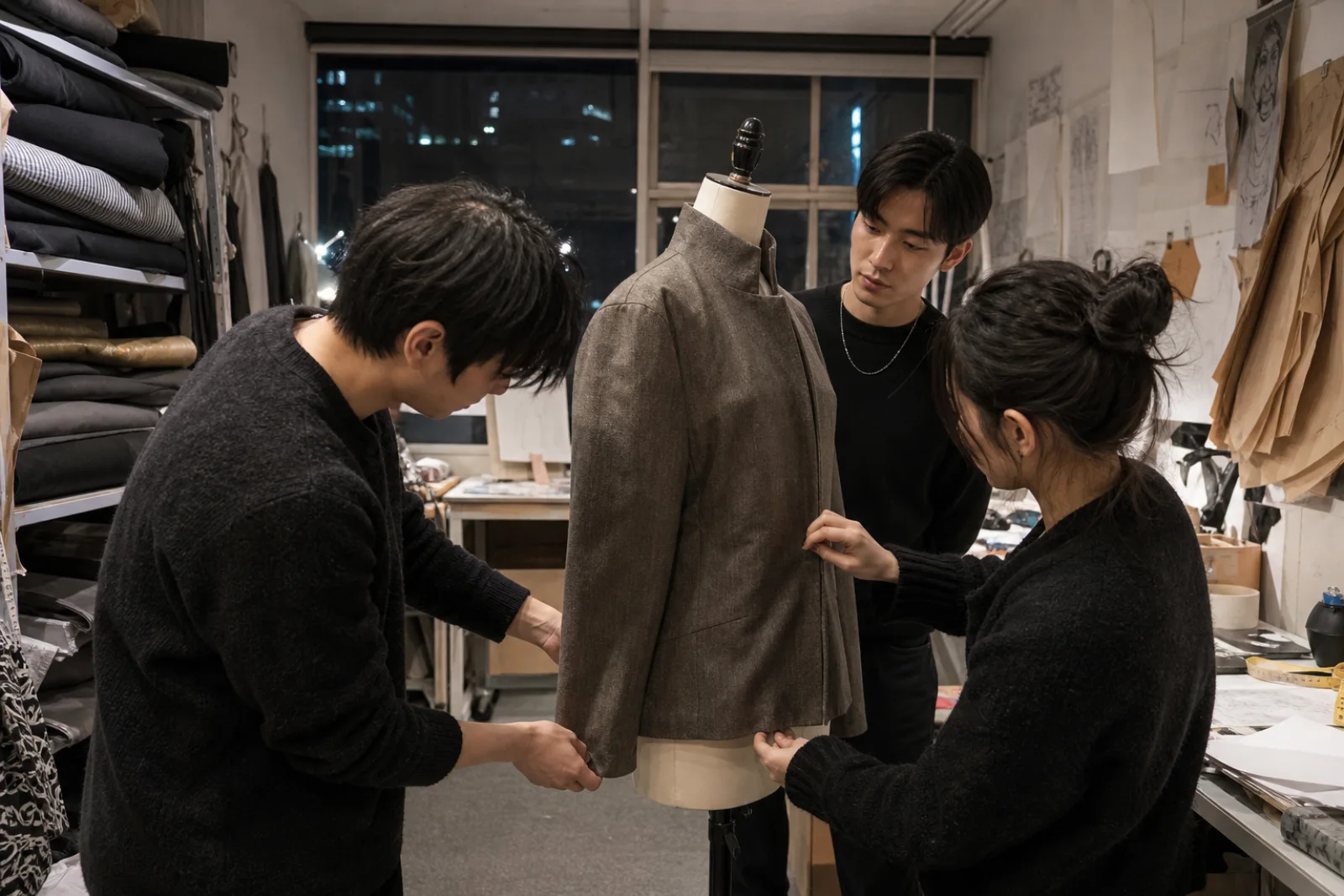
Speed is only one part of Seoul fashion; sampling, wholesale networks, street feedback, design schools, and online retail complete the circuit.
Read the brief
Textures, routines, retail testing, sunscreen habits, packaging, and rapid feedback matter more than a single impossible face.
Read the brief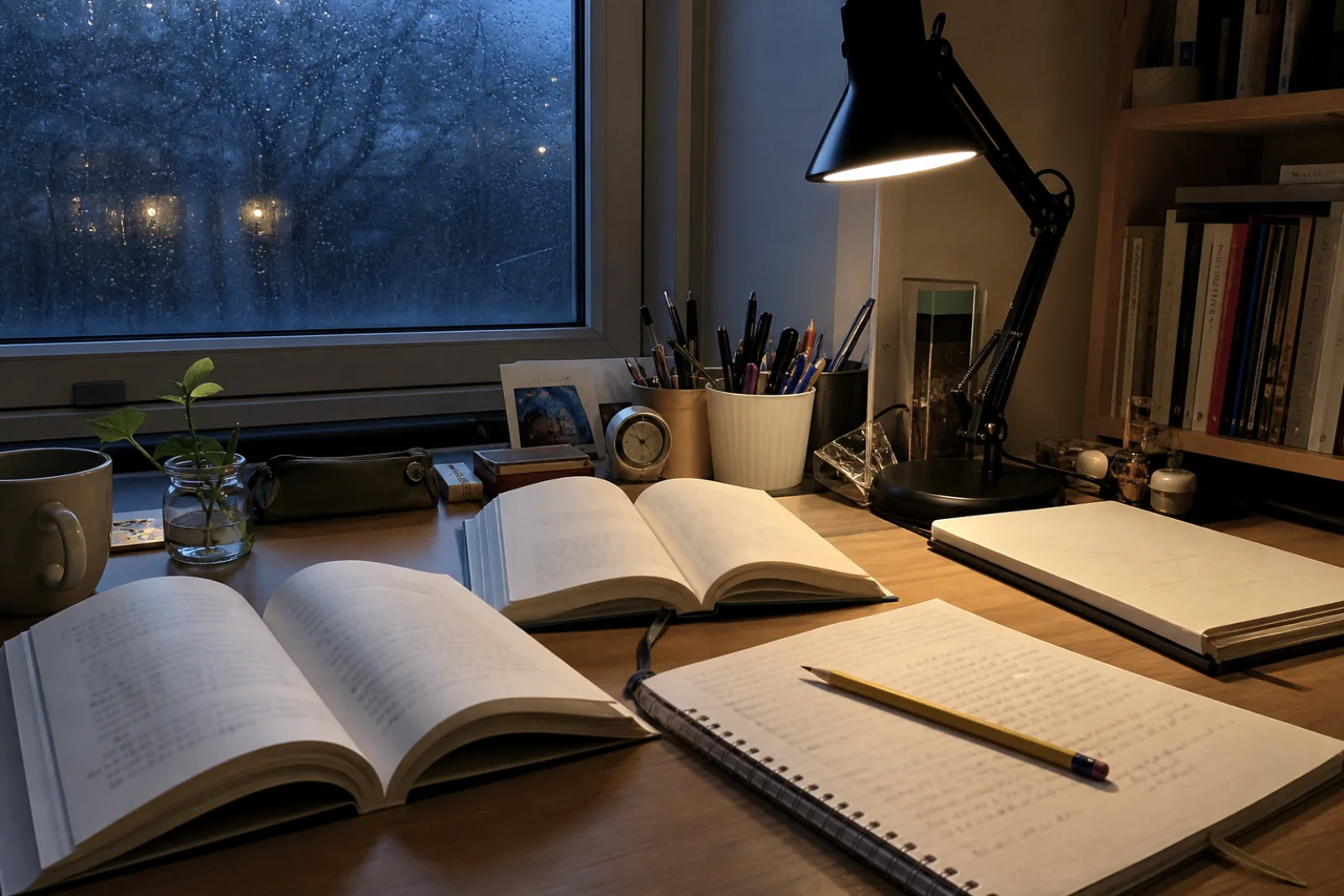
A translated book is not a window with invisible glass; it is a second work of attention shaped by voice, syntax, context, and choice.
Read the brief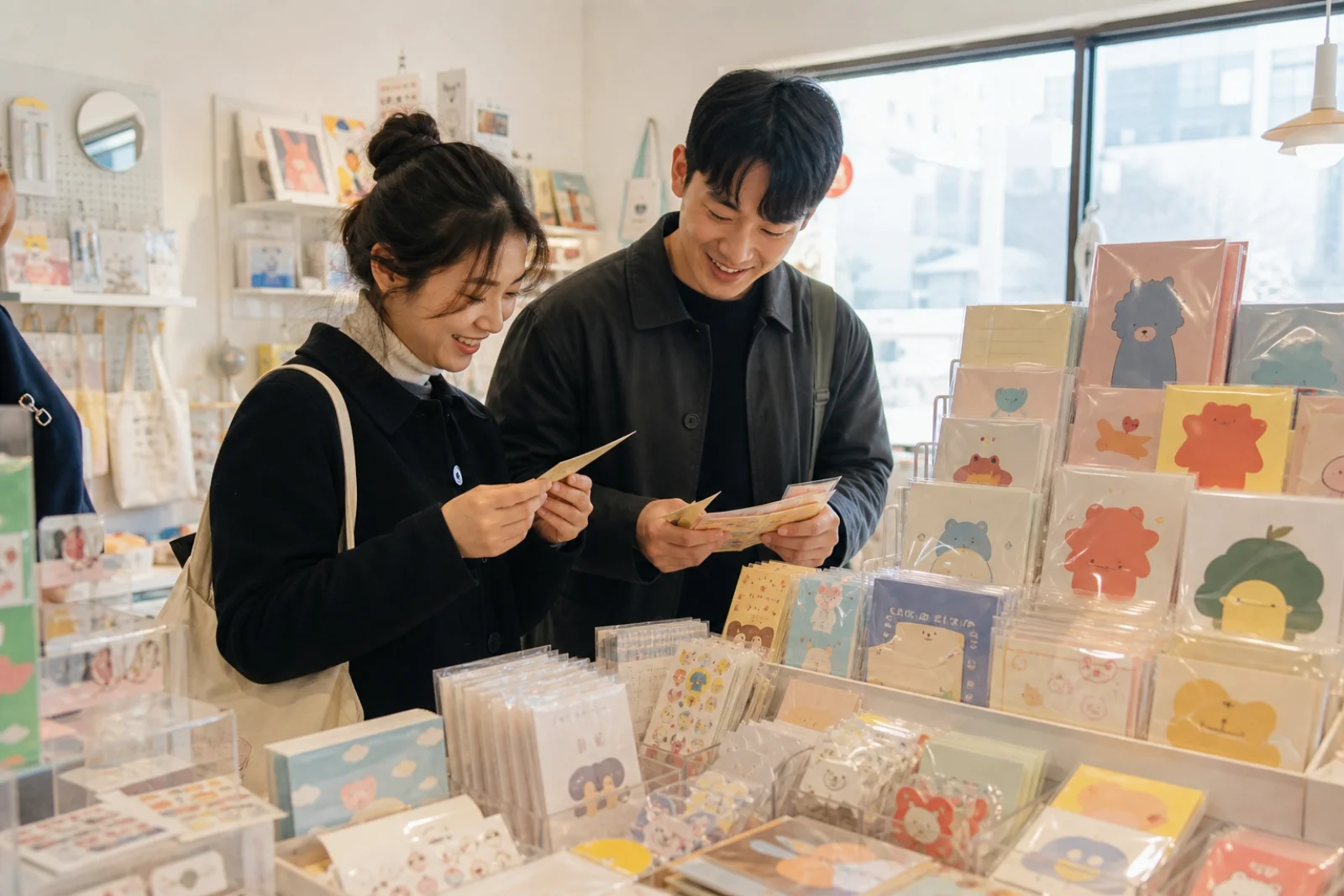
Mascots on transit cards, office desks, messages, and local campaigns show how Korean design lets adults use softness without apology.
Read the brief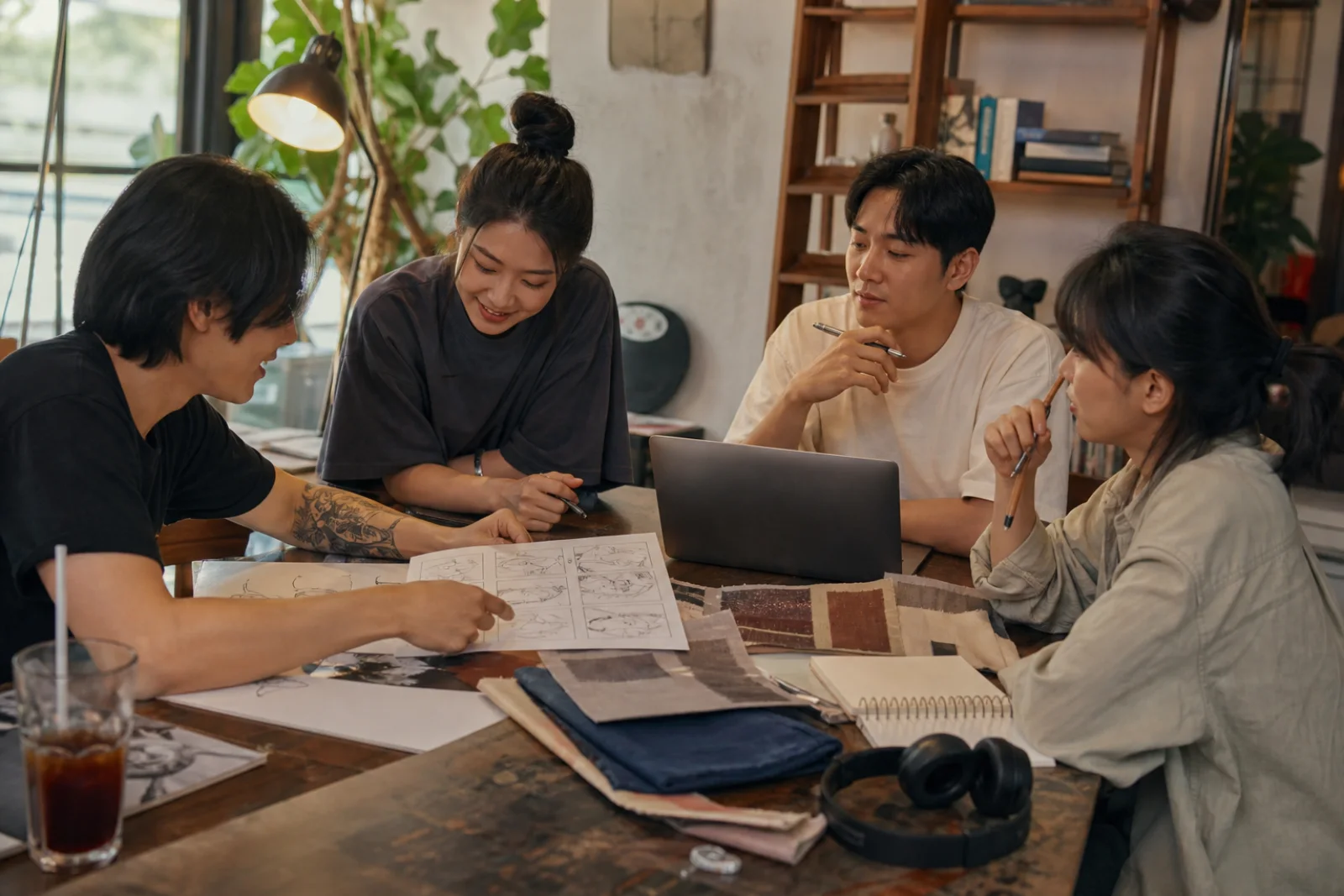
K-pop, film, drama, games, webtoons, food, fashion, literature, and design now travel together—but their future depends on specificity, credit, and sustainable work.
Read the brief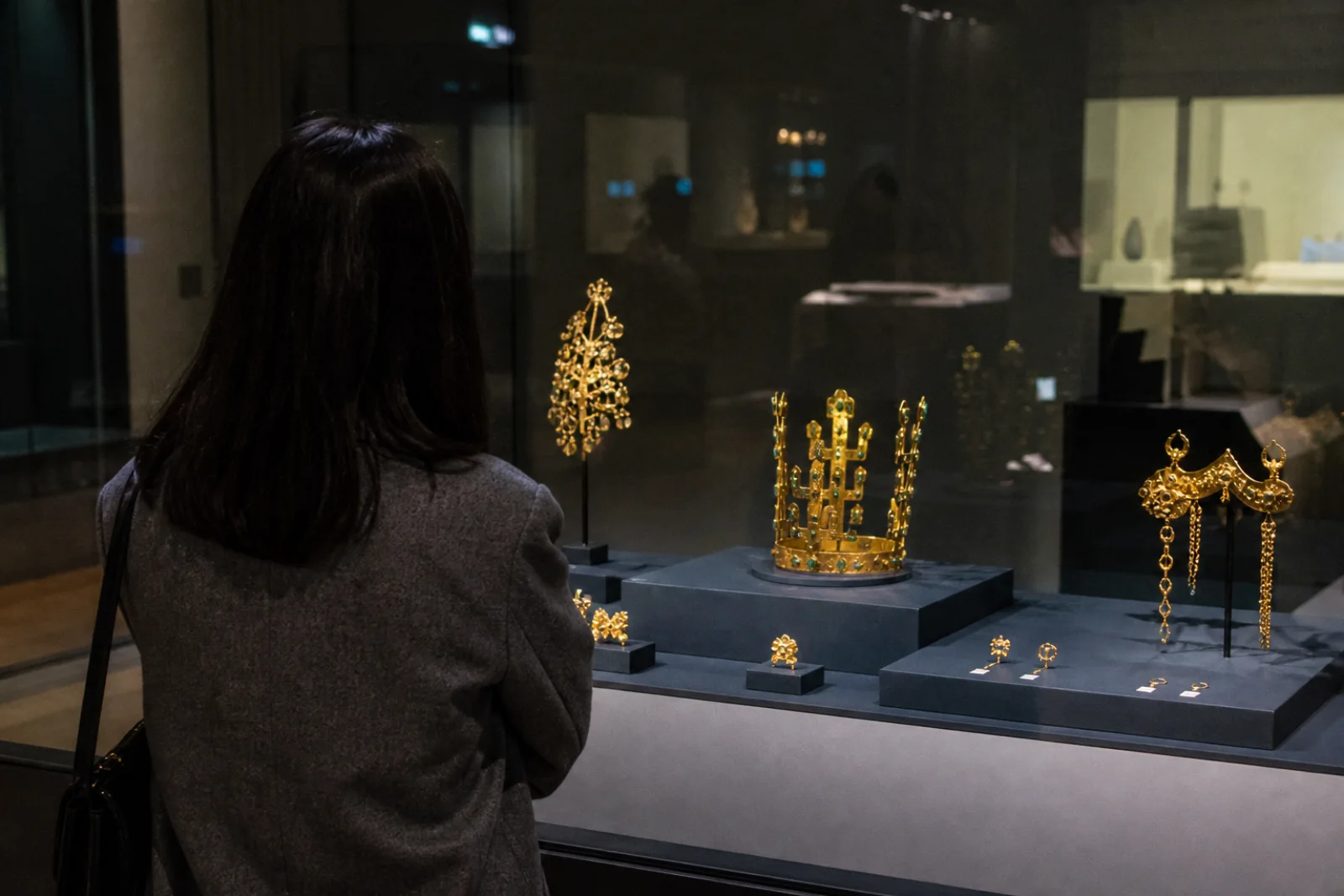
Crowns, belts, earrings, and tiny gold details become more revealing when the museum case is treated as an evidence table.
Read the brief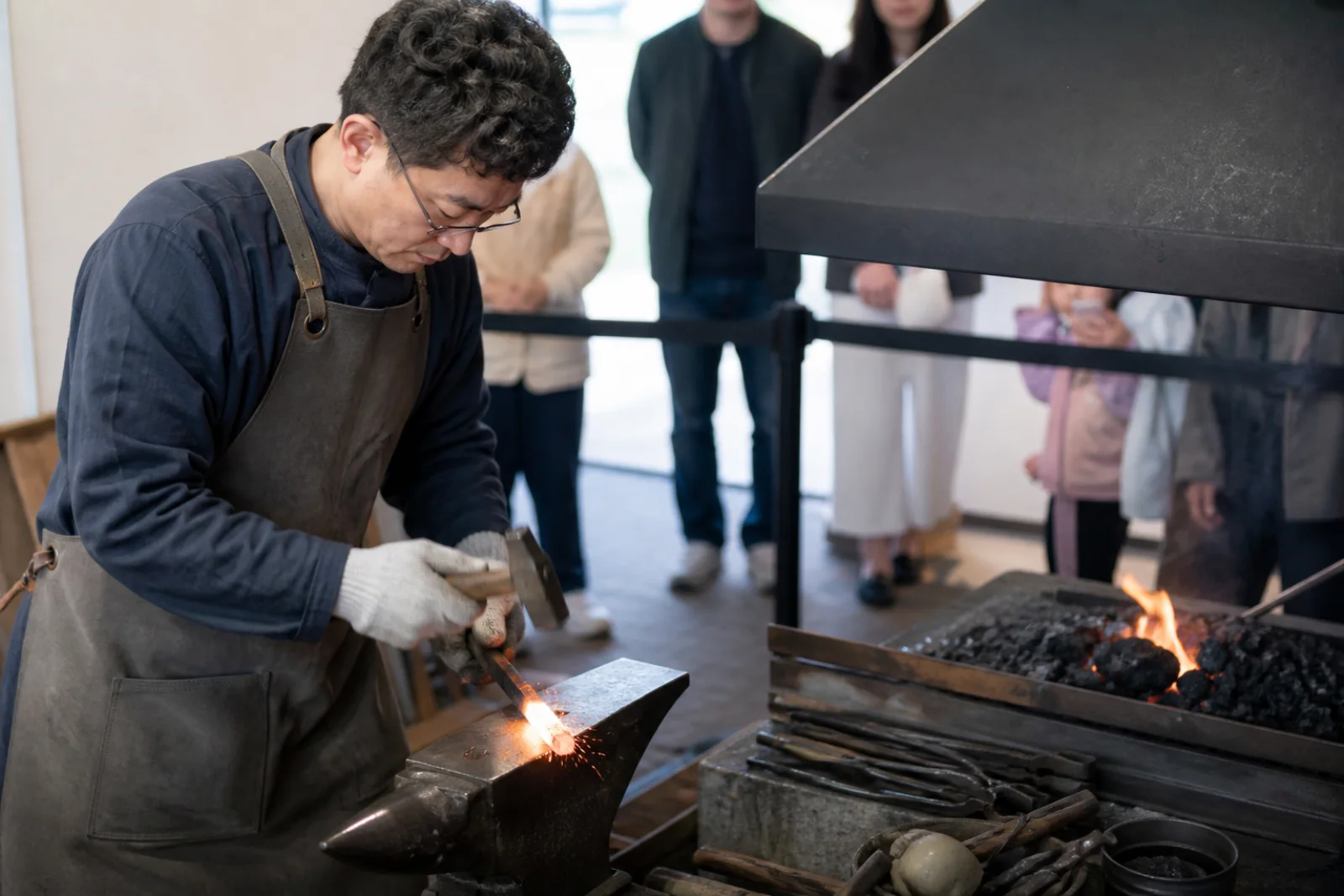
Tools, armor, horse equipment, and workshop traces show why iron is best read as a network of skill and exchange.
Read the brief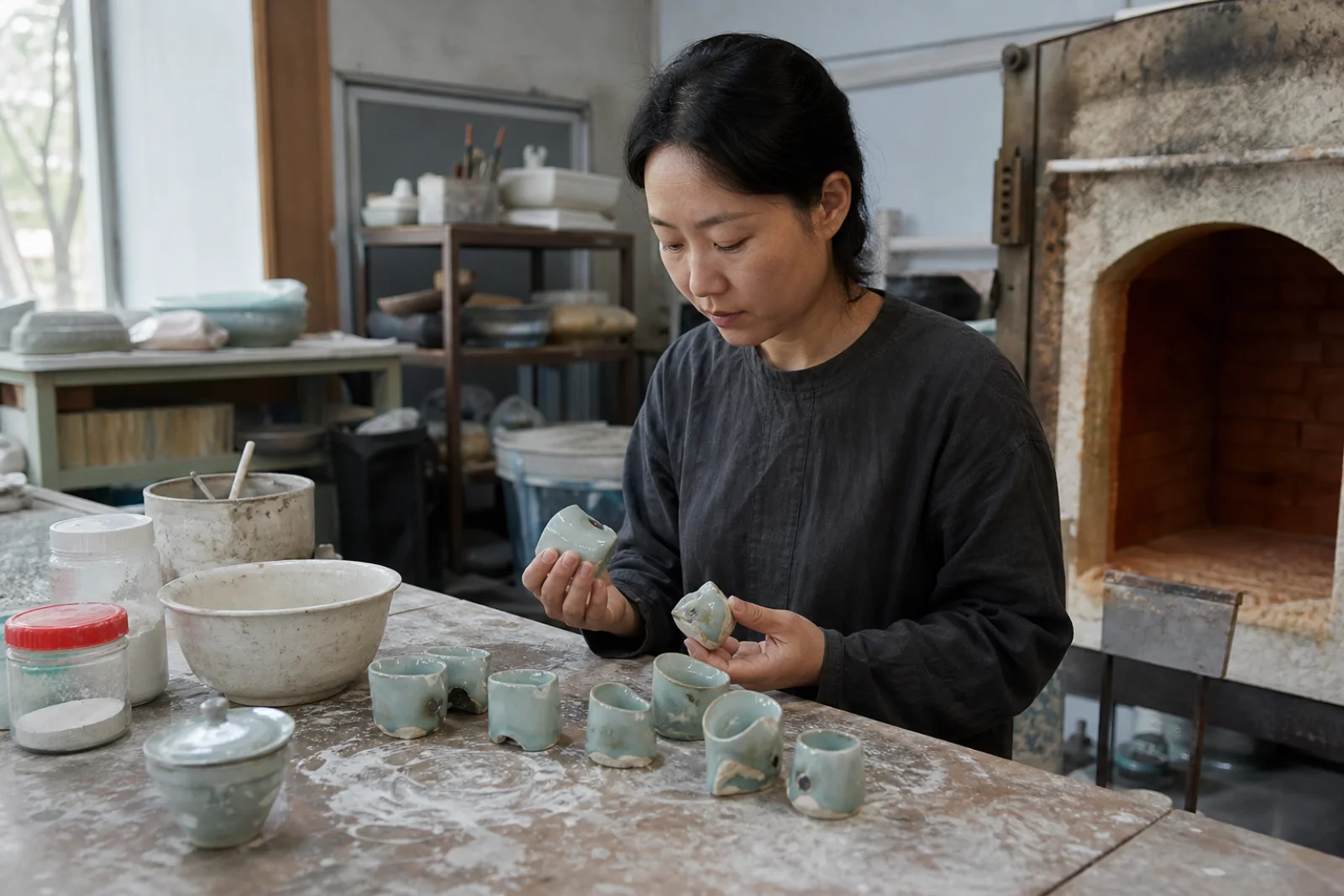
The famous green is not a paint chip; it emerges from clay, glaze, kiln atmosphere, form, and an unforgiving sequence of heat.
Read the brief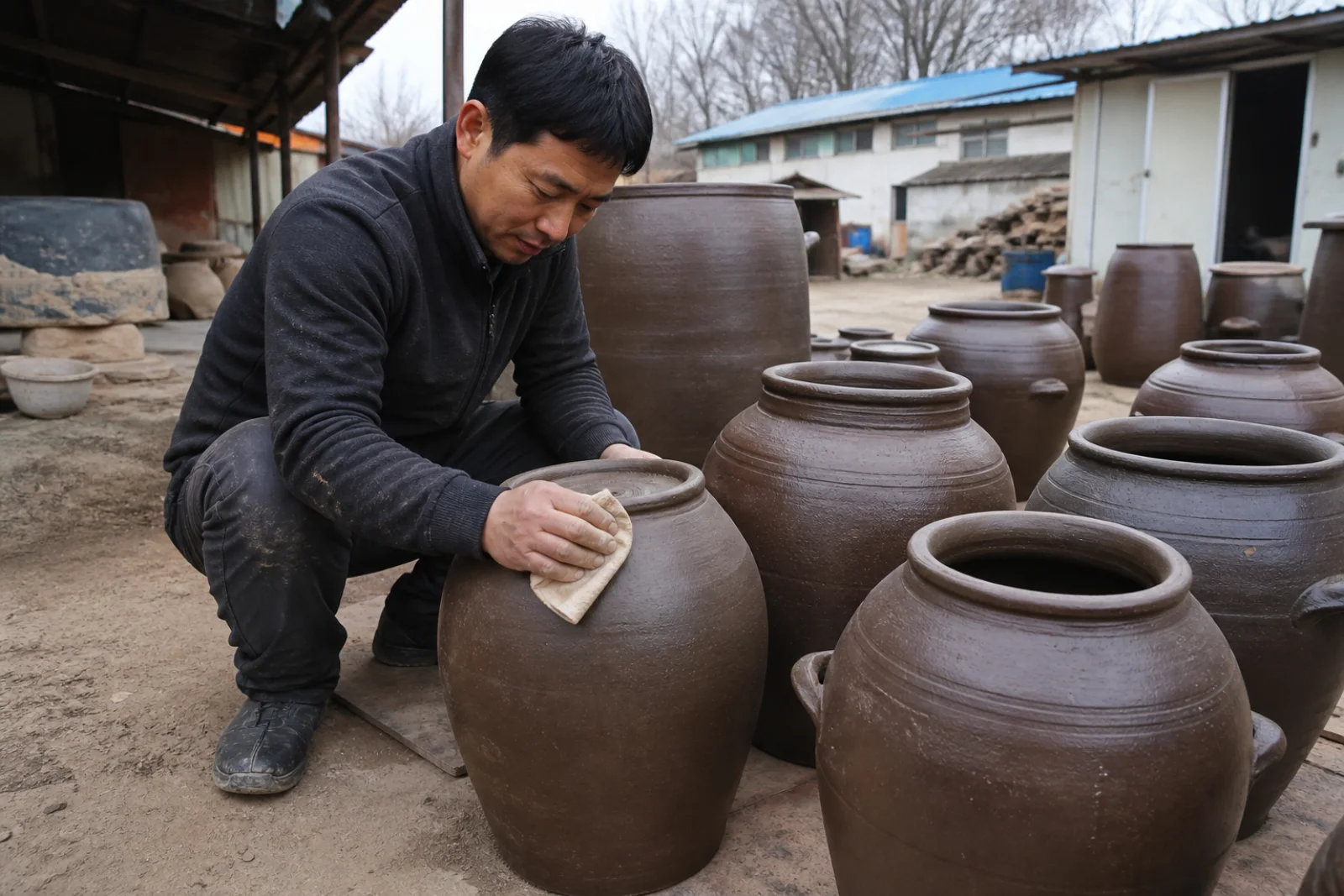
The brown jars on a rooftop or terrace are tools whose clay, glaze, lid, weather, and contents work together.
Read the brief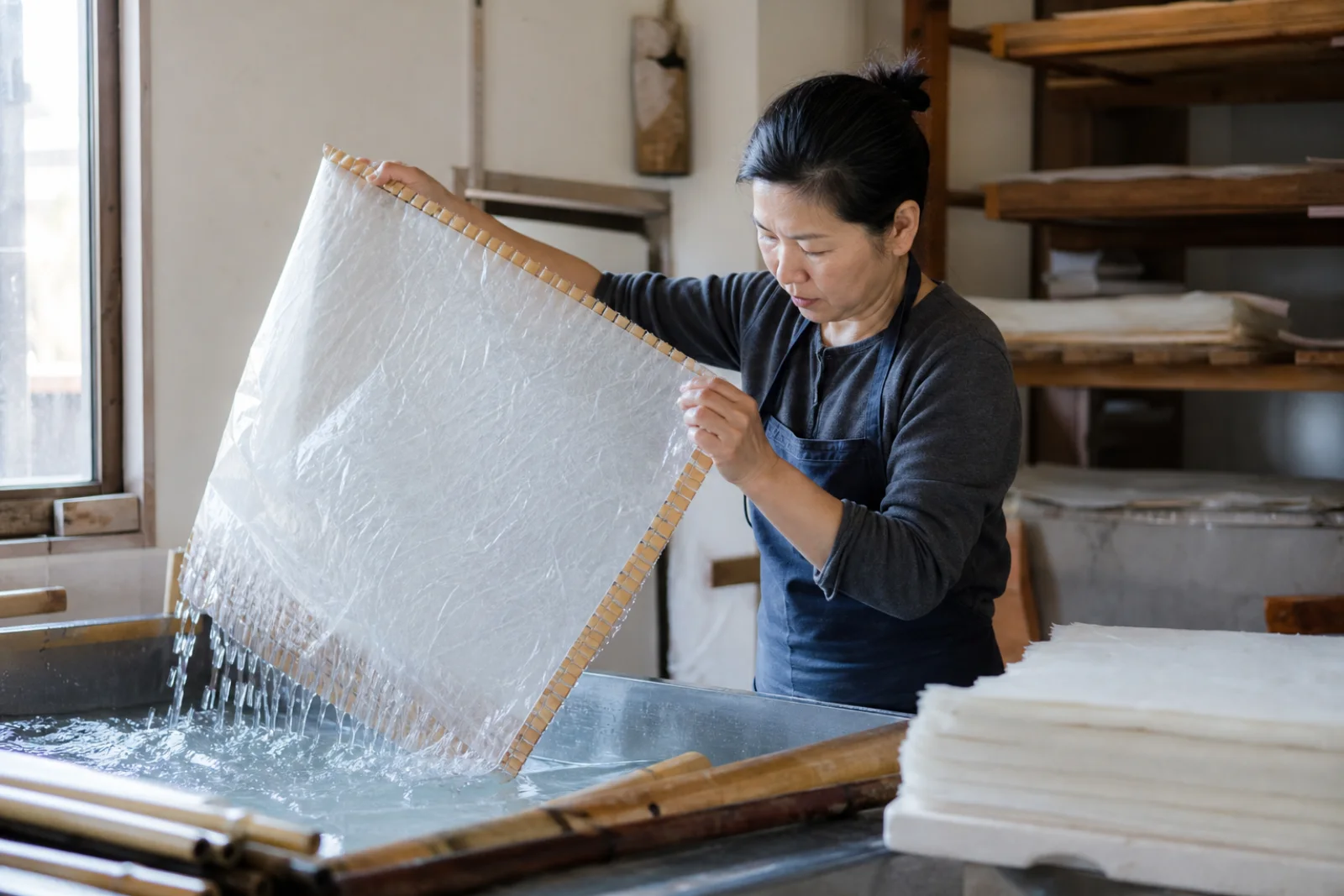
Mulberry fiber, patient sheet formation, and repeated finishing made Korean paper part of books, objects, and architecture.
Read the brief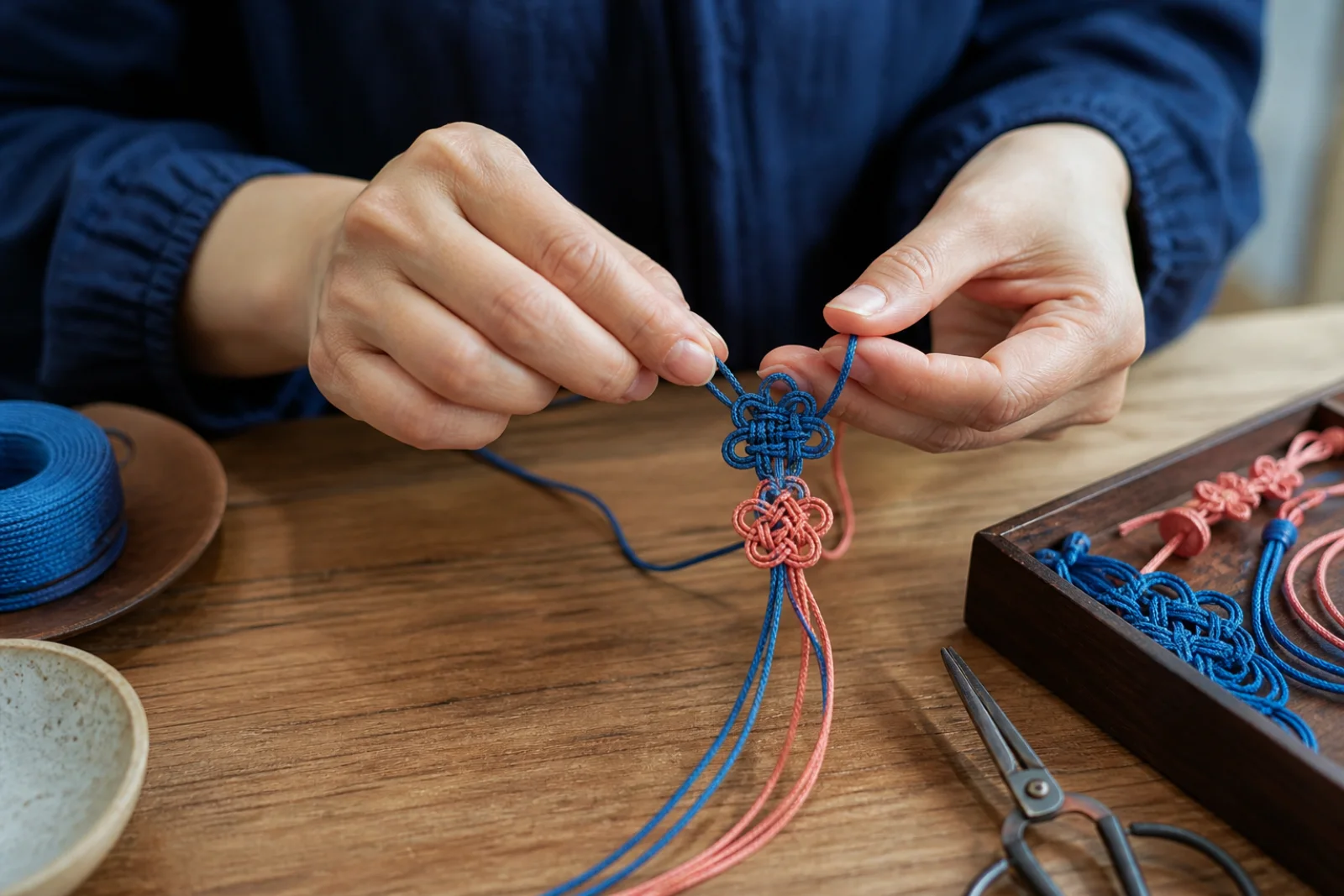
Cord turns, tightens, mirrors, and returns until a decorative knot holds structure, rhythm, and the memory of practiced hands.
Read the brief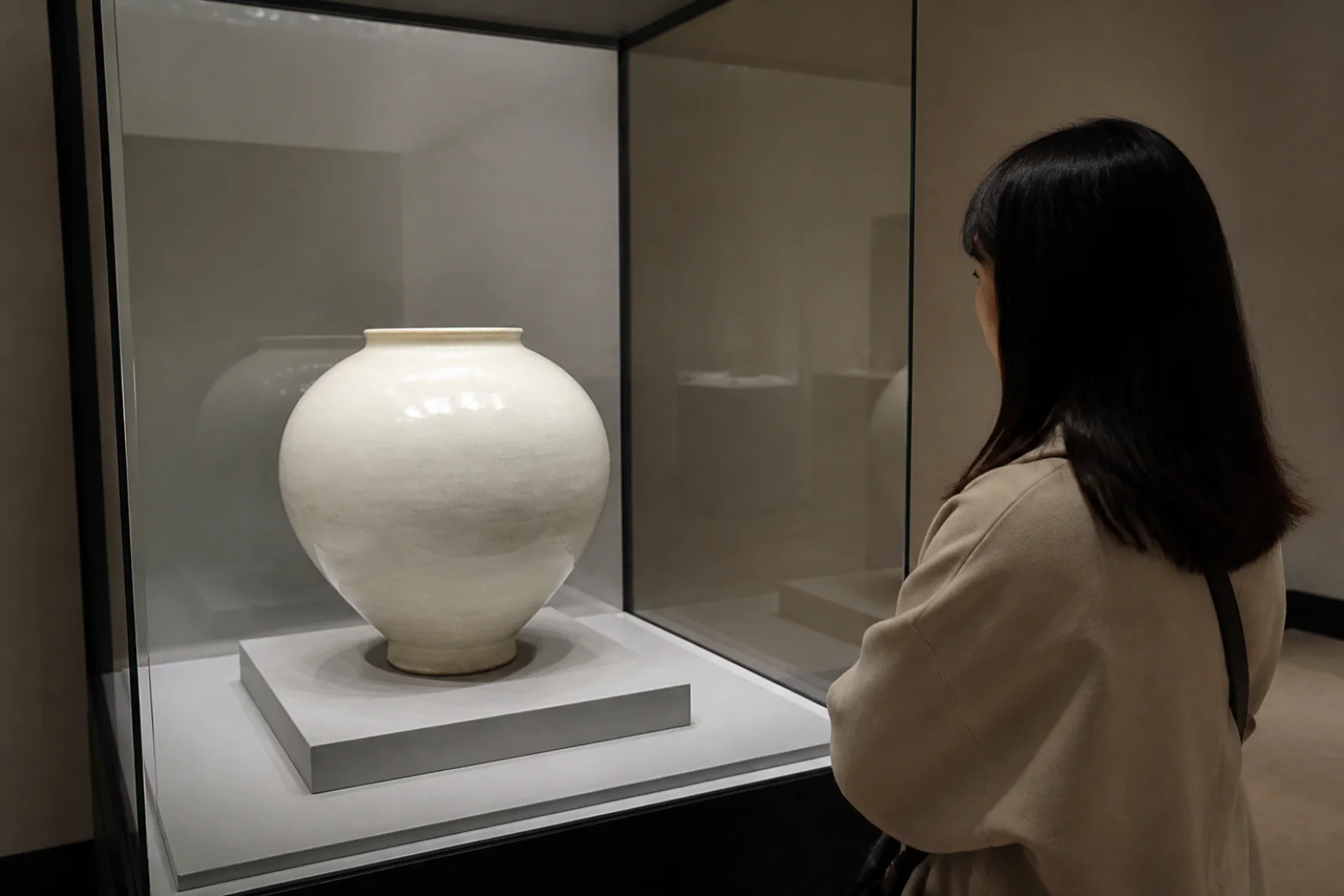
A famous white sphere becomes more compelling when its seam, imbalance, clay, and difficult scale remain visible.
Read the brief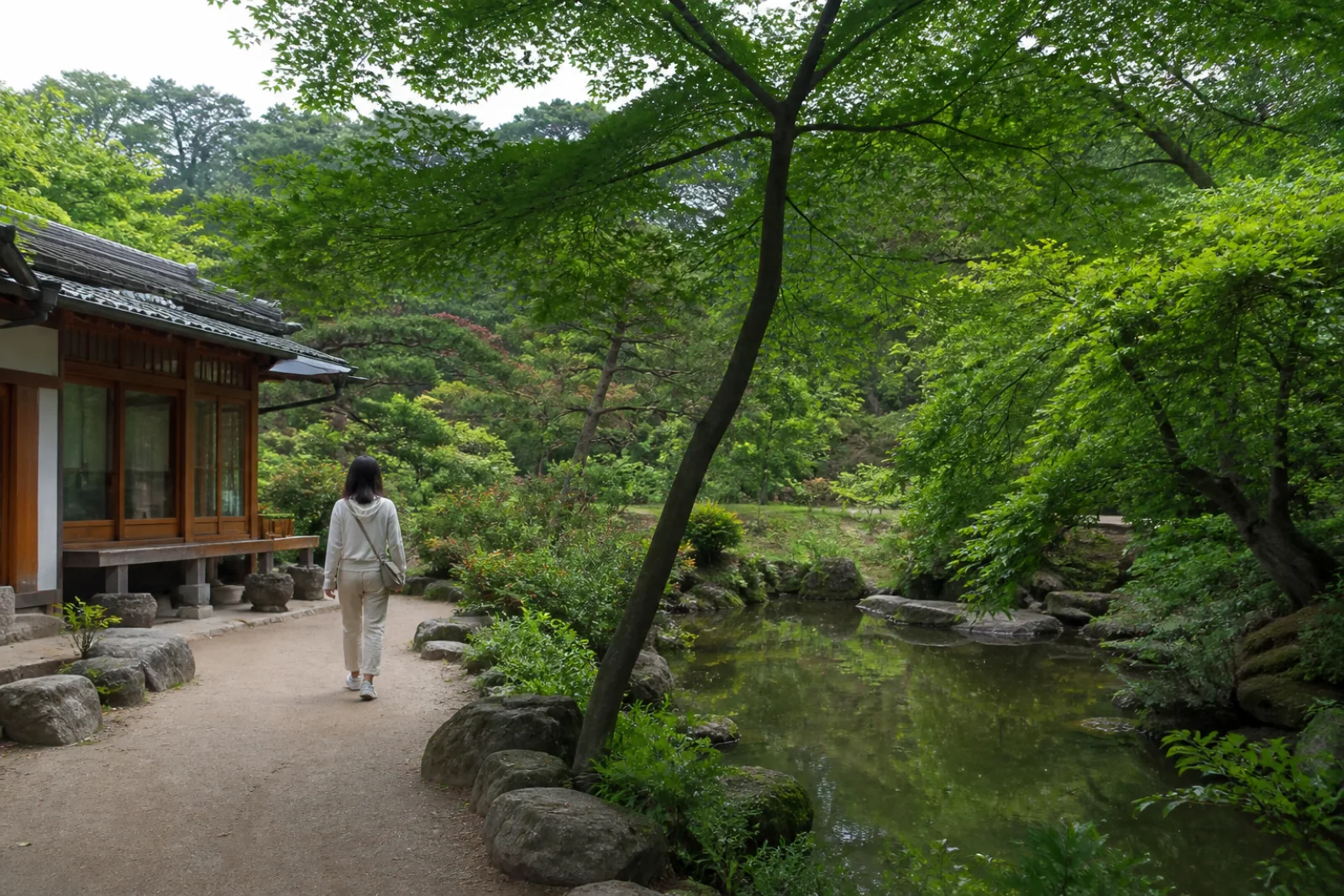
Paths, water, rocks, pavilions, borrowed views, and seasonal change ask the visitor to move rather than consume one perfect frame.
Read the brief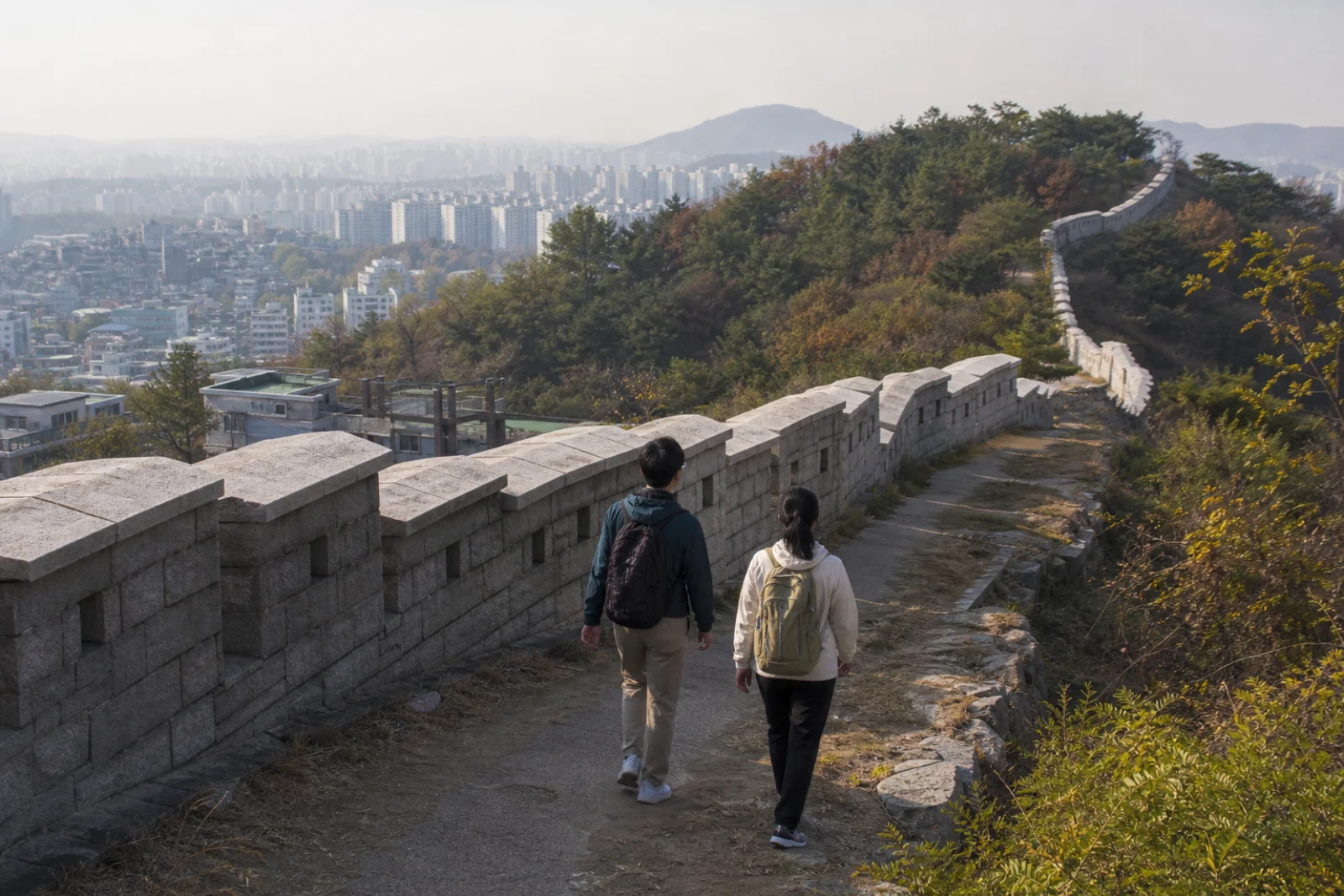
Stone courses, mountain ridges, repair marks, gates, and apartment views show how a historic boundary survives inside a living capital.
Read the brief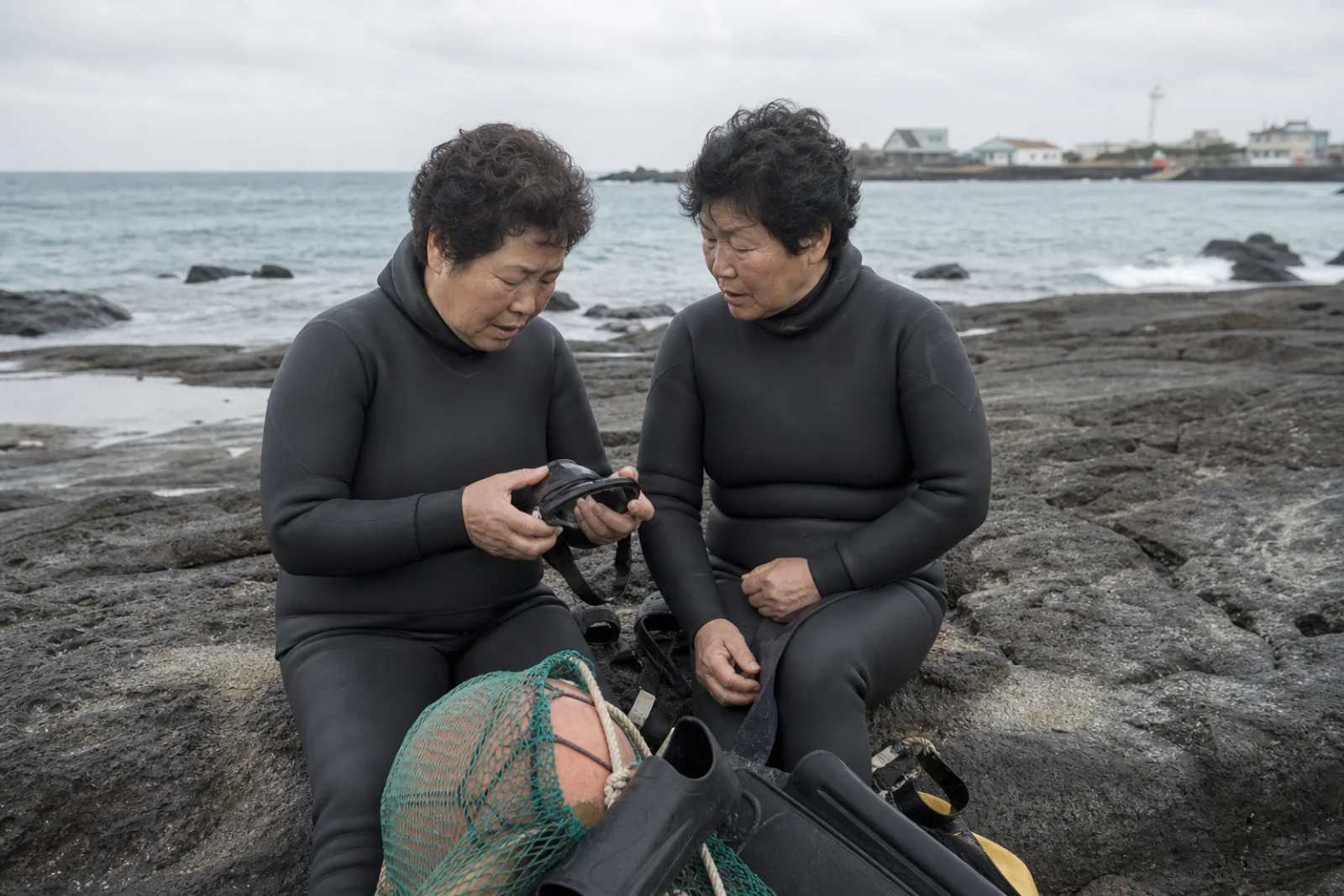
The women divers of Jeju are a living community of work, knowledge, training, risk, and environmental attention—not a romantic costume image.
Read the brief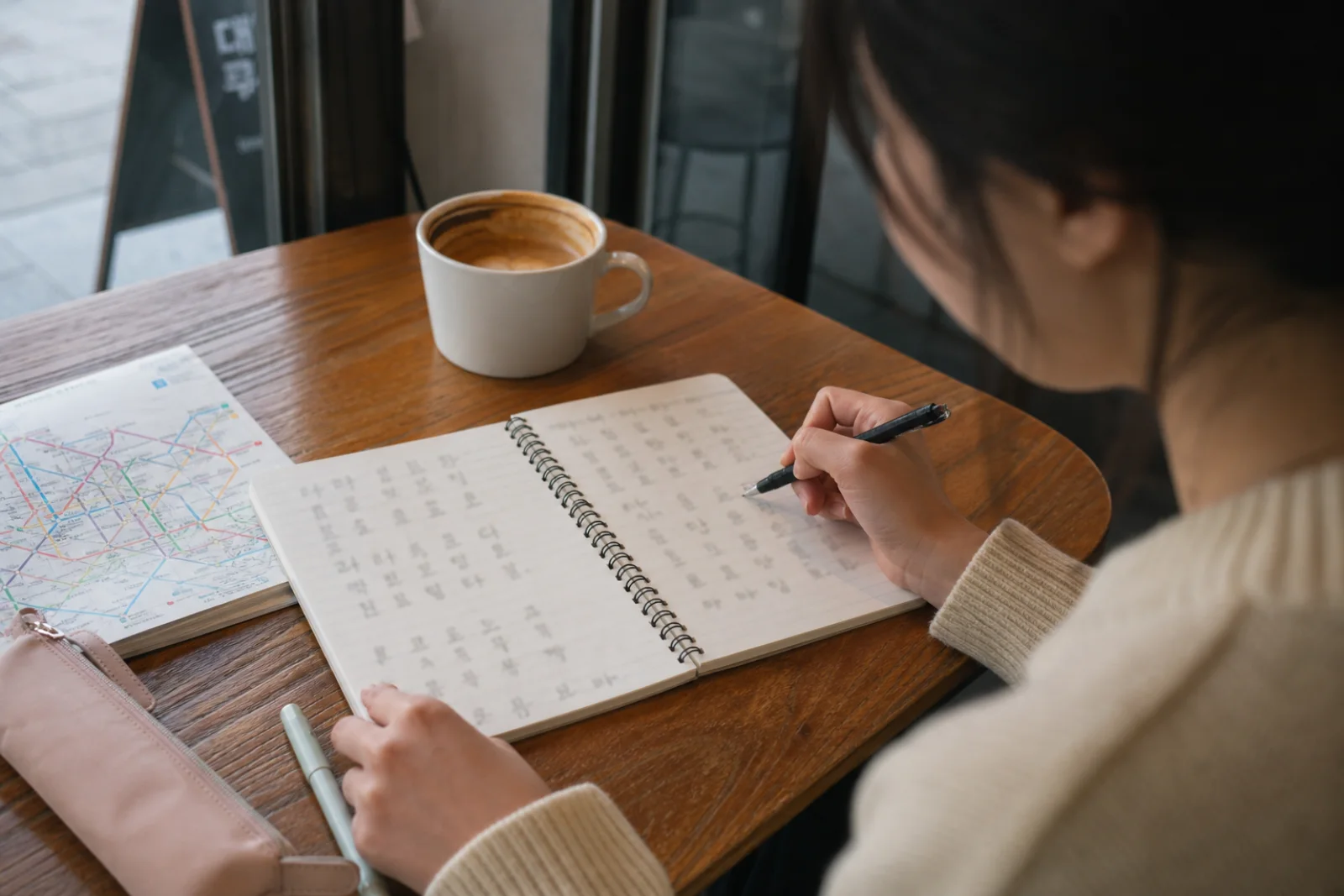
The alphabet is approachable by design; reading real Korean begins when the tidy chart meets sound, spacing, and context.
Read the brief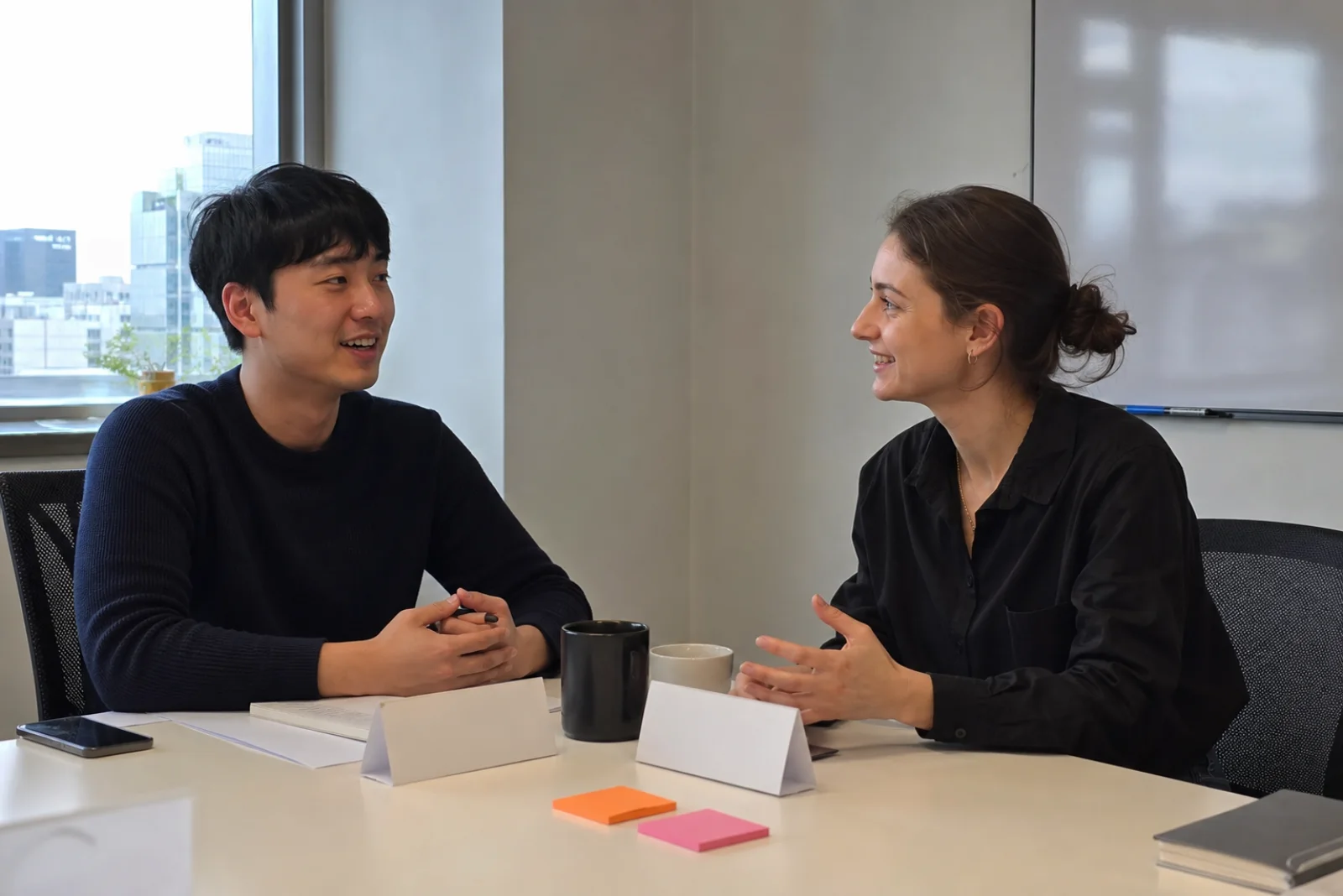
Family name, given name, romanization, and form of address are related—but never safely guessed from one email signature.
Read the brief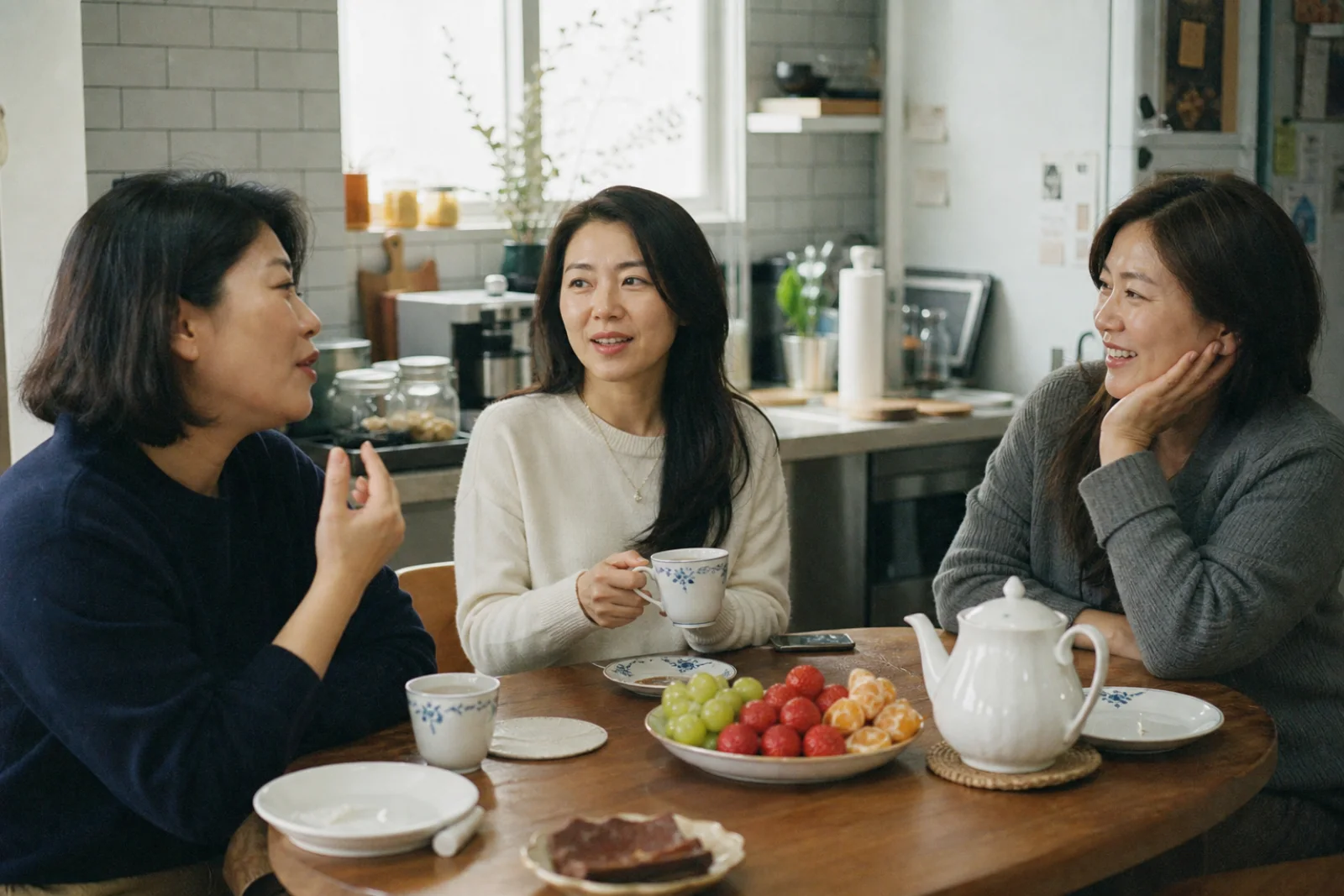
Korean speech levels are not a personality test; they are a way of locating a relationship and adjusting it together.
Read the brief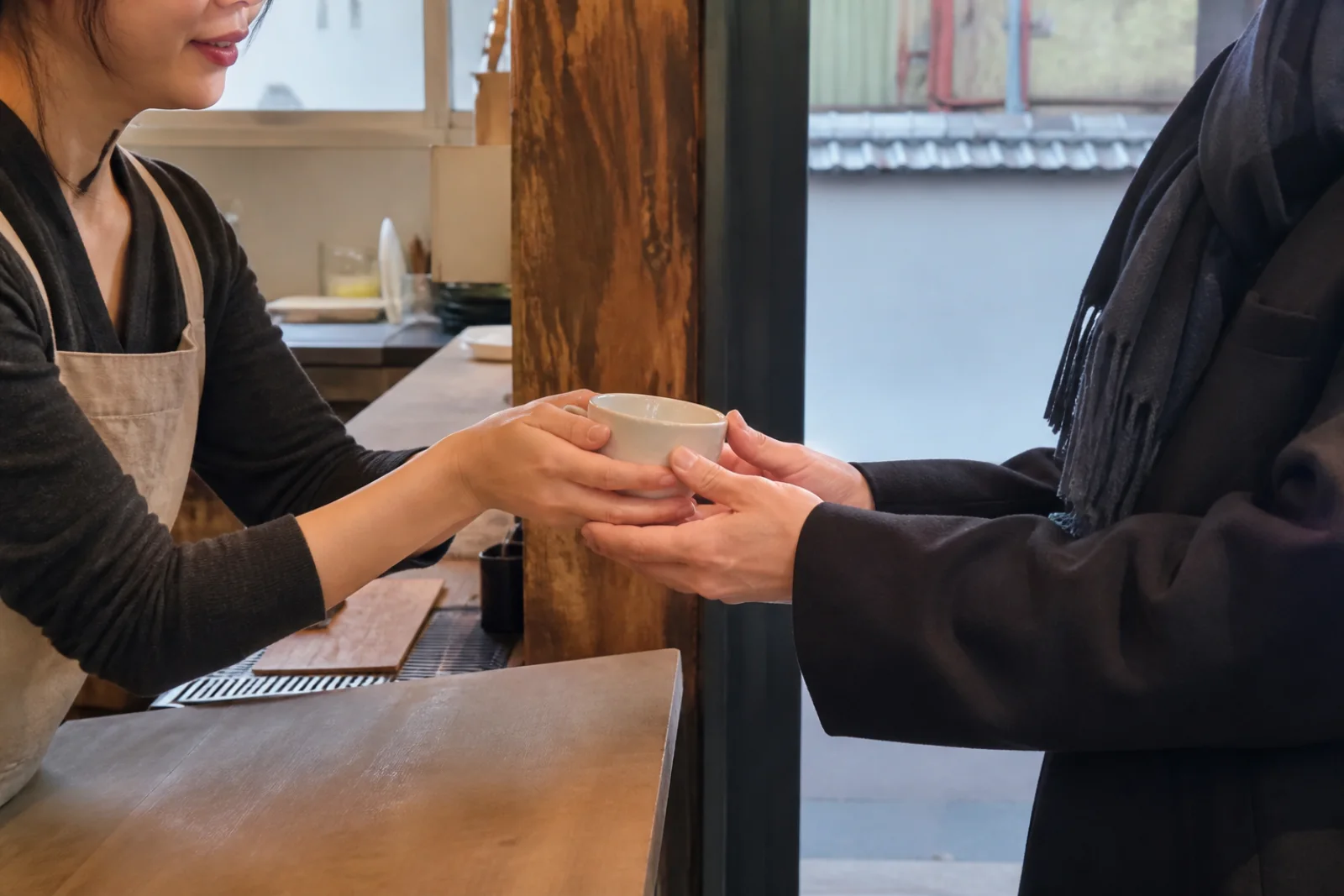
Small gestures help in Korea, but attention to the person matters more than performing a perfect cultural script.
Read the brief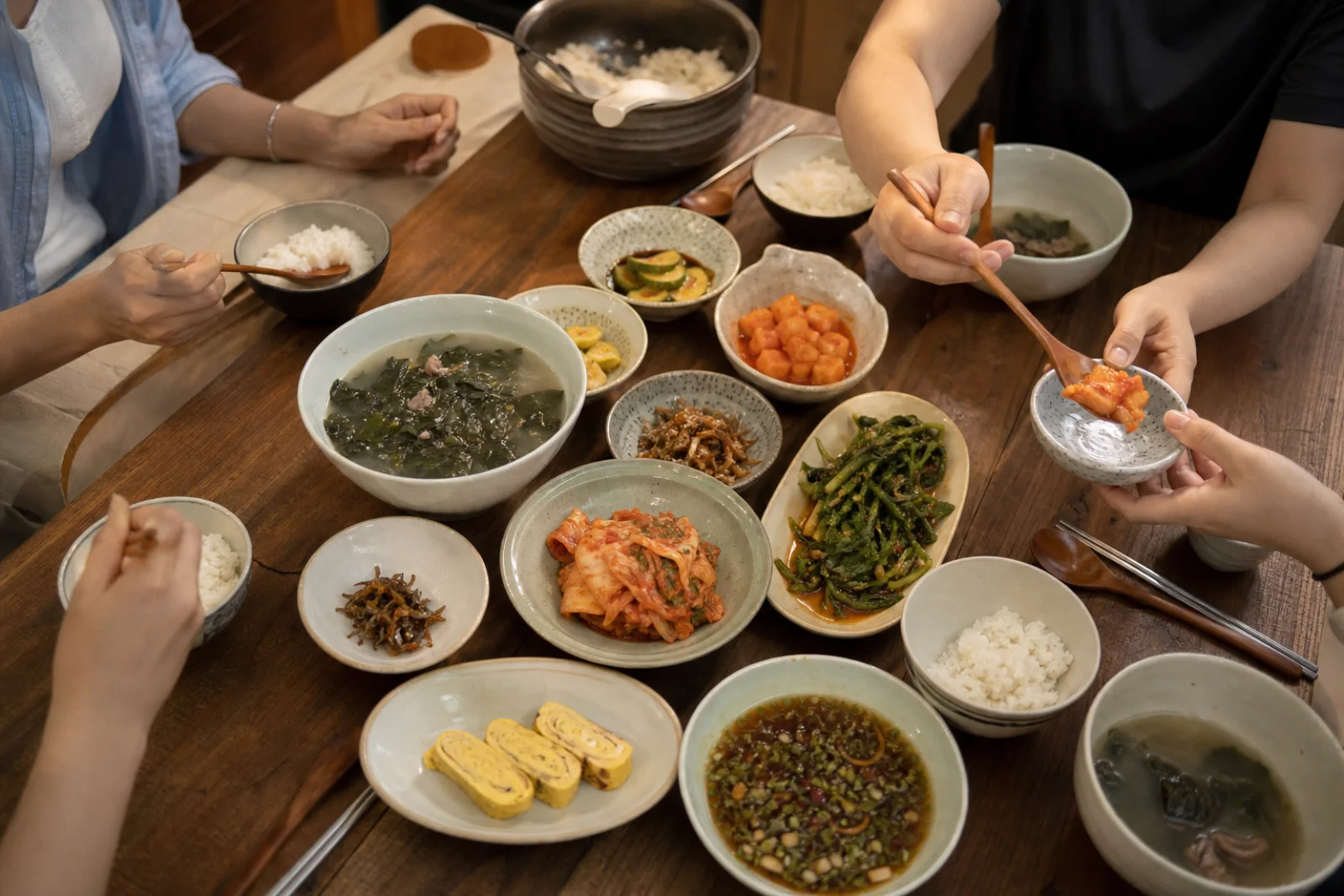
Small dishes do not mean small importance; they create contrast, rhythm, and conversation across a Korean meal.
Read the brief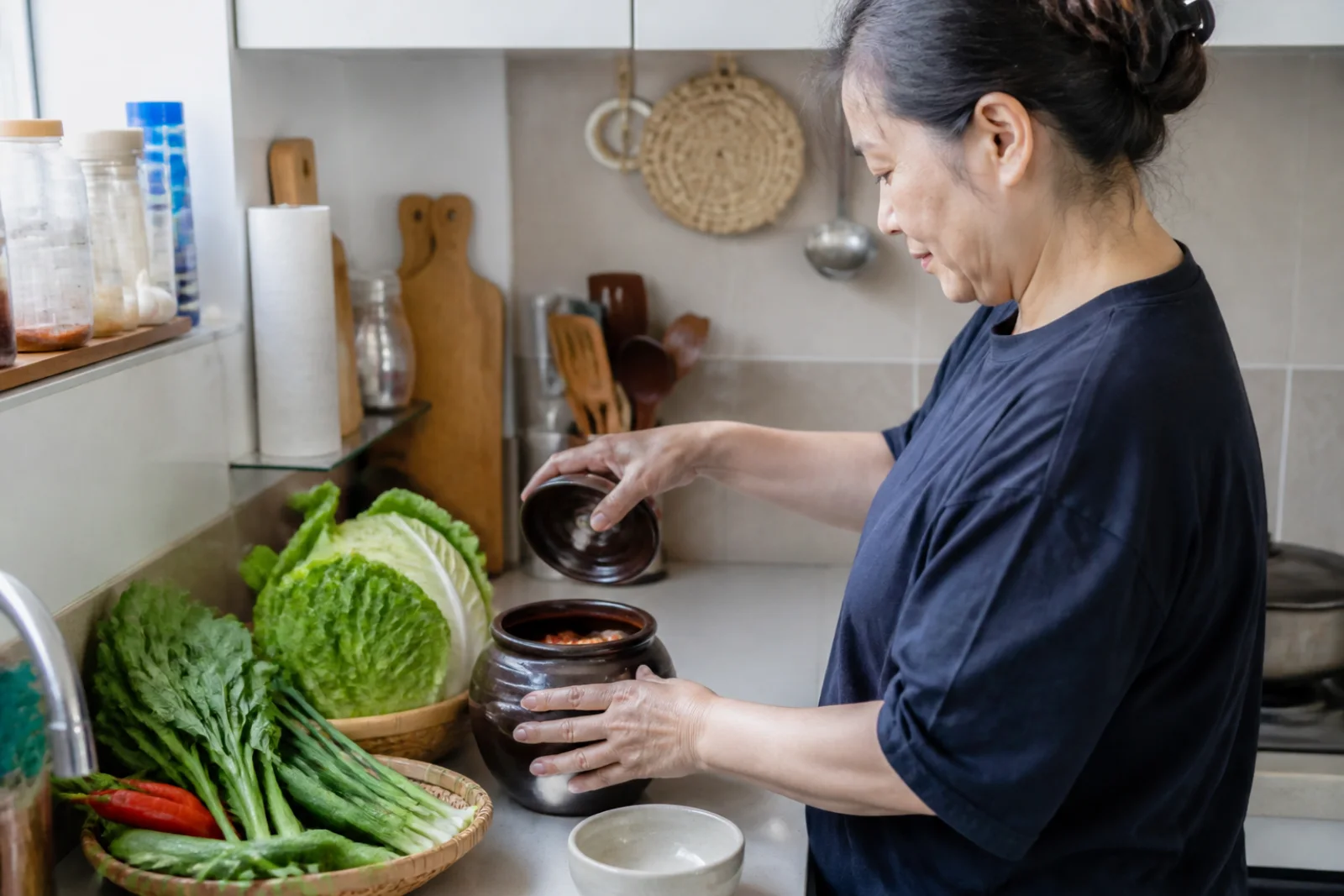
Kimchi, jang, temperature, salt, time, and microbes turn preservation into a living Korean flavor system.
Read the brief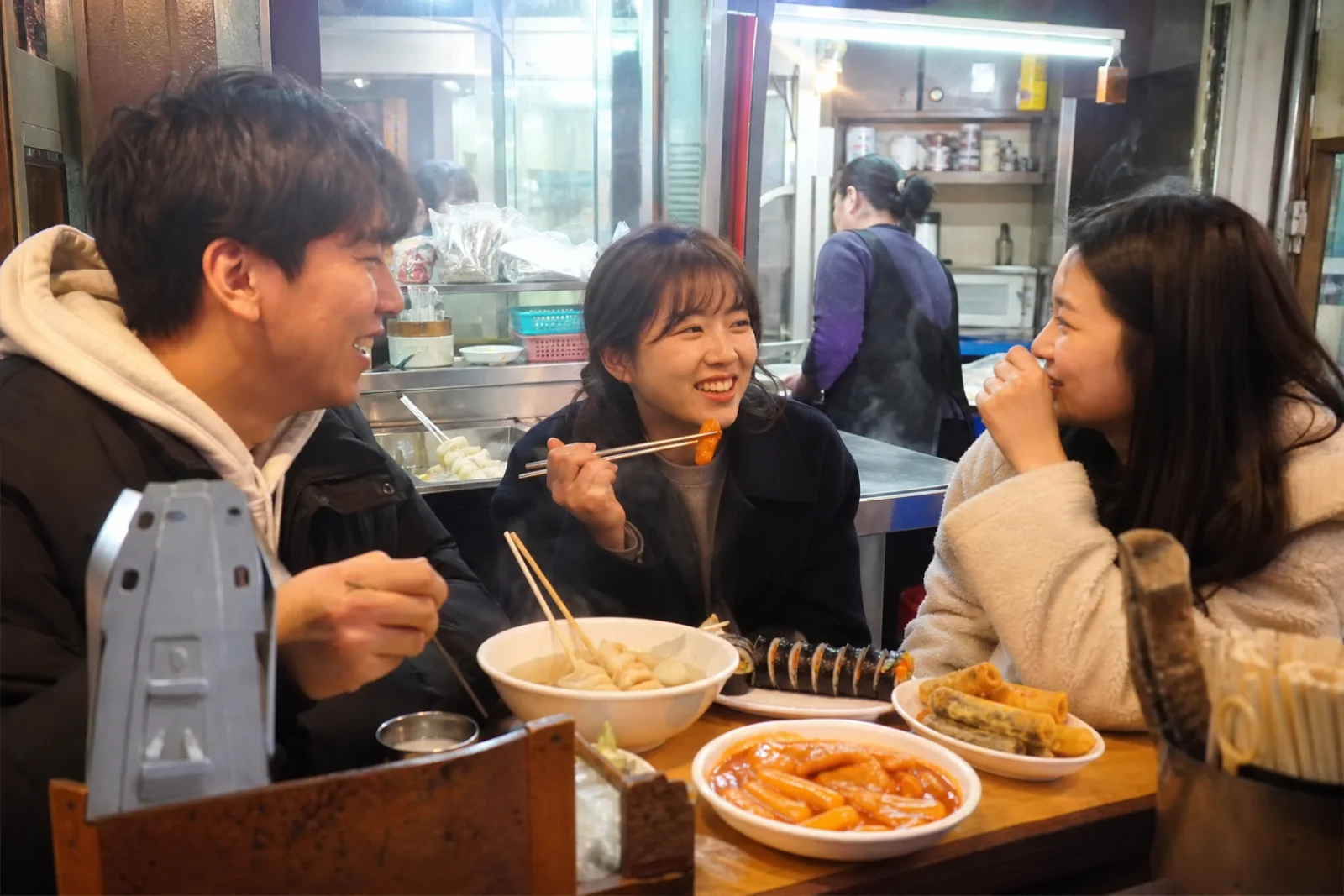
Tteokbokki, gimbap, noodles, and fried snacks form a flexible language of quick Korean eating.
Read the brief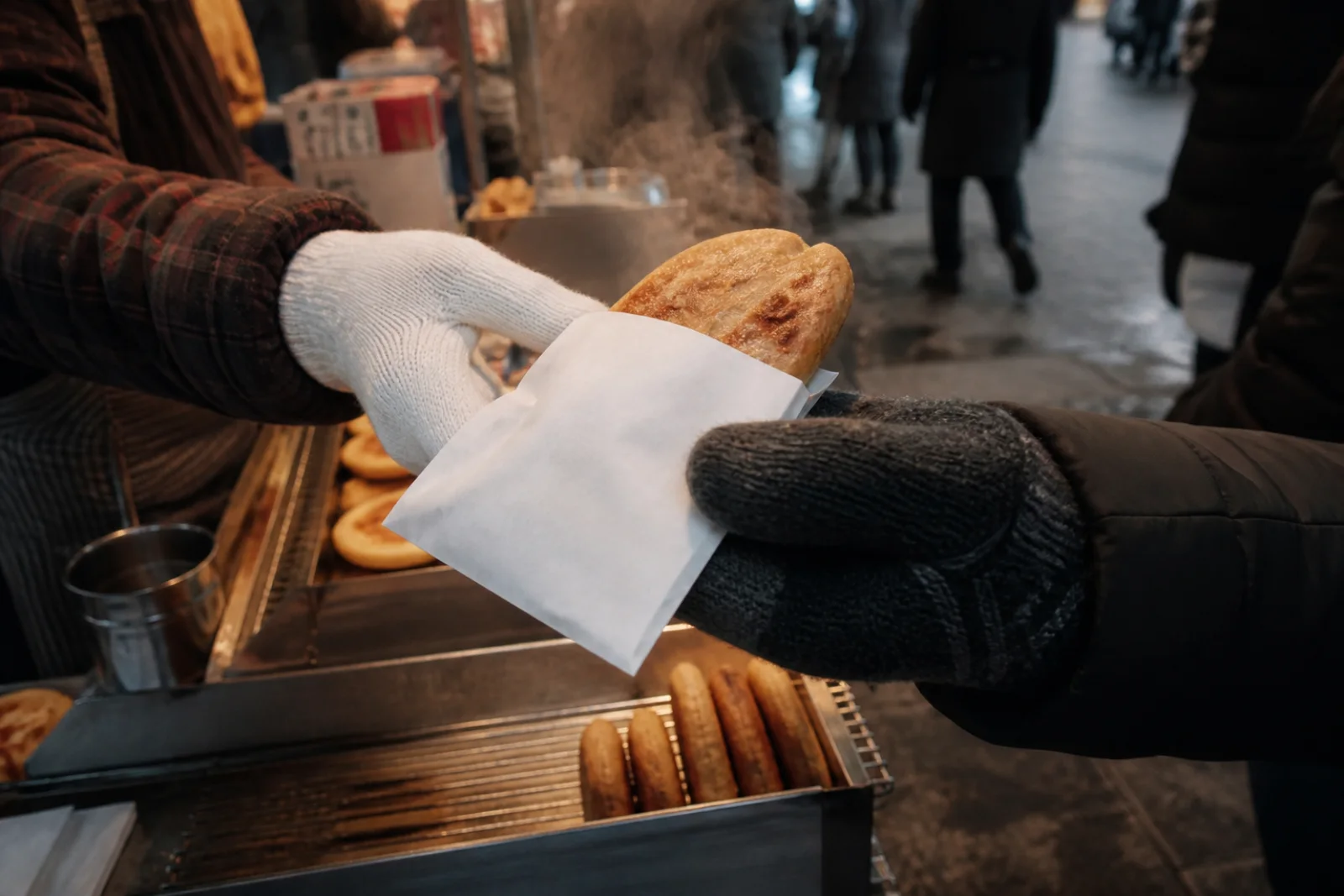
Steam on a cold pavement turns roasted sweet potatoes, hotteok, fish cake, and red-bean pastries into a calendar you can eat.
Read the brief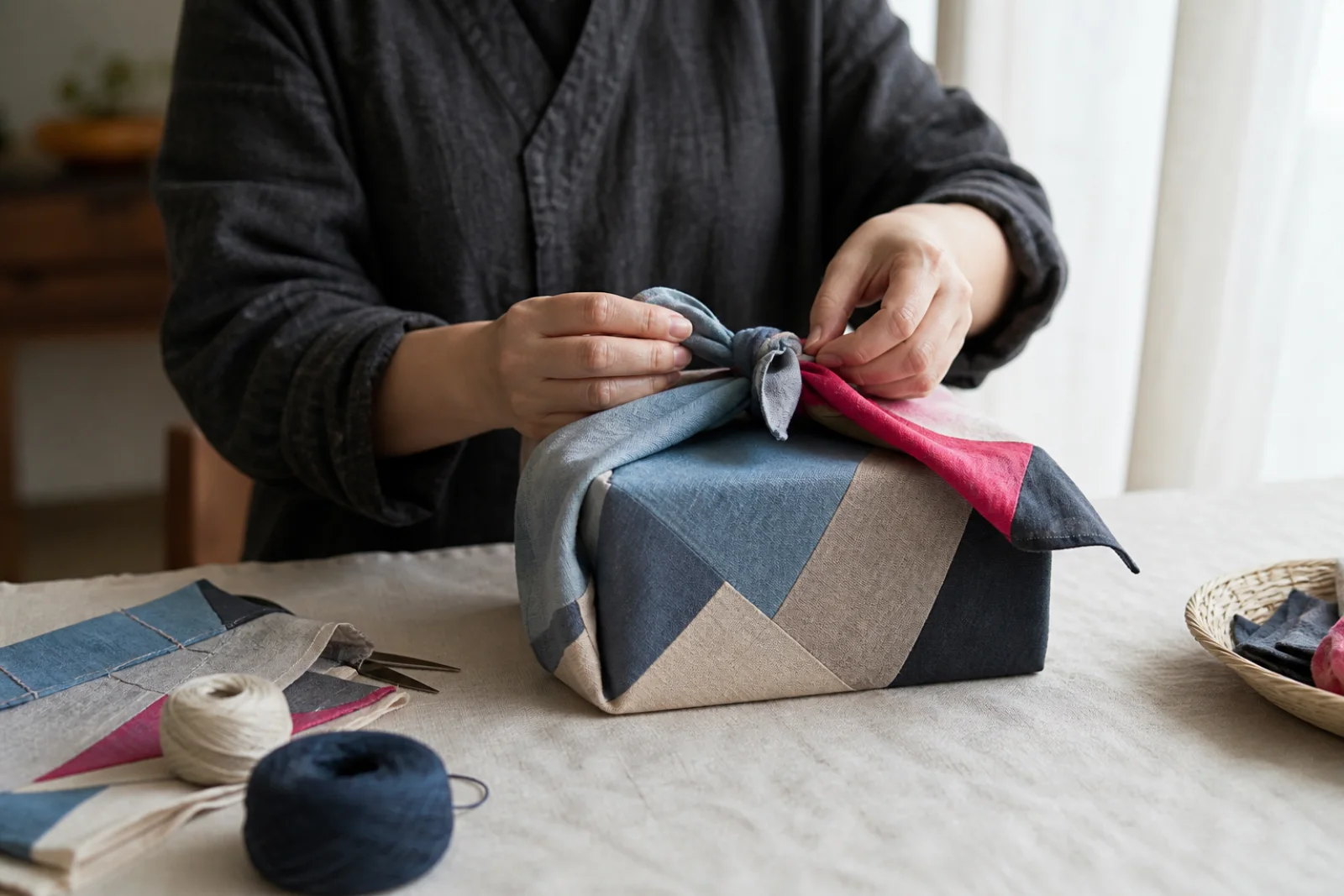
A square of cloth can carry a gift, protect an object, reshape itself, and make the act of giving visible.
Read the brief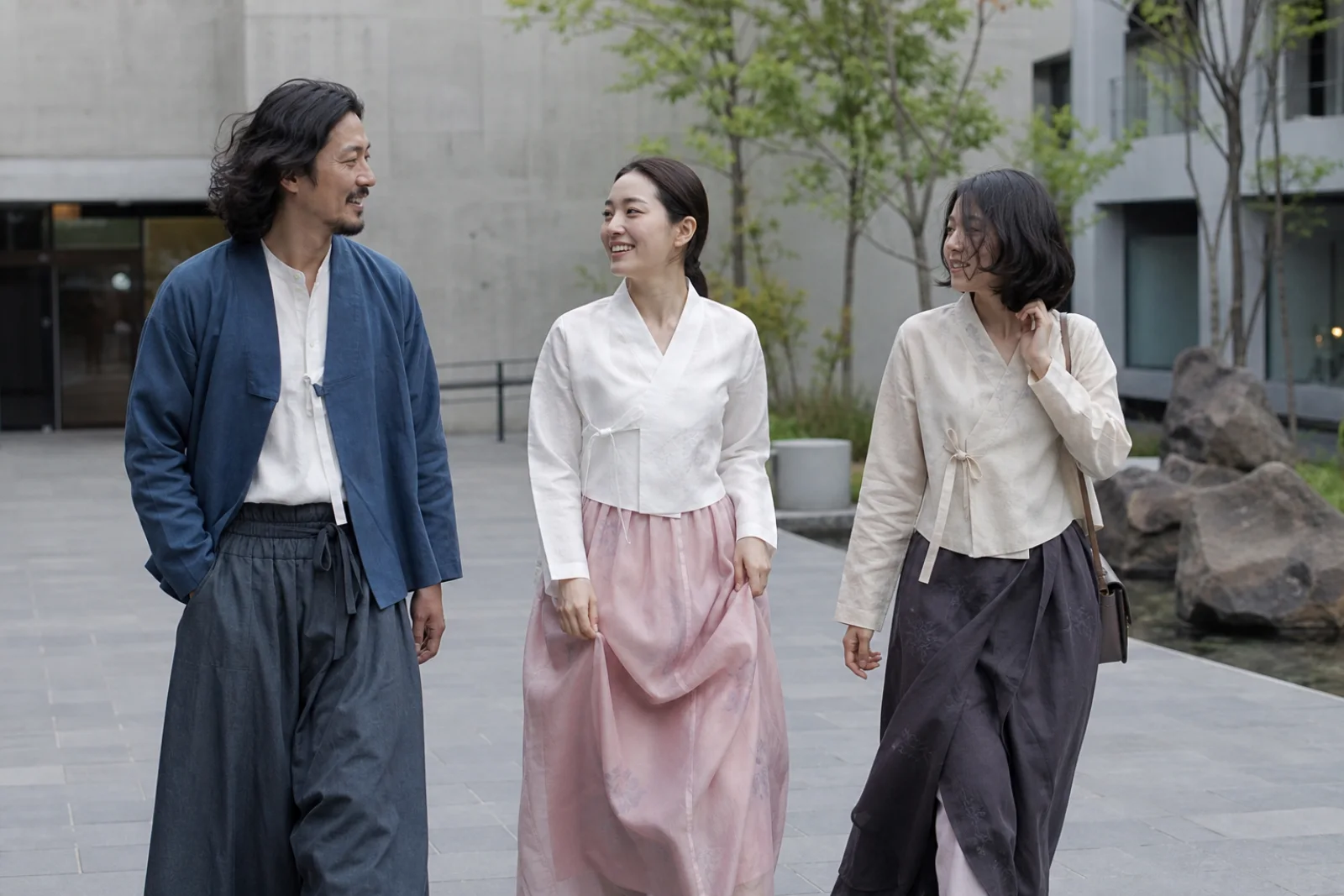
Korean dress is best understood through line, volume, fabric, occasion, and the choices of people who wear it now.
Read the brief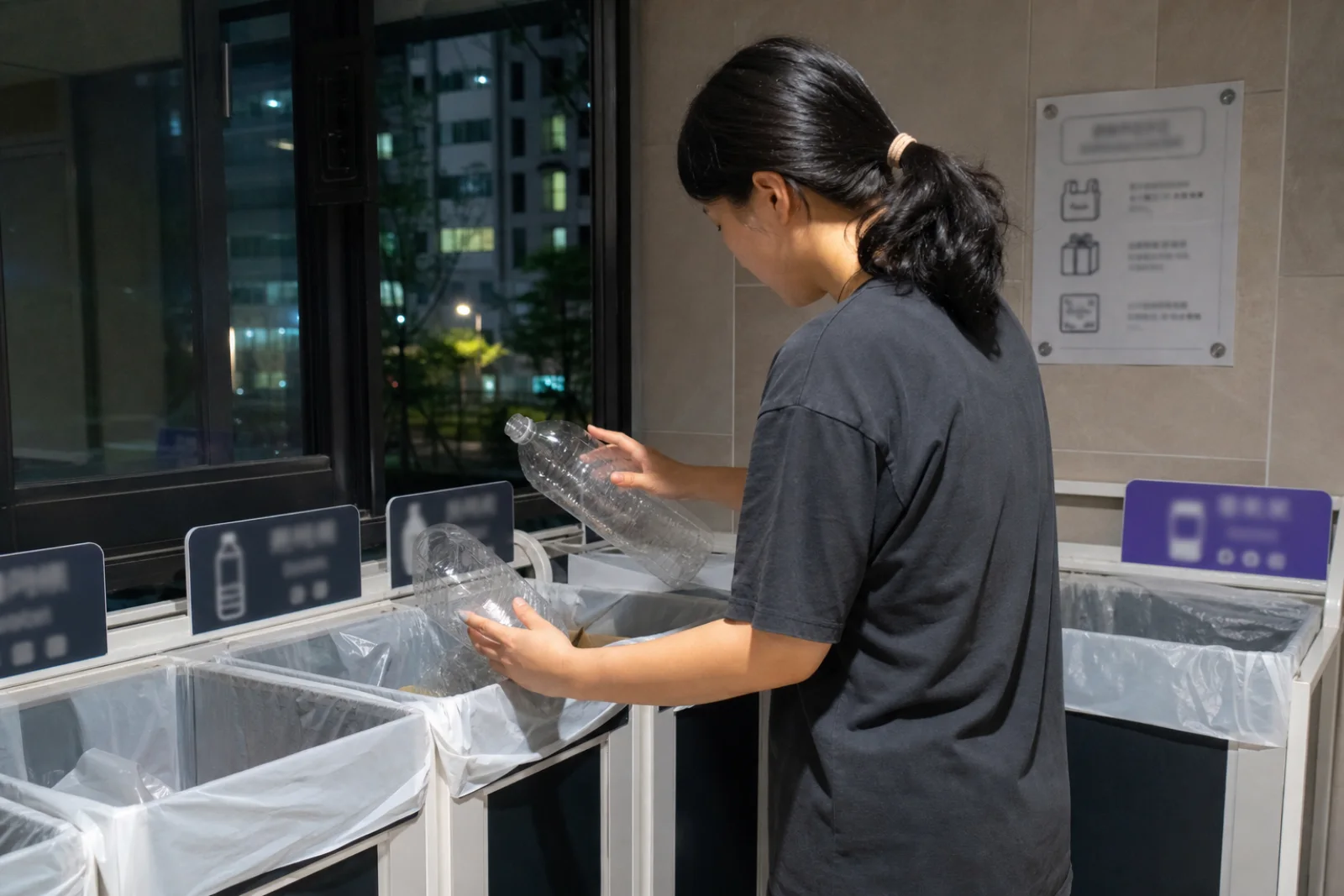
The bags, bins, food scraps, and neighborhood schedules behind one of the city's least glamorous shared rituals.
Read the brief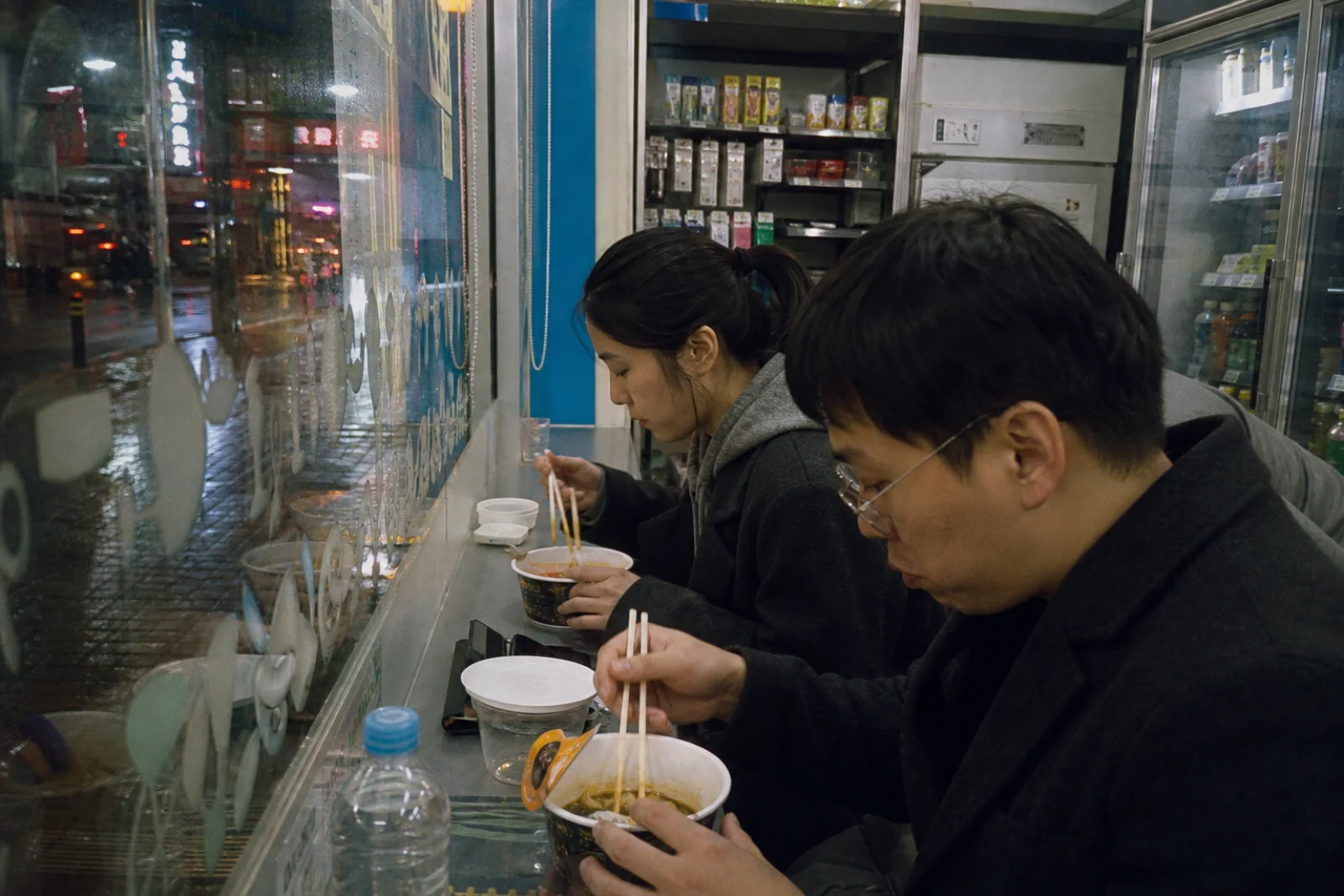
Coffee, parcels, late meals, transit top-ups, and five quiet minutes under one bright roof.
Read the brief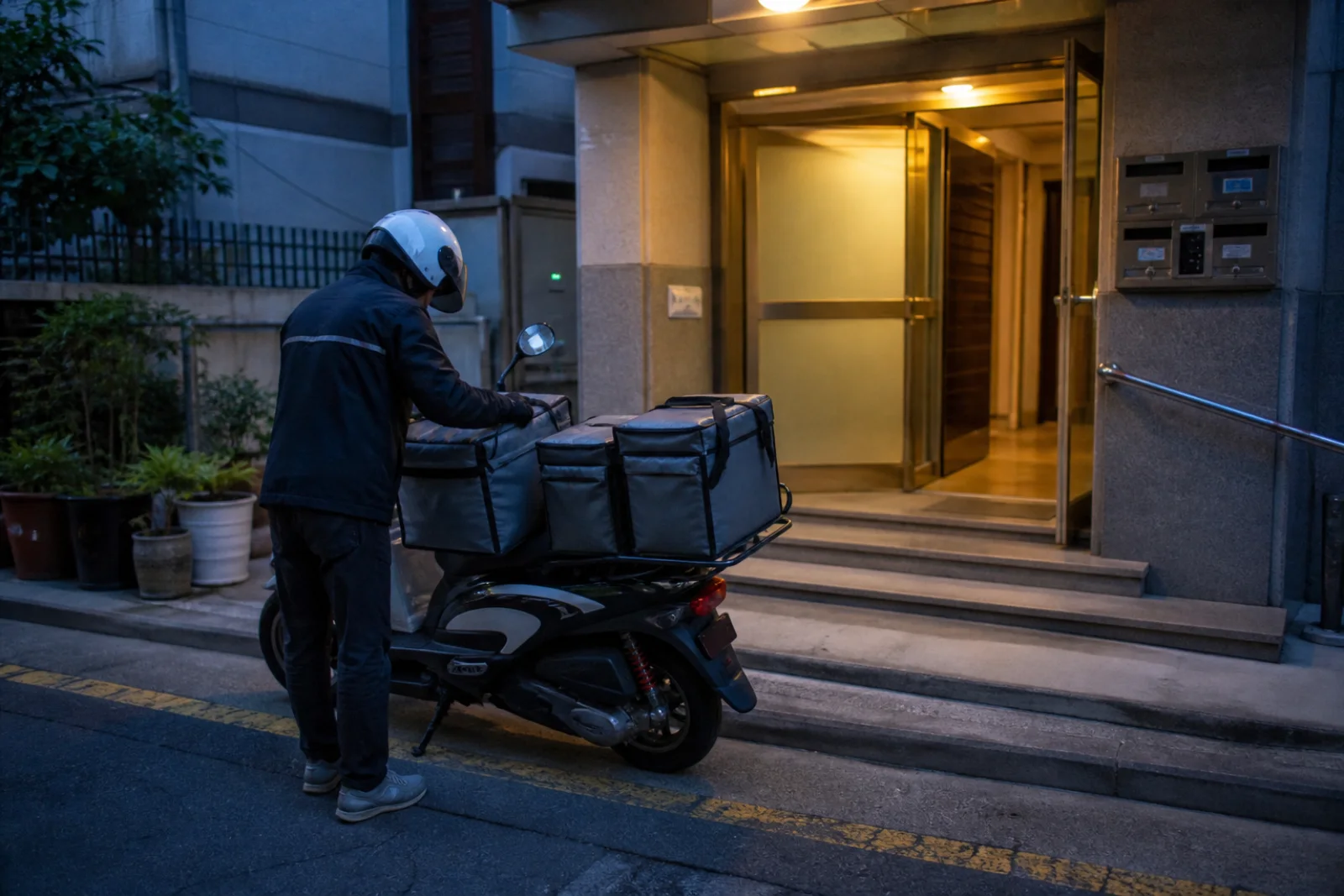
Korea's famous speed is built from addresses, apartment protocols, packaging, and a great deal of invisible labor.
Read the brief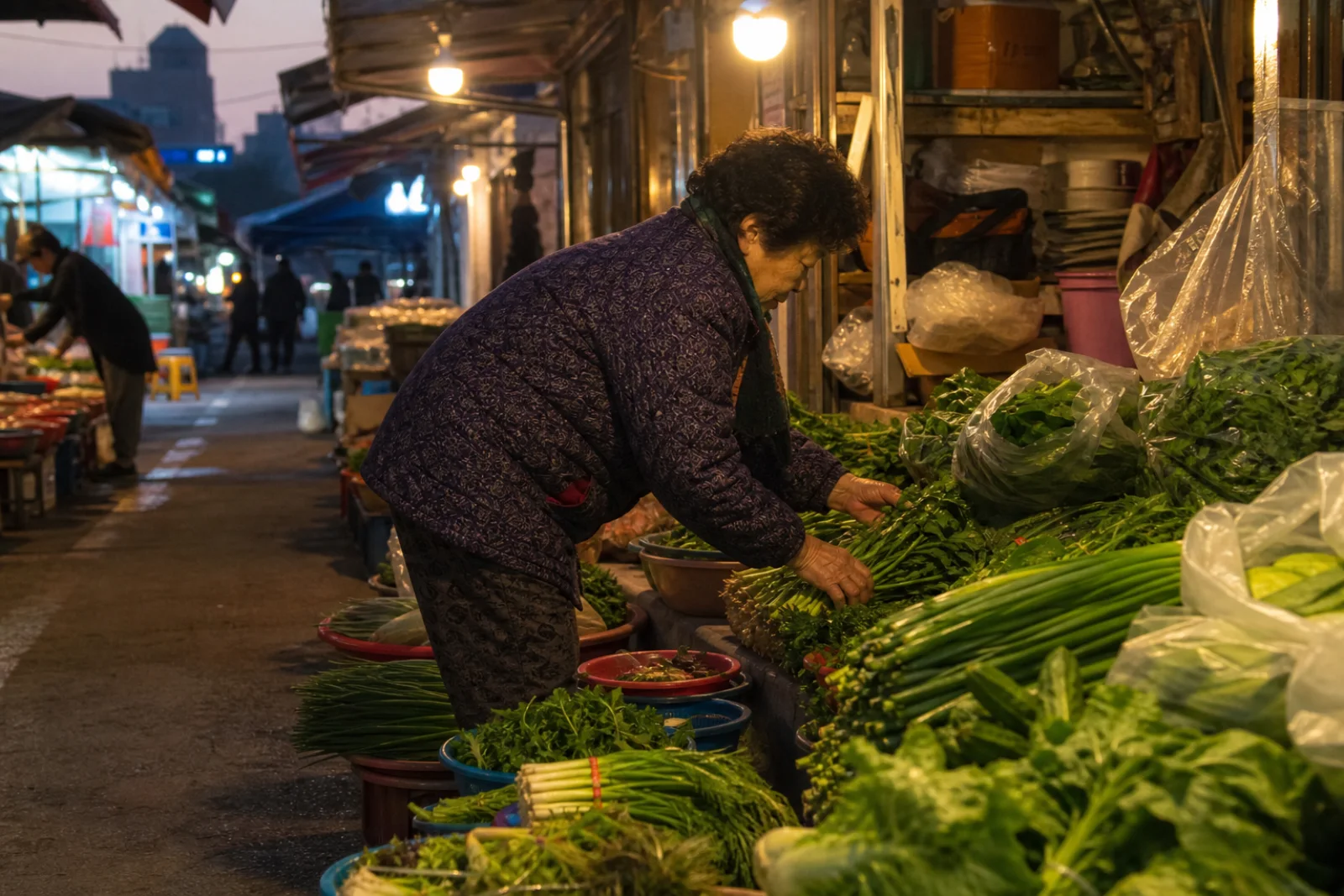
Long before lunch, Korea's market culture is already a choreography of crates, carts, knives, steam, and trust.
Read the brief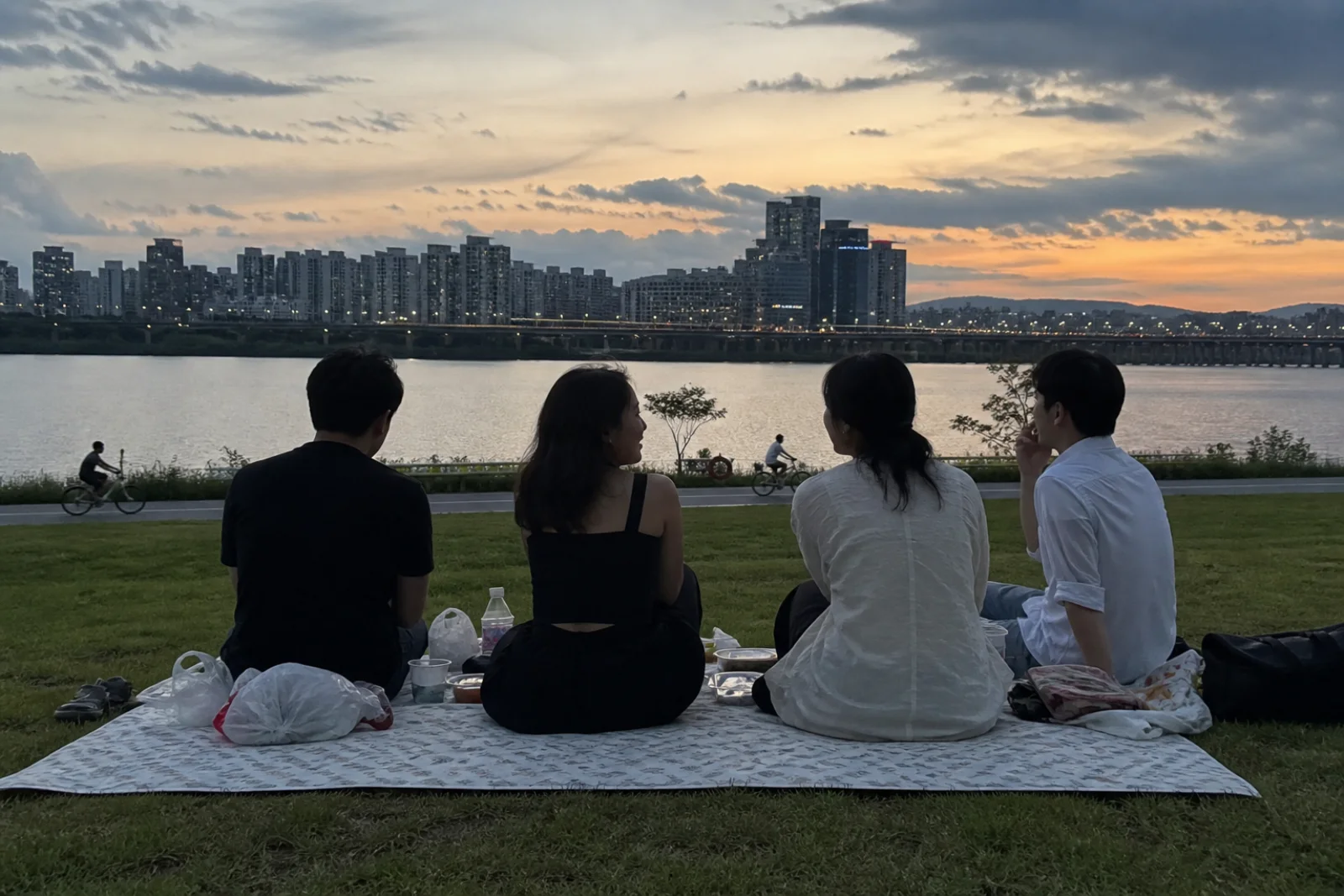
A transport corridor, weather gauge, exercise room, picnic table, and mental horizon running through the capital.
Read the brief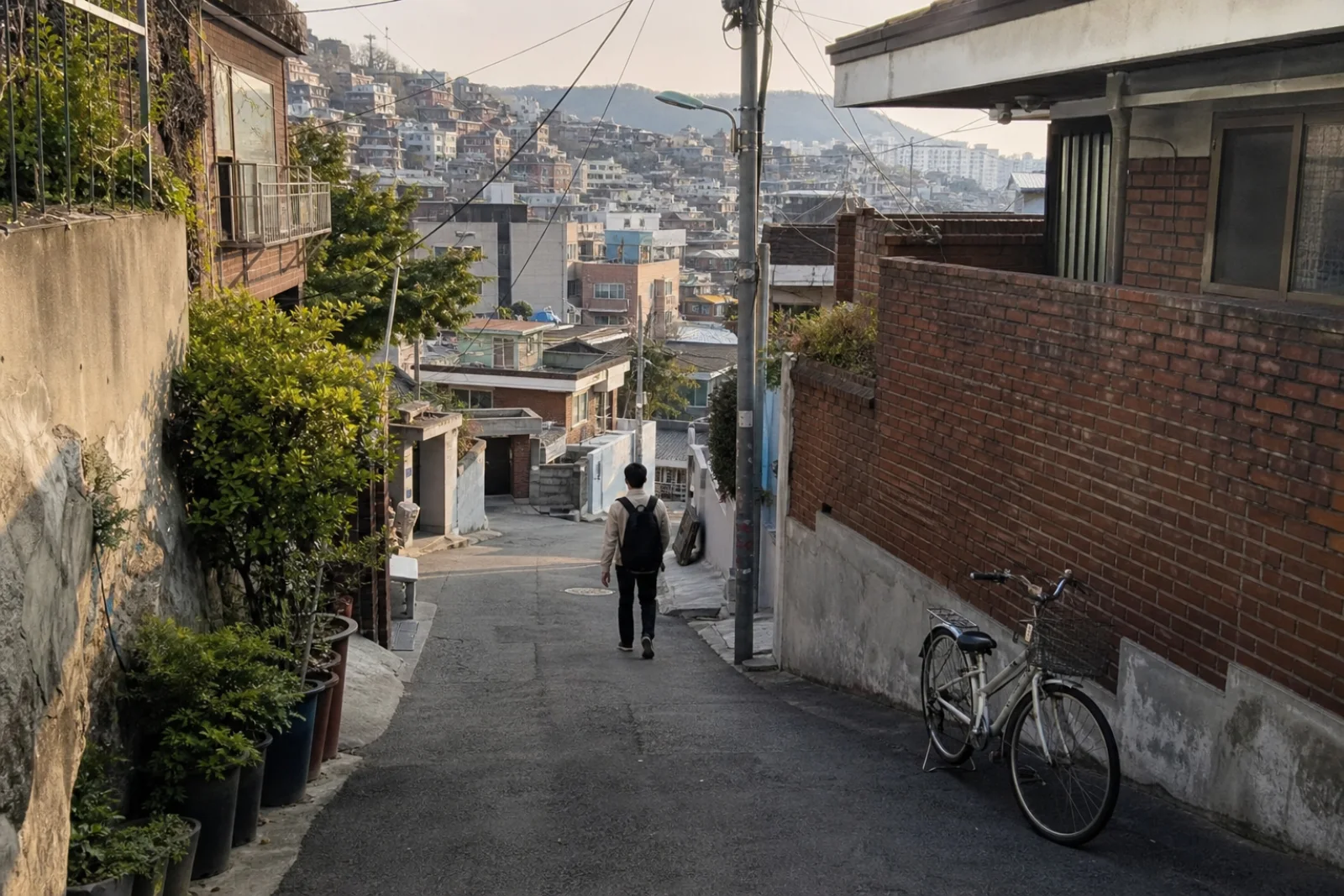
The main road gets you there; the alley tells you how the neighborhood actually lives.
Read the brief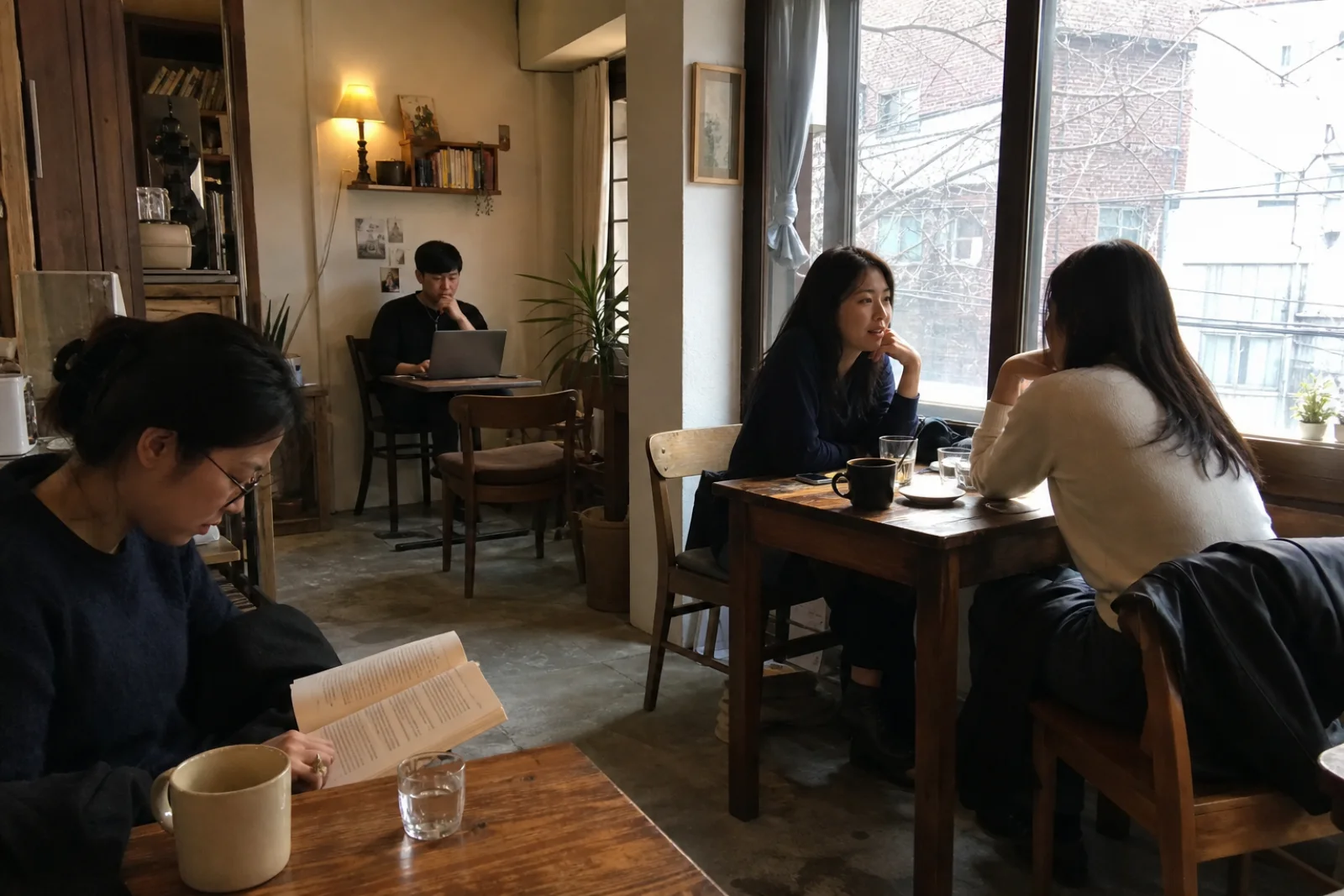
A coffee shop can be an office, a meeting room, a quiet refuge, or simply the place between two appointments.
Read the brief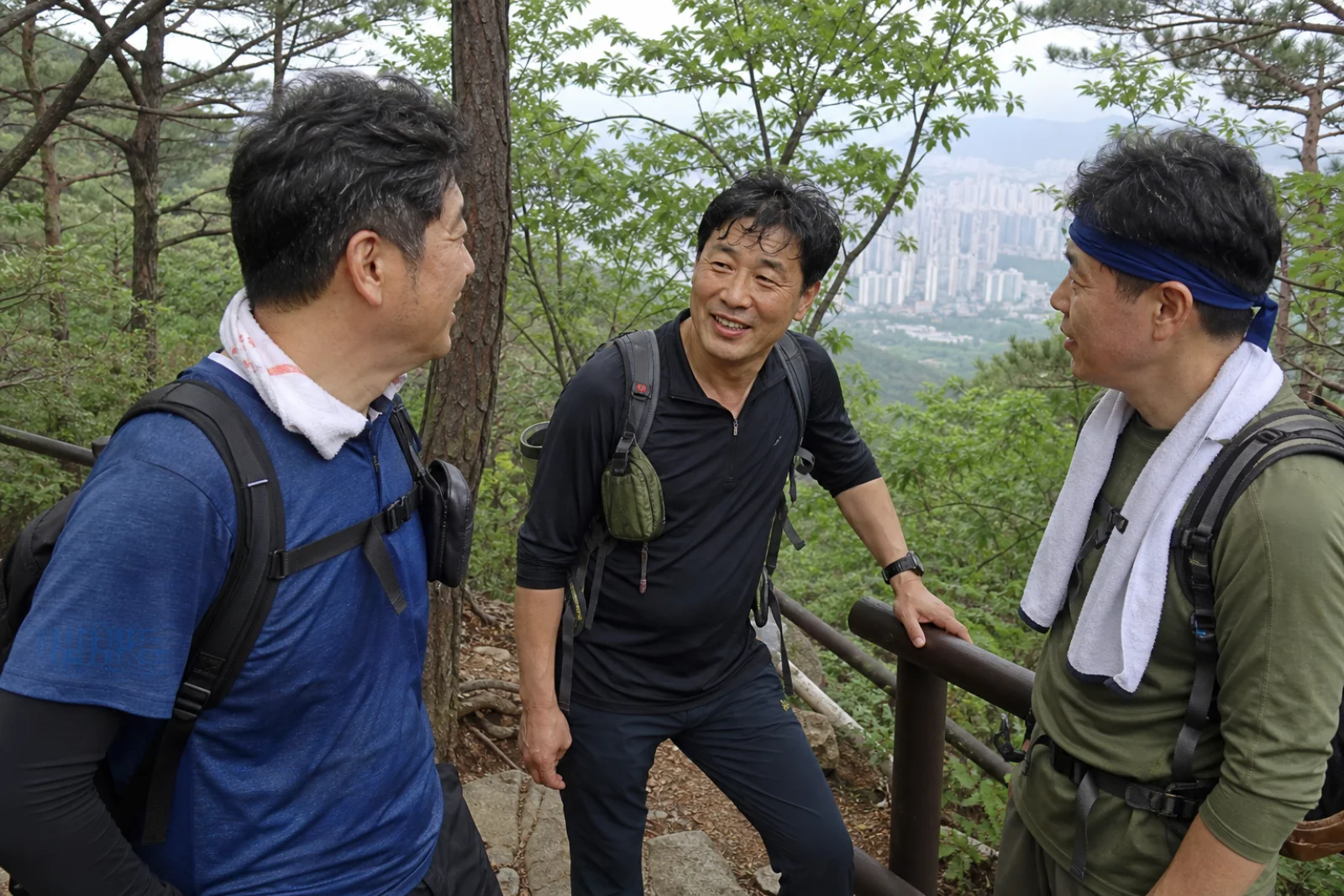
Mountain time is woven into the capital: accessible trails, practiced gear, shared snacks, and a city visible from above.
Read the brief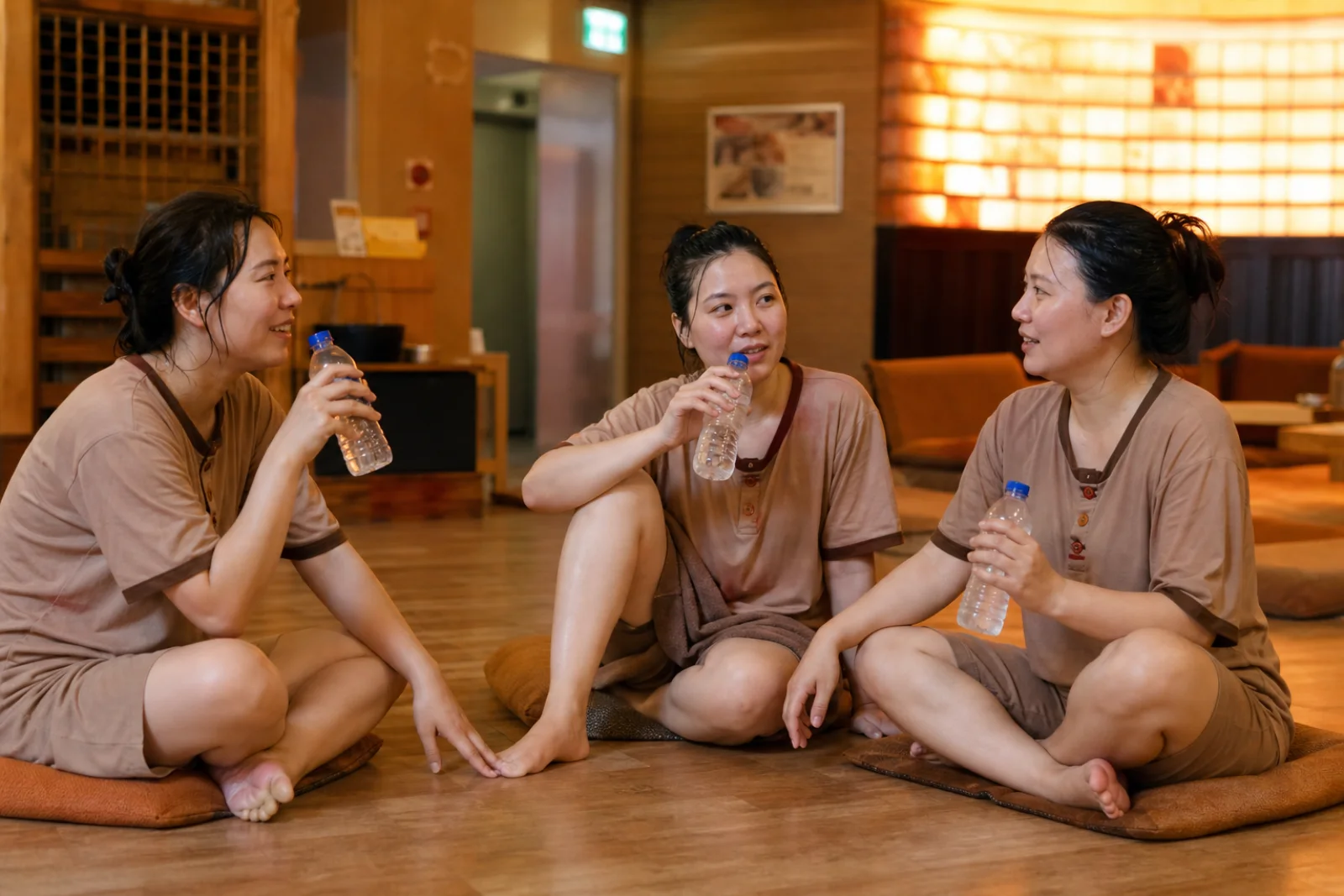
The Korean bathhouse makes sense when you understand which rooms are communal, which are separated, and how quietly the routines fit together.
Read the brief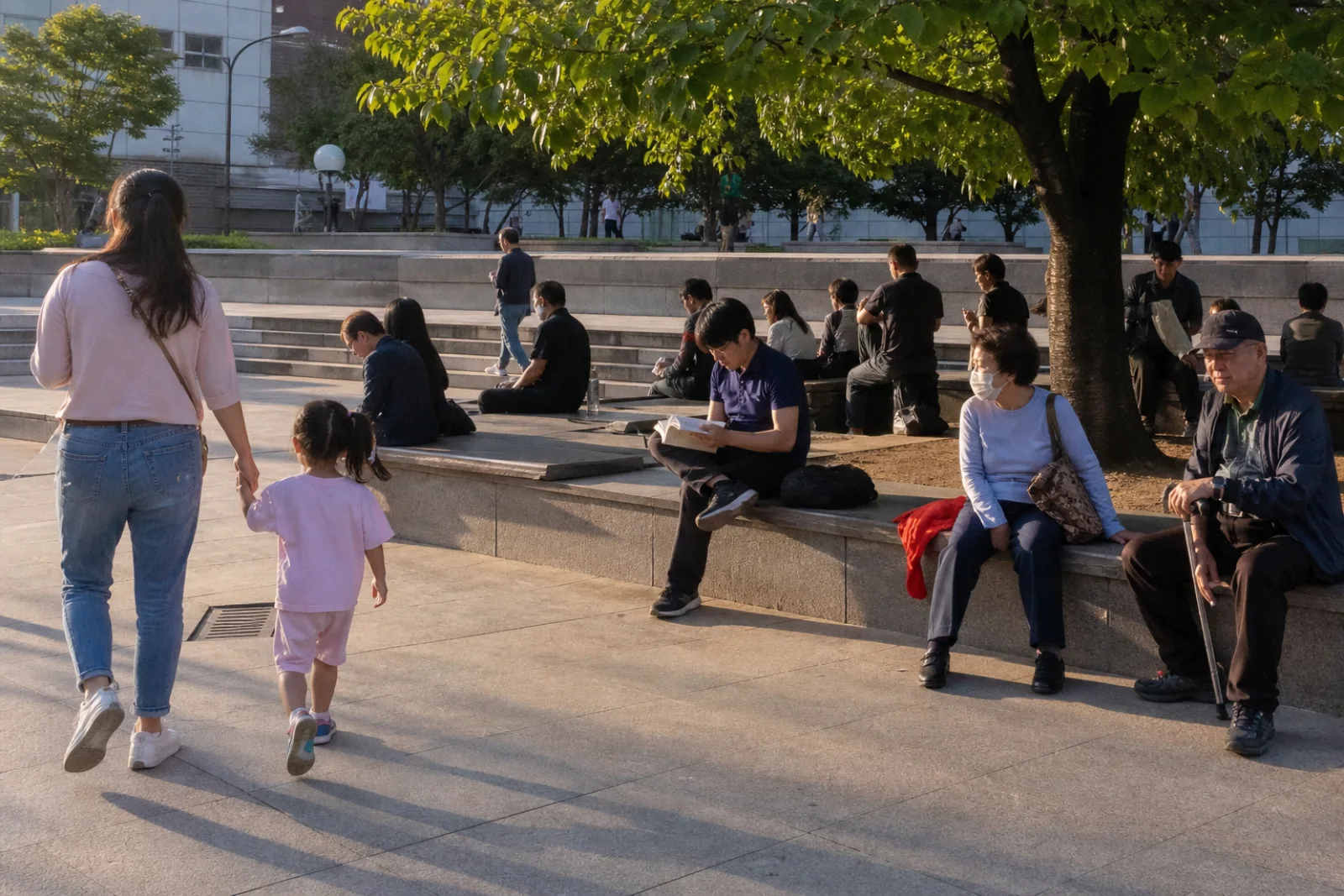
Libraries, streams, benches, plazas, and station halls reveal how Seoul makes room for people who are not buying anything.
Read the brief