The K is already moving
K-pop has never been defined by a single musical genre. It is better understood as a production and participation culture assembled in Korea: intensive group performance, coordinated concepts, recurring media cycles, direct fandom, and rapid adaptation. Multinational members and overseas creative teams have been part of that system for years.
As localized groups train partly outside Korea and sing in several languages, nationality will explain less. The debate will move toward lineage: Which methods, institutions, and audience practices connect a project to K-pop, and who benefits from the label?
Virtual does not mean human-free
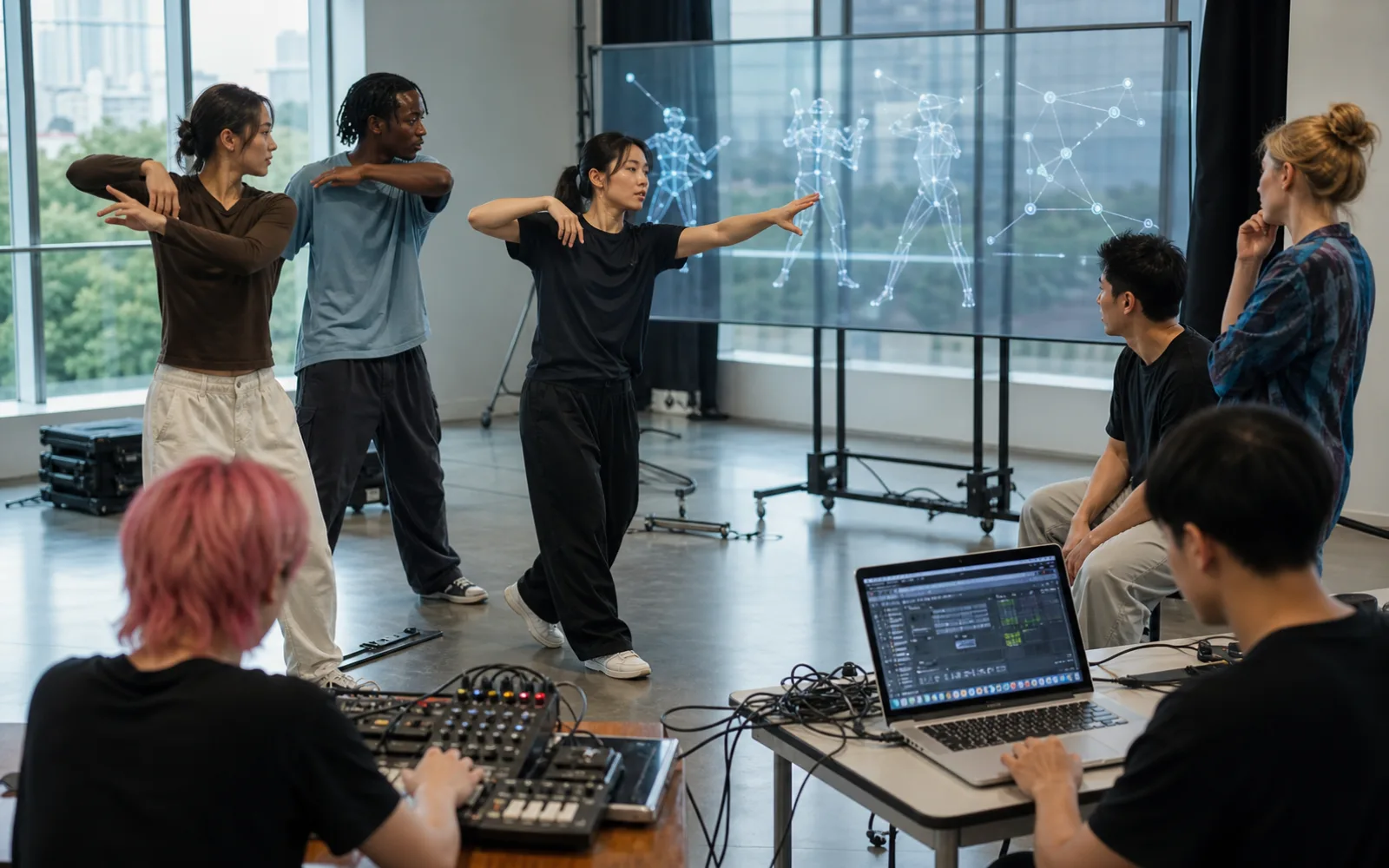
KOCCA now tracks virtual and AI-assisted idol projects, but the strongest examples still rely on human performers, voices, writers, animators, engineers, and fan interaction. The technology changes the visible body; it does not erase labor behind it.
Generative AI raises harder questions about authorization, voice and likeness, training data, credit, and payment. WIPO materials emphasize consent, transparency, remuneration, and labeling. A culture built on close fan trust cannot treat provenance as a technical afterthought.
A standard worth exporting
The future opportunity is not unlimited synthetic content. It is a more accountable creative network: artists able to consent, contributors visibly credited, AI use disclosed, images and voices traceable, and fans able to tell performance from simulation.
K-pop became famous because Korean creators connected craft, system, and community. The next era will remain culturally meaningful only if new technology enlarges human possibility instead of making human contribution invisible.
THE INSIDER SIGNAL · SEOULIAN INTERPRETATION
What becomes visible from inside Korea
Korean pop has repeatedly survived by changing its container. The meaningful question is not whether the next form looks traditional, but whether it preserves skilled human creation, accountable teamwork, and a relationship with audiences.
SOURCE DESK · VERIFIED FACT TRAIL
Research used for this essay
- AI Meets K-POP: Virtual Idol ‘Eternity’ Turns Skepticism into Success Korea Creative Content Agency · Current Korean industry case on hybrid virtual idols and human participation.
- How to Make a Living from Music World Intellectual Property Organization · Creator-rights framework for AI, likeness, authorization, and metadata disclosure.
- Royalties in the Age of AI World Intellectual Property Organization · Transparency, training data, licensing, and compensation questions.
- Global Charts IFPI · Global recorded-music measurement and the continuing presence of Korean acts.
Original text, no copied entertainment assets
This essay is SEOULIAN’s original synthesis of the linked sources. Facts and chronology were independently rewritten and compared; source expression is not reproduced. No song lyrics, audio, video, album artwork, logos, or celebrity photographs are embedded.
Image disclosure
Credit: SEOULIAN · Created with ChatGPT Image Generation
Creator: SEOULIAN with ChatGPT Image Generation
Source type: SEOULIAN imagegen editorial photo
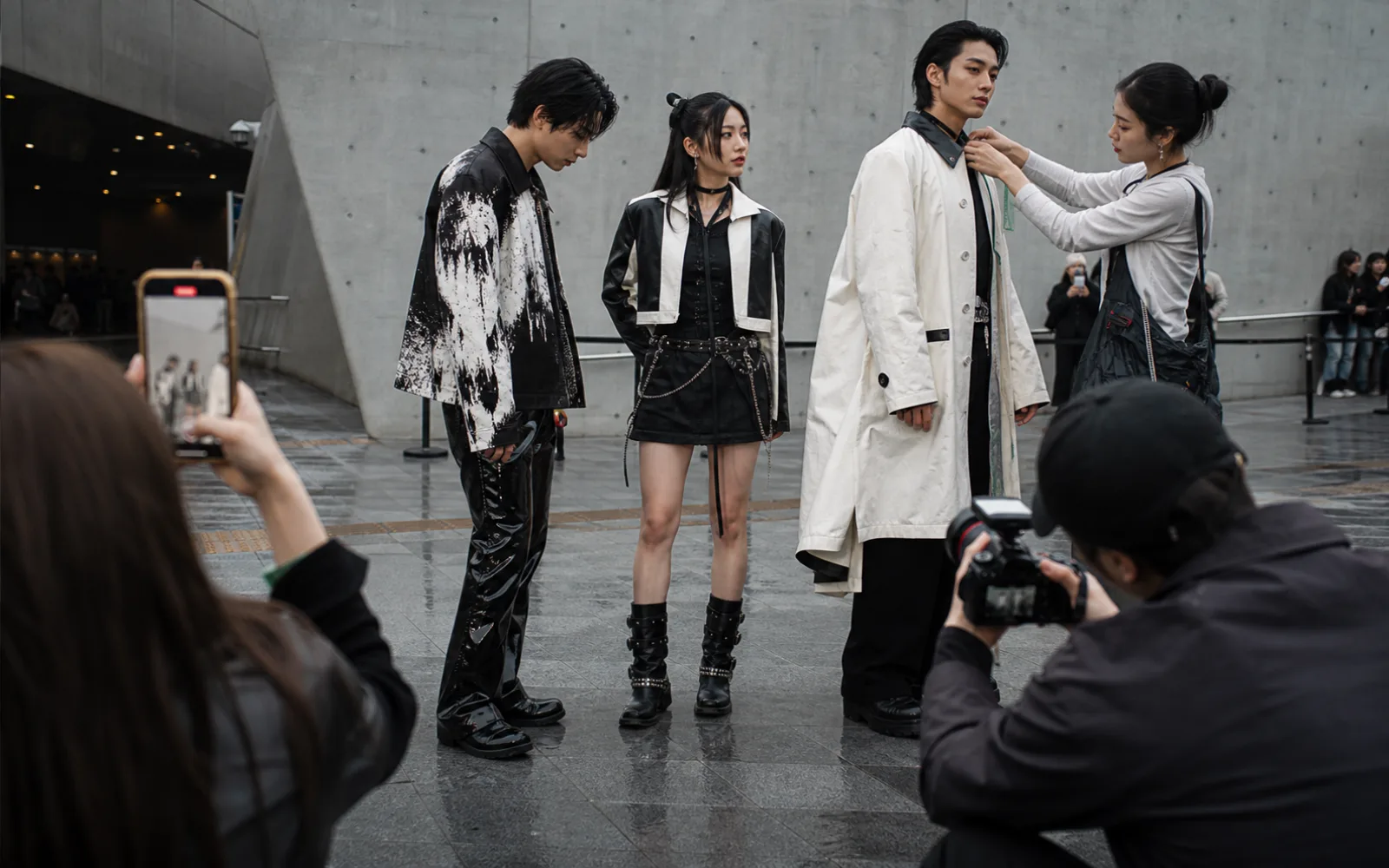
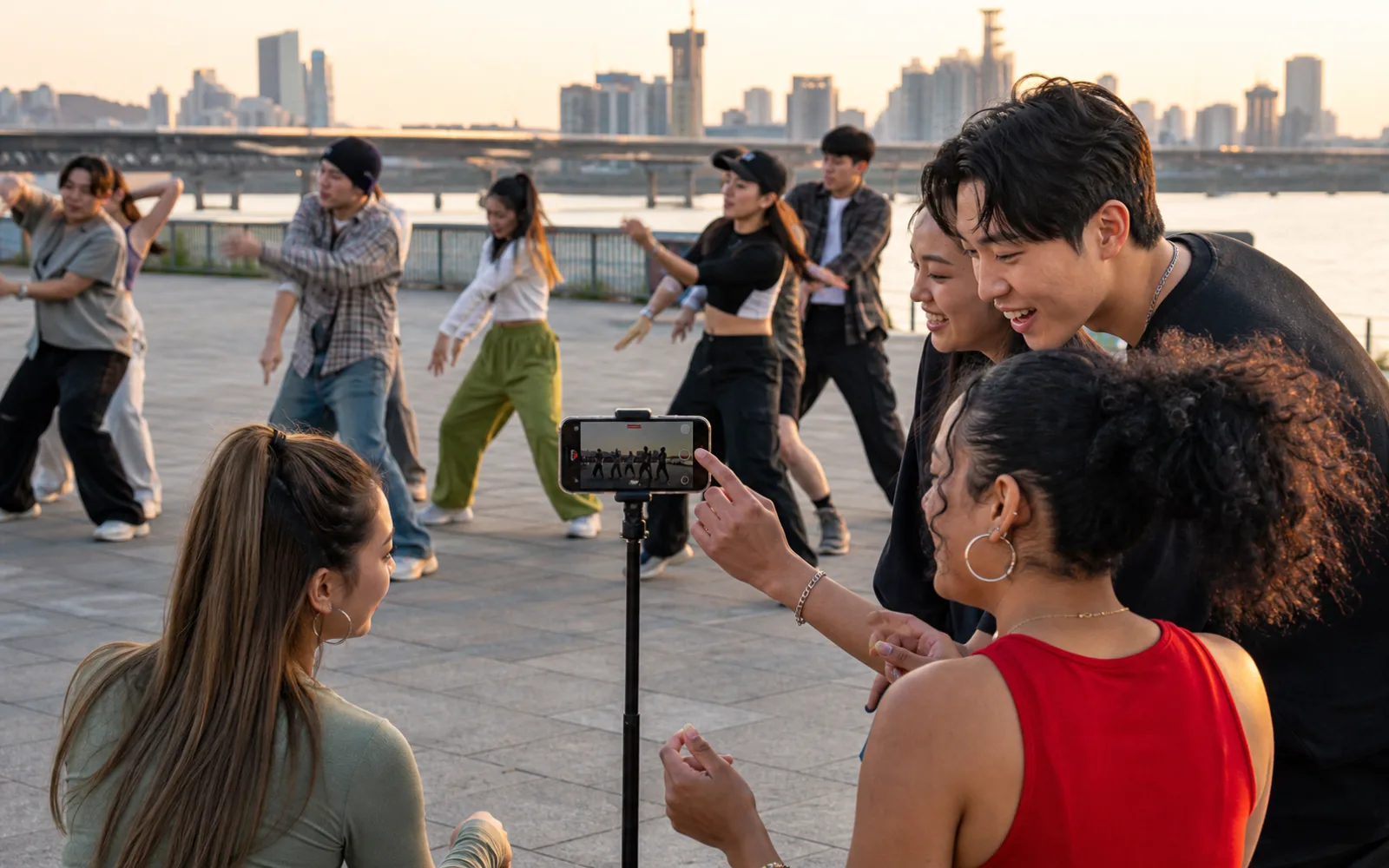
Disclosure: AI-generated editorial illustration created with ChatGPT Image Generation; illustrative and not documentary evidence.