Start with a house you are invited to enter
Bukchon’s tiled roofs are an irresistible photograph, but a street view reveals only the outer shell of a living system. A better first stop is a public hanok where entry, interpretation, or a program is explicitly offered. On September 4, Seoul Hanok Portal’s live experience list included an English-titled Bukchon Traditional Culture Center guided tour for the 2026 calendar year, two Korean-language morning interpretations focused separately on architecture and domestic life through December, and regular interpretation at Hong Geonik House through September. Each listing has its own application route and dates; none should be treated as automatic walk-in access.
This distinction matters. Seoul’s July announcement described its public-hanok network as active cultural space, with architecture classes, seasonal gatherings, workshops, and evening programs distributed among several houses. The announcement is evidence of the city’s programming direction, not a promise that every activity remains open today. Check the portal’s current experience page, read the registration window, and confirm language, capacity, fee, and accessibility before leaving. If the detail is missing, ask the listed operator rather than guessing from an older travel post.
Read climate before decoration
The easiest architectural key is a pair of seasonal responses. Ondol sends heat through the floor for cold weather; maru is a raised wooden floor that helps air move in warm, humid conditions. AURI National Hanok Center explains these as complementary parts of a house shaped by climate, while the National Folk Museum likewise describes the heated floor and open wooden hall as answers to Korea’s cold winters and hot summers. They are not ornamental motifs. They tell you where a body would sit, sleep, cool down, cross a room, or gather.
Next, look at the frame and the spaces it makes. Seoul Hanok Portal describes hanok through a wooden structure of columns, beams, purlins, and rafters, while noting that plans change with region, household, and purpose. The courtyard is not leftover space between photogenic buildings. It brings light and air into rooms, organizes movement, and lets interior edges open or close with the season. Rather than asking whether one roof is the most traditional, ask how the wood frame, maru, heated room, kitchen, and yard negotiate weather and daily life together.
Use a three-part field exercise
First, pause at a threshold. Notice the change from alley to gate, gate to yard, yard to raised floor, and raised floor to enclosed room. Count the small adjustments in height, surface, light, and privacy. A hanok often makes arrival gradual. That sequence explains more than a wide exterior shot because it shows how architecture edits the relationship between public and private space.
Second, find the seasonal pair: where would floor heat be most useful, and where could air pass underneath or across the wooden hall? Third, stand where the courtyard can be read as a connector. Trace one plausible route between rooms without entering any closed area. These are observations, not claims about how a particular historical family lived. A guide or site interpretation should supply the house-specific history; your exercise simply gives you better questions to ask.
Build a current visit, not an imaginary itinerary
The 2026 listings support several different kinds of visit, but they do not form one continuous tour. The year-long English-titled listing belongs to Bukchon Traditional Culture Center. The architecture and domestic-life morning interpretations are separate Korean-language listings with their own schedules. Hong Geonik House is in Pirun-dong, west of the central palace district, not inside the most photographed Bukchon lane. Treat each public house as a destination with its own operating rules instead of drawing a route that assumes every door will be open.
A practical plan is one interpreted interior followed by one short neighborhood walk. Save the live listing and the city’s English Bukchon notice on the day you go. Official pages currently present differing general hours for some facilities, so this guide deliberately does not publish a single opening-hour claim. It also does not infer English service merely because an interface has an English button. The one tour whose current title explicitly identifies an English-facing option should still be reserved and reconfirmed through its linked form or operator.
Let the neighborhood remain a neighborhood
Bukchon is not an open-air set. Visit Seoul identifies it as a residential area, and the current city notice restricts tourist entry to the designated Bukchon red zone from 5 PM to 10 AM, with enforcement and a fine. The rule applies to the marked zone rather than every place carrying the Bukchon name, so use the official map and on-site signs. Keep groups small, lower your voice, do not peer or photograph through open gates and windows, and never assume a beautiful doorway is public.
The most rewarding shift is from collecting façades to noticing relationships: warm floor and open hall, shaded edge and bright yard, invitation and boundary, old frame and present use. Seoul’s public-hanok programs make that shift possible because they give visitors a lawful place to pause and learn before entering lived-in streets. One carefully understood house is a stronger memory—and a better act of travel—than a hundred nearly identical roof photos.
THE SEOULIAN SIGNAL · EDITORIAL INTERPRETATION
Why this matters
Use the public house as your classroom and the alley as a quiet review. Reserve one current interpretation, learn the words ondol, maru, and madang, then test those three ideas from public space without photographing inside private homes.
SOURCE DESK · RESEARCH RECORDS
Research used for this analysis
- Expanded Wedding Photo Sessions and Programs for Seoul Public Hanoks in the Second Half of 2026 Seoul Metropolitan Government · Primary municipal announcement used to verify the July 7 publication date, the second-half public-hanok programming direction, named program types, and the context of the official cover photograph.
- Current Hanok Experience Listings Seoul Hanok Portal · Live city portal checked on September 4, 2026 for the English-titled Bukchon guide, the two morning interpretations, Hong Geonik House interpretation, their registration periods, and the fact that each activity has a separate application route.
- Structure of Hanok Seoul Hanok Portal · Official city reference used for the wooden structural system, the diversity of regional plans, the central role of maru, and hanok’s capacity to adapt to contemporary life.
- Value and Concept of Hanok AURI National Hanok Center · Independent national research source used to cross-check the complementary climate roles of ondol and maru and their relationship to the courtyard.
- The Traditional House of Korea, Hanok National Folk Museum of Korea · Independent museum source used to cross-check the explanation of floor heating, the daecheong maru, and their relationship to Korea’s seasonal climate.
- Bukchon Hanok Village Seoul Tourism Organization — Visit Seoul · Current official visitor listing, edited April 27, 2026, used to verify that Bukchon is a lived residential district and to cross-check quiet-tourism guidance.
- Notice on Restrictions for Tourist Visits to Bukchon Special Management Area Seoul Metropolitan Government · Primary city notice used for the designated red-zone boundaries, the 5 PM–10 AM tourist restriction, enforcement date, and the KRW 100,000 fine.
Original synthesis & image rights
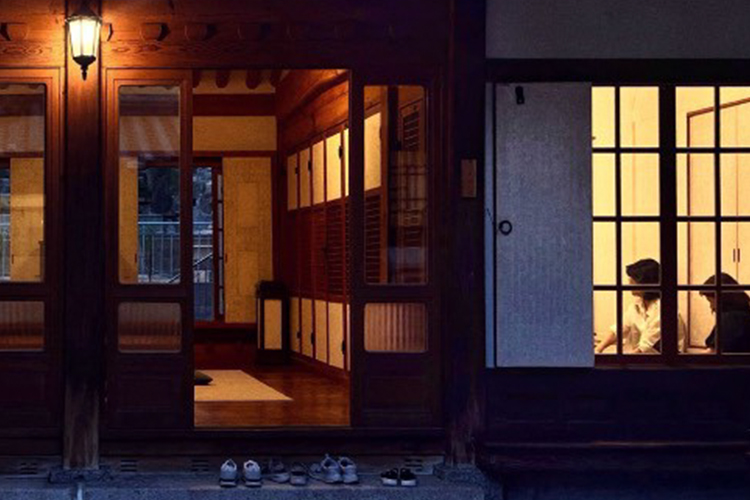
SEOULIAN independently synthesized and checked facts from the Seoul Metropolitan Government, Seoul Hanok Portal, Seoul Tourism Organization, AURI National Hanok Center, and the National Folk Museum of Korea without reproducing their wording. The official city photograph shows an earlier evening program at Hong Geonik House, is stored locally unaltered, and is credited under the city’s default KOGL Type 1 policy for press releases. It illustrates how a public hanok can be inhabited and is not presented as proof that the pictured program, access, or schedule is available now. Targets and reported usage remain attributed to the city and are not presented as independently verified outcomes.