A concert without the fandom homework
A listener does not need to recognize every performer to find a way into Korean music. Sometimes the more interesting starting point is a question: what changes when a voice, a small string ensemble and brass instruments share the same program? That is the angle from which we are looking back at the idea behind Concert 250: Sounds of Korea & America.
Korean Cultural Center Los Angeles announced the September 10, 2026 program at the Colburn School's Zipper Hall. Colburn's own event page independently lists the same date and room, with free admission requiring an RSVP. The occasion was the 250th anniversary of American independence—not 250 years of diplomatic relations between the two countries.
This is a source-based cultural explainer, not an eyewitness performance review. We examine the announced program and its invitation to listeners; we do not reconstruct the actual running order or report audience reactions.
The people and sounds in the announced program
KCCLA's announcement names Jinyoung Jang as artistic director, with singers Mariana Ramirez, Wooyoung Kim and Jon Lee Keenan. It also lists Trio Barclay—violinist Dennis Kim, cellist Jonah Kim and pianist Sean Kennard—alongside a Colburn brass quintet, oboist Connor Shim and percussionist Joey De Leon. These are the organizer's announced participants, not an independently audited final cast list.
SEOULIAN interpretation: that range offers more than one point of entry. A newcomer might follow the shape of a sung phrase, the exchange between a violin and a cello, or a change in instrumental color. There is no need to decide which sound is the most authentically Korean before beginning to listen. A program can be a meeting of individual musicians without making each person stand for an entire nation.
Why the public invitation matters
Colburn categorized the engagement under its guest presenters and advertised it as free with registration. Those details describe the announced access arrangement; they do not establish attendance, a sellout or how many first-time concertgoers came.
Our reading is that removing a ticket price can make it easier for someone to try an unfamiliar program with a friend. Registration still matters: a free concert is not necessarily a walk-in event, and a seat is not guaranteed merely because no payment is required. For future cultural-center outings, check the particular organizer's admission instructions rather than assuming all programs operate alike.
The useful distinction is between invitation and outcome. An open invitation is something the published listing can establish. Whether that invitation reached new listeners would require audience evidence we do not have.
Three questions to take into the next concert
First, notice what catches your attention before reading a biography. Is it a tone, a pause, or the way one instrument answers another? Starting with that observation keeps listening personal rather than turning it into an examination.
Second, ask a companion what they would hear again. Their choice may differ from yours, which is a reason to keep talking rather than to settle a winner. For friends or relatives whose musical reference points differ, choosing one piece each can be an easy way to exchange those reference points.
Third, follow the musicians through their authorized recordings and institutional pages. That is a practical next step, not a suggestion that a recording of Concert 250 has been released. We have not verified an official full-concert replay. No score, lyric or performance recording is reproduced here.
What the sources leave open
The event belongs to September 10, not the upcoming-events calendar. Do not treat an old registration button as a fresh invitation. We also found a mismatch between the organizer's advertised start time and the venue listing, so we do not assert an actual start time or duration.
The sources used here are two separately maintained institutional records, both connected to the event: KCCLA as presenter and Colburn as venue. They corroborate the advertised event, not an independent assessment of its artistic success. Newspaper previews were located during research, but original-page access problems meant we did not use their repertoire descriptions as verified facts.
Checked September 12, 2026. Our interpretation concerns the program's design and possible ways to listen, not the quality of a performance we attended. Audience size, applause, final repertoire and last-minute substitutions are deliberately left unclaimed.
THE SEOULIAN SIGNAL · EDITORIAL INTERPRETATION
Why this matters
SEOULIAN interpretation: voices and chamber instruments offer an approachable route into Korean music without requiring familiarity with a television show or pop fandom.
SOURCE DESK · RESEARCH RECORDS
Research used for this analysis
- Concert 250 official announcement, August 3, 2026 Korean Cultural Center Los Angeles / MCST · Primary presenter record: announced date, venue and ensemble roster. Basic facts independently synthesized; KOGL4 poster and prose not reproduced.
- KCCLA Presents: Sounds of Korea and America Colburn School · Separate venue record: September 10, Zipper Hall and free admission with RSVP. Its start-time discrepancy is disclosed, not resolved by assumption. Not an independent review.
Original synthesis & image rights
Original SEOULIAN synthesis of linked factual sources. Interpretation and practical suggestions are editorial judgments. Organizer-associated reporting is attributed, not an independent audit. No source prose, lyrics, celebrity or event photographs reproduced. Unique built-in Imagegen cover is disclosed and is not documentary evidence. Targets and reported usage remain attributed to the city and are not presented as independently verified outcomes.
Image disclosure
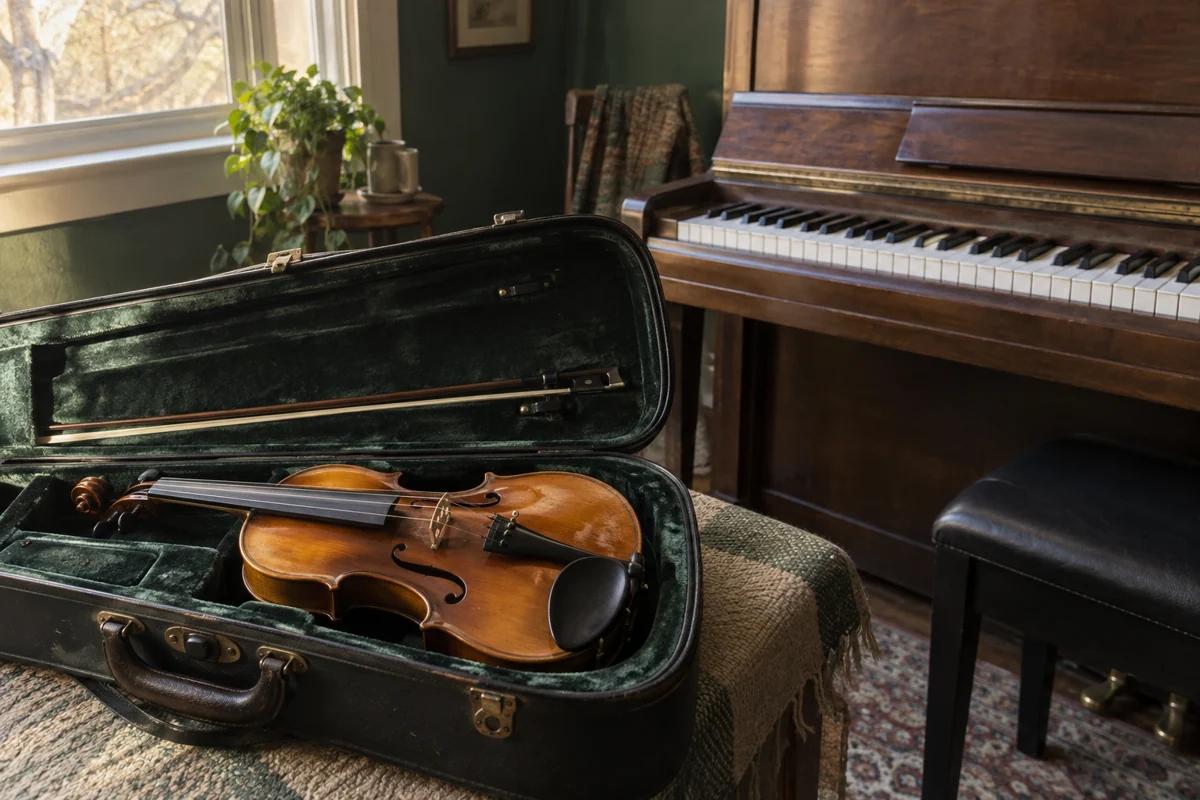
Credit: AI-generated editorial illustration; not documentary evidence. An imagined setting, not a photograph of an actual business, event or performer.
Creator: SEOULIAN with ChatGPT Image Generation
Source type: SEOULIAN imagegen editorial photo
Disclosure: AI-generated editorial illustration; not documentary evidence. An imagined setting, not a photograph of an actual business, event or performer.
License: Original SEOULIAN AI-generated editorial image