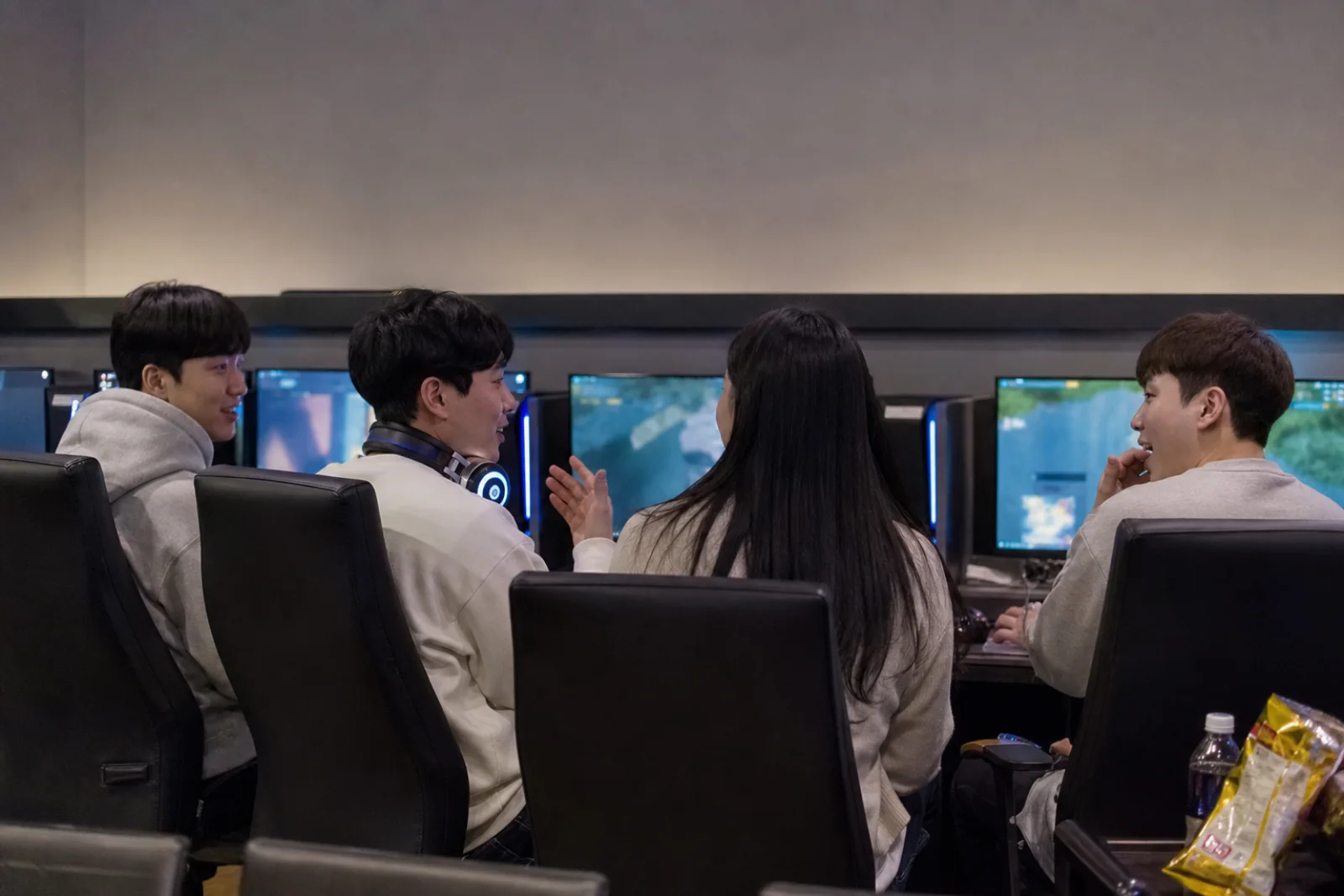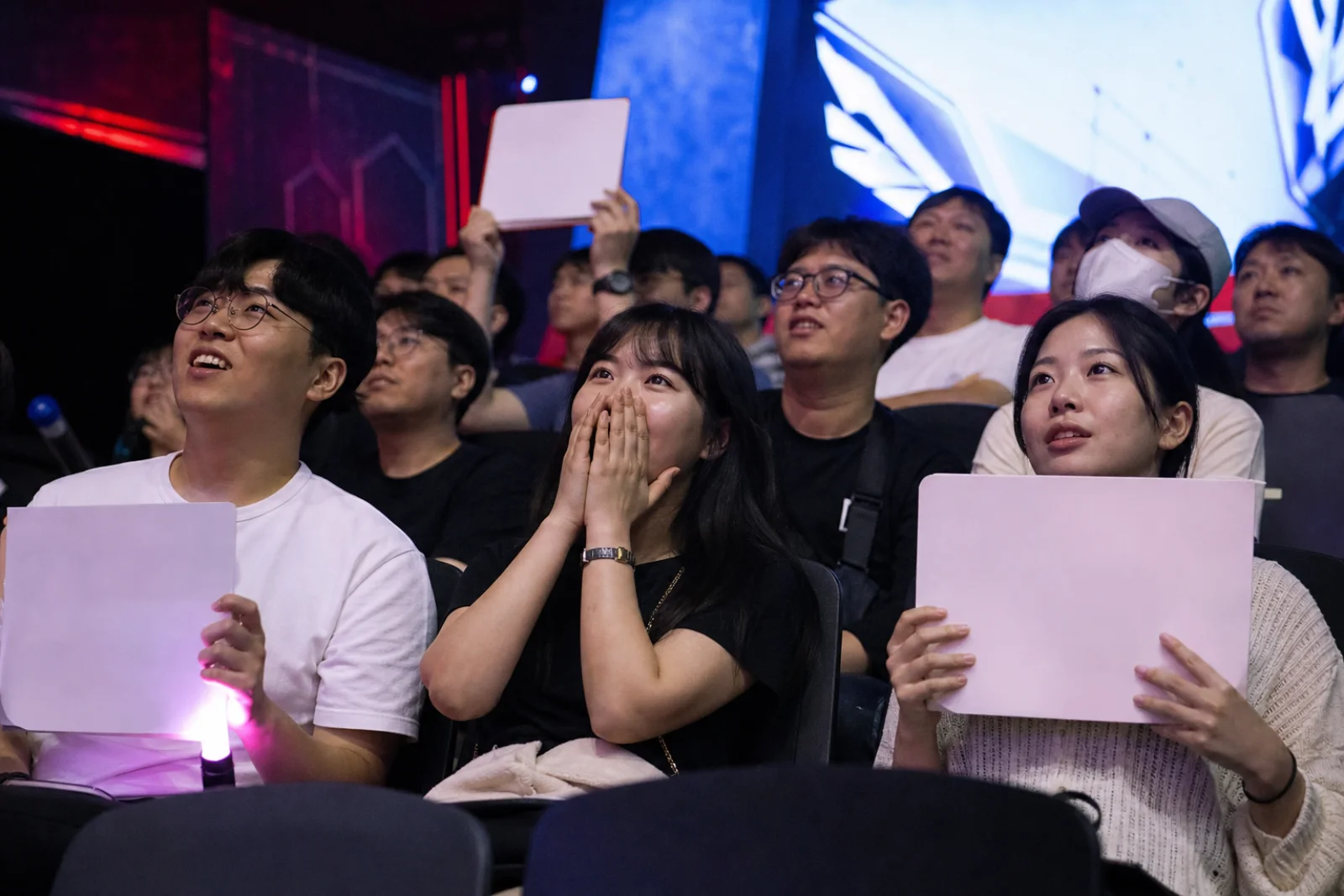
Competition needs a room
Korean esports grew from gaming infrastructure, organized leagues, broadcasters, teams, players, sponsors, and audiences. A live arena makes invisible online information physical through screens, commentary, lighting, and crowd reaction. It is closer to a studio sport than simply watching someone use a computer.
Literacy changes the spectacle
Experienced fans read drafts, positioning, timing, and resource tradeoffs that a newcomer may miss. Commentary and graphics translate part of that complexity. Attend with a fan, read a basic match guide, or focus on one player's role. The point is not instant mastery; it is learning what the room reacts to.
Respect players as workers
Training, performance pressure, contracts, health, travel, and career length belong in the conversation alongside highlights. Use licensed broadcasts and official ticket channels. Do not photograph restricted screens or harass players after a loss. A mature audience culture can celebrate skill without treating young competitors as disposable avatars.
THE SEOULIAN NOTE · EDITORIAL INTERPRETATION
The detail worth carrying forward
Esports becomes culturally legible when the screen is understood as a field and the arena as a community that has learned how to see it.
SOURCE DESK · VERIFIED FACT TRAIL
Research used for this field note
- Industry Reports Korea Creative Content Agency · Official analysis of Korea's creative-content industries
- 2025 Q1 Content Industry Trends Korea Creative Content Agency · Recent industry signals and market context
Original synthesis, source trail attached
Original SEOULIAN synthesis. Facts are attributed through linked sources; source wording, photographs, logos, and entertainment assets are not reproduced. The article does not reproduce source expression, third-party photographs, logos, maps, or entertainment assets.
Image disclosure
Credit: SEOULIAN original editorial image
Creator: SEOULIAN with ChatGPT Image Generation
Source type: SEOULIAN imagegen editorial photo
Disclosure: AI-generated editorial illustration; not documentary evidence of a specific person, place, object, or event.