Color is a process
Goryeo celadon is recognized for glaze colors often compared to jade, but no two objects should be reduced to one ideal green. Clay body, glaze composition, firing temperature, oxygen conditions, thickness, and the object's position in a kiln can change the result. A museum gallery makes variation visible across bowls, bottles, jars, and fragments.
Inlay turns surface into structure
The sanggam technique cuts a design into the clay and fills it with contrasting slip before glazing and firing. Lines of cranes, clouds, flowers, or other motifs therefore belong to the object's material surface rather than sitting on top like a print. Close viewing reveals how pattern follows curvature.
Perfection includes risk
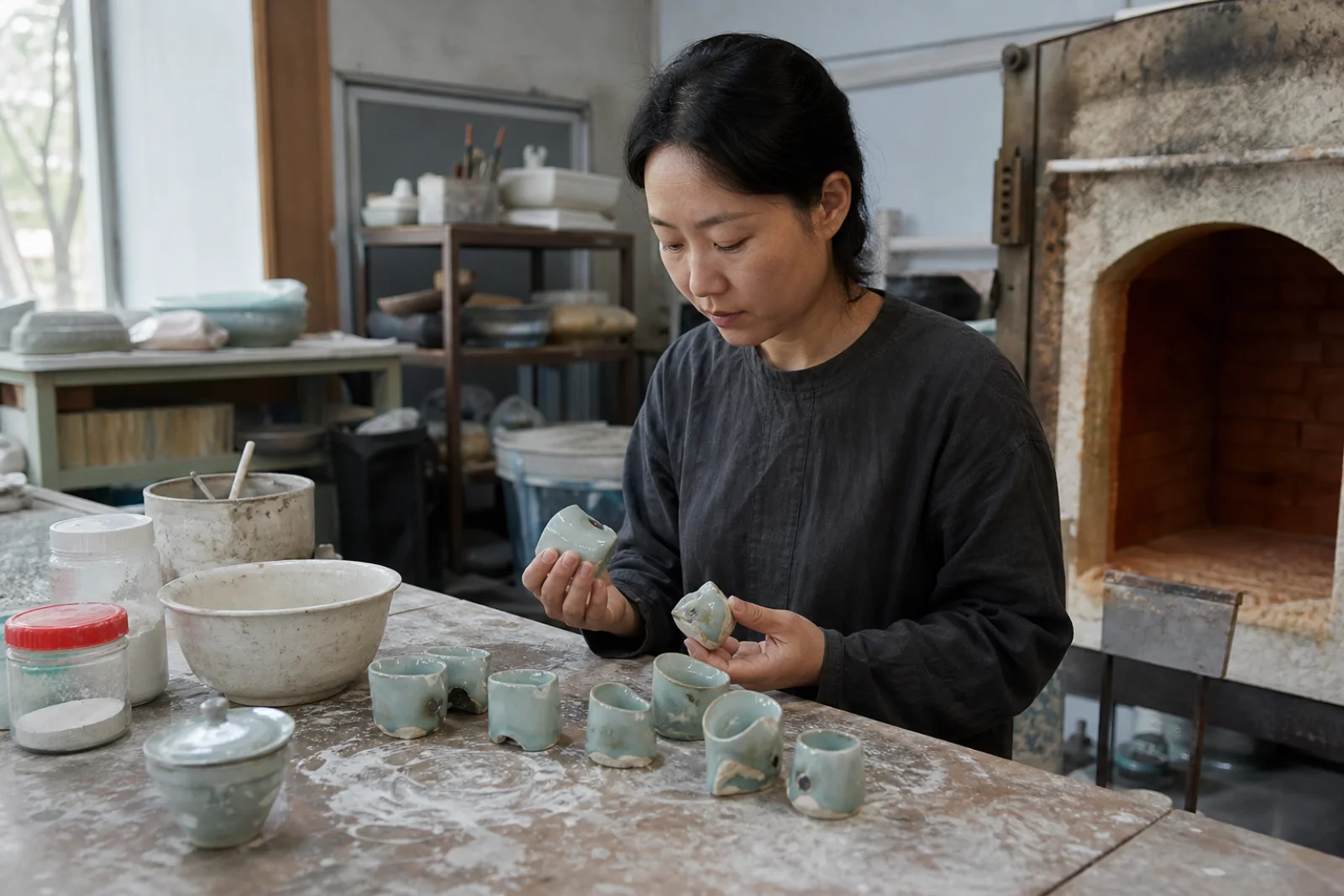
Kiln firing can deform a shape, pool a glaze, or alter color. Surviving masterworks are evidence of control, but shards and kiln furniture show the failures and experiments around them. Understanding that risk replaces vague admiration with respect for repeatable technical judgment.
THE SEOULIAN NOTE · EDITORIAL INTERPRETATION
The detail worth carrying forward
Celadon's calm appearance conceals a volatile collaboration between mineral, atmosphere, timing, and skilled acceptance of what fire will not fully obey.
SOURCE DESK · VERIFIED FACT TRAIL
Research used for this field note
- Celadon Gallery National Museum of Korea · Collection evidence for Goryeo celadon techniques and forms
- Visit Korean Heritage Korea Heritage Agency · Official heritage interpretation and visitor reference
Original synthesis, source trail attached
Original SEOULIAN synthesis. Facts are attributed through linked sources; source wording, photographs, logos, and entertainment assets are not reproduced. The article does not reproduce source expression, third-party photographs, logos, maps, or entertainment assets.
Image disclosure
Credit: SEOULIAN original editorial image
Creator: SEOULIAN with ChatGPT Image Generation
Source type: SEOULIAN imagegen editorial photo
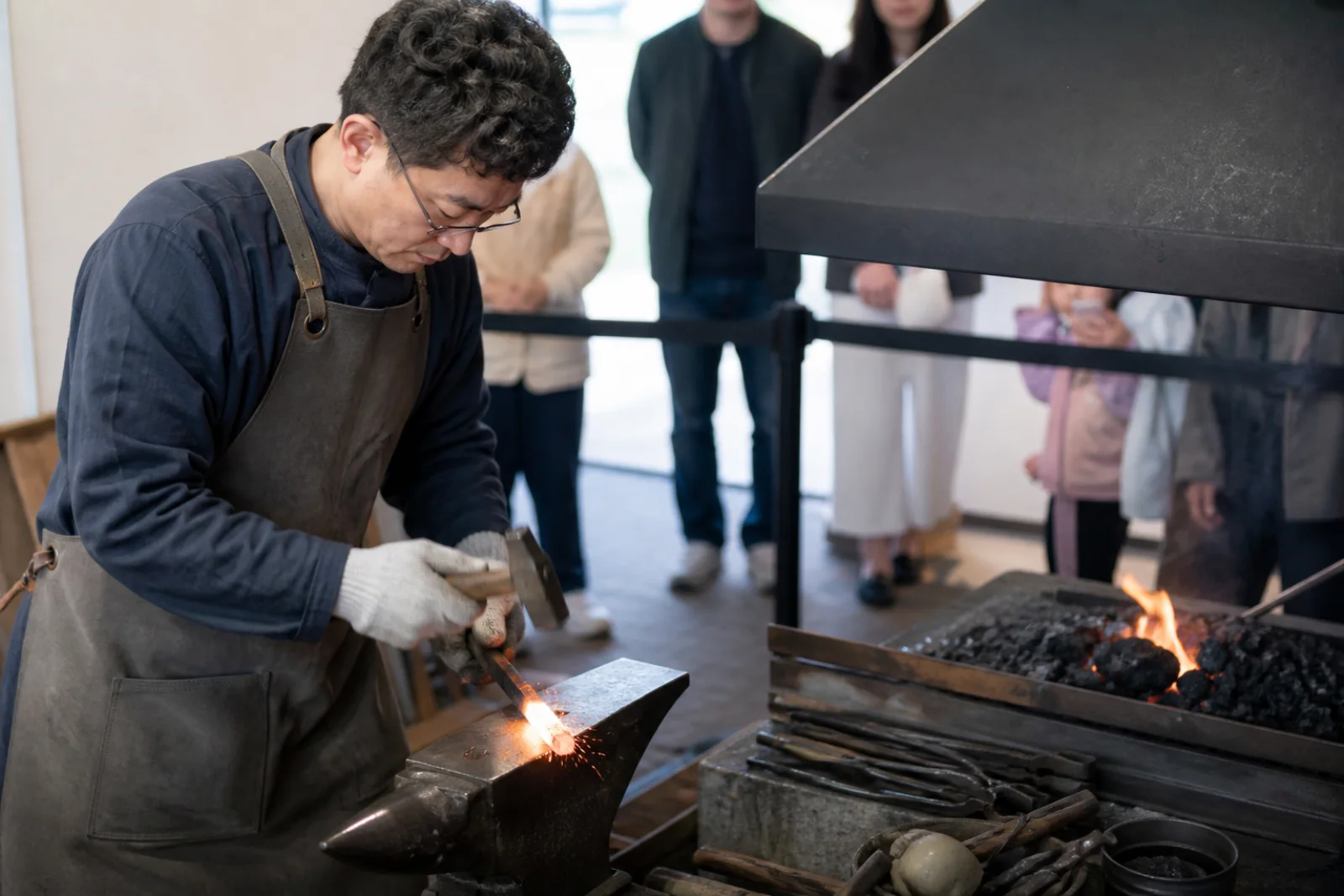
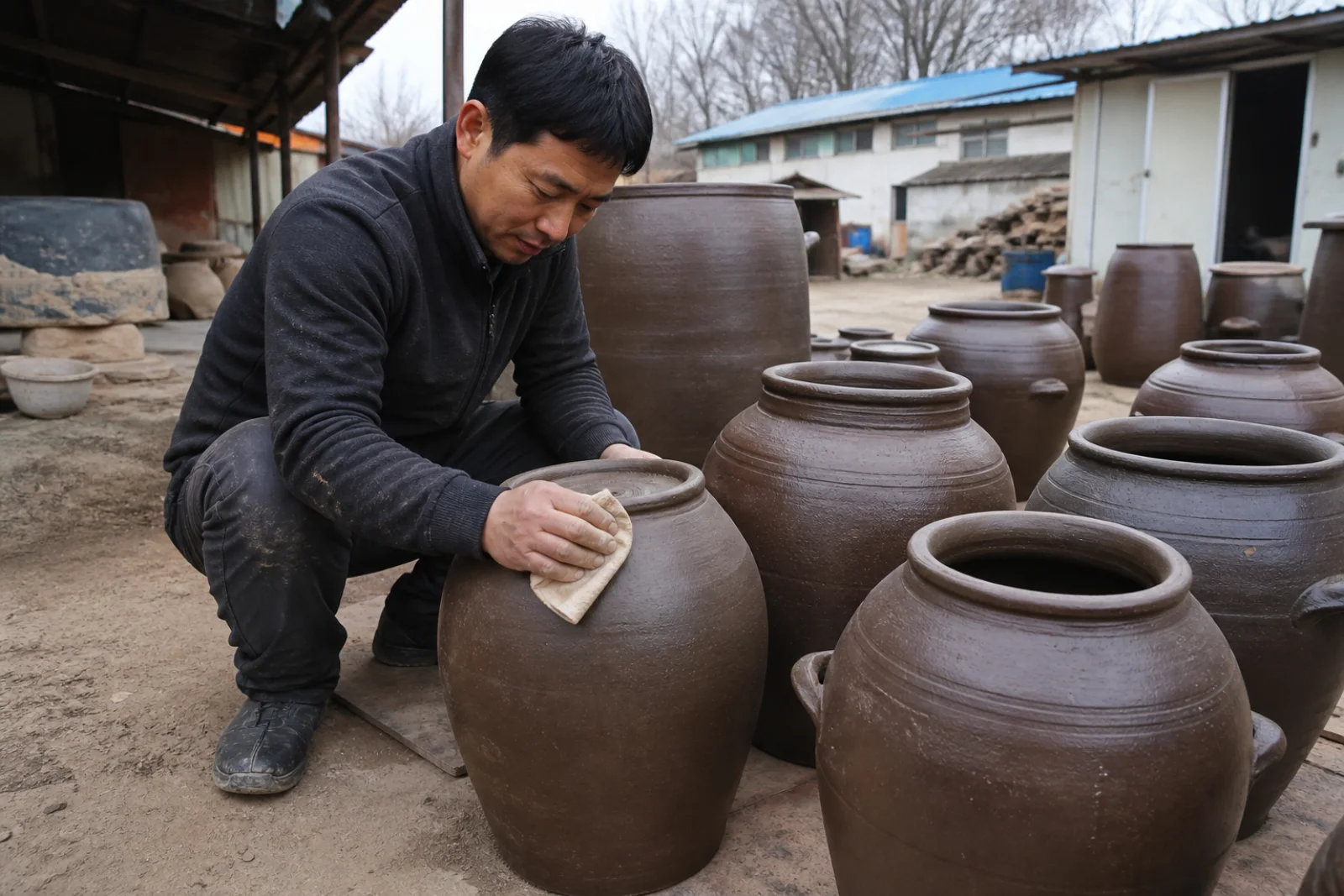
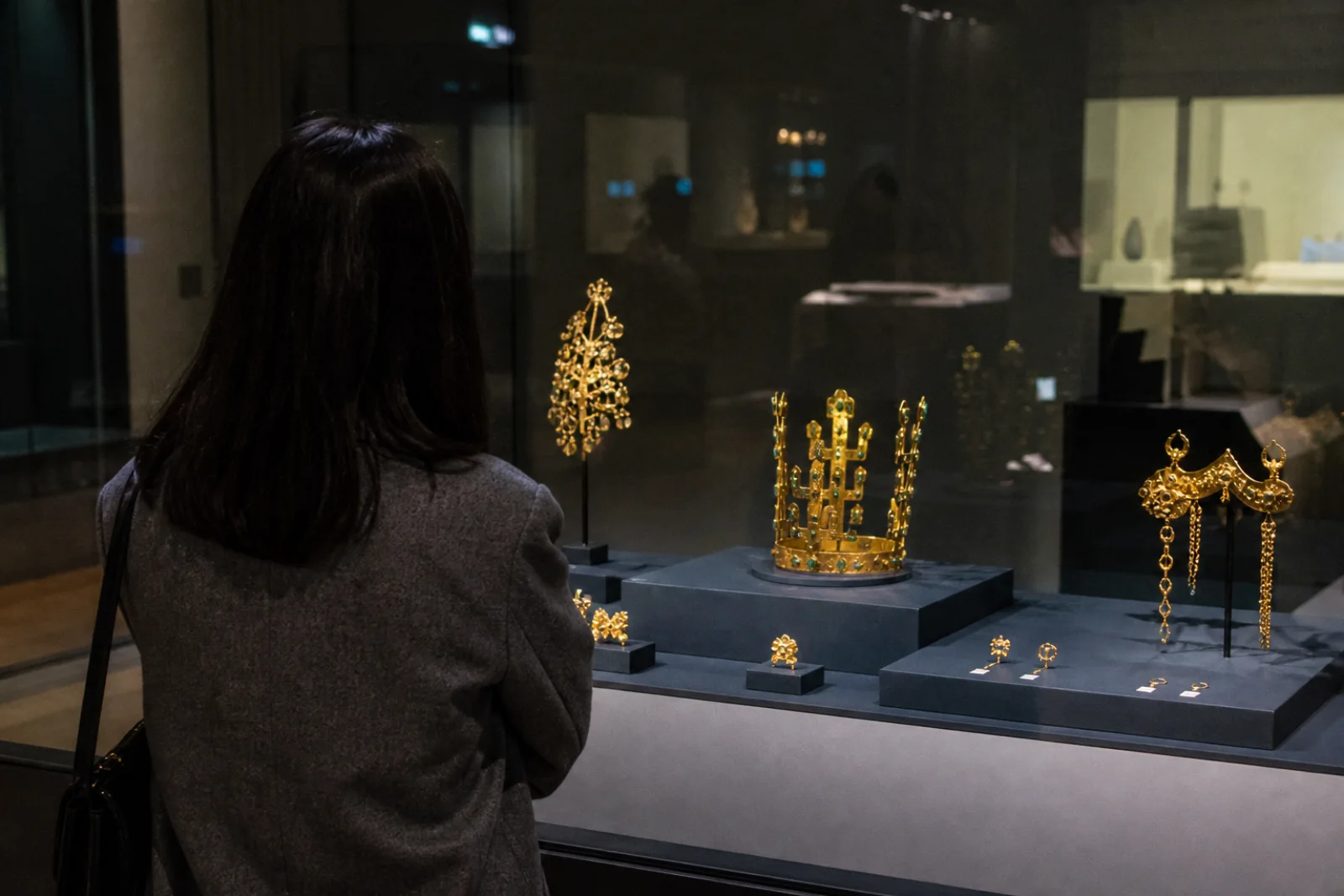
Disclosure: AI-generated editorial illustration; not documentary evidence of a specific person, place, object, or event.