Polite first is a safe default
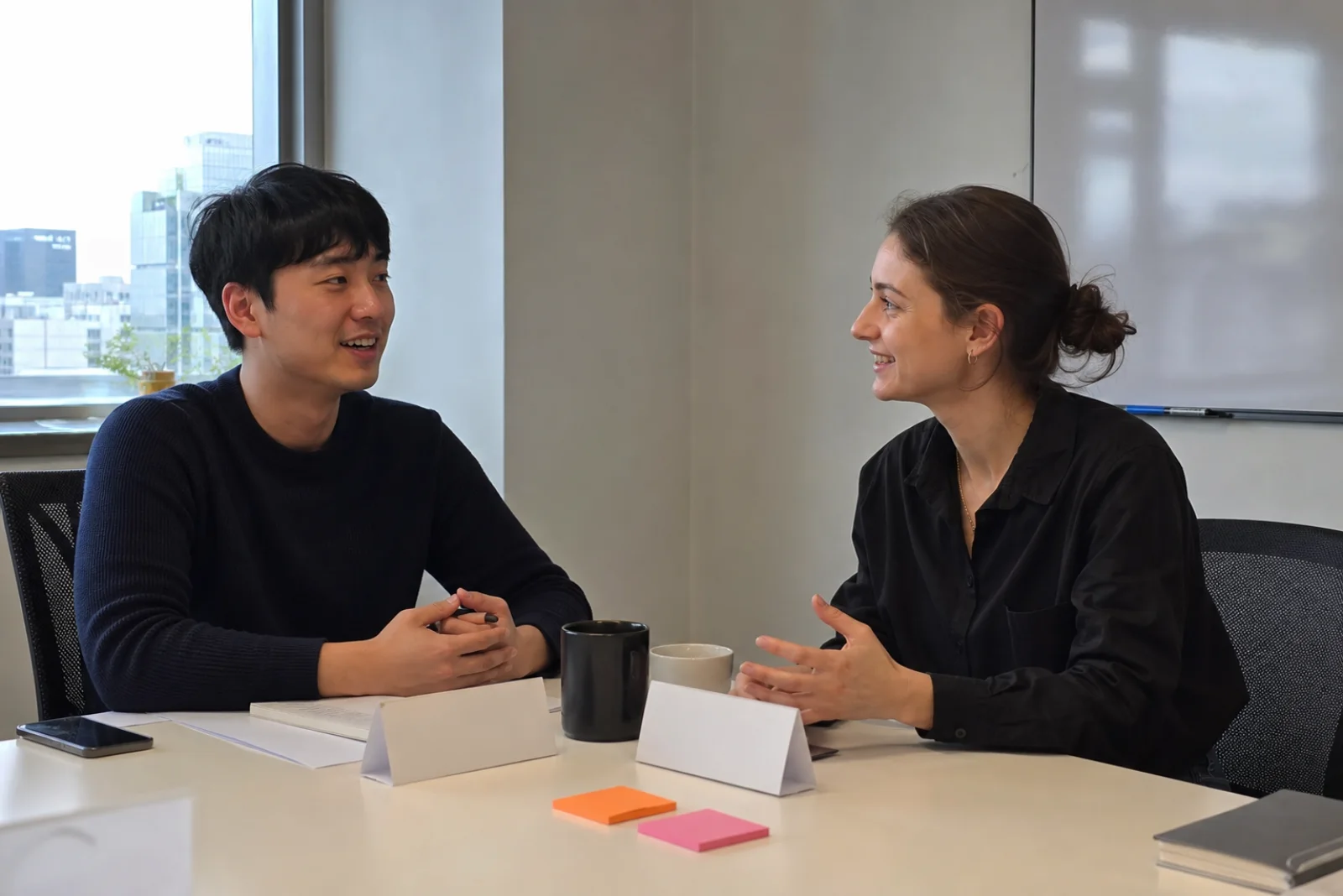
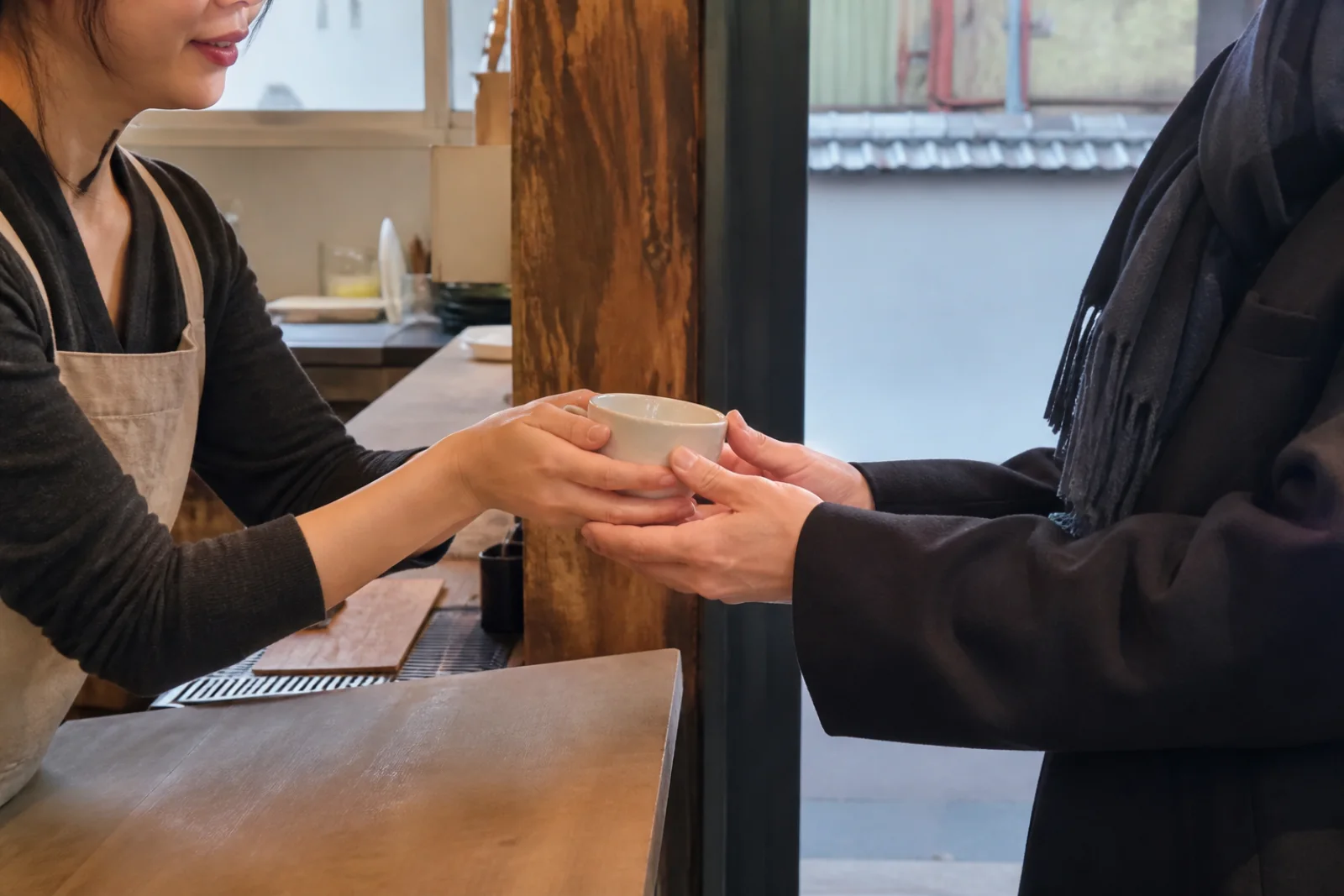
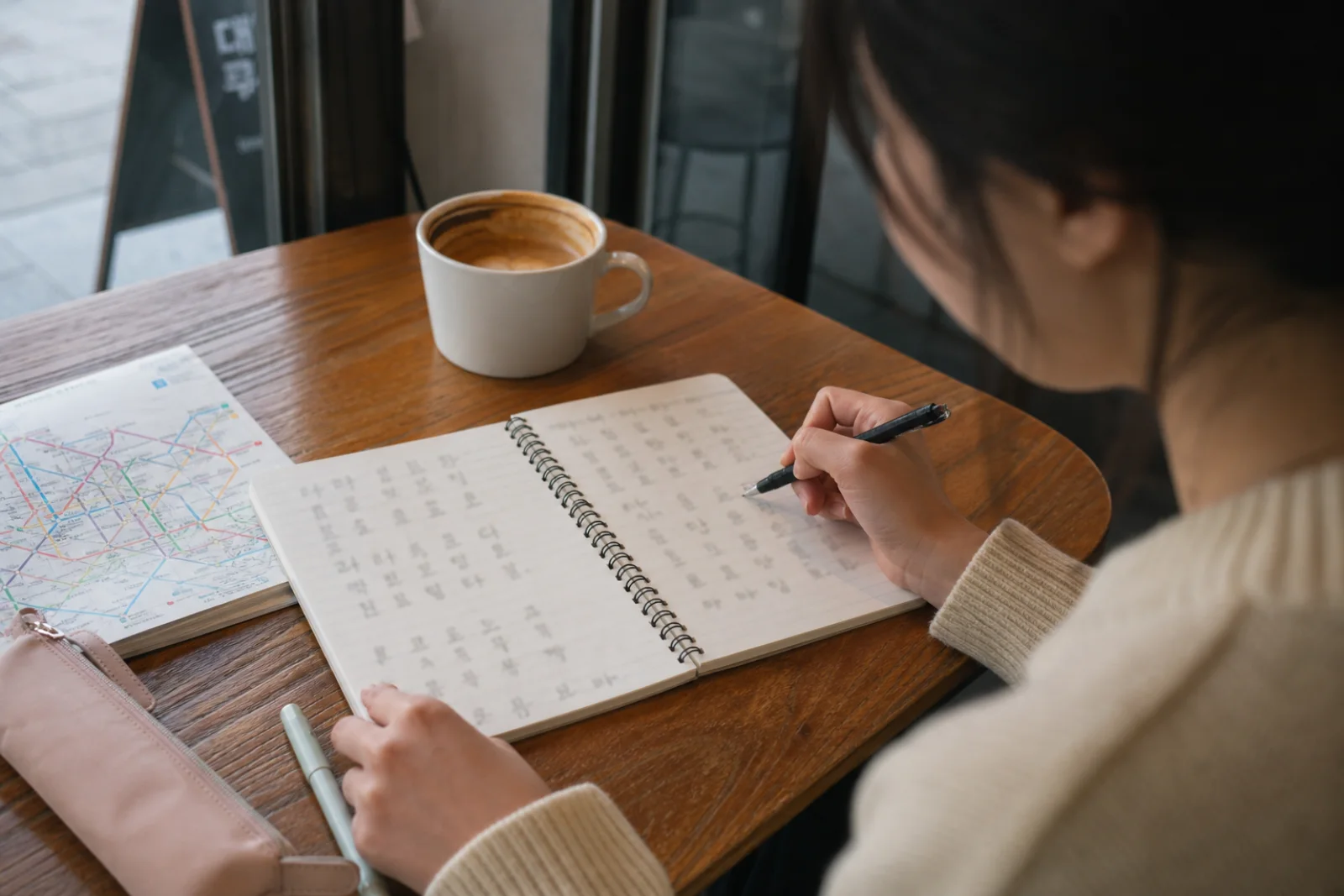
Korean verbs and sentence endings carry information about formality and social relationship. Beginners usually benefit from polite everyday endings because they work across many public situations. This is not the same as sounding distant. Tone, attention, and word choice can remain warm.
Informality is an agreement
Banmal is casual speech used in close or age-structured relationships, but it is not simply the absence of manners. People may discuss changing speech levels as familiarity grows. Copying an informal phrase from entertainment without knowing the relationship can sound abrupt because the missing context is doing most of the work.
Listen for the whole interaction
Titles, names, pronouns, verb endings, gesture, and turn-taking all contribute. You do not need perfect grammar to be considerate. Use a polite form, make a short apology when a mistake happens, and let the other person guide adjustments. Most reasonable interactions can absorb a learner's imperfect ending.
THE SEOULIAN NOTE · EDITORIAL INTERPRETATION
The detail worth carrying forward
Speech levels make social distance audible, which is why a small ending can change the emotional temperature of an otherwise identical sentence.
SOURCE DESK · VERIFIED FACT TRAIL
Research used for this field note
- Korean Language Resources National Institute of Korean Language · Authoritative Korean language reference
- Guide to Living in Korea Korean Culture and Information Service · Official cultural, naming, and everyday-life orientation
Original synthesis, source trail attached
Original SEOULIAN synthesis. Facts are attributed through linked sources; source wording, photographs, logos, and entertainment assets are not reproduced. The article does not reproduce source expression, third-party photographs, logos, maps, or entertainment assets.
Image disclosure
Credit: SEOULIAN original editorial image
Creator: SEOULIAN with ChatGPT Image Generation
Source type: SEOULIAN imagegen editorial photo
Disclosure: AI-generated editorial illustration; not documentary evidence of a specific person, place, object, or event.