START HERE · A label is not the only entrance
A museum devoted to writing can sound like a difficult choice when you cannot read most of the scripts. At the National Museum of World Writing Systems in Incheon's Songdo district, try a different starting point: look at what carries a mark before trying to decode it.
The museum describes its permanent exhibition as a comparison of written cultures. That gives an English-speaking visitor a useful question beyond translation: how does a message become something that can be kept, moved or copied? This is a researched looking guide, not an account of a visit we attended.
THE SETTING · Incheon, not central Seoul
Yonhap's June 29, 2023 opening report placed the museum in Songdo and reported that public admission would begin the following day. Its account described a permanent exhibition spanning different scripts, including Hangul. Treat that report as opening context, not a current inventory or program calendar.
Even the building offers a small visual invitation. Red Dot's 2024 Design Concept record credits SAMOO Architects & Engineers for the PAGES project and describes its curved relationship with the surrounding park. You can notice that idea without making architecture the whole visit. The more interesting comparison continues inside.
LOOK ONCE · Follow the surface
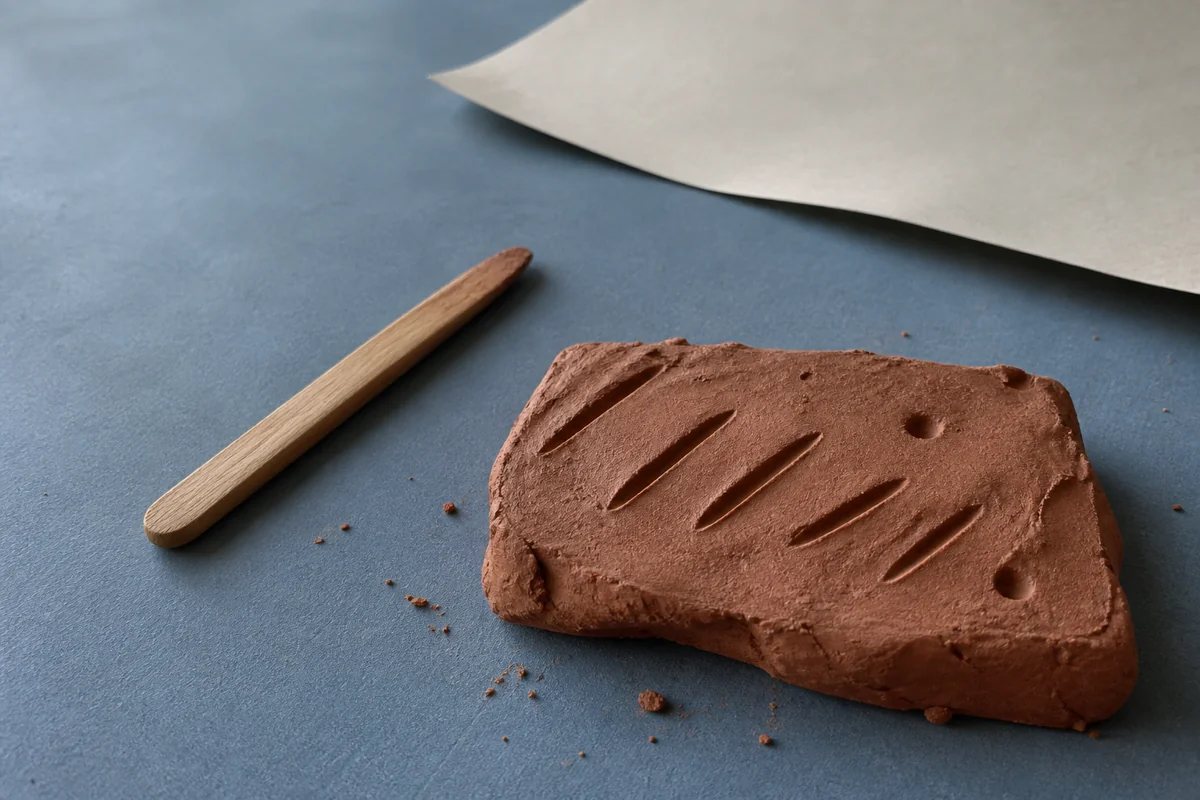
Start with one object rather than a whole civilization. The museum's online permanent-exhibition outline includes cuneiform clay tablets and an iron stylus, alongside books and other carriers of writing. Individual displays can change, so use the outline as preparation rather than a promise that every listed item will be on view.
Our suggestion is to compare a thick surface with a thin one. Look for the depth of a mark, the space around it and the object's edges. Does the mark appear pressed in, cut in or applied on top? Let a label confirm what you can only guess from looking; shape alone cannot identify a technique or a language.
Do not touch an artifact to answer the question. Follow the museum's directions for any specifically designated tactile display. Looking closely is an invitation to attention, not permission to handle the collection.
LOOK AGAIN · Think about the next copy
The exhibition's published outline also connects printing, paper and type. Use that as a second observation prompt: what would have to happen to produce another version of the object in front of you?
Compare the regularity of repeated marks, the arrangement of a page and the room left at its margins. These are questions to carry through the galleries, not a shortcut to reading an unfamiliar text. If you are visiting with someone else, each choose one detail and compare what caught your attention. Different observations can make the same display worth a second look.
PLAN IT · Save the name and check your date
The address is 217 Central-ro, Yeonsu-gu, Incheon. Korea Tourism Organization and the museum list regular hours of 10 a.m. to 6 p.m.; the museum states last admission is 5:30 p.m. General admission is free, while special exhibitions may carry a separate fee.
Monday is the regular closing day. The museum also lists January 1, Seollal day and Chuseok day as closures, with exceptions around substitute holidays. Check the date-specific notice before travelling rather than applying the weekly pattern to a holiday.
Use the museum's English visitor information and reservation manual to plan the particular exhibition, group visit or activity you want; the reservation link itself leads to its Korean website. This article does not confirm a tour language, session or available place.
Leave with one question you can recognize elsewhere: what changes when the same message moves to a different surface? You need not read every script to begin noticing the work that writing does. Facts and source pages were checked on September 15, 2026.
THE SEOULIAN SIGNAL · EDITORIAL INTERPRETATION
Why this matters
Save 국립세계문자박물관 and 217 Central-ro, Incheon. Ask three questions while looking: What holds the mark? How was it made? How might another copy be produced?
SOURCE DESK · RESEARCH RECORDS
Research used for this analysis
- National Museum of World Writing Systems · checked September 15, 2026 Korea Tourism Organization · VISITKOREA · Official destination record corroborates address, general hours, closures and the distinction between free admission and possible special-exhibition charges. No ranking or source imagery reused.
- Visitor Information · checked September 15, 2026 National Museum of World Writing Systems · Operator's primary visitor information: last admission, fees, holiday exceptions, no touching artifacts, designated sensory displays and Korean-language reservation link. No claim that all programs or languages are available.
- FAQ · checked September 15, 2026 National Museum of World Writing Systems · Confirms address, last admission and holiday-rule details. Same institutional source as visitor and exhibition pages, not counted as independent organizations.
- Permanent Exhibition · checked September 15, 2026 National Museum of World Writing Systems · Primary published outline: comparative written cultures, clay tablets, an iron stylus, printing, paper and type. No artifact image, sacred text, political narrative, disputed script count or future prediction reproduced. Current display of every listed object is not guaranteed.
- National Museum of World Writing Systems opens in Incheon · June 29, 2023; checked September 15, 2026 Yonhap · carried by The Korea Times · Opening-day reporting supplies dated context: Songdo location, June 29 ceremony and next-day public admission. A single wire report, not separate Yonhap and Korea Times reporting; ministry-derived design statements are not treated as independent verification.
- National Museum of World Writing System, PAGES · Design Concept 2024; checked September 15, 2026 Red Dot Design Award · Separate award-body record of the credited SAMOO project and its design description. Treated as design intent, not a firsthand architectural review or proof of visitor experience.
Original synthesis & image rights
Original SEOULIAN synthesis of limited factual information from the museum, Korea Tourism Organization, Yonhap's opening report carried by The Korea Times, and Red Dot's own design-award record. The observation prompts are SEOULIAN editorial suggestions, not firsthand reporting, a booked tour or a claim of language-independent access to every exhibit. No source prose, artwork, artifact image, architectural photograph, museum branding or exhibition graphics are reproduced. Religious and political narratives, rankings of scripts, outdated collection counts and unverified program availability are excluded. The built-in Imagegen cover is an AI-generated editorial illustration; not documentary evidence. It shows an invented materials experiment, not a historical script, museum artifact or actual workshop. Original PNG, optimized WebP, prompt and hashes are retained. Targets and reported usage remain attributed to the city and are not presented as independently verified outcomes.
Image disclosure
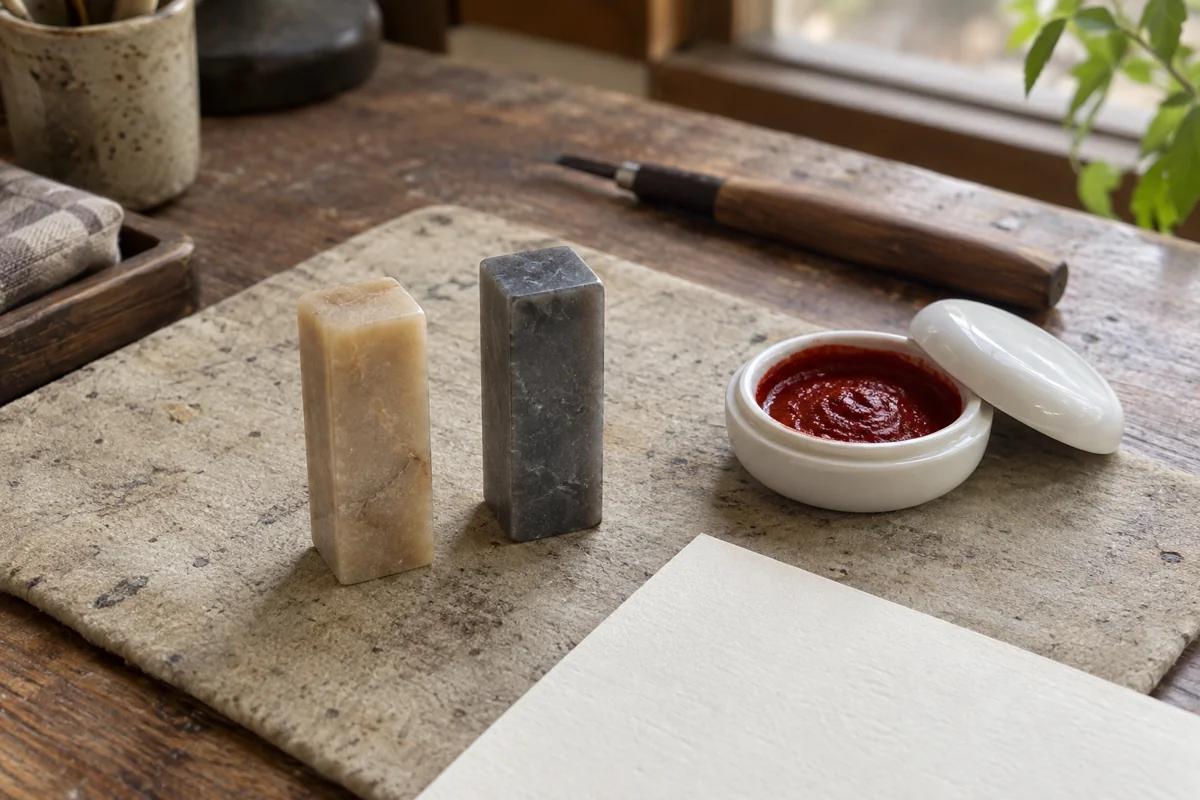
Credit: AI-generated editorial illustration; not documentary evidence. A fictional materials experiment, not a historical script, museum artifact, actual workshop or photograph of the museum. SEOULIAN · Created with ChatGPT Image Generation.
Creator: SEOULIAN with ChatGPT Image Generation
Source type: SEOULIAN imagegen editorial photo
Disclosure: AI-generated editorial illustration; not documentary evidence. A fictional materials experiment, not a historical script, museum artifact, actual workshop or photograph of the museum. SEOULIAN · Created with ChatGPT Image Generation.
License: Original SEOULIAN AI-generated editorial image