The important number is time, not only spending
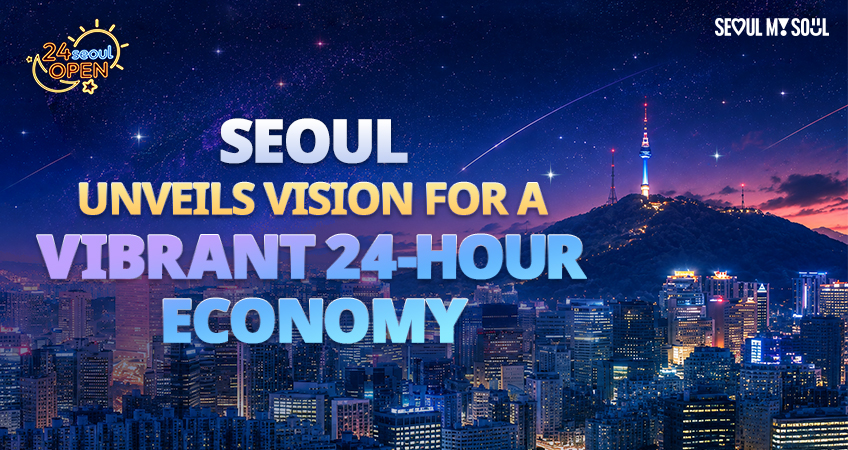
Seoul’s plan treats the hours from 6 PM to 6 AM as a connected urban system. The city says 269 public sports facilities will be able to remain open as late as midnight depending on local conditions, while eight municipal museums and cultural facilities are scheduled to expand evening opening to five days a week, until 9 PM, beginning gradually in September. Those are service commitments; the larger targets for visitor numbers and spending remain policy goals, not achieved results.
A night district works only if people can move through it safely
DDP, Namsan, Gwanghwamun, and the Hangang are the four headline destinations, but the less glamorous infrastructure may matter more. Seoul plans new Firefly Bus links between nightlife hubs and subway stations from October, real-time crowd monitoring at busy locations, coordinated emergency response, and a 150-person mobile cleaning team. The plan also says results will be measured against resident inconvenience and safety, not foot traffic alone.
Gangnam’s night taxis are an early mobility test
A separate city release provides a practical signal. Seoul expanded Gangnam’s late-night driverless taxi fleet from seven vehicles to 19 after reporting 15,140 rides since the service began in September 2024, including 6,176 rides after paid operation started in April 2026. The figures come from the city, so they show reported usage rather than an independent safety verdict. What matters next is whether shorter waits, transparent incident reporting, and consultation with conventional taxi operators develop together.
THE SEOULIAN SIGNAL · EDITORIAL INTERPRETATION
Why this matters
Seoul’s strongest night culture has always depended on ordinary systems—subways, buses, bright streets, convenience stores, late meals, and the confidence that home is reachable. The policy will feel genuinely Seoulian only if neighborhood access and coexistence improve alongside the landmark spectacles.
SOURCE DESK · RESEARCH RECORDS
Research used for this analysis
- ‘Not More Nighttime Spending, but Better Nights’: Seoul Steps Up Its Nighttime Economy Seoul Metropolitan Government · Primary source for facility hours, nighttime destinations, transit, safety, cleaning, and policy targets.
- Late-Night Driverless Taxi Service in Gangnam to Expand from 7 Vehicles to 19 Seoul Metropolitan Government · Primary source for fleet size, reported rides, paid-service timing, and operating context.
Original synthesis & image rights
SEOULIAN independently synthesized two Seoul Metropolitan Government primary-source releases. The official source image is locally stored and credited under the city’s KOGL Type 1 policy. Targets and reported usage remain attributed to the city and are not presented as independently verified outcomes.