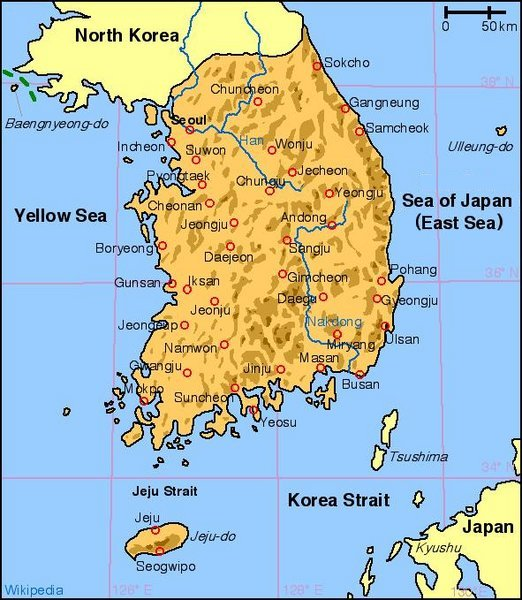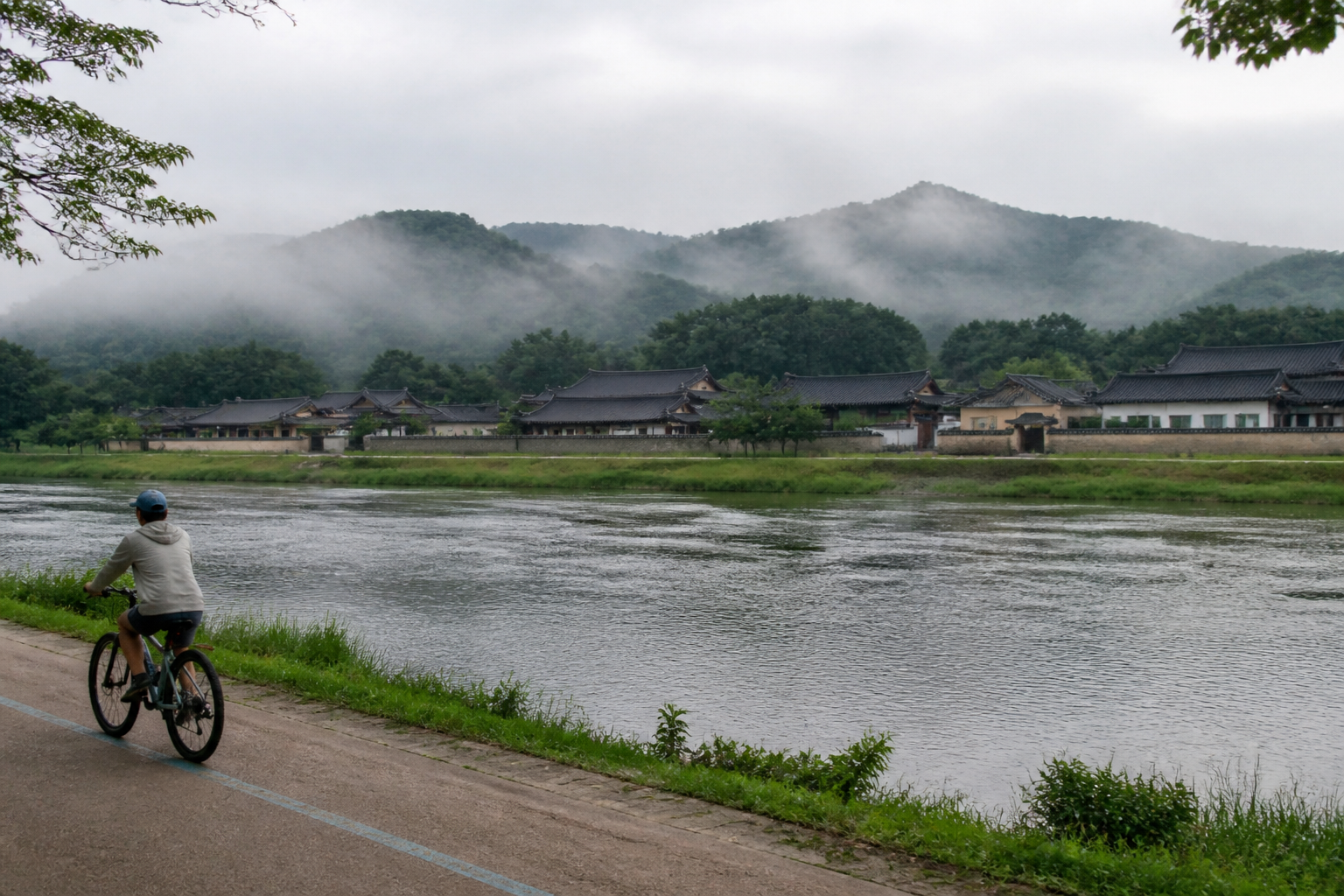
Andong (Korean: 안동; pronounced [an.doŋ]) is a city in South Korea, and the capital of North Gyeongsang Province. It is the largest city in the northern part of the province with a population of 167,821 as of October 2010. The Nakdong River flows through the city. Andong is a market centre for the surrounding agricultural areas. Since the 1970s Andong has developed rapidly, although the population has fallen by nearly seventy thousand as people have moved away to Seoul, Busan, Daegu and other urban centres. In the late 1990s and early 2000s it became a tourism and cultural center. Andong is known as a centre of culture and folk traditions. The surrounding area maintains many types of traditions and the Andong Folk Festival is held in mid October every year. One of the most famous aspects of these cultural festivities are the Andong masks. Andong National University, specialising in education and Korean folklore, has grown rapidly since the 1970s. Other tertiary institutions include Andong Science College and Catholic Sangji College. Andong joined the UNESCO Global Network of Learning Cities in 2016.
Read the fixed source
Follow the exact revision used for this summary, or open its history to see the contributors and later changes.
Text source & license
Adapted and shortened by SEOULIAN from the linked fixed revision; no change in factual meaning is intended. Source: Wikipedia contributors. This adapted summary is shared under CC BY-SA 4.0.
Image attribution
Title: Andong — SEOULIAN Imagegen editorial photograph
Author: SEOULIAN with ChatGPT Image Generation
Source: SEOULIAN imagegen editorial photo
License: SEOULIAN AI-generated editorial image
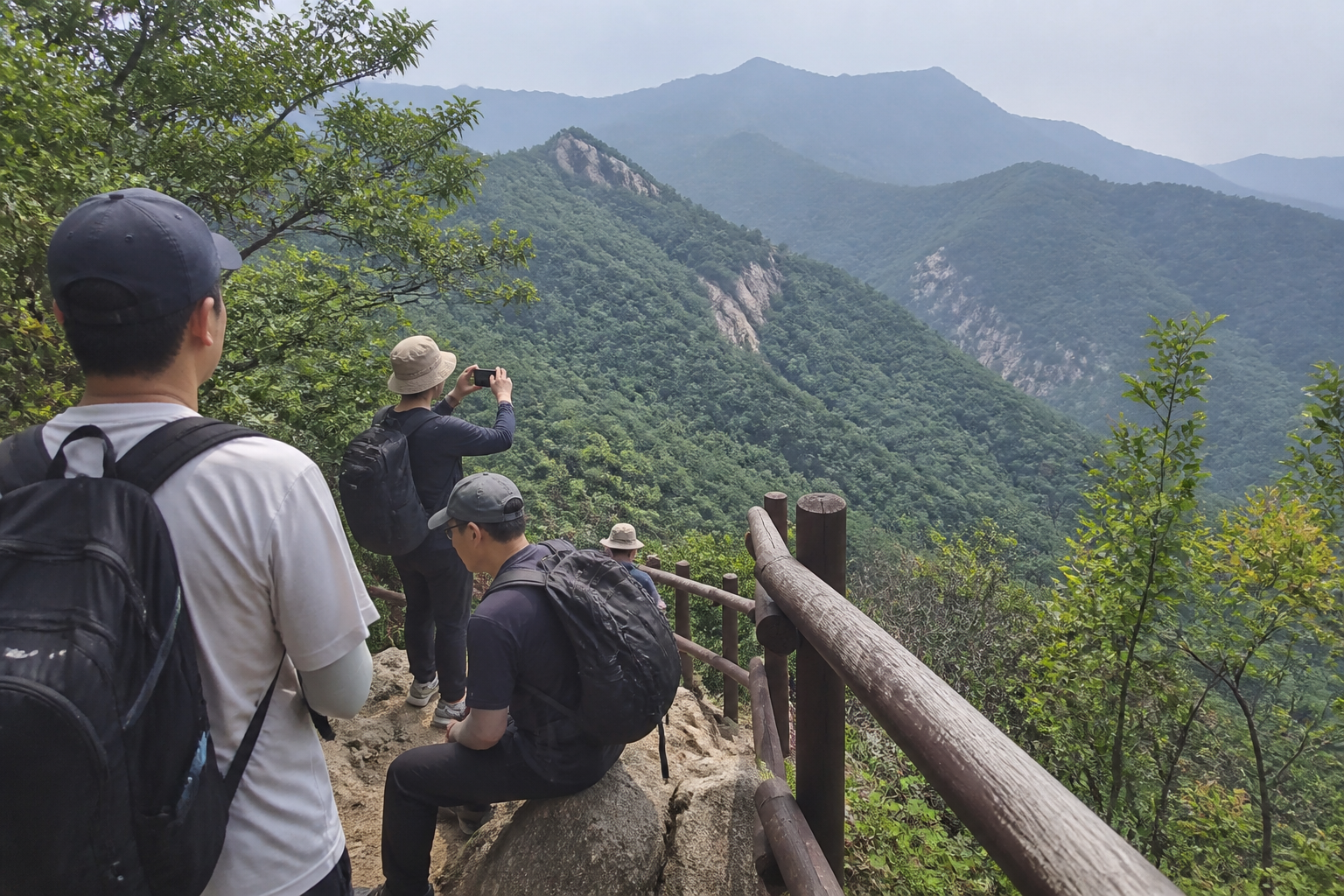
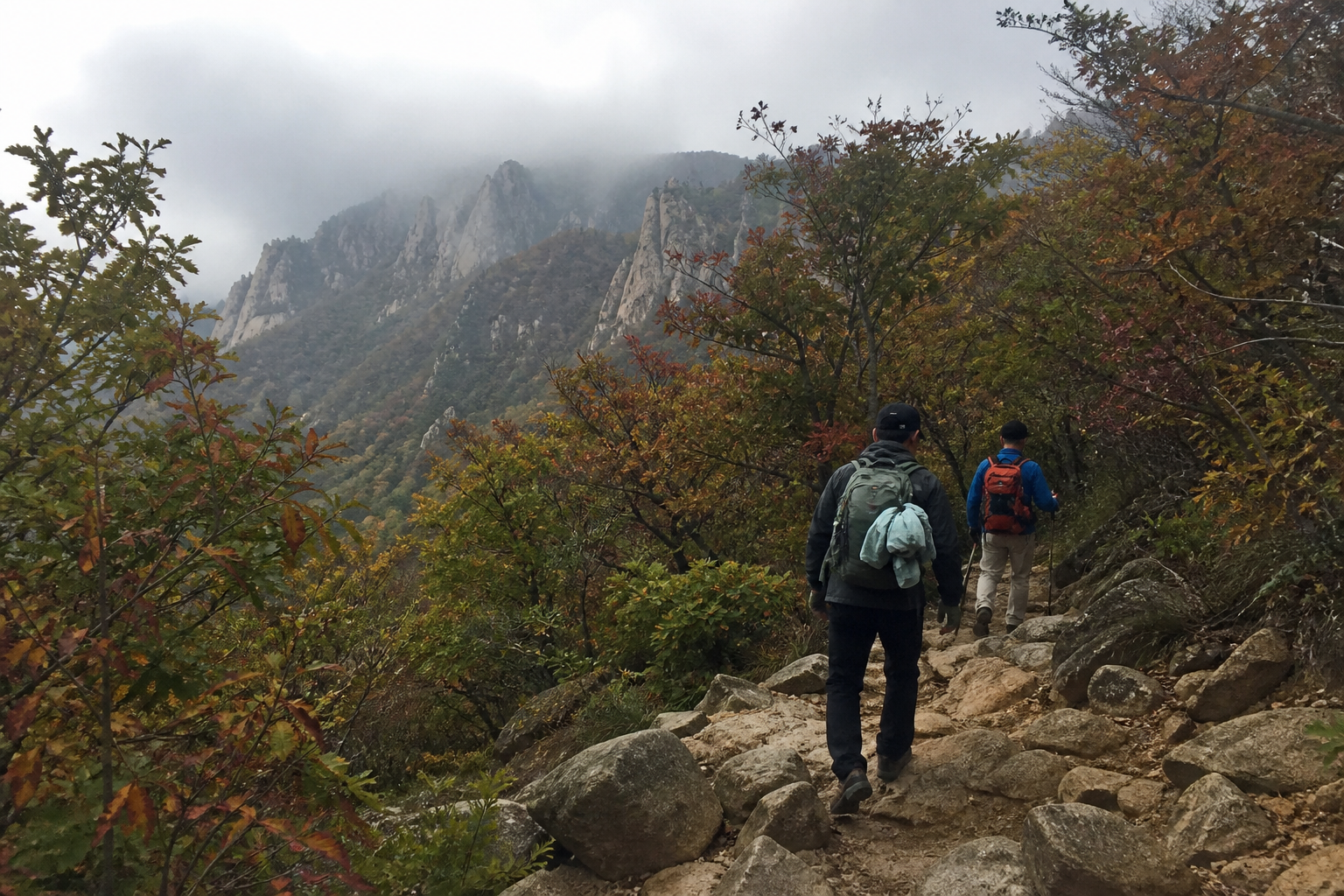
AI-generated editorial illustration created with ChatGPT Image Generation; illustrative and not documentary evidence.