What the small plates are doing
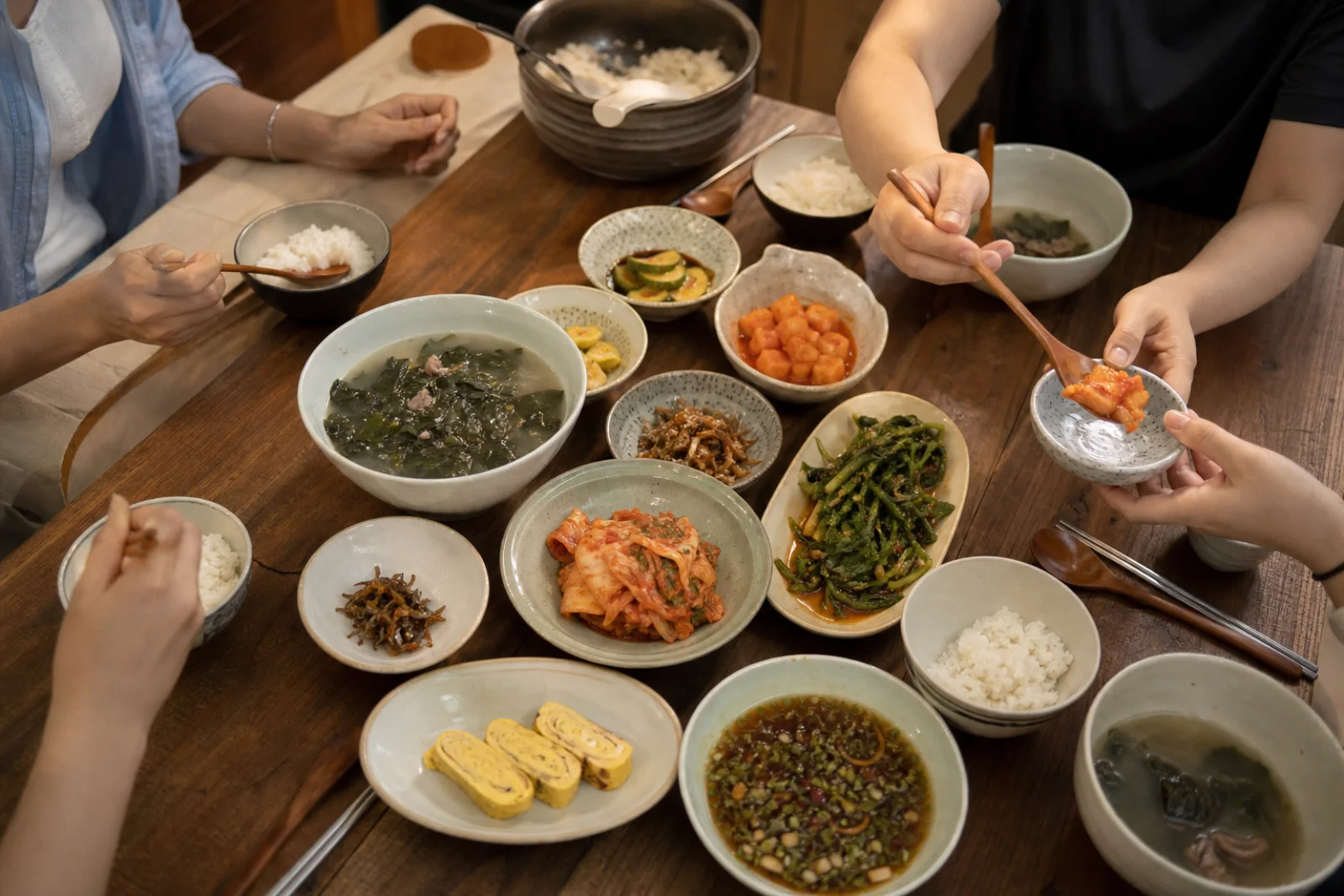
Banchan are dishes eaten alongside rice. The Korea Tourism Organization describes a table with individual rice and soup bowls and a range of accompanying plates. KOCIS’s K-Food explains that the selection can change with the season and the occasion. There is no single assortment that every Korean meal has to reproduce.
For a first-time diner, the useful shift is to stop treating the little plates as a separate course to finish before the main food. Our suggestion is to leave room to return to them throughout the meal. The interesting part is noticing which tastes you want beside the next spoonful of rice.
Sharing without guesswork
SEOULIAN’s practical suggestion: ask which dishes are for the table and use the serving utensils provided. If you are unsure how to take a portion, ask your host or server rather than guessing. These are suggestions for a comfortable shared meal, not a claim that every household follows identical rules.
The reference sources describe side-dish refills, but neither is a current menu for the restaurant you are visiting. Ask which dishes can be refilled and whether there is a charge before requesting more. Order only what your table expects to eat; a general cultural guide is not a promise of unlimited food.
A small tasting experiment
Try one side dish with rice, then pause before choosing the next. Notice whether you want something crisp, soft, mild or sharp. This is an optional tasting exercise, not an official eating sequence or a rule about which flavors belong together.
If you are hosting, explain unfamiliar ingredients and let people decide what to try. A small plate does not make an ingredient obvious: ask about dietary restrictions before planning the meal and check the actual preparation. Giving someone an easy way to ask a question can matter more than arranging an impressive number of dishes.
SOURCE UPDATE · September 12, 2026
We replaced inaccessible Korea.net references and a general tourism homepage with two specific background sources, rechecked the table-format explanation, and separated our hosting suggestions from documented food descriptions. We also replaced an unsupported industry-wide forecast with a narrower, explicitly untested hosting hypothesis. The original publication date and illustrated cover are unchanged.
THE SEOULIAN NOTE · EDITORIAL INTERPRETATION
The detail worth carrying forward
Our editorial reading: the most welcoming shared table is one where a guest can ask about an ingredient or request a smaller portion without feeling awkward. The number of bowls is not a measure of hospitality.
SOURCE DESK · VERIFIED FACT TRAIL
Research used for this field note
- About Korean Food — A Korean Meal Table Korea Tourism Organization · Table format and banchan as rice accompaniments; read September 12, 2026. Page displays last update March 24, 2023. Background only, not a guarantee of a current restaurant refill policy.
- K-Food: Combining Flavor, Health, and Nature (2013), pp. 44–47 Korean Culture and Information Service / Ministry of Culture, Sports and Tourism · Rice accompaniments, seasonal and occasion-based selection, and sharing; read September 12, 2026. Publisher and 2013 edition verified from the colophon. Historical background, not current venue policy. No source wording, recipes or images reproduced.
Original synthesis, source trail attached
Original SEOULIAN synthesis of factual background from the linked sources. Hosting suggestions and the forecast are editorial judgments, not survey findings. No source prose, recipes, photographs or artwork reproduced. The existing unique AI-generated cover is an illustration, not documentary evidence. The article does not reproduce source expression, third-party photographs, logos, maps, or entertainment assets.
Image disclosure
Credit: SEOULIAN original editorial image
Creator: SEOULIAN with ChatGPT Image Generation
Source type: SEOULIAN imagegen editorial photo
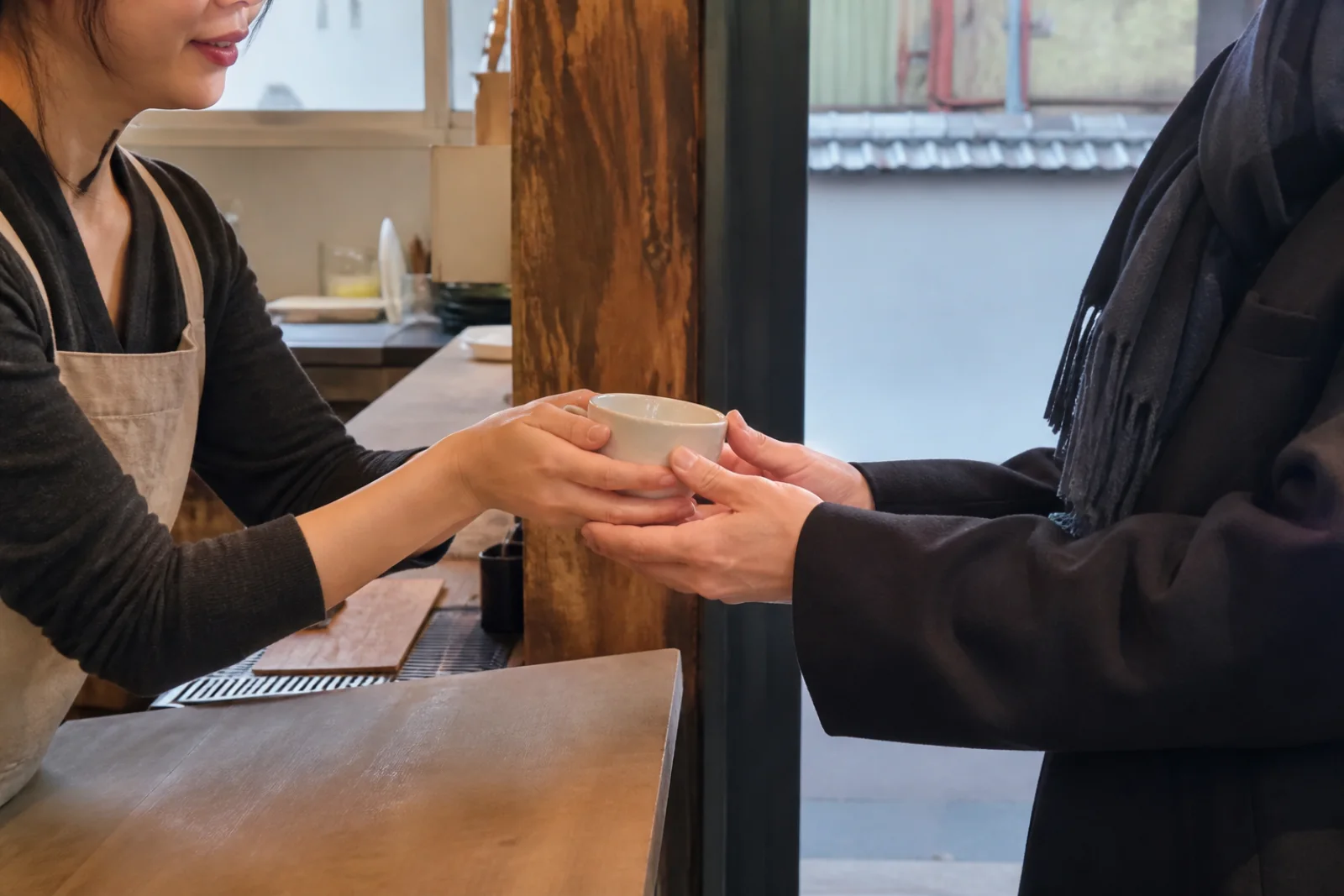
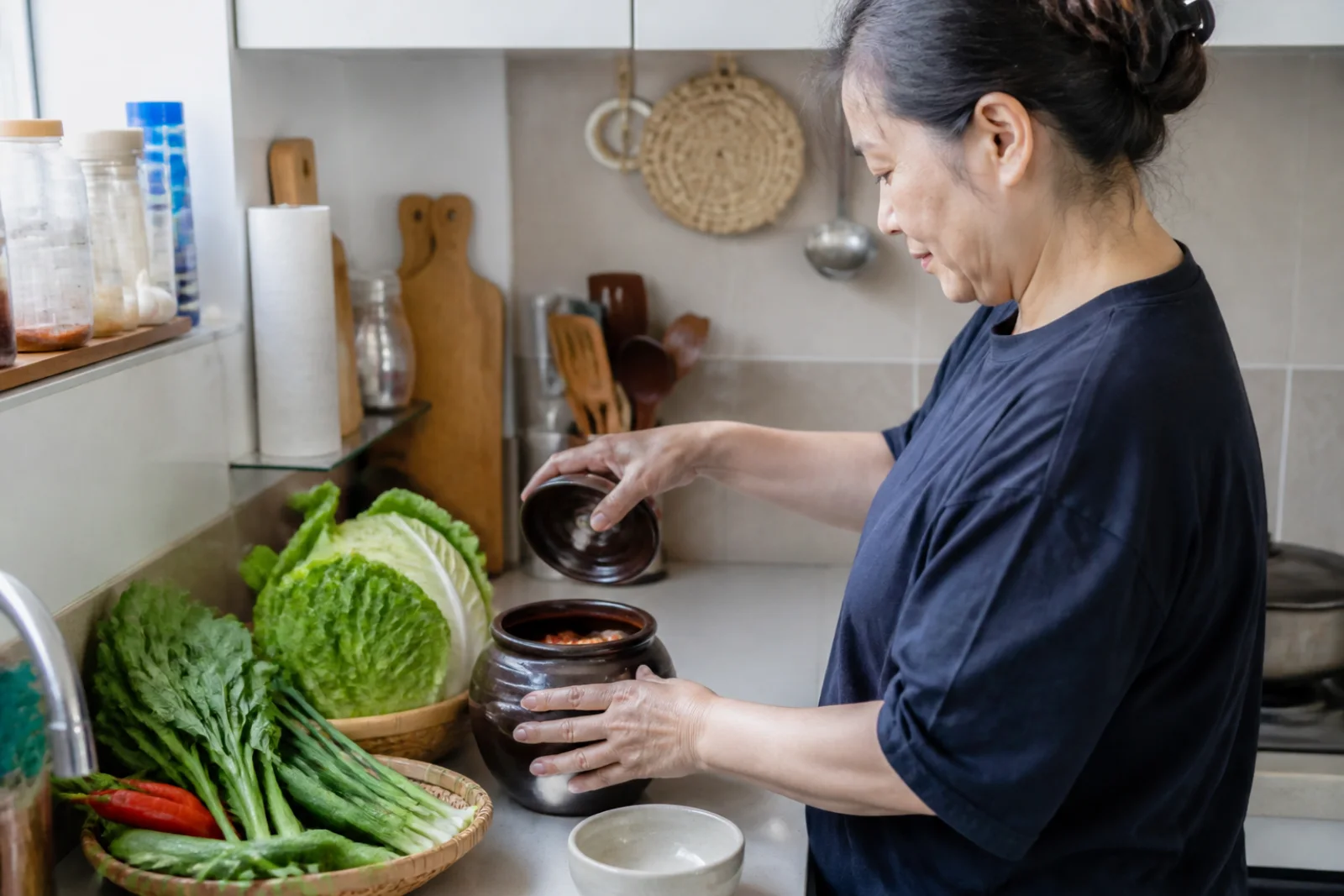
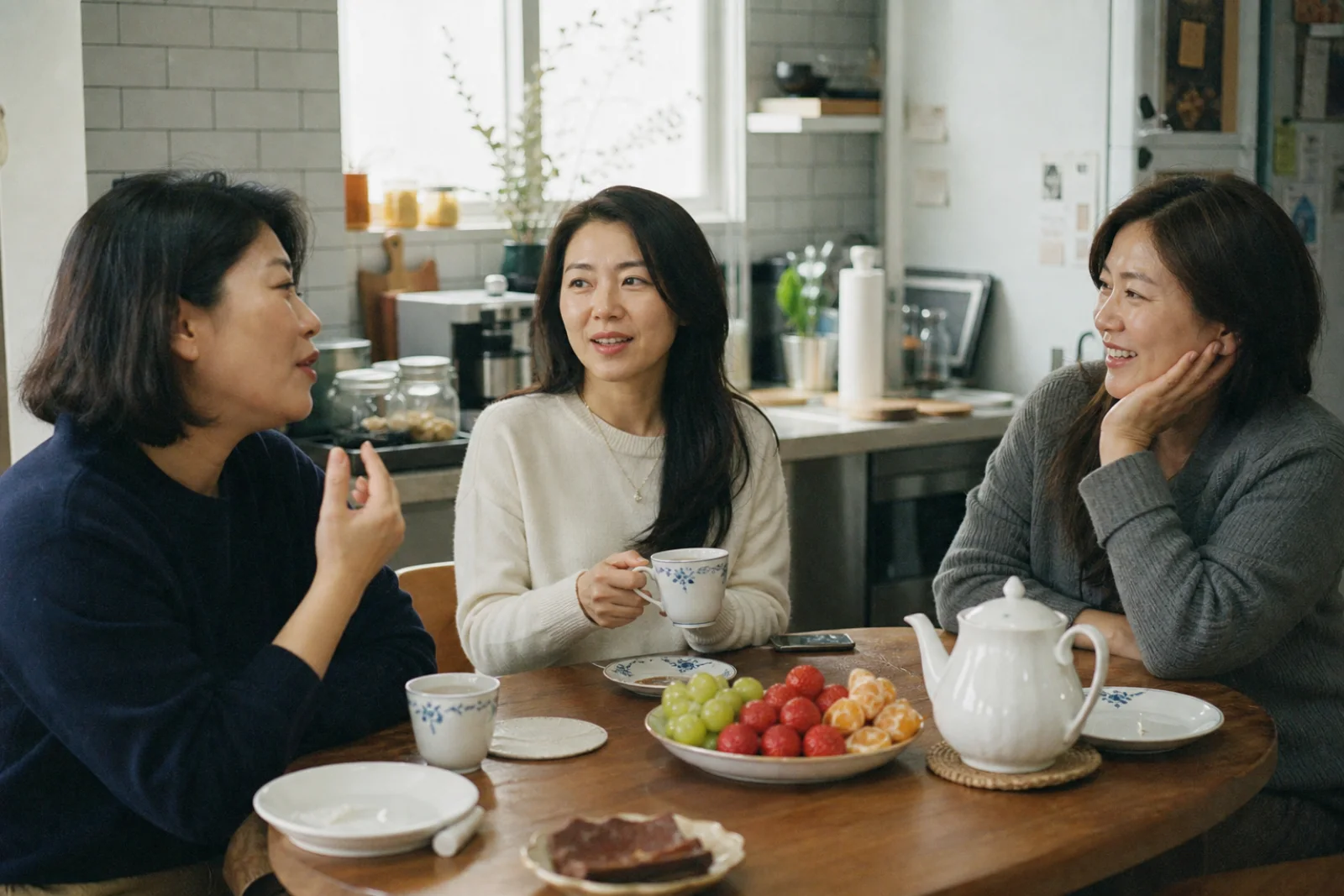
Disclosure: AI-generated editorial illustration; not documentary evidence of a specific person, place, object, or event.