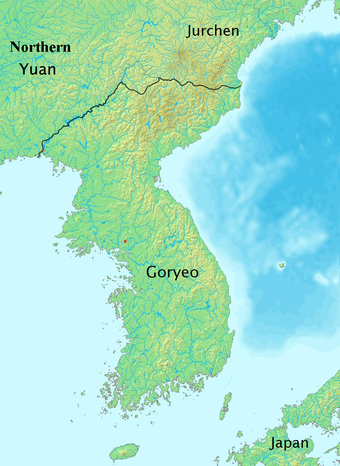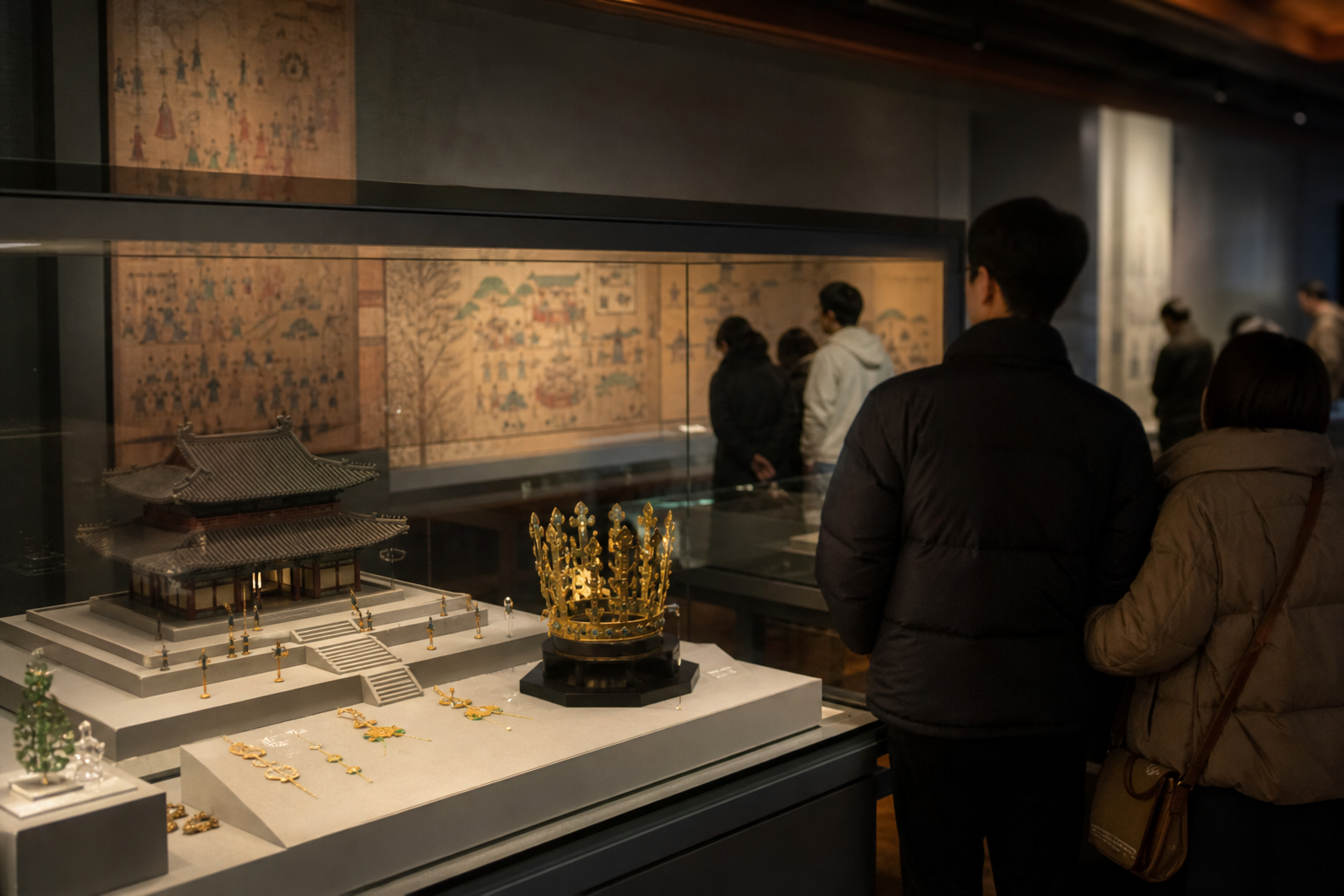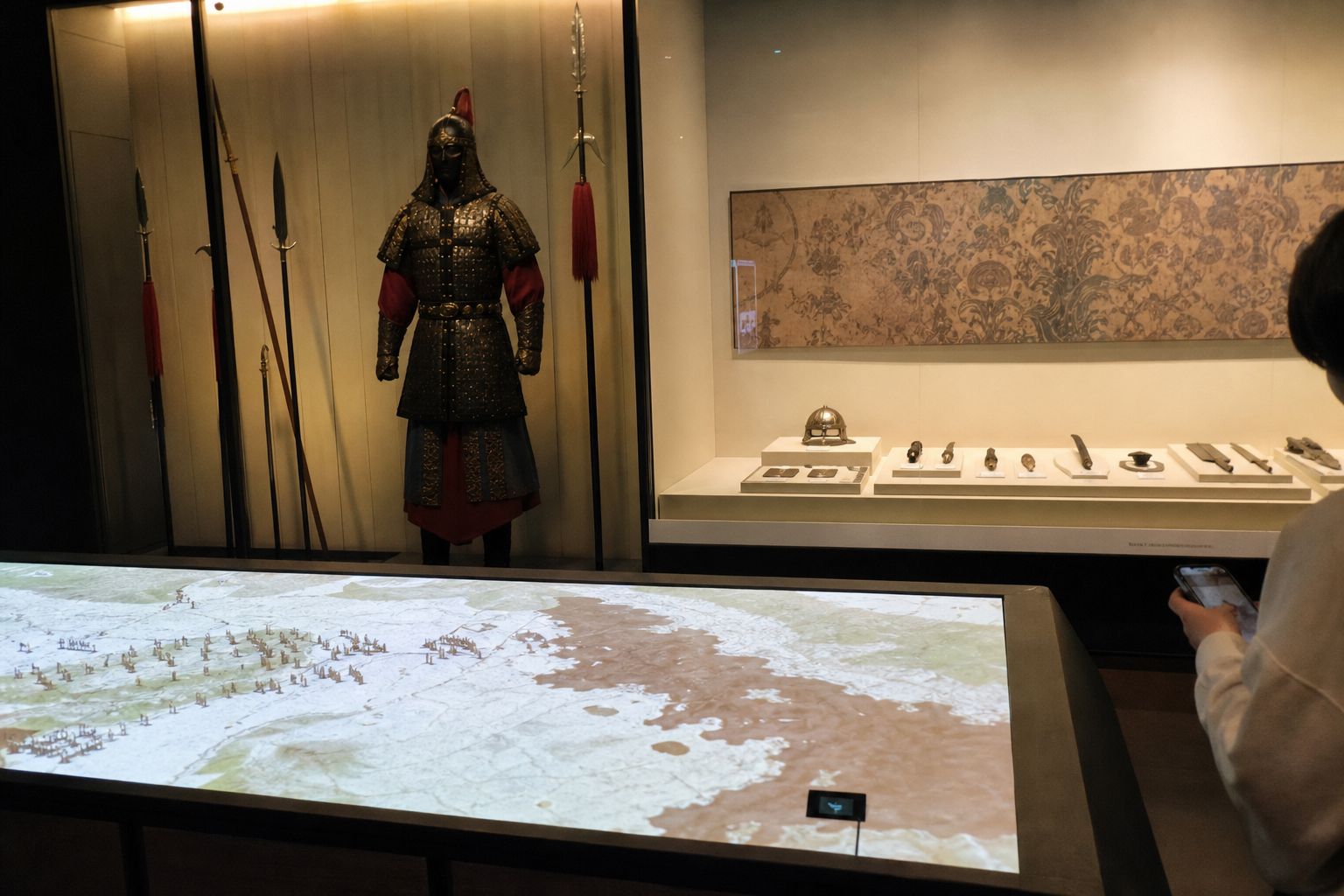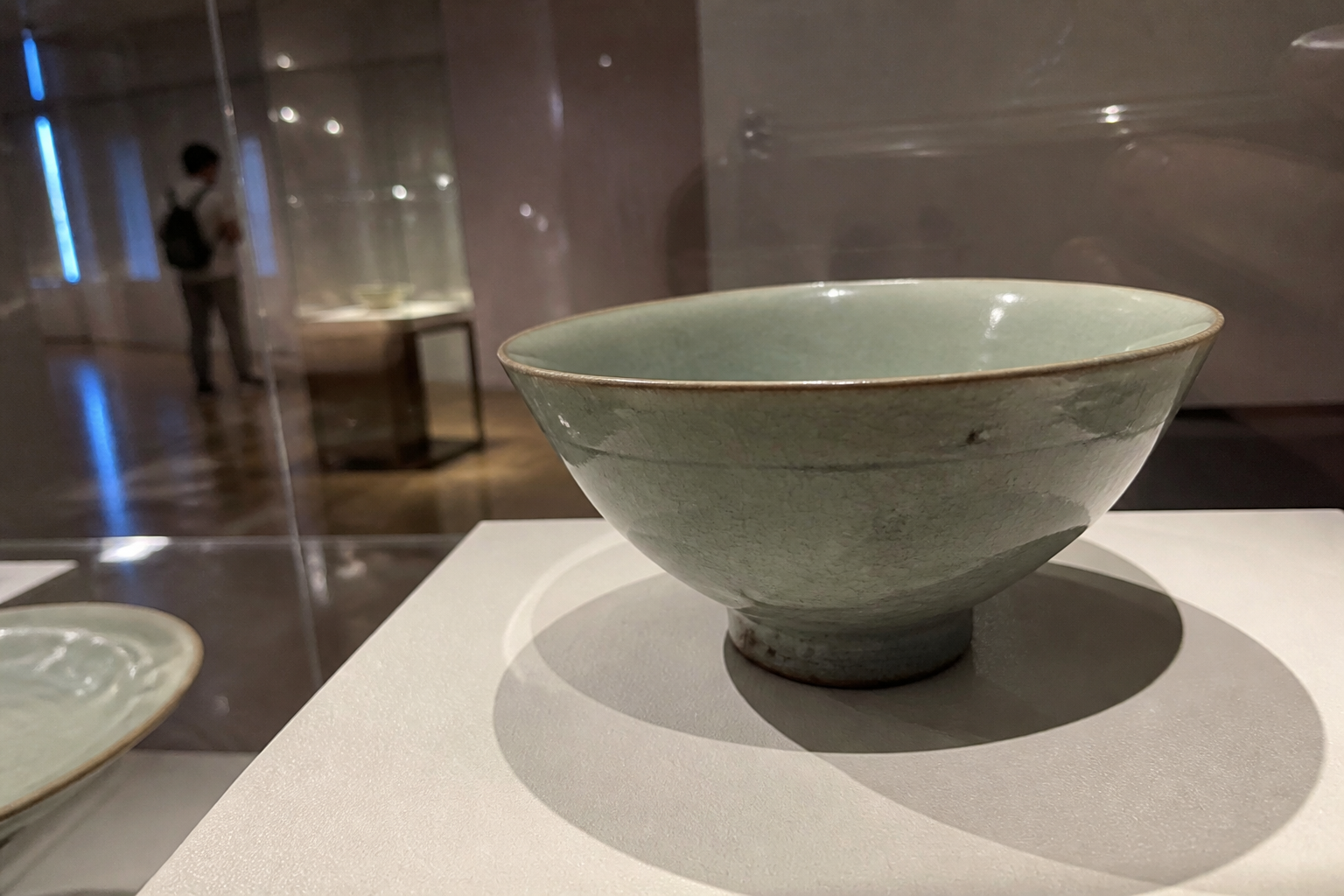
Goryeo ware (Korean: 고려도자기) refers to all types of Korean pottery and porcelain produced during the Goryeo dynasty, from 918 to 1392, but most often refers to celadon (greenware). Celadon techniques were first introduced from China; Goryeo potters established a native style by the 12th century. One of these native styles is characterized by the sanggam technique, a way of inlaying that was unique to Goryeo celadon. The color of the celadon, called bisaek for 'green', was also highly admired. The industry arose and declined as the Goryeo dynasty developed. Many wares were produced at the Gangjin Kiln Sites in southwestern Korea. An artist of the post-war era who specialised in Goryeo ware was Living National Treasure Yu Geun-Hyeong. His work was documented in the short film Koryo Celadon in 1979. Many celadon pieces from Goryeo are listed as National Treasures of South Korea.
Read the fixed source
Follow the exact revision used for this summary, or open its history to see the contributors and later changes.
Text source & license
Adapted and shortened by SEOULIAN from the linked fixed revision; no change in factual meaning is intended. Source: Wikipedia contributors. This adapted summary is shared under CC BY-SA 4.0.
Image attribution
Title: Goryeo ware — SEOULIAN Imagegen editorial photograph
Author: SEOULIAN with ChatGPT Image Generation
Source: SEOULIAN imagegen editorial photo
License: SEOULIAN AI-generated editorial image
AI-generated editorial illustration created with ChatGPT Image Generation; illustrative and not documentary evidence.