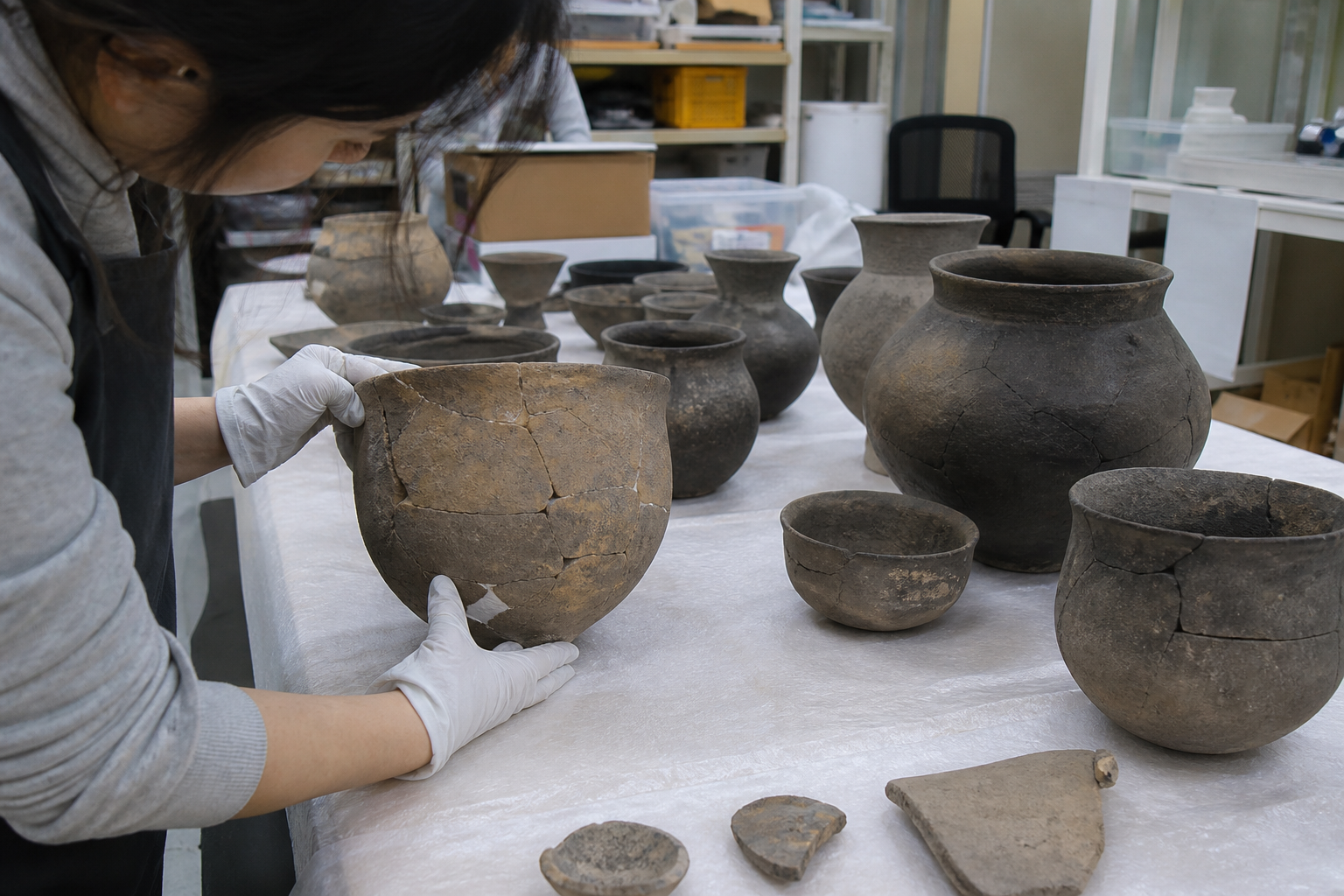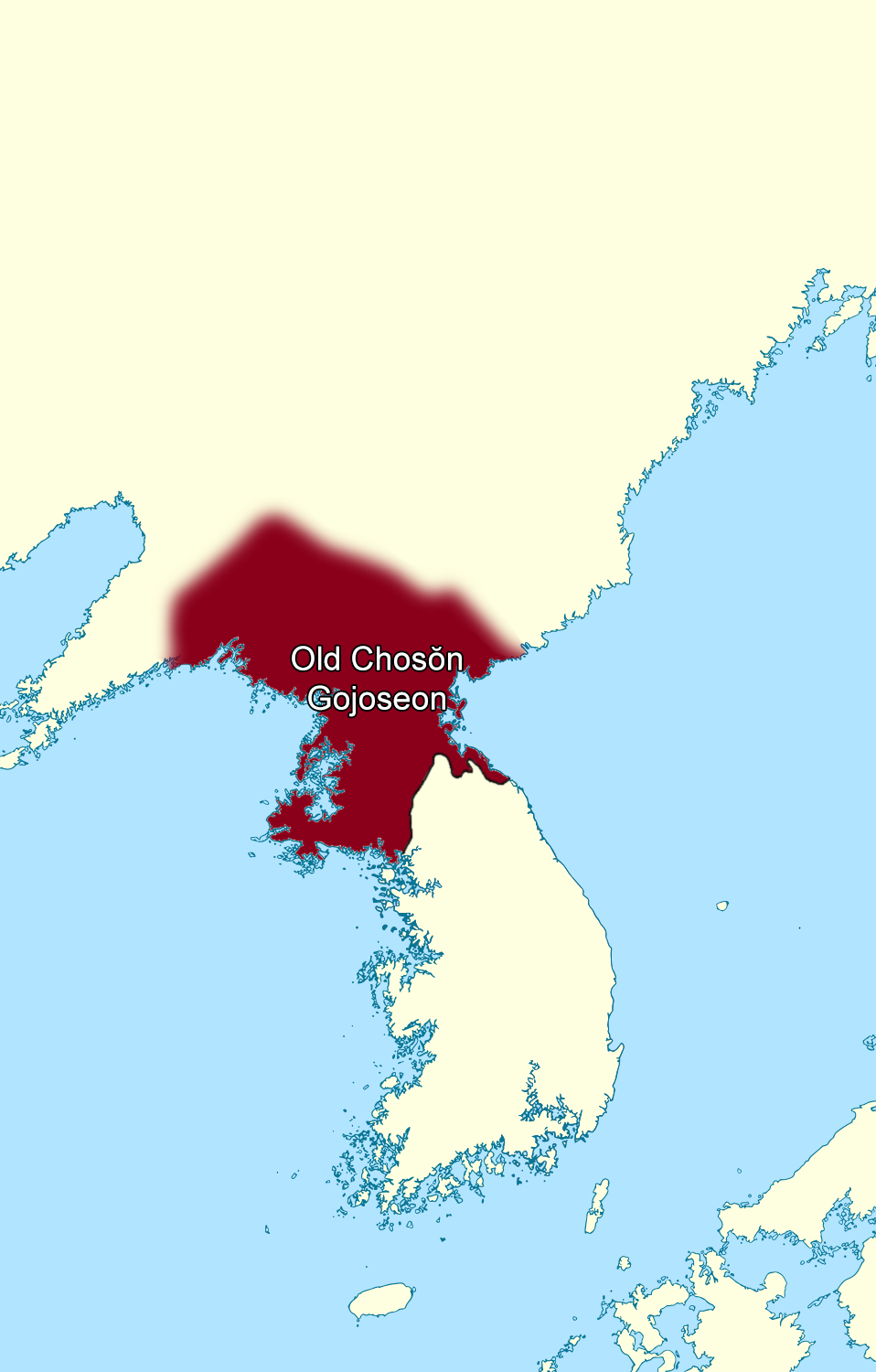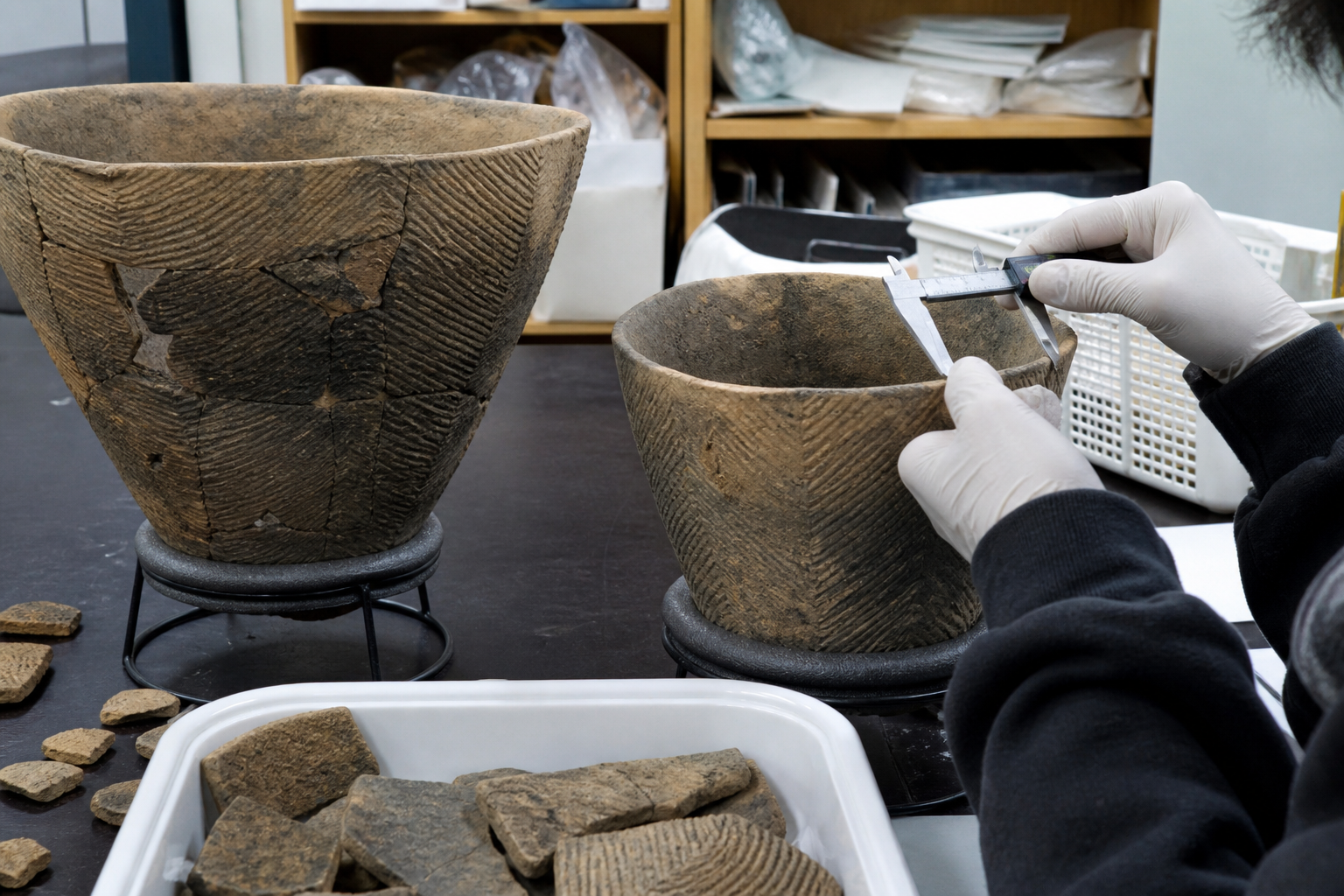
The Jeulmun pottery period (Korean: 즐문 토기 시대) is an archaeological era in Korean prehistory broadly spanning the period of 8000–1500 BC. This period subsumes the Mesolithic and Neolithic cultural stages in Korea, lasting c. 8000–3500 BC ("Incipient" to "Early" phases) and 3500–1500 BC ("Middle" and "Late" phases), respectively. Because of the early presence of pottery, the entire period has also been subsumed under a broad label of "Korean Neolithic". The Jeulmun pottery period is named after the decorated pottery vessels that form a large part of the pottery assemblage consistently over the above period, especially 4000–2000 BC. Jeulmun (즐문; 櫛文) means "Comb-patterned". A boom in the archaeological excavations of Jeulmun period sites since the mid-1990s has increased knowledge about this important formative period in the prehistory of East Asia. The Jeulmun was a period of hunting, gathering, and small-scale cultivation of plants. Archaeologists sometimes refer to this life-style pattern as "broad-spectrum hunting and gathering".
Read the fixed source
Follow the exact revision used for this summary, or open its history to see the contributors and later changes.
Text source & license
Adapted and shortened by SEOULIAN from the linked fixed revision; no change in factual meaning is intended. Source: Wikipedia contributors. This adapted summary is shared under CC BY-SA 4.0.
Image attribution
Title: Jeulmun pottery period — SEOULIAN Imagegen editorial photograph
Author: SEOULIAN with ChatGPT Image Generation
Source: SEOULIAN imagegen editorial photo
License: SEOULIAN AI-generated editorial image
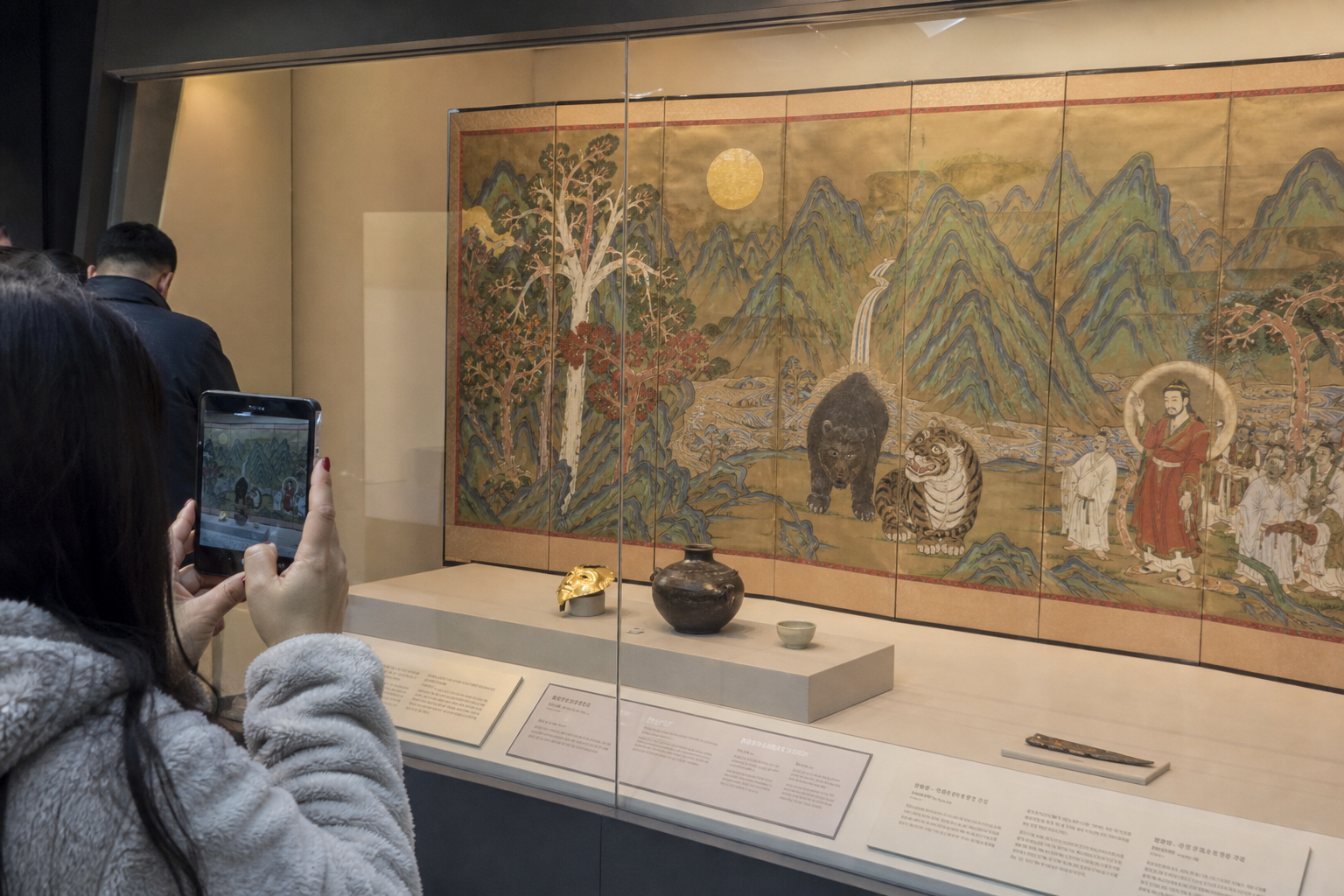
AI-generated editorial illustration created with ChatGPT Image Generation; illustrative and not documentary evidence.