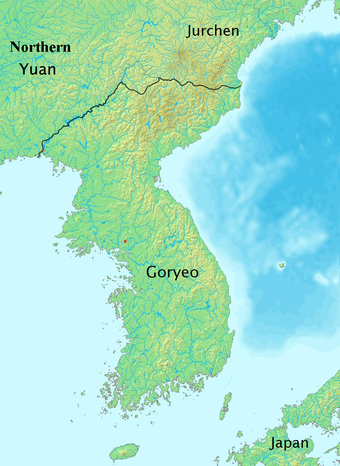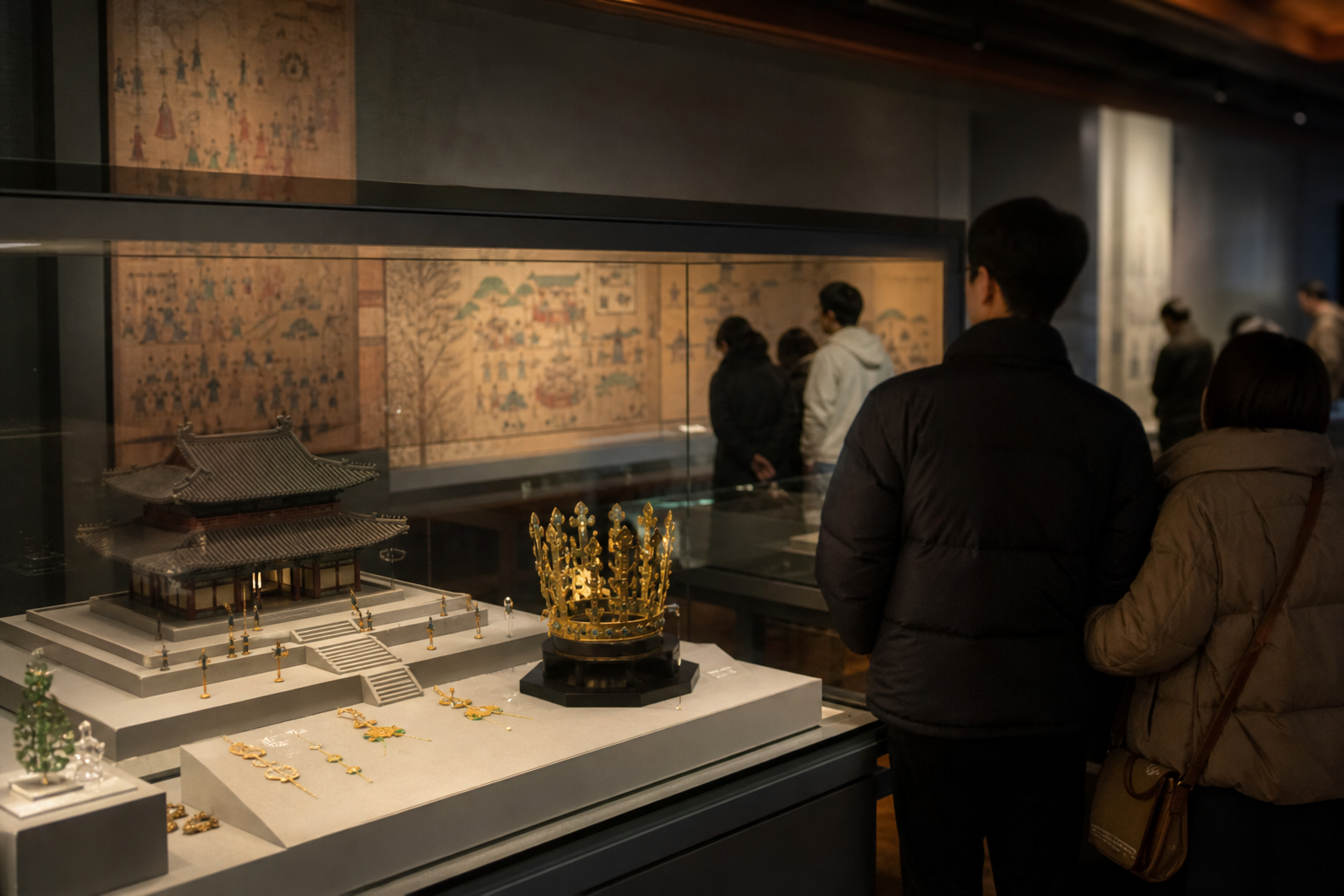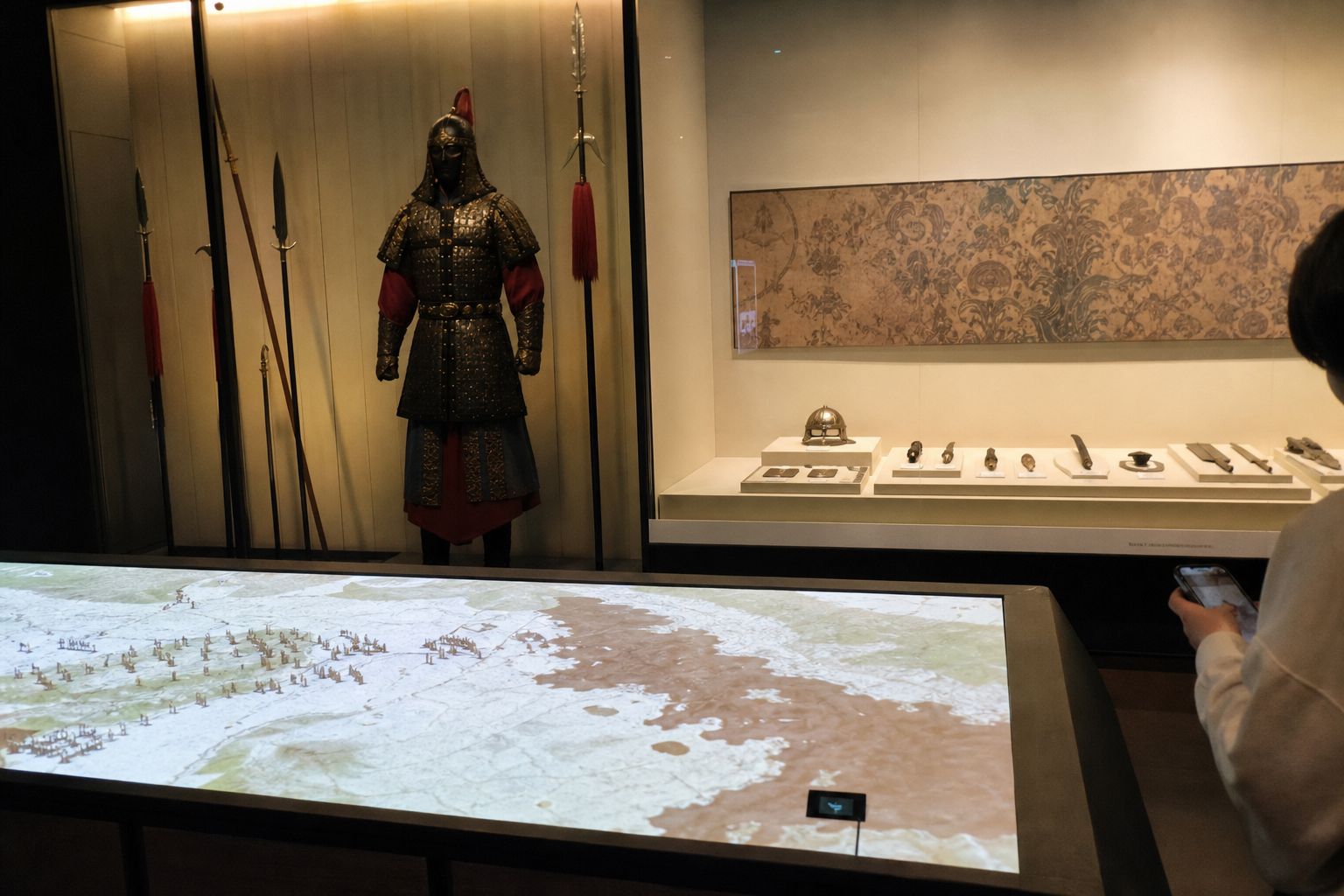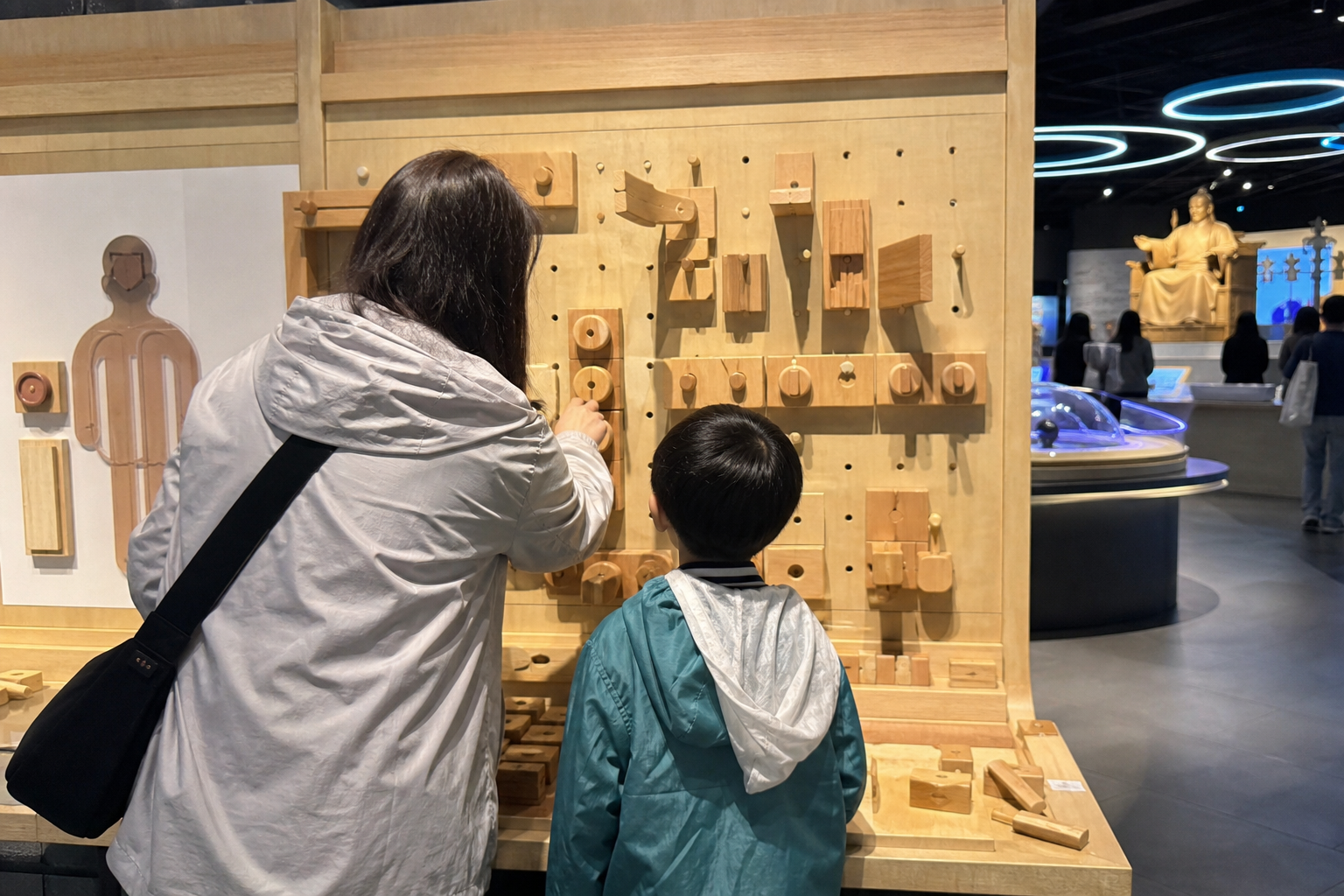
Sejong (Korean: 세종; Hanja: 世宗; May 15, 1397 – April 8, 1450), commonly known as Sejong the Great (세종대왕; 世宗大王), was the fourth monarch of the Koreanic state Joseon. He ruled from 1418 to his death in 1450. He is widely regarded as the greatest king in Korean history, and is particularly remembered for the creation of Hangul, the native alphabet of the Korean language. Sejong was born the third son of the future King Taejong (r. 1400–1418). He was regarded as gifted, moreso than the troubled crown prince Grand Prince Yangnyŏng. In mid-1418, Yangnyŏng was deposed and Sejong made the crown prince. Months later, Taejong abdicated and Sejong was crowned king. Taejong served as king emeritus until his death in 1422. Sejong's reign was marked by major developments in science, technology, medicine, agriculture, and the arts. Many such efforts Sejong not only oversaw, but actively participated in. In 1420, Sejong had the government research organization Hall of Worthies reestablished. It oversaw such projects as the creations of the first native Korean calendar Ch'ilchŏngsan, the 365-volume medical text Ŭibangyuch'wi, and the agricultural text Nongsa chiksŏl. In 1419, Sejong launched the successful Ōei Invasion against the Japanese Tsushima Island. This was followed by decades of peace and trade between Korea and Japan. Sejong also expanded the northern borders of Korea to roughly its current extent by launching military campaigns against and assimilating the raiding Jurchens, although this region would remain problematic. He also maintained positive relations with Joseon's suzerain Ming while still asserting Korean autonomy. Sejong made significant tax and land reforms, which resulted in increases in agricultural production and a reduction in tax rates, without significant impact to tax income. He also led a massive expansion in the influence of Confucianism in Korea and decrease in the influence of Buddhism. Despite his anti-Buddhist policies, he was privately Buddhist and increasingly vocalized his faith, which put him at odds with the Confucianists of his court. Sejong had recurring and worsening health issues for much of his life. Beginning in 1445, he had the crown prince, the future King Munjong (r. 1450–1452), handle the daily affairs of government. Sejong died at the age of 52 in 1450 and is buried in the tomb Yeongneung. Sejong is regarded as an icon of Korean culture in South Korea, where he has received numerous tributes. Sejong City bears his name.
Read the fixed source
Follow the exact revision used for this summary, or open its history to see the contributors and later changes.
Text source & license
Adapted and shortened by SEOULIAN from the linked fixed revision; no change in factual meaning is intended. Source: Wikipedia contributors. This adapted summary is shared under CC BY-SA 4.0.
Image attribution
Title: Sejong the Great — SEOULIAN Imagegen editorial photograph
Author: SEOULIAN with ChatGPT Image Generation
Source: SEOULIAN imagegen editorial photo
License: SEOULIAN AI-generated editorial image
AI-generated editorial illustration created with ChatGPT Image Generation; illustrative and not documentary evidence.