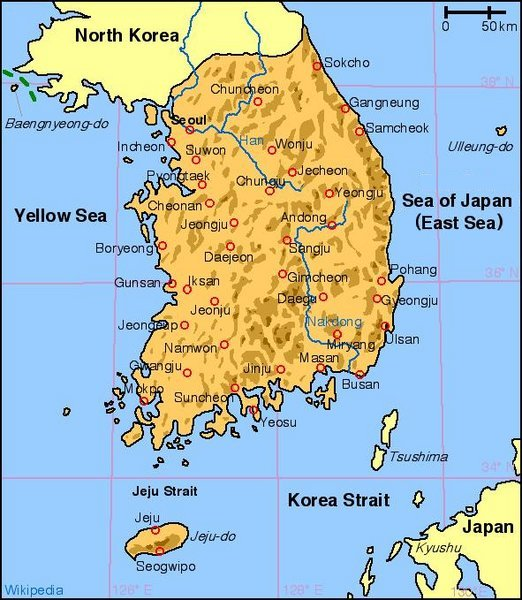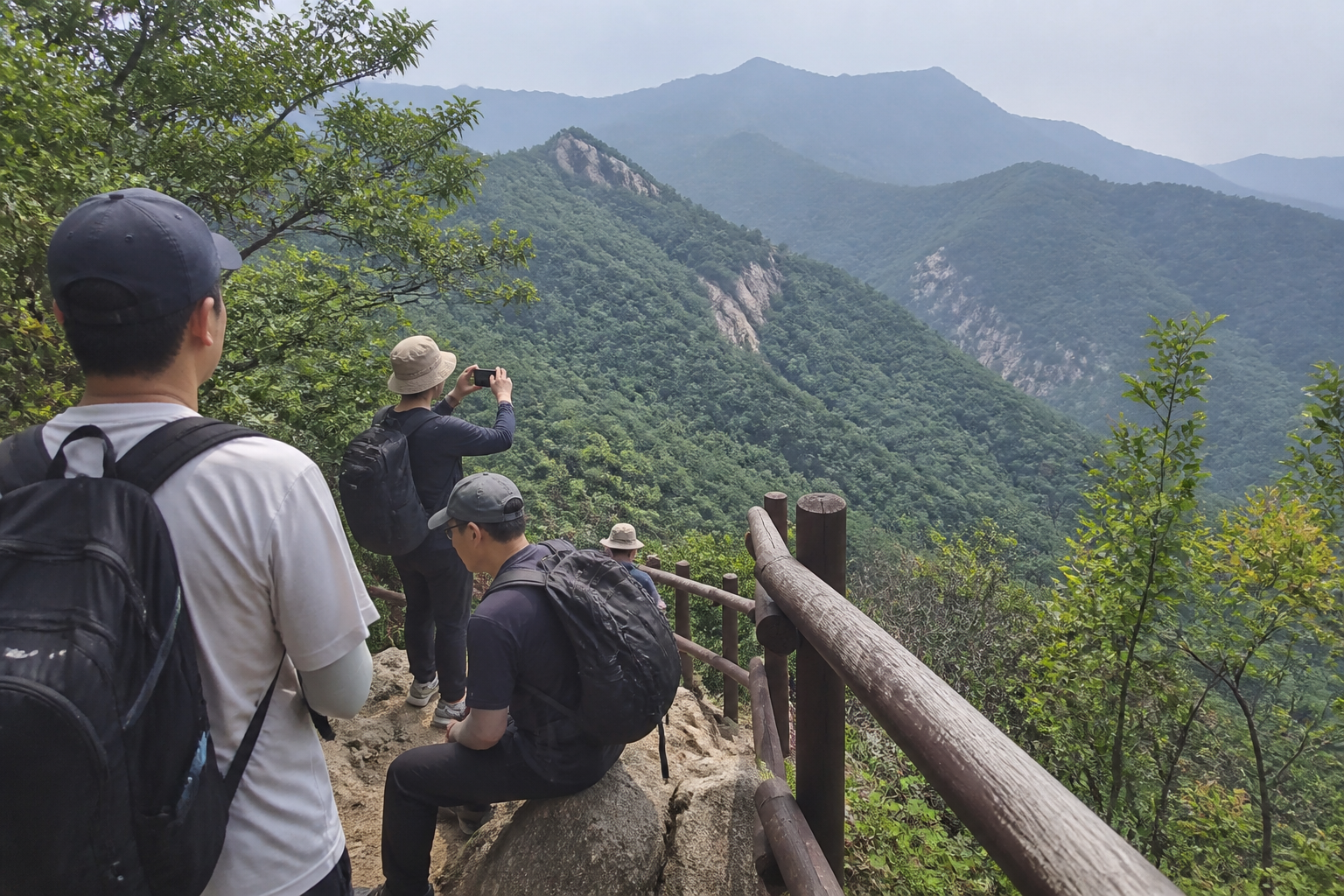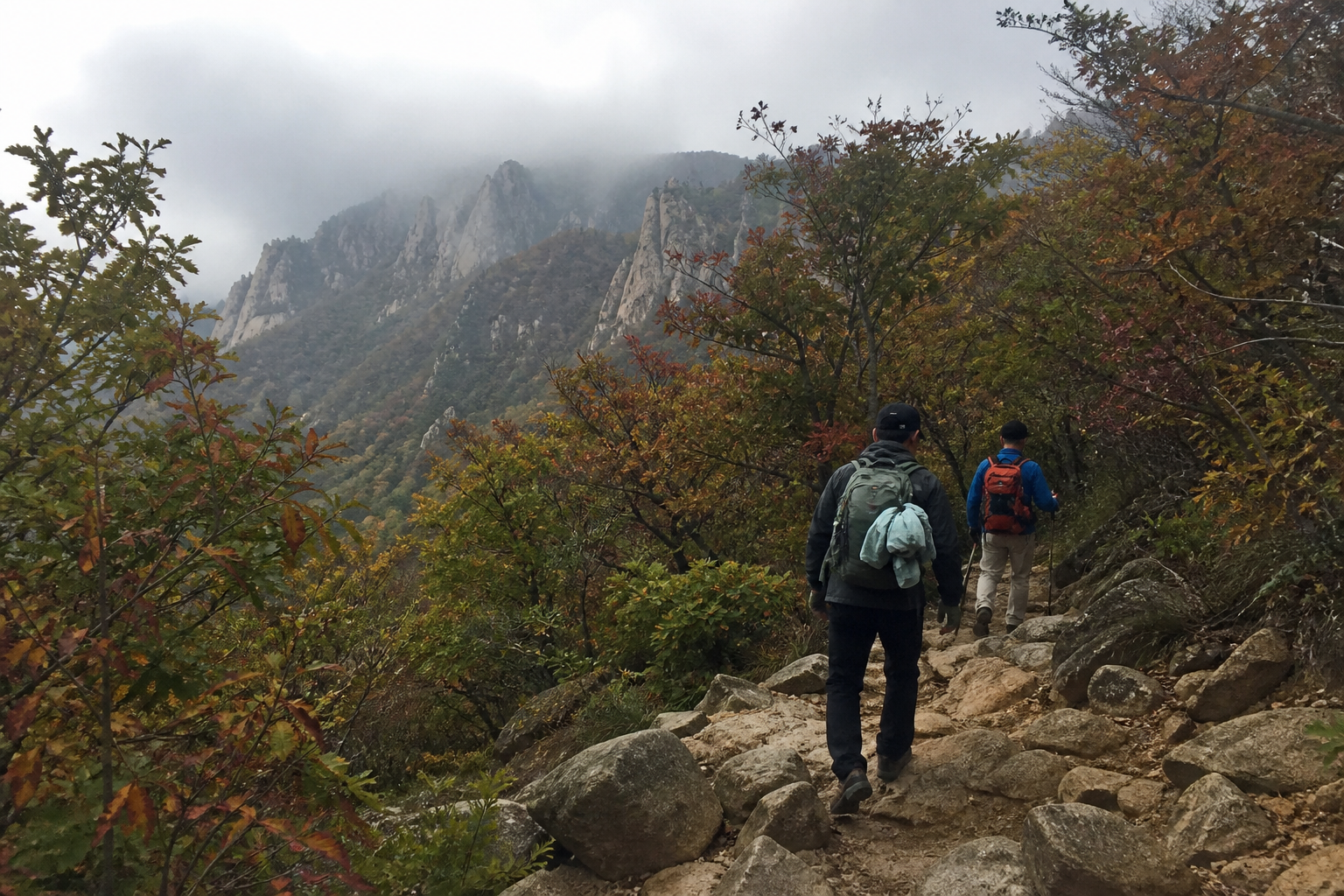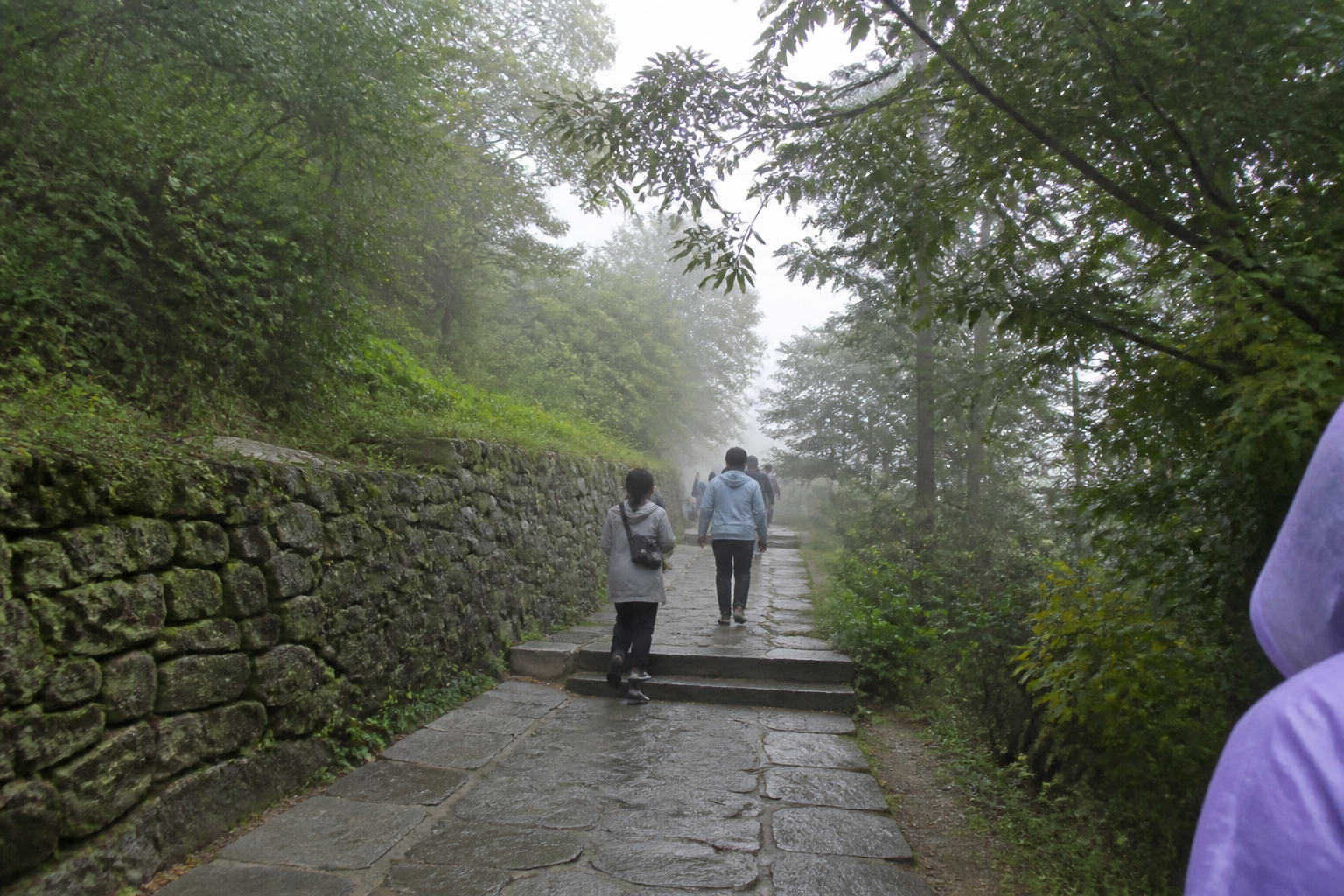
Seokguram (Korean: 석굴암; Hanja: 石窟庵) is a hermitage and part of the Bulguksa temple complex in Gyeongju, South Korea. It and Bulguksa are both on the mountain Tohamsan, although the two are separated by distance of around 3 kilometres (1.9 mi). The grotto overlooks the East Sea and rests 750 meters above sea level. In 1962, it was designated as a National Treasure of South Korea. In 1995, Seokguram was added to the UNESCO World Heritage List together with the Bulguksa Temple. It exemplifies some of the best Buddhist sculptures in the world. The Seokguram Grotto is said to have been built by Kim Daeseong and originally called Seokbulsa (석불사; lit. 'Stone Buddha Temple'). Construction began in 751, during the cultural peak of the kingdom Unified Silla. The grotto was completed by the Silla court in 774, shortly after Kim's death. The grotto is currently one of the best known cultural destinations in South Korea. A viewing of the sunrise over the sea, which is visible from near the seated Buddha's perch, is especially popular.
Read the fixed source
Follow the exact revision used for this summary, or open its history to see the contributors and later changes.
Text source & license
Adapted and shortened by SEOULIAN from the linked fixed revision; no change in factual meaning is intended. Source: Wikipedia contributors. This adapted summary is shared under CC BY-SA 4.0.
Image attribution
Title: Seokguram — SEOULIAN Imagegen editorial photograph
Author: SEOULIAN with ChatGPT Image Generation
Source: SEOULIAN imagegen editorial photo
License: SEOULIAN AI-generated editorial image
AI-generated editorial illustration created with ChatGPT Image Generation; illustrative and not documentary evidence.