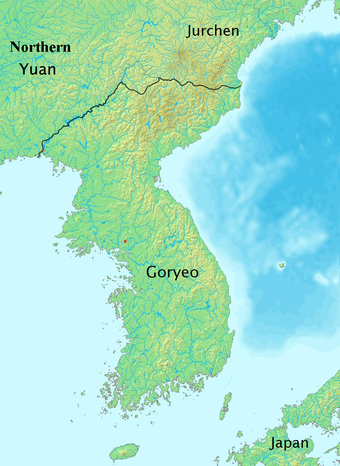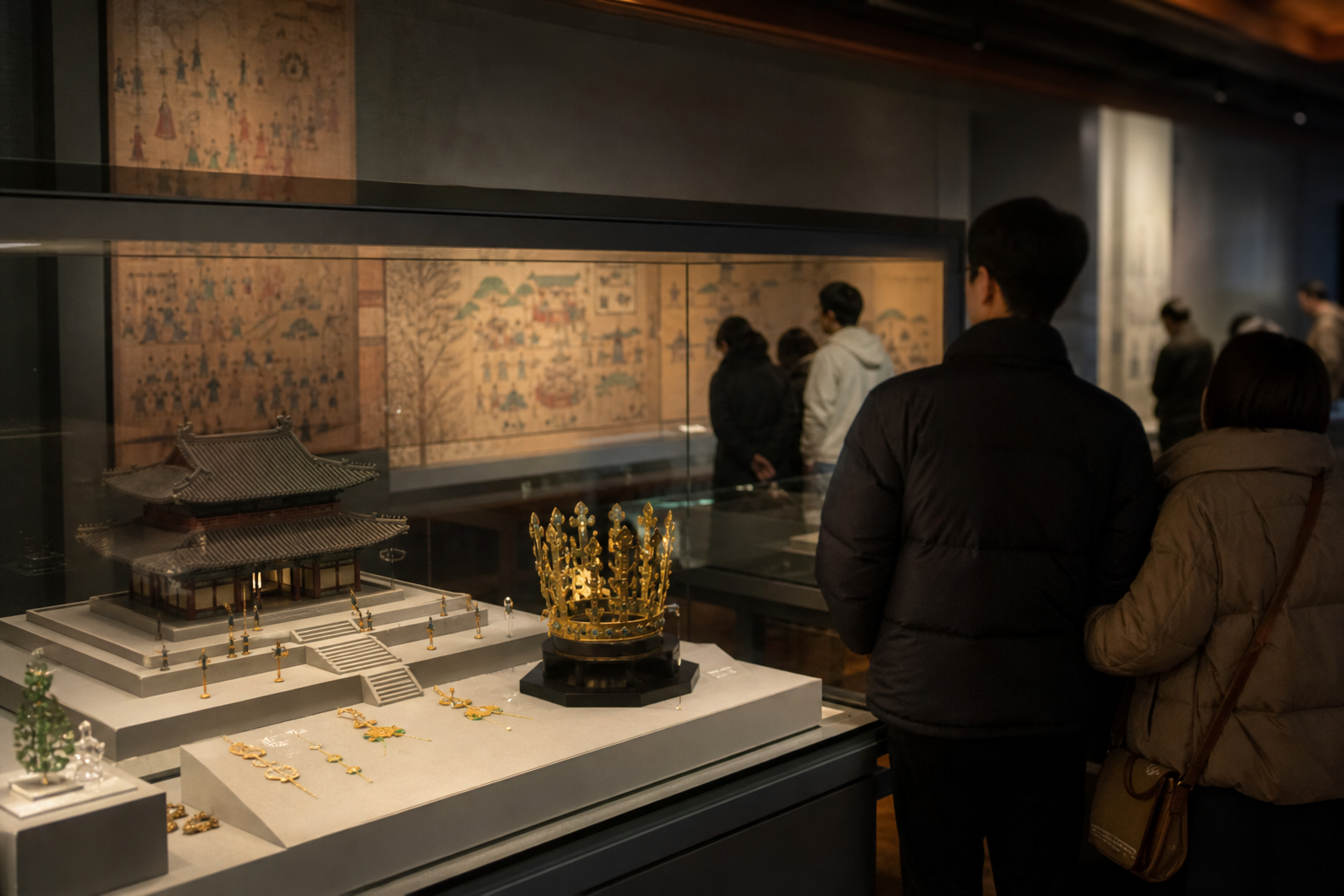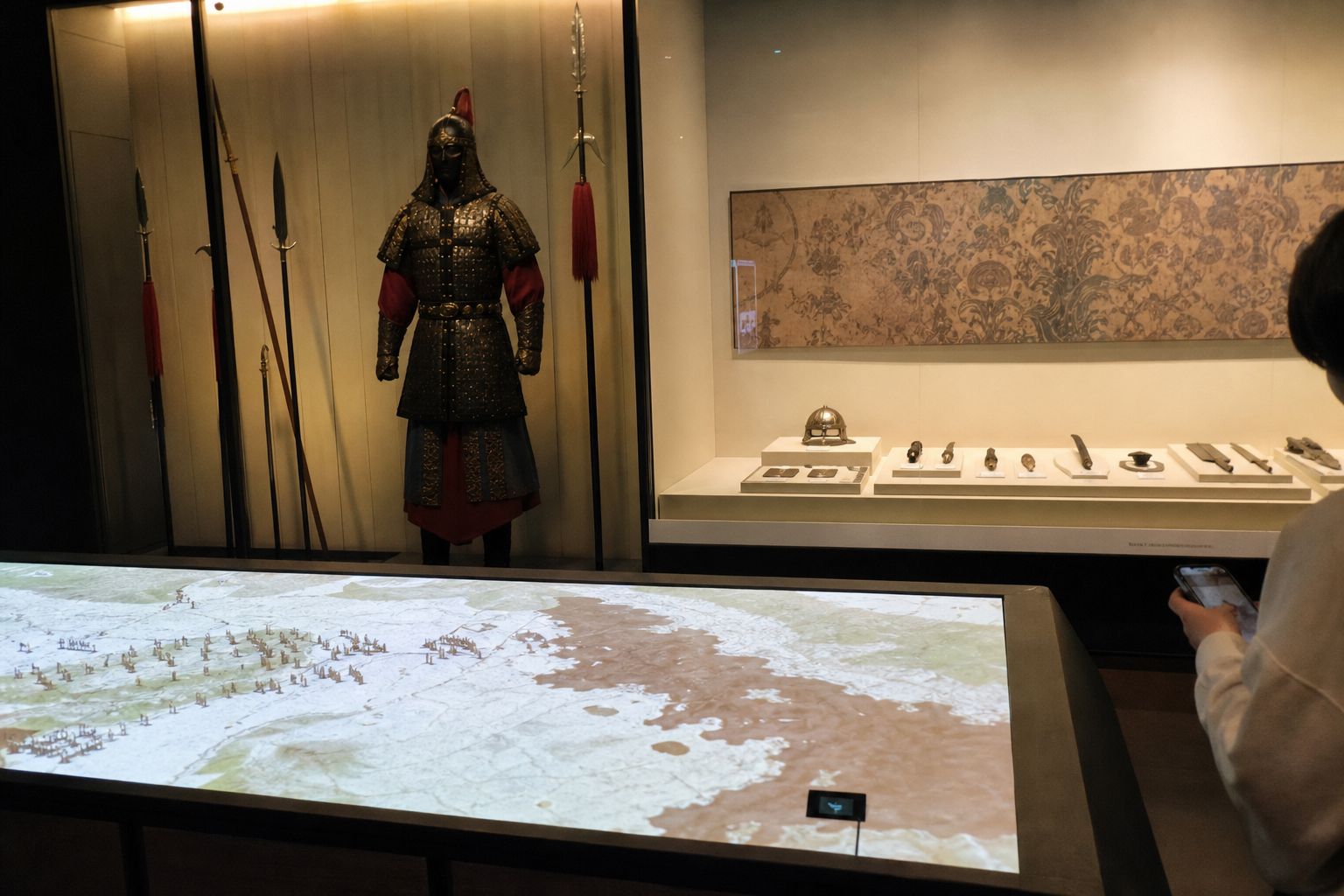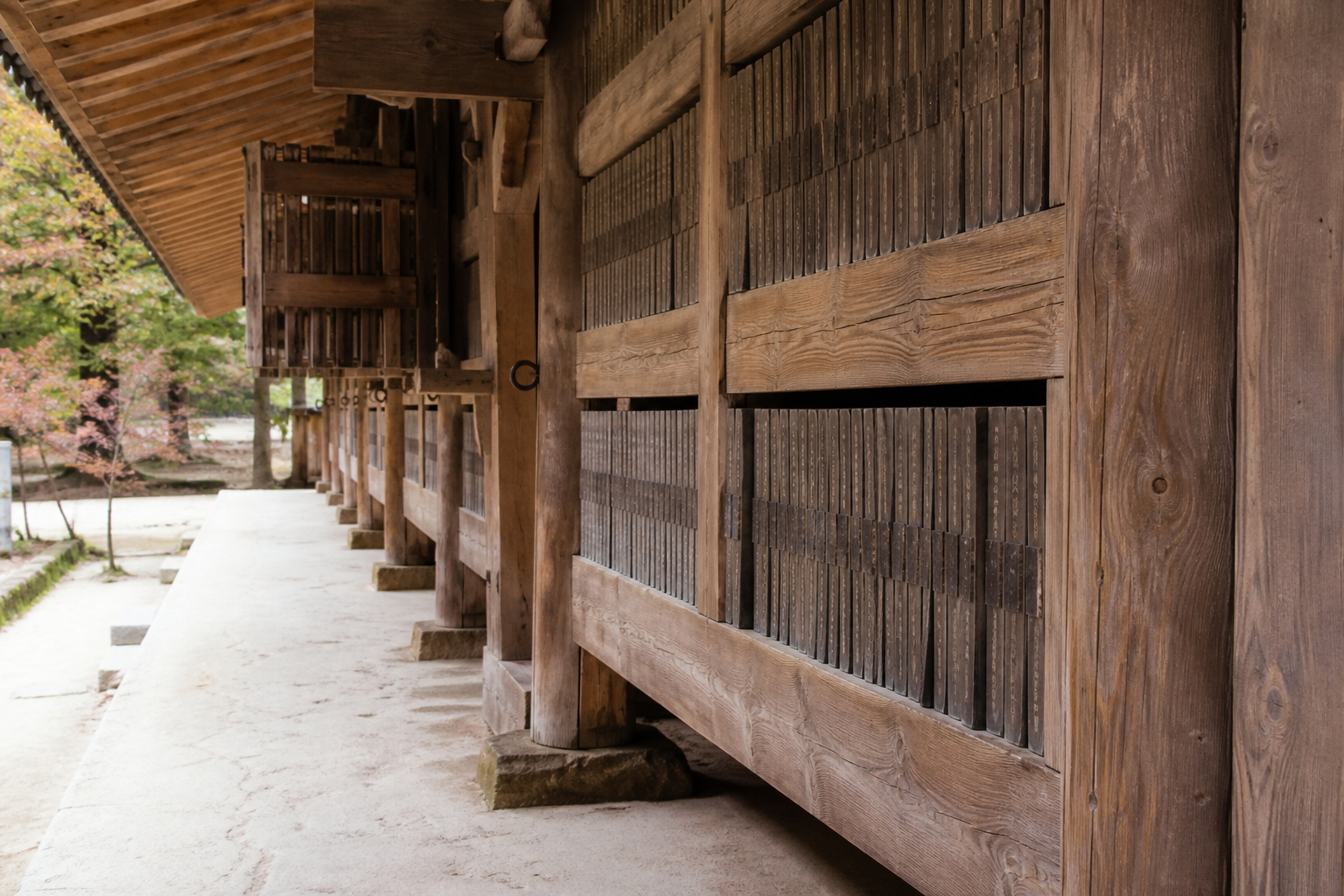
The Tripiṭaka Koreana (naming controversial, see below) refers to a Korean collection of Tripiṭaka scriptures carved onto 81,352 wooden printing blocks in the 13th century of the Goryeo period (hence also: The Goryeo Tripiṭaka). They are currently located at the Buddhist temple Haeinsa, in South Gyeongsang Province, South Korea. It is the oldest intact version of the Chinese Buddhist canon, the shared canonical collection of East Asian Buddhism written in Buddhist Chinese. It contains 1,496 titles divided into 6,568 books, spanning 81,258 pages, for a total 52,330,152 characters. It is often called the Palman Daejanggyeong ("Eighty-thousand Tripitaka") due to the number of the printing plates that comprise it. Each wood block (page) measures 24 centimetres in height and 70 centimetres (9.4 in × 27.6 in) in length. The thickness of the blocks ranges from 2.6 to 4 centimetres (1.0–1.6 in) and each weighs about three to four kilograms (6.61 - 8.81 lbs). The woodblocks would be almost as tall as Paektu Mountain at 2.74 km (1.70 mi) if stacked and would measure 60 km (37 mi) long if lined up, and weigh 280 tons in total. The woodblocks are in pristine condition without warping or deformation despite being created more than 750 years ago. The Tripiṭaka was designated a National Treasure of South Korea in 1962, and inscribed in the UNESCO Memory of the World international register in 2007. Historically, the Tripiṭaka was closed except for Buddhist events and scholars; it was finally opened to members of the public who preregister in advance in 2021.
Read the fixed source
Follow the exact revision used for this summary, or open its history to see the contributors and later changes.
Text source & license
Adapted and shortened by SEOULIAN from the linked fixed revision; no change in factual meaning is intended. Source: Wikipedia contributors. This adapted summary is shared under CC BY-SA 4.0.
Image attribution
Title: Tripitaka Koreana — SEOULIAN Imagegen editorial photograph
Author: SEOULIAN with ChatGPT Image Generation
Source: SEOULIAN imagegen editorial photo
License: SEOULIAN AI-generated editorial image
AI-generated editorial illustration created with ChatGPT Image Generation; illustrative and not documentary evidence.