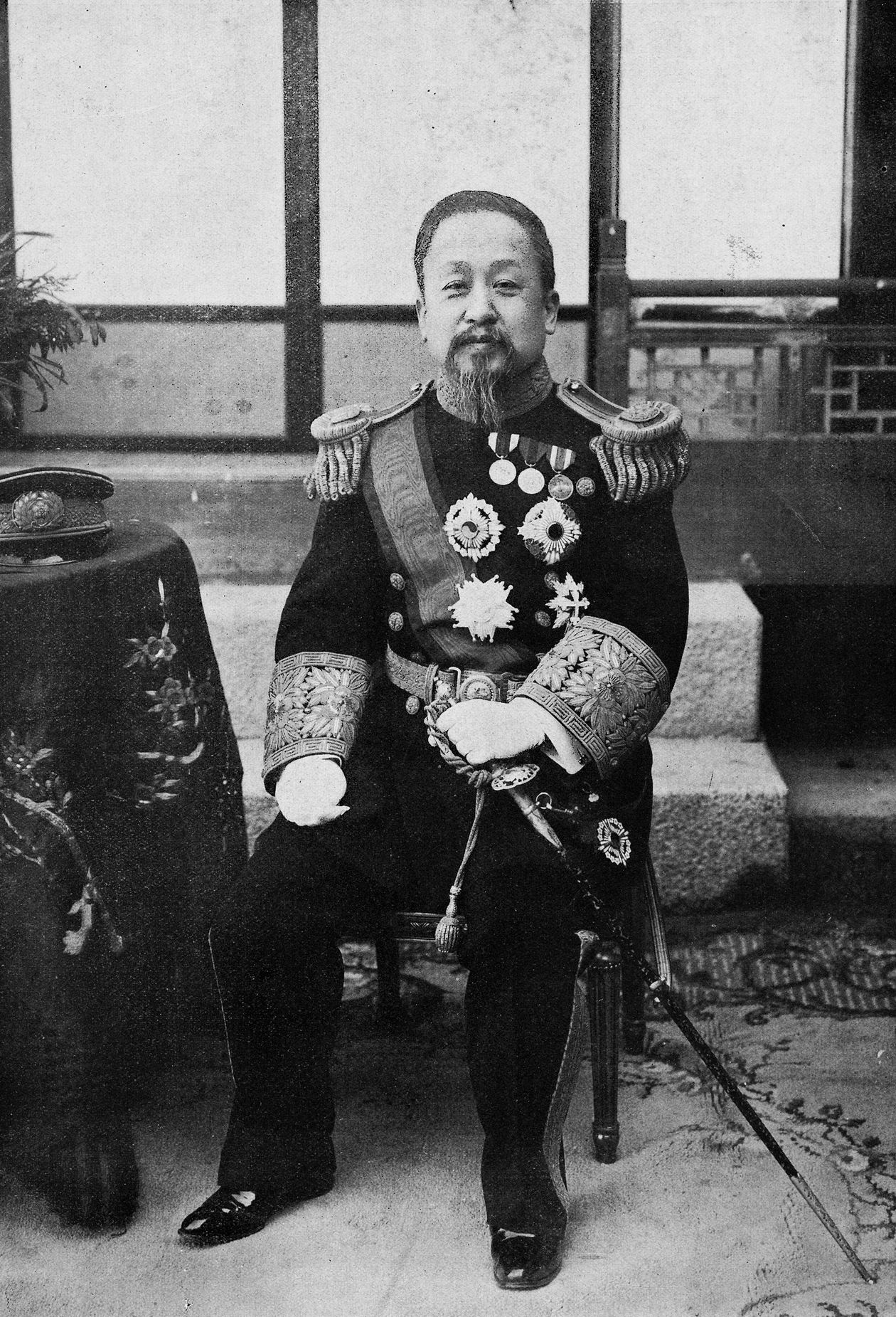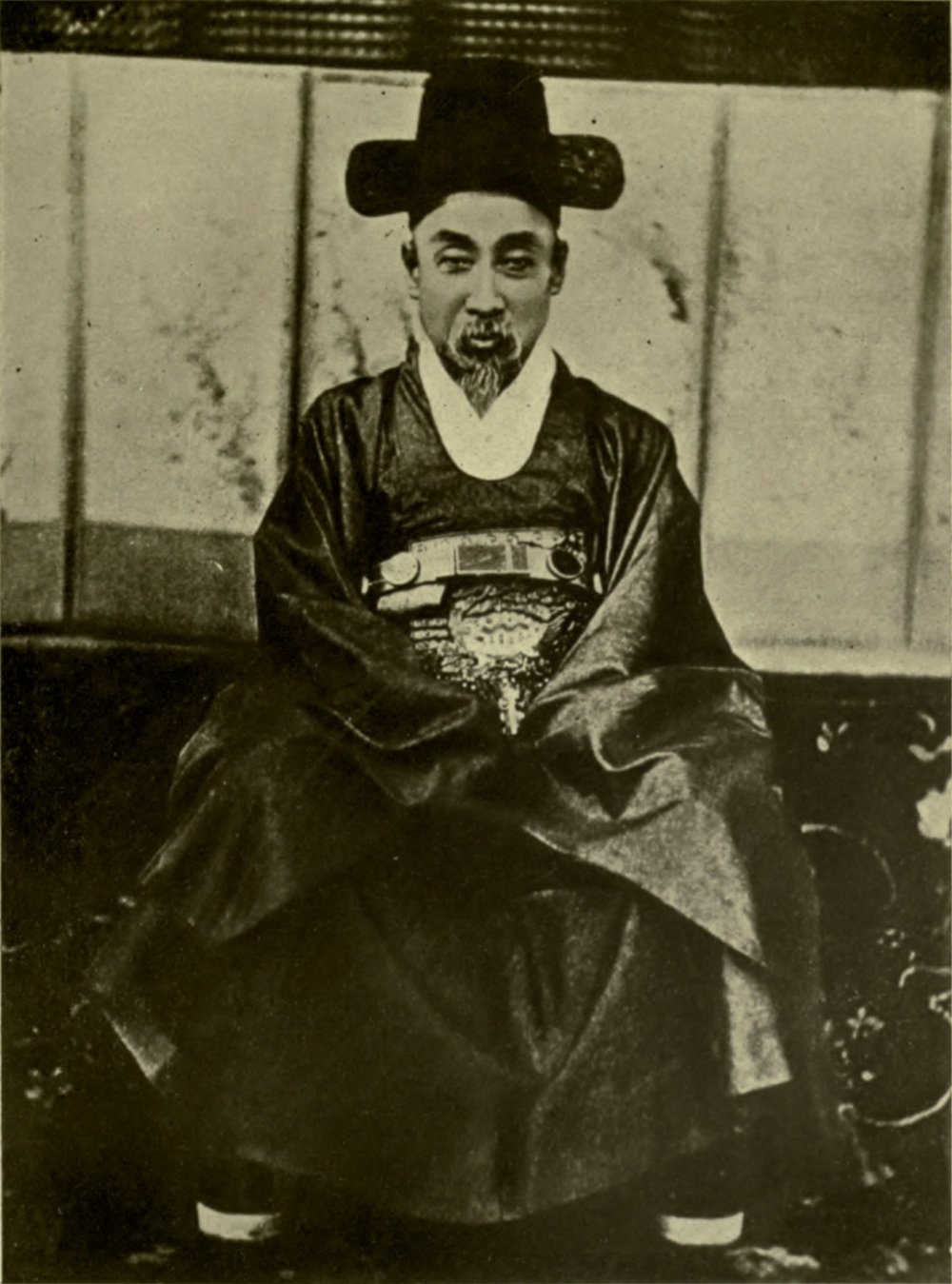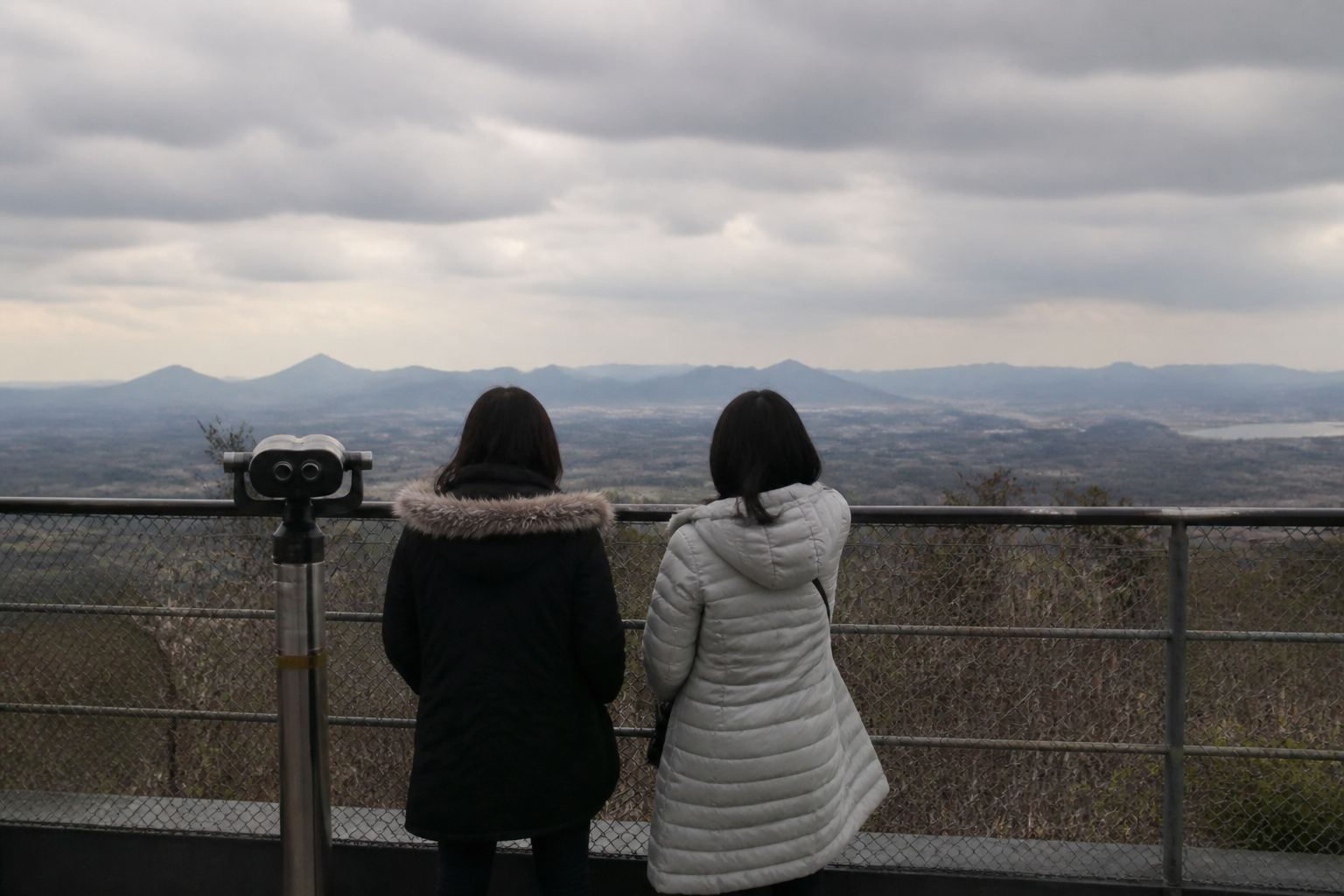
The division of Korea or the partition of Korea began at the end of World War II on 2 September 1945, with the establishment of a Soviet occupation zone in the north and a US occupation zone in the south. These zones developed into separate governments, named the Democratic People's Republic of Korea (North Korea) and the Republic of Korea (South Korea), which fought a war from 1950 to 1953. Since then the division has continued. By the early 18th century, both countries were one single nation: the Korean Empire, only to be annexed by the Empire of Japan in 1910. During World War II, the Allied leaders had already been considering the question of Korea's future following Japan's eventual surrender in the war. The leaders reached an understanding that Korea would be removed from Japanese colonial control but would be placed under an international trusteeship until the Koreans would be deemed ready for self-rule. In the last days of the war, the United States proposed dividing the Korean peninsula into two occupation zones (a U.S. and Soviet one) with the 38th parallel as the dividing line. The Soviets accepted their proposal and agreed to divide Korea, which led to the declaration of General Order No. 1. It was understood that this division was only a temporary arrangement until the trusteeship could be implemented. In December 1945, the Moscow Conference of Foreign Ministers resulted in an agreement on a five-year, four-power Korean trusteeship. However, with the onset of the Cold War and other factors both international and domestic, including Korean opposition to the trusteeship, negotiations between the United States and the Soviet Union over the next two years regarding the implementation of the trusteeship failed, thus effectively nullifying the only agreed-upon framework for the re-establishment of an independent and unified Korean state. With this, the Korean question was referred to the United Nations. In 1948, after the UN failed to produce an outcome acceptable to the Soviet Union, UN-supervised elections were held in the US-occupied south only. Syngman Rhee won the election, while Kim Il Sung consolidated his position as the leader of Soviet-occupied northern Korea. This led to the establishment of the Republic of Korea in southern Korea on 15 August 1948, which promptly followed the establishment of the Democratic People's Republic of Korea in northern Korea on 10 July 1948.
Read the fixed source
Follow the exact revision used for this summary, or open its history to see the contributors and later changes.
Text source & license
Adapted and shortened by SEOULIAN from the linked fixed revision; no change in factual meaning is intended. Source: Wikipedia contributors. This adapted summary is shared under CC BY-SA 4.0.
Image attribution
Title: Division of Korea — SEOULIAN Imagegen editorial photograph
Author: SEOULIAN with ChatGPT Image Generation
Source: SEOULIAN imagegen editorial photo
License: SEOULIAN AI-generated editorial image
AI-generated editorial illustration created with ChatGPT Image Generation; illustrative and not documentary evidence.