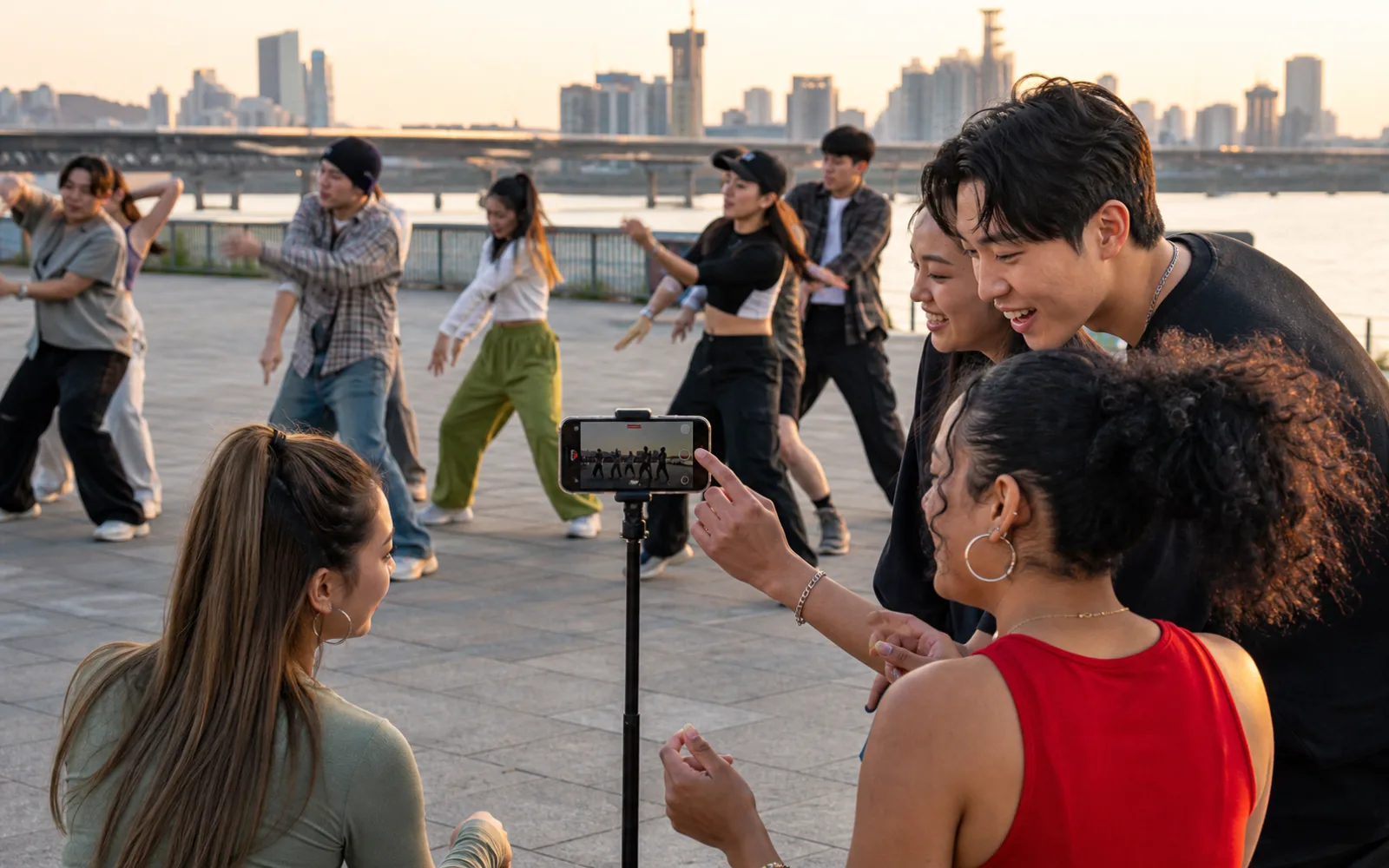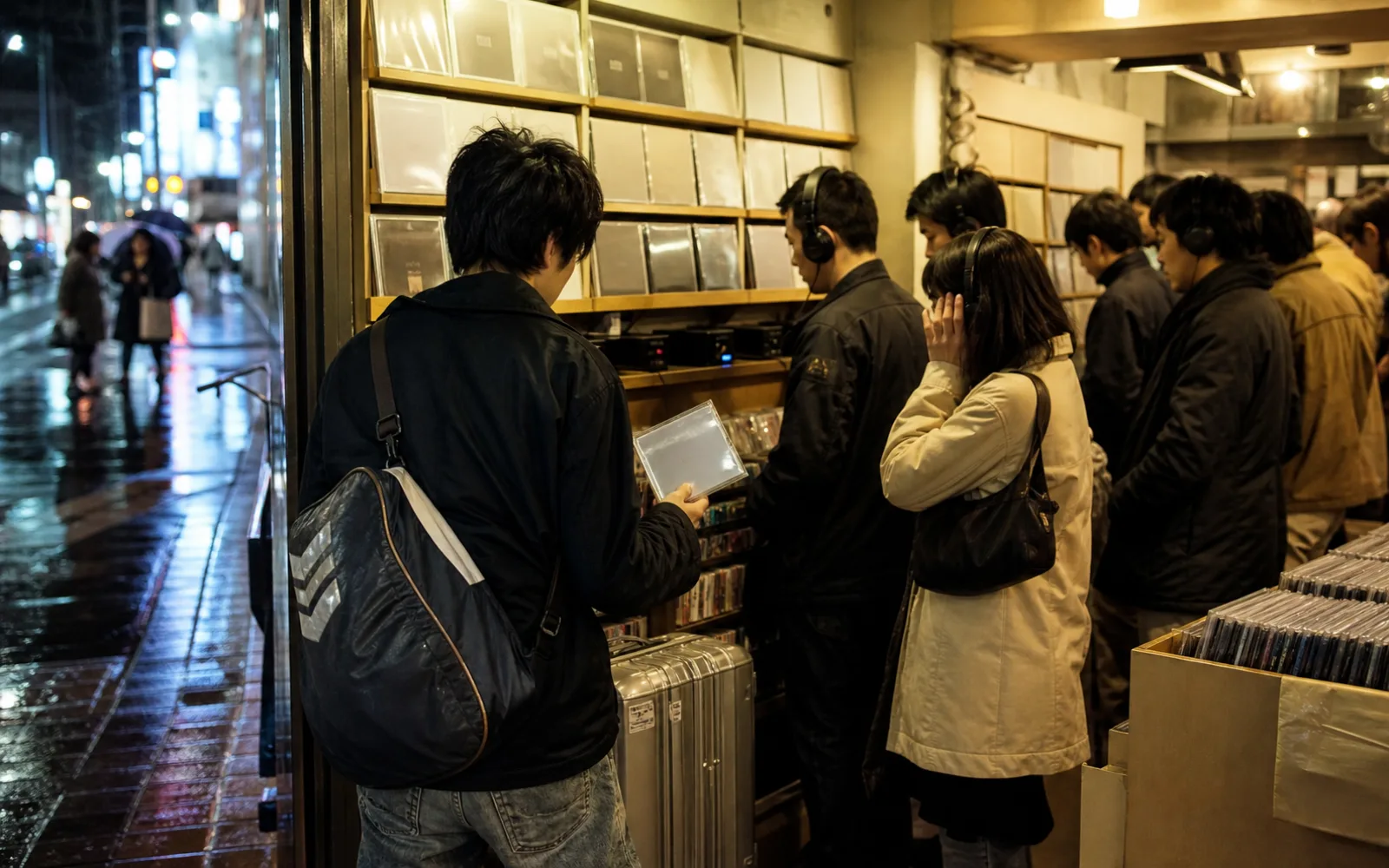
The first wave was regional
Korean television dramas and pop music gained strong audiences in Chinese-speaking markets in the 1990s. Korean government histories identify a 2000 H.O.T. concert in Beijing as a decisive early Hallyu moment. These were not preliminary footnotes to American recognition; they were large markets that proved Korean content could travel.
Southeast Asian audiences also built long-running fan communities through television, recordings, concerts, informal exchange, and later digital platforms. The Korea Foundation’s country-by-country reports continue to show Asia-Oceania as Hallyu’s largest base.
Japan taught localization
BoA’s Japanese strategy included language training, a local label partnership, and releases designed to function inside the Japanese market rather than simply arriving as Korean imports. KOCIS records her early-2000s chart breakthrough as a turning point. TVXQ and other acts later expanded the model through long-term promotion and touring.
This history complicates the idea that K-pop succeeded only by refusing to translate. Korean-language identity mattered, but so did respect for local media systems, language fluency, and patient relationship-building. The export model combined a recognizable production culture with selective localization.
A network, not an arrow
Asia supplied revenue, touring knowledge, multilingual talent, fan practices, and proof of concept before major Western institutions paid sustained attention. The route was never simply Seoul → Los Angeles. It was a network in which Tokyo, Beijing, Bangkok, Manila, Taipei, Jakarta, and many other cities shaped what global K-pop became.
Remembering that network gives Asian audiences agency in the history. They were not waiting rooms for a Western breakthrough; they were co-authors of the market.
THE INSIDER SIGNAL · SEOULIAN INTERPRETATION
What becomes visible from inside Korea
For Koreans, 해외진출—overseas advance—once meant a specific market, language, broadcaster, and partner. ‘Global’ was built country by country before it became a single marketing word.
SOURCE DESK · VERIFIED FACT TRAIL
Research used for this essay
- K-POP: A New Force in Pop Music Korean Culture and Information Service · BoA, Japanese localization, and early Asian expansion.
- Facts About Korea: Hallyu Korea.net · Early Hallyu in China and the 2000 H.O.T. concert.
- Global Hallyu Status Reports Korea Foundation · Country-level and regional record of Hallyu communities.
- Pop City: Korean Popular Culture and the Selling of Place Library of Congress · Scholarly account of export, localization, and multinational groups.
Original text, no copied entertainment assets
This essay is SEOULIAN’s original synthesis of the linked sources. Facts and chronology were independently rewritten and compared; source expression is not reproduced. No song lyrics, audio, video, album artwork, logos, or celebrity photographs are embedded.
Image disclosure
Credit: SEOULIAN · Created with ChatGPT Image Generation
Creator: SEOULIAN with ChatGPT Image Generation
Source type: SEOULIAN imagegen editorial photo
Disclosure: AI-generated editorial illustration created with ChatGPT Image Generation; illustrative and not documentary evidence.