A fandom has operating systems
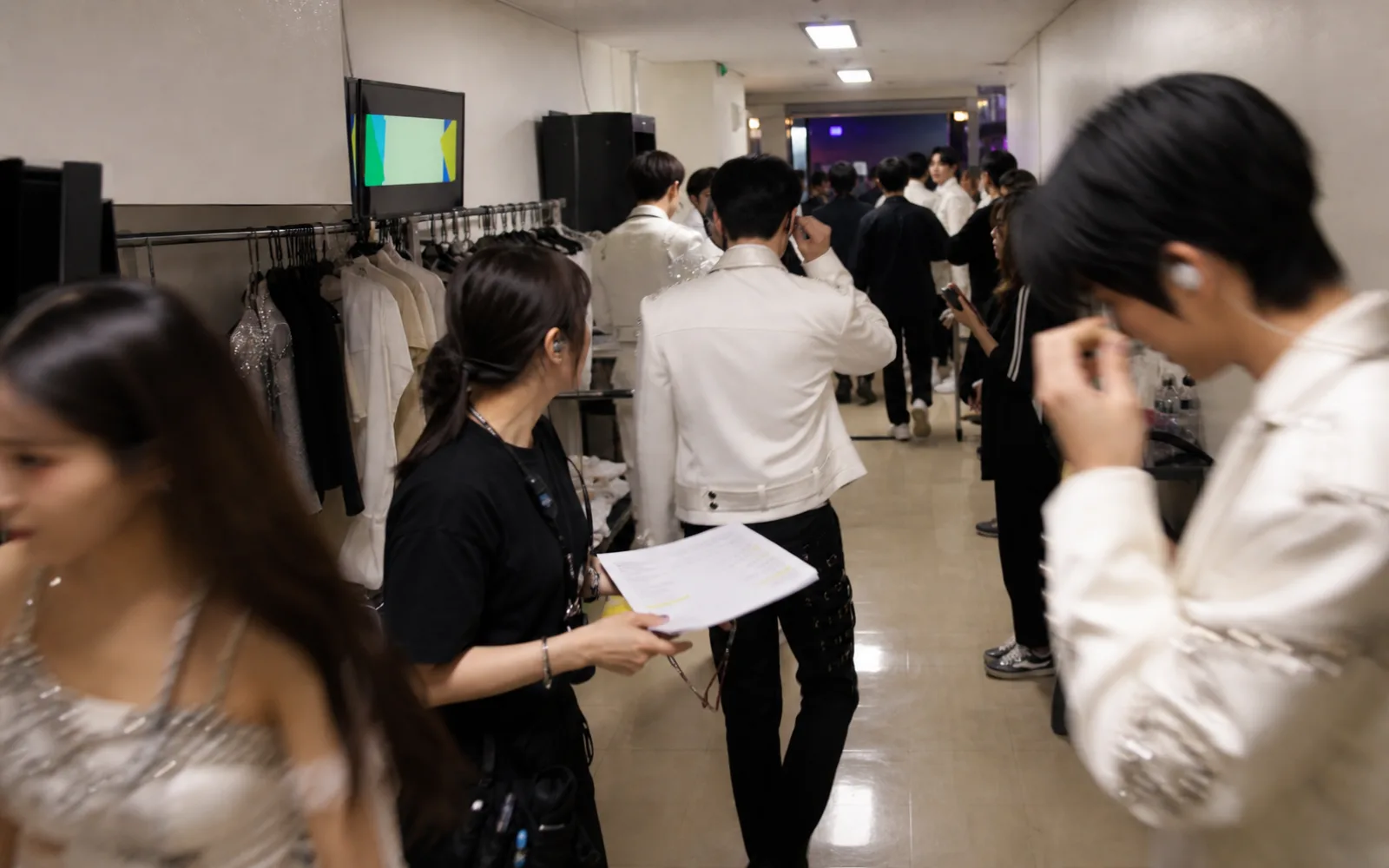
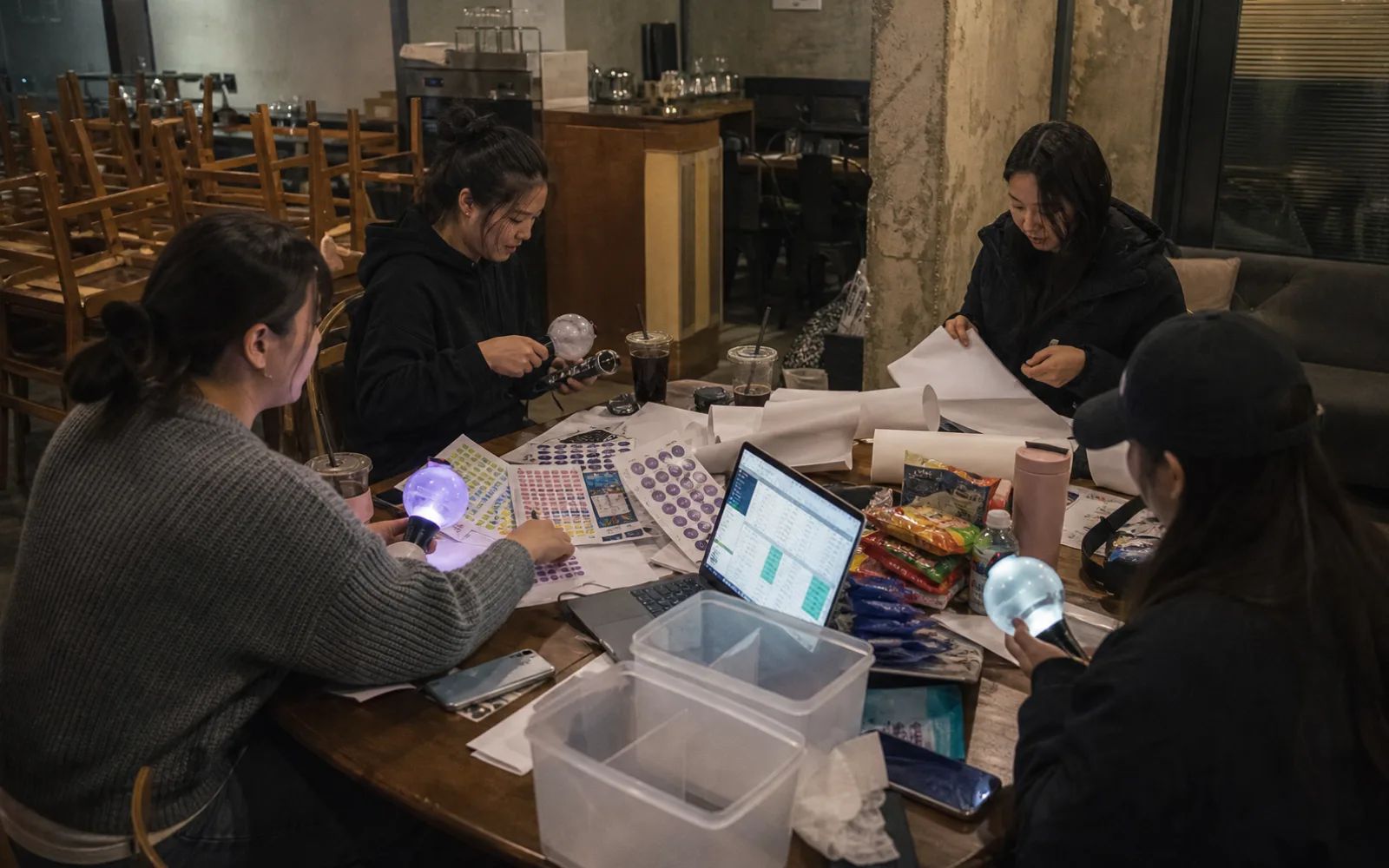
Korean idol fandoms developed collective names, colors, light sticks, chants, membership structures, birthday projects, archives, and shared etiquette. These forms make a huge audience legible to itself. A fan arriving alone can immediately join a coordinated public body.
The same capacity supports commercial campaigns—sales, streams, votes, and concert attendance—but it also extends to book clubs, charitable giving, volunteer work, and public-interest projects. The Library of Congress describes K-pop fanbases as organizers and cultural bridges, not passive consumers.
Translation changed the speed of culture
International expansion confronted a language gap that official distributors could not fill quickly enough. Volunteer translators and editors explained lyrics, interviews, jokes, honorifics, and cultural context. Academic research treats these practices as part of cultural globalization from outside the traditional Western center.
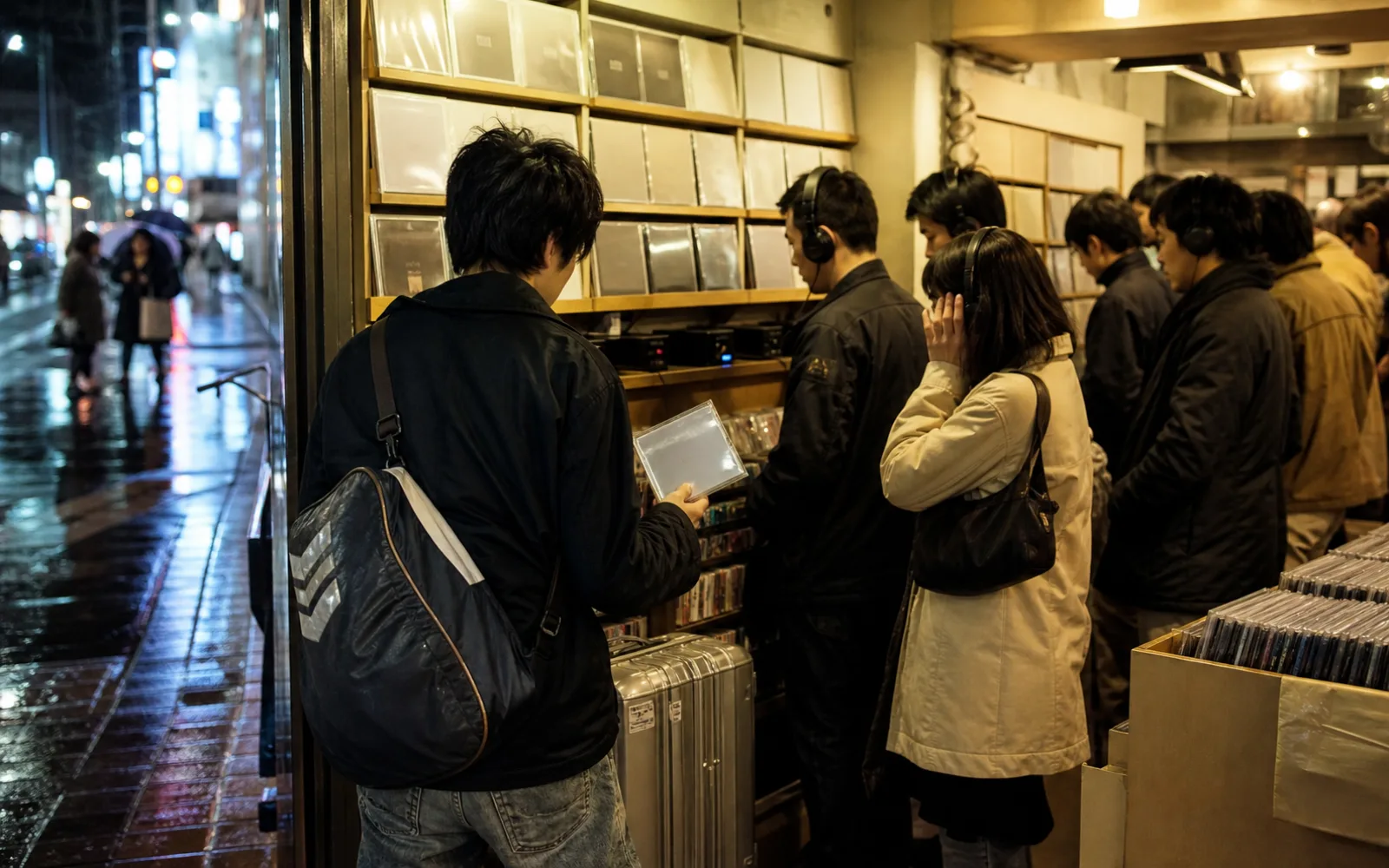
Translation did more than replace Korean words with English ones. It taught global audiences how to inhabit Korean timing: release notices at midnight KST, music-show rules, fandom etiquette, and the emotional weight of forms of address. Fans built the missing interface.
Power without simplification
Organization can create belonging and public good, but it can also produce pressure, rivalry, overconsumption, or attempts to control artists. A serious account must hold both realities. Fandom is infrastructure, and infrastructure can distribute care as well as conflict.
K-pop went global partly because fans repeatedly did work that labels, broadcasters, and platforms later formalized: tagging, subtitling, archiving, teaching, recommending, and welcoming newcomers.
THE INSIDER SIGNAL · SEOULIAN INTERPRETATION
What becomes visible from inside Korea
Korean fandom vocabulary treats support as practice: 응원 means cheering and backing, but it can also mean schedules, shared rules, preparation, and responsibility to a group.
SOURCE DESK · VERIFIED FACT TRAIL
Research used for this essay
- Researching K-pop: Fandoms Library of Congress · Fan organization, translation, volunteering, and cultural mediation.
- Cultural globalization from the periphery: Translation practices of English-speaking K-pop fans Journal of Consumer Culture · Peer-reviewed analysis of fan translation and cultural globalization.
- Witnessing the History of K-Culture in Global Pop Culture National Museum of Korean Contemporary History / MCST · Museum evidence of fan albums, light sticks, and Hallyu history.
- Forms of K-pop Fandom KOCIS · Korean cultural-service overview of evolving fan practices.
Original text, no copied entertainment assets
This essay is SEOULIAN’s original synthesis of the linked sources. Facts and chronology were independently rewritten and compared; source expression is not reproduced. No song lyrics, audio, video, album artwork, logos, or celebrity photographs are embedded.
Image disclosure
Credit: SEOULIAN · Created with ChatGPT Image Generation
Creator: SEOULIAN with ChatGPT Image Generation
Source type: SEOULIAN imagegen editorial photo
Disclosure: AI-generated editorial illustration created with ChatGPT Image Generation; illustrative and not documentary evidence.