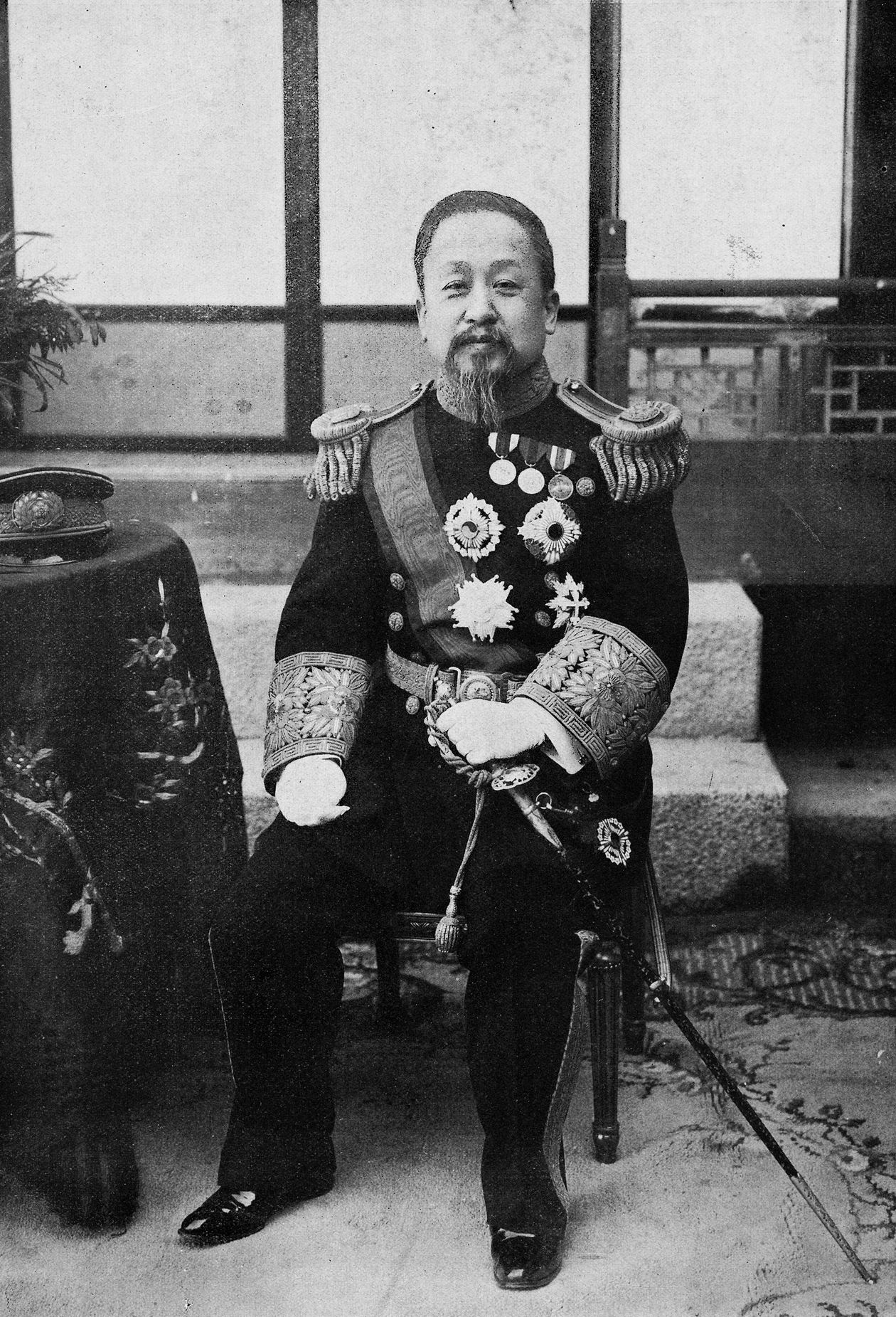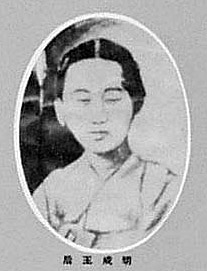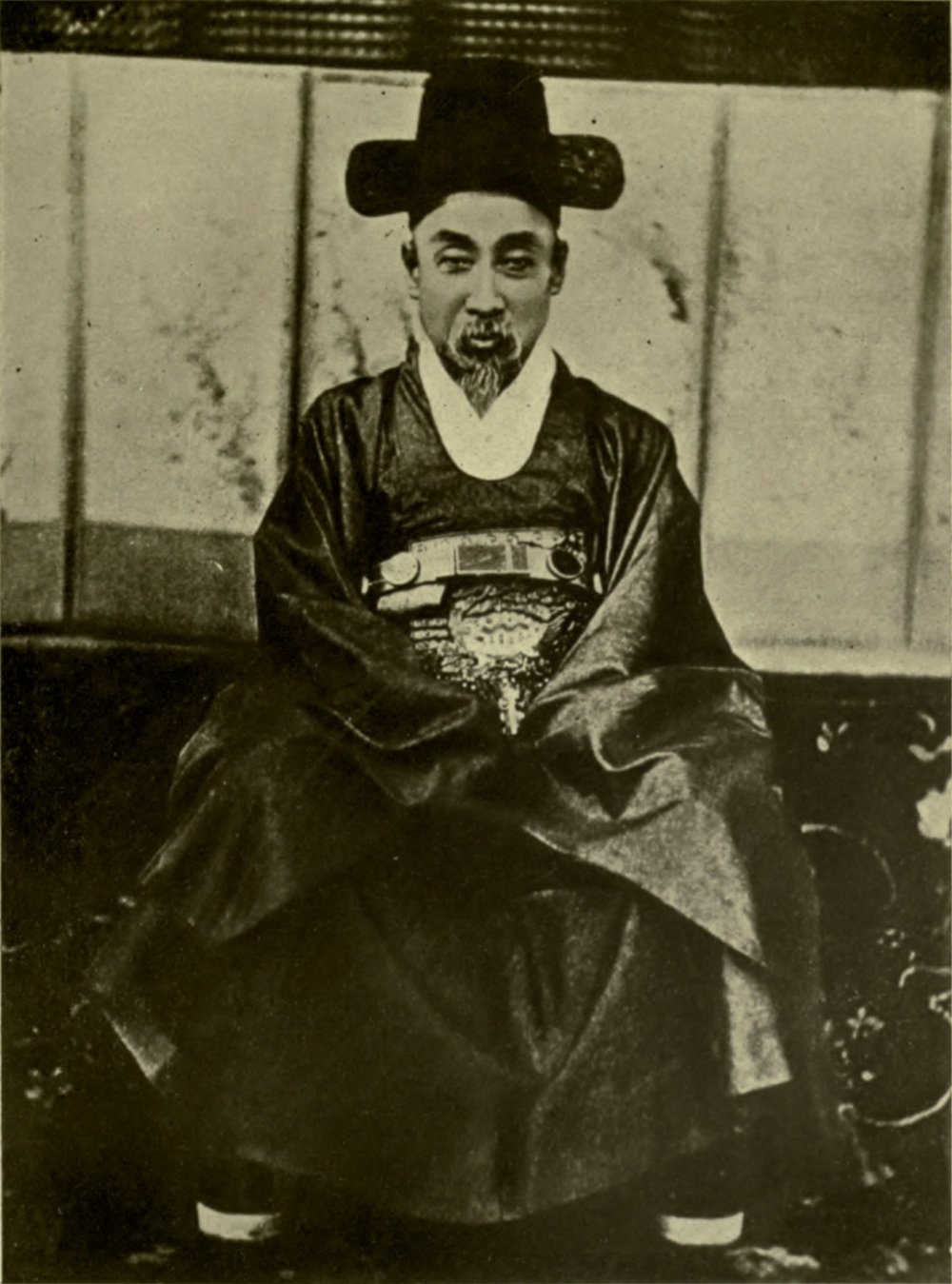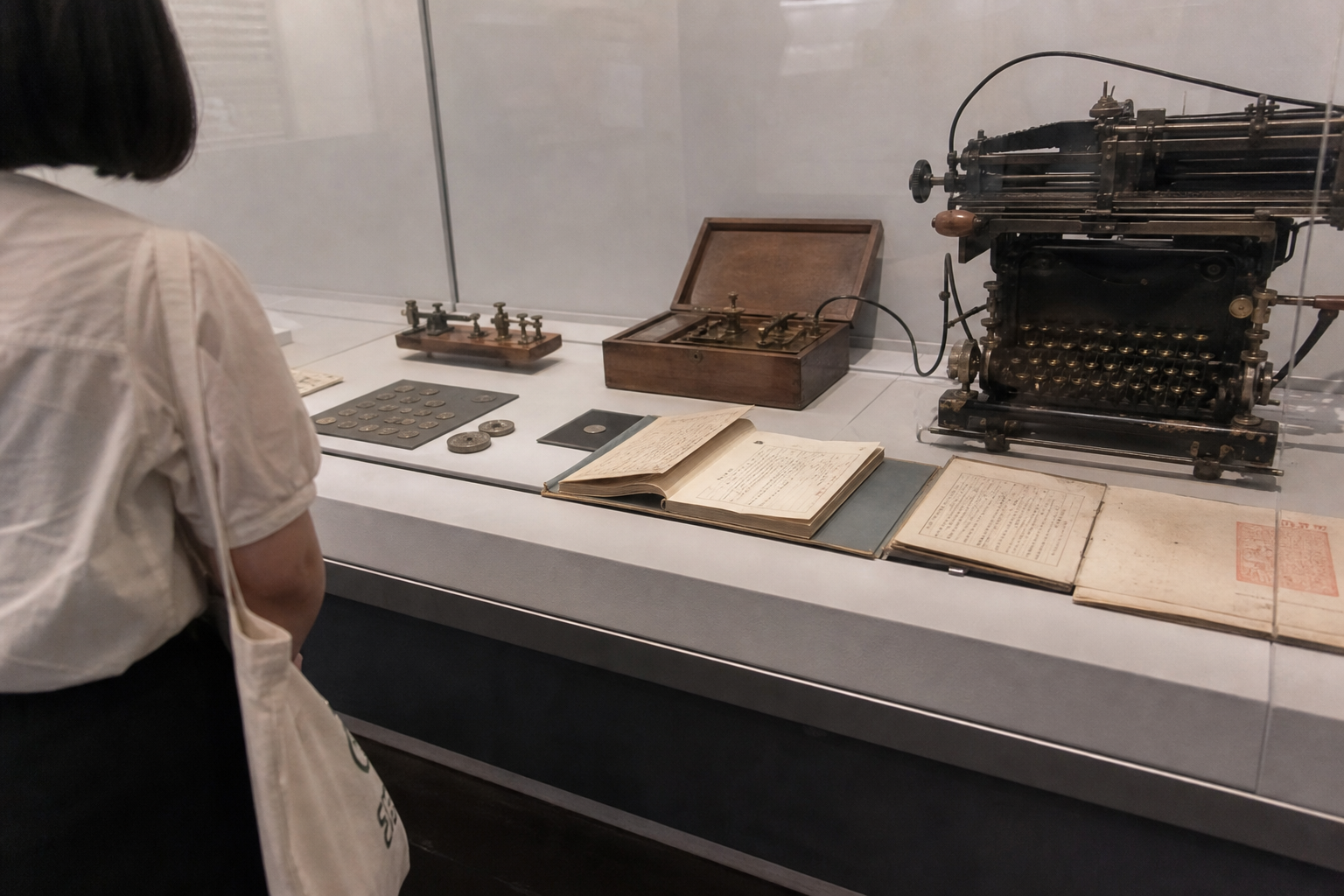
The Kwangmu Reform (Korean: 광무개혁; Hanja: 光武改革) was a collection of reforms that were aimed at modernizing and Westernizing the Korean Empire as it felt held back from what other countries had achieved in their own process of Industrial Revolutions. It takes its name from Gojong, also known as the Gwangmu Emperor. The reforms that took place during the Gwangmu Era from 1897 to 1907 showed, in the long term, Korean potential for starting and achieving modernisation. This sort of development was unseen until the Park Chung Hee-era of the 1960s and 1970s. The Kwangmu reform later staged the fundamental background for future Korean development in infrastructure, reforming the economy and creating the nucleus of the modern bureaucracy and military.
Read the fixed source
Follow the exact revision used for this summary, or open its history to see the contributors and later changes.
Text source & license
Adapted and shortened by SEOULIAN from the linked fixed revision; no change in factual meaning is intended. Source: Wikipedia contributors. This adapted summary is shared under CC BY-SA 4.0.
Image attribution
Title: Kwangmu Reform — SEOULIAN Imagegen editorial photograph
Author: SEOULIAN with ChatGPT Image Generation
Source: SEOULIAN imagegen editorial photo
License: SEOULIAN AI-generated editorial image
AI-generated editorial illustration created with ChatGPT Image Generation; illustrative and not documentary evidence.