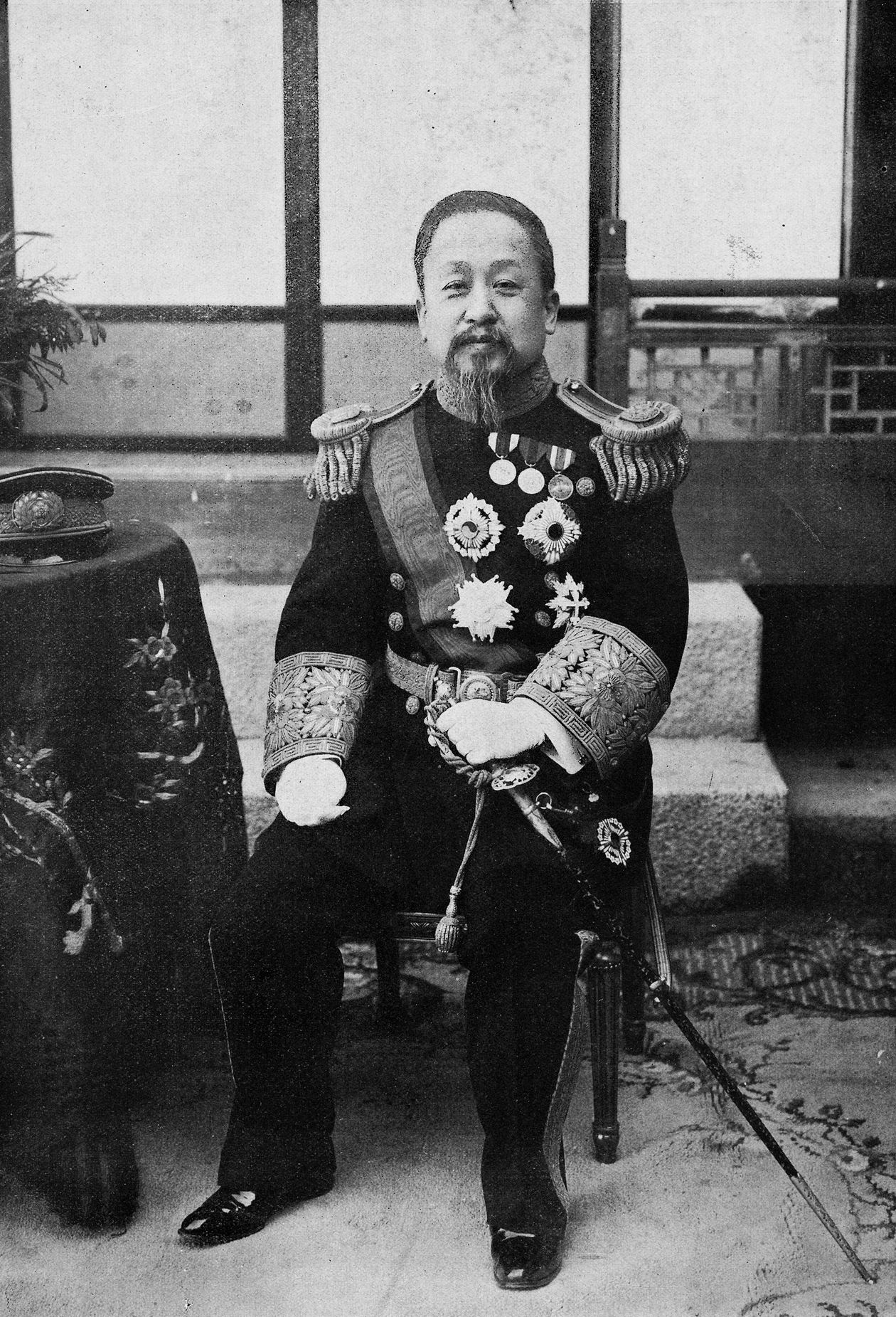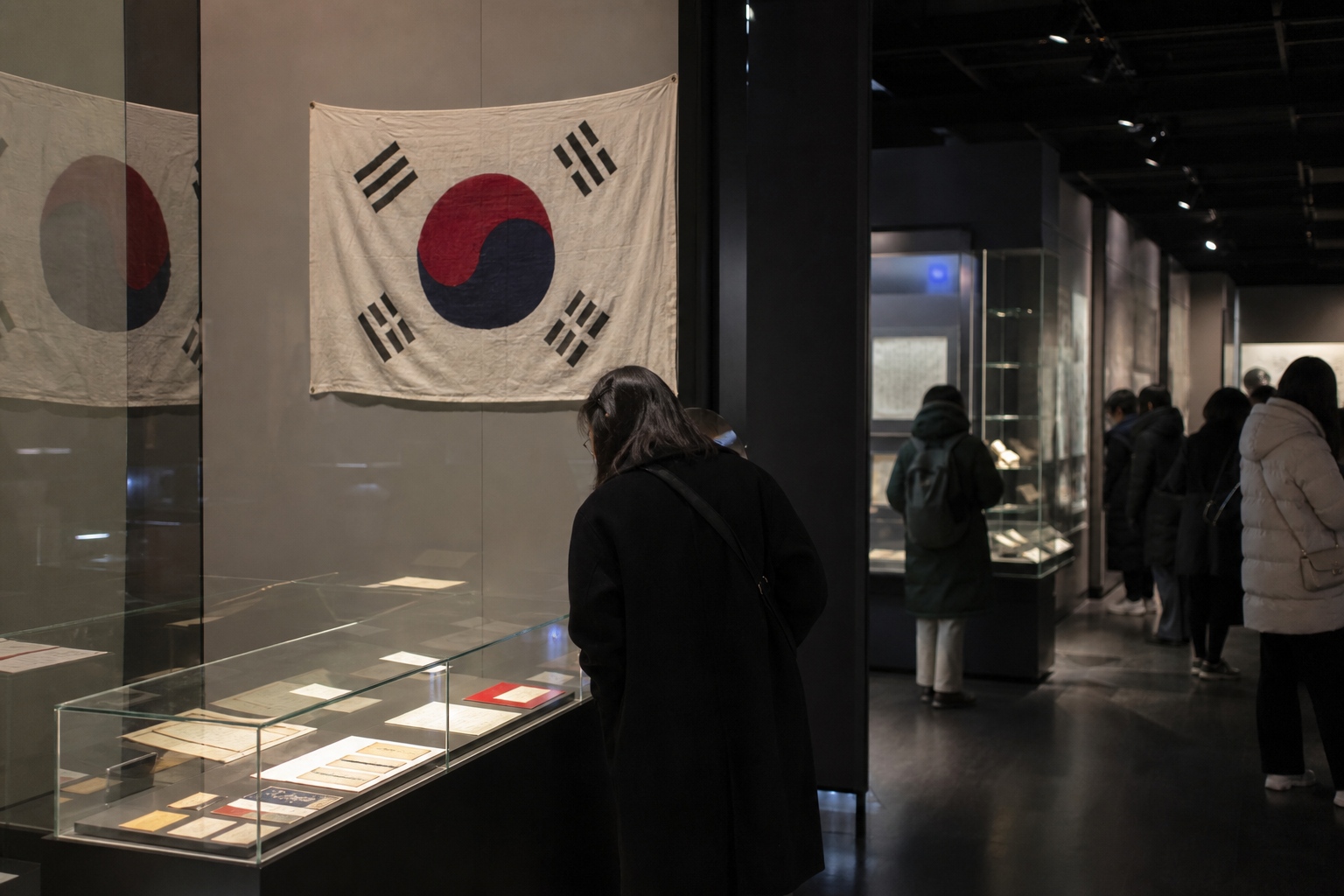
The March First Movement was a series of protests against Japanese colonial rule that was held throughout Korea and internationally by the Korean diaspora beginning on March 1, 1919. Protests were largely concentrated in March and April of that year, although related protests continued until 1921. In South Korea, the movement is remembered as a landmark event of not only the Korean independence movement, but of all of Korean history. The protests began in Seoul, with public readings of the Korean Declaration of Independence in the restaurant T'aehwagwan and in Tapgol Park. The movement grew and spread rapidly. Statistics on the protest are uncertain; there were around 1,500 to 1,800 protests with a total of around 0.8 to 2 million participants. The total population of Korea at the time was around 16 to 17 million. Despite the largely peaceful nature of the protests, they were frequently violently suppressed. One Korean estimate in 1920 claimed 7,509 deaths and 46,948 arrests. Japanese authorities reported much lower numbers, although there were instances where authorities were observed destroying evidence, such as during the Jeamni massacre. Japanese authorities then conducted a global disinformation campaign on the protests. They promoted a wide range of narratives, including outright denial of any protests occurring, portraying them as violent Bolshevik uprisings, and claiming that Koreans were in need of the benevolent rule of Japan. These narratives were publicly challenged by sympathetic foreigners and by the Korean diaspora. The movement did not result in Korea's prompt liberation, but had a number of significant effects. It invigorated the Korean independence movement and resulted in the creation of the Korean Provisional Government. It also caused some damage to Japan's international reputation and caused the Japanese colonial government to grant some limited cultural freedoms to Koreans under a series of policies that have since been dubbed "cultural rule". Furthermore, the movement went on to inspire other movements abroad, including the Chinese May Fourth Movement and Indian satyagraha protests. The anniversary of the movement's start has been celebrated since, although this was largely done in secret in Korea until its liberation in 1945. In South Korea, it is a national holiday. The North Korean government initially celebrated it as a national holiday, but eventually demoted it and now does not evaluate the movement's significance similarly.
Read the fixed source
Follow the exact revision used for this summary, or open its history to see the contributors and later changes.
Text source & license
Adapted and shortened by SEOULIAN from the linked fixed revision; no change in factual meaning is intended. Source: Wikipedia contributors. This adapted summary is shared under CC BY-SA 4.0.
Image attribution
Title: March First Movement — SEOULIAN Imagegen editorial photograph
Author: SEOULIAN with ChatGPT Image Generation
Source: SEOULIAN imagegen editorial photo
License: SEOULIAN AI-generated editorial image
AI-generated editorial illustration created with ChatGPT Image Generation; illustrative and not documentary evidence.