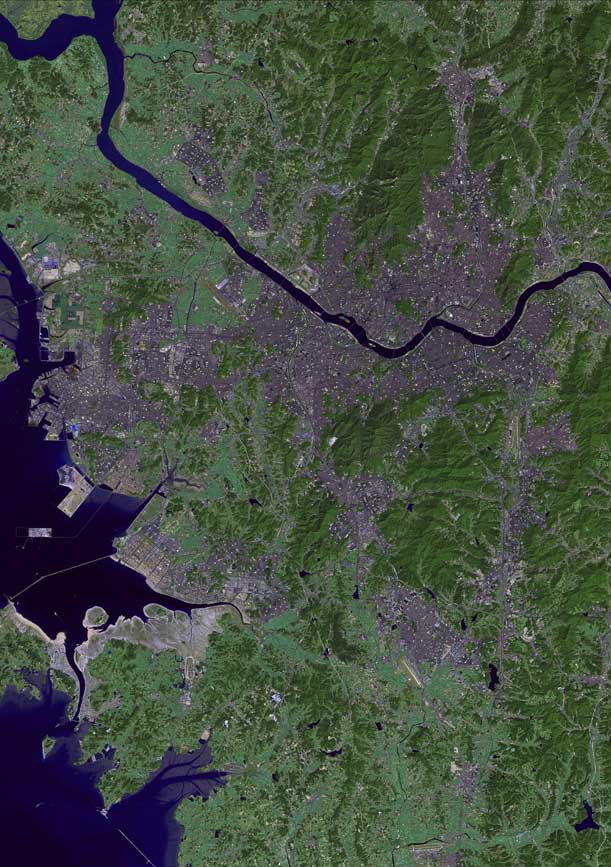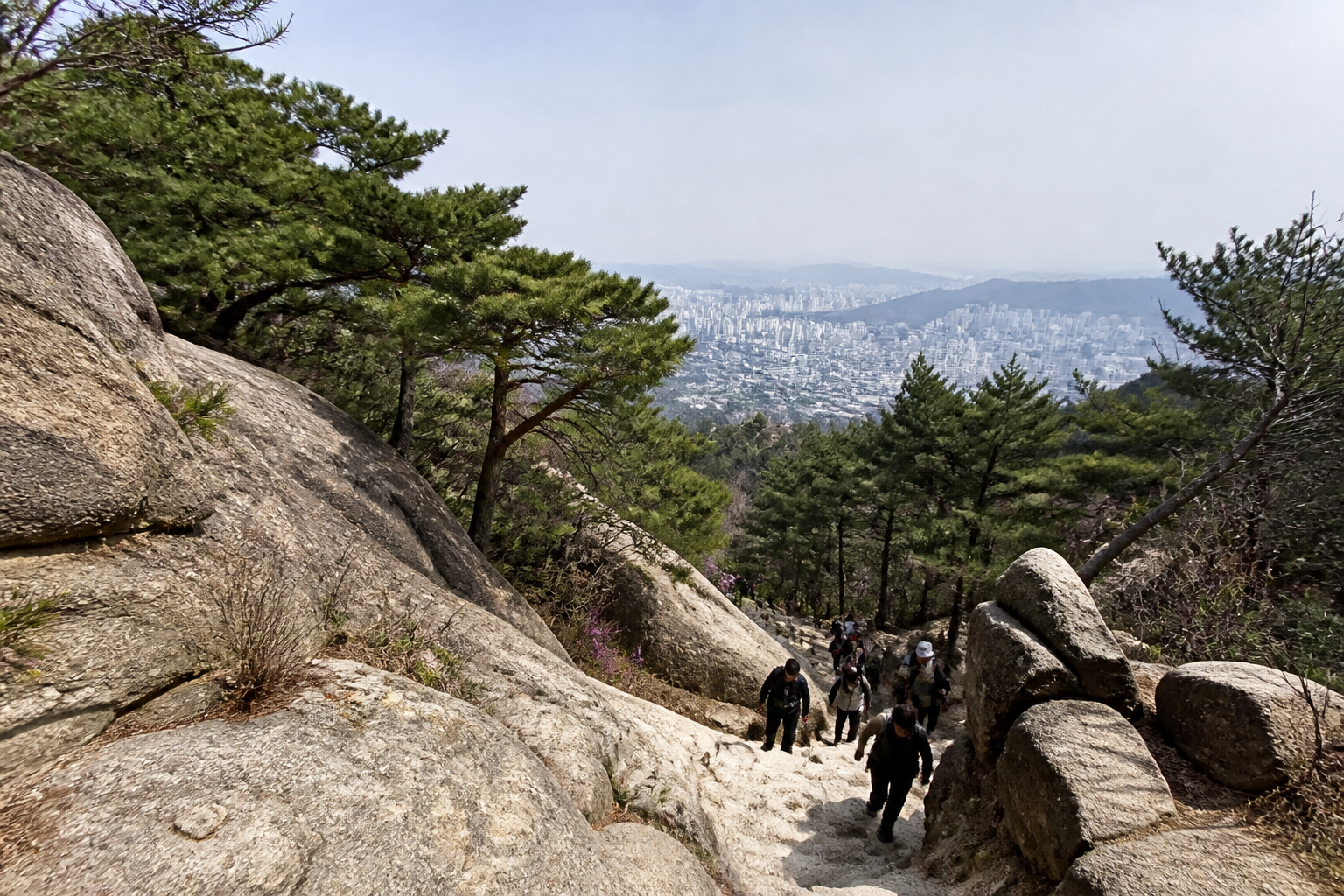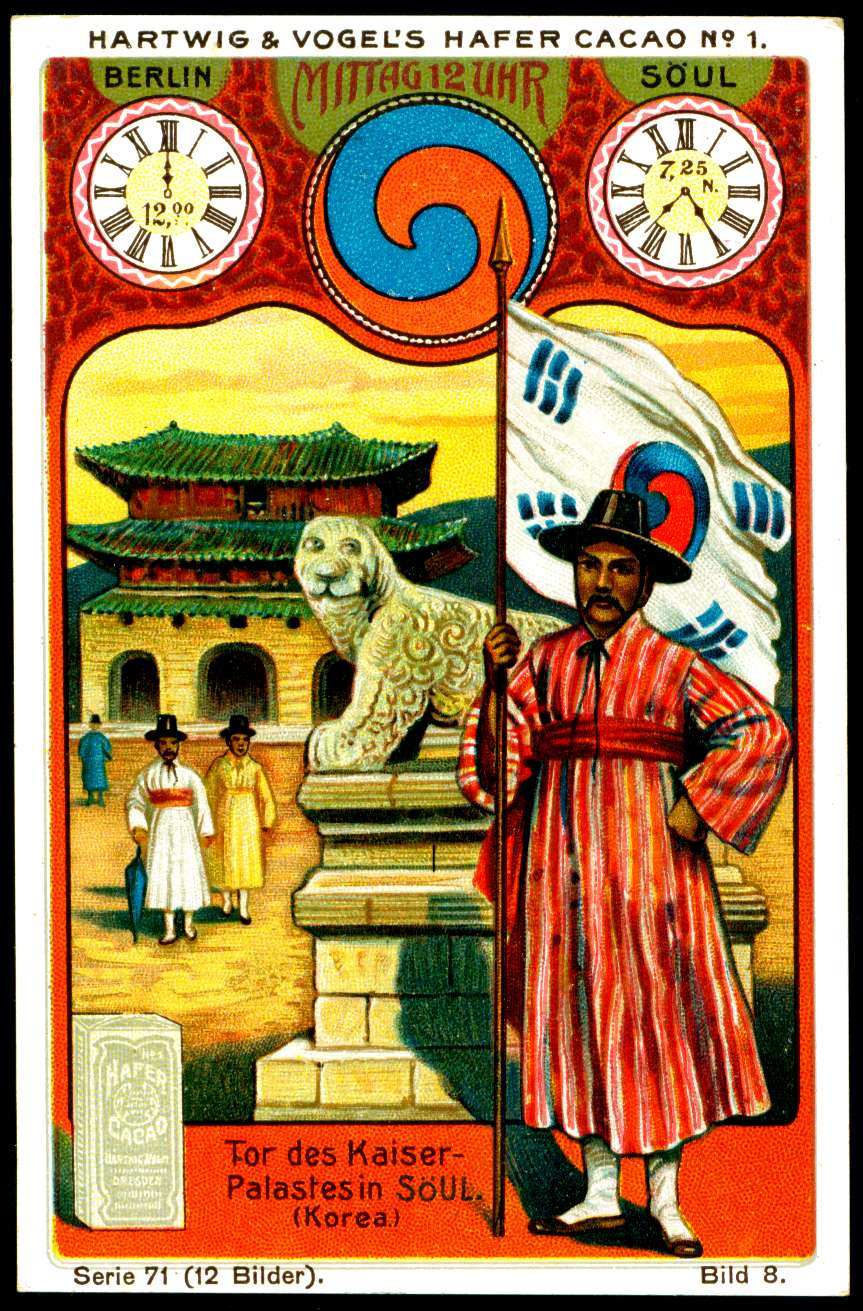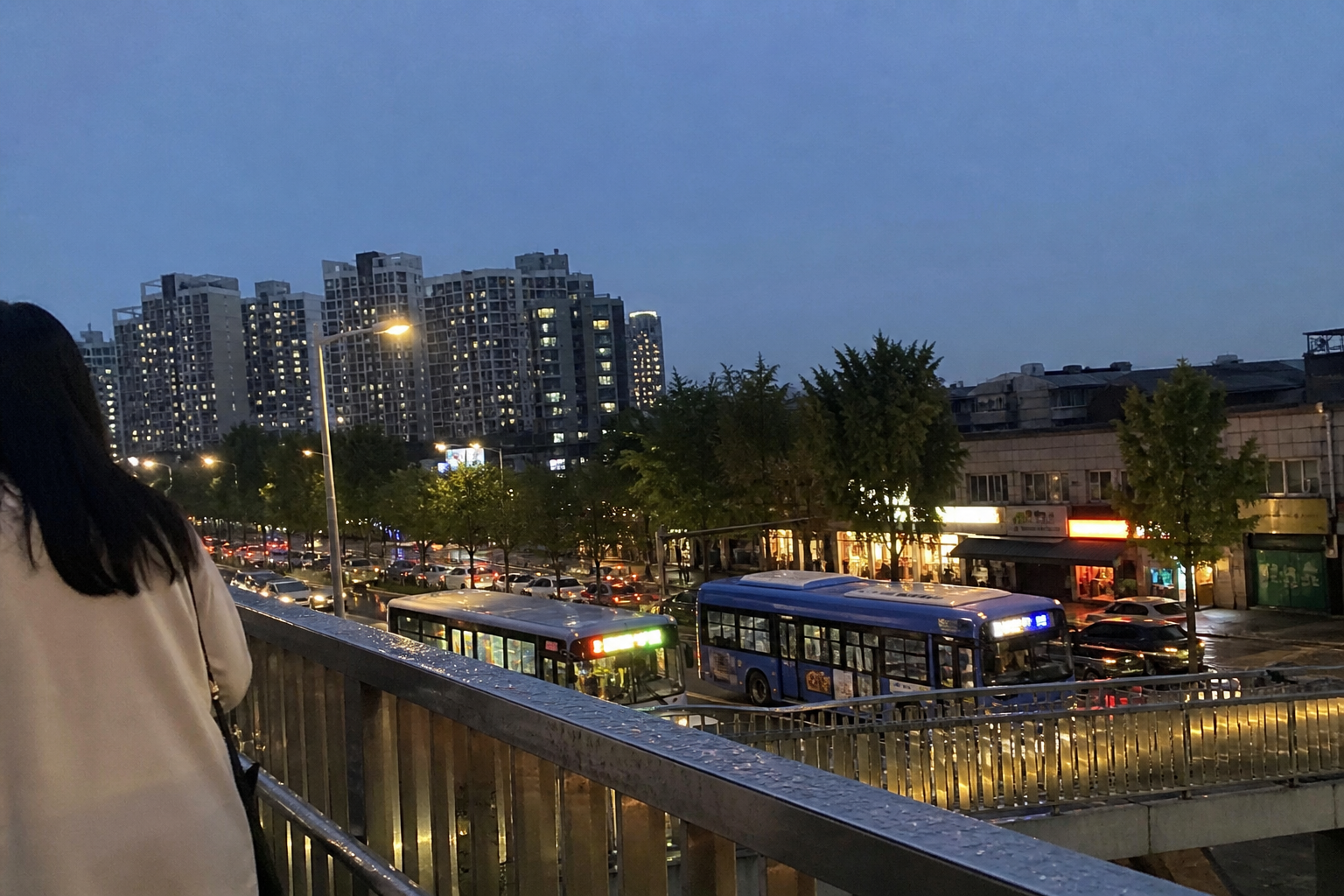
Seoul, officially Seoul Special Metropolitan City, is the capital and largest city of South Korea, and the largest city in the whole of Korea. The broader Seoul Metropolitan Area, encompassing Seoul, Gyeonggi Province and Incheon, emerged as the world's sixth largest metropolitan economy in 2022, behind New York, Tokyo, Los Angeles, Paris, and London, and hosts more than half of South Korea's population. Although Seoul's population peaked at over 10 million, it has gradually decreased since 2014, standing at about 9.6 million residents as of 2024. Seoul's history traces back to 18 BC when it was founded by the people of Baekje, one of the Three Kingdoms of Korea. During the Joseon dynasty, Seoul was officially designated as the capital, surrounded by the Fortress Wall of Seoul. In the early 20th century, Seoul was occupied by the Empire of Japan, temporarily renamed "Keijō" ("Gyeongseong" in Korean). The Korean War brought fierce battles, with Seoul changing hands four times and leaving the city mostly in ruins. Nevertheless, the city has since undergone significant reconstruction and rapid urbanization. The de facto administrative capital has gradually switched to the planned city of Sejong City, which opened in 2012 and is located about 121 kilometers further south. As of 2019, Sejong hosts 10 out of the South Korean government's 18 ministries. Despite this, the Constitutional Court of Korea declared in 2004 that Seoul must remain the national capital due to it being an "unwritten constitutional custom", unless otherwise changed by a nationwide referendum. Seoul was rated Asia's most livable city, with the second-highest quality of life globally according to Arcadis in 2015 and a GDP per capita (PPP) of approximately $40,000. 15 Fortune Global 500 companies, including industry giants such as Samsung, LG, and Hyundai, are headquartered in the Seoul Capital Area, which has major technology hubs, such as Gangnam and Digital Media City. Seoul is ranked seventh in the Global Power City Index and the Global Financial Centres Index, and is one of the five leading hosts of global conferences. The city has also hosted major events such as the 1986 Asian Games, the 1988 Summer Olympics, and the 2010 G20 Seoul summit, in addition to three matches at the 2002 FIFA World Cup. Seoul is geographically set in a mountainous and hilly terrain, with Bukhansan positioned on its northern edge.
Read the fixed source
Follow the exact revision used for this summary, or open its history to see the contributors and later changes.
Text source & license
Adapted and shortened by SEOULIAN from the linked fixed revision; no change in factual meaning is intended. Source: Wikipedia contributors. This adapted summary is shared under CC BY-SA 4.0.
Image attribution
Title: Seoul — SEOULIAN Imagegen editorial photograph
Author: SEOULIAN with ChatGPT Image Generation
Source: SEOULIAN imagegen editorial photo
License: SEOULIAN AI-generated editorial image
AI-generated editorial illustration created with ChatGPT Image Generation; illustrative and not documentary evidence.