A low score and a high-voltage response
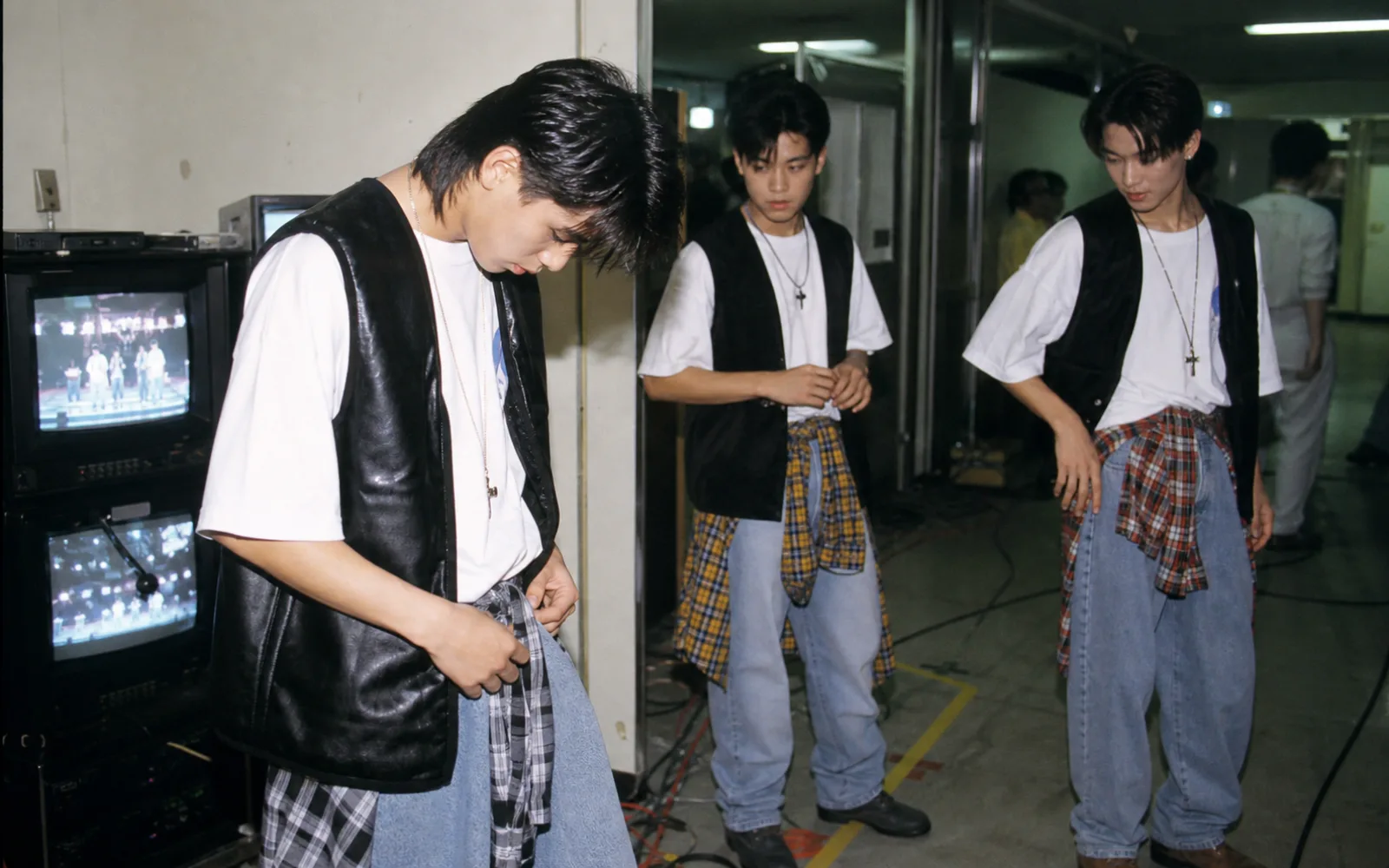
Seo Taiji and Boys debuted on television in 1992 with ‘I Know,’ combining rap, dance rhythms, melody, and a performance style that did not fit the judges’ expectations. Official Korean cultural histories record the famously poor panel score—and the rapid reversal that followed as young listeners made the song dominant.
The anecdote matters because it shows two Korean pop systems colliding in public. Broadcast television still controlled the national stage, but teenagers were becoming a market with enough force to overrule its gatekeepers.
The rupture was larger than hip-hop
The group moved between rap, rock, electronic dance music, and Korean instrumental color rather than defending one genre. Their clothes, choreography, self-production, and lyrics made the release feel like a total youth proposition. Songs could now address schooling, generational authority, and social pressure while remaining spectacular pop.
This was not the invention of every later K-pop technique. It was a change in who pop could speak for and how quickly a song could coordinate music, image, movement, and attitude. The 1996 abolition of prior review for sound recordings, noted by the Library of Congress timeline, further widened the space for expression.
The portable lesson
Later agencies industrialized parts of this formula, but the core lesson was cultural, not managerial: Korean youth would reward a hybrid package if it felt authored for their present. That principle still explains why K-pop eras are remembered through styling, choreography, slang, and social mood as much as through melody.
For overseas readers, 1992 is best understood not as the day K-pop was manufactured, but as the moment an audience demonstrated that Korean pop could set its own clock.
THE INSIDER SIGNAL · SEOULIAN INTERPRETATION
What becomes visible from inside Korea
Koreans remember the 1992 performance as a generational mismatch: expert judges scored the old rules while teenagers heard the next rules arriving.
SOURCE DESK · VERIFIED FACT TRAIL
Research used for this essay
- Researching K-pop: History & Timeline Library of Congress · 1992 turning point and 1996 censorship reform context.
- K-POP: A New Force in Pop Music Korean Culture and Information Service · Debut account, musical hybridity, and youth response.
- The Korean Popular Culture Reader Smithsonian Libraries and Archives · Academic collection including the Seo Taiji phenomenon and Korean rock history.
Original text, no copied entertainment assets
This essay is SEOULIAN’s original synthesis of the linked sources. Facts and chronology were independently rewritten and compared; source expression is not reproduced. No song lyrics, audio, video, album artwork, logos, or celebrity photographs are embedded.
Image disclosure
Credit: SEOULIAN · Created with ChatGPT Image Generation
Creator: SEOULIAN with ChatGPT Image Generation
Source type: SEOULIAN imagegen editorial photo
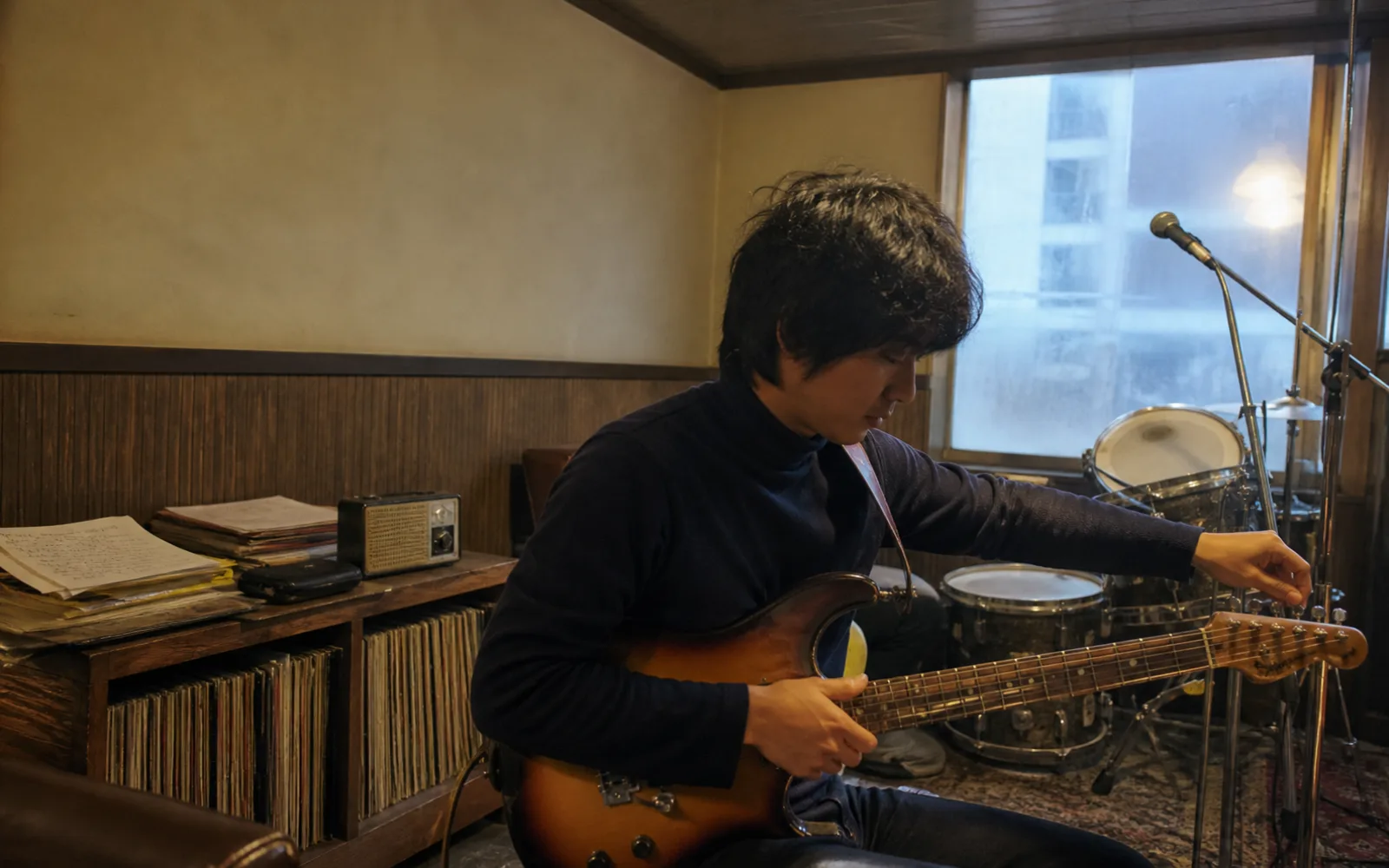
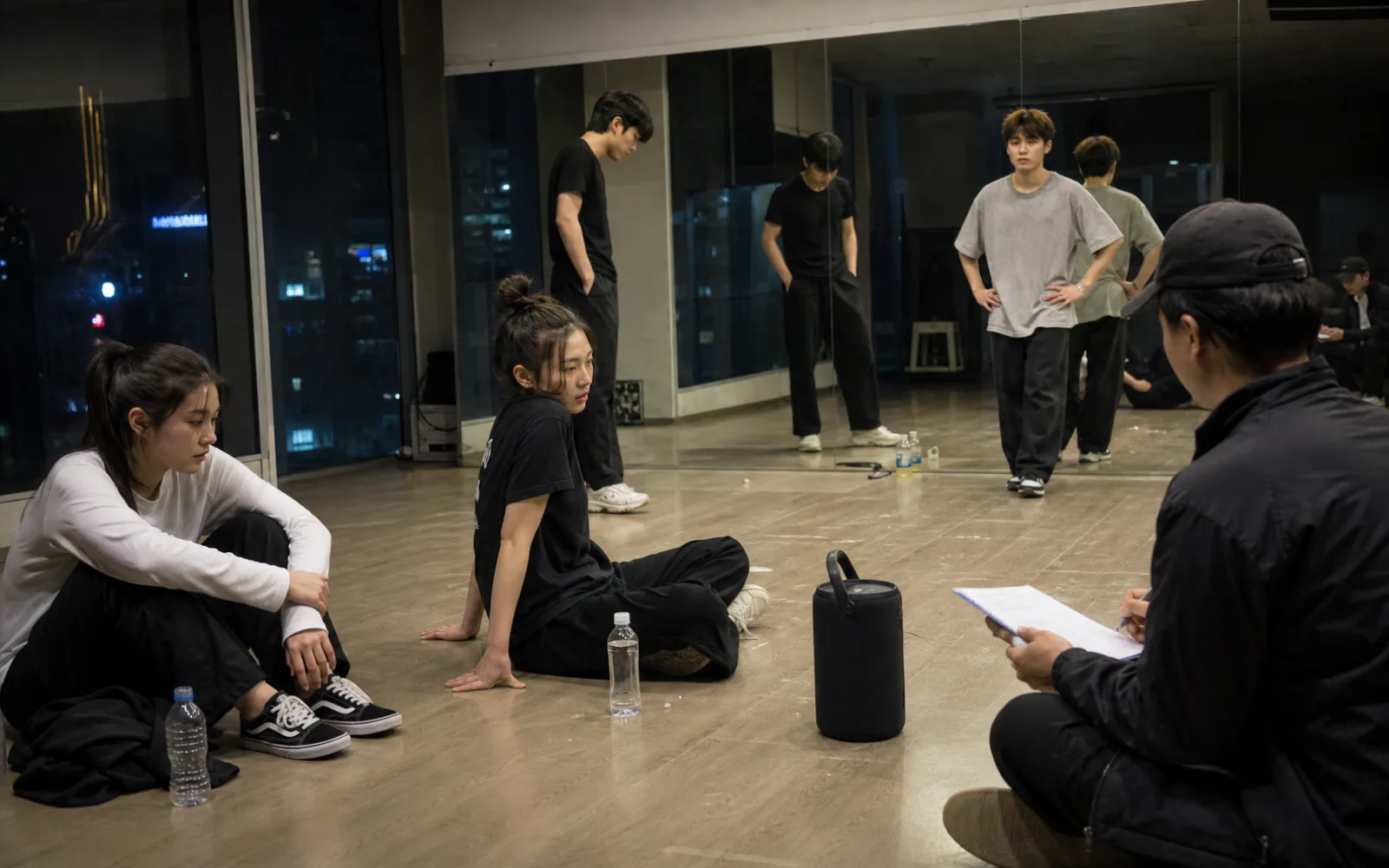
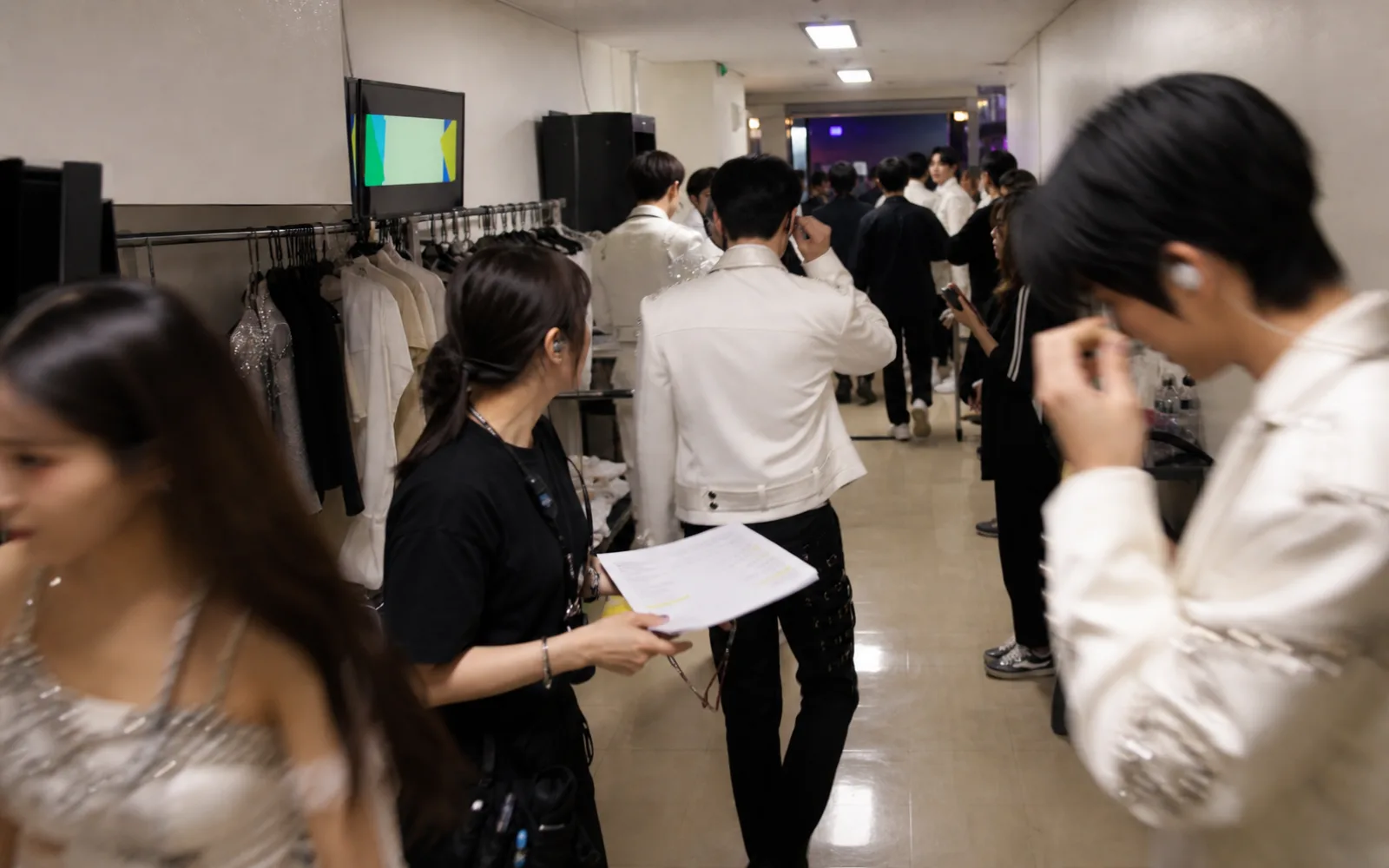
Disclosure: AI-generated editorial illustration created with ChatGPT Image Generation; illustrative and not documentary evidence.