Training a system, not only a singer
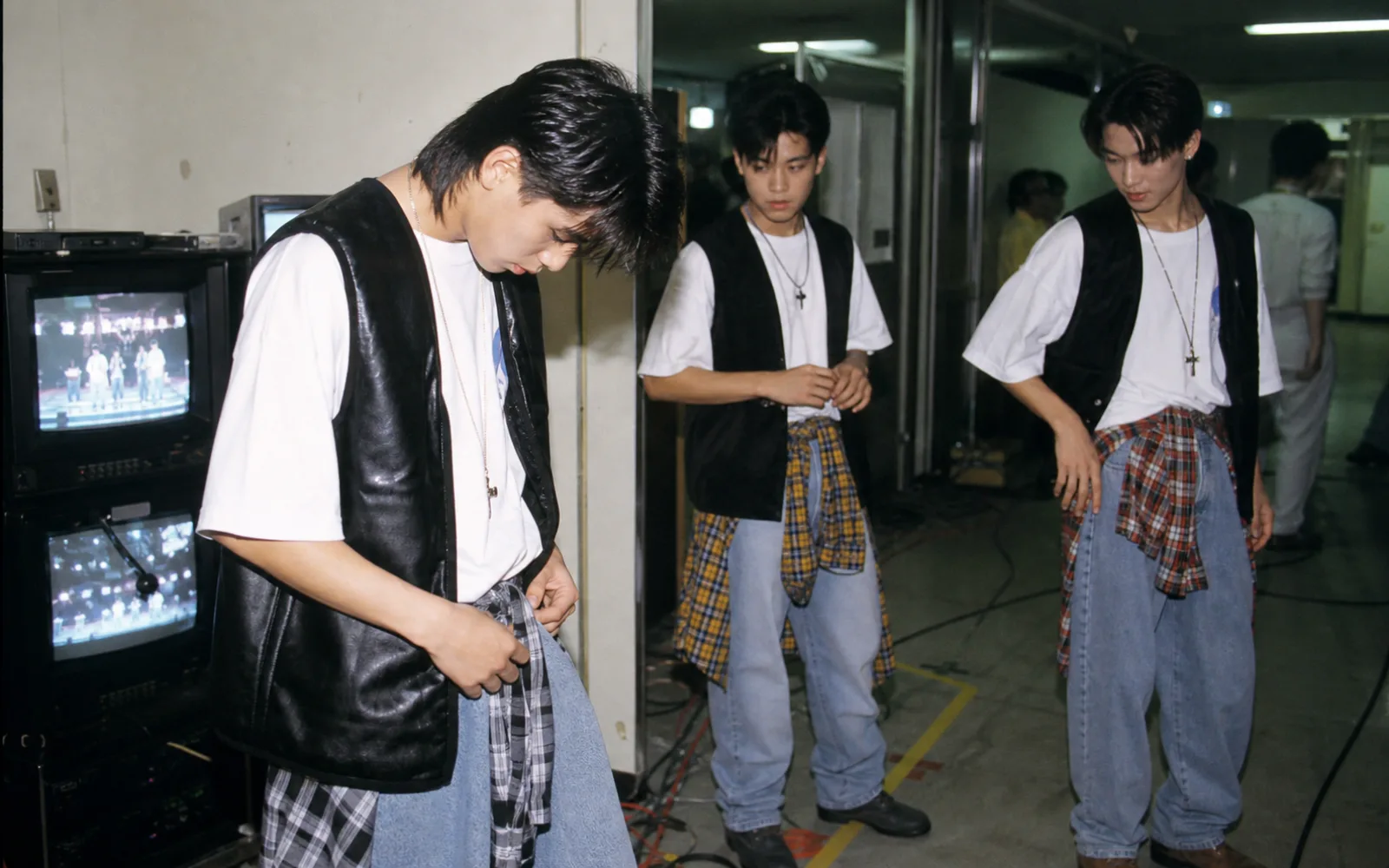
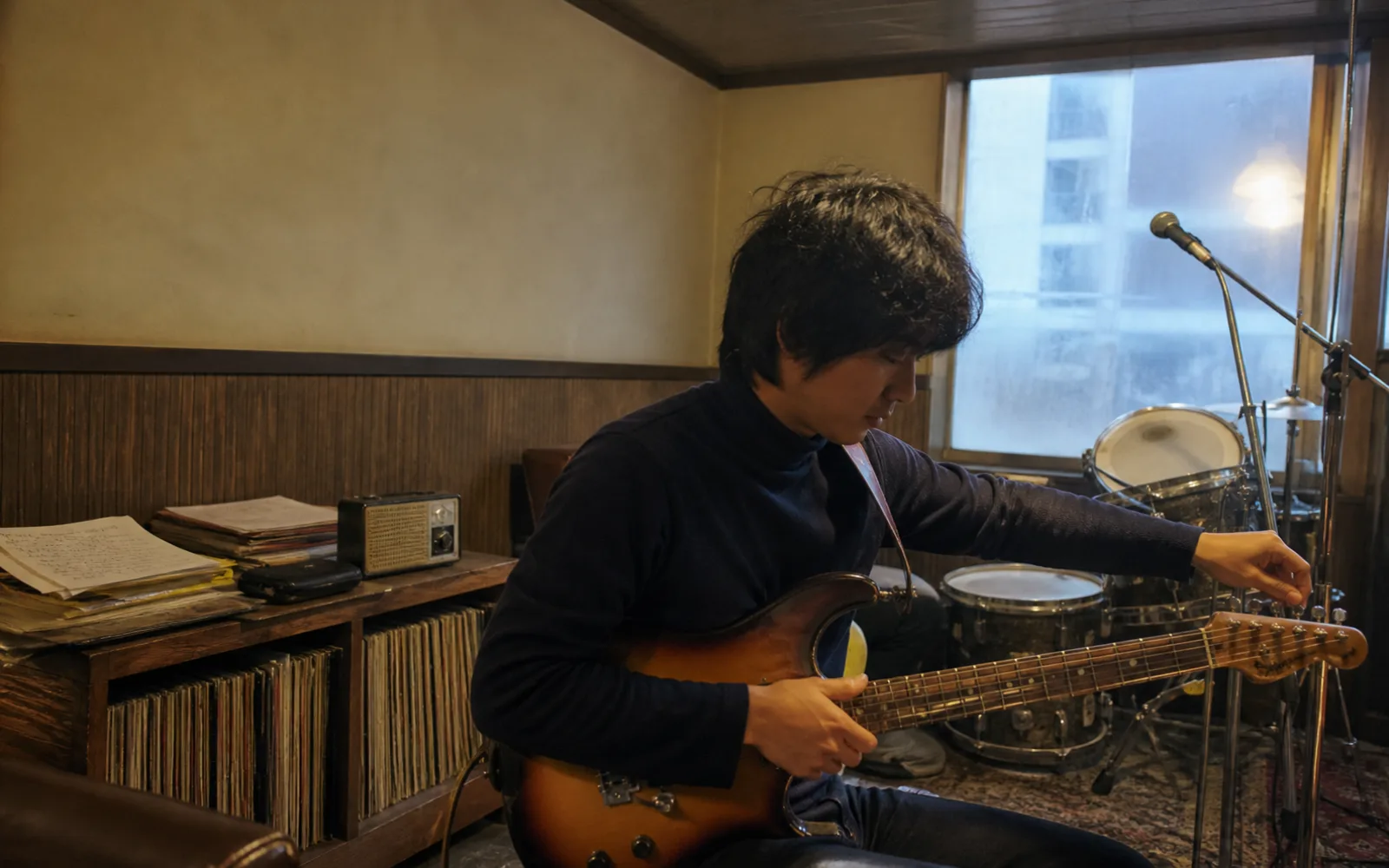
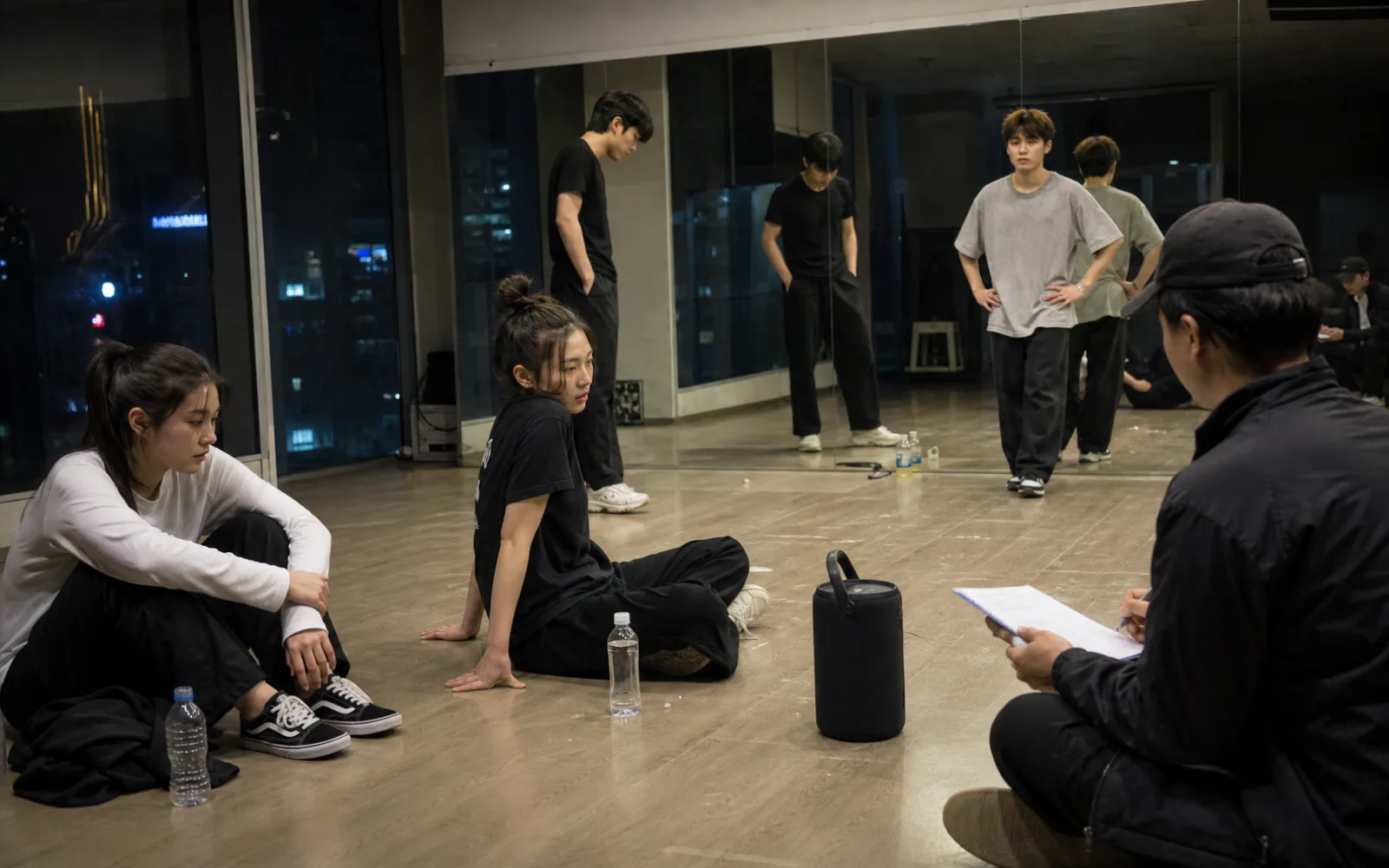
From the late 1990s, agencies made recruitment, vocal coaching, dance practice, language study, visual direction, and media preparation part of one coordinated pipeline. Groups such as H.O.T. and S.E.S. helped define the first-generation idol era, while the approach became more systematic across later companies.
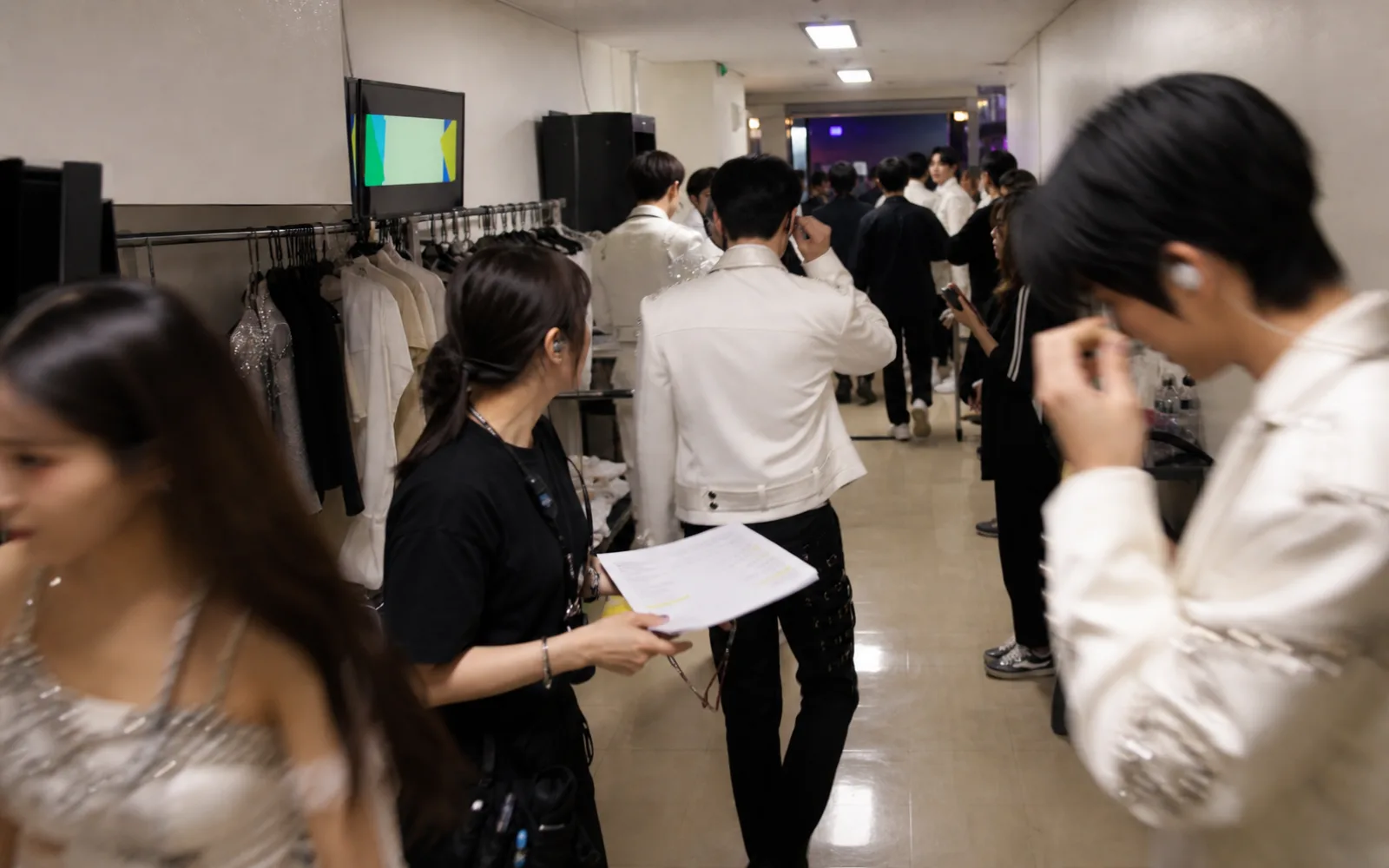
The aim was reliable ensemble performance. A K-pop group distributes musical and social roles across members, then rehearses the transitions until the whole group can function under cameras, live audiences, interviews, and rapid promotional schedules. That is why synchronization is not merely decoration: it communicates accumulated teamwork in a form that travels without translation.
Why the system scaled
The pipeline reduces some risks for agencies by testing performers before debut and building reusable specialist networks of composers, choreographers, stylists, directors, and performance staff. It also lets a release be designed for several markets from the beginning through language versions, member backgrounds, and visual storytelling.
But the system should not be romanticized. Long preparation does not guarantee debut, and unequal bargaining power can expose trainees—especially young people—to financial, educational, and psychological strain. Korean regulators have repeatedly addressed fairness through standard contracts, youth protections, and corrections of unfair trainee clauses.
Excellence requires rights
The insider view contains both pride and discomfort: disciplined practice helped Korean performance compete globally, yet discipline is not a license for exploitation. The best future version of the system will be judged by transparent accounting, clear exit rights, age-appropriate schedules, education, health support, and a meaningful voice for performers.
K-pop became exportable because teams learned to deliver under pressure. Its legitimacy will depend on whether the industry can preserve craft while reducing harmful pressure.
THE INSIDER SIGNAL · SEOULIAN INTERPRETATION
What becomes visible from inside Korea
The Korean word ‘연습생’ means trainee, not star. Debut is a separate threshold, and Koreans understand the uncertainty between the two even when export marketing hides it.
SOURCE DESK · VERIFIED FACT TRAIL
Research used for this essay
- Researching K-pop: History & Timeline Library of Congress · Development of structured trainee programs and the modern idol system.
- Standard Contract for Trainees in Popular Culture and Arts Ministry of Culture, Sports and Tourism · Current Korean standard-contract framework for trainees.
- Correction of Unfair Clauses in Entertainment Trainee Contracts Korea Fair Trade Commission · Documented contract problems and corrective action.
- K-POP: A New Force in Pop Music Korean Culture and Information Service · Historical description of auditions, training, and first-generation idols.
Original text, no copied entertainment assets
This essay is SEOULIAN’s original synthesis of the linked sources. Facts and chronology were independently rewritten and compared; source expression is not reproduced. No song lyrics, audio, video, album artwork, logos, or celebrity photographs are embedded.
Image disclosure
Credit: SEOULIAN · Created with ChatGPT Image Generation
Creator: SEOULIAN with ChatGPT Image Generation
Source type: SEOULIAN imagegen editorial photo
Disclosure: AI-generated editorial illustration created with ChatGPT Image Generation; illustrative and not documentary evidence.