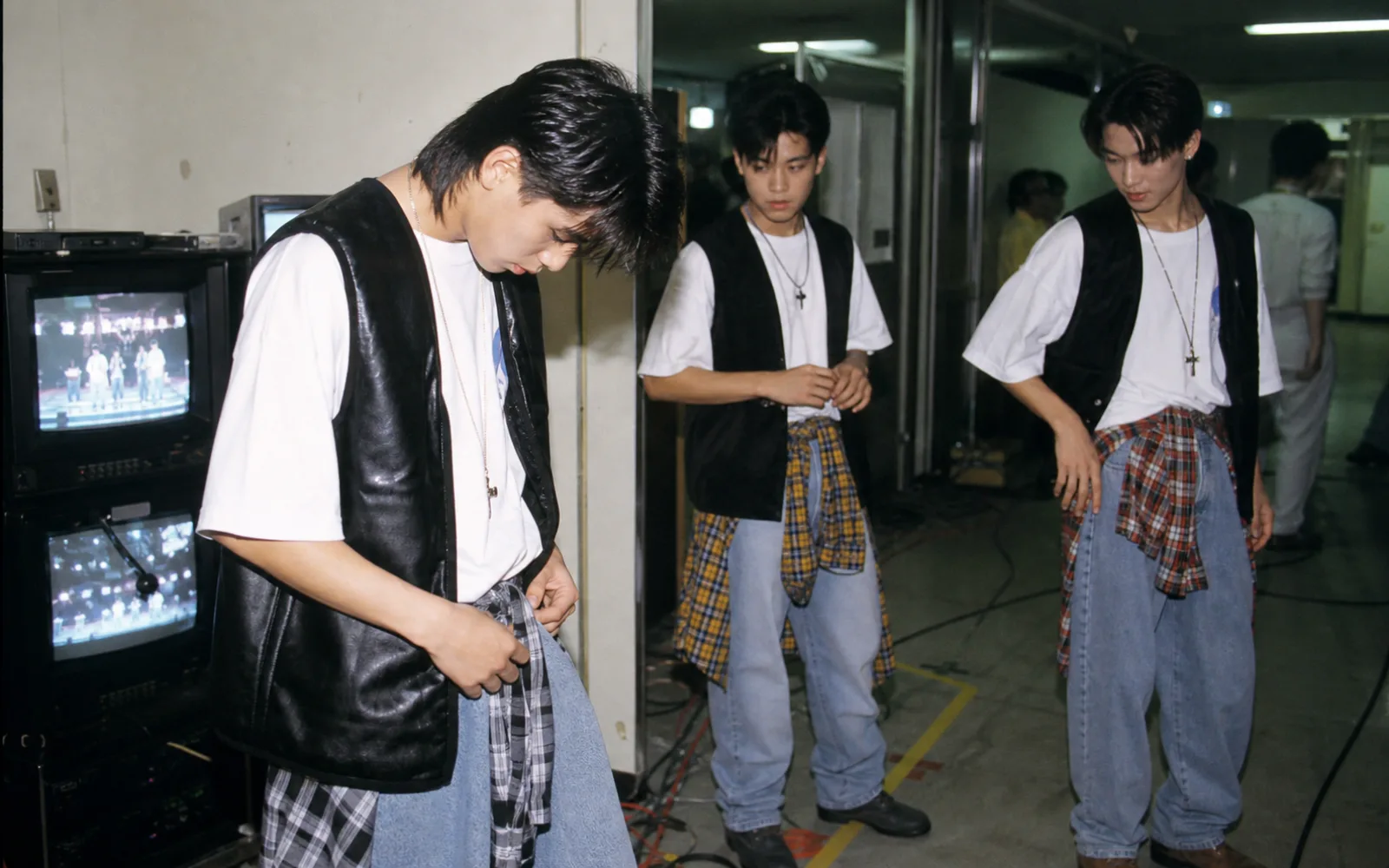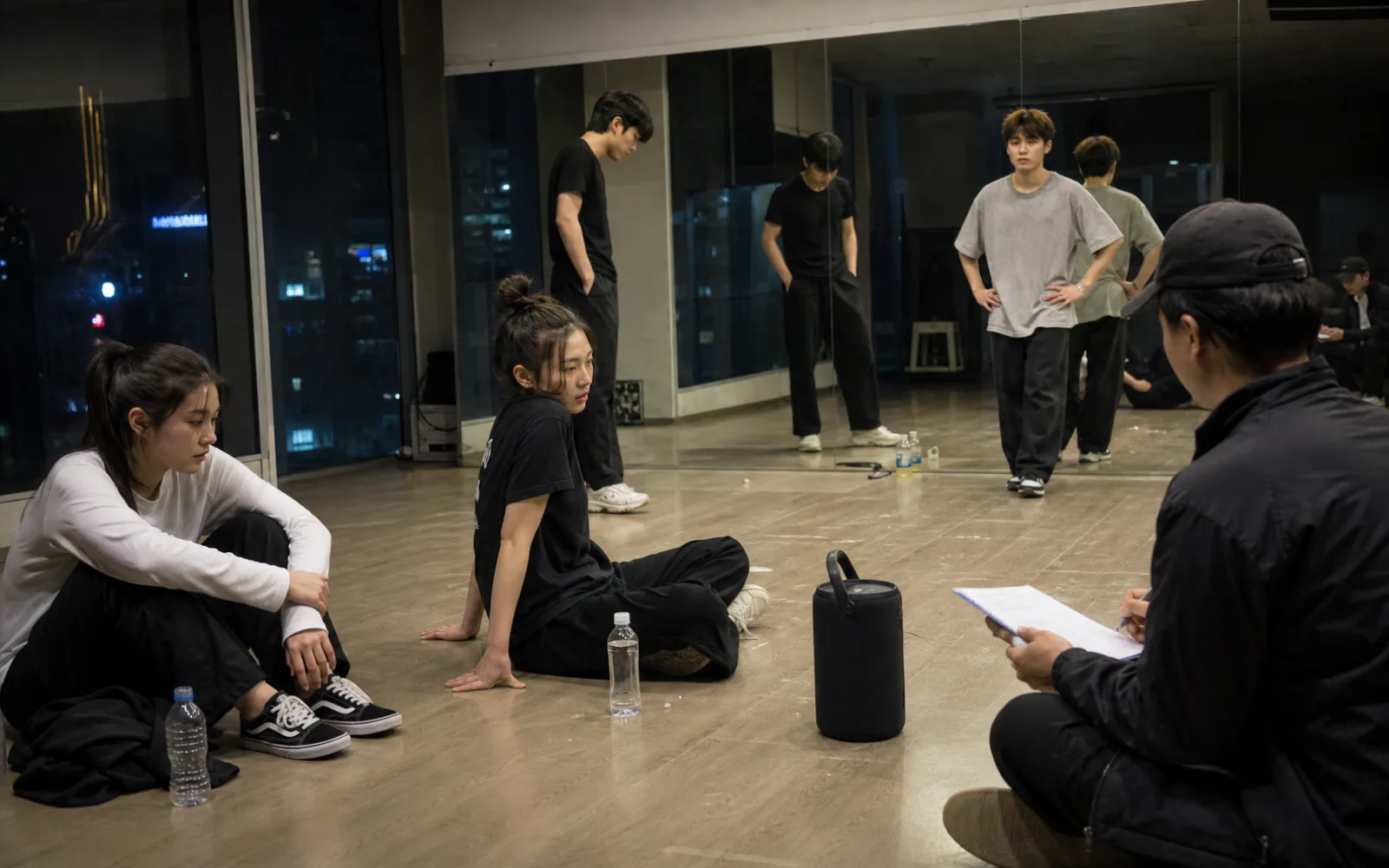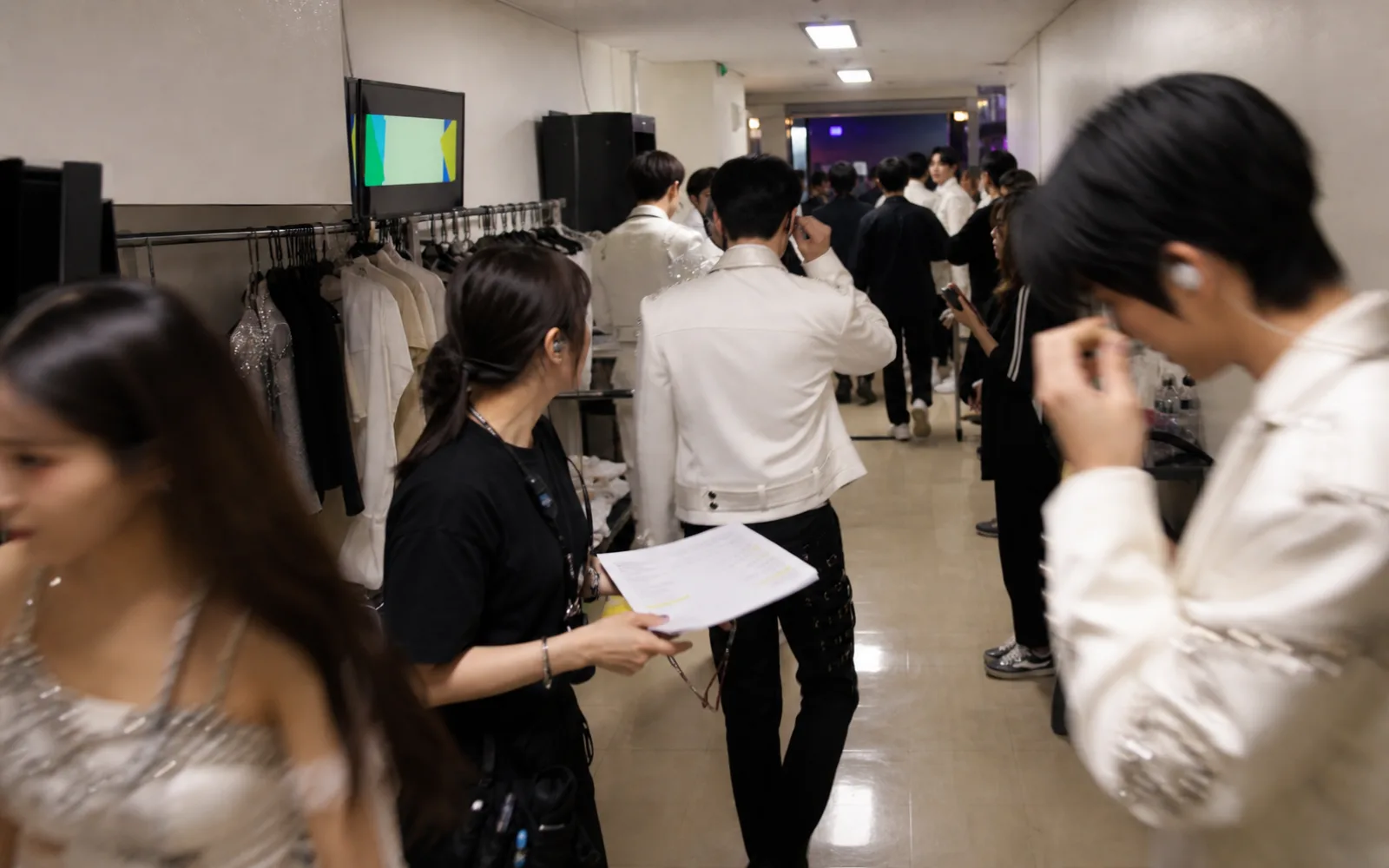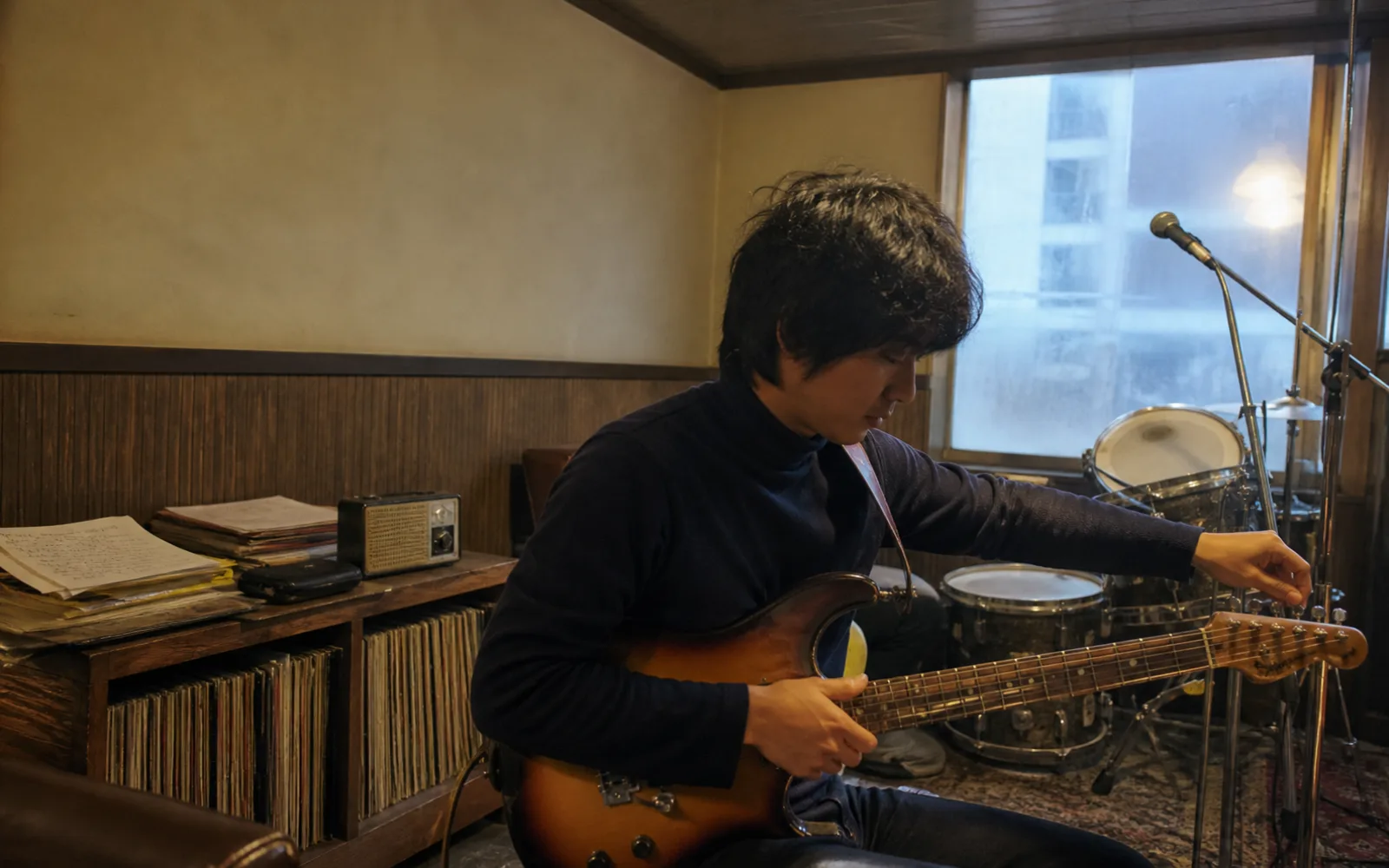
The history starts before the export label
The international label ‘K-pop’ became common long after Korea had a modern recording culture. The Library of Congress timeline begins with commercial recordings in 1907 and follows the coexistence of trot, new folk song, jazz, comic song, rock, ballad, and dance music. That longer view matters: K-pop is not one sound imported in the 1990s. It is the latest organization of a century-long habit of musical recombination.
Colonial rule, war, division, censorship, and compressed economic development repeatedly changed who could perform and what could circulate. This history makes easy triumph stories inadequate. Korean pop developed through real constraints as well as creative opportunity.
The postwar listening laboratory
After the Korean War, stages serving the U.S. Eighth Army and broadcasts from the American Forces Korea Network exposed performers and listeners to jazz, rock, country, R&B, and contemporary dance music. Korean musicians did not merely copy what they heard. They learned repertoire, arrangement, stage discipline, and audience reading, then carried those skills into domestic clubs, records, and broadcasting.
Radio and television widened access. College and riverside song festivals later became talent pipelines, while live clubs and record shops sustained other scenes. Long before a trainee company could coordinate a global launch, Korean popular music was already an ecosystem of performers, technicians, broadcasters, and intensely attentive audiences.
The Korean point outsiders often miss
Hybridity is sometimes treated as proof that K-pop is inauthentic. From inside Korea, hybridity is the historical method. The local contribution lies not in keeping foreign influence out, but in how rapidly Korean creators reassemble sound, language, choreography, fashion, and broadcasting into a new social experience.
The first lesson of global K-pop is therefore not that Korea suddenly discovered world music. It is that generations of Koreans had already practiced cultural translation before the world learned the export name.
THE INSIDER SIGNAL · SEOULIAN INTERPRETATION
What becomes visible from inside Korea
In Korea, pop history is remembered less as a clean genre tree than as repeated negotiation: foreign sound arrives, local musicians test it, institutions regulate it, and audiences make it Korean through use.
SOURCE DESK · VERIFIED FACT TRAIL
Research used for this essay
- Researching K-pop: History & Timeline Library of Congress · Long chronology of Korean recorded and popular music.
- K-POP: A New Force in Pop Music Korean Culture and Information Service · Institutional history of early performers, genres, and export development.
- Witnessing the History of K-Culture in Global Pop Culture National Museum of Korean Contemporary History / MCST · Museum framing of exchange, adaptation, and the rise of Hallyu.
Original text, no copied entertainment assets
This essay is SEOULIAN’s original synthesis of the linked sources. Facts and chronology were independently rewritten and compared; source expression is not reproduced. No song lyrics, audio, video, album artwork, logos, or celebrity photographs are embedded.
Image disclosure
Credit: SEOULIAN · Created with ChatGPT Image Generation
Creator: SEOULIAN with ChatGPT Image Generation
Source type: SEOULIAN imagegen editorial photo
Disclosure: AI-generated editorial illustration created with ChatGPT Image Generation; illustrative and not documentary evidence.