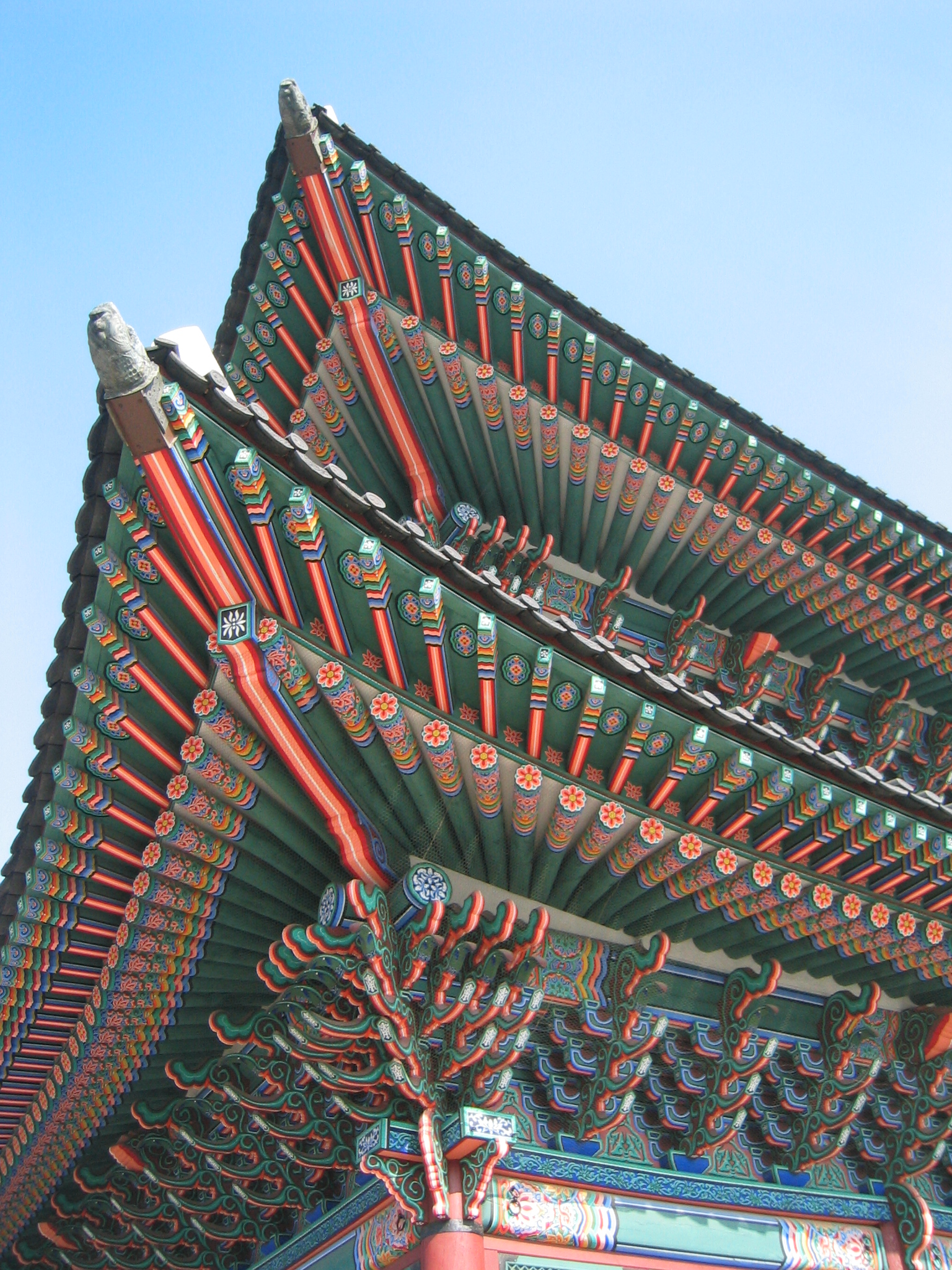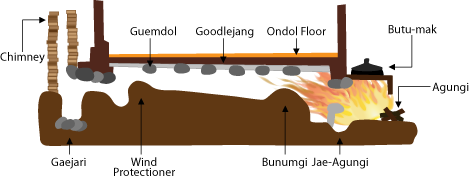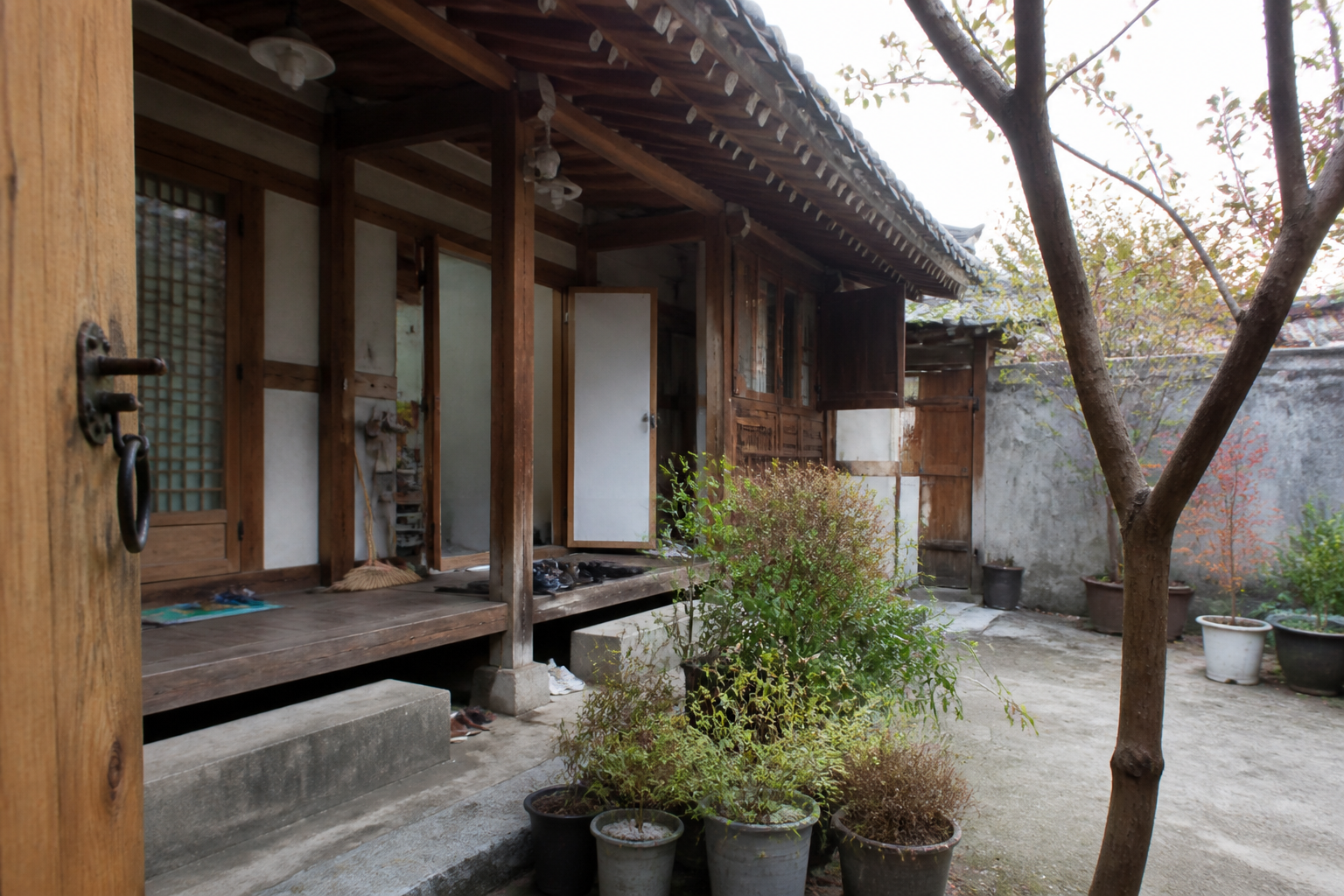
A hanok (Korean: 한옥; name in South Korea) or chosŏnjip (조선집; name in North Korea and for Koreans in Yanbian, China) is a traditional Korean house. Hanok have their origins in pit houses from the early Neolithic period around 6,000 BCE, and the traditional form of Hanok was completed in the late Joseon period. Korean architecture considers the positioning of the house in relation to its surroundings, with thought given to the land and seasons. The interior of the house is also planned accordingly. This principle is called baesanimsu (배산임수; 背山臨水), meaning that the ideal house is built with a mountain in the back and a river in the front. Hanok shapes differ by region. In the cold northern regions of Korea, hanok are built in a square with a courtyard in the middle in order to retain heat better. In the south, hanok are more open and L-shaped.
Read the fixed source
Follow the exact revision used for this summary, or open its history to see the contributors and later changes.
Text source & license
Adapted and shortened by SEOULIAN from the linked fixed revision; no change in factual meaning is intended. Source: Wikipedia contributors. This adapted summary is shared under CC BY-SA 4.0.
Image attribution
Title: Hanok — SEOULIAN Imagegen editorial photograph
Author: SEOULIAN with ChatGPT Image Generation
Source: SEOULIAN imagegen editorial photo
License: SEOULIAN AI-generated editorial image
AI-generated editorial illustration created with ChatGPT Image Generation; illustrative and not documentary evidence.