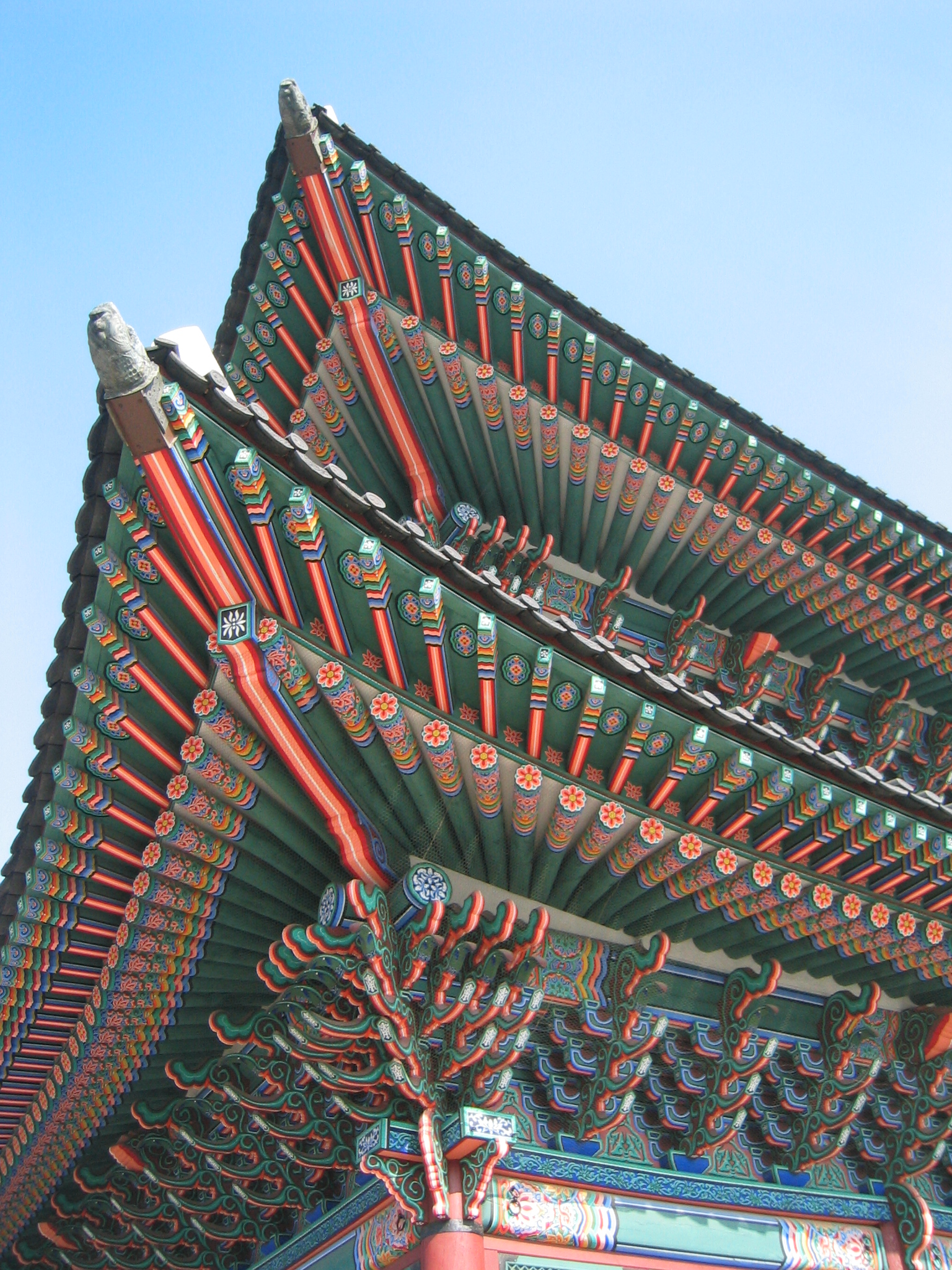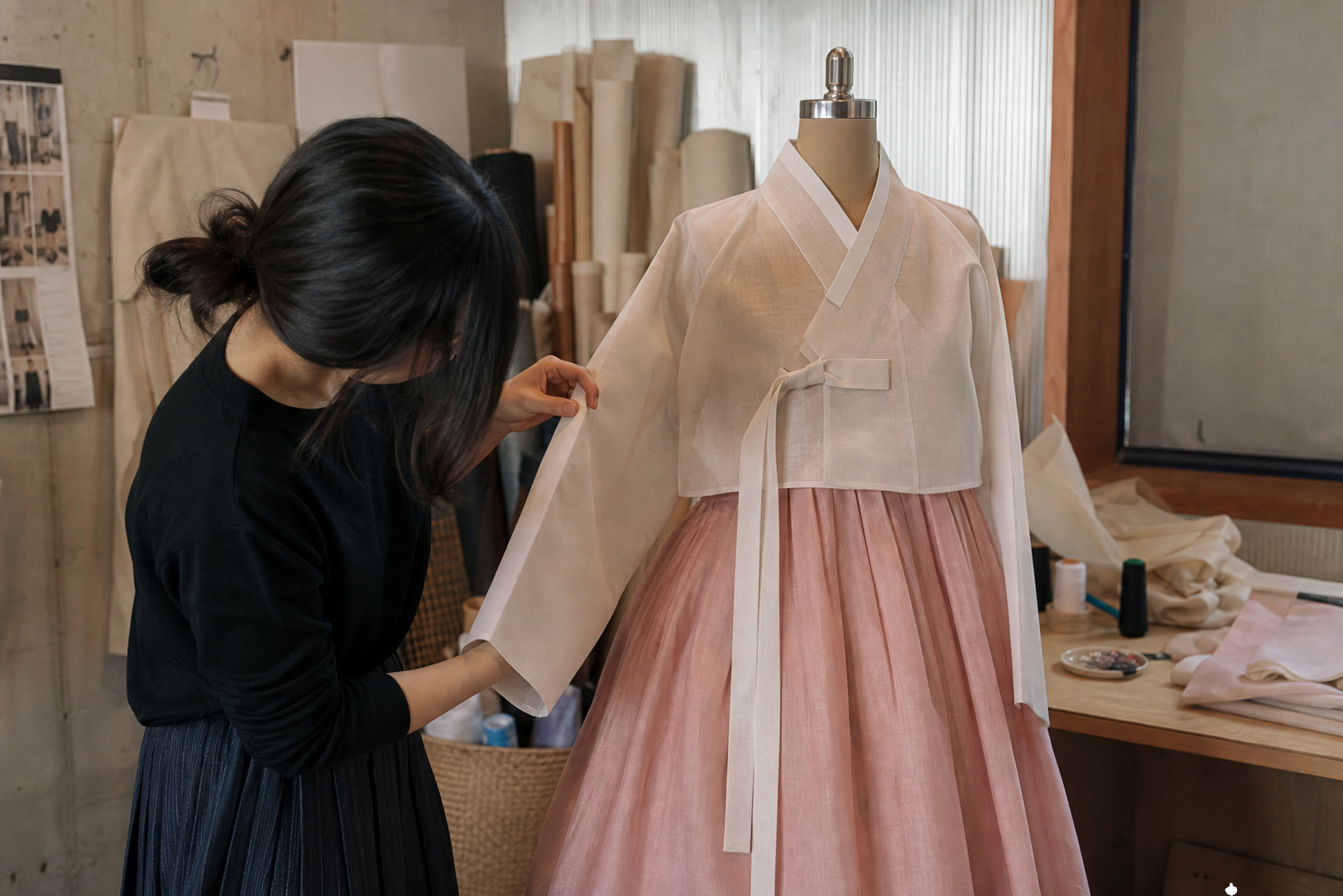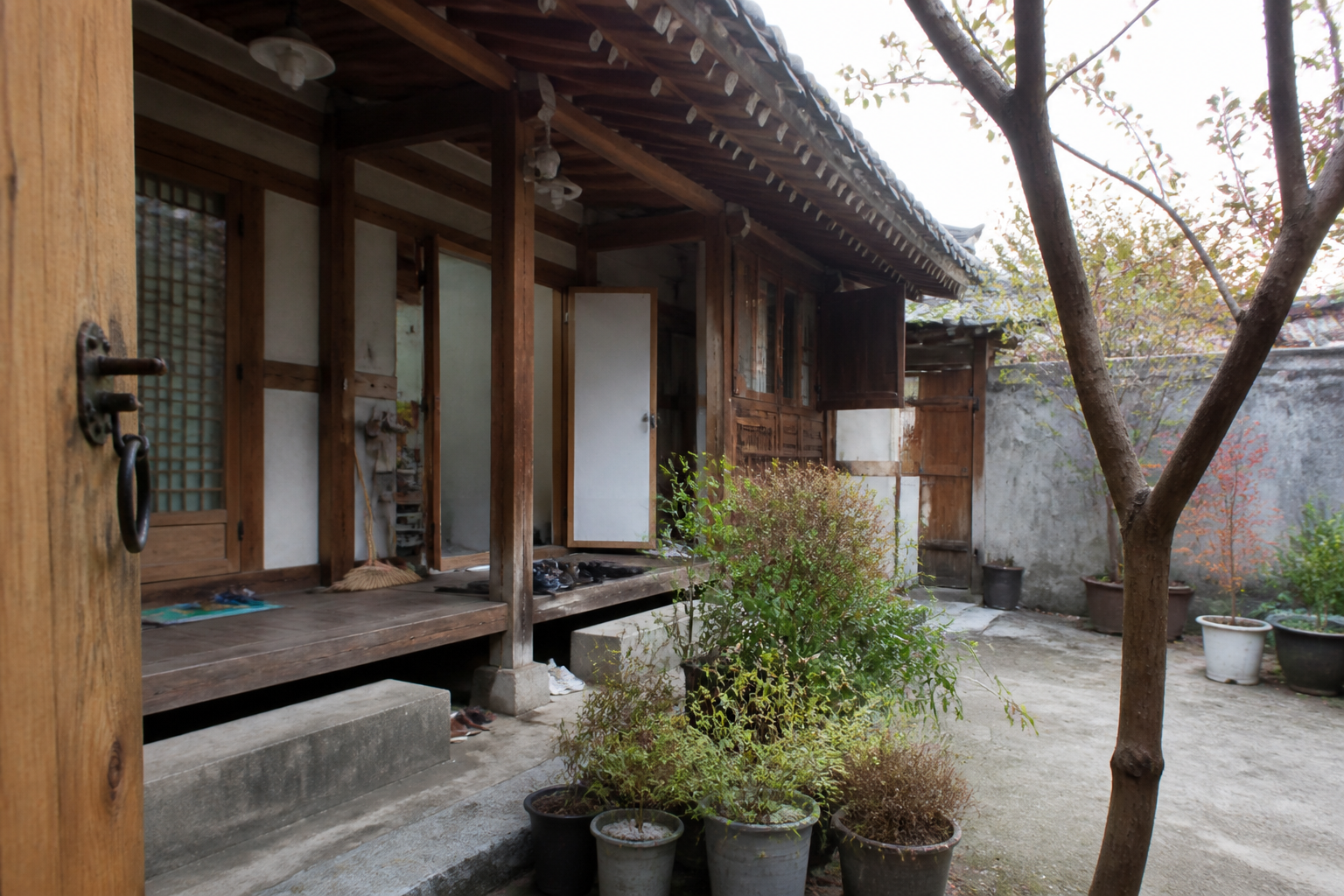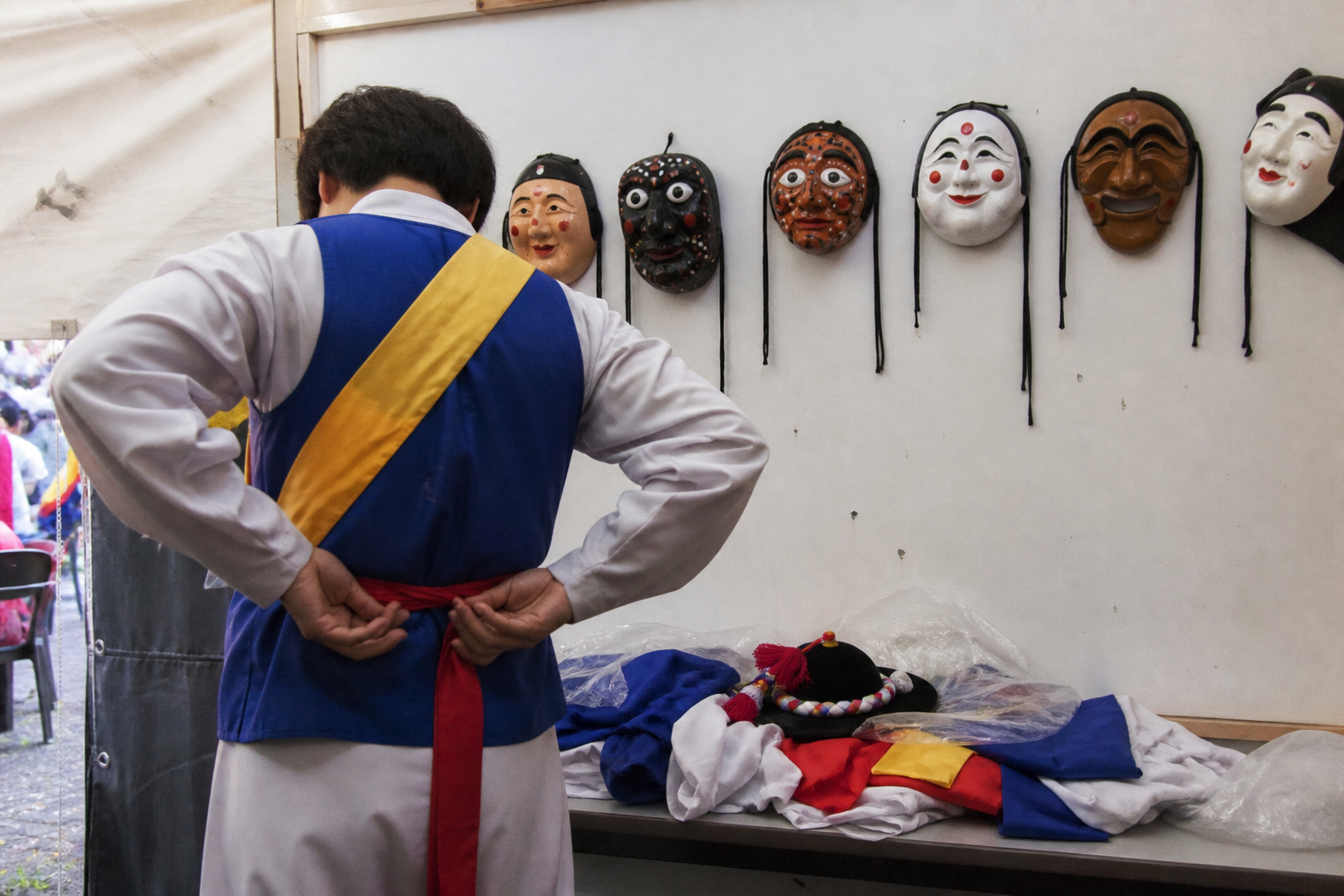
Stories and practices that are considered part of Korean folklore go back several thousand years. These tales derive from a variety of origins, including Korean Shamanism, Confucianism, Buddhism, and more recently Christianity. Many folk traditions developed in rural areas such as villages. They often relate to households and farming, and reinforce family and communal bonds. The performance of folk tales reflects this, with performers often encouraging and eliciting audience involvement. Traditions and stories were passed down orally, although written examples appear beginning in the 5th century. While many traditions have become less practiced or modernized, folklore remains deeply embedded in Korean society, continuing to influence fields such as religion, stories, art, and customs.
Read the fixed source
Follow the exact revision used for this summary, or open its history to see the contributors and later changes.
Text source & license
Adapted and shortened by SEOULIAN from the linked fixed revision; no change in factual meaning is intended. Source: Wikipedia contributors. This adapted summary is shared under CC BY-SA 4.0.
Image attribution
Title: Korean folklore — SEOULIAN Imagegen editorial photograph
Author: SEOULIAN with ChatGPT Image Generation
Source: SEOULIAN imagegen editorial photo
License: SEOULIAN AI-generated editorial image
AI-generated editorial illustration created with ChatGPT Image Generation; illustrative and not documentary evidence.