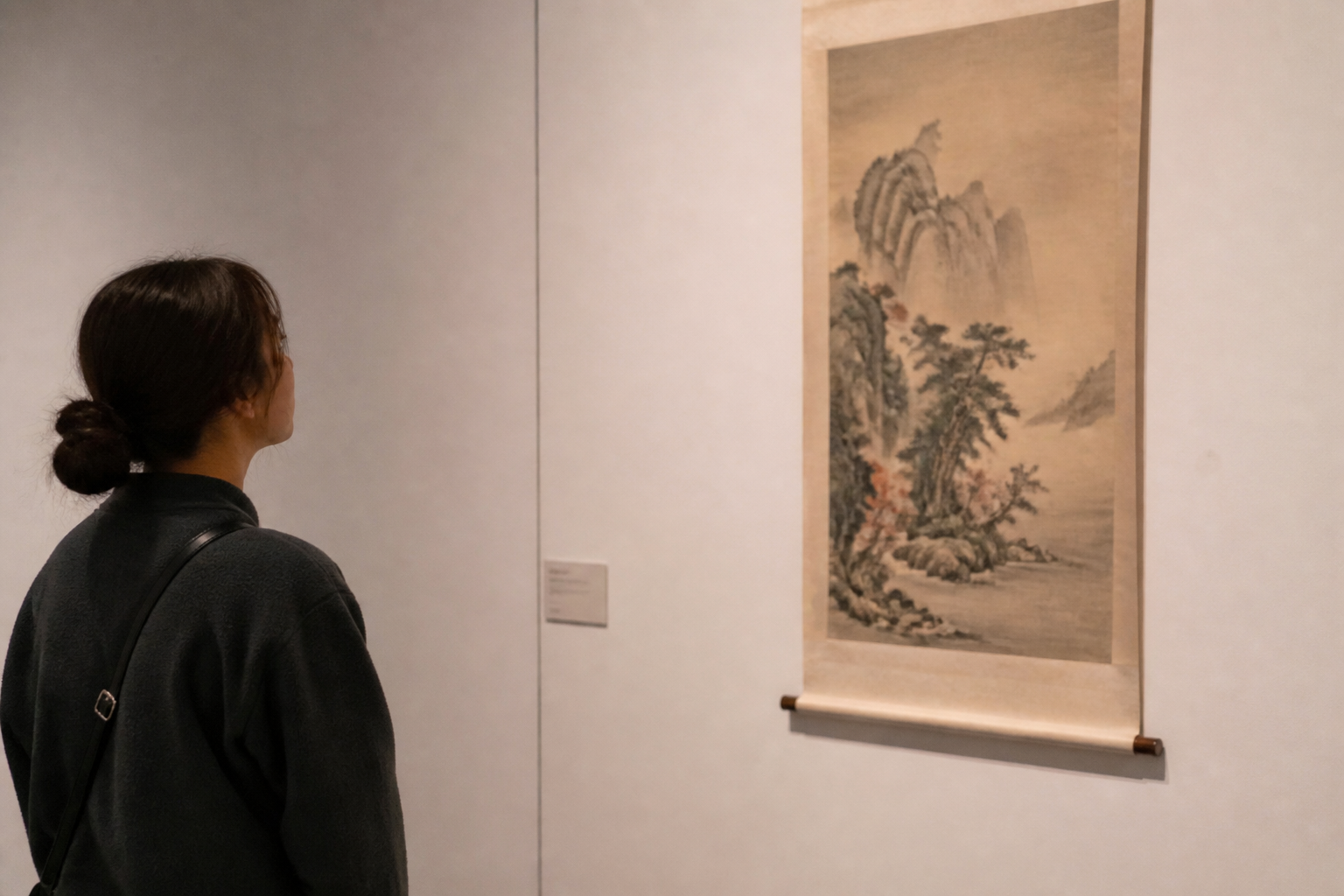
Korean painting (Korean: 한국화) includes paintings made in Korea or by overseas Koreans on all surfaces. The earliest surviving Korean paintings are murals in the Goguryeo tombs, of which considerable numbers survive, the oldest from some 2,000 years ago (mostly now in North Korea), with varied scenes including dancers, hunting and spirits. It has been hypothesized the Takamatsuzuka Tomb in Japan, from the 7th-century end of the Goguryeo period, has paintings with Goguryeo influence, either done by Goguryeo artists, or Japanese one trained by Goguryeo people. Painting in the Goryeo period (918–1392) was dominated by Buddhist scroll paintings, adapting Chinese styles; about 160 survive from the period. In this period the royal artist's school or academy, the Dohwaseo was established, with examinations for artists and run by bureaucrats of the court. Around the start of the Joseon period (1392–1897), the largely monochrome ink-wash painting tradition already long-established in China was introduced, and has remained an important strand in Korean and Japanese painting, with the local version of the shan shui style of mountain landscape painting as important as in China.
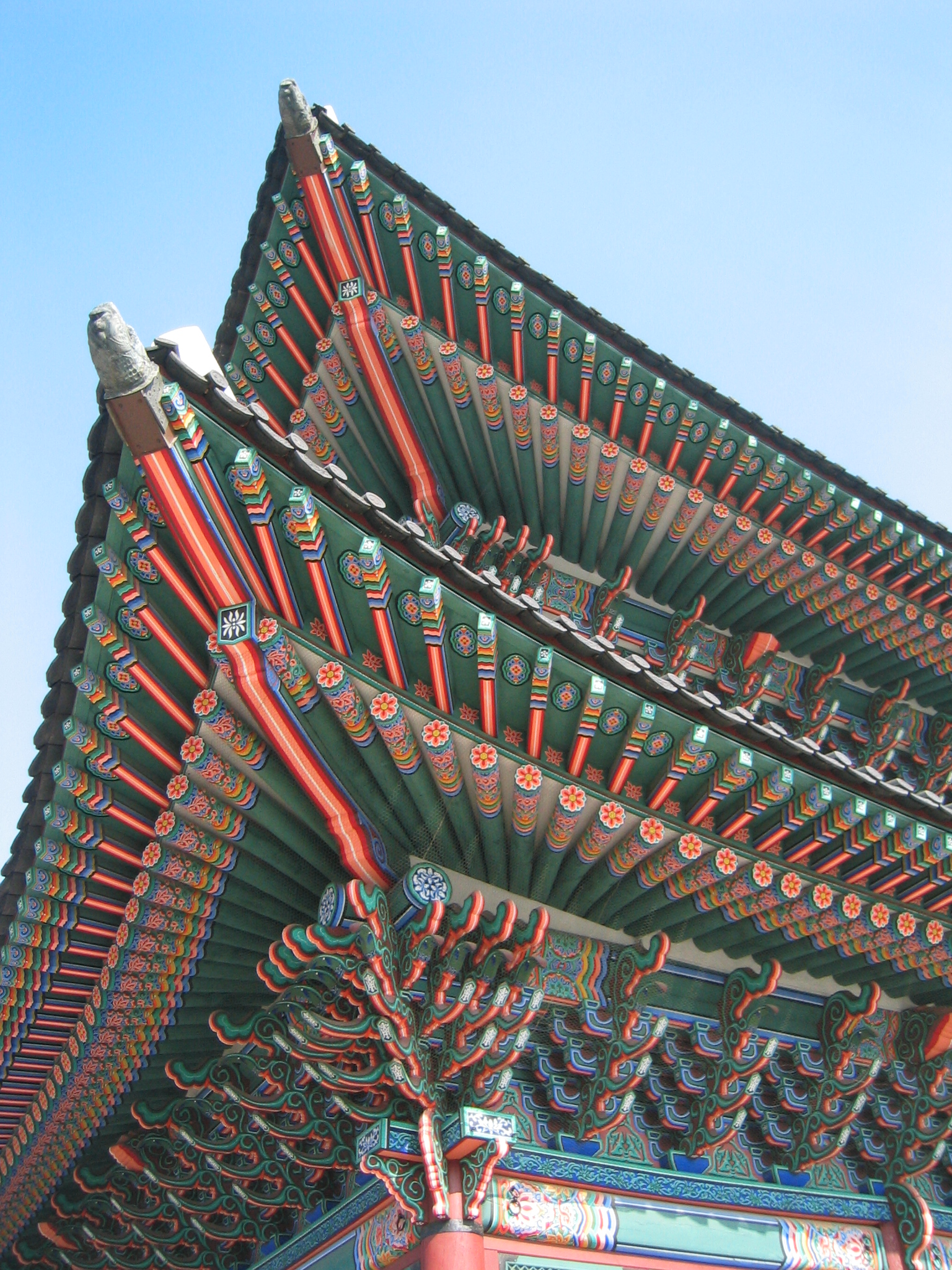
Thereafter Korean painting including different traditions, of monochromatic works of black brushwork, sometimes by amateurs, professional works with colour, including many genre scenes, and animal and bird-and-flower painting, and colourful folk art called minhwa, as well as a continuing tradition of Buddhist devotional scrolls called taenghwa, ritual arts, tomb paintings, and festival arts which had extensive use of colour. This distinction was often class-based: scholars, particularly in Confucian art felt that one could see colour in monochromatic paintings within the gradations and felt that the actual use of colour coarsened the paintings, and restricted the imagination. Korean folk art, and painting of architectural frames was seen as brightening certain outside wood frames, and again within the tradition of Chinese architecture, and the early Buddhist influences of profuse rich halos and primary colours inspired by Indian art. Korean painters in the post-1945 period have assimilated some of the approaches of the west. Certain European artists with thick impasto technique and foregrounded brushstrokes captured the Korean interest first.
Read the fixed source
Follow the exact revision used for this summary, or open its history to see the contributors and later changes.
Text source & license
Adapted and shortened by SEOULIAN from the linked fixed revision; no change in factual meaning is intended. Source: Wikipedia contributors. This adapted summary is shared under CC BY-SA 4.0.
Image attribution
Title: Korean painting — SEOULIAN Imagegen editorial photograph
Author: SEOULIAN with ChatGPT Image Generation
Source: SEOULIAN imagegen editorial photo
License: SEOULIAN AI-generated editorial image
AI-generated editorial illustration created with ChatGPT Image Generation; illustrative and not documentary evidence.