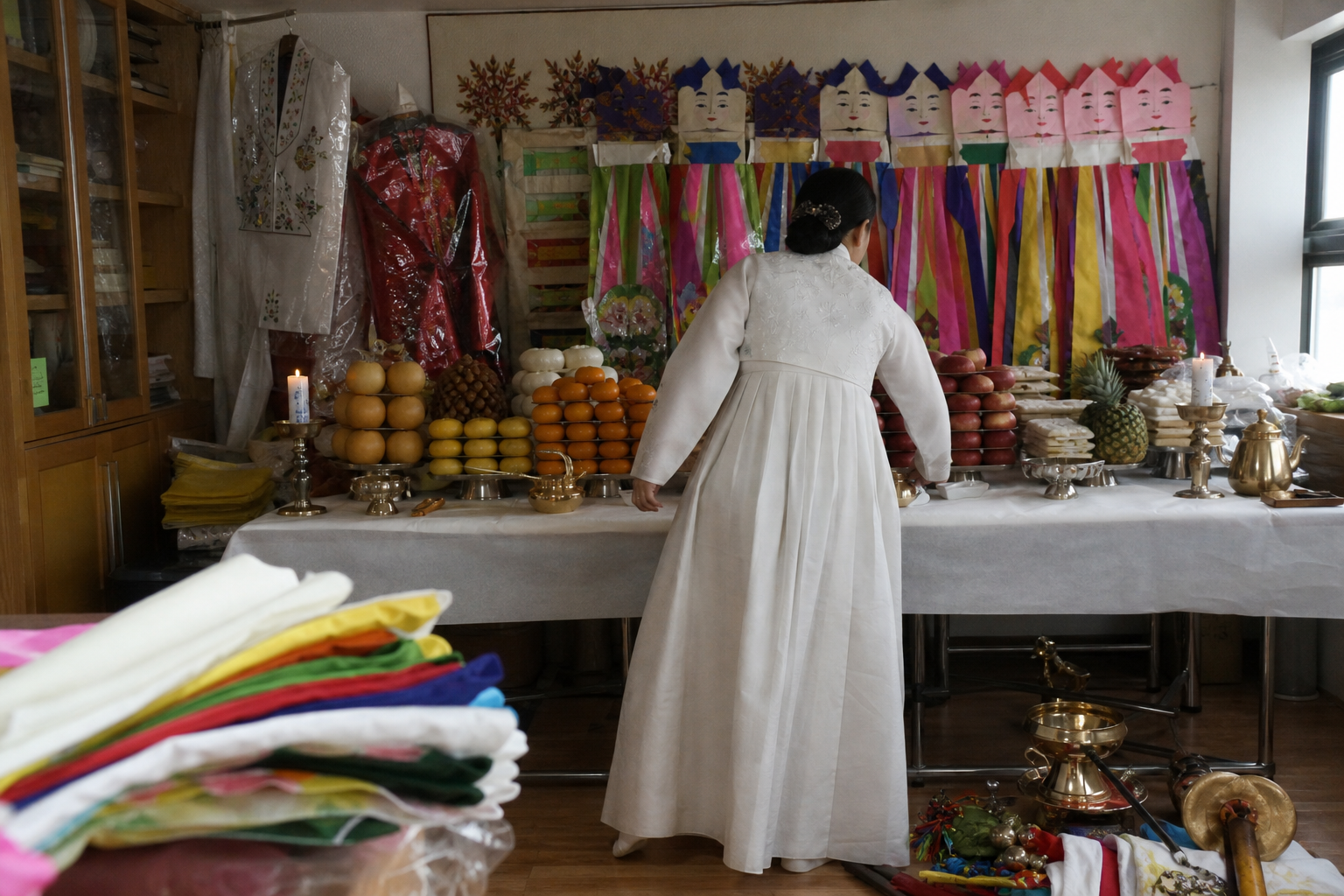
Korean shamanism, also known as Musok (Korean: 무속; Hanja: 巫俗), is a religion from Korea. Scholars of religion classify it as a folk religion and sometimes regard it as one facet of a broader Korean vernacular religion distinct from Buddhism, Daoism, and Neo-Confucianism. There is no central authority in control of Musok, with much diversity of belief and practice evident among practitioners. A polytheistic religion, Musok revolves around gods and ancestral spirits. Central to the tradition are ritual specialists, the majority of them female, called mudang (무당; 巫堂). In English they have sometimes been called "shamans", although the accuracy of this term is debated among anthropologists. The mudang serve as mediators between humans and the supernatural world. They also perform gut rituals, during which they offer food and drink to the gods and spirits or entertain them with storytelling, song, and dance. Gut may take place in a private home or in a guttang shrine, often located on a mountain. The mudang divide into regional sub-types, the largest being the mansin or kangsin-mu, historically dominant in Korea's northern regions, whose rituals involve them being personally possessed by deities or ancestral spirits. Another type is the sesŭp-mu of eastern and southern regions, whose rituals entail spirit mediumship but not possession. The origins of Musok are unclear but According to historical records, it existed at least as early as the 1st century BCE, and the second king of Silla was a mudang. During the Joseon period, Confucian elites suppressed the mudang with taxation and legal restrictions, deeming their rites to be improper. From the late 19th century, modernisers – many of them Christian – characterised Musok as misin (superstition) and supported its suppression. During the Japanese occupation of the early 20th century, nationalistically oriented folklorists began promoting the idea that Musok represented Korea's ancient religion and a manifestation of its national culture; an idea later heavily promoted by mudang themselves. In the mid-20th century, persecution of mudang continued in North Korea and through the New Community Movement in South Korea.
Read the fixed source
Follow the exact revision used for this summary, or open its history to see the contributors and later changes.
Text source & license
Adapted and shortened by SEOULIAN from the linked fixed revision; no change in factual meaning is intended. Source: Wikipedia contributors. This adapted summary is shared under CC BY-SA 4.0.
Image attribution
Title: Korean shamanism — SEOULIAN Imagegen editorial photograph
Author: SEOULIAN with ChatGPT Image Generation
Source: SEOULIAN imagegen editorial photo
License: SEOULIAN AI-generated editorial image
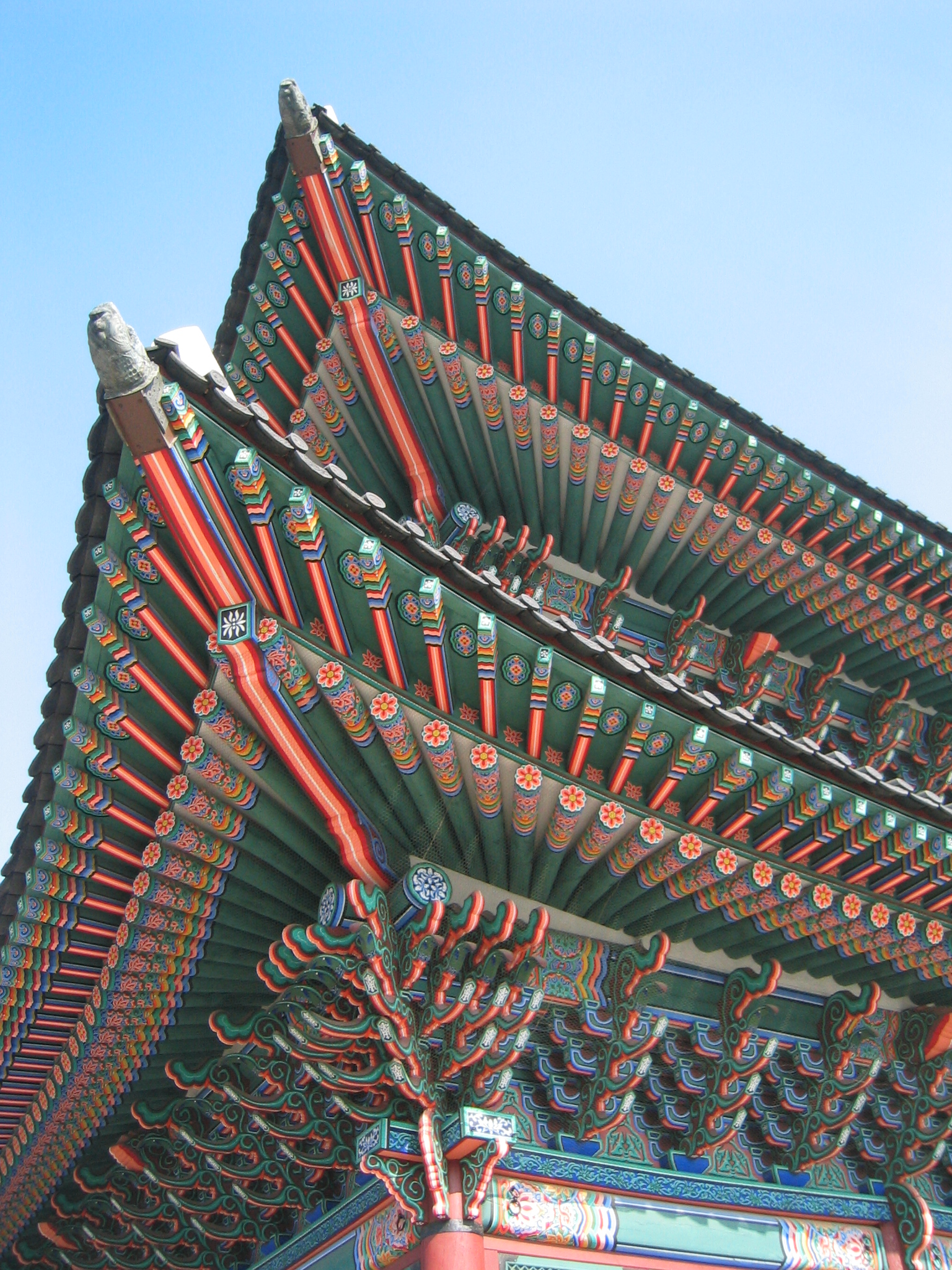
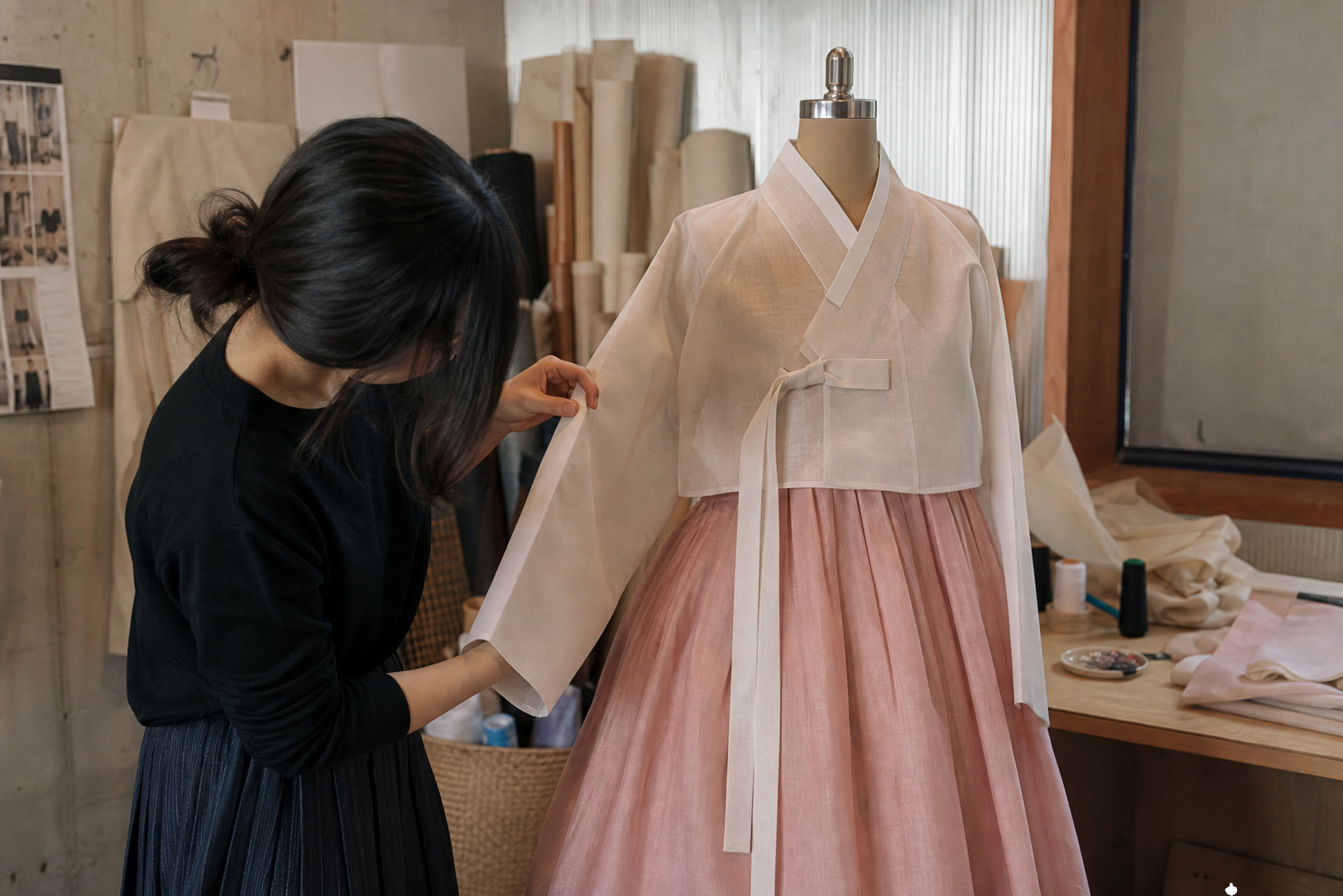
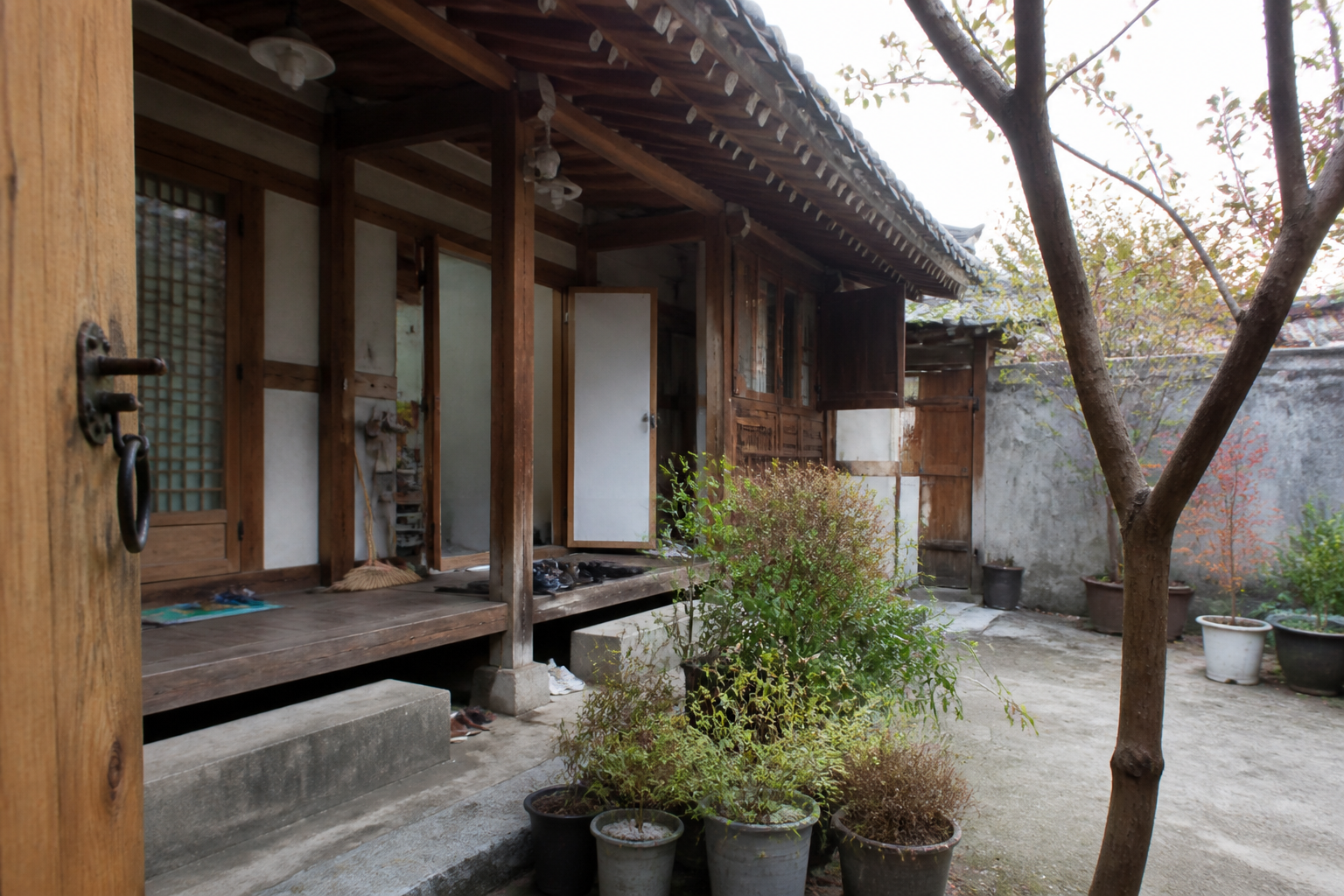
AI-generated editorial illustration created with ChatGPT Image Generation; illustrative and not documentary evidence.