Search SEOULIAN

Search all published stories and U.S. event guides. Press Search or Enter.

SEOULIAN desk · CULTURE

How Korea makes meaning.

K-pop, cinema, drama, art, language, living heritage, and the cultural systems Korea shares with the world.

141 published stories in this section.

More Culture

131 stories · Page 6 of 6

A Wikimedia Commons image illustrating Korean literature

Korean literature

Korean literature is the body of literature produced by Koreans, mostly in the Korean language and sometimes in Classical Chinese. For much of Korea's 1,500 years of literary history, it was written in Hanja. It is commonly divided into classical and modern periods, although this distinction is sometimes unclear.

Read the brief
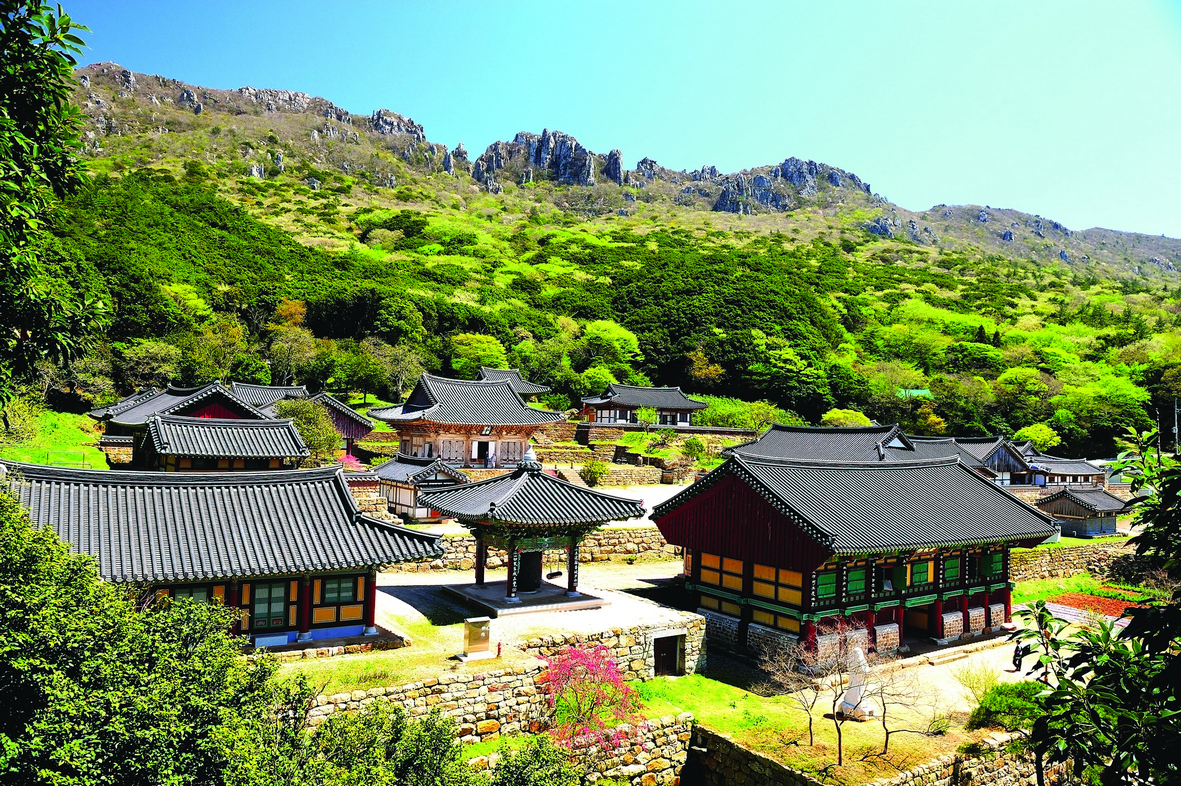
A Wikimedia Commons image illustrating Templestay

Templestay

Templestay (Korean: 템플스테이) is a cultural program offered in numerous South Korean Buddhist temples. Templestay allows participants to experience the life of Buddhist practitioners and learn the various aspects of Korean Buddhist culture and history through stories told by monks.

Read the brief
A natural AI-generated SEOULIAN editorial photograph illustrating Dansaekhwa

Dansaekhwa

Dansaekhwa (Korean: 단색화, hanja 單色畵, also known as Tansaekhwa), often translated as "monochrome painting" from Korean, is a retroactive term grouping together disparate artworks that were exhibited in South Korea beginning in the mid 1970s.

Read the brief
A natural AI-generated SEOULIAN editorial photograph illustrating Arirang

Arirang

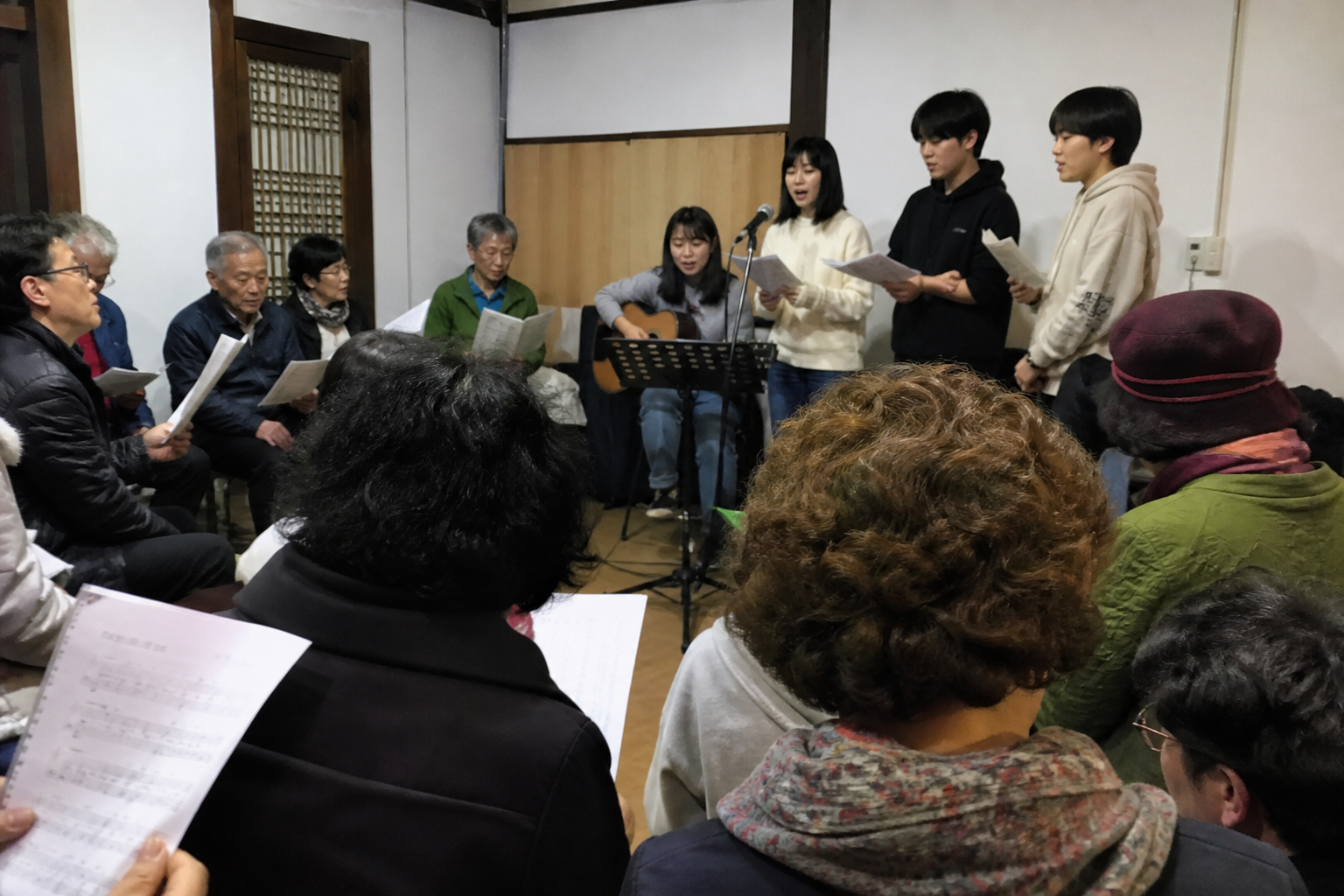
"Arirang" (Korean: 아리랑; pronounced [a.ɾi.ɾaŋ]) is a Korean folk song. There are about 3,600 variations of 60 different versions of the song, all of which include a refrain similar to "arirang, arirang, arariyo" ("아리랑, 아리랑, 아라리요"). It is estimated that the song is more than 600 years old.

Read the brief
A Wikimedia Commons image illustrating Samul nori

Samul nori

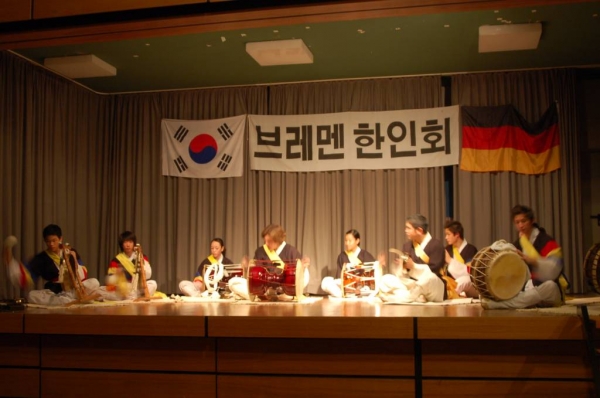
Samul nori (Korean: 사물놀이; lit. 'four objects play') is a genre of Korean percussion music. It is a modern adaptation of traditional Korean musics, namely the ritual farming music nongak and Korean shamanic music muak, for the indoor stage.

Read the brief
A natural AI-generated SEOULIAN editorial photograph illustrating Pungmul

Pungmul

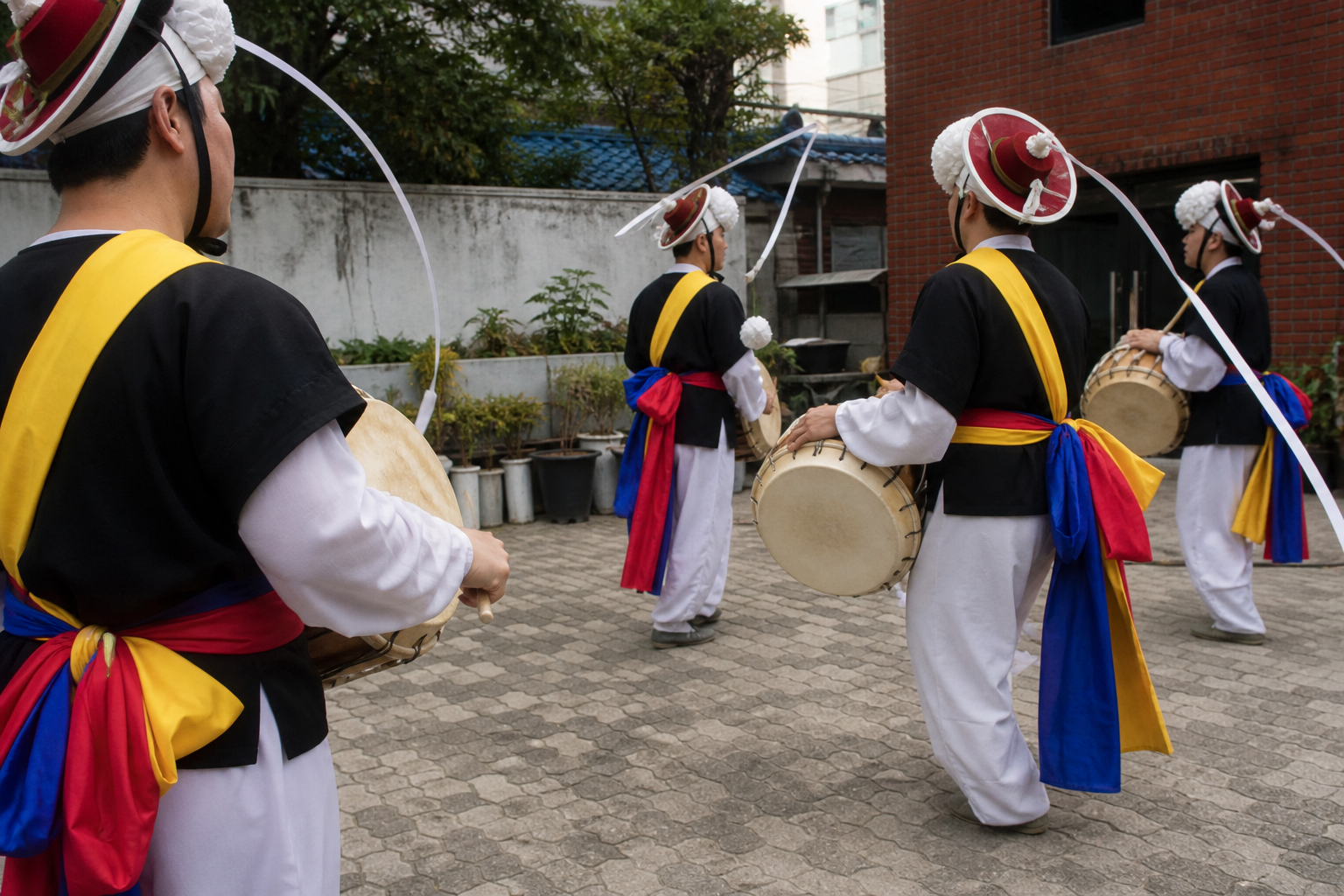
Pungmul (Korean: 풍물; Hanja: 風物; IPA: [pʰuːŋmul]) is a Korean folk music tradition that includes drumming, dancing, and singing. Most performances are outside, with dozens of players all in constant motion. Pungmul is rooted in the dure (collective labor) farming culture.

Read the brief
A Wikimedia Commons image illustrating The Cloud Dream of the Nine

The Cloud Dream of the Nine

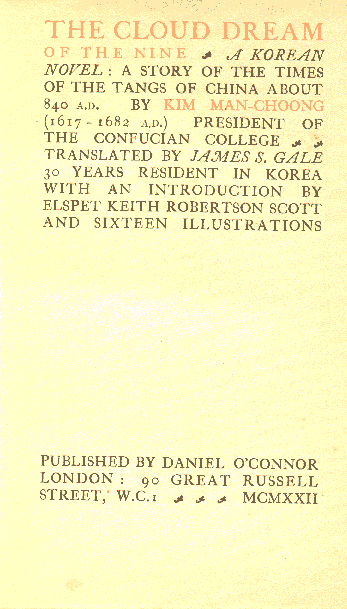
The Cloud Dream of the Nine, also translated as The Nine Cloud Dream (Korean: 구운몽; Hanja: 九雲夢; RR: Kuunmong), is a 17th-century Korean novel set in the Chinese Tang dynasty. Although widely attributed to Kim Man-jung, there have been some arguments about whether he was the original author.

Read the brief
A Wikimedia Commons image illustrating Hong Gildong jeon

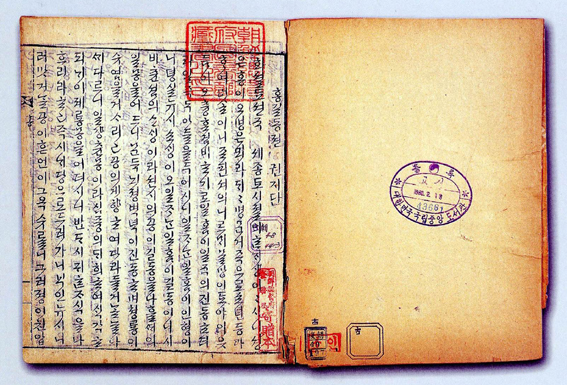
Hong Gildong jeon

Hong Gildong jeon (Korean: 홍길동전; Hanja: 洪吉童傳) is a Korean novel, often translated as The Biography of Hong Gildong, written during the Joseon period. The novel is considered an iconic piece of Korean literature and culture. Its authorship has traditionally been attributed to Joseon statesman, Hŏ Kyun, though recent scholarship has called this into question.

Read the brief
A natural AI-generated SEOULIAN editorial photograph illustrating Hunminjeongeum Haerye

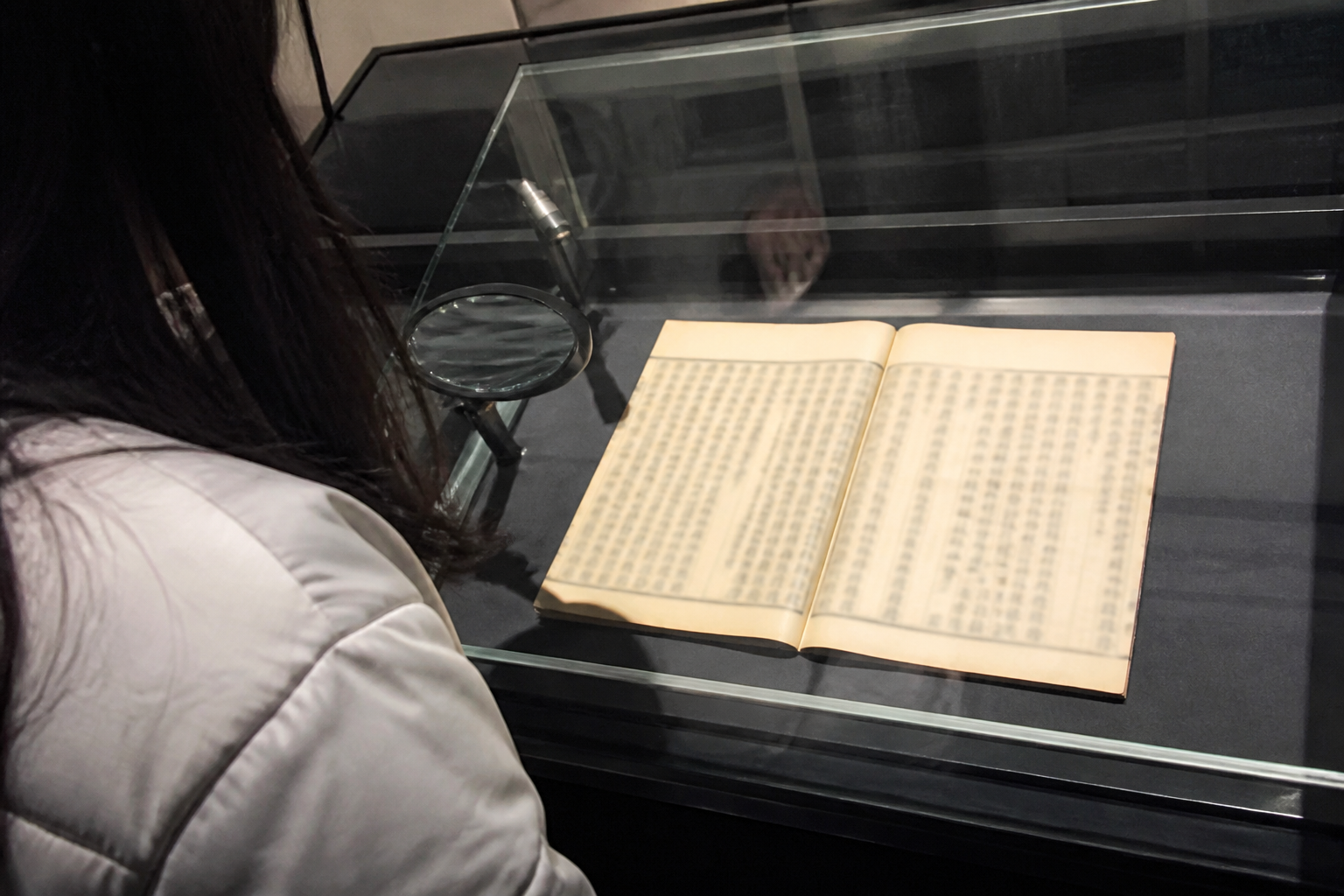
Hunminjeongeum Haerye

Hunminjeongeum Haerye (Korean: 훈민정음 해례; Hanja: 訓民正音解例), or simply Haerye, refers to either a commentary section on the text Hunminjeongeum or to copies of the Hunminjeongeum that contain the commentary section. The Hunminjeongeum and commentary were published together as a single text around October 1446 (Gregorian calendar).

Read the brief
A Wikimedia Commons image illustrating Samguk sagi

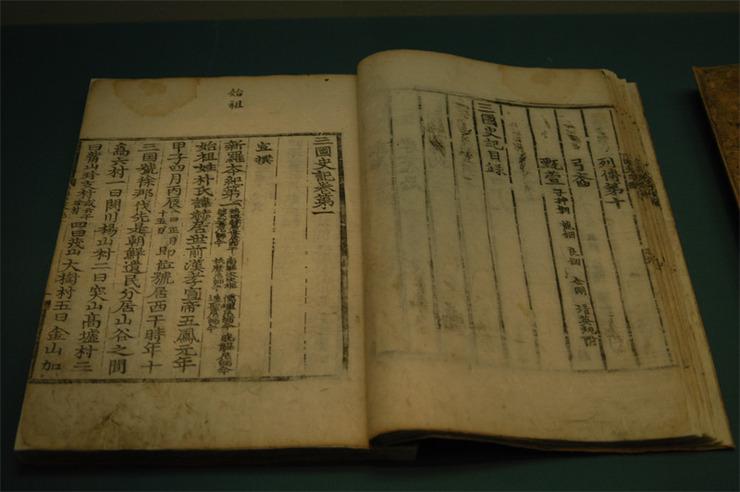
Samguk sagi

Samguk sagi (Korean: 삼국사기; Hanja: 三國史記; lit. 'History of the Three Kingdoms') is a historical record of the Three Kingdoms of Korea: Goguryeo, Baekje, and Silla. This copy is significant in that it was the first book ever to be compiled by a Korean government. Completed in 1145, it is well-known in Korea as the oldest surviving chronicle of Korean history.

Read the brief
A Wikimedia Commons image illustrating Samguk yusa

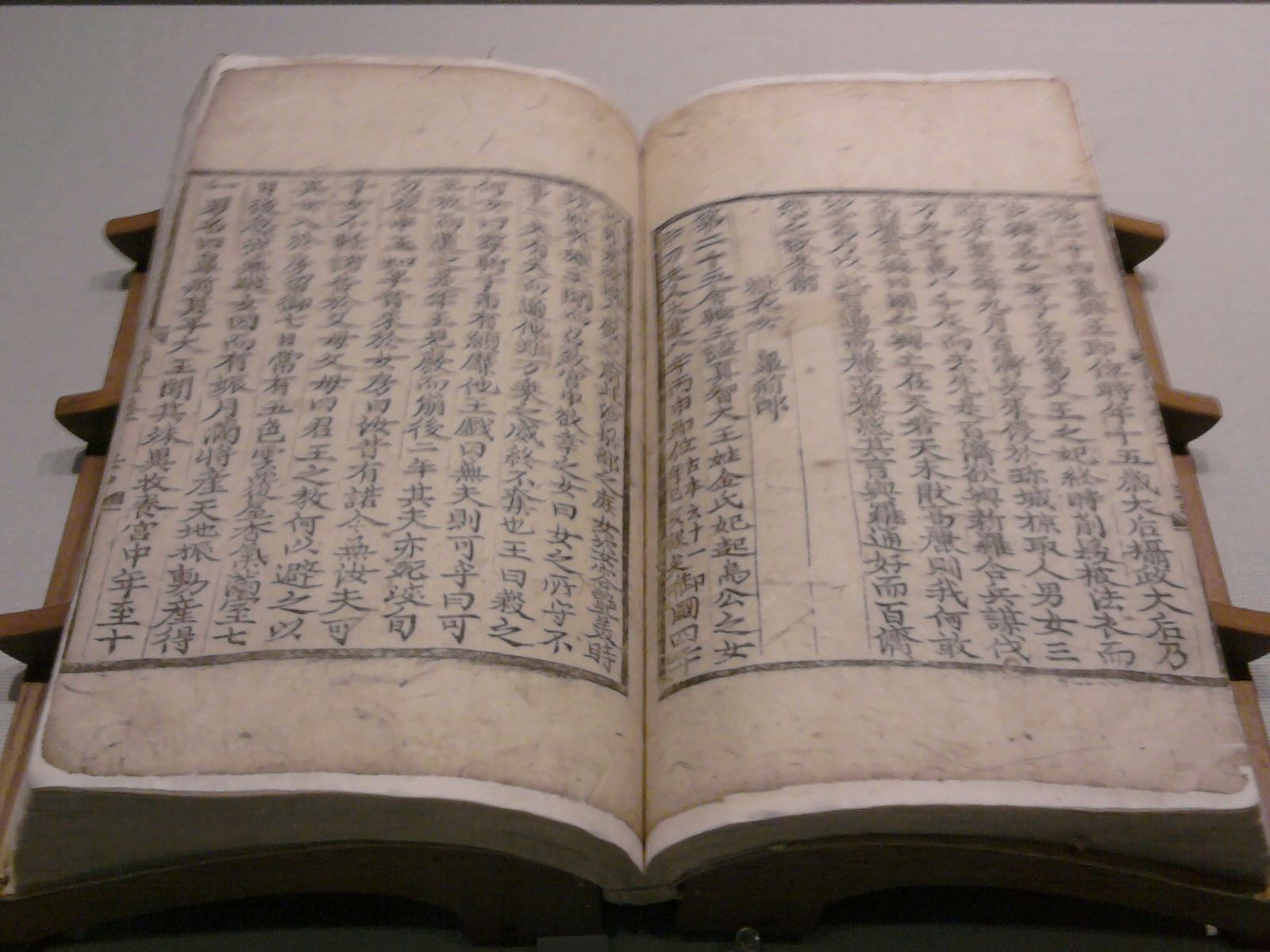
Samguk yusa

Samguk yusa (Korean: 삼국유사; Hanja: 三國遺事; lit. 'Memorabilia of the Three Kingdoms') Korean pronunciation: [sʰam.ɡuk̚.ju.sa]) is a collection of legends, folktales, and historical accounts relating to the Three Kingdoms of Korea (Goguryeo, Baekje, and Silla), as well as to other periods and states before, during, and after the Three Kingdoms period.

Read the brief