Search SEOULIAN

Search all published stories and U.S. event guides. Press Search or Enter.

SEOULIAN desk · CULTURE

How Korea makes meaning.

K-pop, cinema, drama, art, language, living heritage, and the cultural systems Korea shares with the world.

141 published stories in this section.

More Culture

131 stories · Page 5 of 6

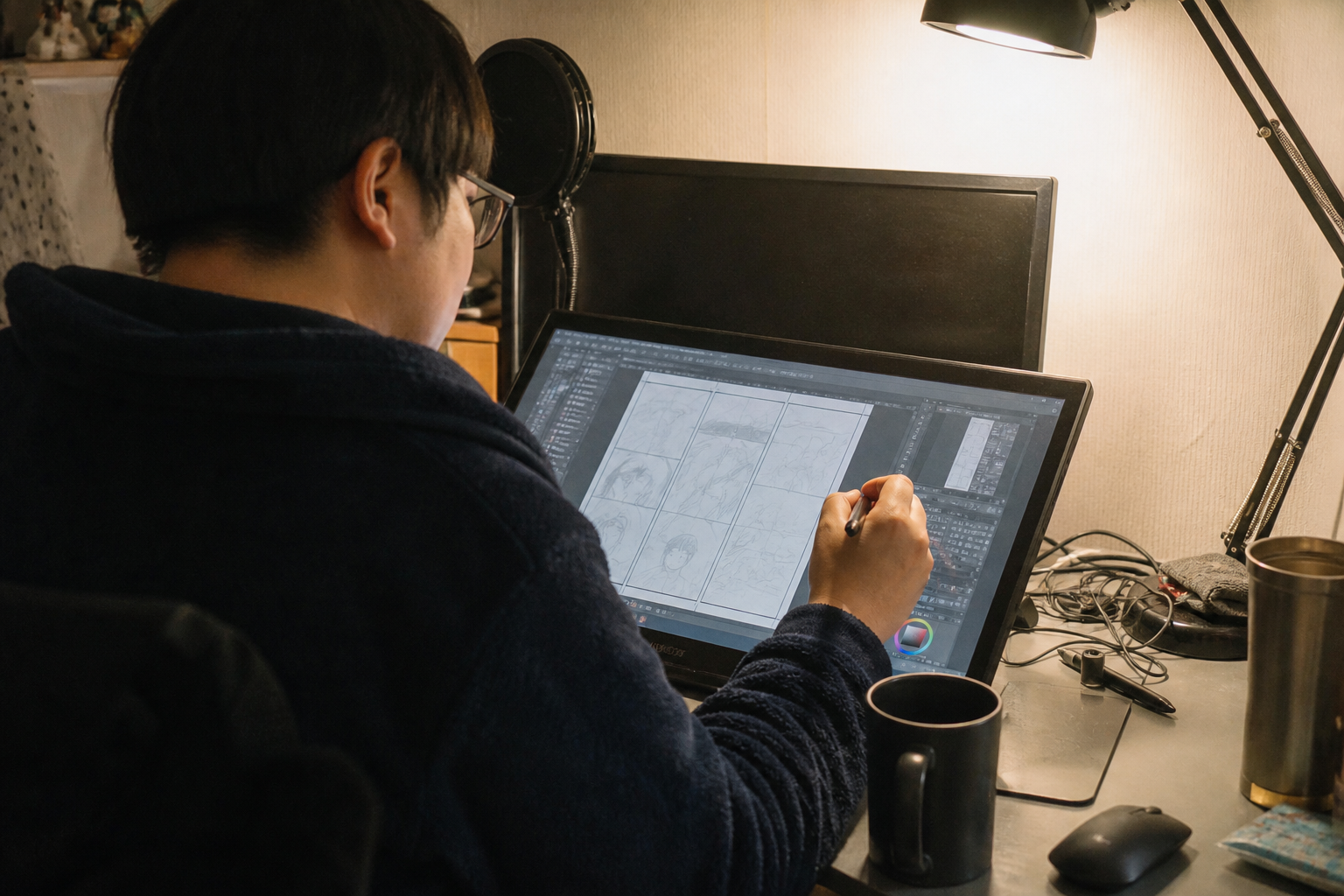
A natural AI-generated SEOULIAN editorial photograph illustrating Webtoon

Webtoon

Webtoons (Korean: 웹툰; RR: Weptun) are a type of episodic digital comics that originated in South Korea usually meant to be read on smartphones. While webtoons were mostly unknown outside of South Korea during their inception, there has been a surge in popularity internationally thanks to the easy online accessibility and variety of free digital comics.

Read the brief
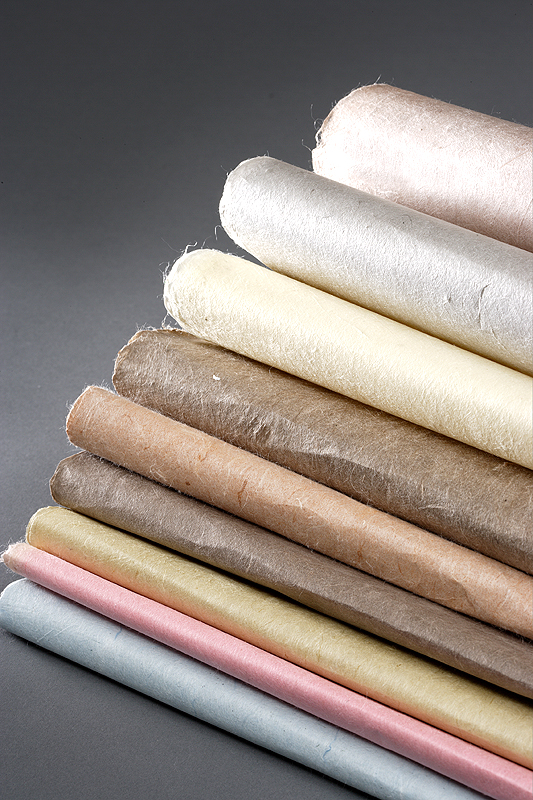
A Wikimedia Commons image illustrating Korean paper

Korean paper

Korean paper or hanji (Korean: 한지) is traditional handmade paper from Korea. Hanji is made from the inner bark of the paper mulberry (Broussonetia papyrifera; 닥; dak), a tree native to Korea that grows well on its rocky mountainsides. Another crucial material used in its creation is the mucilage that oozes from the roots of Abelmoschus manihot.

Read the brief
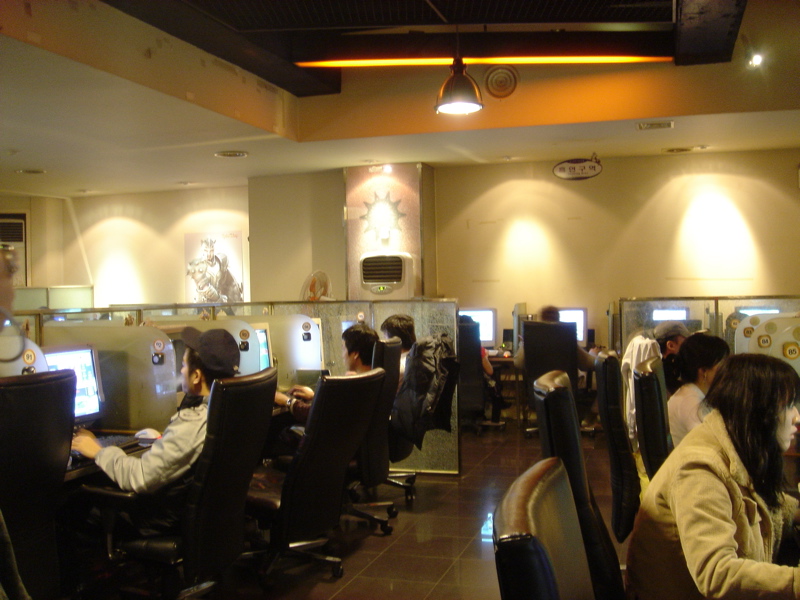
A Wikimedia Commons image illustrating PC bang

PC bang

A PC bang (Korean: PC방; lit. 'PC room') is a type of internet cafe or LAN gaming center in South Korea. Patrons can use computers, often to play video games in person with friends, for an hourly fee. Although the per capita penetration of personal computers and broadband internet access in South Korea is one of the highest in the world, PC bangs remain…

Read the brief
A Wikimedia Commons image illustrating Minhwa

Minhwa

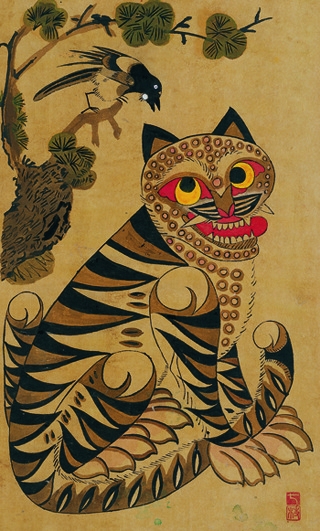
Minhwa (Korean: 민화; Hanja: 民畵) refers to Korean folk art produced mostly by itinerant or unknown artists without formal training, emulating contemporary trends in fine art for the purpose of everyday use or decoration. This type of painting was often the work of anonymous craftsmen who faithfully adhered to the styles, canons and genres inherited from the…

Read the brief
A natural AI-generated SEOULIAN editorial photograph illustrating Moon jar

Moon jar

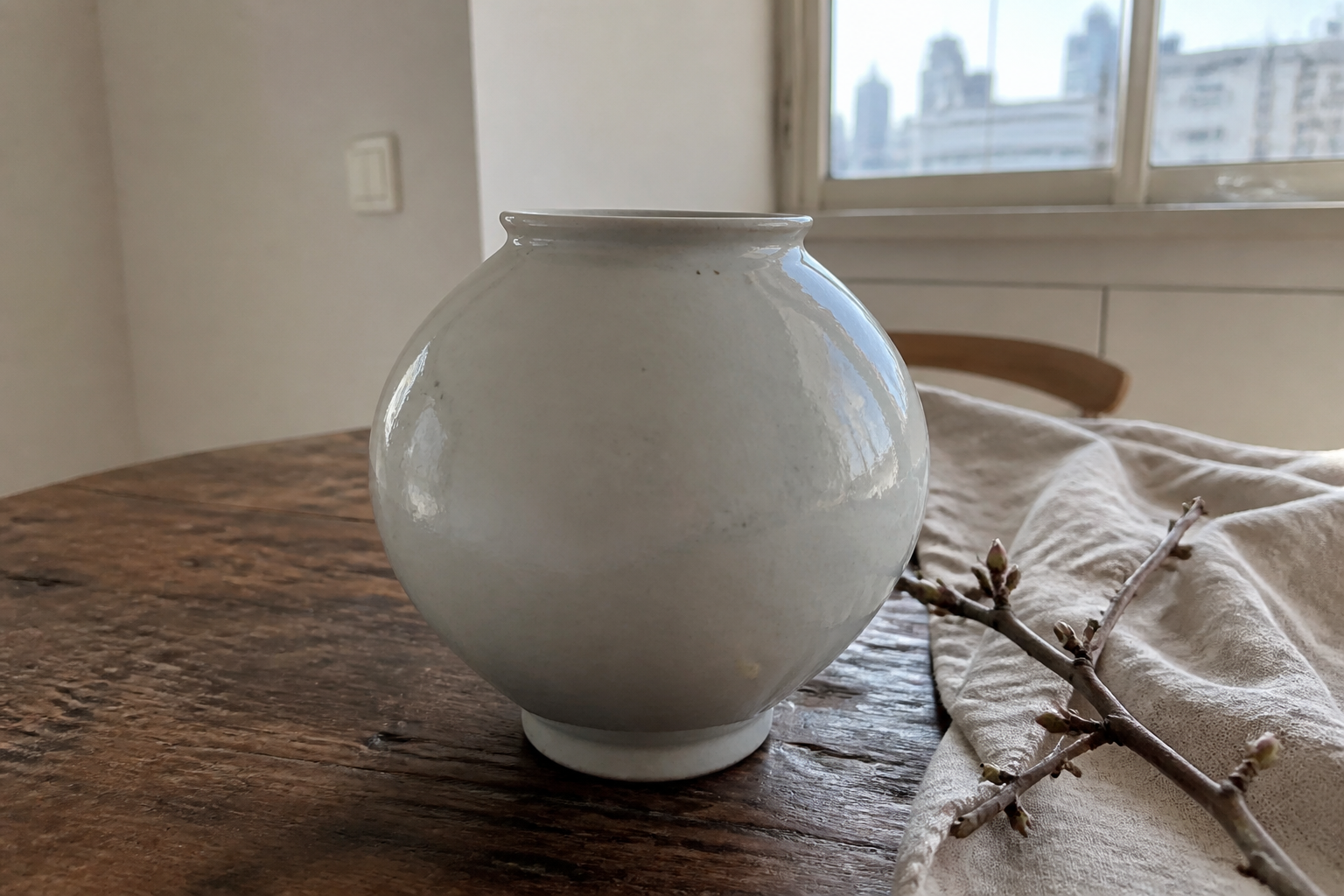
Moon jar is a type of traditional Korean white porcelain which was made during the Joseon dynasty (1392–1910). The Joseon white porcelain was adopted as imperial ware in the fifteenth century. Moon jars first appeared in the late seventeenth century and remained popular until the mid-eighteenth century.

Read the brief
A Wikimedia Commons image illustrating Chaekgeori

Chaekgeori

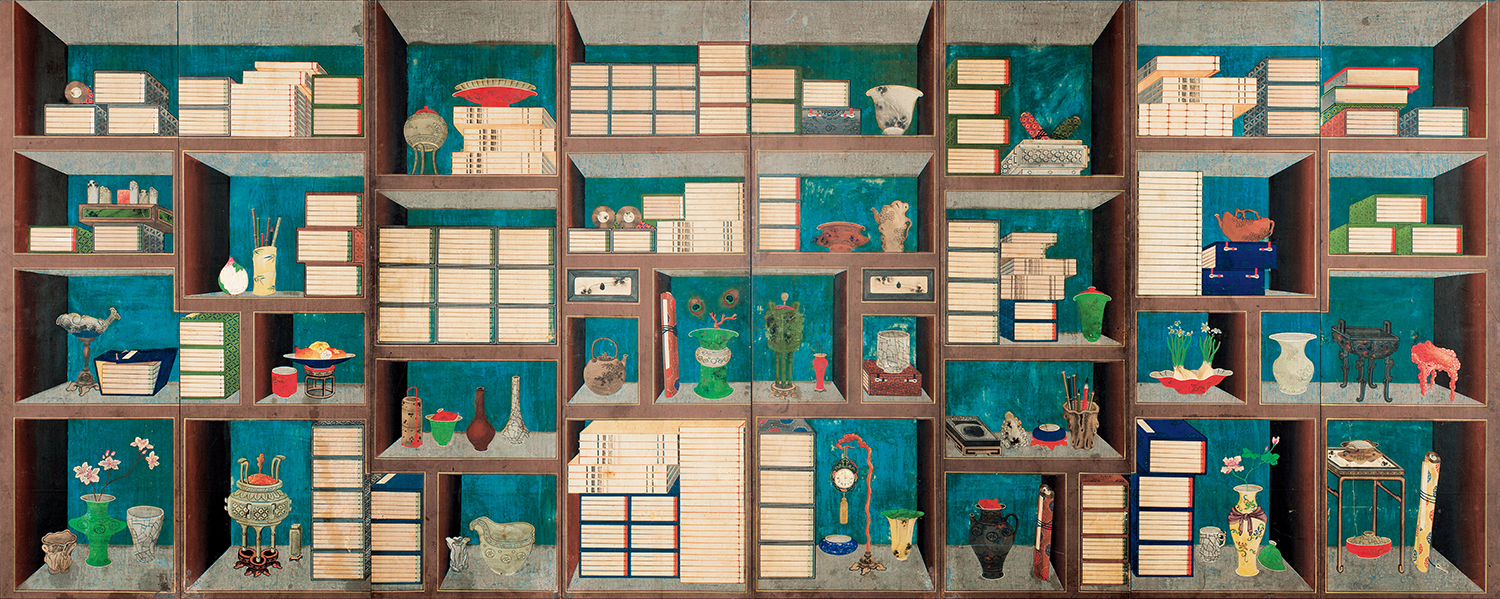
Chaekgeori (Korean: 책거리; Hanja: 冊巨里), translated as "books and things", is a genre of still-life painting from the Joseon period of Korea that features books as the dominant subject. The chaekgeori tradition flourished from the second half of the 18th century to the first half of the 20th century and was enjoyed by all members of the population, from the…

Read the brief
A Wikimedia Commons image illustrating Karaoke

Karaoke

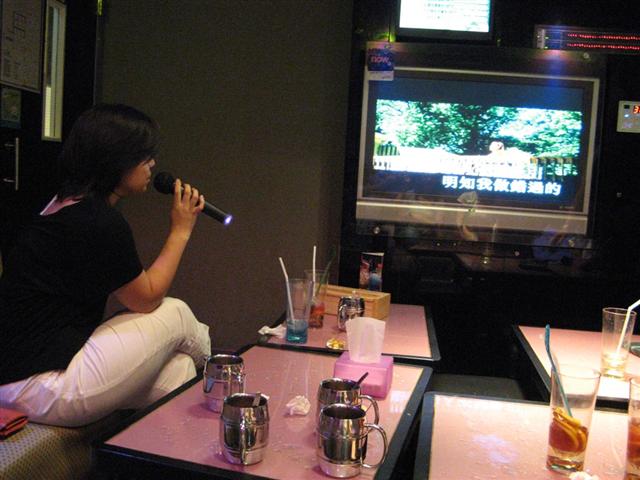
Karaoke (カラオケ) is a type of interactive entertainment system usually offered in nightclubs and bars, where people sing along to pre-recorded accompaniment using a microphone. Its musical content is an instrumental rendition of a well-known popular song.

Read the brief
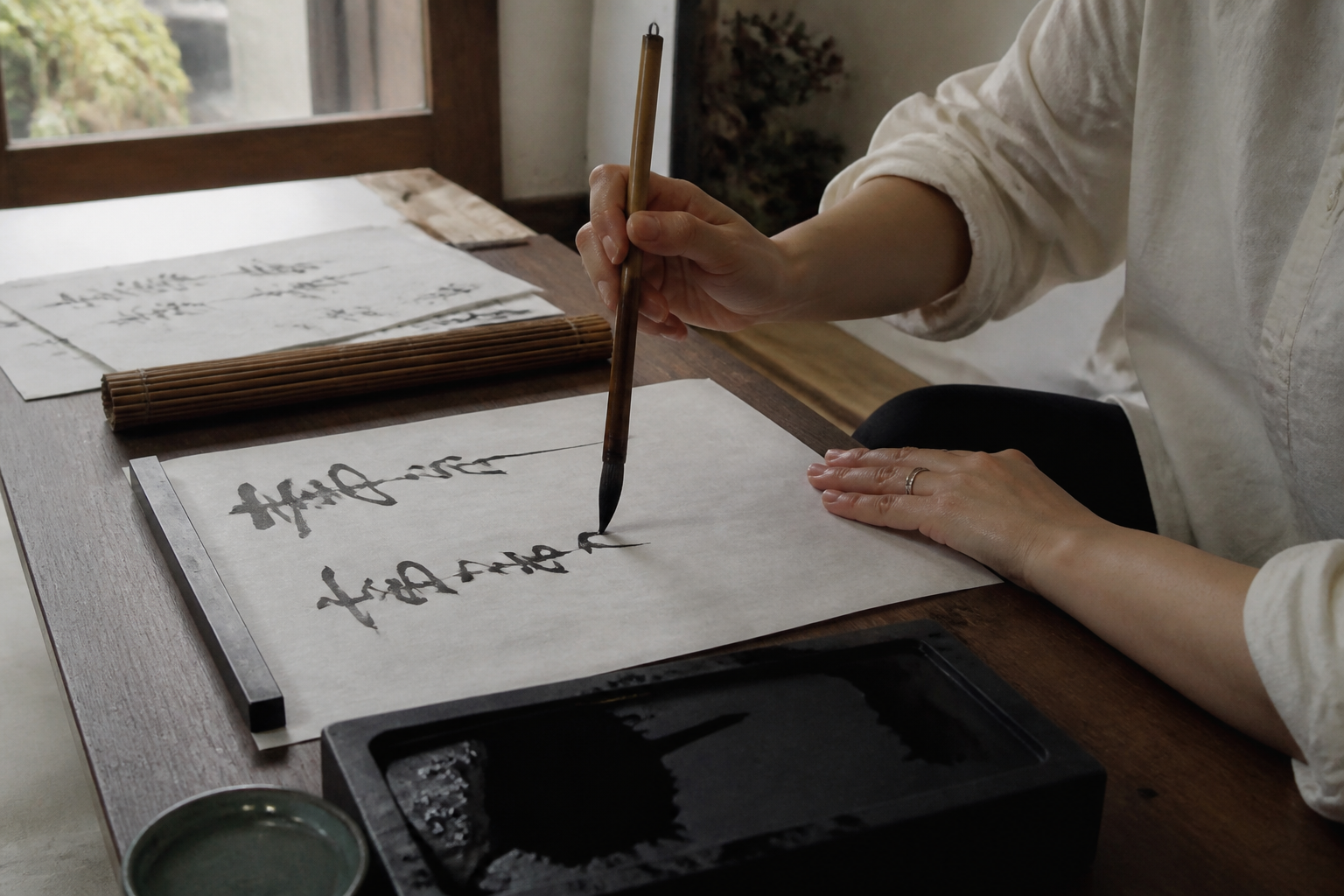
A natural AI-generated SEOULIAN editorial photograph illustrating Korean calligraphy

Korean calligraphy

Korean calligraphy, also known as Seoye (Korean: 서예), is the Korean tradition of artistic writing. Calligraphy in Korean culture involves both Hanja (Chinese logograph) and Hangul (Korean native alphabet). Early Korean calligraphy was exclusively in Hanja, or the Chinese-based logography first used to write the Korean language.

Read the brief
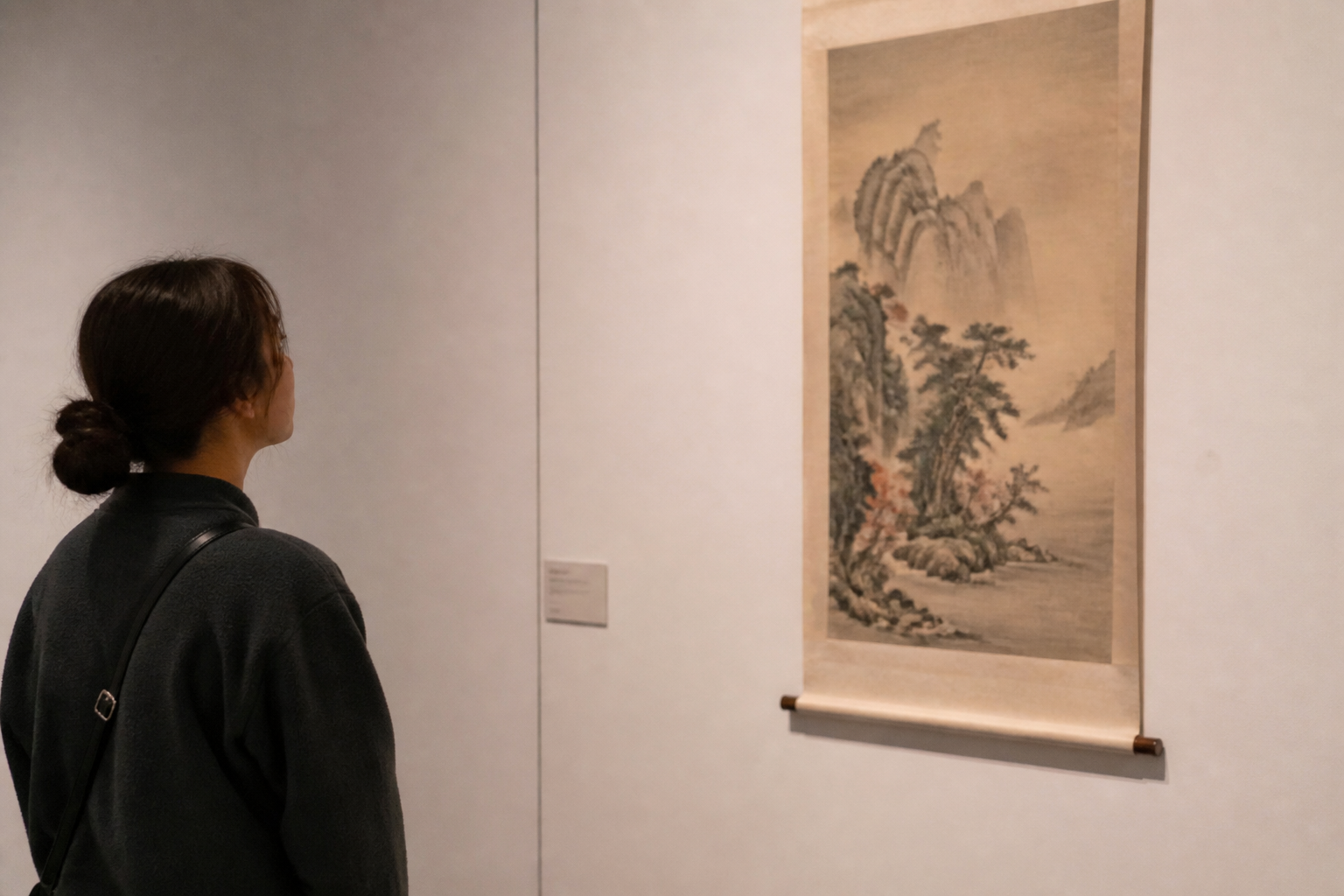
A natural AI-generated SEOULIAN editorial photograph illustrating Korean painting

Korean painting

Korean painting (Korean: 한국화) includes paintings made in Korea or by overseas Koreans on all surfaces. The earliest surviving Korean paintings are murals in the Goguryeo tombs, of which considerable numbers survive, the oldest from some 2,000 years ago (mostly now in North Korea), with varied scenes including dancers, hunting and spirits.

Read the brief
A natural AI-generated SEOULIAN editorial photograph illustrating South Korean beauty standards

South Korean beauty standards

South Korean beauty standards prioritize maintaining a youthful appearance rather than looking mature. A combination of clear skin, an even skin complexion, a slim, V-shaped jawline, and pronounced puffy aegyo-sal (fatty, bag-like deposits under the eye—common in children; rare in adults) contributes to a desirable youthful aesthetic and personal…

Read the brief
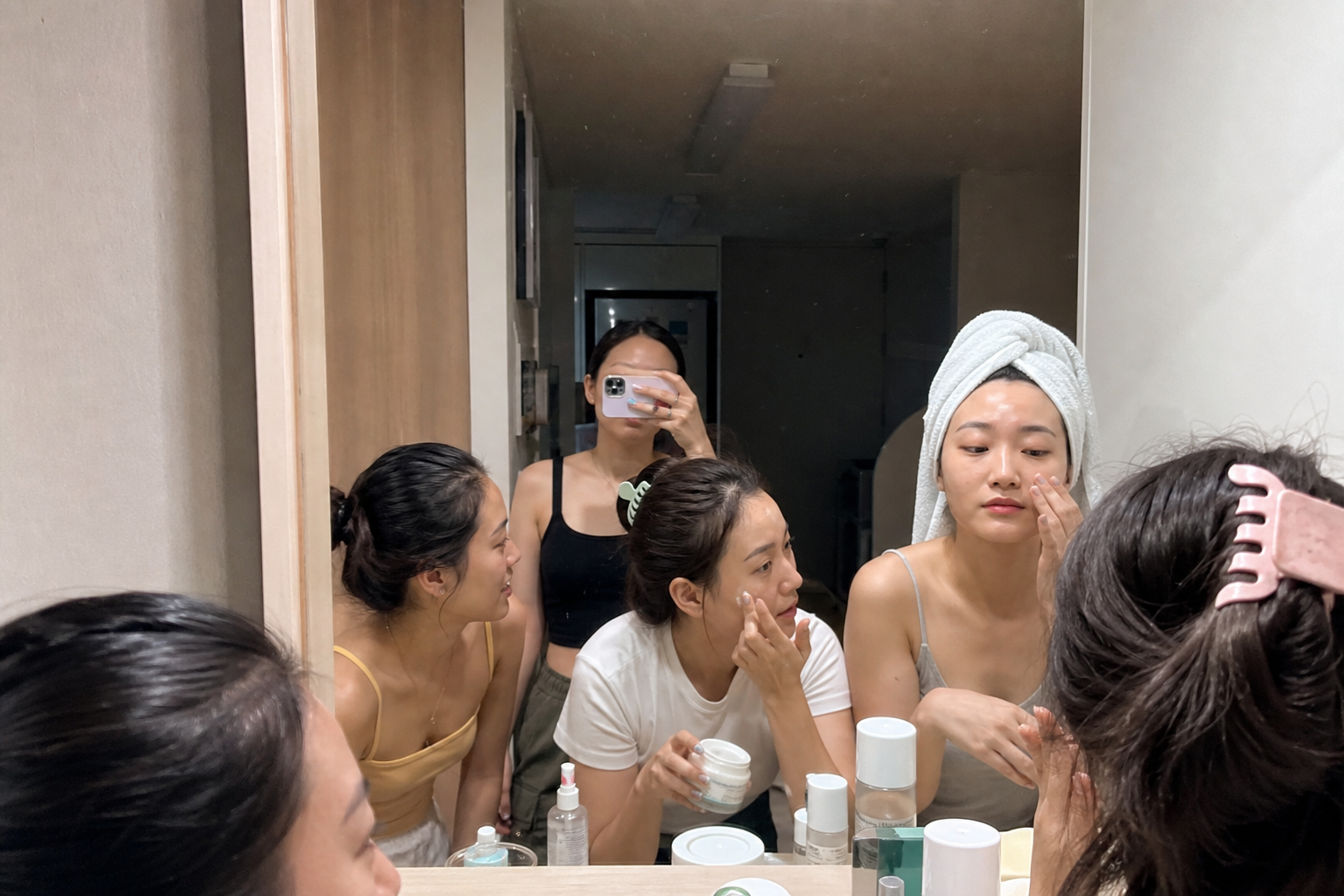
A natural AI-generated SEOULIAN editorial photograph illustrating K-beauty

K-beauty

K-beauty (Korean: 케이뷰티) is an umbrella term for skincare products that are derived from South Korea. K-beauty gained popularity worldwide, especially in East Asia, Southeast Asia, South Asia, and the Western world, and focuses on health, hydration, and an emphasis on brightening effects.

Read the brief
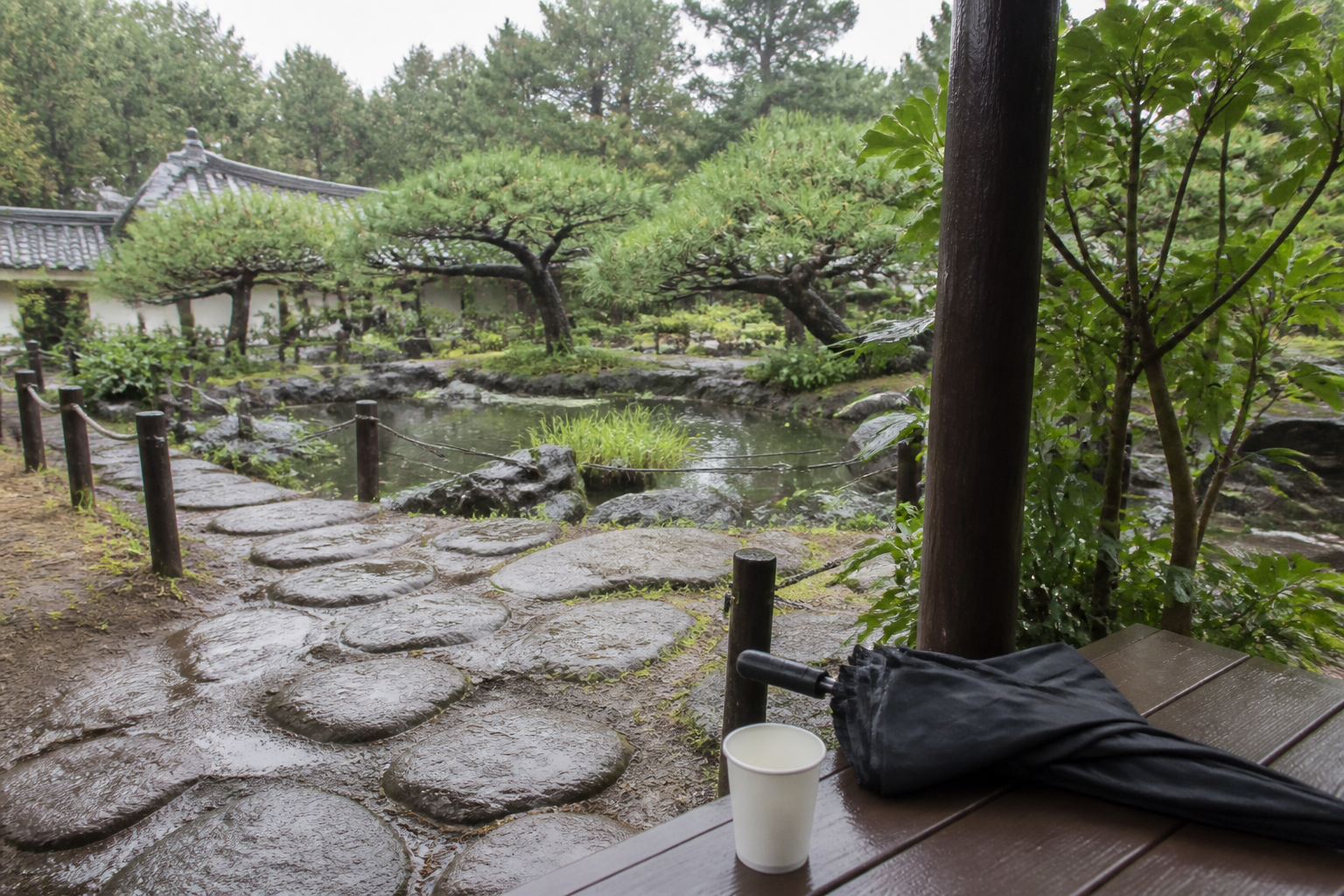
A natural AI-generated SEOULIAN editorial photograph illustrating Korean garden

Korean garden

Korean gardens are a type of garden described as being natural, informal, simple and unforced, seeking to merge with the natural world. They have a history that goes back more than two thousand years, but are little known in the west.

Read the brief
A natural AI-generated SEOULIAN editorial photograph illustrating Korean folklore

Korean folklore

Stories and practices that are considered part of Korean folklore go back several thousand years. These tales derive from a variety of origins, including Korean Shamanism, Confucianism, Buddhism, and more recently Christianity. Many folk traditions developed in rural areas such as villages.

Read the brief
A natural AI-generated SEOULIAN editorial photograph illustrating Korean architecture

Korean architecture

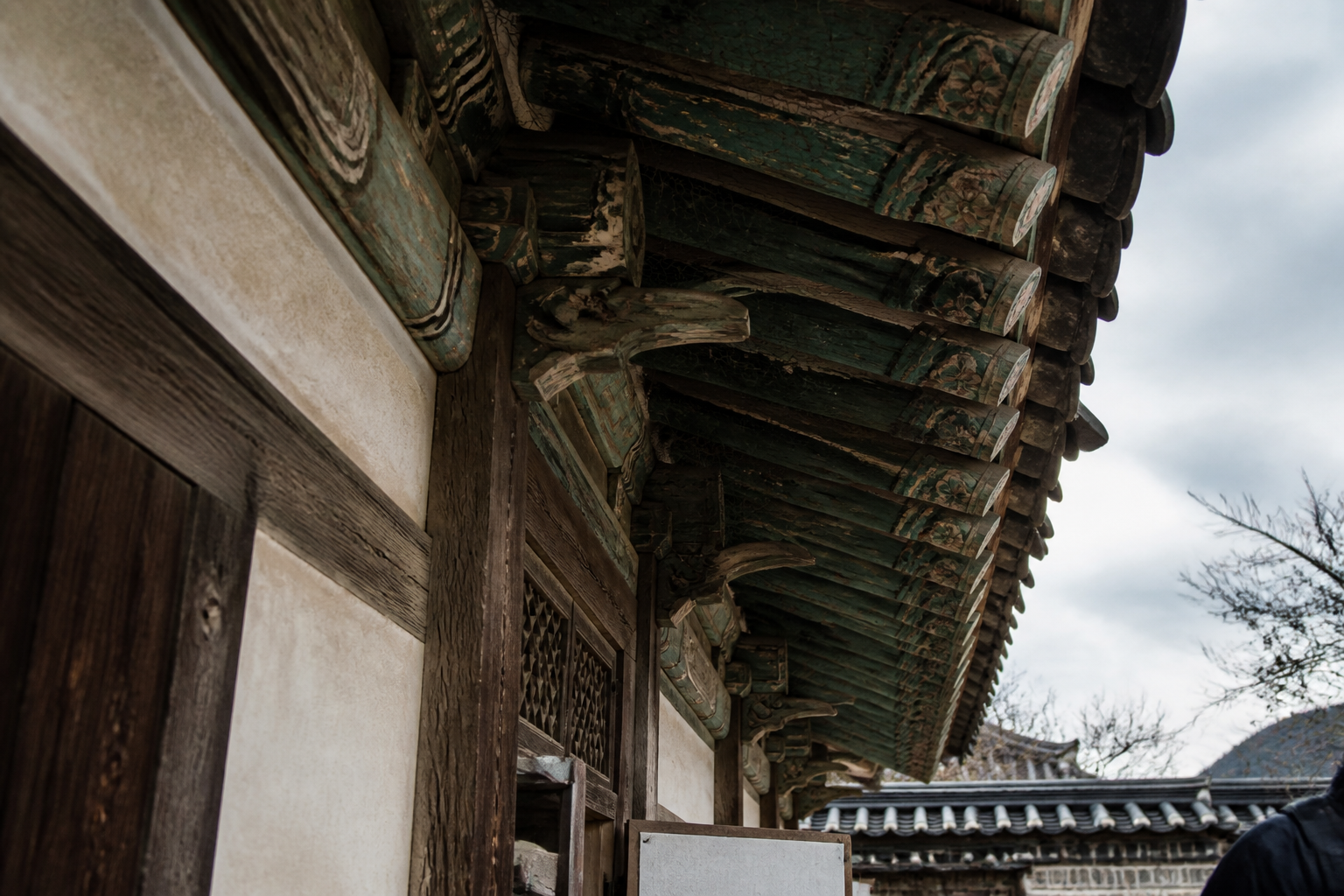
Korean architecture (Korean: 한국건축) refers to an architectural style that developed over centuries in Korea. Throughout the history of Korea, various kingdoms and royal dynasties have developed a unique style of architecture with influences from Buddhism and Korean Confucianism. Traditional Korean architecture can be mostly recognized by its sloping roofs.

Read the brief
A Wikimedia Commons image illustrating Seoul Fashion Week

Seoul Fashion Week

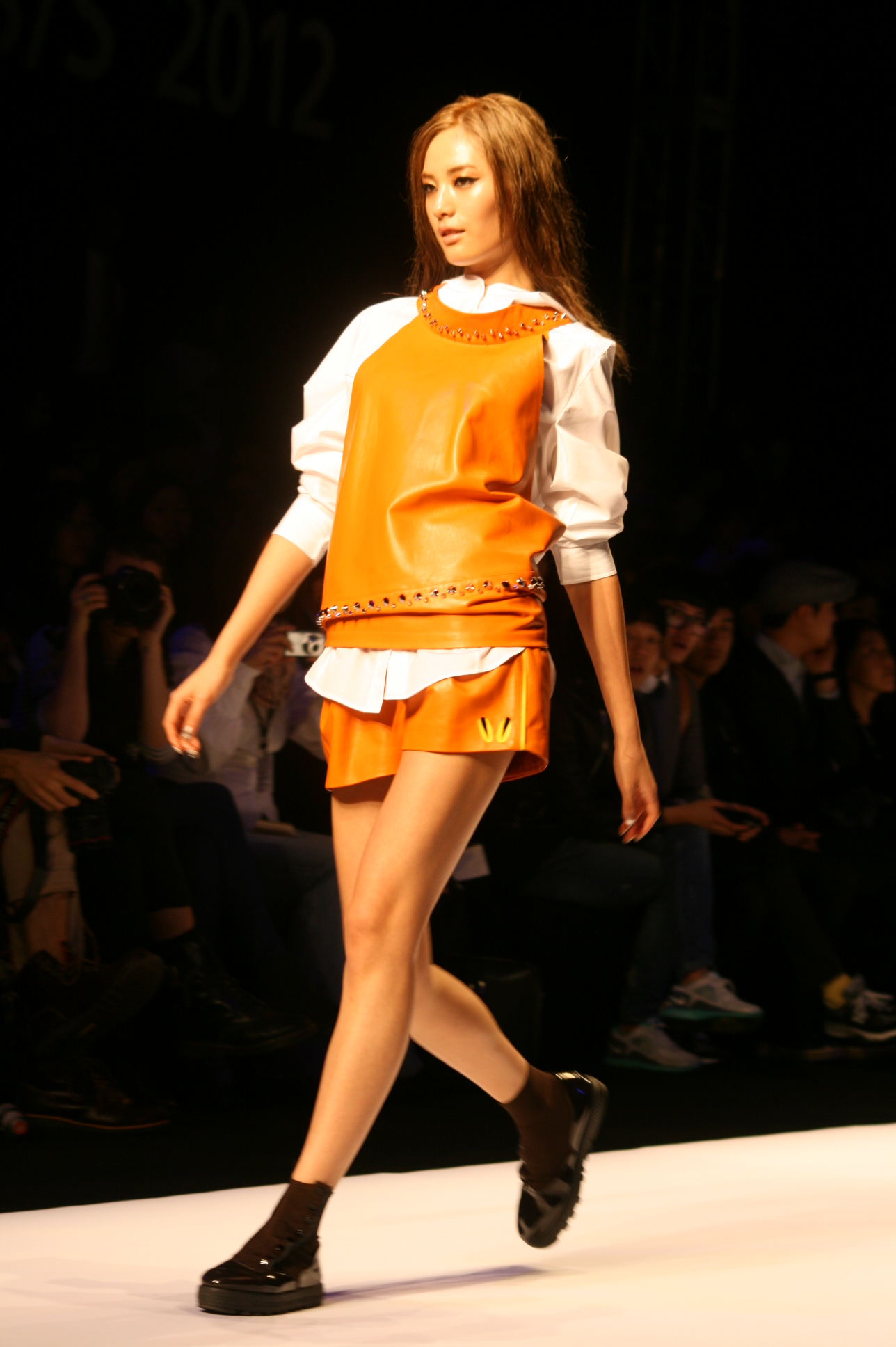
Seoul Fashion Week (SFW; Korean: 서울패션위크) is a biannual fashion event held in Seoul, South Korea, showcasing the latest collections from Korean and international designers. Organized by the Seoul Design Foundation, under the Seoul Metropolitan Government, the event has grown into one of the most prominent fashion weeks in Asia.

Read the brief
A natural AI-generated SEOULIAN editorial photograph illustrating Nam June Paik

Nam June Paik

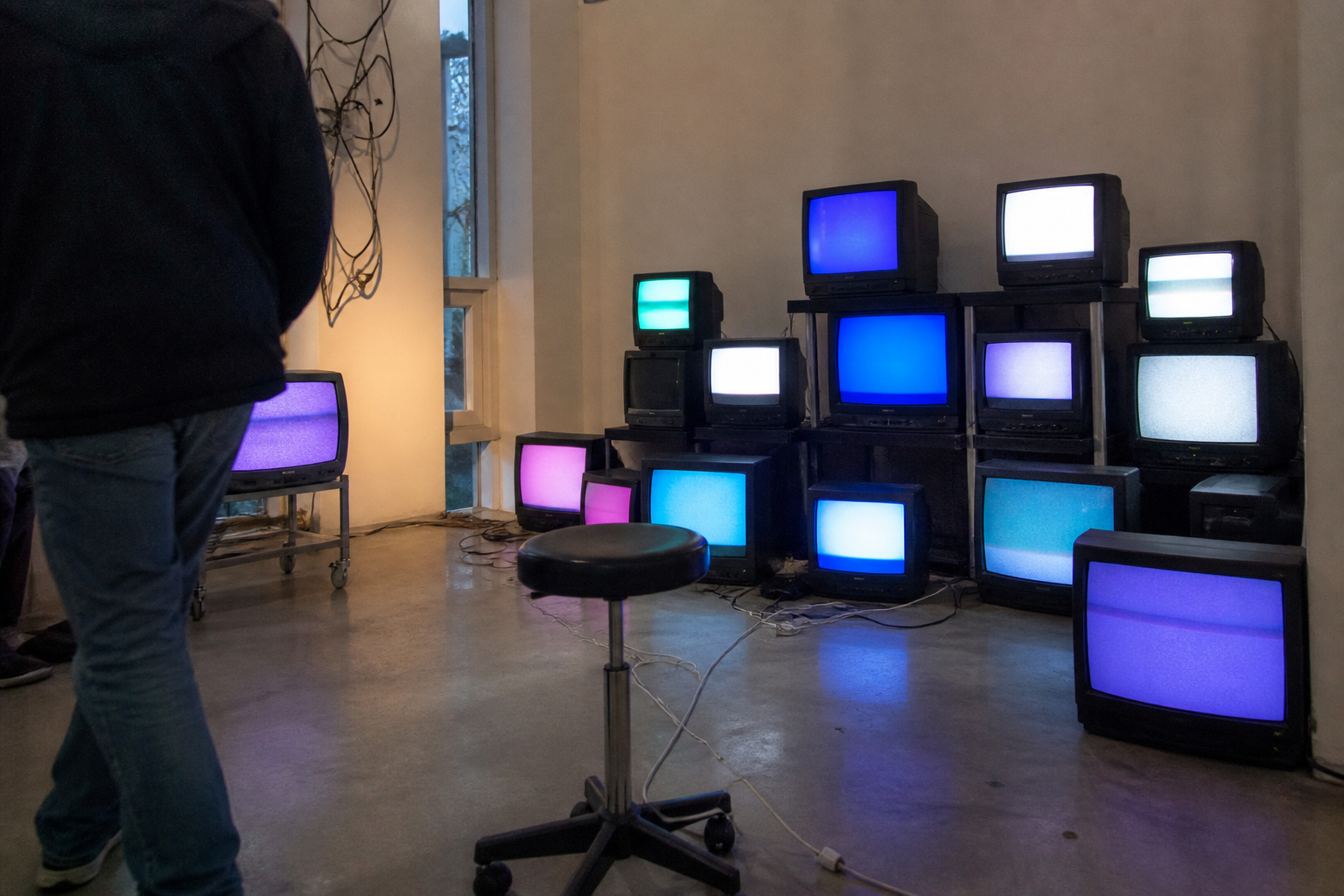
Nam June Paik (Korean: 백남준 [pɛŋ.nam.dʑun] ; July 20, 1932 – January 29, 2006) was a South Korean artist. He worked with a variety of media and is considered to be the founder of video art. He is credited with the first use (1974) of the term "electronic super highway" to describe the future of telecommunications.

Read the brief
A natural AI-generated SEOULIAN editorial photograph illustrating Korean shamanism

Korean shamanism

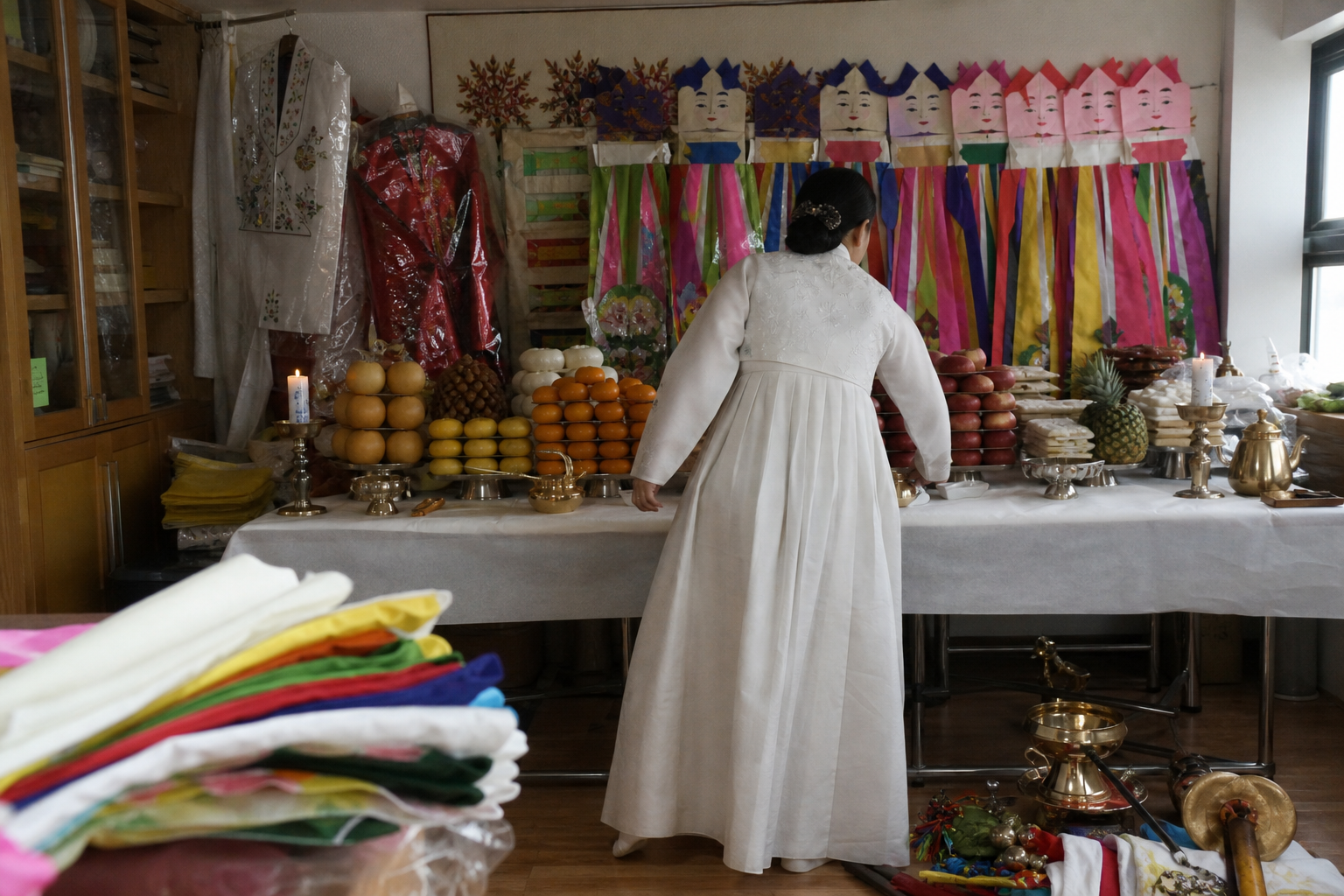
Korean shamanism, also known as Musok (Korean: 무속; Hanja: 巫俗), is a religion from Korea. Scholars of religion classify it as a folk religion and sometimes regard it as one facet of a broader Korean vernacular religion distinct from Buddhism, Daoism, and Neo-Confucianism.

Read the brief
A Wikimedia Commons image illustrating Korean mythology

Korean mythology

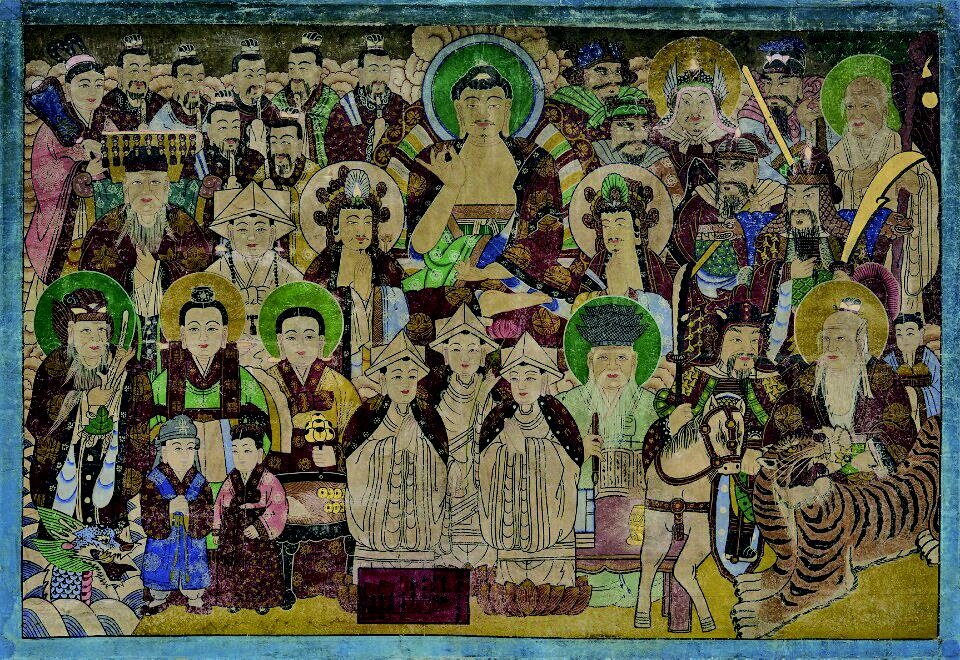
Korean mythology (Korean: 한국 신화; Hanja: 韓國神話) is the group of myths told by historical and modern Koreans. There are two types: the written, literary mythology in traditional histories, mostly about the founding monarchs of various historical kingdoms, and the much larger and more diverse oral mythology, mostly narratives sung by shamans or priestesses…

Read the brief
A Wikimedia Commons image illustrating Lee Ufan

Lee Ufan

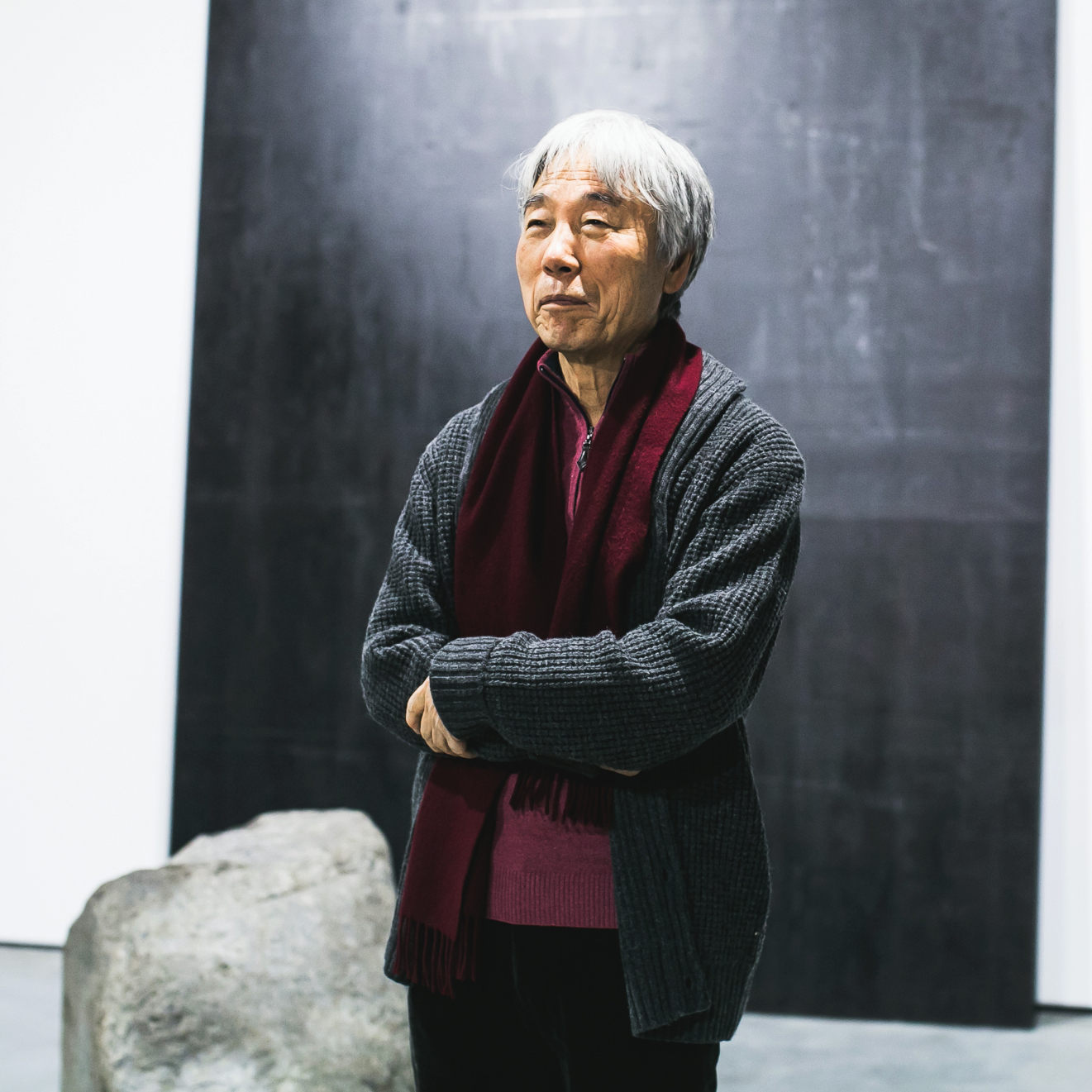
Lee Ufan (Korean: 이우환; Hanja: 李禹煥, Korean pronunciation: [iːuhwan]; born 1936) is a South Korean minimalist painter, sculptor, and academic, known for innovative bodies of work emphasizing process, materials, and the experiential engagement of viewer and site, and critiques of European phenomenology.

Read the brief
A Wikimedia Commons image illustrating Korean Buddhism

Korean Buddhism

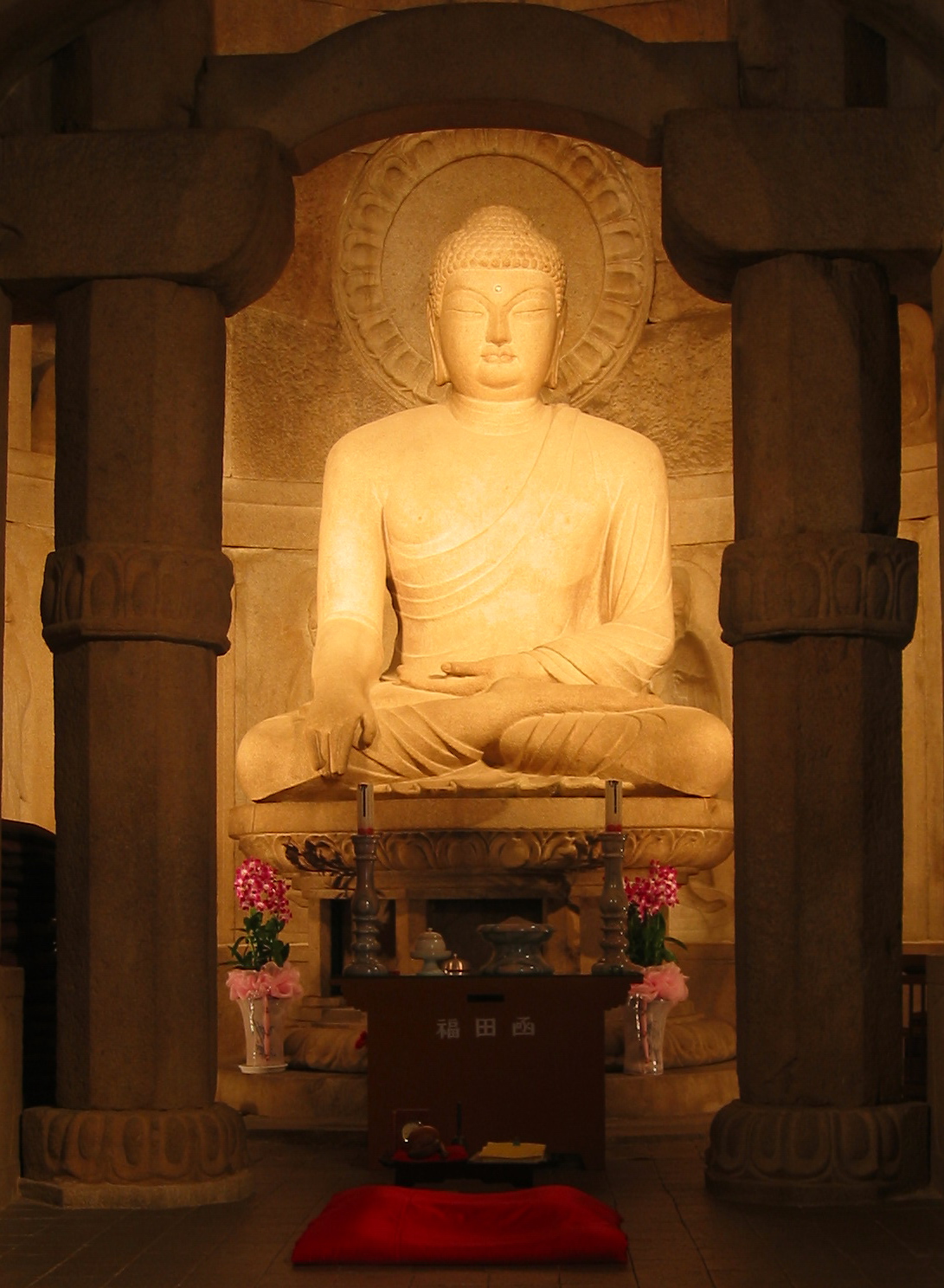
Korean Buddhism began in the 4th century CE during the Three Kingdoms Period. Centuries after Buddhism originated in India, the Mahayana tradition arrived in China through the Silk Road in the 1st century CE, then entered the Korean peninsula in the 4th century, from where it was transmitted to Japan.

Read the brief
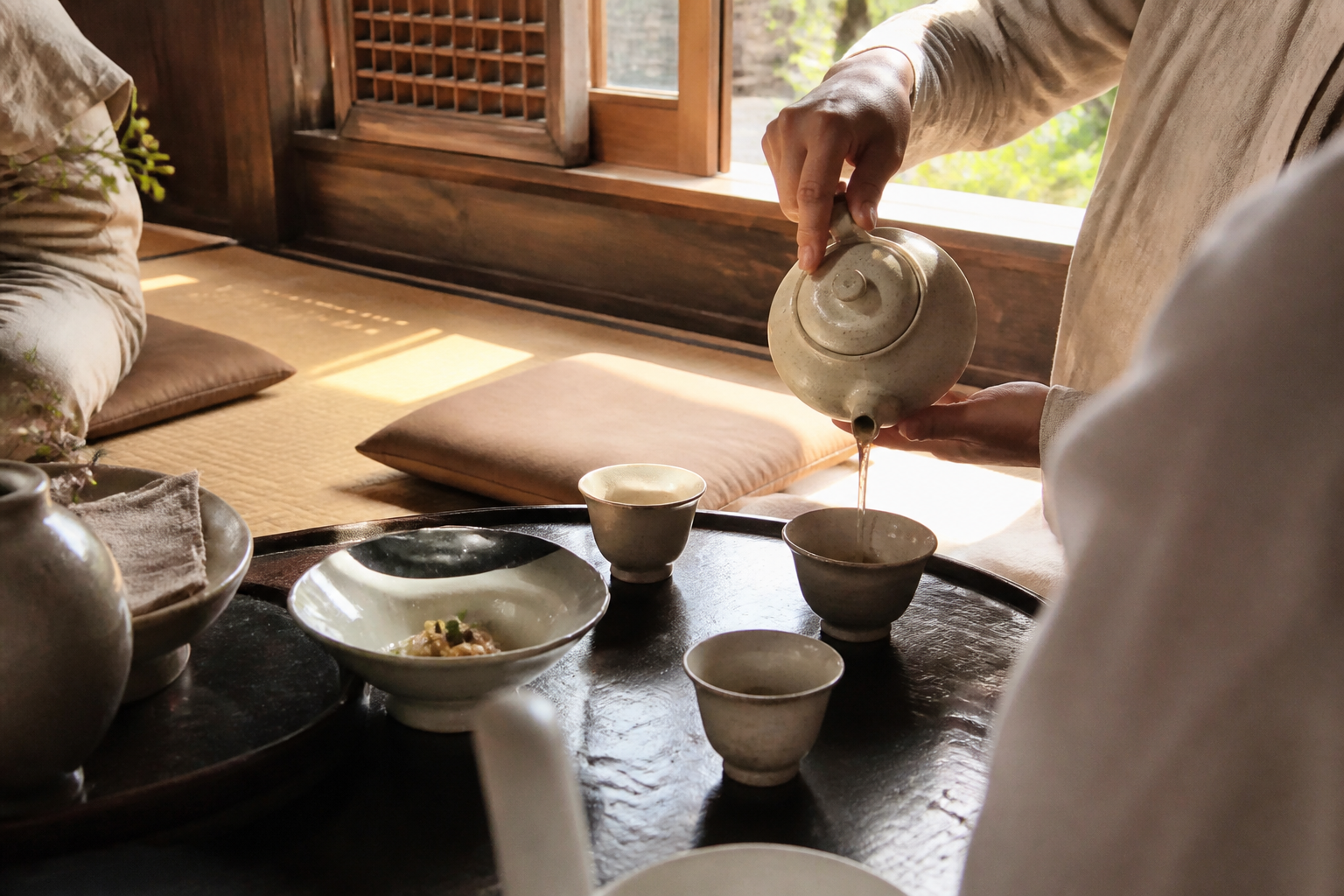
A natural AI-generated SEOULIAN editorial photograph illustrating Korean tea ceremony

Korean tea ceremony

Korean tea ceremonies (Korean: 다례) are variants of tea ceremonies practiced in Korea. Darye literally refers to "etiquette for tea" or "tea rite", and has been kept among Korean people for over a thousand years. Although records exist of court tea ceremonies during the Goryeo and early Joseon dynasties, by the time of Seonjo (1590s), it had ceased to be…

Read the brief
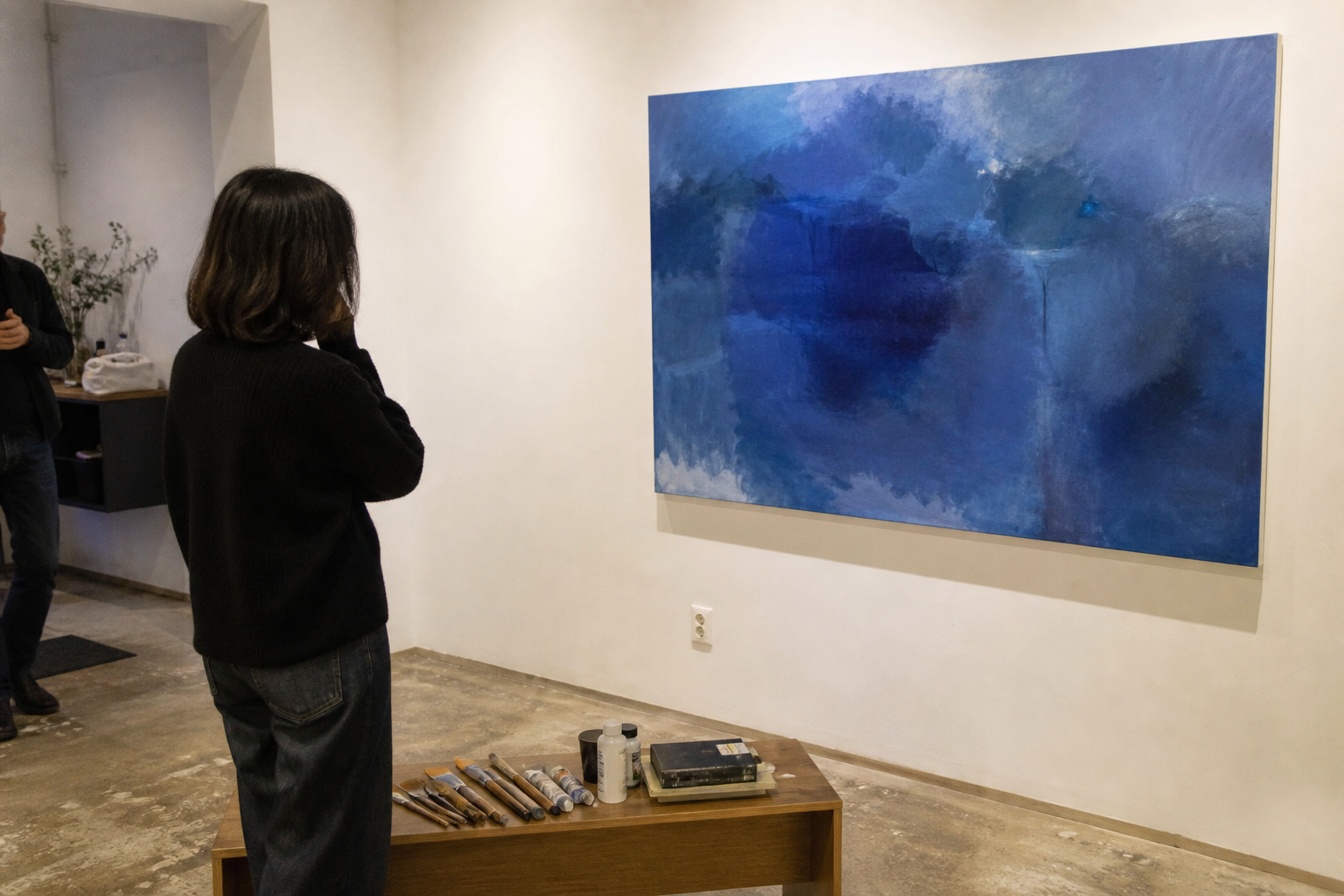
A natural AI-generated SEOULIAN editorial photograph illustrating Whanki Kim

Whanki Kim

Kim Whanki (Korean: 김환기; Hanja: 金煥基; April 3, 1913 – July 25, 1974) was a Korean painter and pioneering abstract artist. Kim lived and worked in a number of cities and countries during his lifetime, including Tokyo, Japan; Seoul and Busan, Korea; Paris, France; and New York City, USA, where he died.

Read the brief
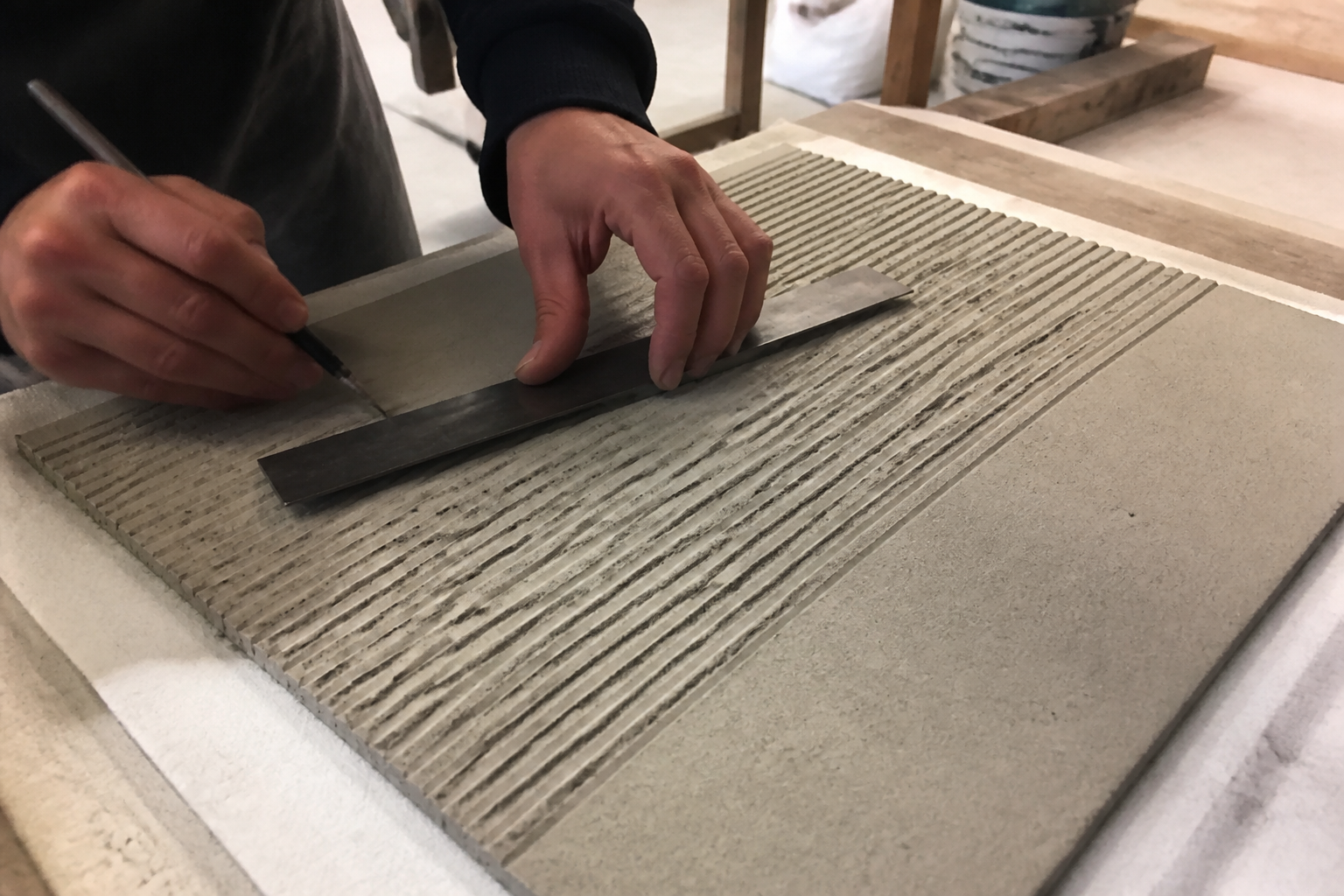
A natural AI-generated SEOULIAN editorial photograph illustrating Park Seo-bo

Park Seo-bo

Park Seo-bo (Korean: 박서보; 15 November 1931 – 14 October 2023) was a South Korean painter known for his "Écriture" series (1967 onwards), involvement in the Korean Art Informel movement, and particular formal concerns around painting that have led critics and art historians to identify him as a leading Dansaekhwa artist.

Read the brief
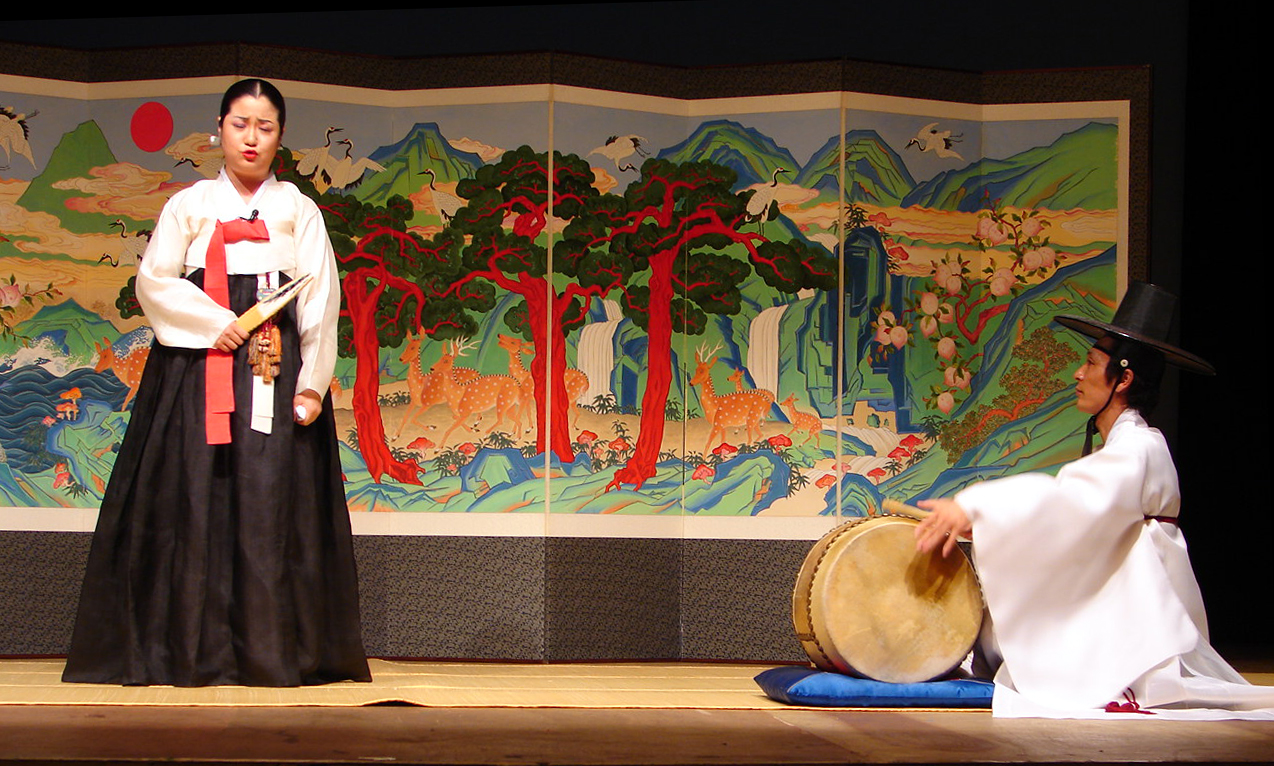
A Wikimedia Commons image illustrating Pansori

Pansori

Pansori (Korean: 판소리) is a Korean genre of musical storytelling performed by a singer and a drummer. The term pansori is a compounds of the Korean words pan 판 and sori 소리, the latter of which means "sound." However, pan has multiple meanings, and scholars disagree on which was the intended meaning when the term was coined.

Read the brief