Search SEOULIAN

Search all published stories and U.S. event guides. Press Search or Enter.

SEOULIAN desk · ENTERTAINMENT

On screen. On stage.

K-pop, Korean film and television, with context. Performances, releases and the fan culture that connects them.

37 published stories in this section.

K-pop · Film & TV · Fan culture

All Entertainment

Newest first · 37 stories · Page 3 of 4

K-pop

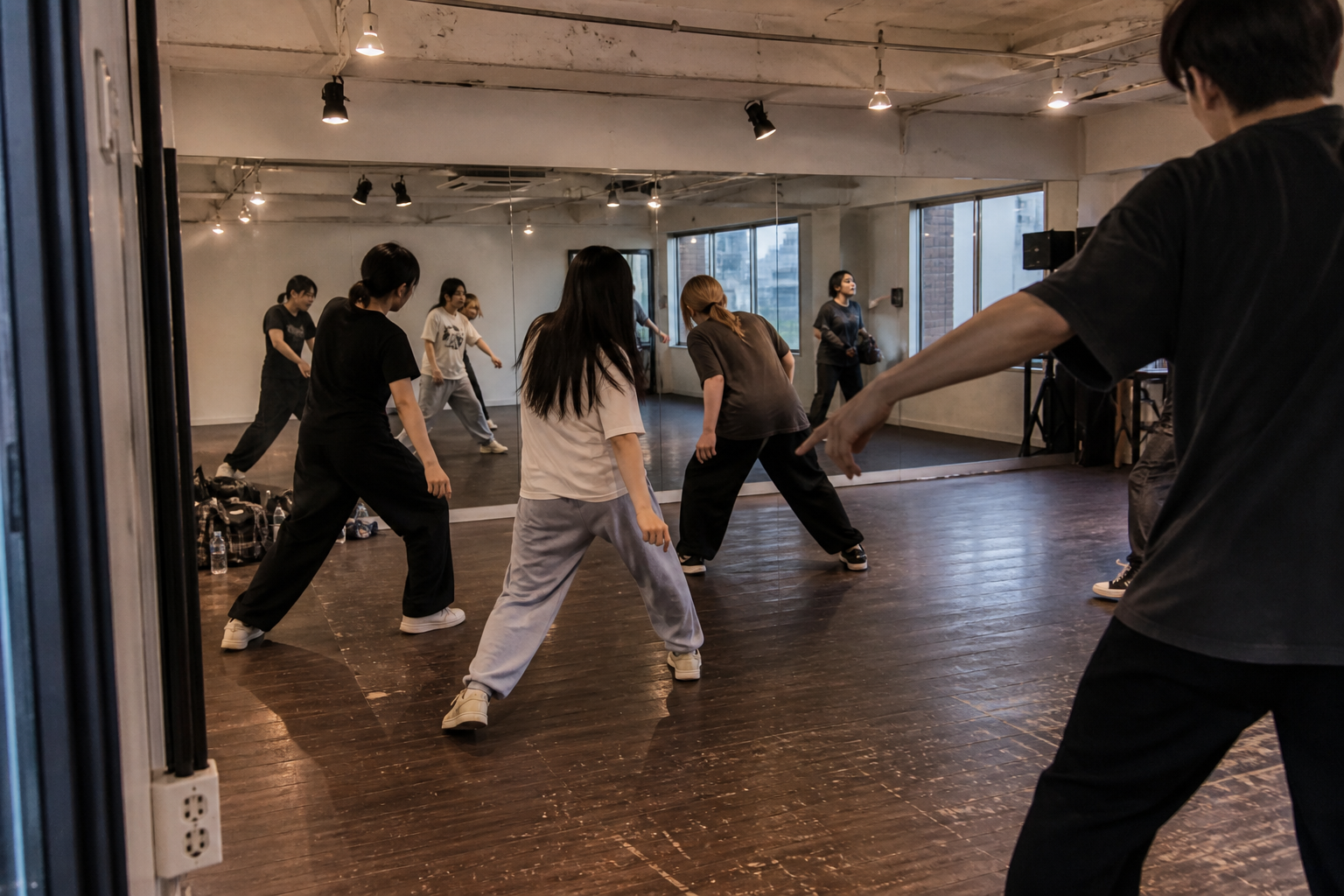
K-pop (Korean: 케이팝; RR: Keipap; an abbreviation of "Korean popular music") is a form of popular music originating in South Korea. The music genre that the term is used to refer to colloquially emerged in the 1990s as a form of youth subculture, with Korean musicians influenced by Western dance music, hip-hop, R&B and rock.

AI-generated editorial illustration; not documentary evidence.
Korean drama

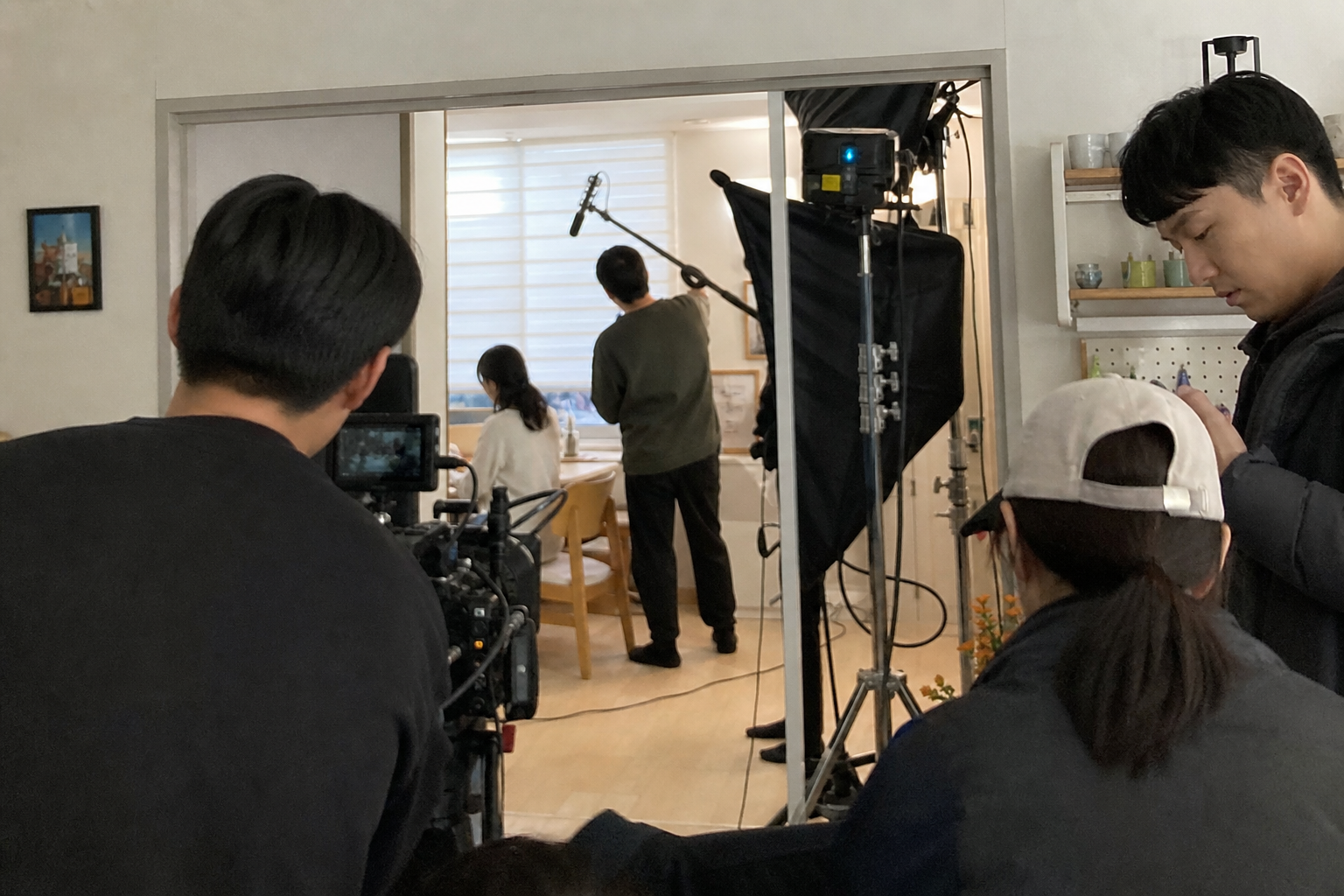
Korean drama (Korean: 한국 드라마; RR: Hanguk deurama), also known as K-drama and Koreanovela, is a Korean-language television show made in South Korea. These shows began to be produced around the early 1960s, but were mostly consumed domestically until the rise of the Korean Wave in the 1990s.

AI-generated editorial illustration; not documentary evidence.
Cinema of South Korea

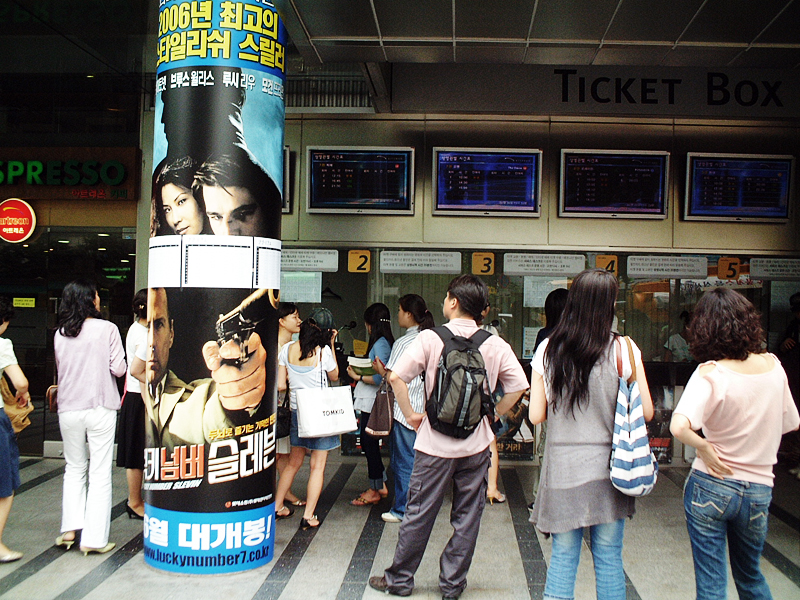
South Korean films have been heavily influenced by such events and forces as the Korea under Japanese rule, the Korean War, government censorship, the business sector, globalization, and the democratization of South Korea. The golden age of South Korean cinema in the mid-20th century produced what are considered two of the best South Korean films of all…

Image: by d'n'c · https://www.flickr.com/photos/fukagawa/179287657/. Full rights in the story.

After K-pop: The Future Will Be Korean, Global, and Harder to Label

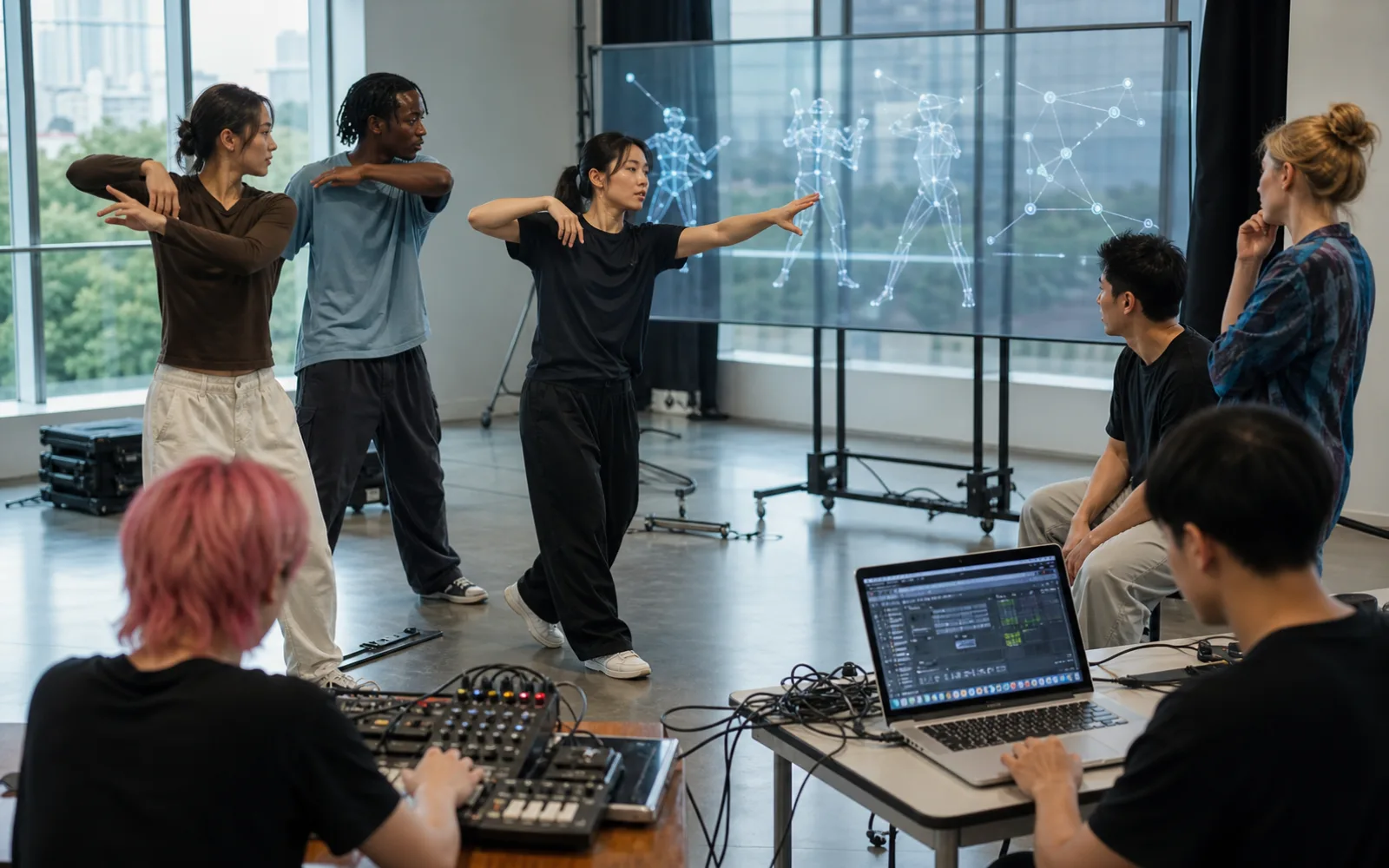
The next era will test what ‘K’ means when groups are multilingual, training is distributed, virtual performers share stages with humans, and AI enters production. The answer should depend on creative method, accountability, and relationship—not ethnicity alone.

AI-generated editorial illustration; not documentary evidence.
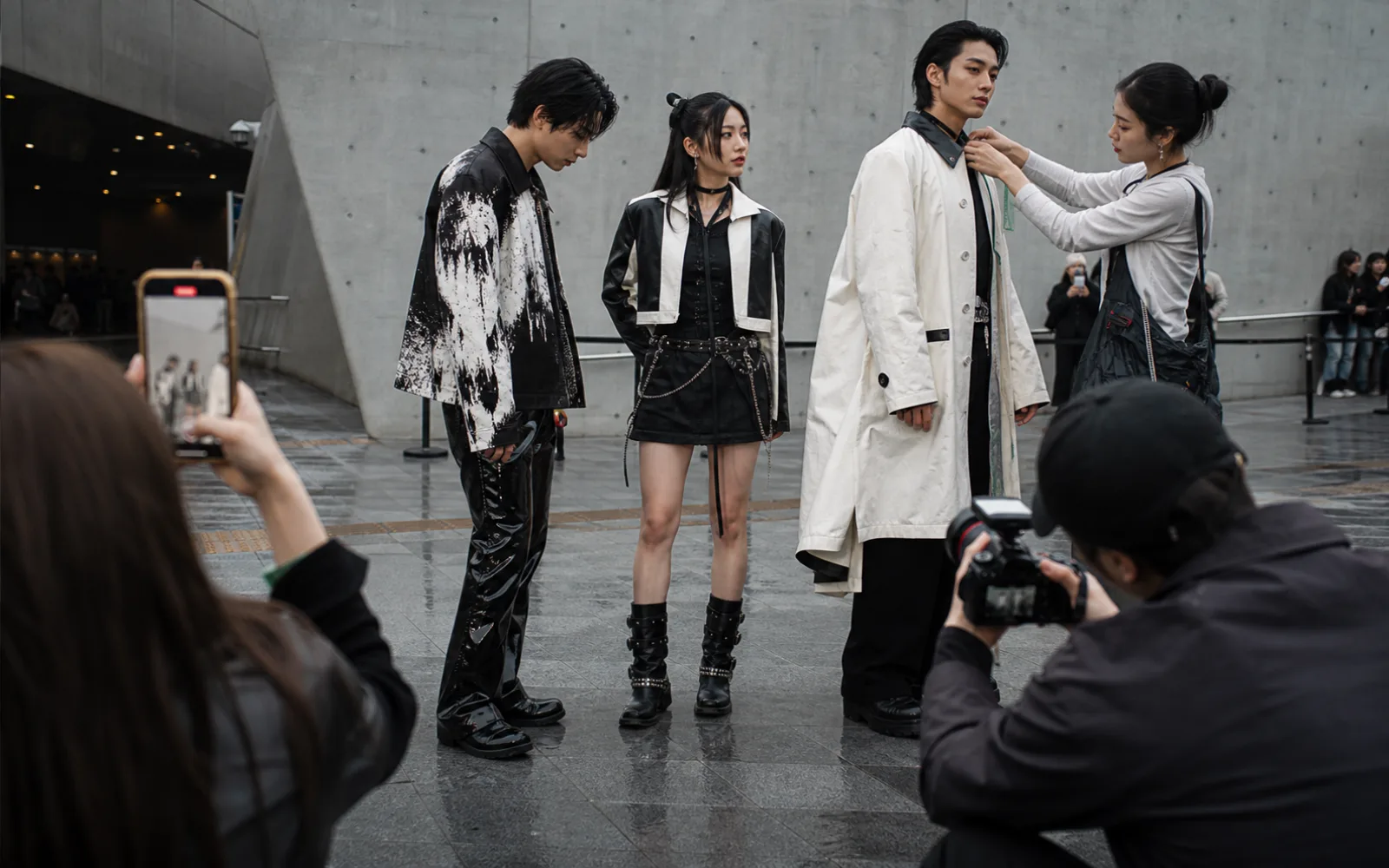
BLACKPINK and the Era When a Song Became a Visual Economy

BLACKPINK’s global scale shows how K-pop can operate across music, choreography, fashion, festivals, beauty, and social images at once. The image is not packaging around the song; it is part of the distribution system.

AI-generated editorial illustration; not documentary evidence.
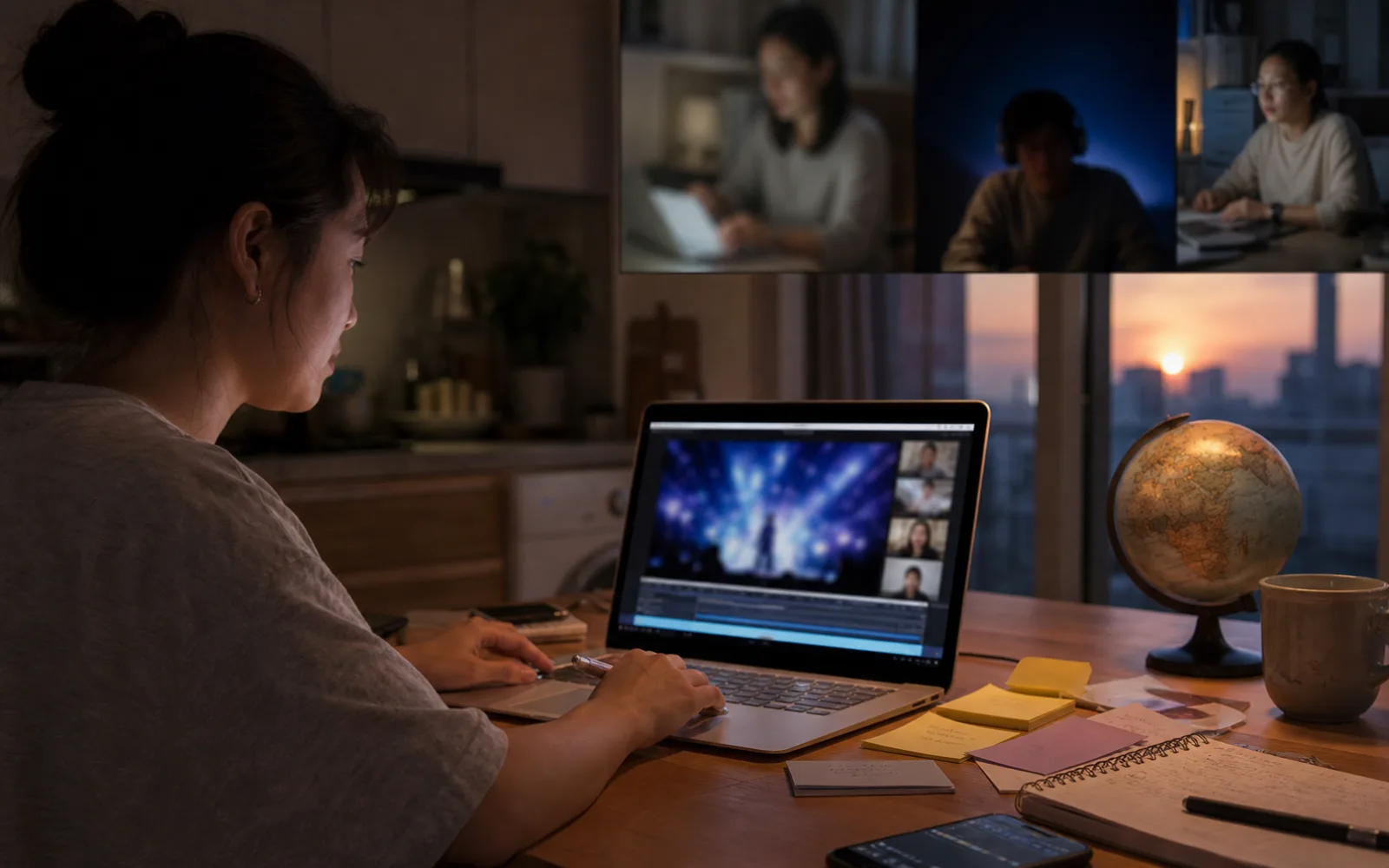
BTS Did Not Remove the Middleman. They Built a New Middle

BTS’s global rise joined long-form narrative, direct digital communication, performance, and extraordinary fan translation. The breakthrough was not ‘social media magic’ but a durable relationship system that traditional market categories underestimated.

AI-generated editorial illustration; not documentary evidence.
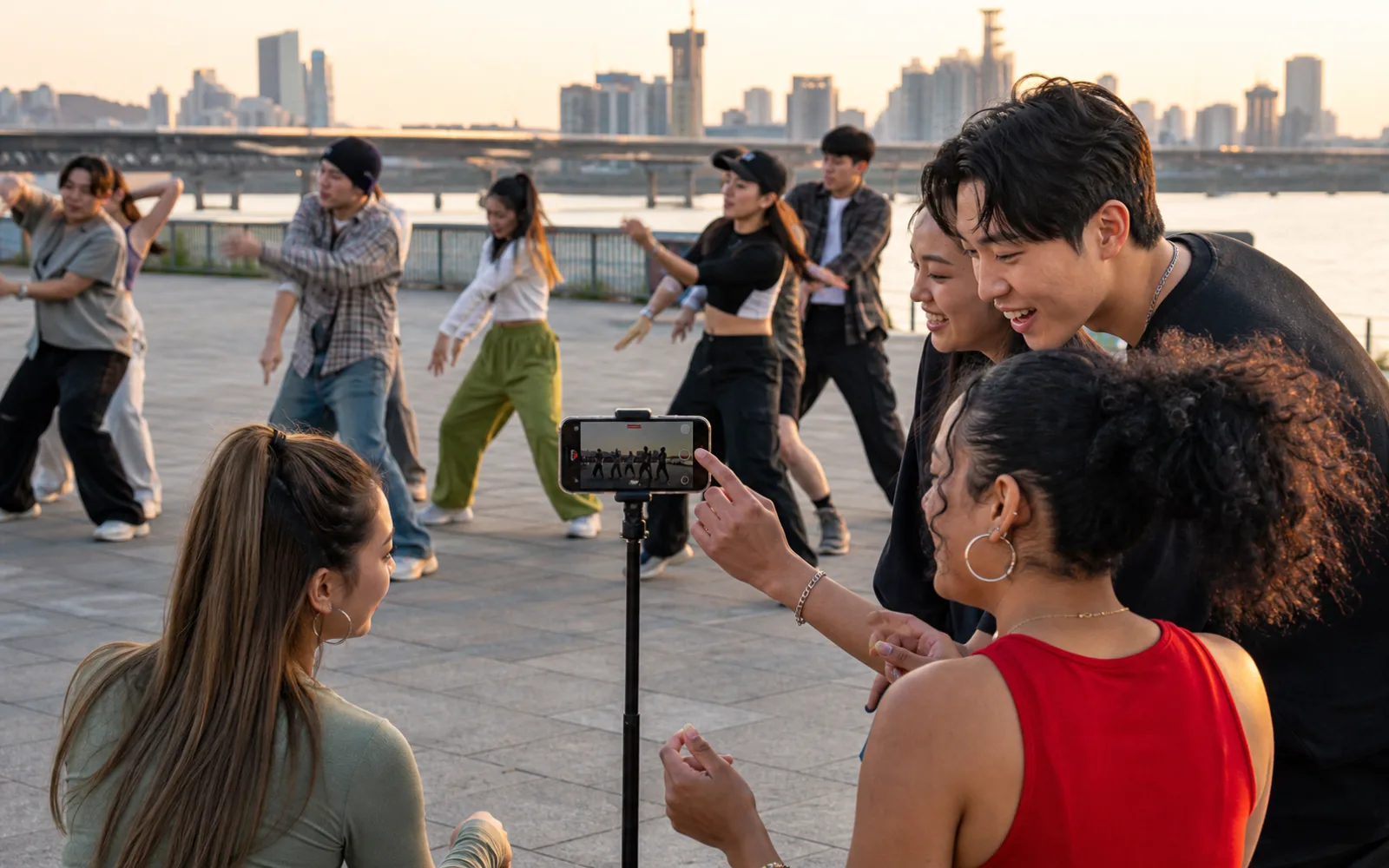
The Screen Became the Stage: YouTube and K-pop’s Visual Grammar

YouTube did not invent K-pop’s choreography, editing, or fan participation. It removed geography from a performance system already designed to be replayed—and ‘Gangnam Style’ proved just how far a Korean-language image could travel.

AI-generated editorial illustration; not documentary evidence.
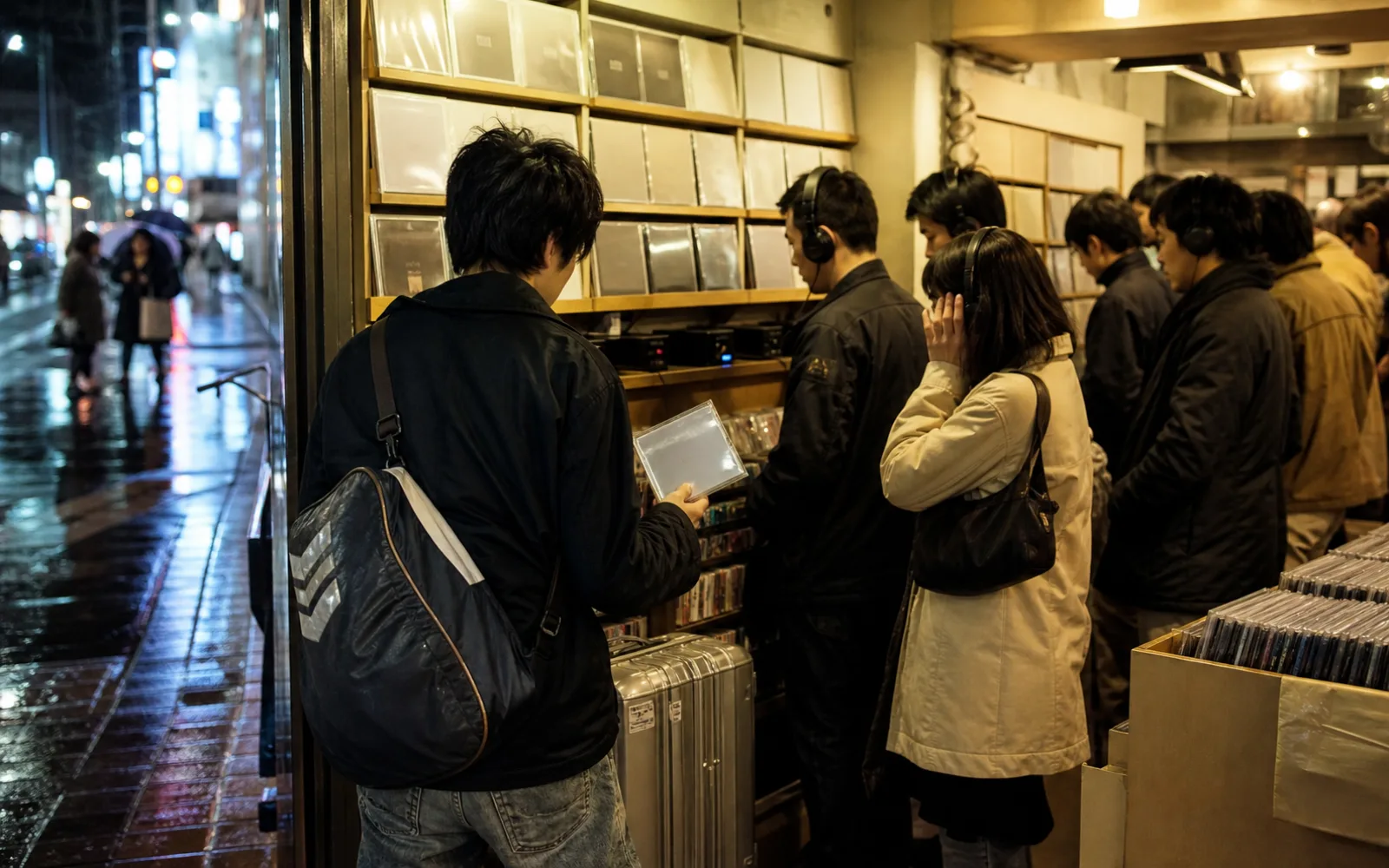
K-pop Went Through Asia Before It Went ‘Global’

The common Western timeline jumps from Seoul to YouTube to America. The Korean timeline runs first through China, Japan, Southeast Asia, and years of language learning, local partnerships, television, touring, and fan communities.

AI-generated editorial illustration; not documentary evidence.
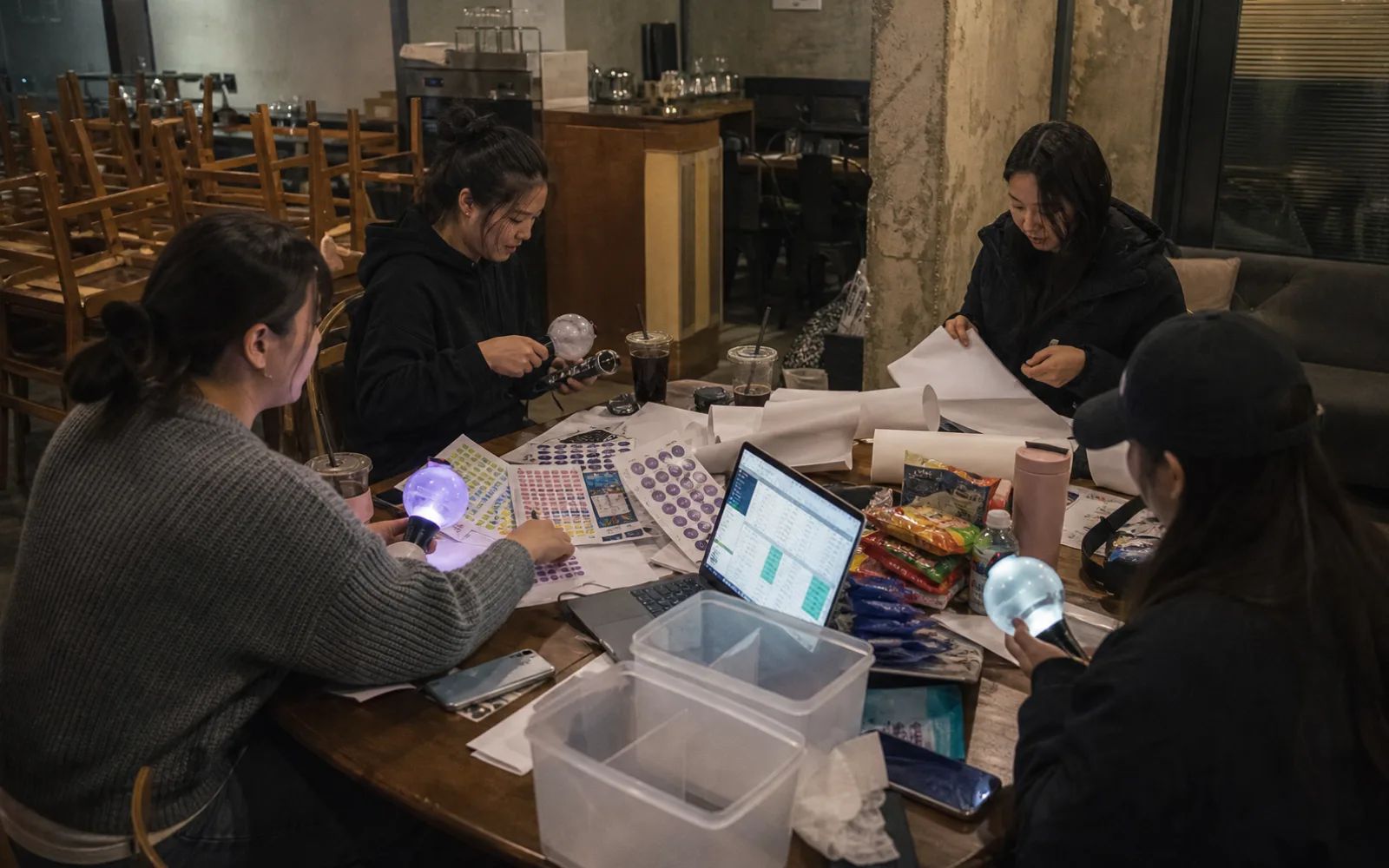
Fans Were the Distribution Network Before Platforms Admitted It

K-pop fandom is not a crowd added after the product. Korean fan clubs developed names, colors, chants, archives, donations, and disciplined coordination; global fans added translation and cross-border distribution at enormous scale.

AI-generated editorial illustration; not documentary evidence.
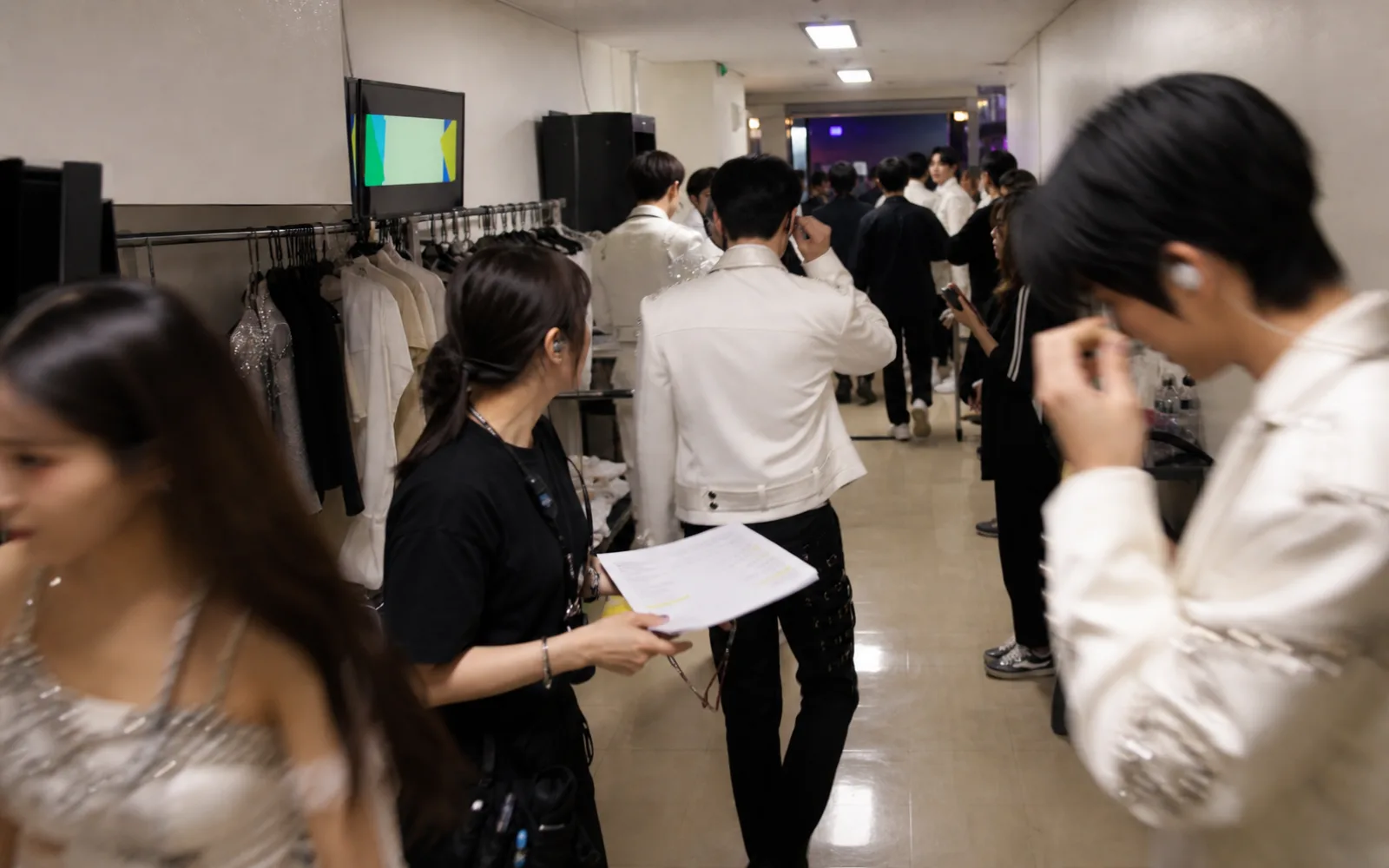
Why a ‘Comeback’ Happens Every Week: Korea’s Pop Clock

In K-pop, a comeback usually means a new promotional cycle, not a return from disappearance. Weekly music shows turned releases into repeating public events where choreography, fan chants, charts, and television all meet.

AI-generated editorial illustration; not documentary evidence.
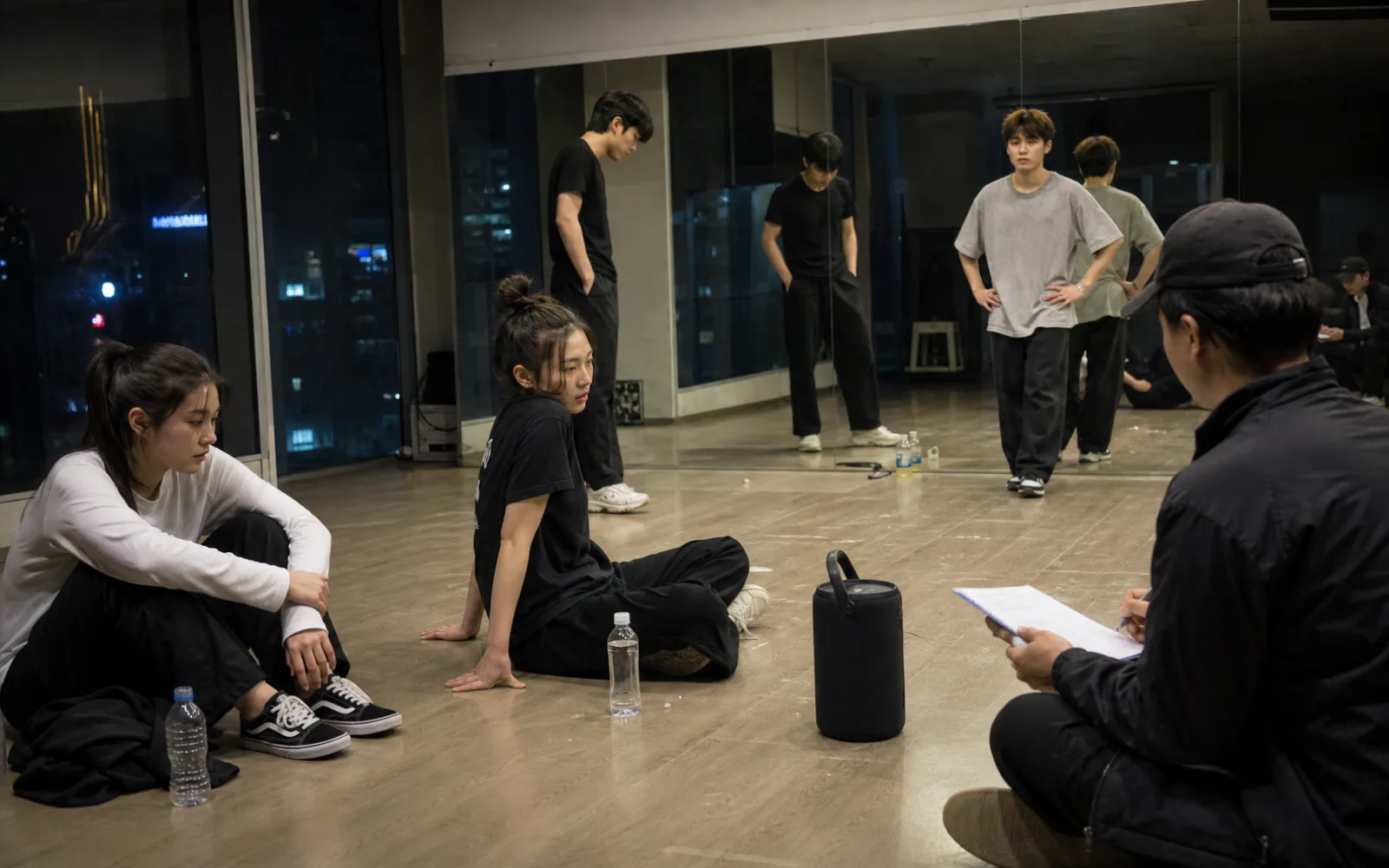
The Group Is the Instrument: Inside the Idol Production System

K-pop’s trainee system is neither a magical factory nor a complete explanation. Its real innovation was to train the group itself as a composite instrument—voice, dance, camera, language, personality, and teamwork—while creating labor questions the industry cannot ignore.

AI-generated editorial illustration; not documentary evidence.
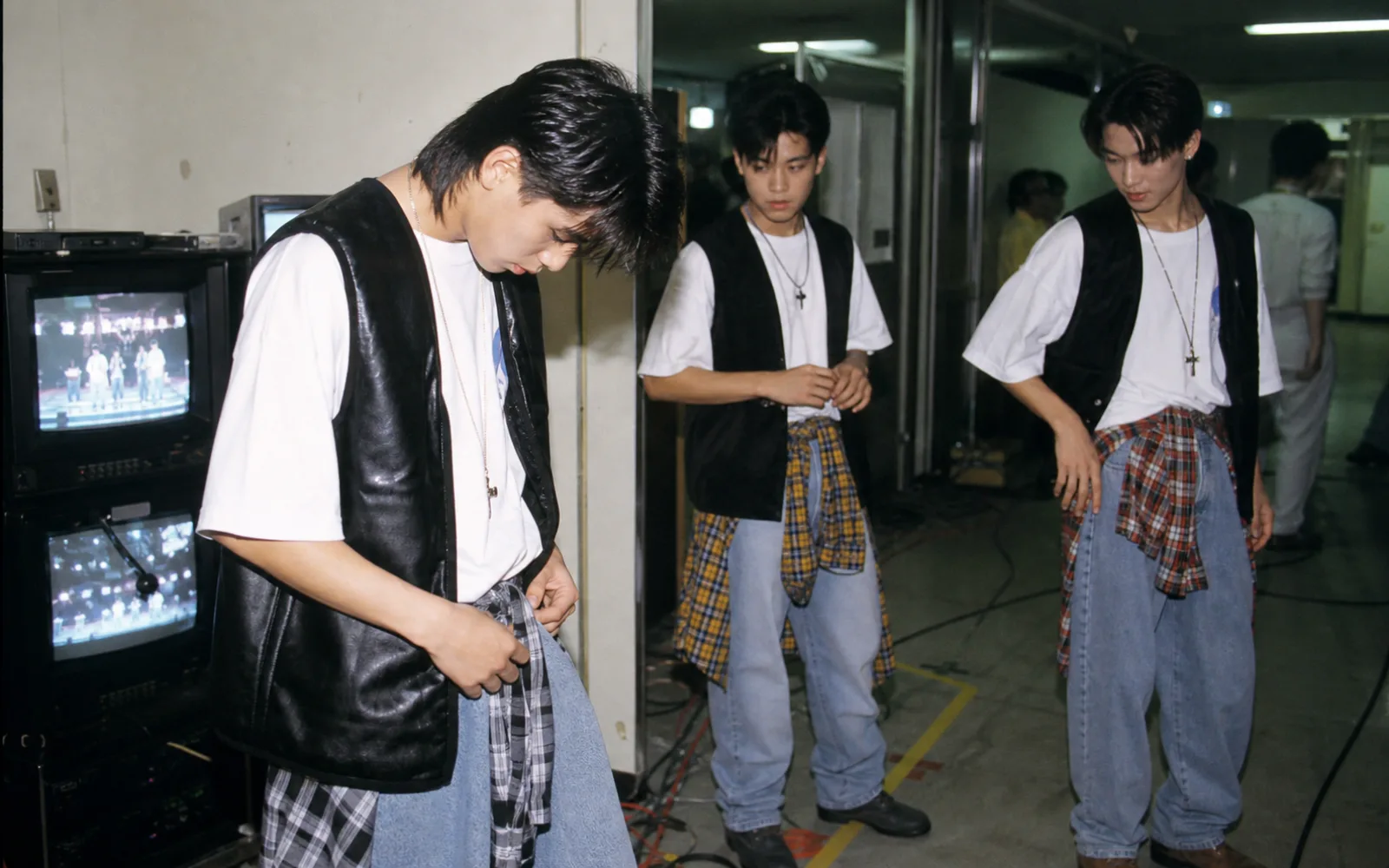
1992 Was a Cultural Argument, Not Just a Debut

Seo Taiji and Boys changed the center of Korean pop by making youth language, rap, dance, fashion, and social friction impossible for television to contain—even after judges initially failed to understand the signal.

AI-generated editorial illustration; not documentary evidence.