HISTORY · Prehistory to 935
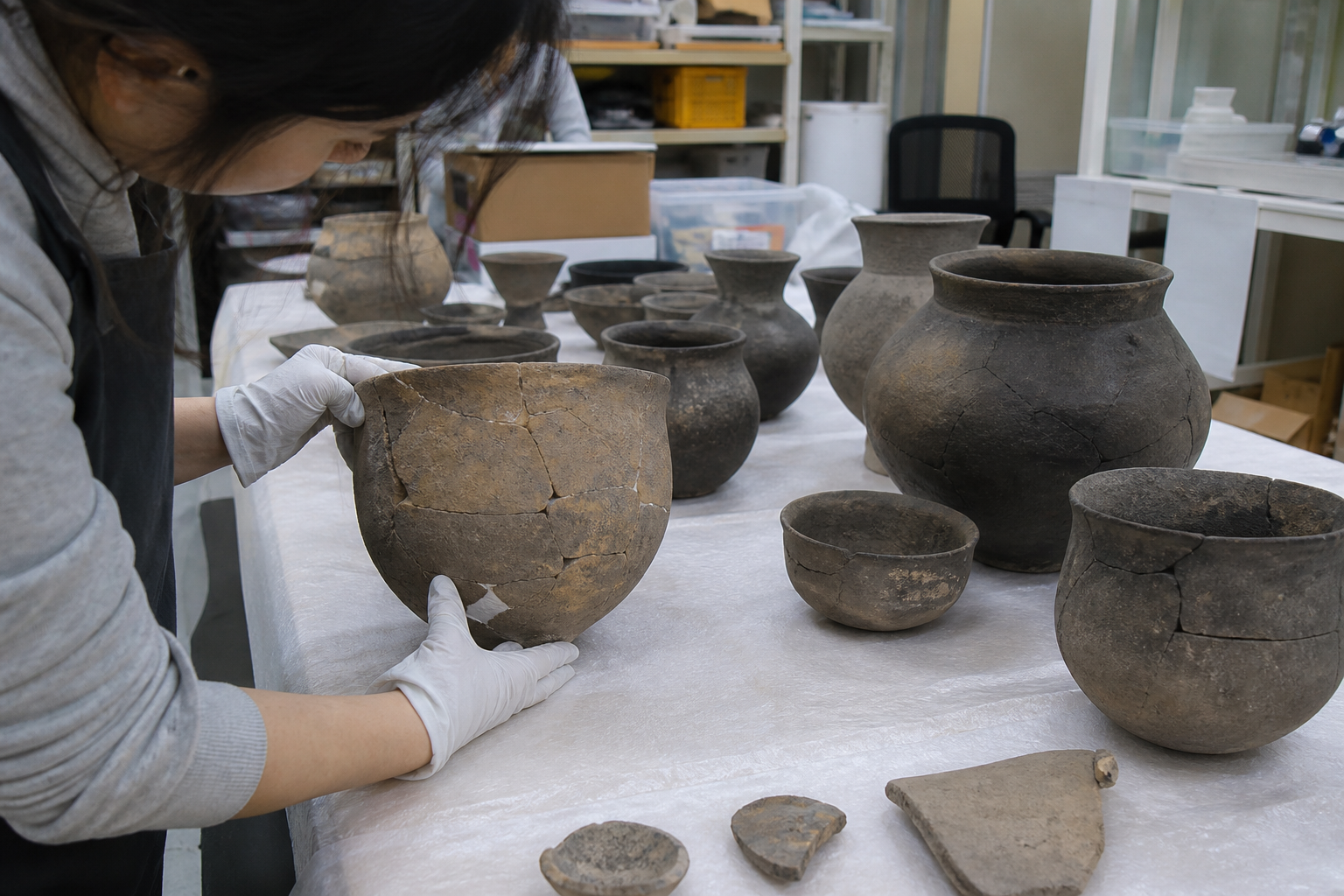
The Mumun pottery period is an archaeological era in Korean prehistory that dates to approximately 1500–300 BC. This period is named after the Korean name for undecorated or plain cooking and storage vessels that form a large part of the pottery assemblage over the entire length of the period, but especially 850–550 BC.
Read the brief →
HISTORY · Prehistory to 935
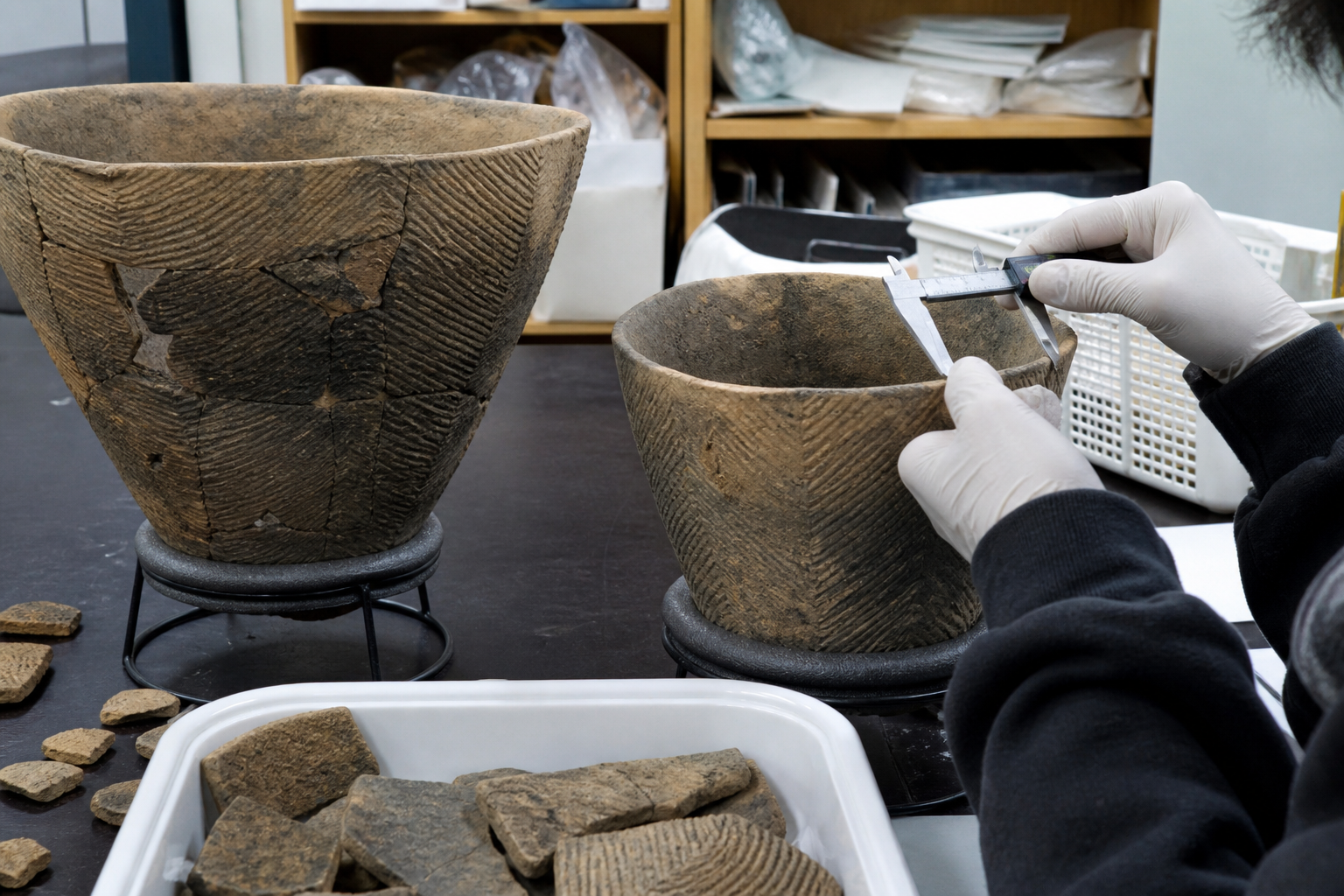
The Jeulmun pottery period (Korean: 즐문 토기 시대) is an archaeological era in Korean prehistory broadly spanning the period of 8000–1500 BC. This period subsumes the Mesolithic and Neolithic cultural stages in Korea, lasting c. 8000–3500 BC ("Incipient" to "Early" phases) and 3500–1500 BC ("Middle" and "Late" phases), respectively.
Read the brief →
HISTORY · Prehistory to 935
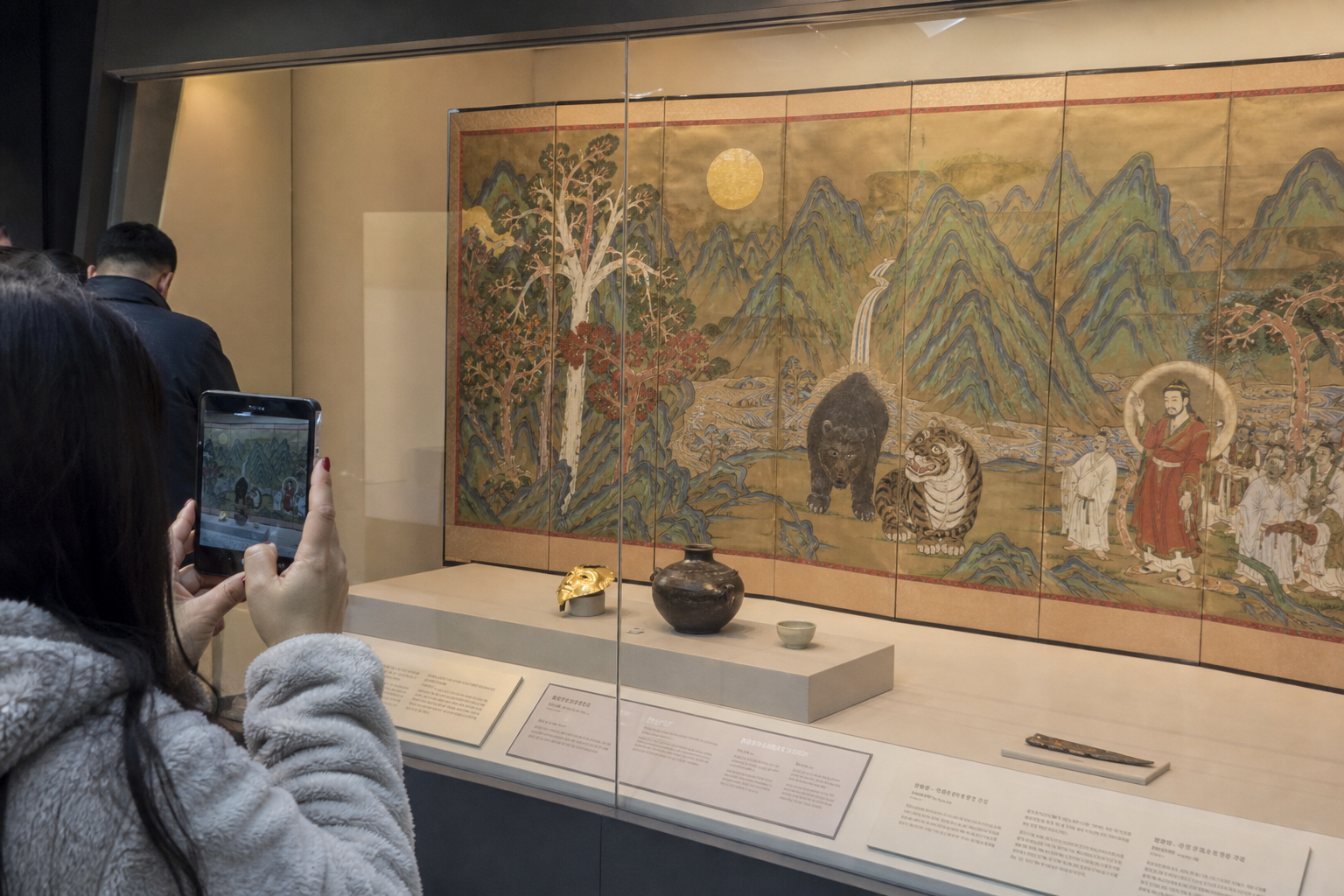
Tan'gun (Korean: 단군; Hanja: 檀君; pronounced [tan.ɡun]), also known as Tan'gun Wanggŏm (단군왕검; 檀君王儉; [tan.ɡun waŋ.ɡʌm]), was the legendary founder and first king of Gojoseon, the first Korean kingdom. He founded the first kingdom around the northern part of the Korean Peninsula.
Read the brief →
HISTORY · Prehistory to 935
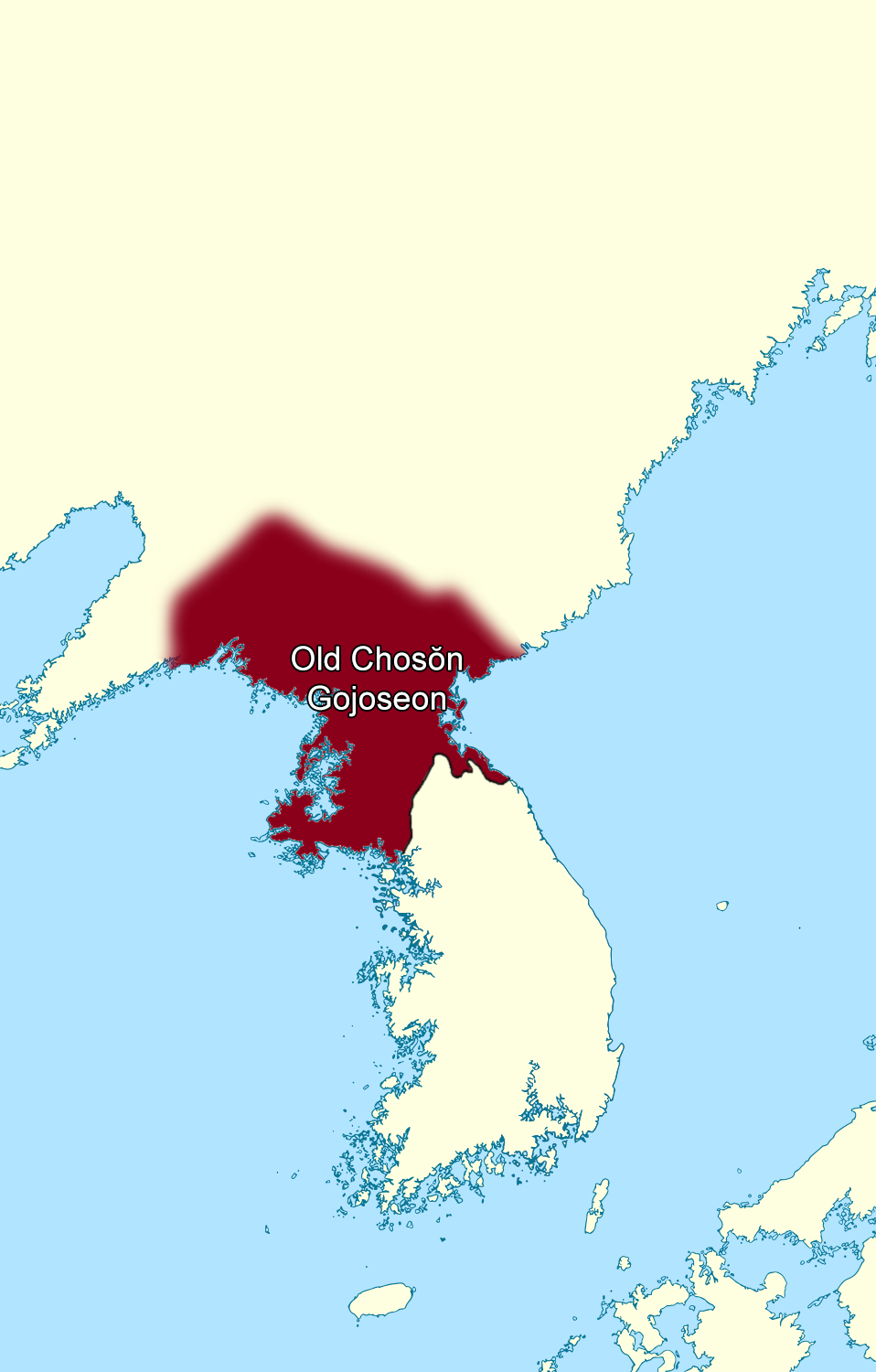
Old Chosŏn, also known as Gojoseon (Korean: 고조선; Hanja: 古朝鮮) and its contemporary name Joseon (Korean: 조선; Hanja: 朝鮮), was the first kingdom on the Korean Peninsula. According to Korean mythology, the kingdom was established by the legendary king Tan'gun.
Read the brief →
HISTORY · Prehistory to 935
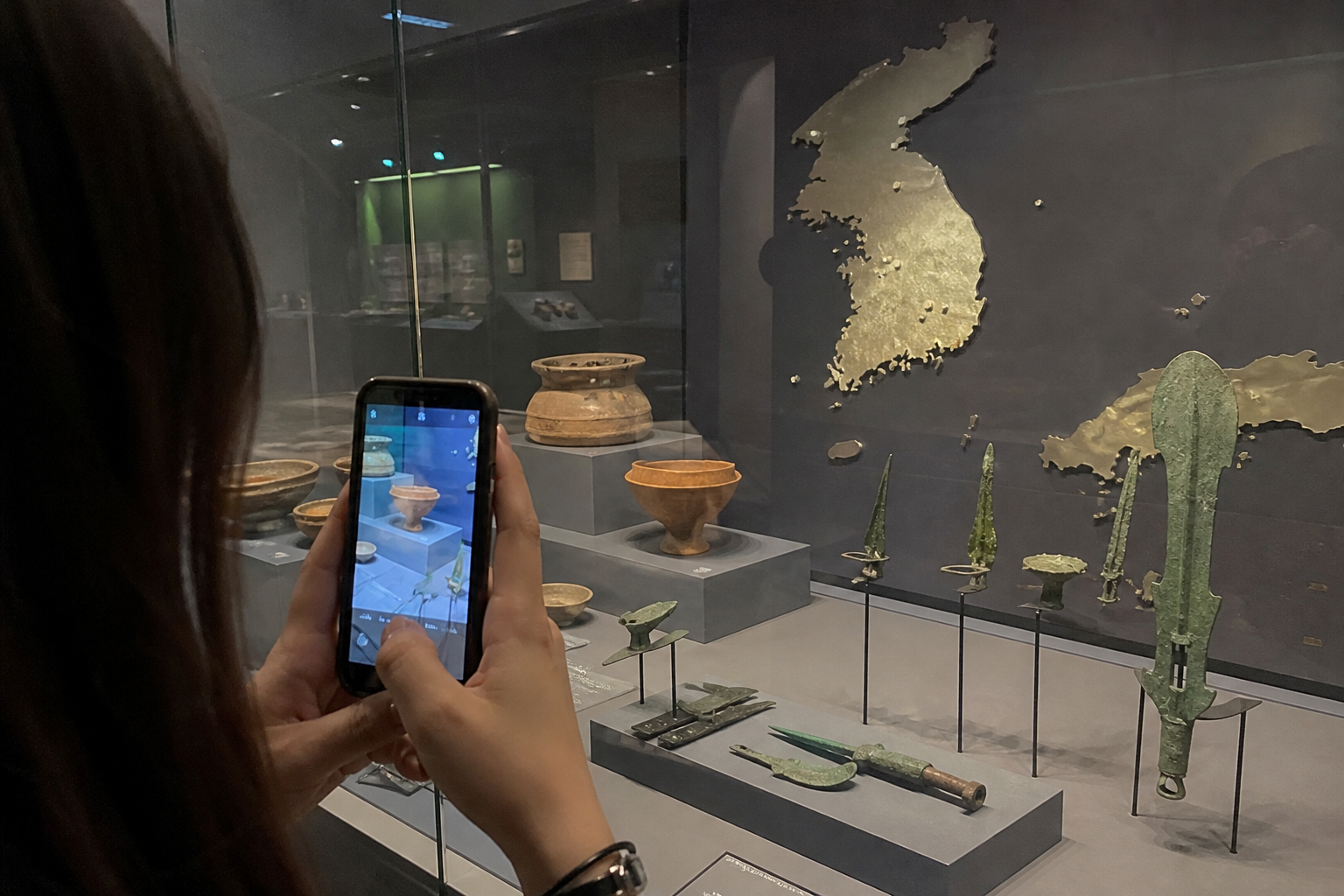
Wiman Chosŏn (194–108 BC) was a dynasty of Old Chosŏn (Go-Joseon). It began with Wiman's (Wei Man) seizure of the throne from King Jun of Joseon and ended with the death of King Ugeo, who was Wiman's grandson. Apart from archaeological data, the main source on this historical period comes from chapter 115 of Sima Qian's Shiji.
Read the brief →
HISTORY · Prehistory to 935
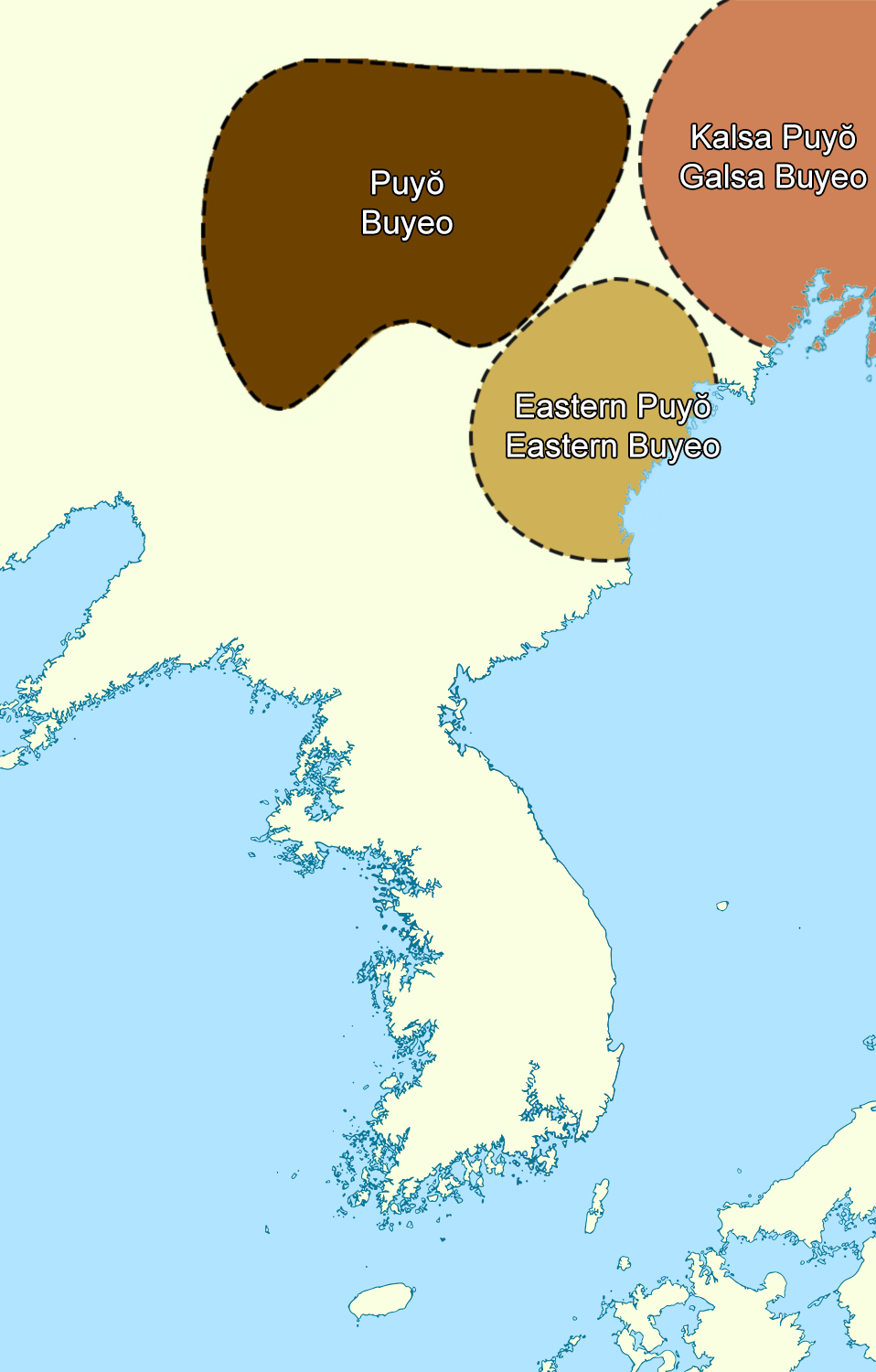
Buyeo or Puyŏ (Korean: 부여; RR: Buyeo; MR: Puyŏ; Korean pronunciation: [pu.jʌ]), also rendered as Fuyu (Chinese: 夫餘/扶餘; pinyin: Fūyú/Fúyú) in Chinese, was an ancient kingdom that was centered in northern Manchuria in modern-day northeast China. It had deep ties to the Yemaek people, who are considered to be the ancestors of modern Koreans.
Read the brief →
HISTORY · Prehistory to 935
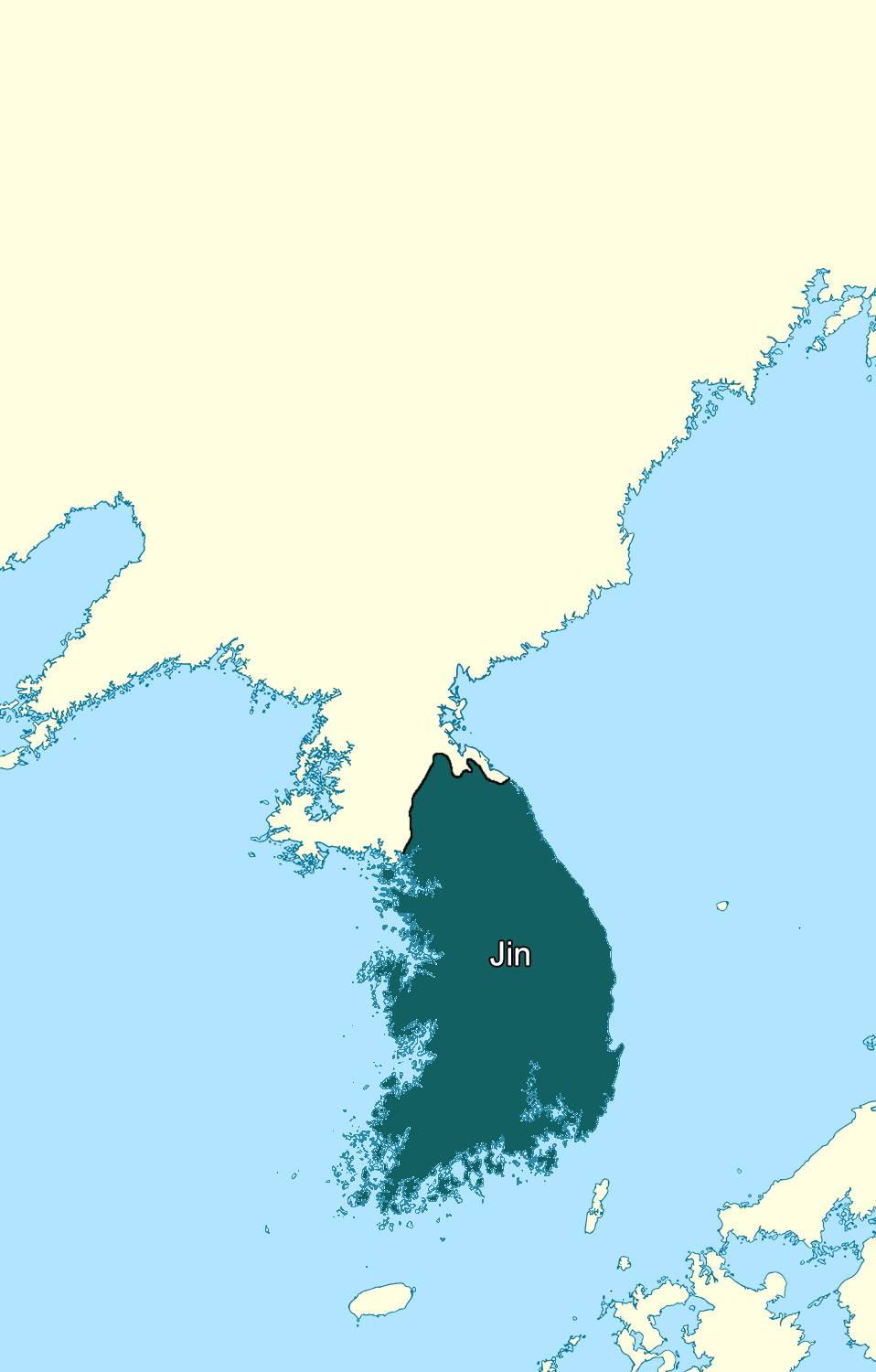
The state of Jin (Korean pronunciation: [tɕin]) was a confederacy of statelets which occupied some portion of the southern Korean peninsula from the 4th to 2nd centuries BCE, bordering the Korean Kingdom of Old Chosŏn (Gojoseon) to the north. Its capital was somewhere south of the Han River.
Read the brief →
HISTORY · Prehistory to 935
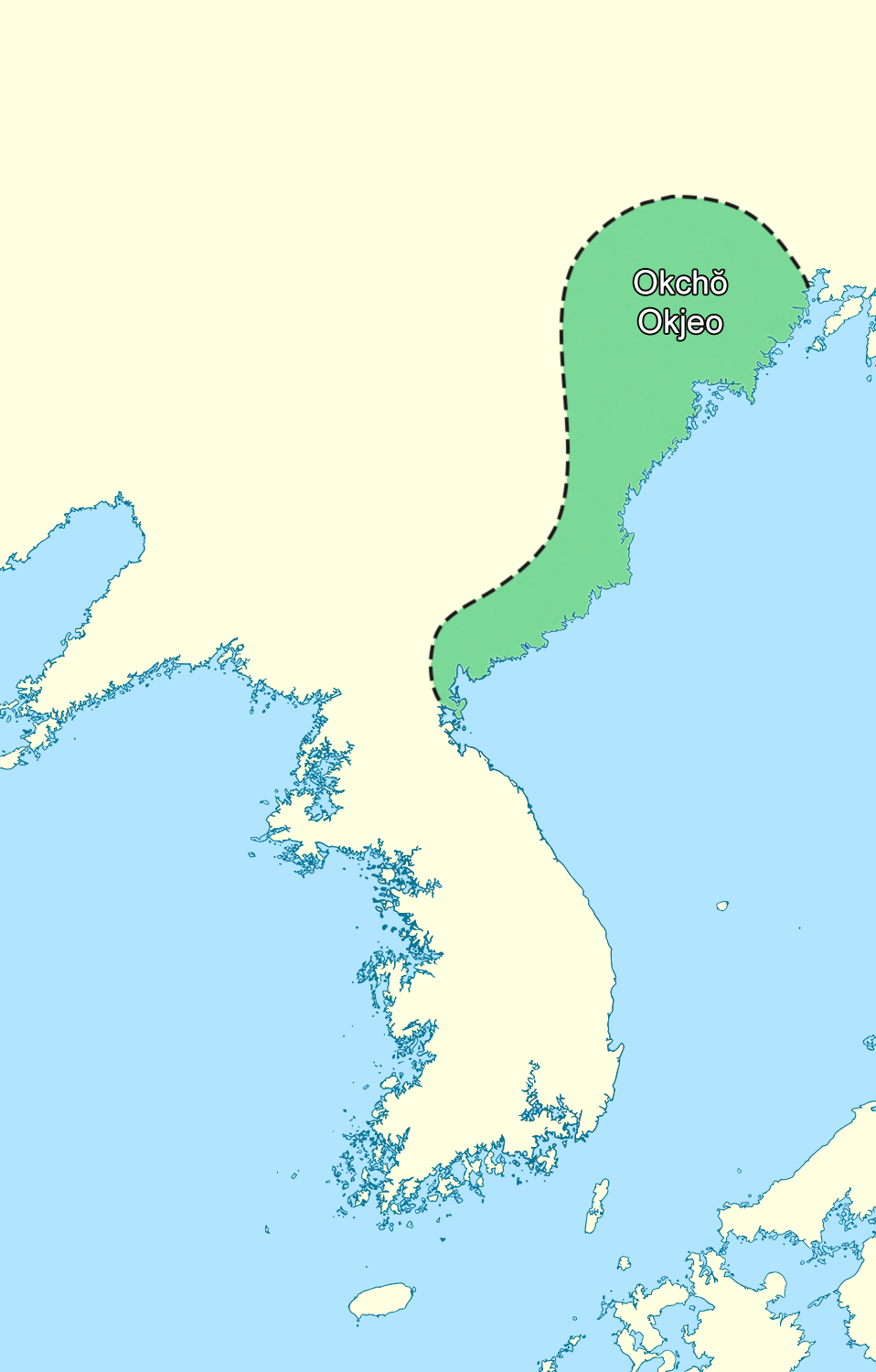
Okjeo (Korean: 옥저; Hanja: 沃沮; pronounced [ok̚.t͈ɕʌ]) was an ancient Korean tribal state which arose in the northern Korean peninsula from perhaps the 2nd century BCE to the 5th century CE. Dong-okjeo (Eastern Okjeo) occupied roughly the area of the Hamgyŏng provinces of North Korea, and Buk-okjeo (Northern Okjeo) occupied the Duman River region.
Read the brief →
HISTORY · Prehistory to 935
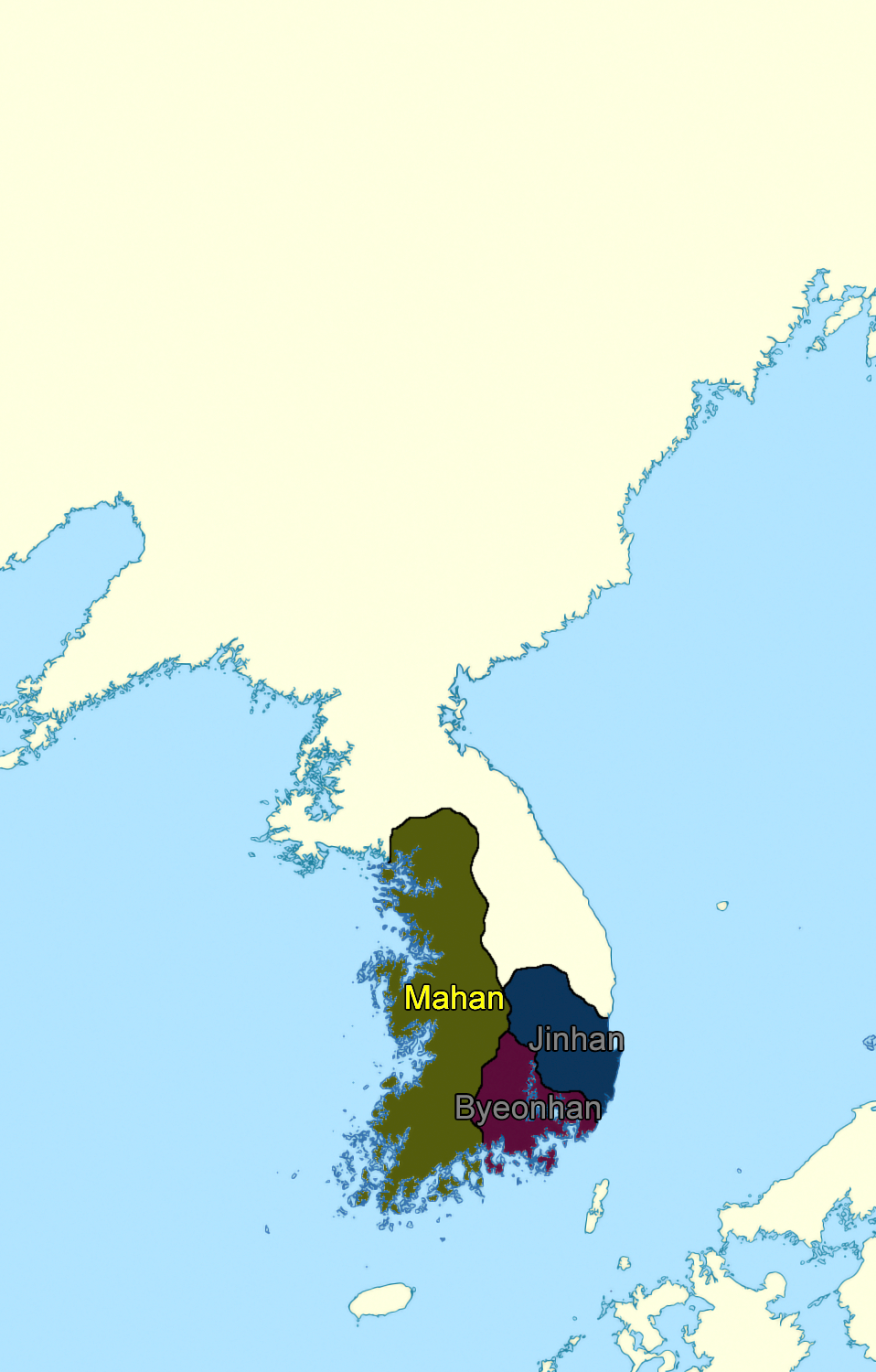
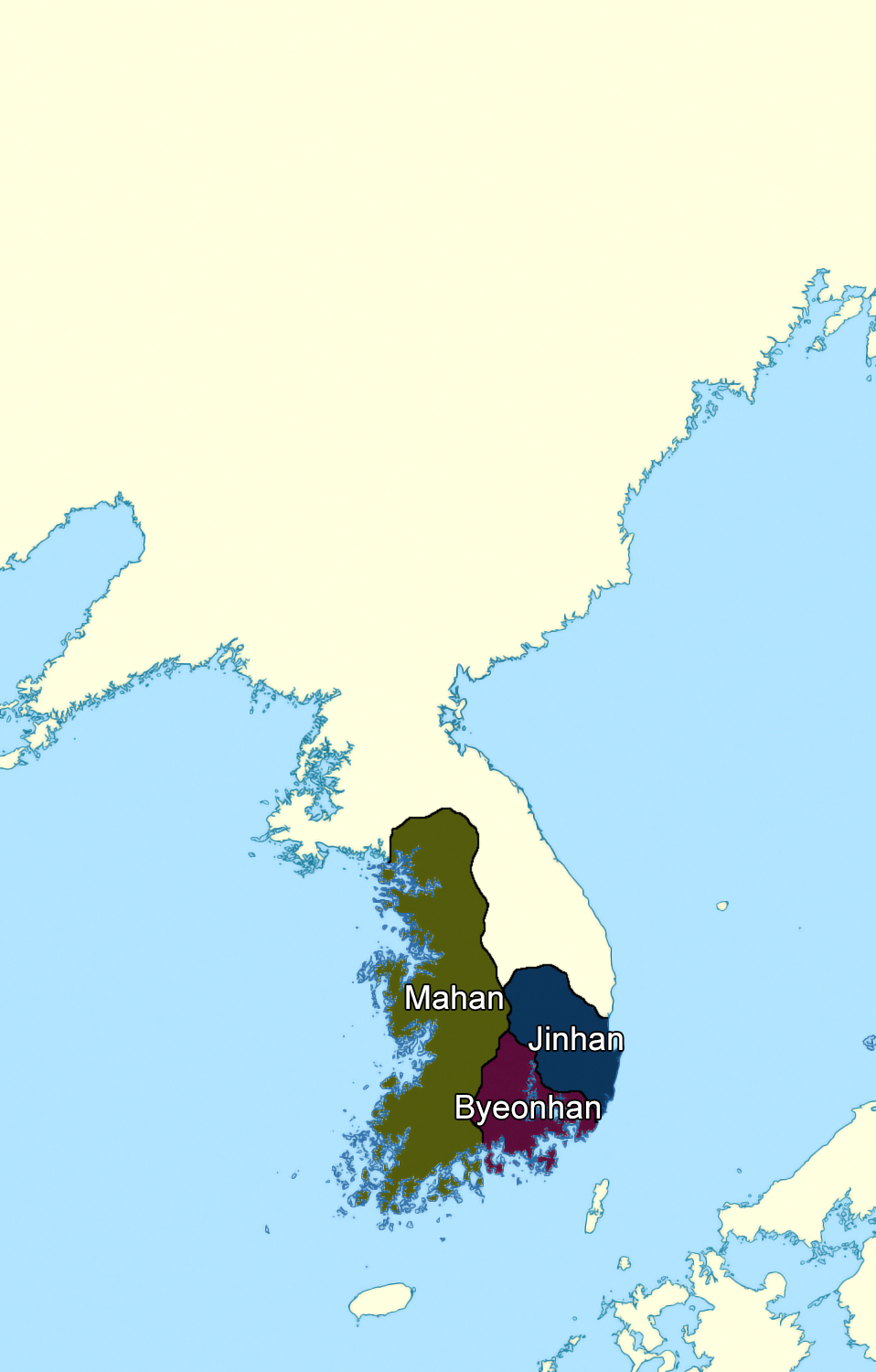
Mahan (Korean: 마한; Hanja: 馬韓; pronounced [ma.ɦan]) was a tribal grouping in southwestern Korea described in Chinese sources from the 3rd century. It was the largest of the 'three Hans' (the Samhan), along with Byeonhan and Jinhan. During the 4th century, the kingdom of Paekche rose in the territory of Mahan and became one of the Three Kingdoms of Korea.
Read the brief →
HISTORY · Prehistory to 935
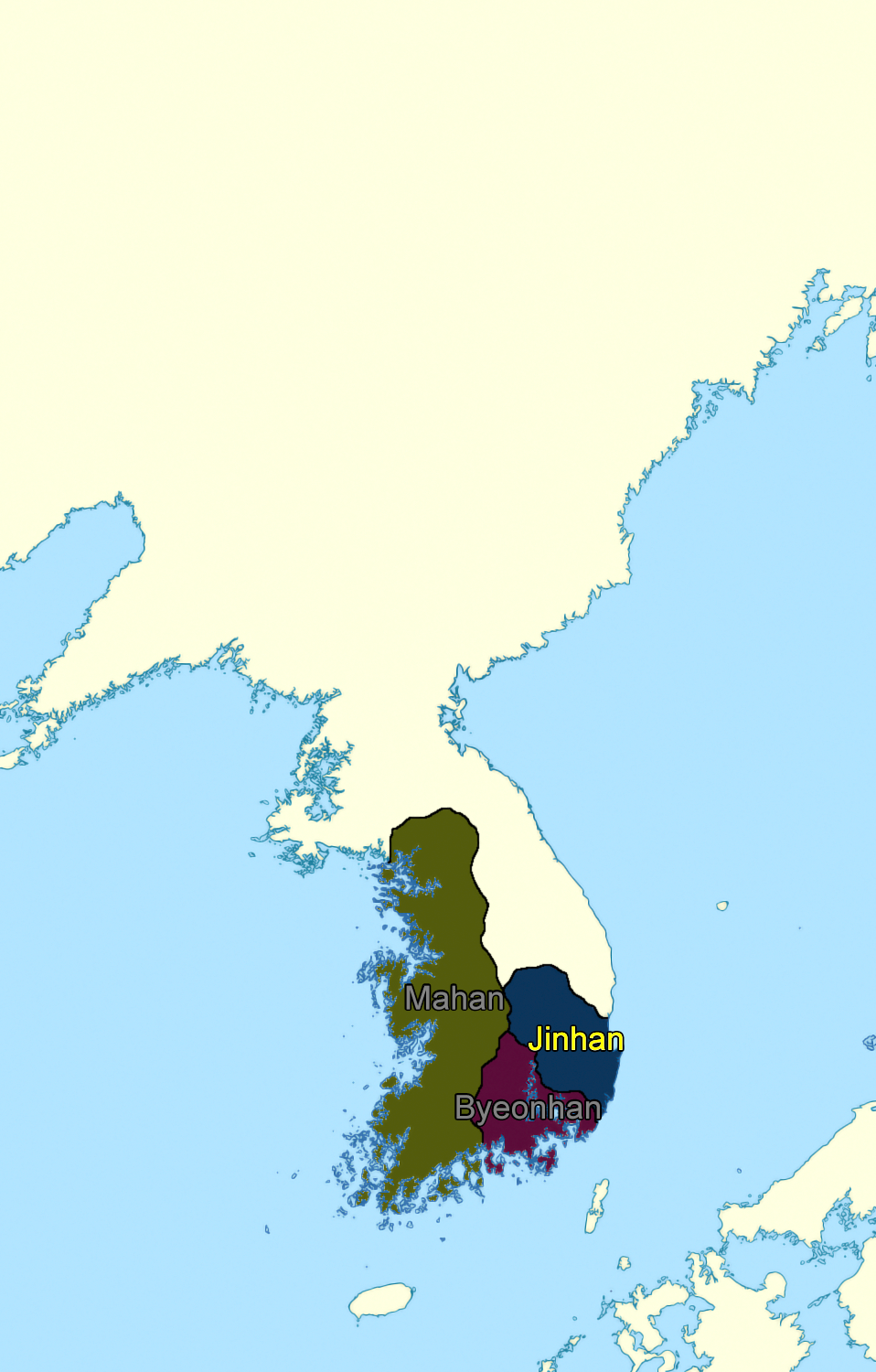
Jinhan (Korean: 진한; pronounced [tɕin.ɦan]) was a loose confederacy of chiefdoms that existed from around the 1st century BCE to the 4th century CE in the southern Korean peninsula, to the east of the Nakdong River valley, Gyeongsang Province. Jinhan was one of the Samhan (or "Three Hans"), along with Byeonhan and Mahan.
Read the brief →
HISTORY · Prehistory to 935
Samhan, or Three Hans (Korean: 삼한; Hanja: 三韓), is the collective name of the three confederacies: Byeonhan, Jinhan, and Mahan that emerged in the first century BCE during the Proto–Three Kingdoms of Korea, or Samhan, period. Located in the central and southern regions of the Korean Peninsula, the Samhan confederacies eventually merged and developed into the…
Read the brief →
HISTORY · Prehistory to 935
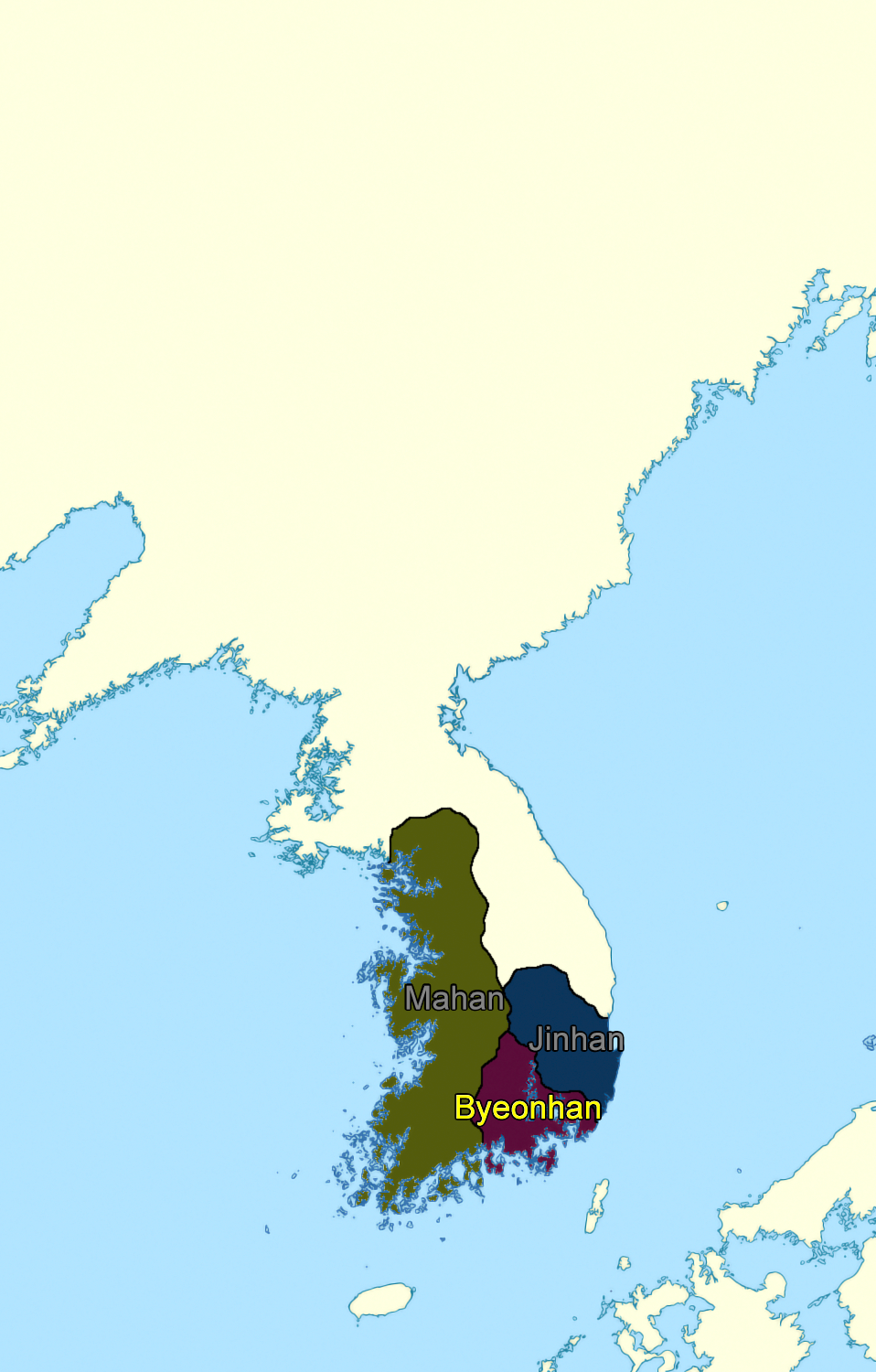
Byeonhan (Korean: 변한; Hanja: 弁韓; pronounced [pjʌn.ɦan]), also known as Byeonjin (변진; 弁辰; [pjʌn.dʑin]), was a loose confederacy of chiefdoms that existed from around the beginning of the Common Era to the 4th century in the southern Korean peninsula. Byeonhan was one of the Samhan (or "Three Hans"), along with Mahan and Jinhan.
Read the brief →
HISTORY · Prehistory to 935
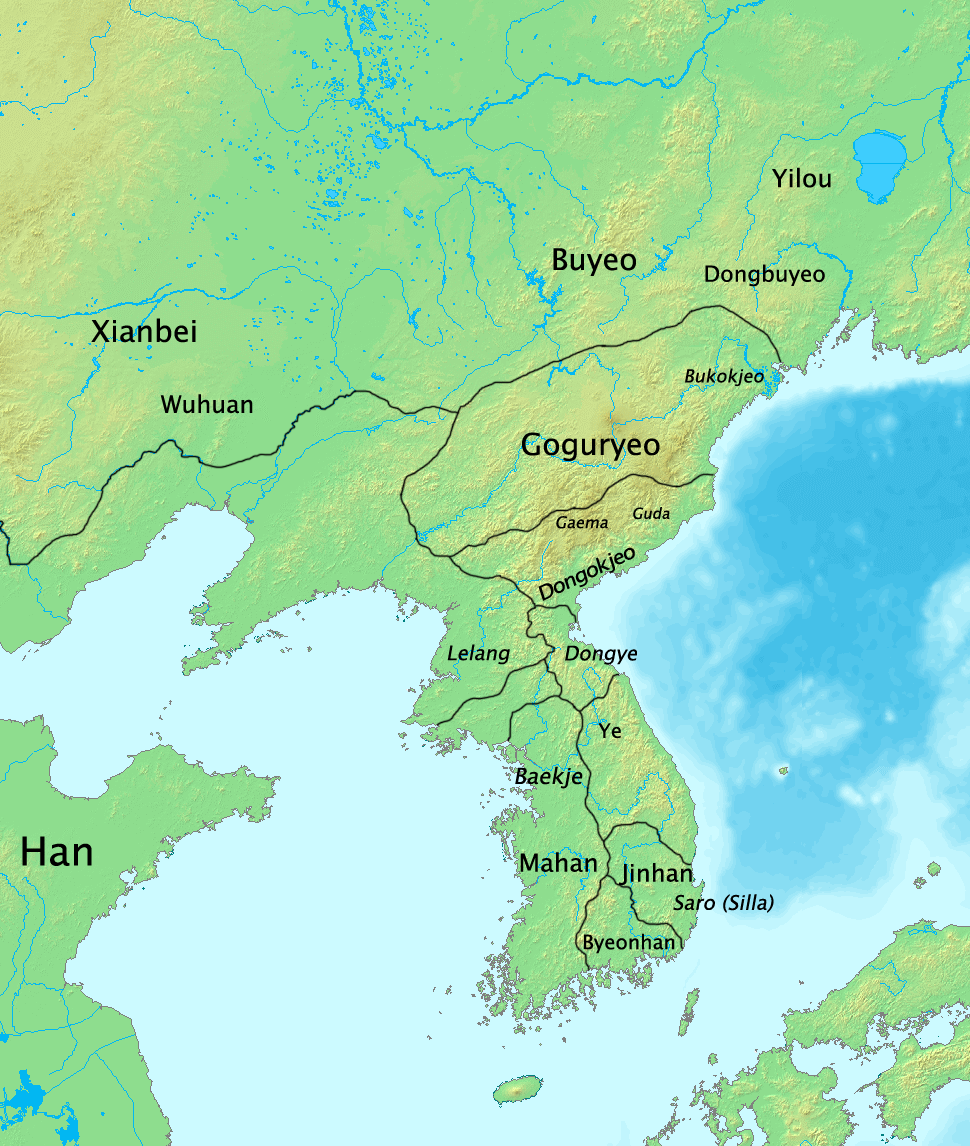
The Proto–Three Kingdoms period (Korean: 원삼국시대; Hanja: 原三國時代) refers to the proto-historical period in the Korean Peninsula after the fall of Old Chosŏn and before the maturation of Goguryeo, Paekche, and Silla into full-fledged kingdoms.
Read the brief →
HISTORY · Prehistory to 935
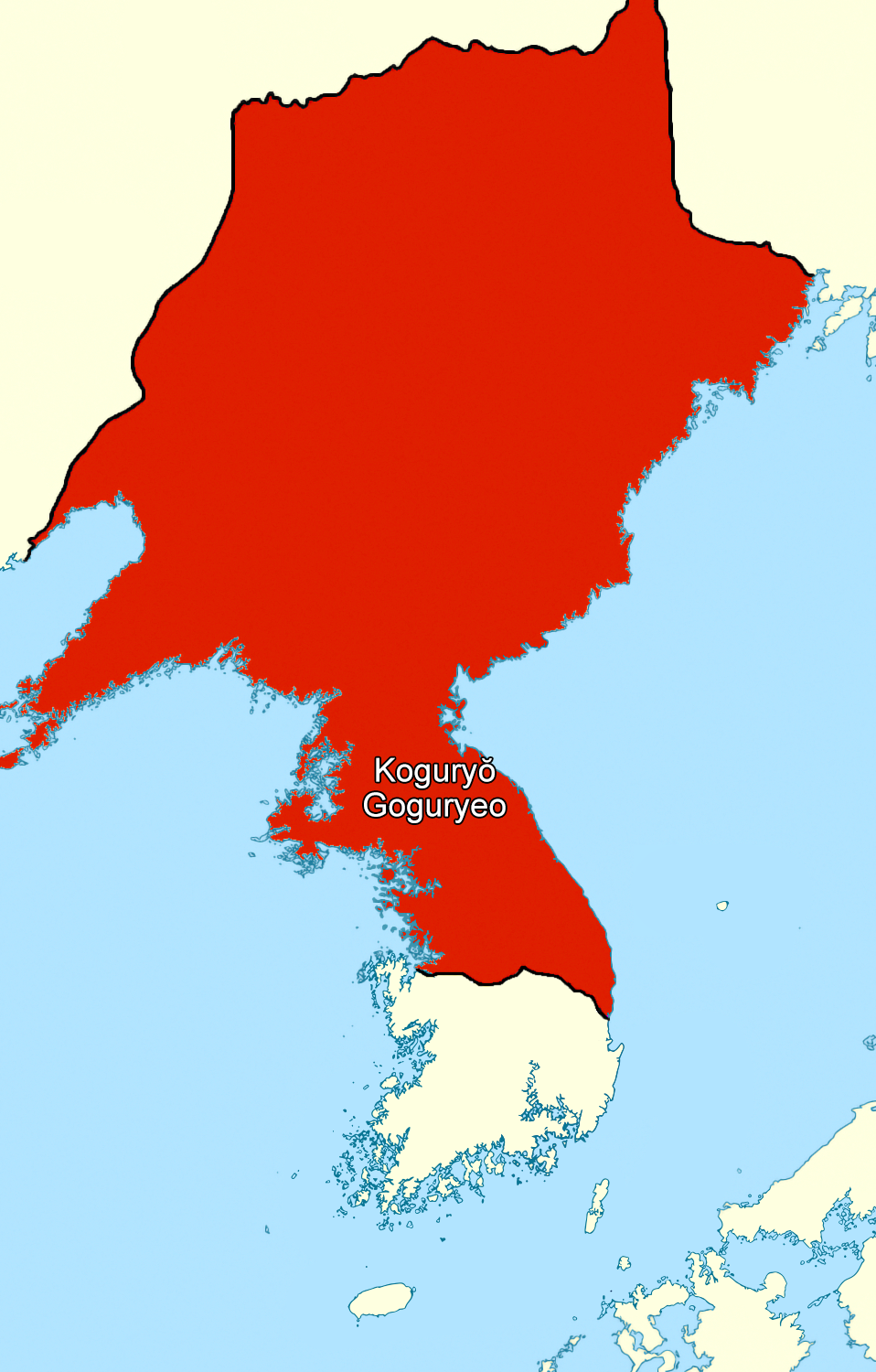
Goguryeo (37 BC – 668 AD) (Korean: 고구려; Hanja: 高句麗; RR: Goguryeo; lit. 'high castle'; Korean pronunciation: [ko̞.ɡu.ɾjʌ̹]; Old Korean: Guryeo) also later known as Goryeo (Korean: 고려; Hanja: 高麗; RR: Goryeo; lit. 'high and beautiful'; Korean pronunciation: [ko.ɾjʌ]; Middle Korean: 고ᇢ롕〮, kwòwlyéy), was a Korean kingdom which was located on the northern and…
Read the brief →
HISTORY · Prehistory to 935
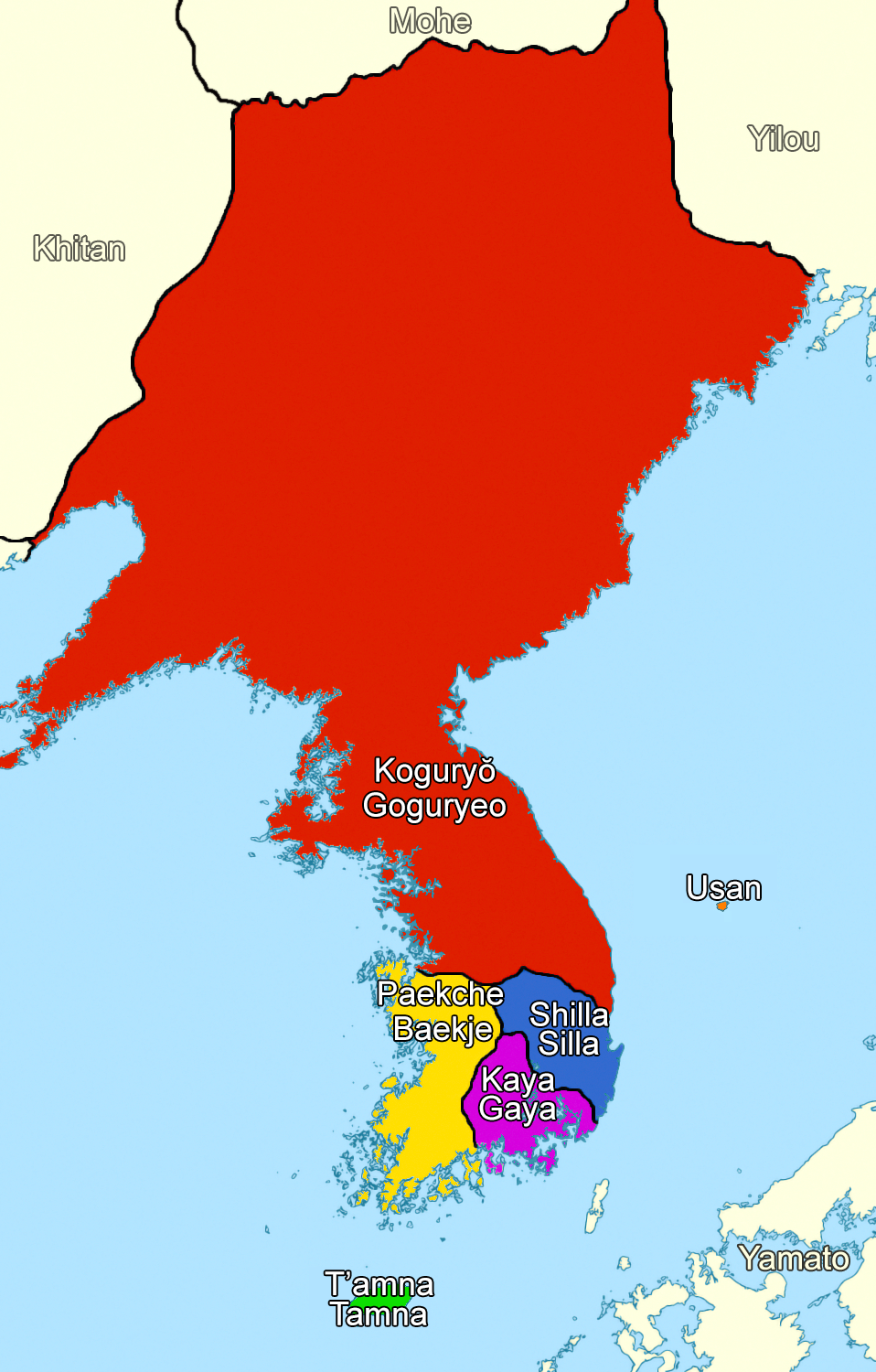
The Three Kingdoms of Korea (Korean: 삼국시대; Hanja: 三國時代) or Samhan of Korea, refers to the period in Korean history when the peninsula was divided into three major kingdoms: Goguryeo, Paekche, and Silla (also known as the "Samhan" kingdoms) following the Proto–Three Kingdoms period.
Read the brief →
HISTORY · Prehistory to 935
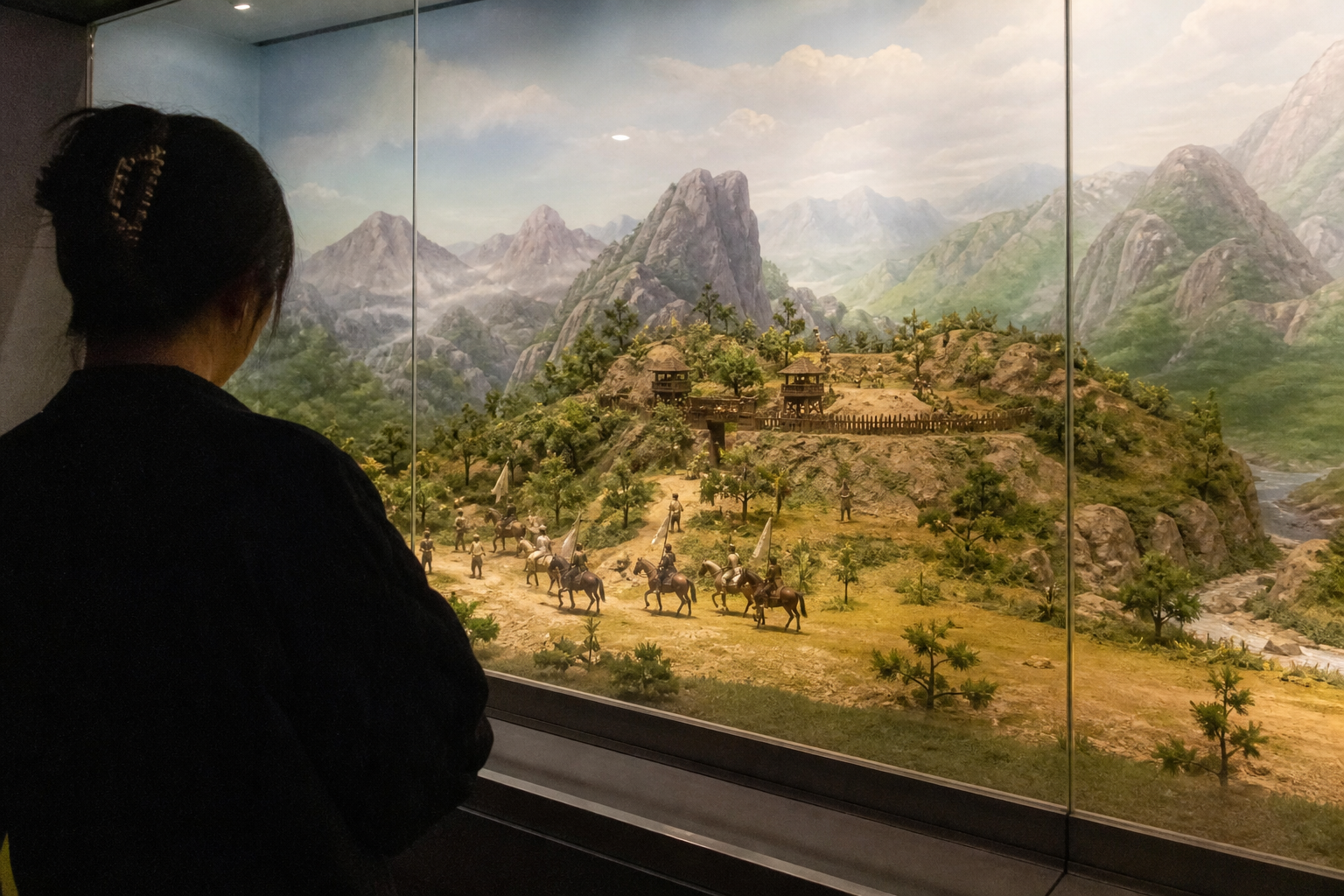
Dongmyeong of Goguryeo (Korean: 동명성왕; Hanja: 東明聖王), personal name Ko Chumong (고주몽; 高朱蒙), was the founding monarch of the kingdom of Goguryeo, and was worshipped as a god-king by the people of Goguryeo and Goryeo. King Dongmyeong was also an important figure for the kingdom of Baekje, as the father of its founding monarch, King Onjo.
Read the brief →
HISTORY · Prehistory to 935
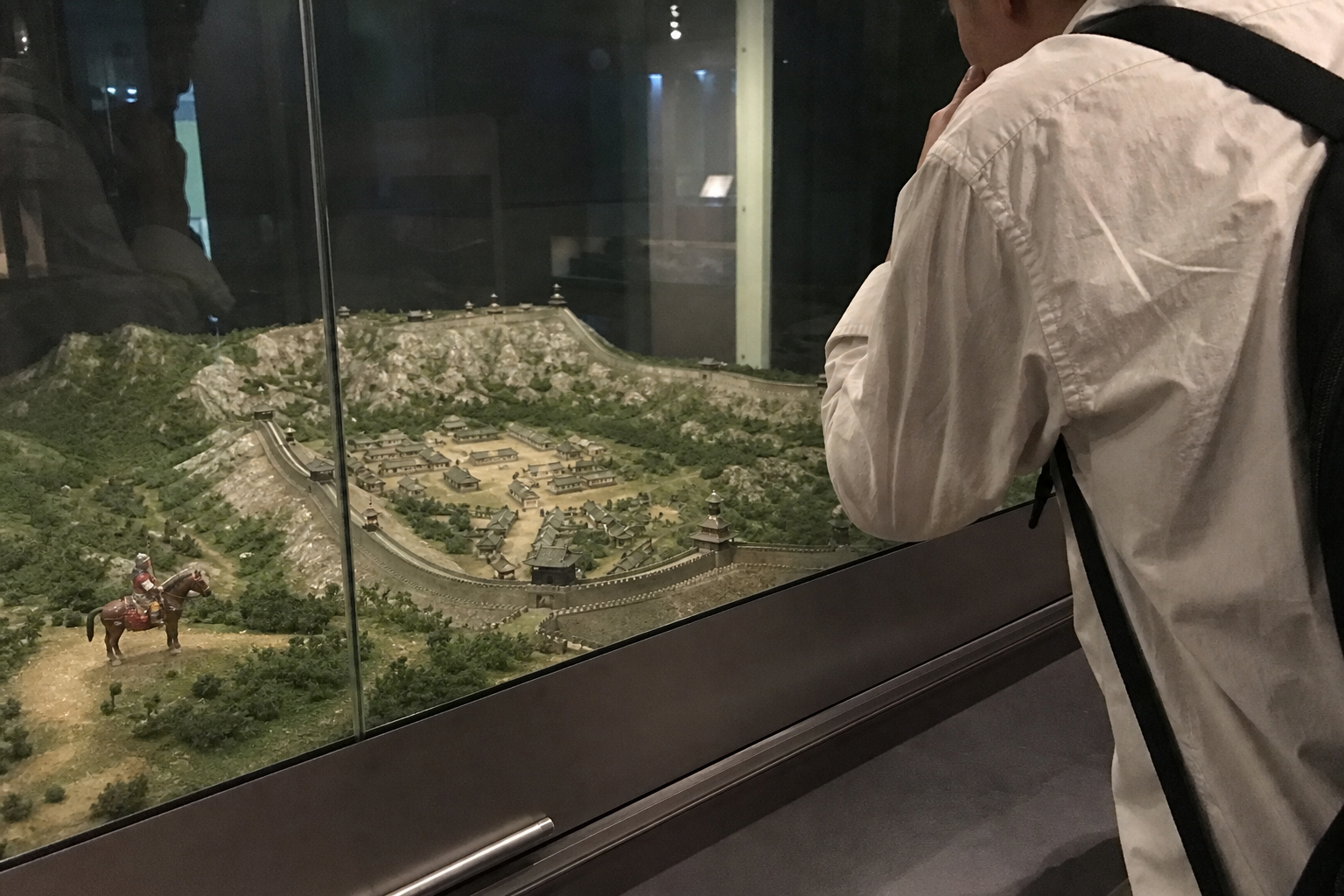
Gwanggaeto the Great (374–412, r. 391–412) was the nineteenth monarch of Goguryeo. His full posthumous name means "Entombed in Gukgangsang, Broad Expander of Domain, Peacemaker, Supreme King", sometimes abbreviated to Hotaewang. His era name is Yeongnak and he is occasionally recorded as Yeongnak Taewang ("Great King" or "Emperor" Yeongnak).
Read the brief →
HISTORY · Prehistory to 935
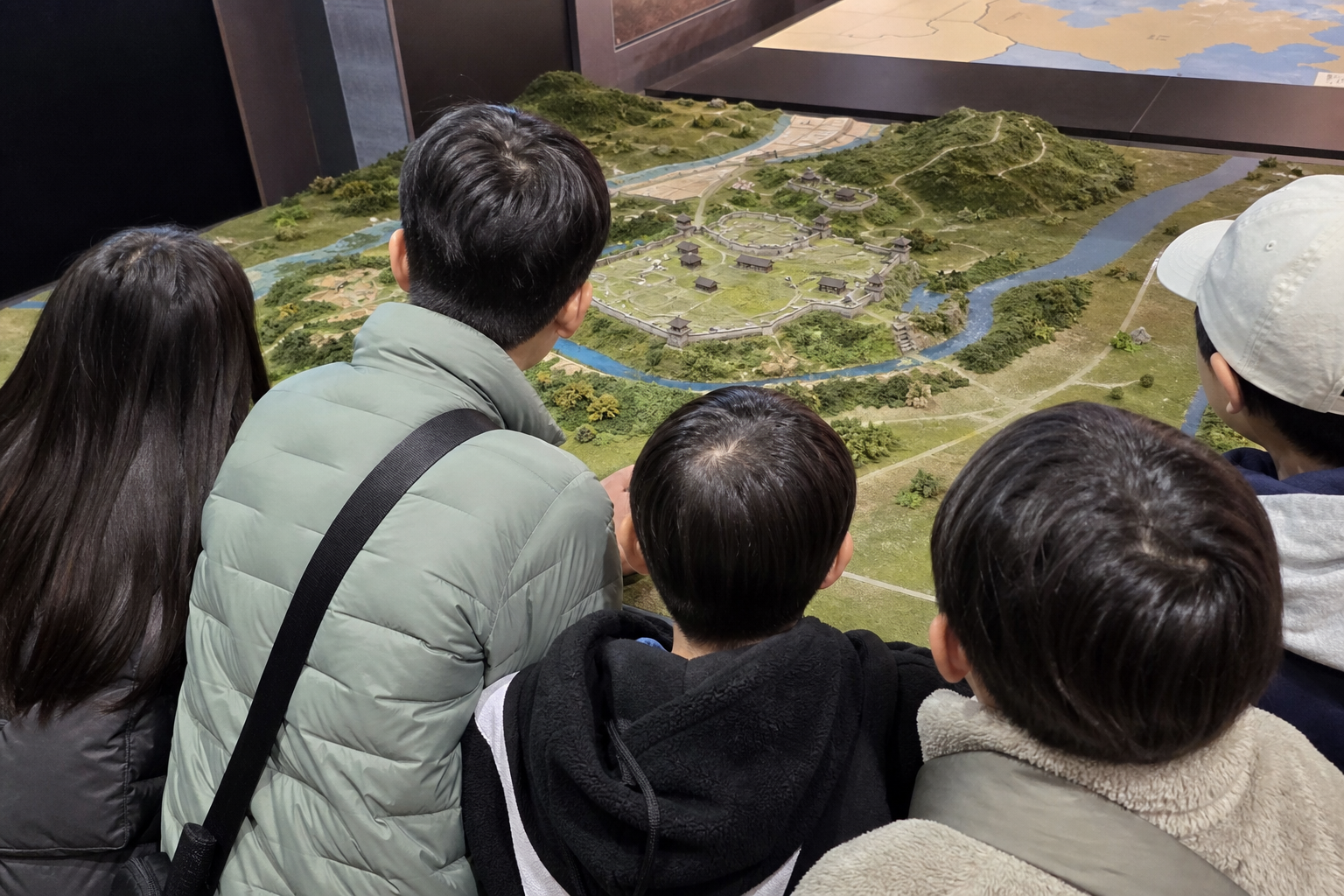
Jangsu (394–491, r. 412–491) was the 20th monarch of Goguryeo, the northernmost of the Three Kingdoms of Korea. He was born in 394 as the eldest son of Gwanggaeto. He became the crown prince in 409, and upon his father's death in 412, became the ruler at the age of 18.
Read the brief →
HISTORY · Prehistory to 935
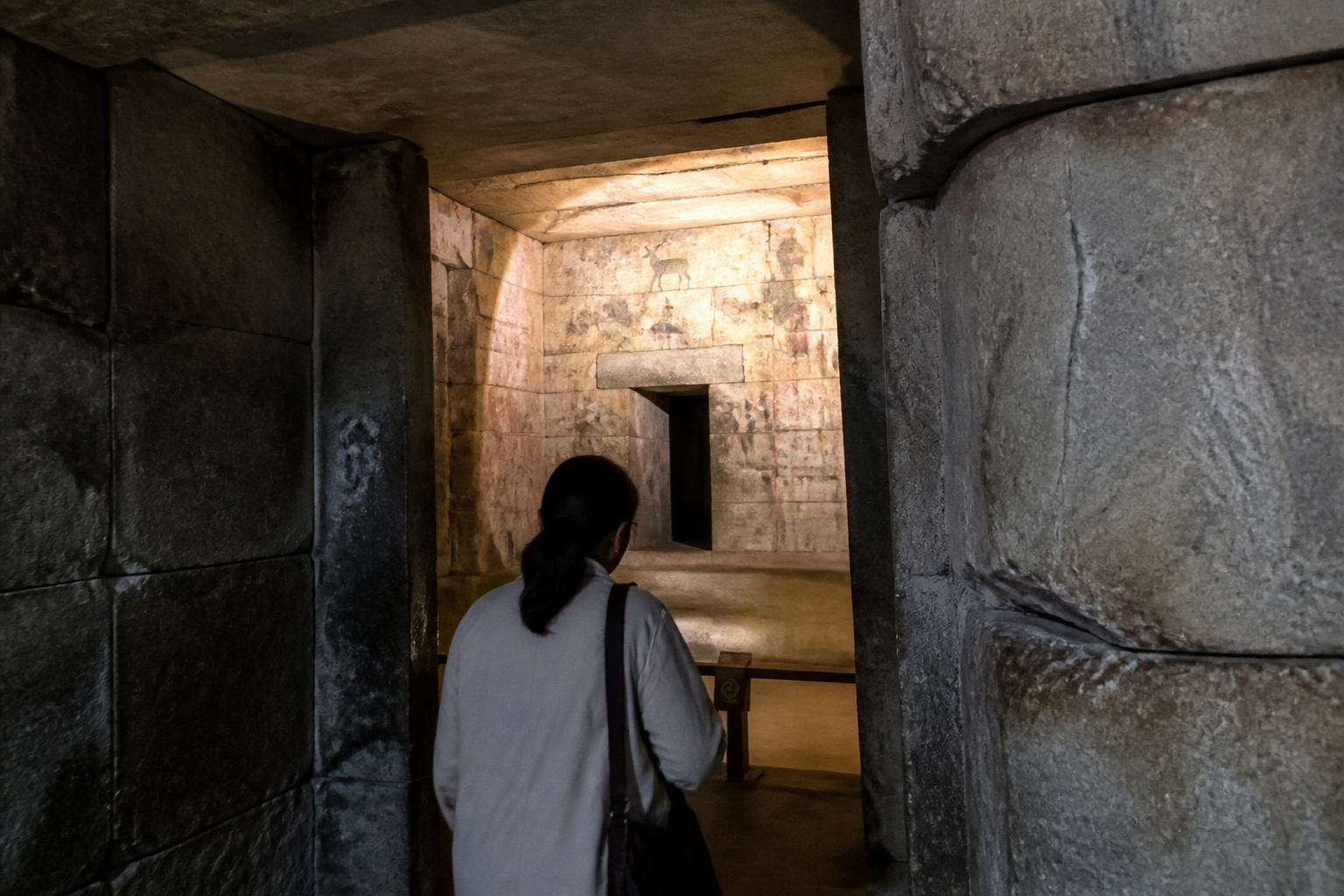
Goguryeo tombs, officially designated as the Complex of Koguryo Tombs (Korean: 고구려 고분군), are tombs in North Korea. In July 2004, they became the first UNESCO World Heritage site in the country. The site consists of 30 individual tombs from the later Goguryeo kingdom, one of Three Kingdoms of Korea, located in the cities of P'yŏngyang and Namp'o.
Read the brief →
HISTORY · Prehistory to 935
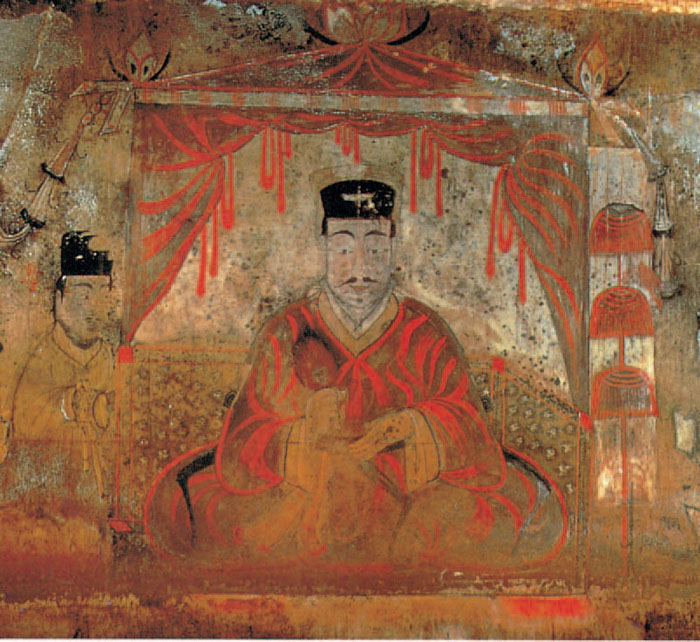
Anak Tomb No. 3 is a chamber tomb of Goguryeo located in Anak, South Hwanghae, North Korea. It is known for mural paintings and an epitaph. It is part of the Complex of Koguryo Tombs. The identity of the tomb's owner is disputed due to an epitaph in the tomb bearing the name of Dong Shou, a former general of the Xianbei Murong clan in Liaodong who fled…
Read the brief →
HISTORY · Prehistory to 935
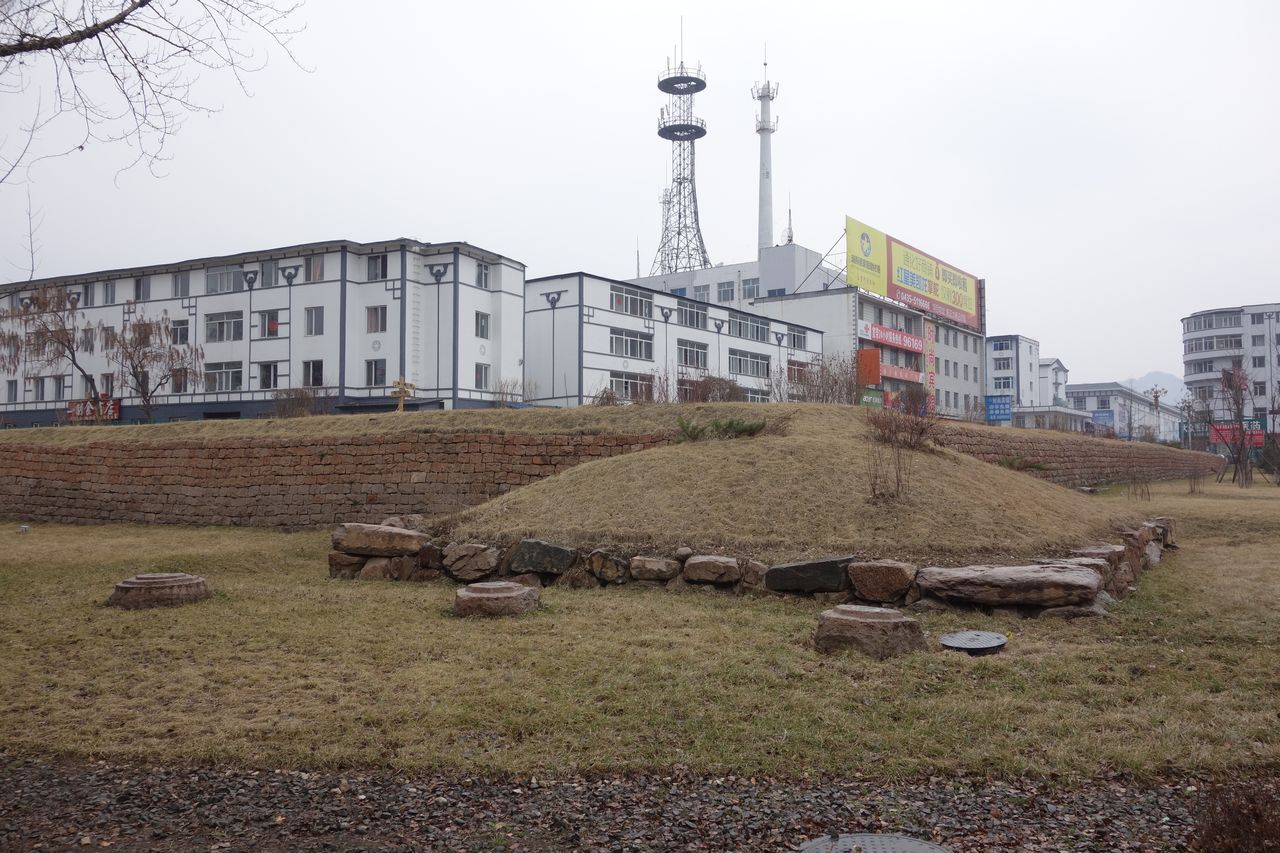
Gungnaeseong (Korean: 국내성; Hanja: 國內城) or Guonei (Chinese: 國內) was the capital of the ancient Korean kingdom of Goguryeo, which was located in Manchuria and the Korean Peninsula. The perimeter of its outer fortress measures 2,686m. It is located in present day Ji'an city, Jilin province, northeast China.
Read the brief →
HISTORY · Prehistory to 935
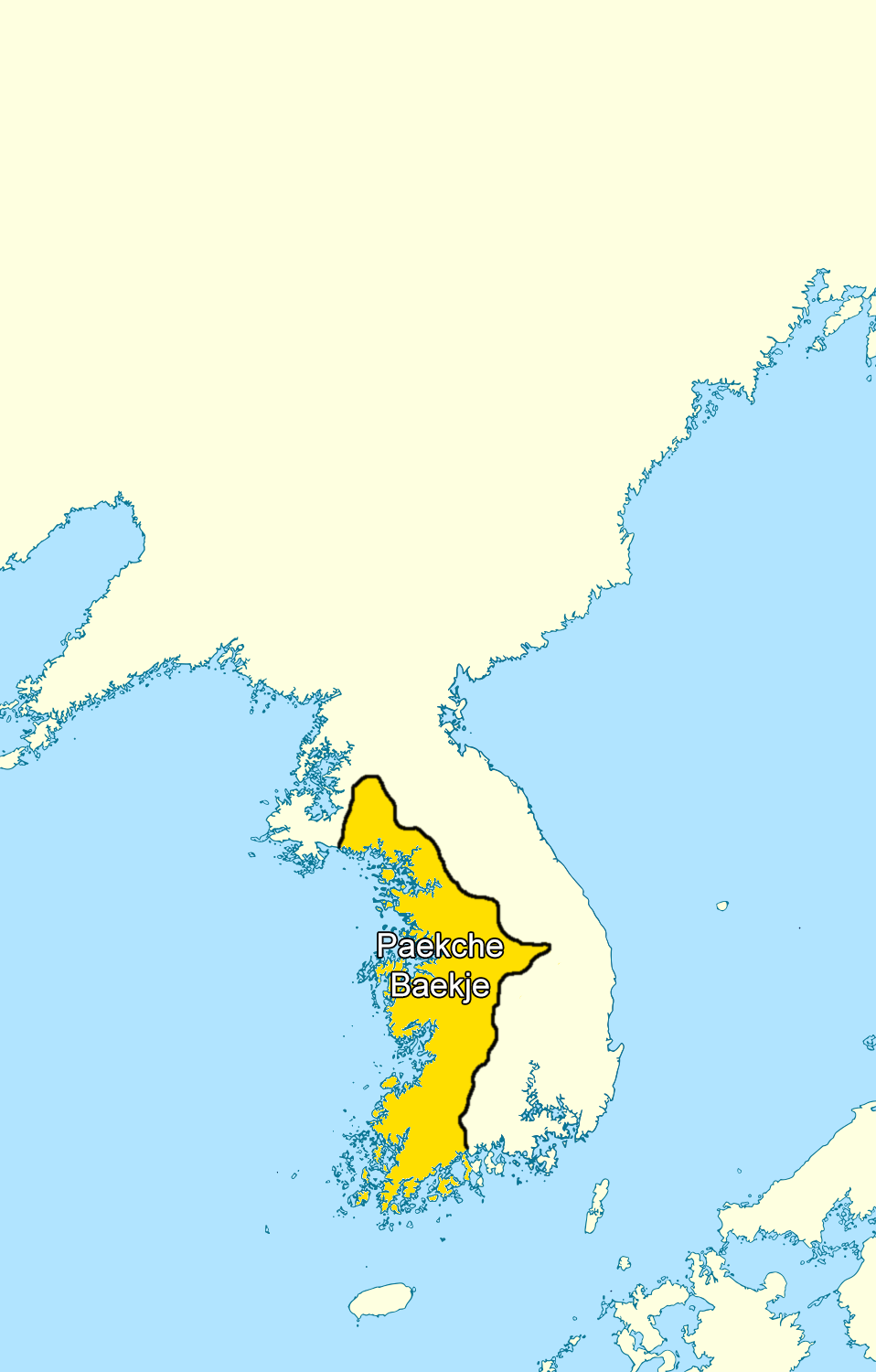
Paekche or Baekje (Korean: 백제; Hanja: 百濟; RR: Baekje; MR: Paekche; pronounced [pɛk̚.tɕ͈e]) was a Korean kingdom located in southwestern Korea from 18 BCE to 660 CE. It was one of the Three Kingdoms of Korea, together with Goguryeo and Silla.
Read the brief →
HISTORY · Prehistory to 935
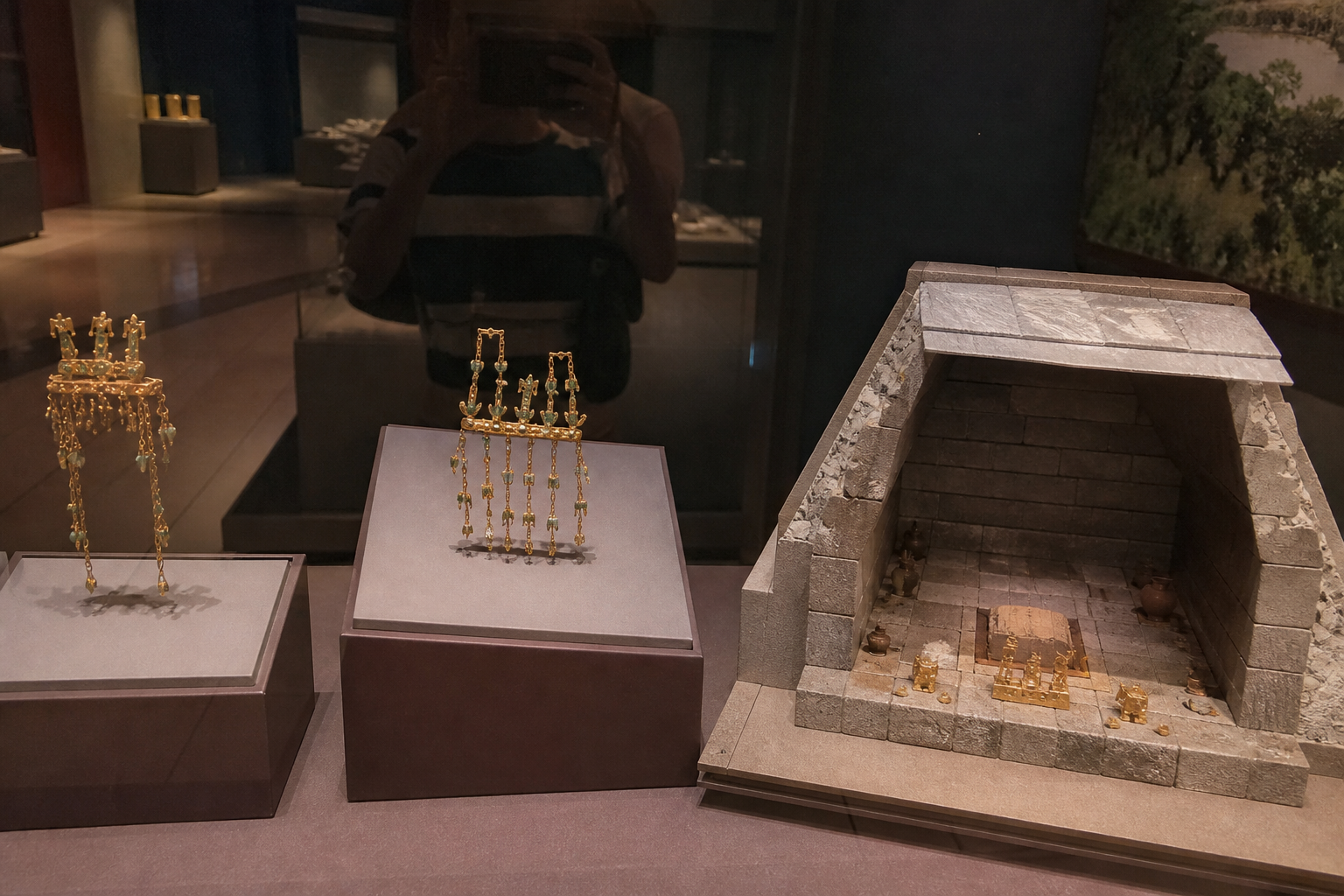
Muryeong (461/462–523) was the 25th king of Baekje, one of the Three Kingdoms of Korea, reigning from 501 to 523. During his reign, Baekje remained allied with Silla against Goguryeo, and expanded its relationships with China and Japan. According to Samguk sagi, his height was recorded as 8 feet (190 cm).
Read the brief →
HISTORY · Prehistory to 935
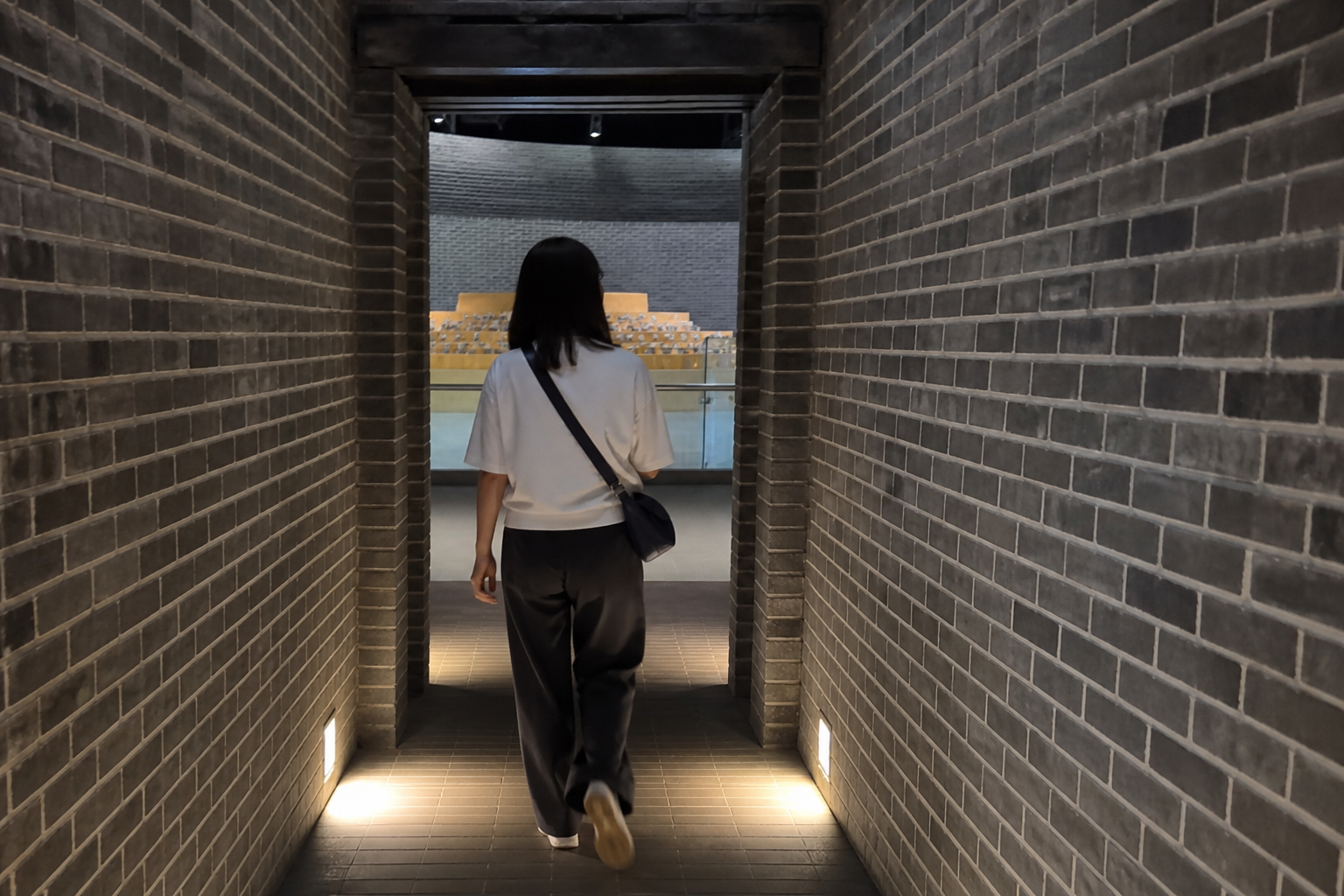
The Tomb of King Muryeong, also known as Songsan-ri Tomb No. 7 (공주 송산리 7호분), is the ancient tumulus of King Muryeong, who ruled the Baekje from 501 to 523, and his queen. The rarity of intact Baekje tombs makes this one of the major archaeological discoveries in Korea and a crucial source for the understanding of Baekje, one of the Three Kingdoms of Korea.
Read the brief →