FOOD · Everyday and ceremonial food
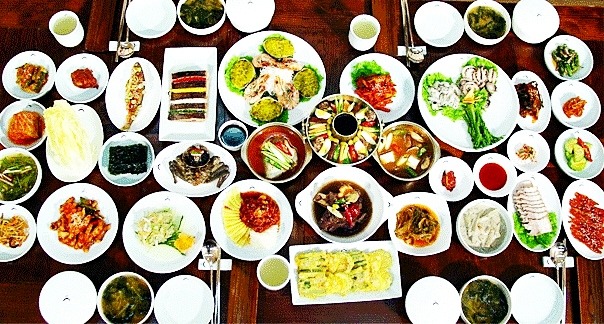
Korean cuisine is the set of foods and culinary styles which are associated with Korean culture. This cuisine has evolved through centuries of social and political change. Originating from ancient agricultural and nomadic traditions in Korea and southern Manchuria, Korean cuisine reflects a complex interaction of the natural environment and different…
Read the brief →
PLACES · Landscapes and regions
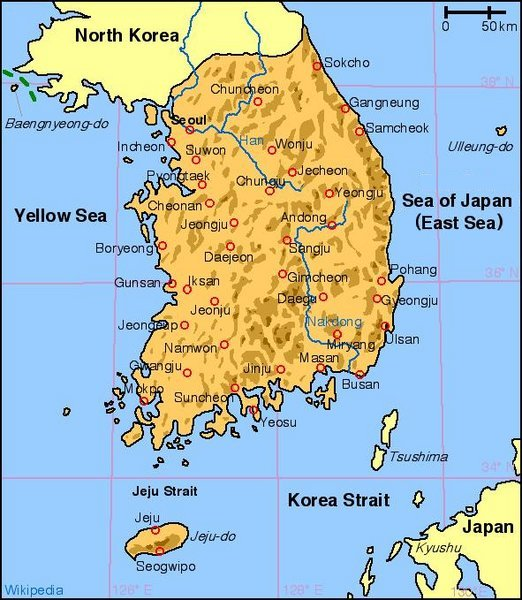
South Korea is located in East Asia, on the southern portion of the Korean Peninsula located out from the far east of the Asian landmass. The only country that shares a land border with South Korea is North Korea, lying to the north with 238 kilometres (148 mi) of the border running along the Korean Demilitarized Zone.
Read the brief →
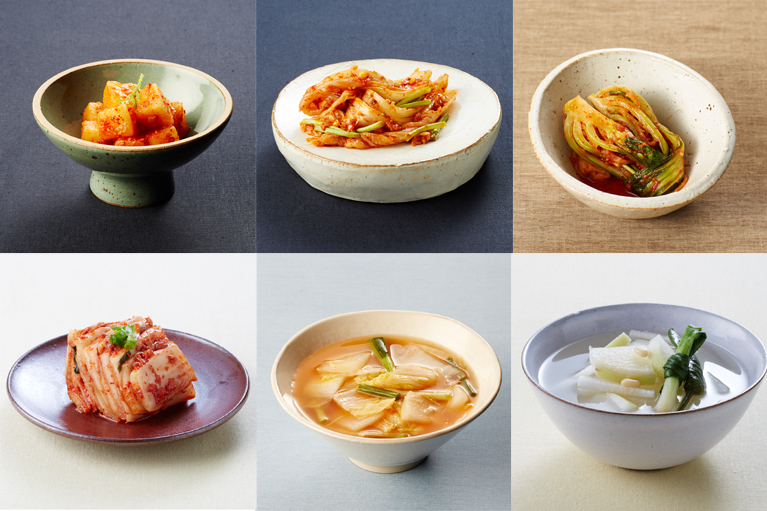
FOOD · Everyday and ceremonial food
Kimchi (; Korean: 김치; pronounced [kim.tɕʰi]) is a traditional Korean side dish (banchan) consisting of salted and fermented vegetables, most often napa cabbage or Korean radish. A wide selection of seasonings are used, including gochugaru (Korean chili powder), spring onions, garlic, ginger, and jeotgal (salted seafood).
Read the brief →
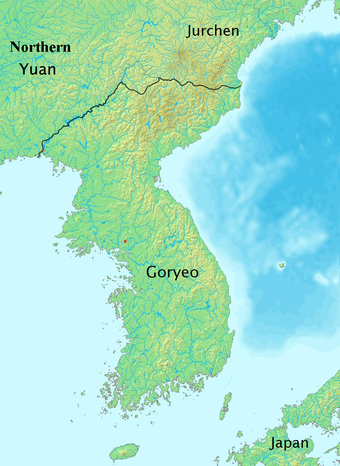
HISTORY · 918–1910
Goryeo (Korean: 고려; Hanja: 高麗; MR: Koryŏ; pronounced [ko.ɾjʌ]; Middle Korean: 고ᇢ롕〮, romanized: kwòwlyéy) was a Korean state founded in 918, during a time of national division called the Later Three Kingdoms period, that unified and ruled the Korean Peninsula until the establishment of Joseon in 1392.
Read the brief →
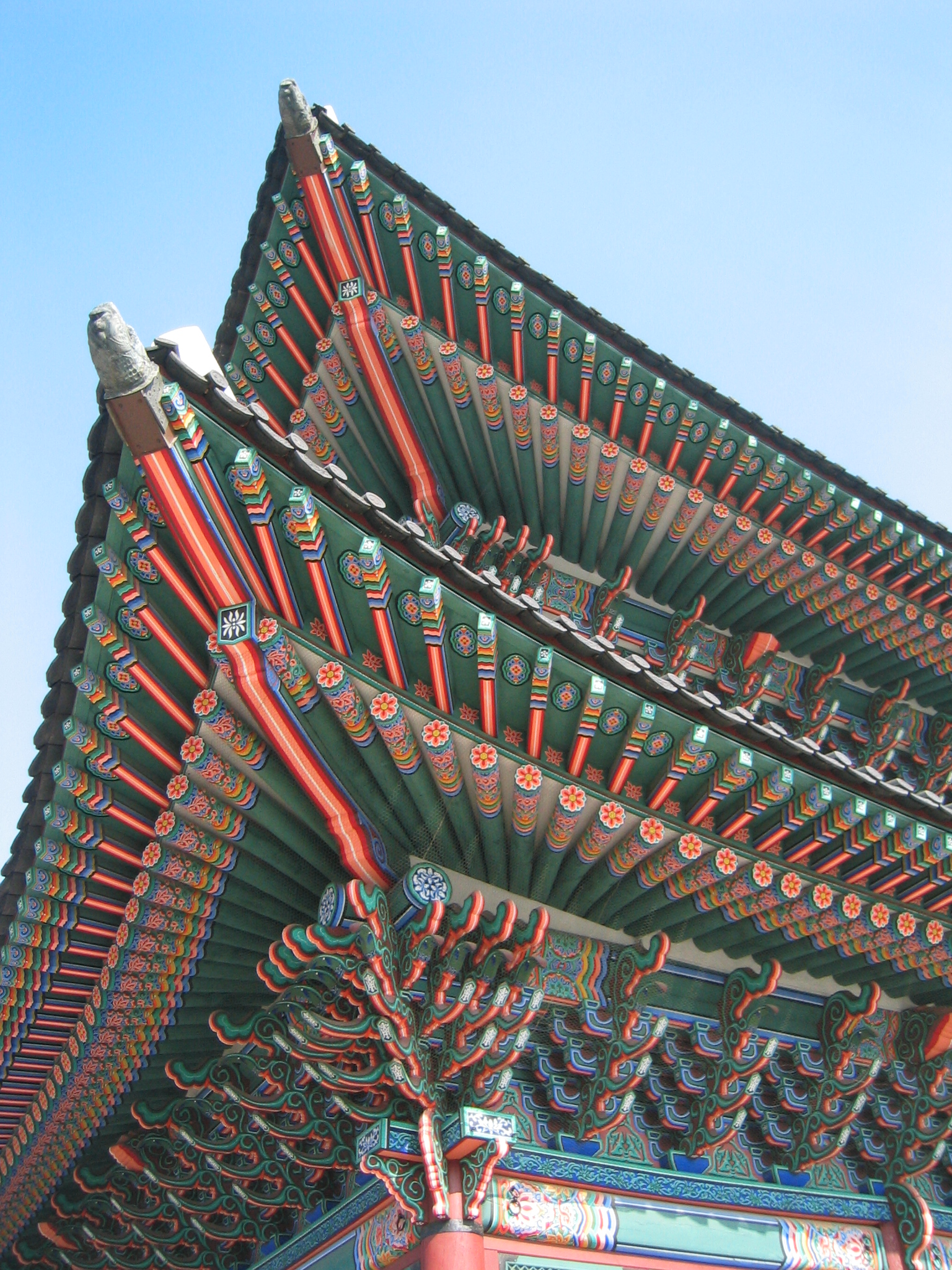
CULTURE · Living heritage
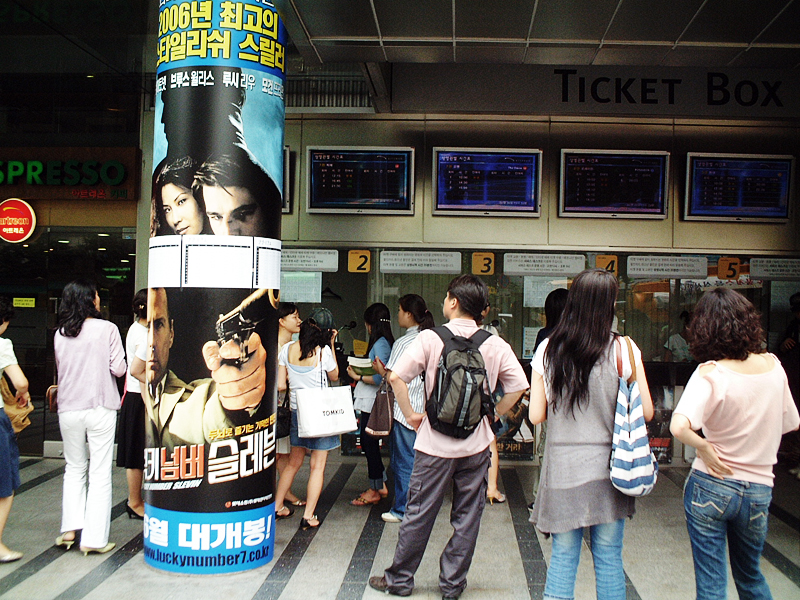
The traditional culture of Korea is the shared cultural and historical heritage of Korea before the division of Korea in 1945. Since the mid-20th century, Korea has been split between the North Korean and South Korean states, resulting in a number of cultural differences that can be observed even today.
Read the brief →
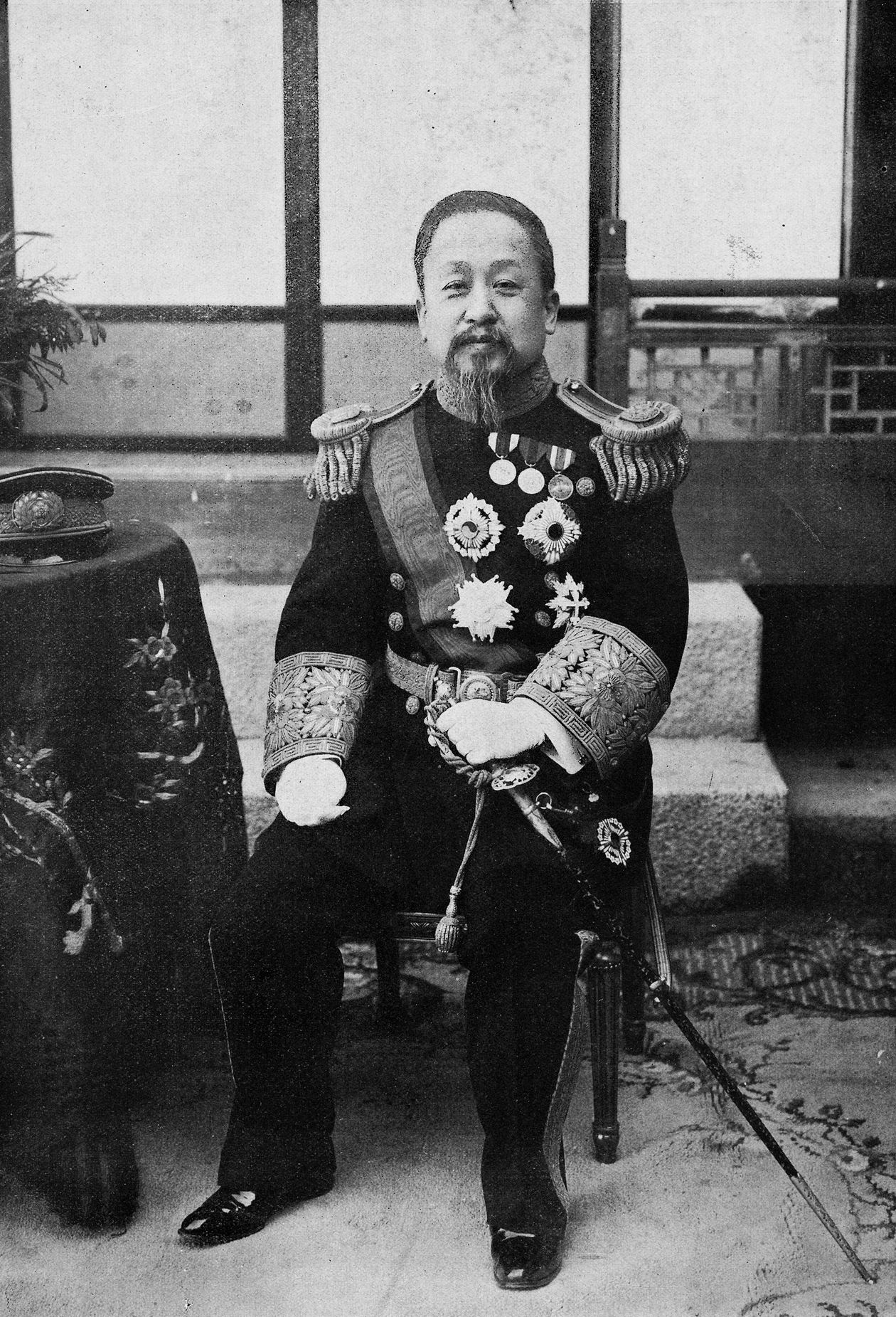
HISTORY · Late 19th century to today
Gojong (Korean: 고종; Hanja: 高宗; 8 September 1852 – 21 January 1919), personal name Yi Jaehwang, later changed to Yi Hui, also known as the Gwangmu Emperor, was the penultimate Korean monarch. He ruled Korea for 43 years, from 1864 until his forced abdication in 1907, initially as the 26th king of Joseon, and then as the first emperor of the Korean Empire.
Read the brief →
HISTORY · Late 19th century to today
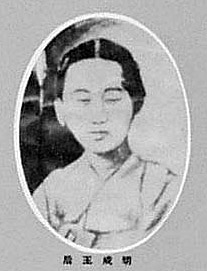
Empress Myeongseongtae (Korean: 명성태황후; Hanja: 明成太皇后; 17 November 1851 – 8 October 1895), of the Yeoheung Min clan, personal name Min Ja-yeong, commonly known as Empress Myeongseong, was the wife of Gojong, the 26th king of Joseon and the first emperor of the Korean Empire. She was queen of Joseon from 1866 until her assassination in 1895.
Read the brief →
CULTURE · Contemporary Korea
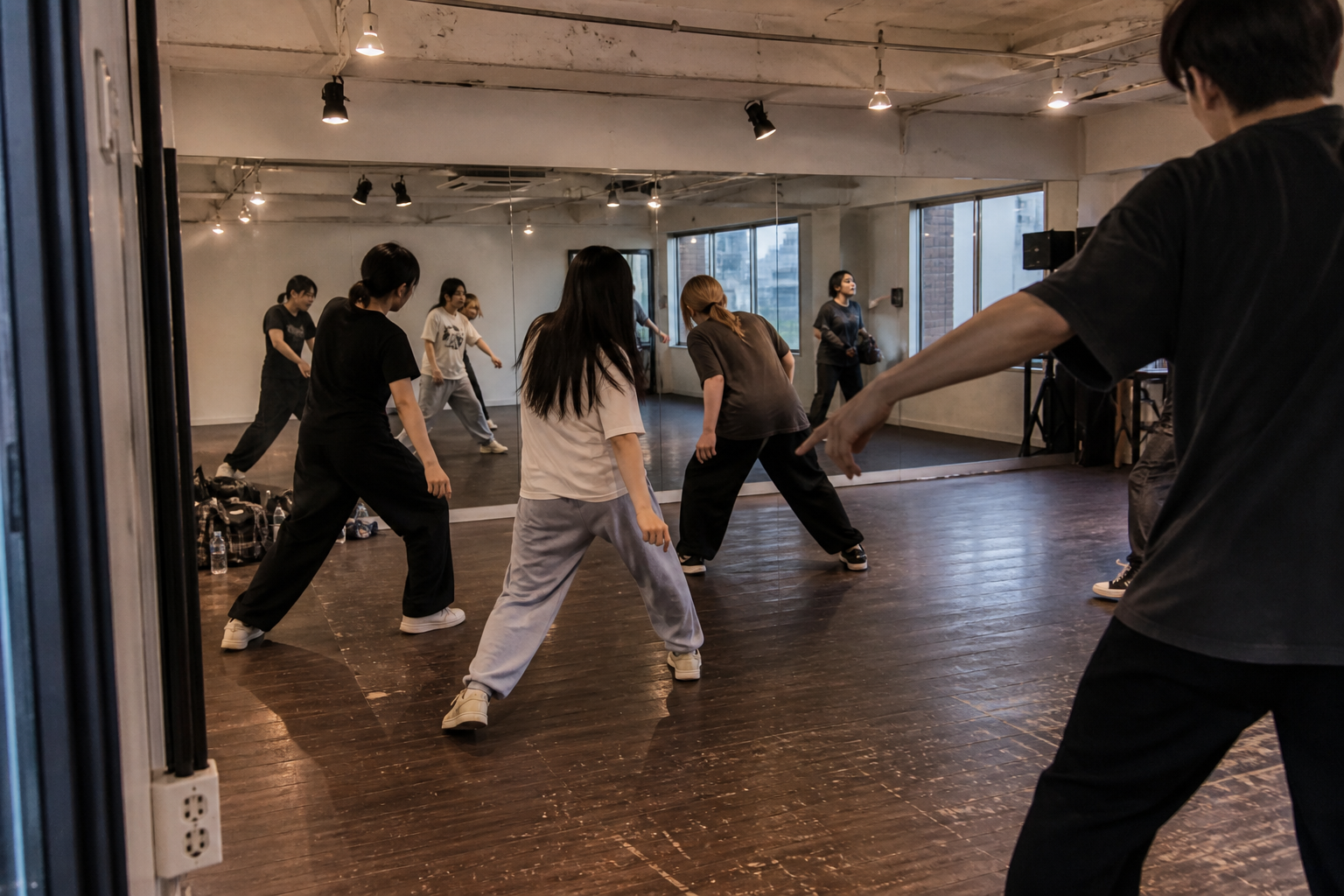
K-pop (Korean: 케이팝; RR: Keipap; an abbreviation of "Korean popular music") is a form of popular music originating in South Korea. The music genre that the term is used to refer to colloquially emerged in the 1990s as a form of youth subculture, with Korean musicians influenced by Western dance music, hip-hop, R&B and rock.
Read the brief →
CULTURE · Living heritage
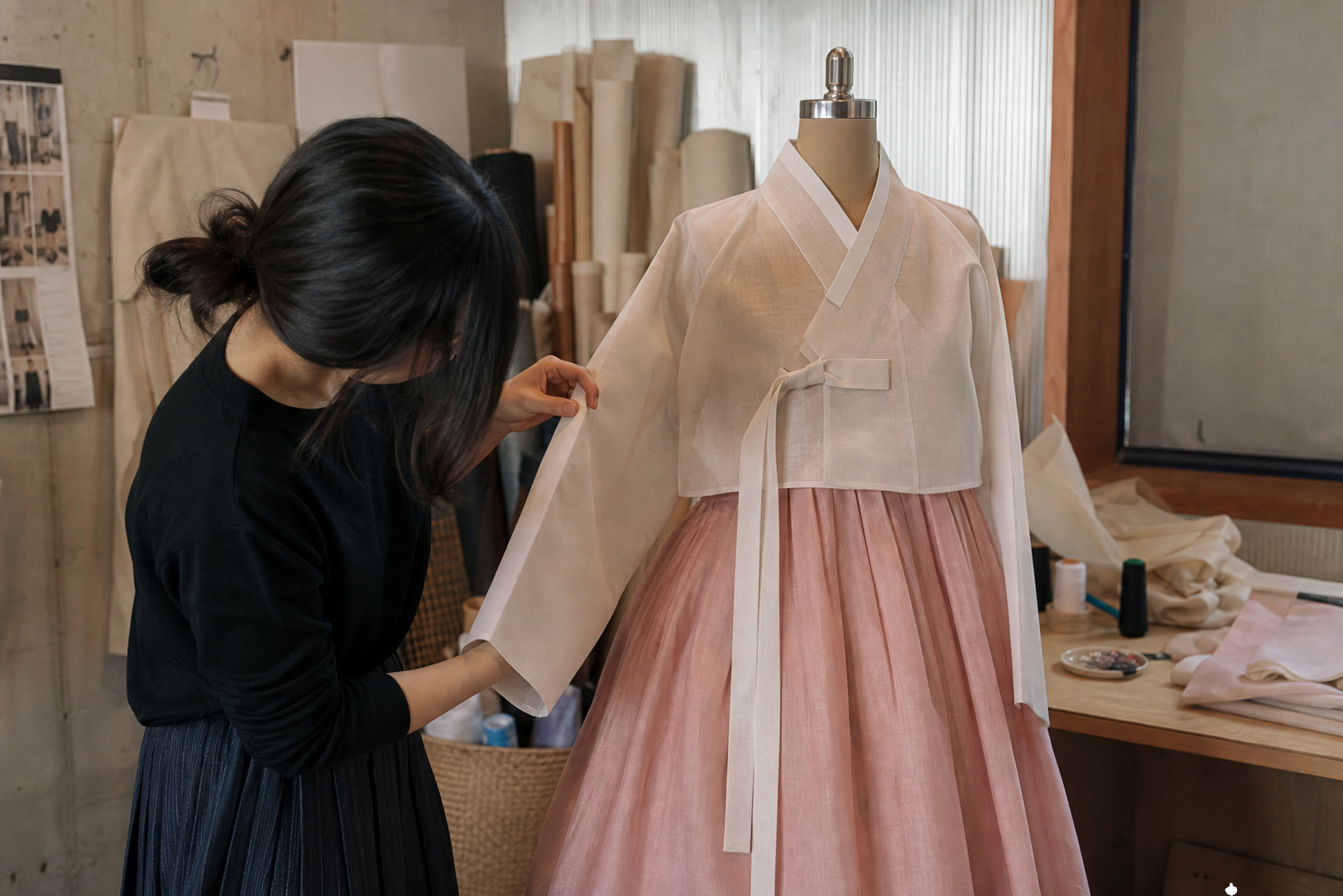
The hanbok (Korean: 한복; Hanja: 韓服; lit. 'Korean dress') is the traditional clothing of the Korean people. The term hanbok literally means Korean clothing in South Korea and internationally, where it is the standard term for the attire. North Koreans refer to the clothes as chosŏnot (조선옷; lit. 'Korean clothes'). The attire is also worn by the Korean diaspora.
Read the brief →
HISTORY · 918–1910
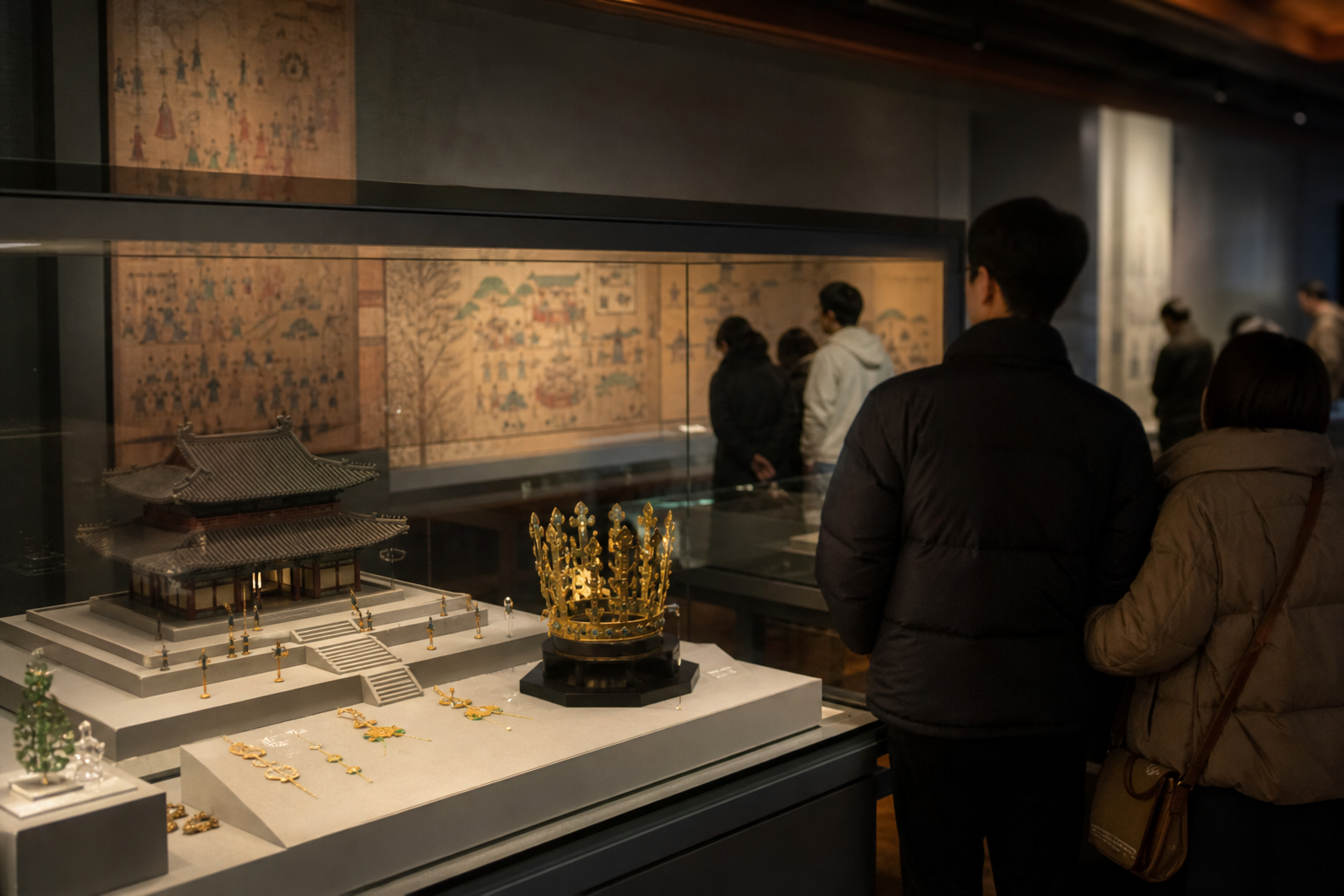
Taejo (Korean: 태조; Hanja: 太祖; 31 January 877 – 4 July 943), personal name Wang Kŏn (왕건; 王建), also known as Taejo Wang Kŏn (태조 왕건; 太祖 王建; lit. ''Great Progenitor Wang Kŏn''), was the founder of the Goryeo Dynasty of Korea. He ruled from 918 to 943, achieving unification of the Later Three Kingdoms in 936.
Read the brief →
HISTORY · Late 19th century to today
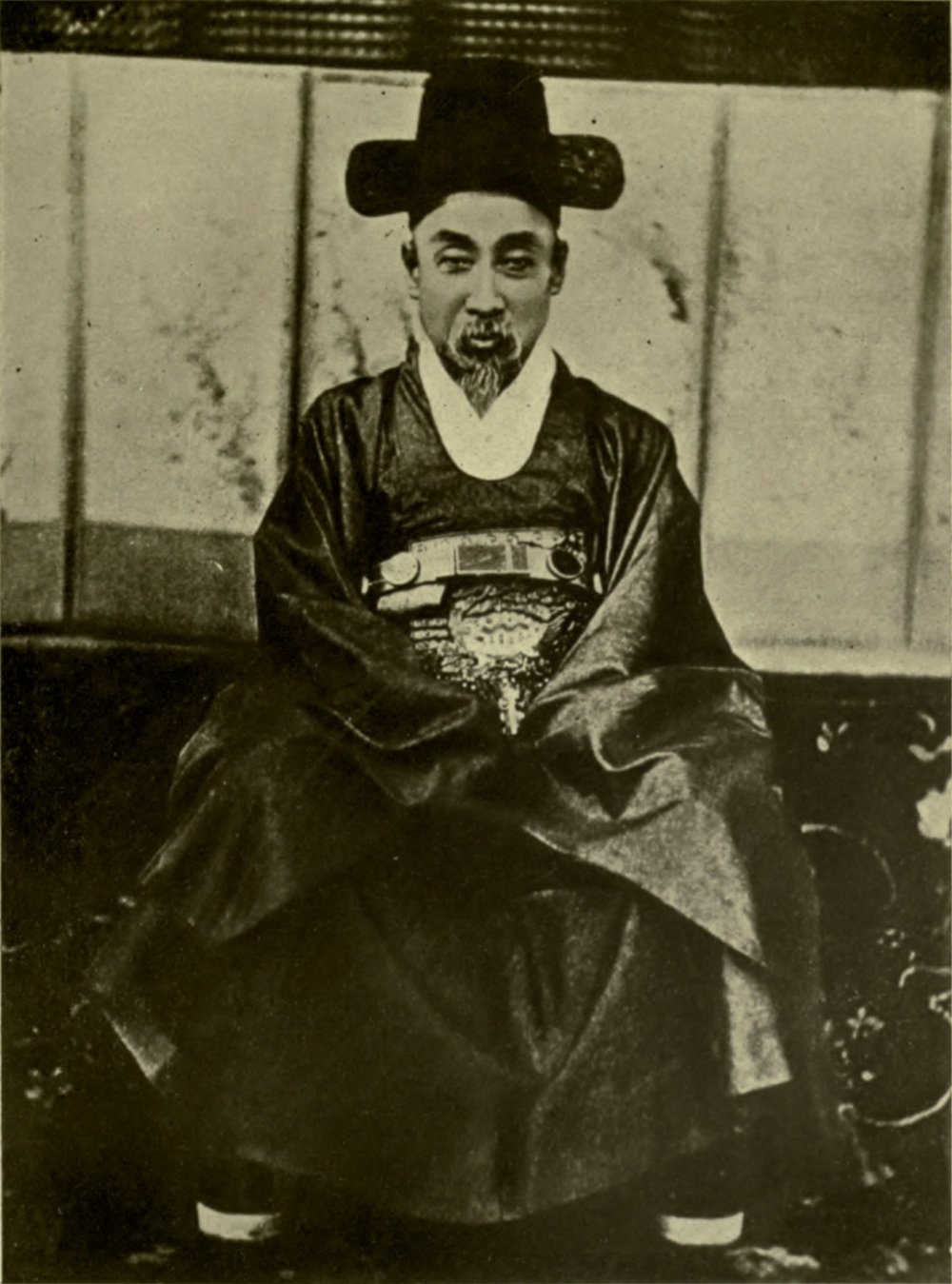
Heungseon Daewongun (Korean: 흥선대원군; Hanja: 興宣大院君; 24 January 1821 – 22 February 1898) was the title of Yi Ha-eung, the regent of Joseon during the minority of Emperor Gojong in the 1860s. Until his death, he was a key political figure of late Joseon Korea. He was known simply as the Daewongun (대원군; 大院君; lit.
Read the brief →
CULTURE · Contemporary Korea
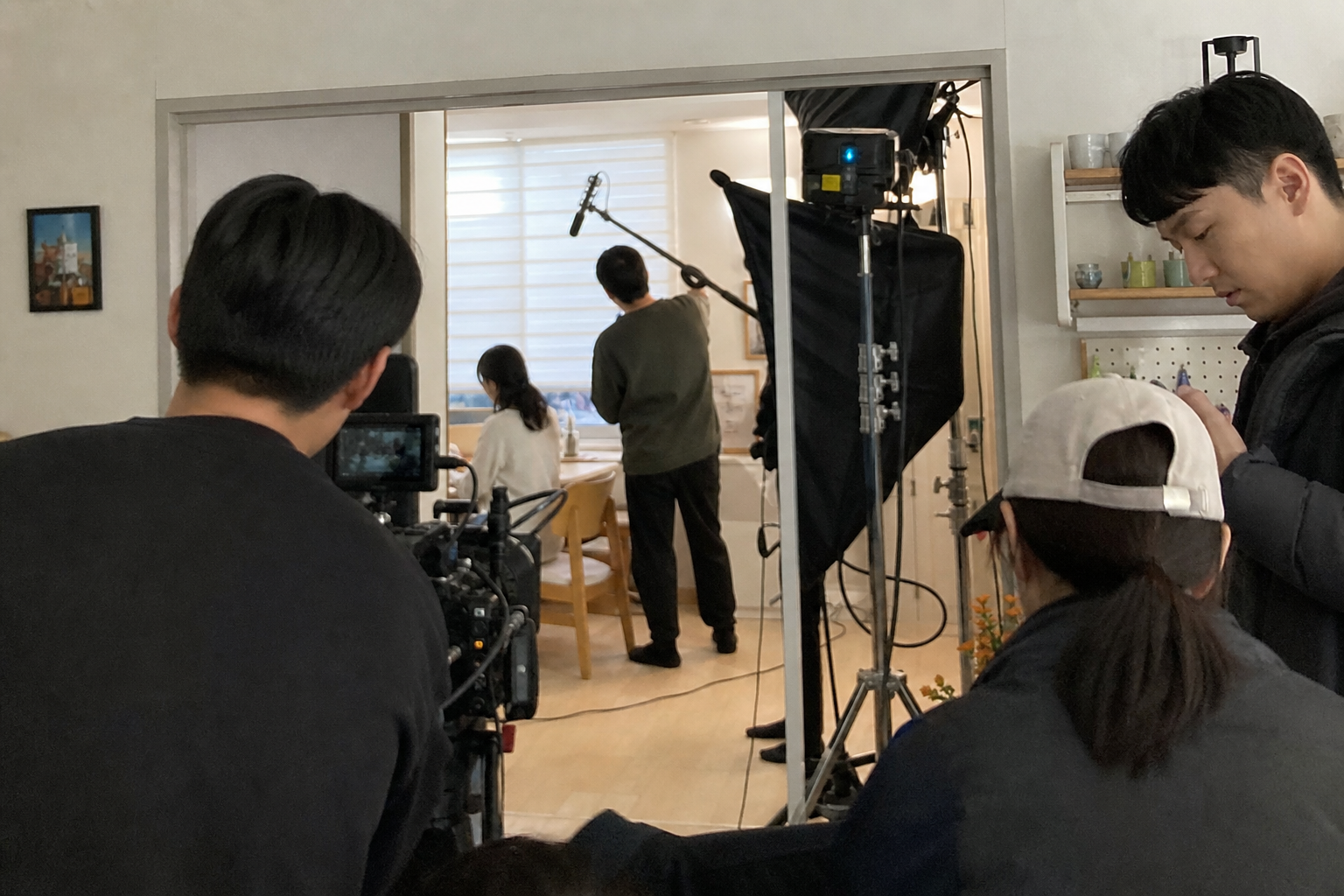
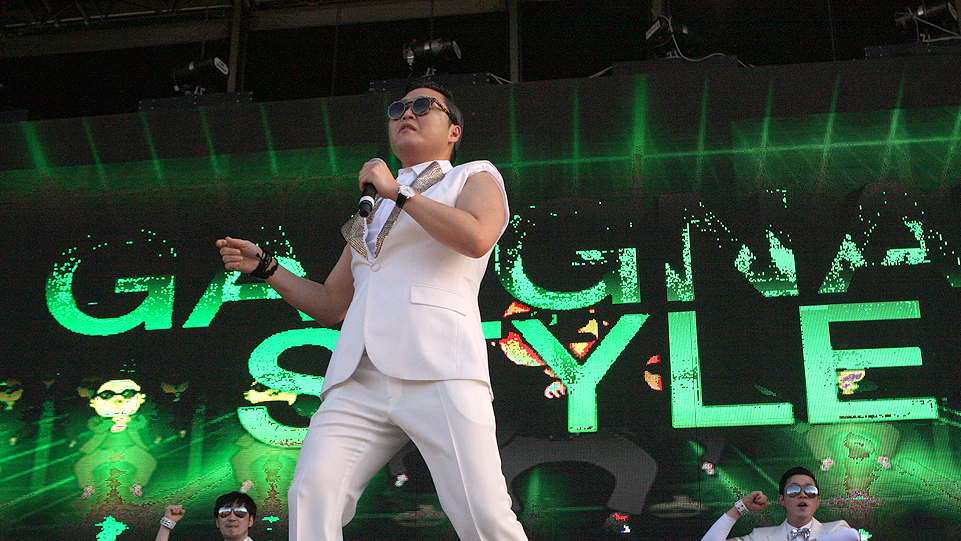
The Korean Wave, or hallyu (Korean: 한류; IPA: [ˈha(ː)ʎʎu] ), refers to the rise in global interest in South Korean popular culture that has spread rapidly since the 1990s. It is led by the spread of K-pop, K-dramas, K-beauty, K-food, and films, with key successes including K-pop groups 2NE1, BTS and Blackpink, the Oscar-winning film Parasite (2019) and the…
Read the brief →
HISTORY · Prehistory to 935
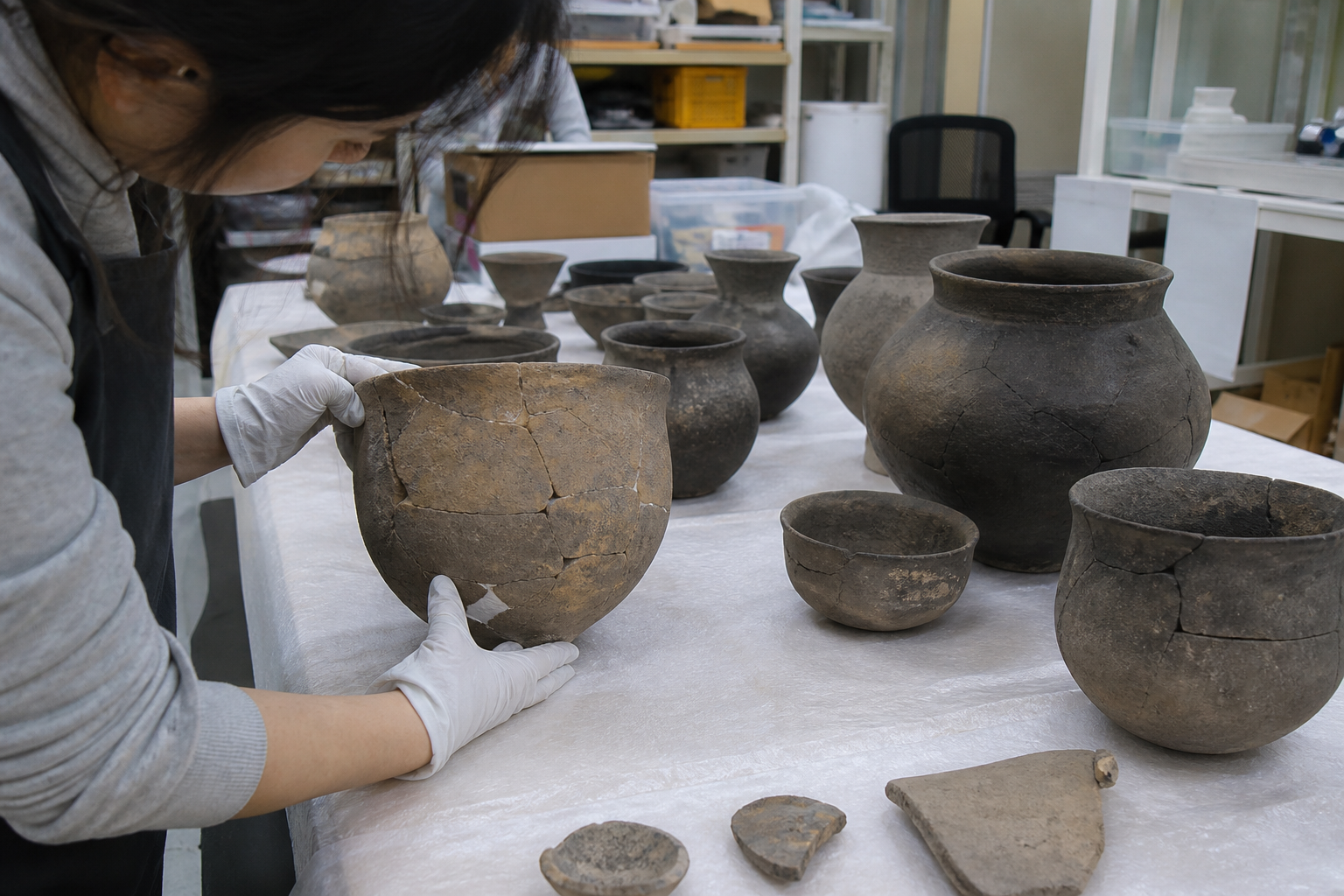
The Mumun pottery period is an archaeological era in Korean prehistory that dates to approximately 1500–300 BC. This period is named after the Korean name for undecorated or plain cooking and storage vessels that form a large part of the pottery assemblage over the entire length of the period, but especially 850–550 BC.
Read the brief →
PLACES · Landscapes and regions
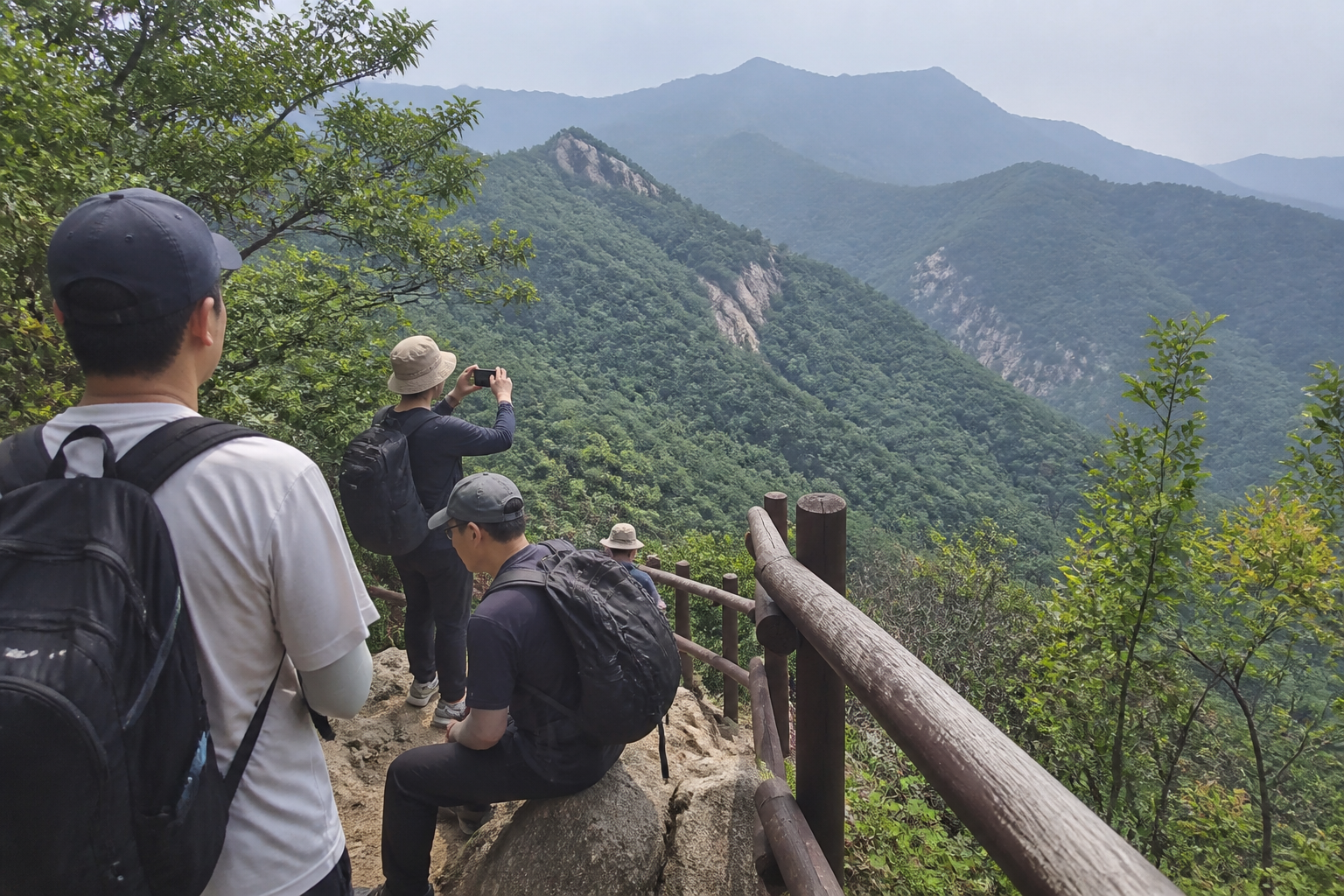
The national parks of South Korea are preserved parcels of public land on which most forms of development are prohibited. They cover a total of 6.6% of the country's area, and are typically located in mountainous or coastal regions.
Read the brief →
CULTURE · Living heritage
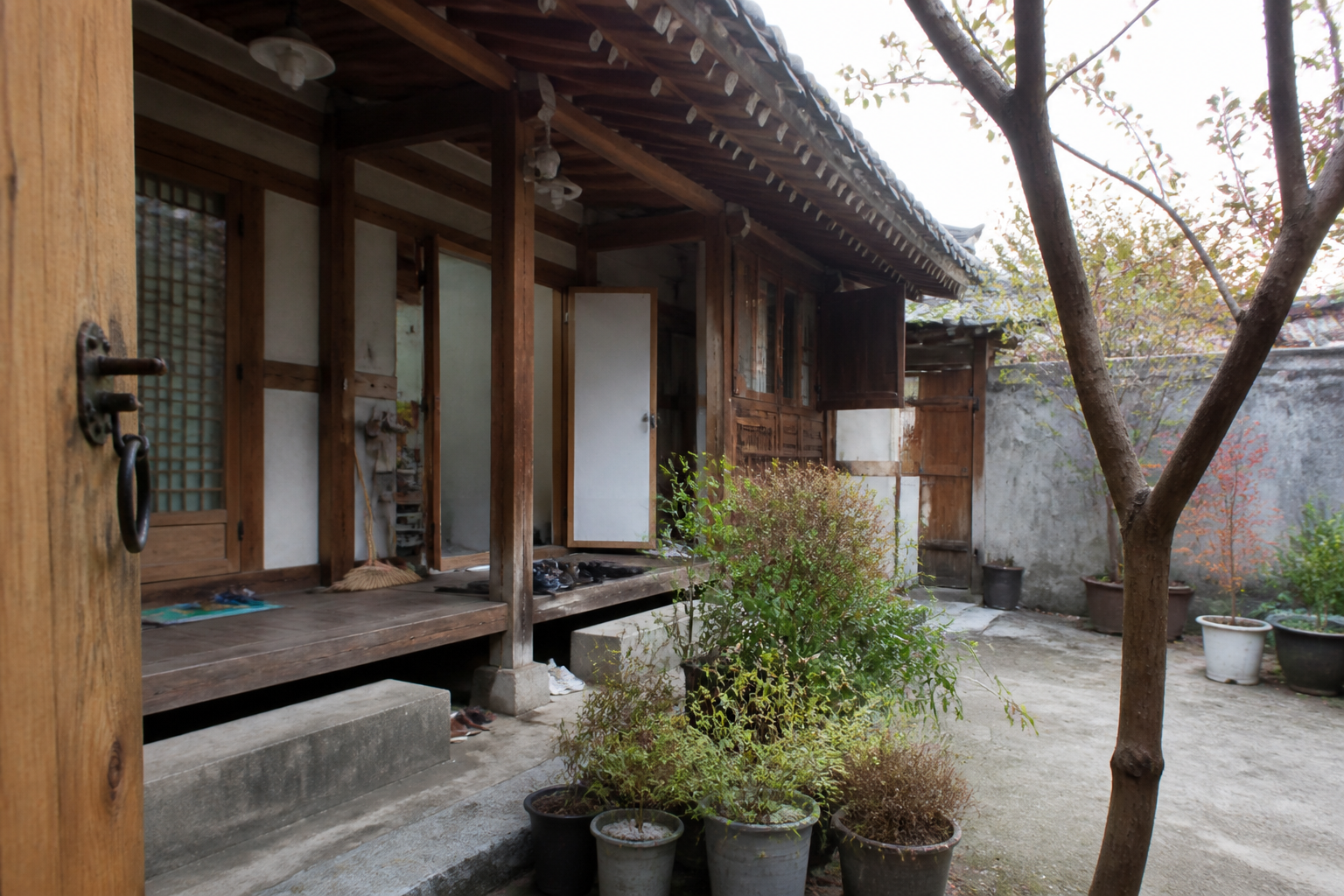
A hanok (Korean: 한옥; name in South Korea) or chosŏnjip (조선집; name in North Korea and for Koreans in Yanbian, China) is a traditional Korean house. Hanok have their origins in pit houses from the early Neolithic period around 6,000 BCE, and the traditional form of Hanok was completed in the late Joseon period.
Read the brief →
CITY · Seoul across time
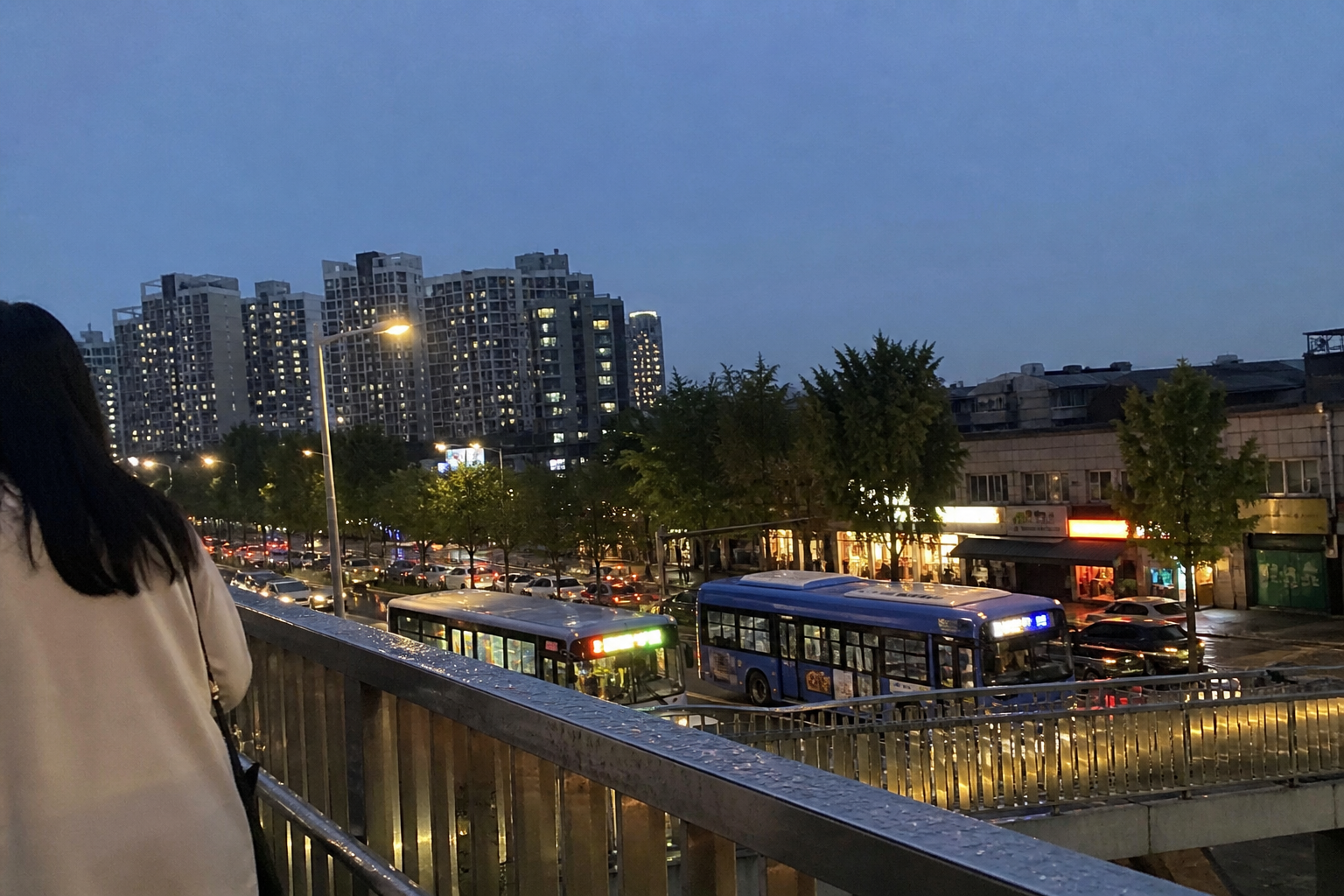
Seoul, officially Seoul Special Metropolitan City, is the capital and largest city of South Korea, and the largest city in the whole of Korea. The broader Seoul Metropolitan Area, encompassing Seoul, Gyeonggi Province and Incheon, emerged as the world's sixth largest metropolitan economy in 2022, behind New York, Tokyo, Los Angeles, Paris, and London, and…
Read the brief →
HISTORY · Prehistory to 935
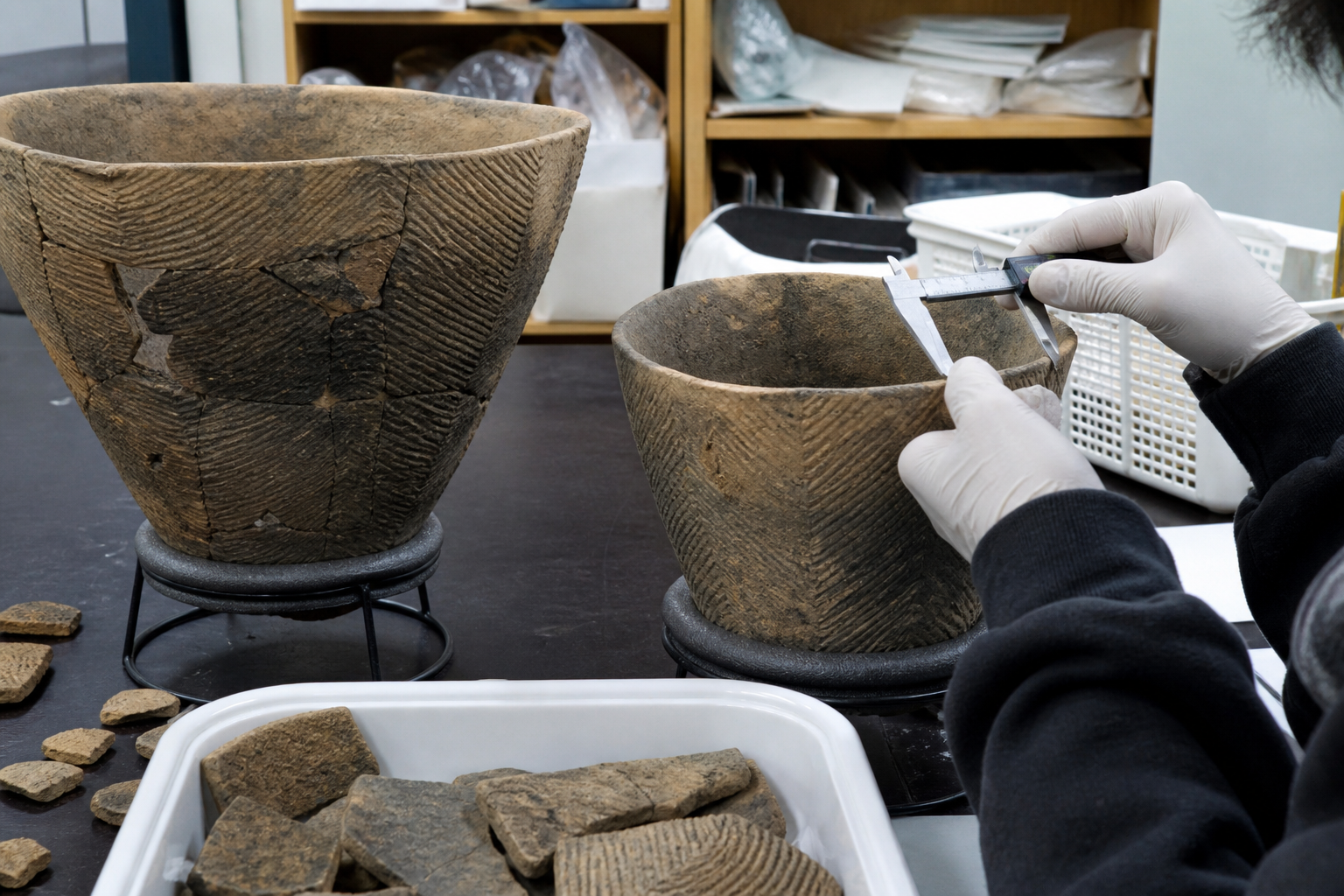
The Jeulmun pottery period (Korean: 즐문 토기 시대) is an archaeological era in Korean prehistory broadly spanning the period of 8000–1500 BC. This period subsumes the Mesolithic and Neolithic cultural stages in Korea, lasting c. 8000–3500 BC ("Incipient" to "Early" phases) and 3500–1500 BC ("Middle" and "Late" phases), respectively.
Read the brief →
CITY · Seoul across time
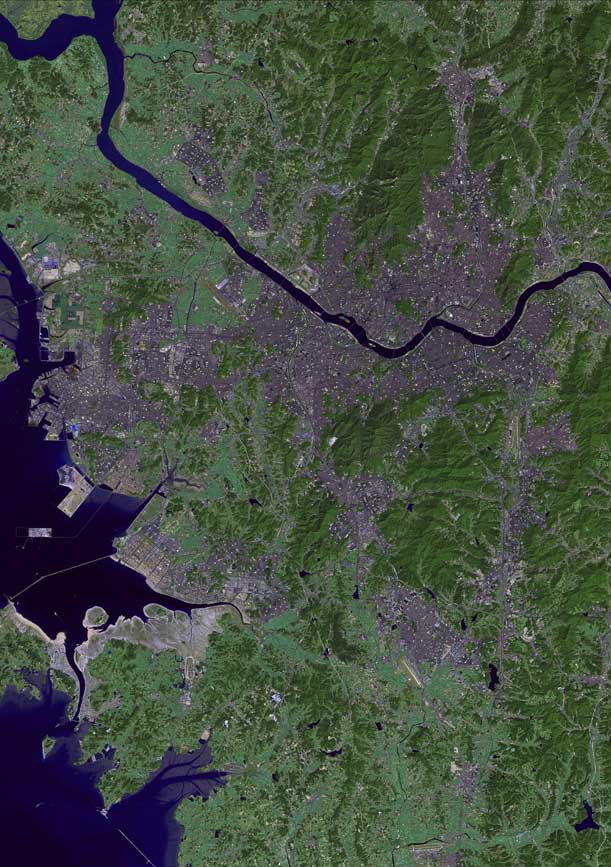
The Han River (Korean: 한강) is a major river in South Korea. It flows through the central region of the Korean peninsula, with some of its tributaries and drainage basin in North Korea. The Han River currently has eight river islands: Nanjido, Yeouido, Ttukseom, Nodeulseom, Seoraeseom, Sebitseom, Bamseom, and Seonyudo.
Read the brief →
HISTORY · Prehistory to 935
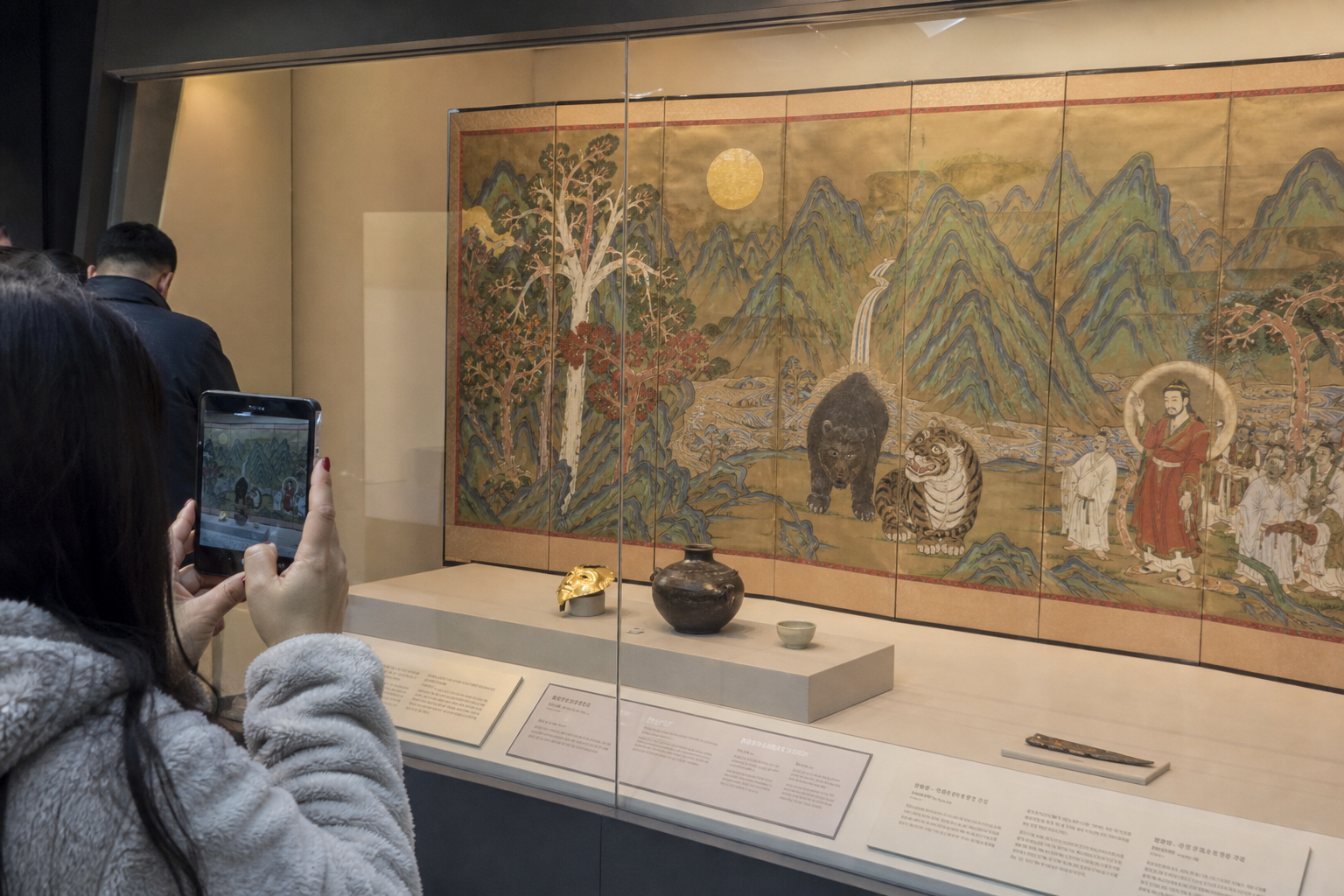
Tan'gun (Korean: 단군; Hanja: 檀君; pronounced [tan.ɡun]), also known as Tan'gun Wanggŏm (단군왕검; 檀君王儉; [tan.ɡun waŋ.ɡʌm]), was the legendary founder and first king of Gojoseon, the first Korean kingdom. He founded the first kingdom around the northern part of the Korean Peninsula.
Read the brief →
HISTORY · Prehistory to 935
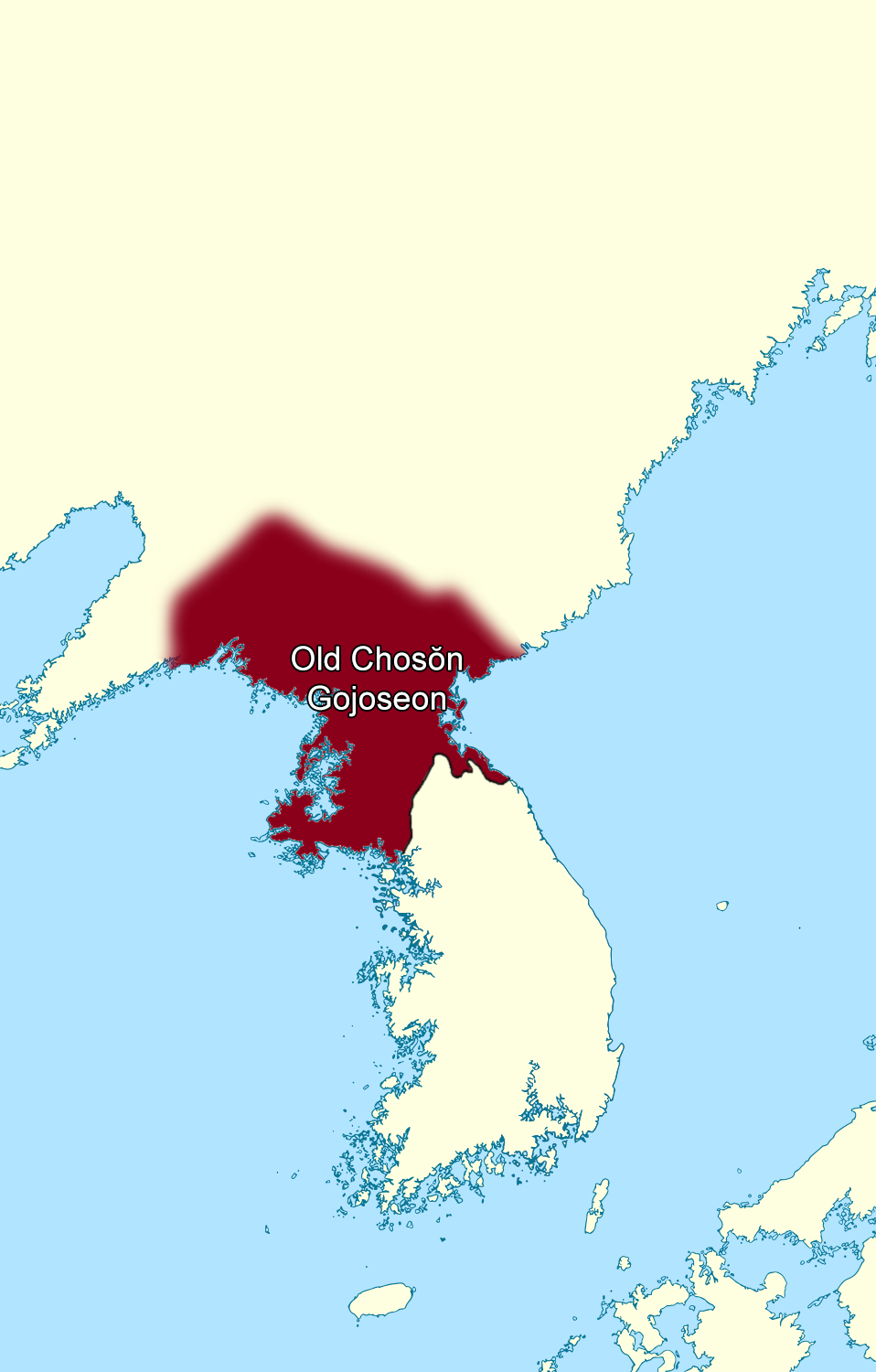
Old Chosŏn, also known as Gojoseon (Korean: 고조선; Hanja: 古朝鮮) and its contemporary name Joseon (Korean: 조선; Hanja: 朝鮮), was the first kingdom on the Korean Peninsula. According to Korean mythology, the kingdom was established by the legendary king Tan'gun.
Read the brief →
HISTORY · Late 19th century to today
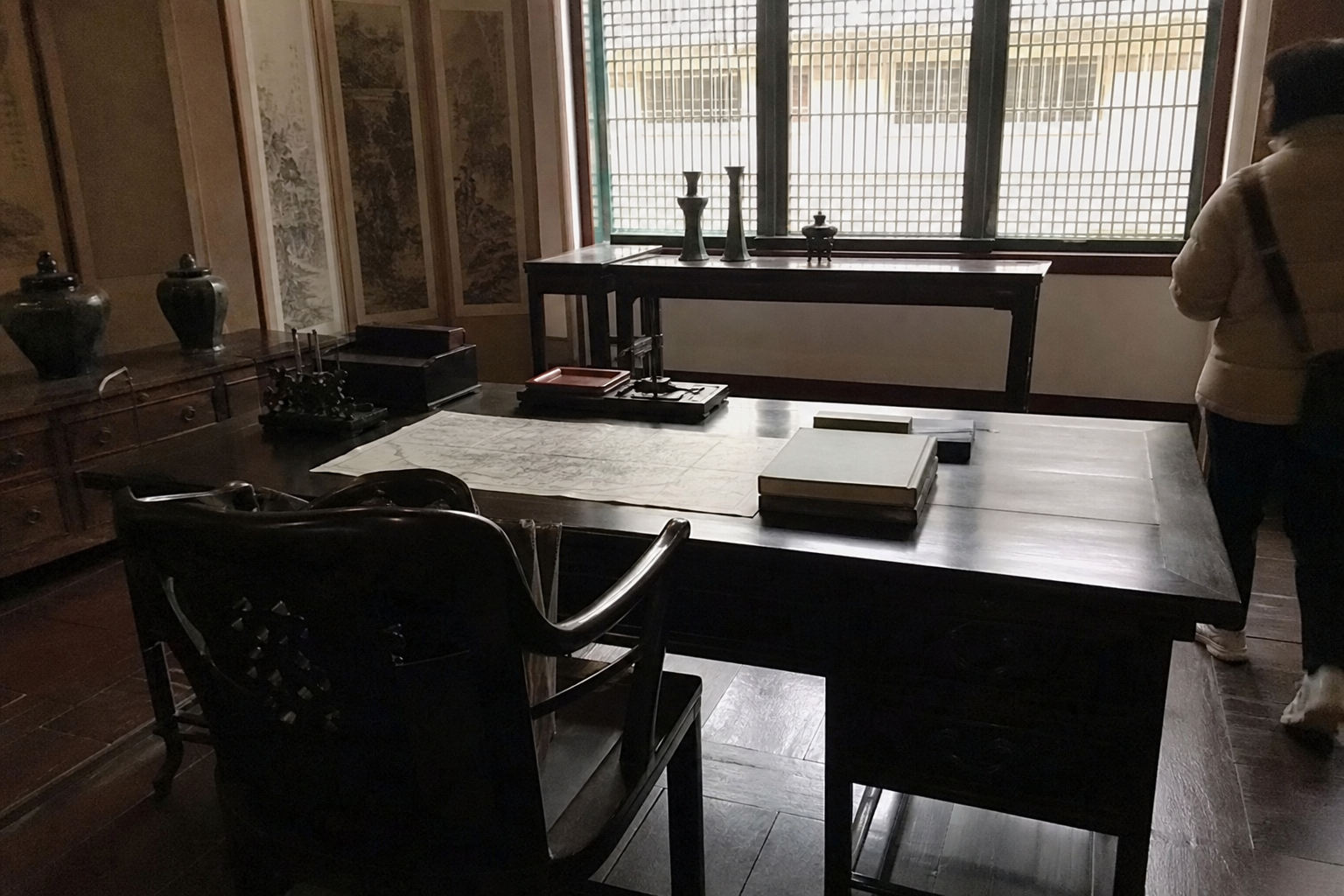
The Korean Empire (Korean: 대한국; Hanja: 大韓國; RR: Daehanguk; MR: Taehan'guk; lit. 'Great Korean State'), officially the Empire of Korea or Imperial Korea in English and commonly called Taehan Cheguk in Korean, was a Korean monarchical state proclaimed in October 1897 by King Gojong of the Joseon dynasty.
Read the brief →
PLACES · Landscapes and regions
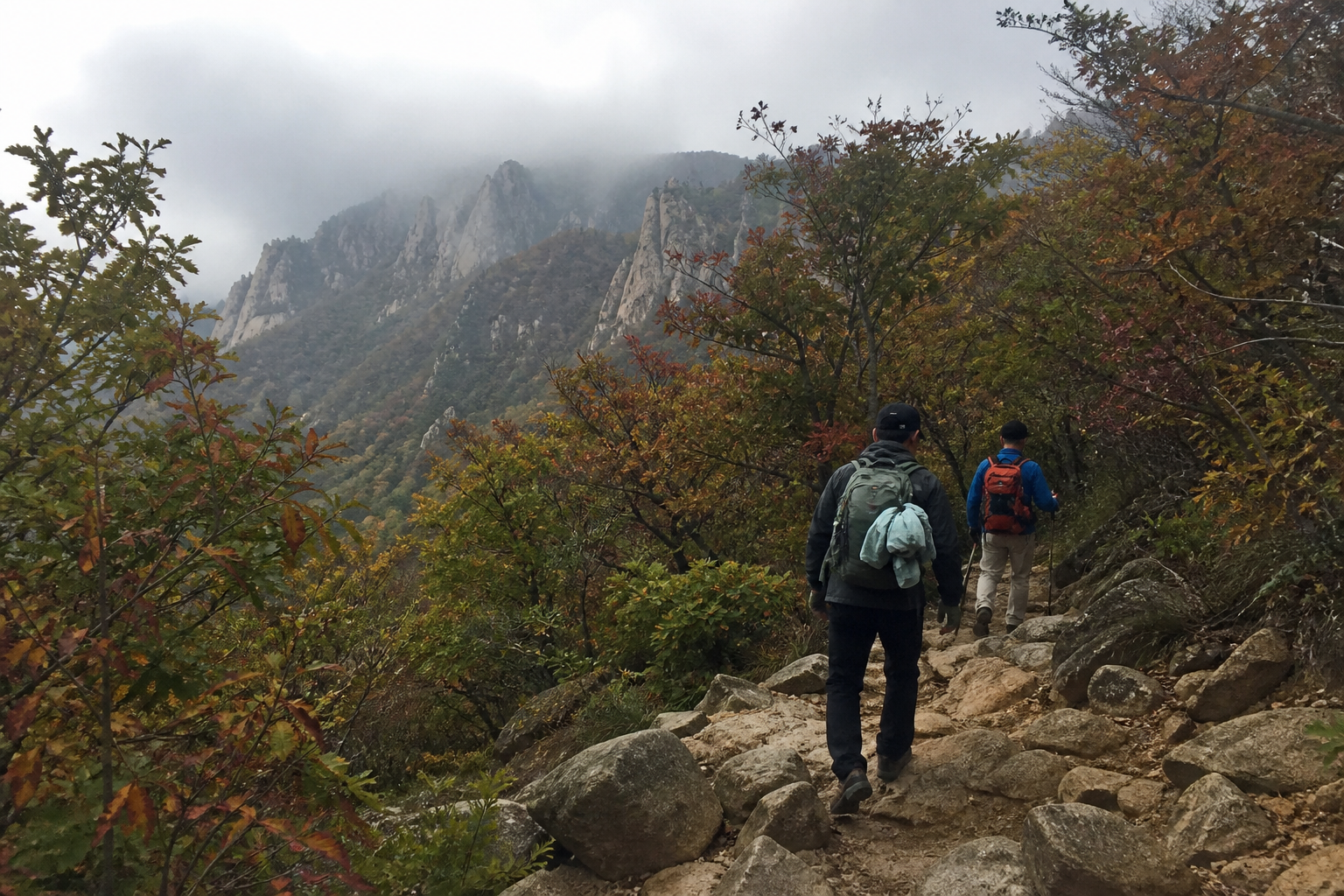
Seoraksan (Korean: 설악산), or Mount Sorak, is the highest mountain in the Taebaek mountain range in the Gangwon Province in eastern South Korea. It is located in the Seoraksan National Park, near Sokcho. After the Hallasan volcano on Jeju Island and Jirisan in the south, Seoraksan is the third highest mountain in South Korea.
Read the brief →
PLACES · Landscapes and regions
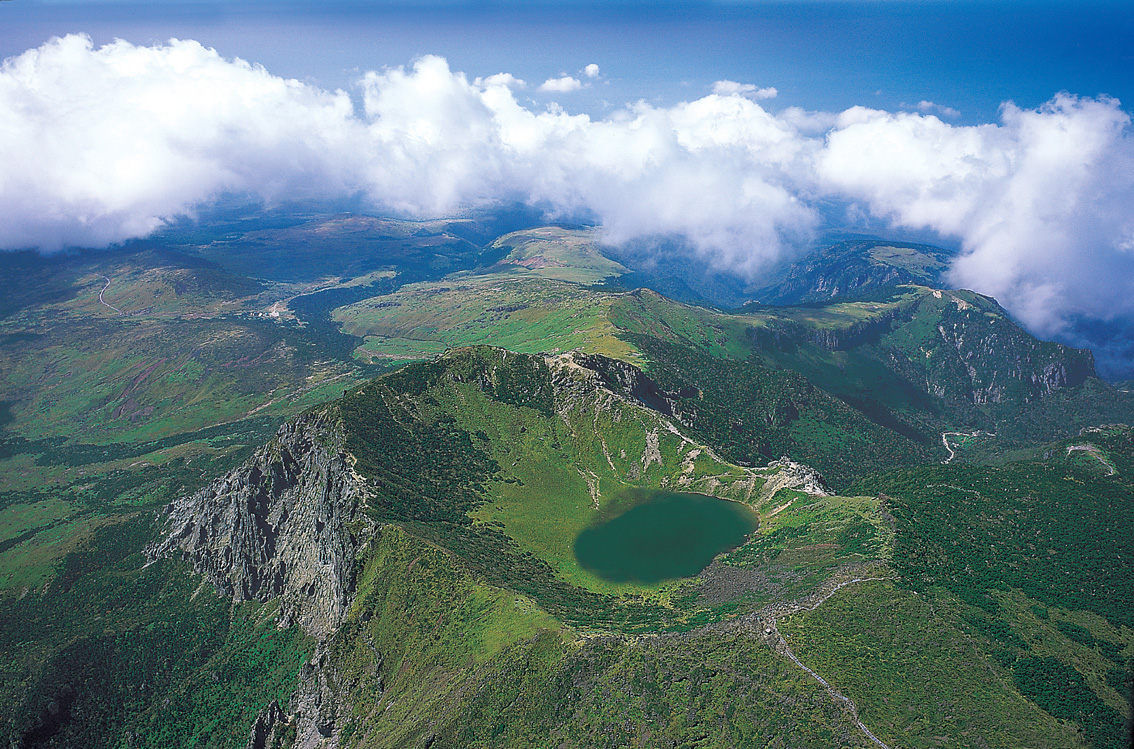
Hallasan (Korean: 한라산) is a shield volcano comprising much of Jeju Island in South Korea. Its summit, at 1,947 m (6,388 ft), is the highest point in the country. The area around the mountain is a designated national park, named Hallasan National Park.
Read the brief →
PLACES · Landscapes and regions
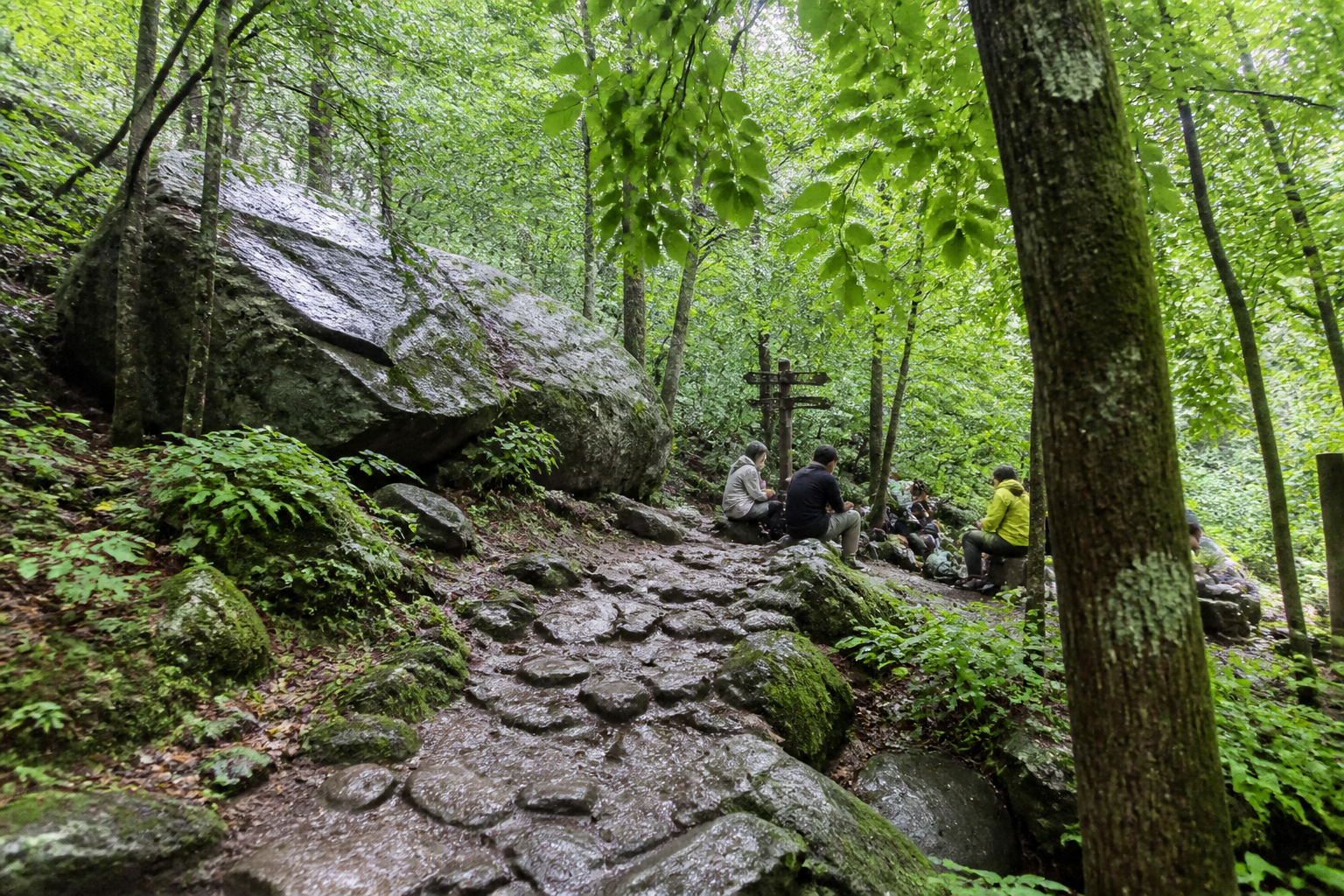
Jirisan (Korean: 지리산) is a mountain located in the southern region of South Korea. It is the second-tallest mountain in South Korea after Jeju Island's Hallasan, and is the tallest mountain in mainland South Korea. The 1915m-high mountain is located in Jirisan National Park.
Read the brief →