Search this page

Results update as you type.

200 stories · 200 unique images

Korea,
across time.

SEOULIAN is our word for the people of Seoul—and for cultural citizens who carry Korea beyond city limits with curiosity, welcome, and care.

Like “New Yorker” or “Parisienne,” it names a point of view. Unlike a boundary, it stays open: ancient kingdoms, living craft, food, landscape, modern history, and the culture being made now.

Read the cultural mission
A natural AI-generated SEOULIAN editorial photograph illustrating K-pop K‑Pop K-pop A Wikimedia Commons image illustrating Cinema of South Korea K‑Movie Cinema of South Korea A natural AI-generated SEOULIAN editorial photograph illustrating Korean drama K‑Drama Korean drama

Contemporary Korea

25 stories · Page 1 of 2

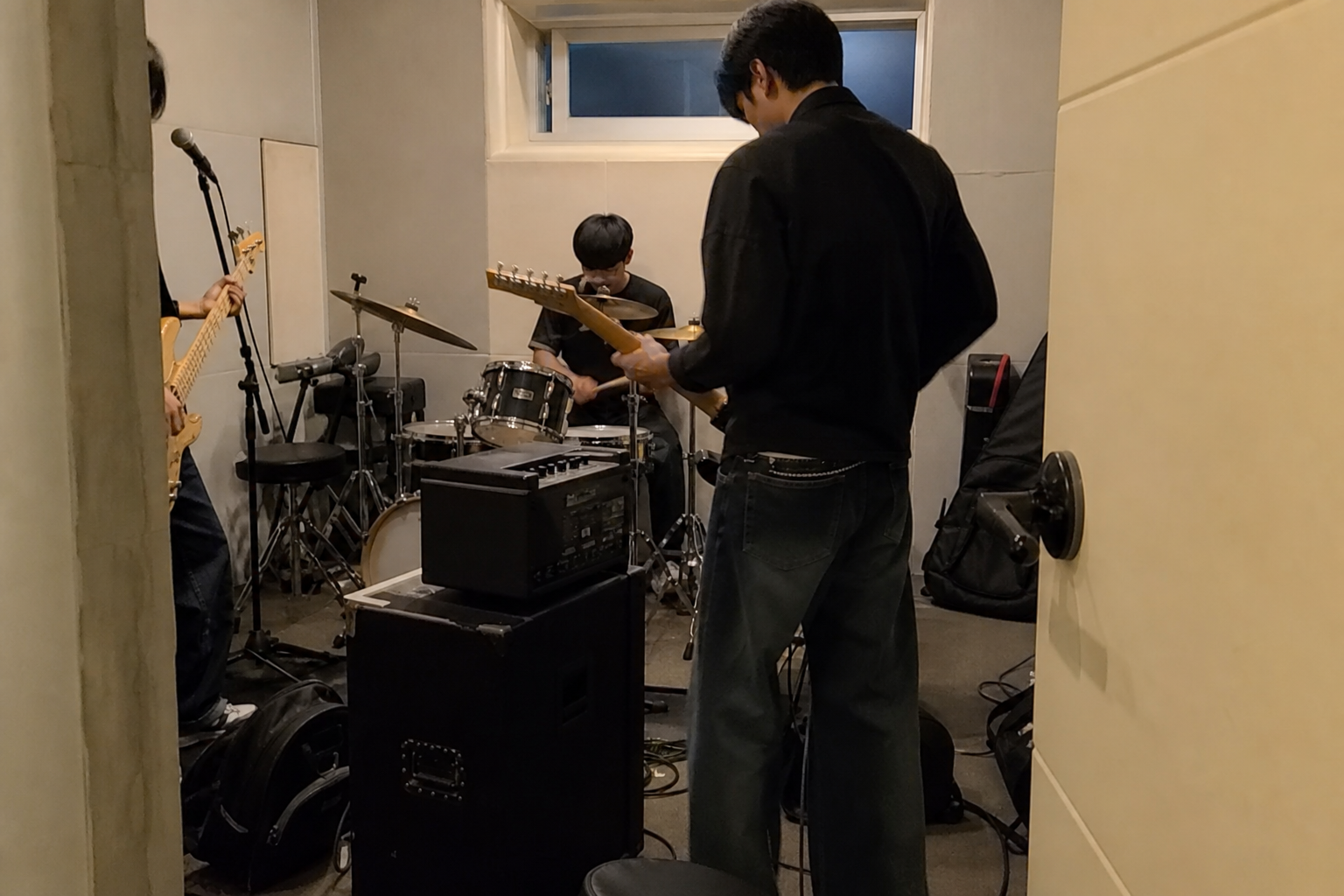
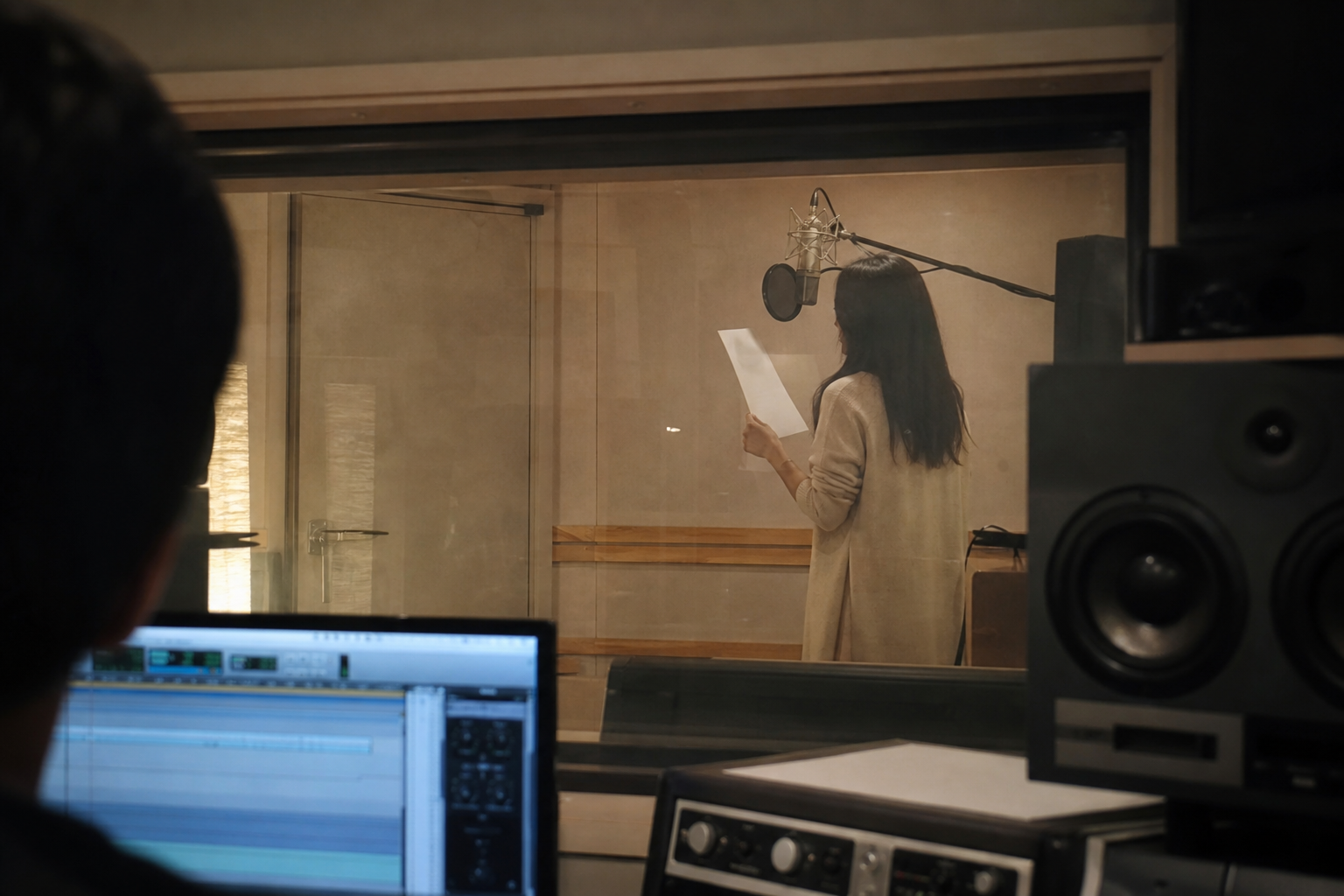
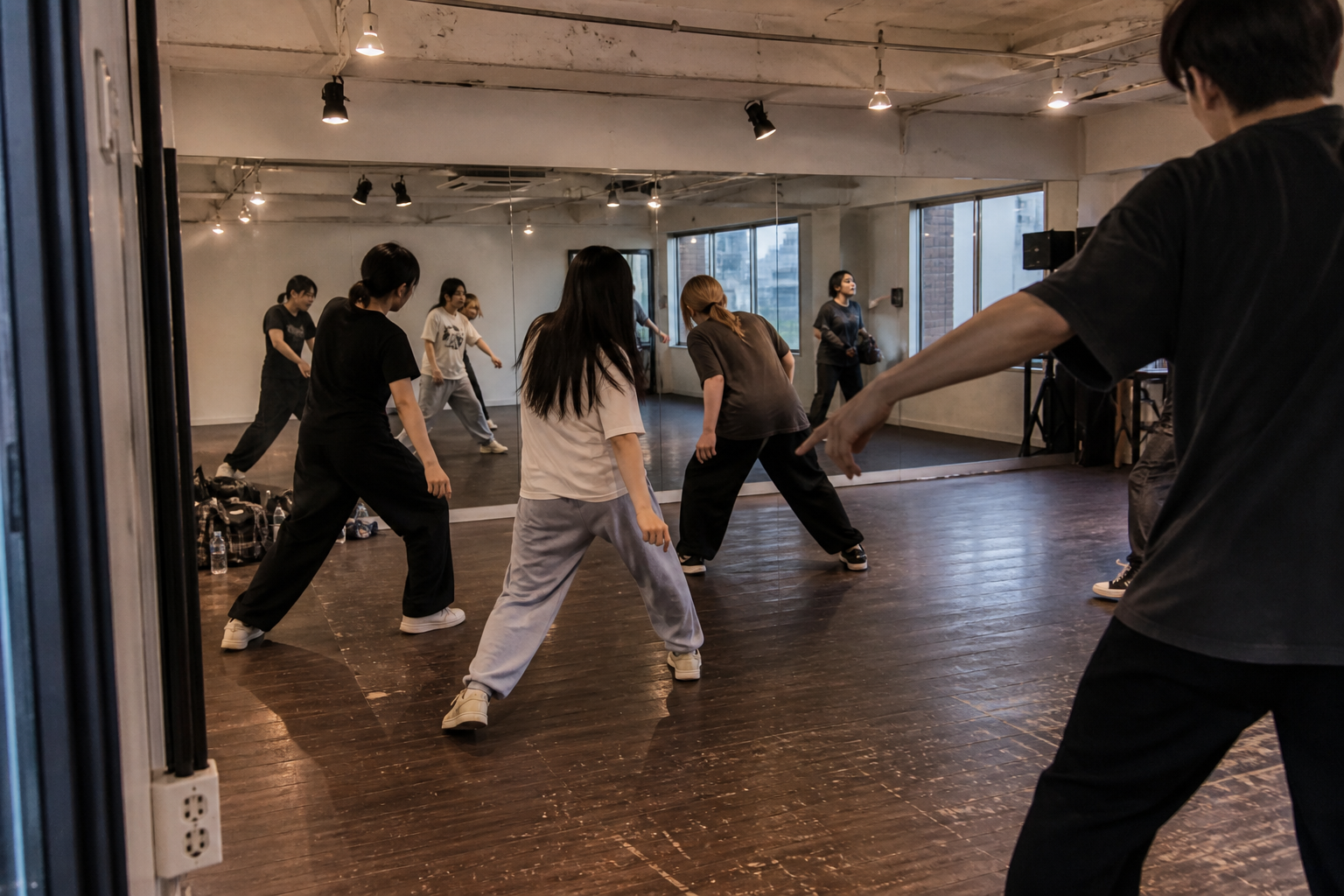
A natural AI-generated SEOULIAN editorial photograph illustrating K-pop

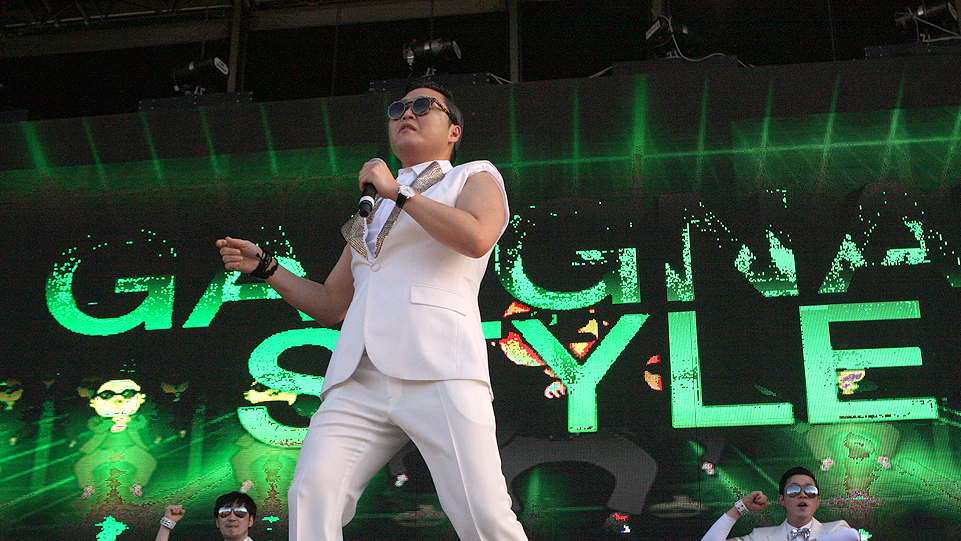
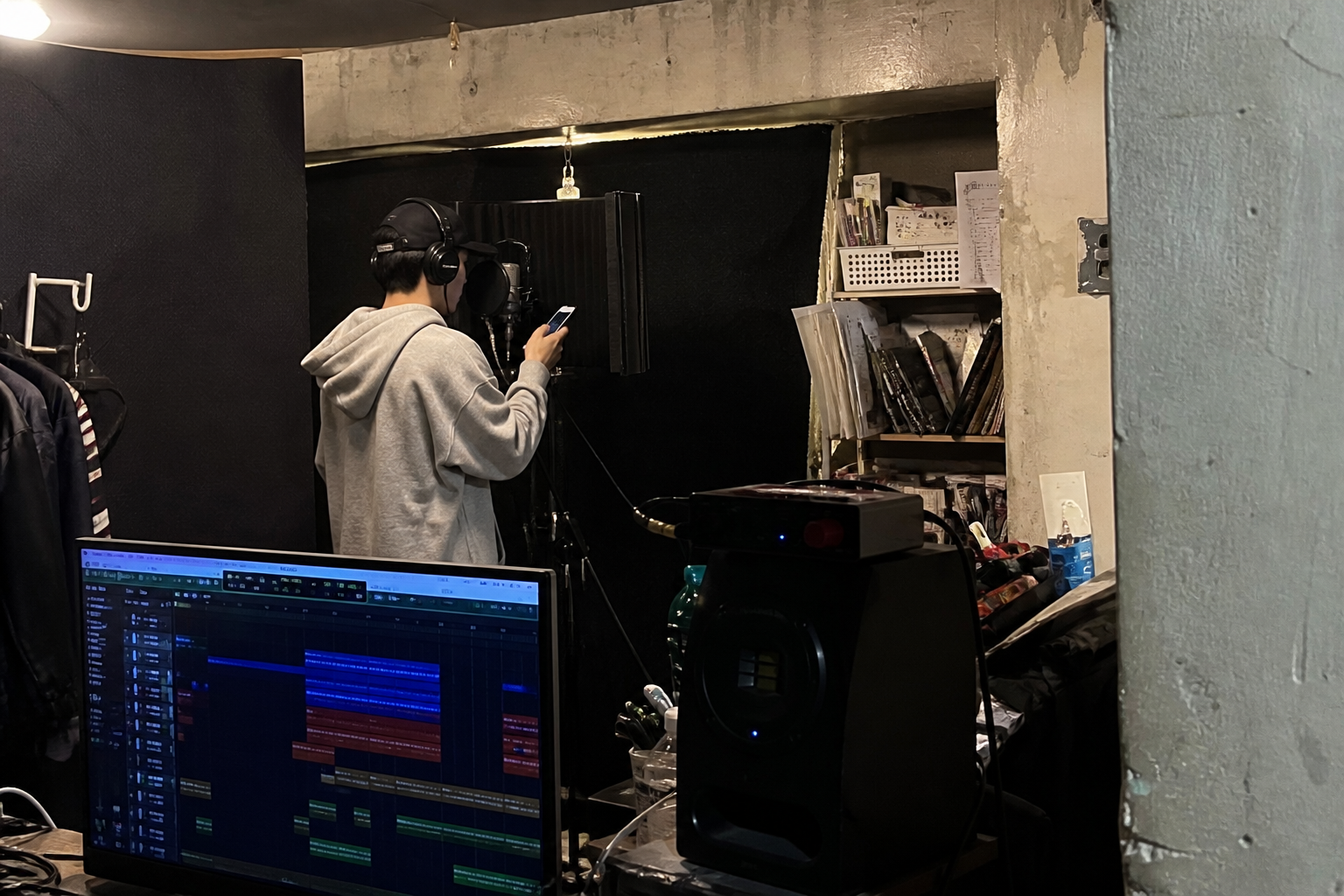
K-pop

K-pop (Korean: 케이팝; RR: Keipap; an abbreviation of "Korean popular music") is a form of popular music originating in South Korea. The music genre that the term is used to refer to colloquially emerged in the 1990s as a form of youth subculture, with Korean musicians influenced by Western dance music, hip-hop, R&B and rock.

Read the brief
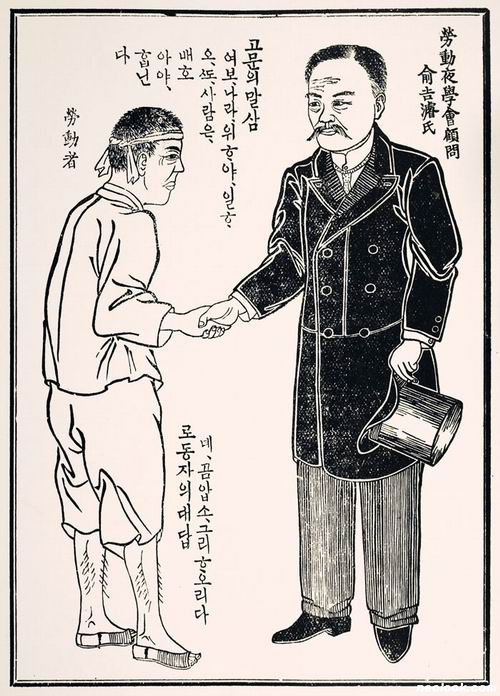
A Wikimedia Commons image illustrating Korean Wave

Korean Wave

The Korean Wave, or hallyu (Korean: 한류; IPA: [ˈha(ː)ʎʎu] ), refers to the rise in global interest in South Korean popular culture that has spread rapidly since the 1990s. It is led by the spread of K-pop, K-dramas, K-beauty, K-food, and films, with key successes including K-pop groups 2NE1, BTS and Blackpink, the Oscar-winning film Parasite (2019) and the…

Read the brief
A natural AI-generated SEOULIAN editorial photograph illustrating Korean hip-hop

Korean hip-hop

Korean hip-hop, also known as K-hip-hop or K-rap, is a subgenre of the South Korean hip-hop scene. It is widely considered to have originated in the late 1980s and early 1990s, and has since become increasingly popular, both in South Korea and abroad.

Read the brief
A natural AI-generated SEOULIAN editorial photograph illustrating Korean rock

Korean rock

Korean rock (Korean: 한국의 록) is rock music from South Korea. It has roots in American rock, which was imported to South Korea by U.S. soldiers fighting in the Korean War and stationing in U.S. military bases in South Korea after the war. Around the U.S.

Read the brief
A natural AI-generated SEOULIAN editorial photograph illustrating Korean ballad

Korean ballad

Korean ballad, also known as K-ballad (often simply referred to by South Koreans as ballad; Korean: 발라드), is a style of music in South Korea and a genre in which soul and rhythm and blues music is transformed to suit Korean sentiment. It became popular in the 1980s, and has influenced and evolved into many different music styles.

Read the brief
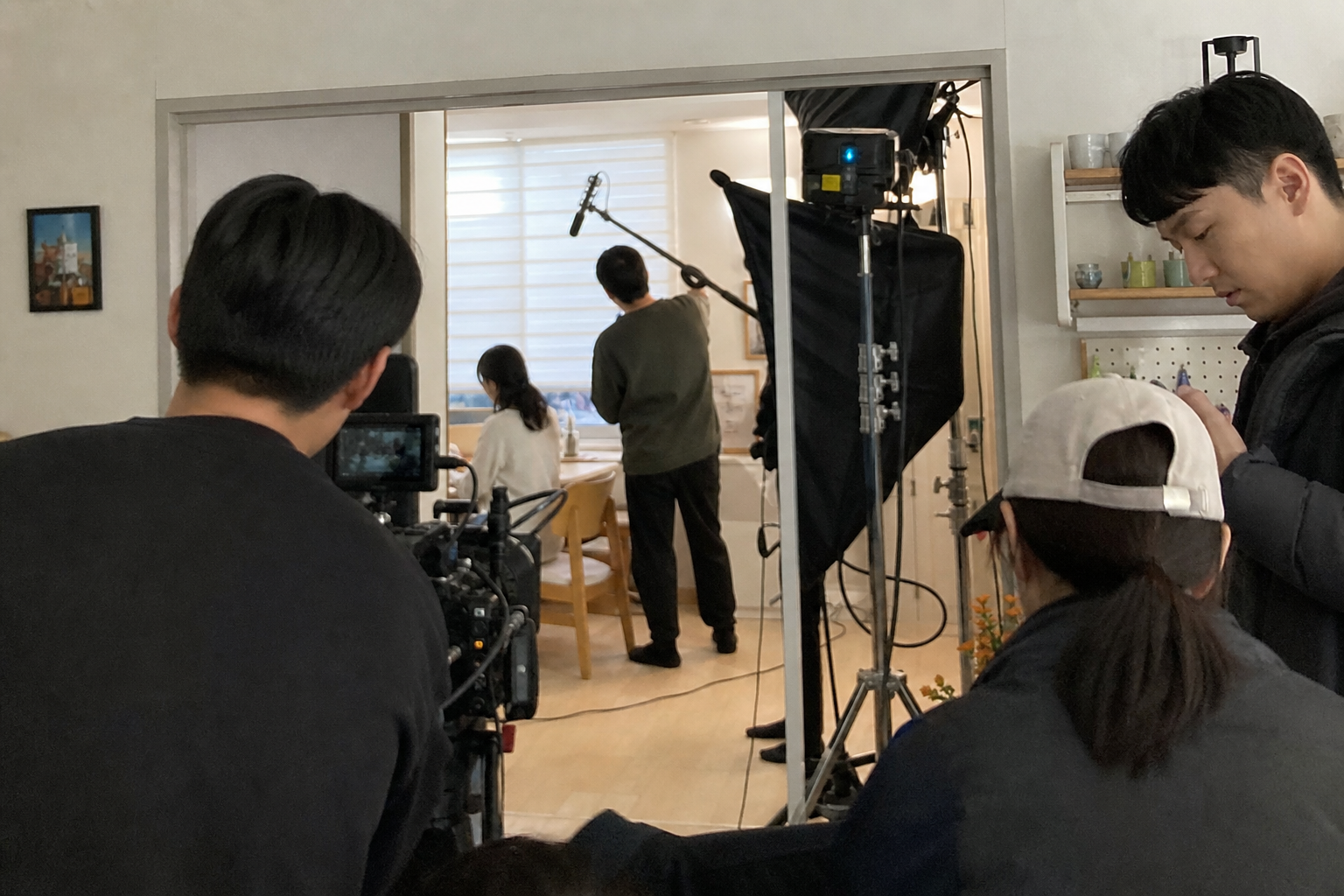
A natural AI-generated SEOULIAN editorial photograph illustrating Korean drama

Korean drama

Korean drama (Korean: 한국 드라마; RR: Hanguk deurama), also known as K-drama and Koreanovela, is a Korean-language television show made in South Korea. These shows began to be produced around the early 1960s, but were mostly consumed domestically until the rise of the Korean Wave in the 1990s.

Read the brief
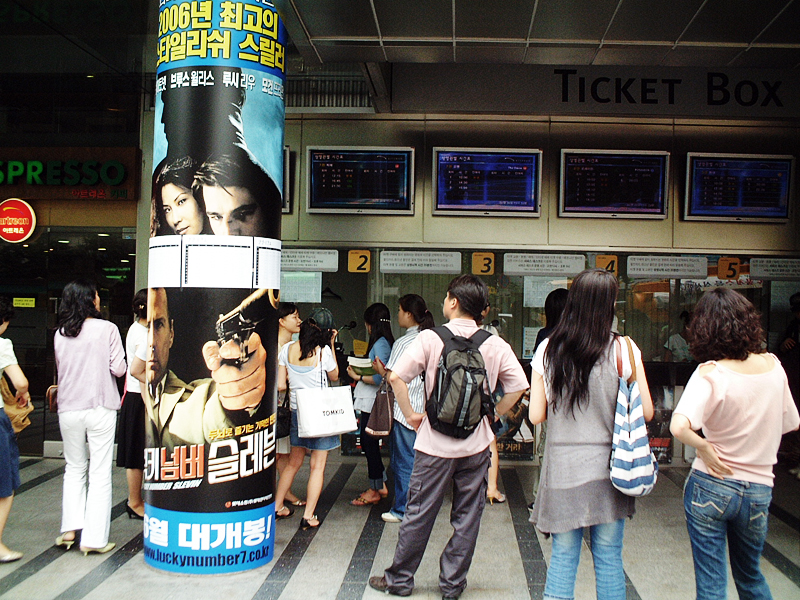
A Wikimedia Commons image illustrating Cinema of South Korea

Cinema of South Korea

South Korean films have been heavily influenced by such events and forces as the Korea under Japanese rule, the Korean War, government censorship, the business sector, globalization, and the democratization of South Korea. The golden age of South Korean cinema in the mid-20th century produced what are considered two of the best South Korean films of all…

Read the brief
A Wikimedia Commons image illustrating Manhwa

Manhwa

Manhwa (Korean: 만화; Korean pronunciation: [manβʷa]) is the general Korean term for comics and print cartoons. Outside Korea, the term usually refers to Korean comics. Modern manhwa has extended its reach to many other countries.

Read the brief
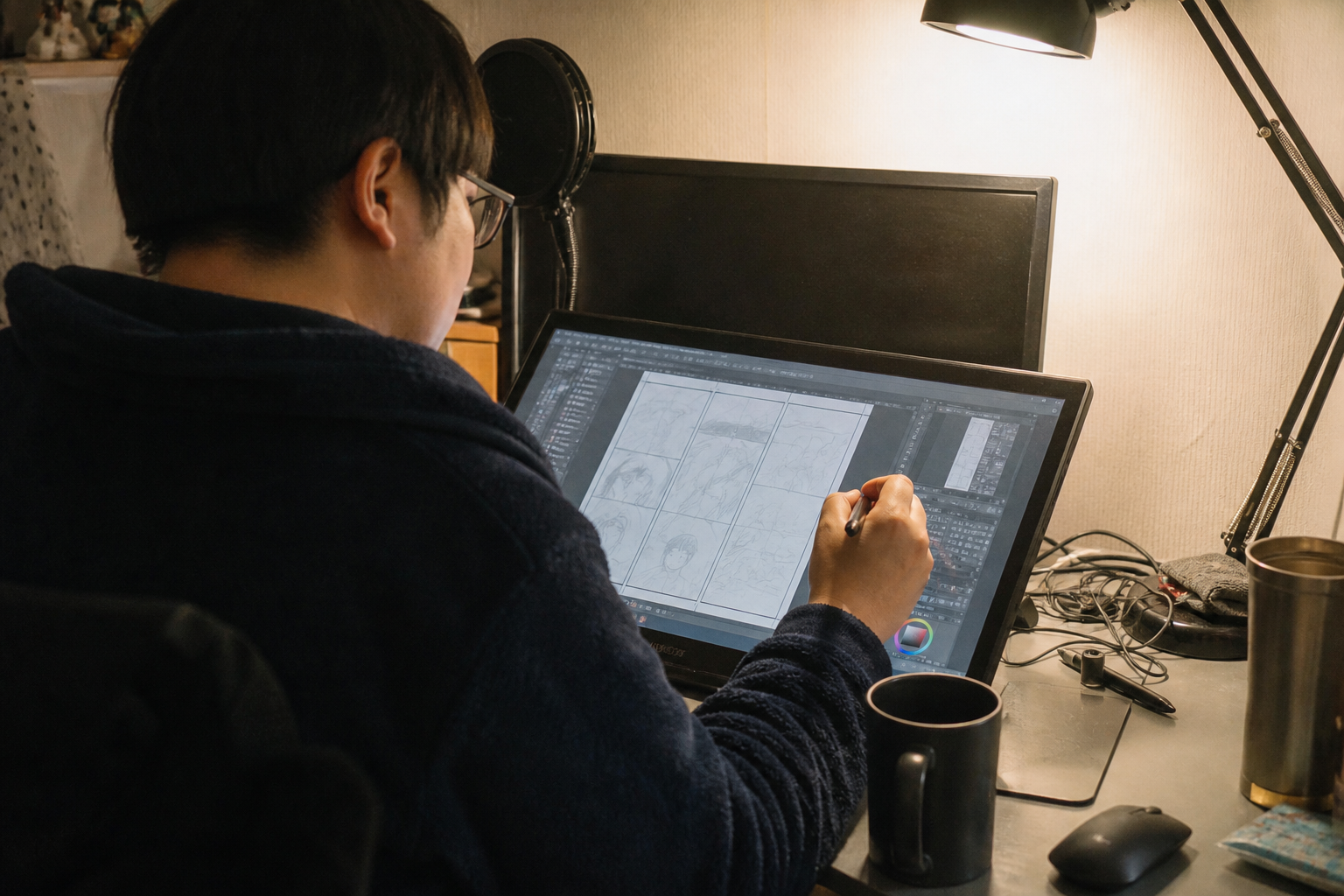
A natural AI-generated SEOULIAN editorial photograph illustrating Webtoon

Webtoon

Webtoons (Korean: 웹툰; RR: Weptun) are a type of episodic digital comics that originated in South Korea usually meant to be read on smartphones. While webtoons were mostly unknown outside of South Korea during their inception, there has been a surge in popularity internationally thanks to the easy online accessibility and variety of free digital comics.

Read the brief
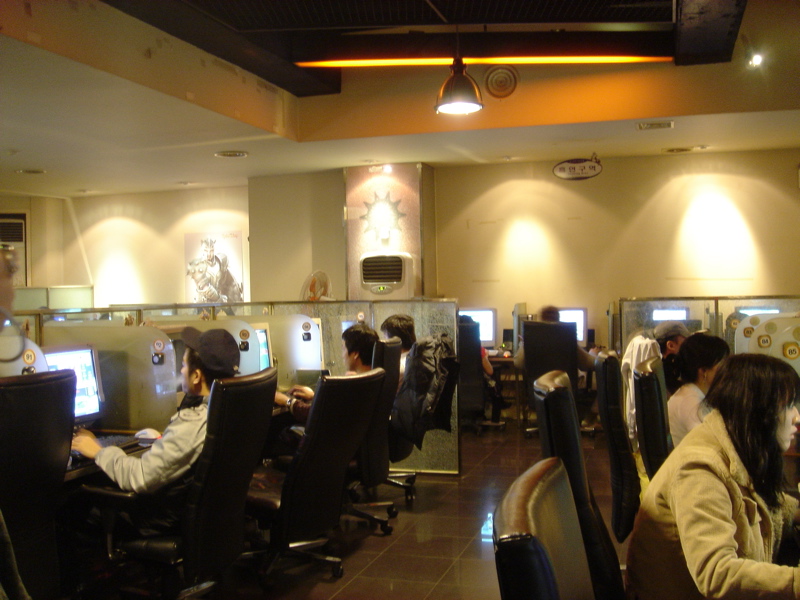
A Wikimedia Commons image illustrating PC bang

PC bang

A PC bang (Korean: PC방; lit. 'PC room') is a type of internet cafe or LAN gaming center in South Korea. Patrons can use computers, often to play video games in person with friends, for an hourly fee. Although the per capita penetration of personal computers and broadband internet access in South Korea is one of the highest in the world, PC bangs remain…

Read the brief
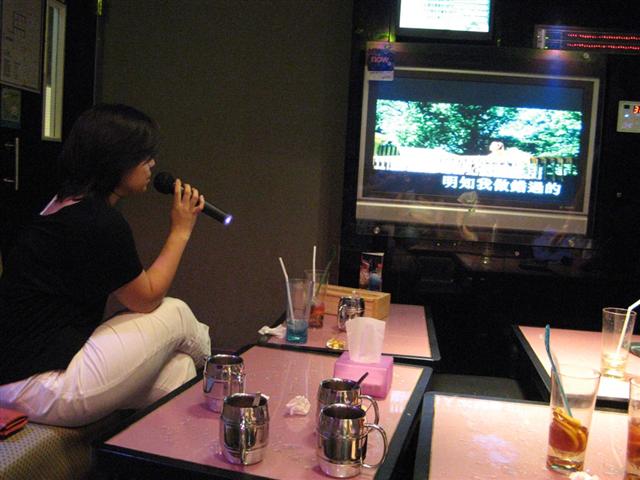
A Wikimedia Commons image illustrating Karaoke

Karaoke

Karaoke (カラオケ) is a type of interactive entertainment system usually offered in nightclubs and bars, where people sing along to pre-recorded accompaniment using a microphone. Its musical content is an instrumental rendition of a well-known popular song.

Read the brief
A natural AI-generated SEOULIAN editorial photograph illustrating South Korean beauty standards

South Korean beauty standards

South Korean beauty standards prioritize maintaining a youthful appearance rather than looking mature. A combination of clear skin, an even skin complexion, a slim, V-shaped jawline, and pronounced puffy aegyo-sal (fatty, bag-like deposits under the eye—common in children; rare in adults) contributes to a desirable youthful aesthetic and personal…

Read the brief
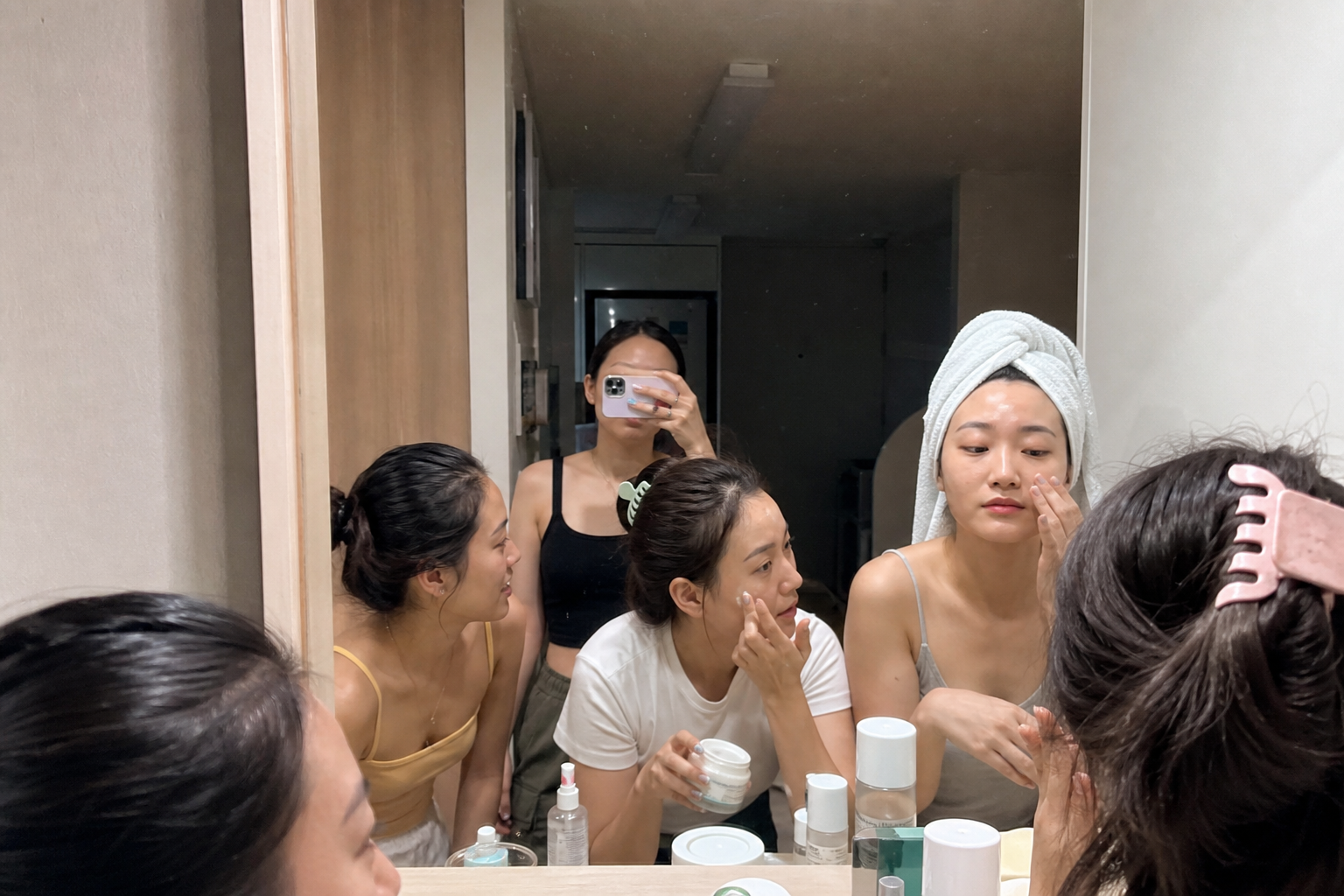
A natural AI-generated SEOULIAN editorial photograph illustrating K-beauty

K-beauty

K-beauty (Korean: 케이뷰티) is an umbrella term for skincare products that are derived from South Korea. K-beauty gained popularity worldwide, especially in East Asia, Southeast Asia, South Asia, and the Western world, and focuses on health, hydration, and an emphasis on brightening effects.

Read the brief
A Wikimedia Commons image illustrating Seoul Fashion Week

Seoul Fashion Week

Seoul Fashion Week (SFW; Korean: 서울패션위크) is a biannual fashion event held in Seoul, South Korea, showcasing the latest collections from Korean and international designers. Organized by the Seoul Design Foundation, under the Seoul Metropolitan Government, the event has grown into one of the most prominent fashion weeks in Asia.

Read the brief
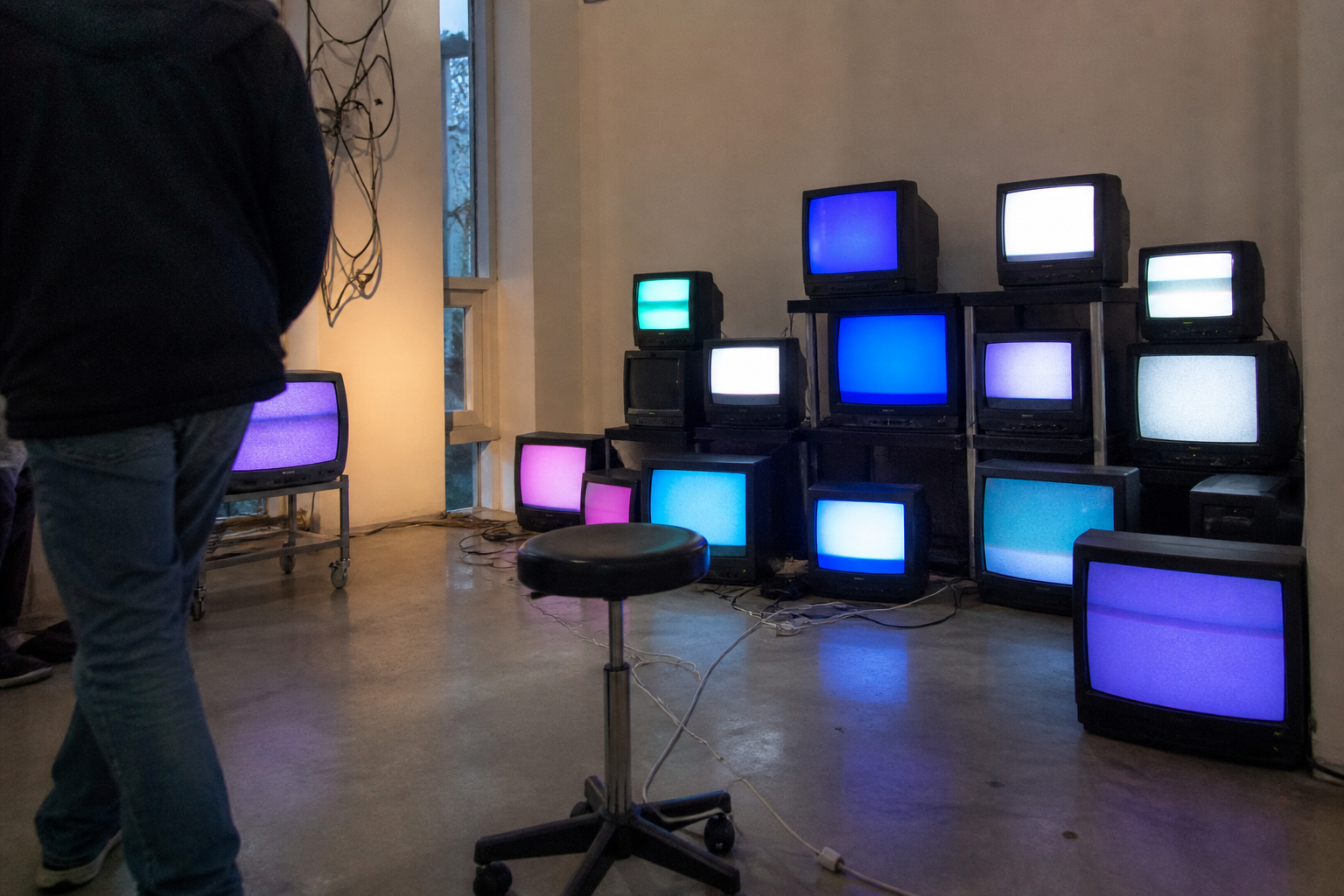
A natural AI-generated SEOULIAN editorial photograph illustrating Nam June Paik

Nam June Paik

Nam June Paik (Korean: 백남준 [pɛŋ.nam.dʑun] ; July 20, 1932 – January 29, 2006) was a South Korean artist. He worked with a variety of media and is considered to be the founder of video art. He is credited with the first use (1974) of the term "electronic super highway" to describe the future of telecommunications.

Read the brief
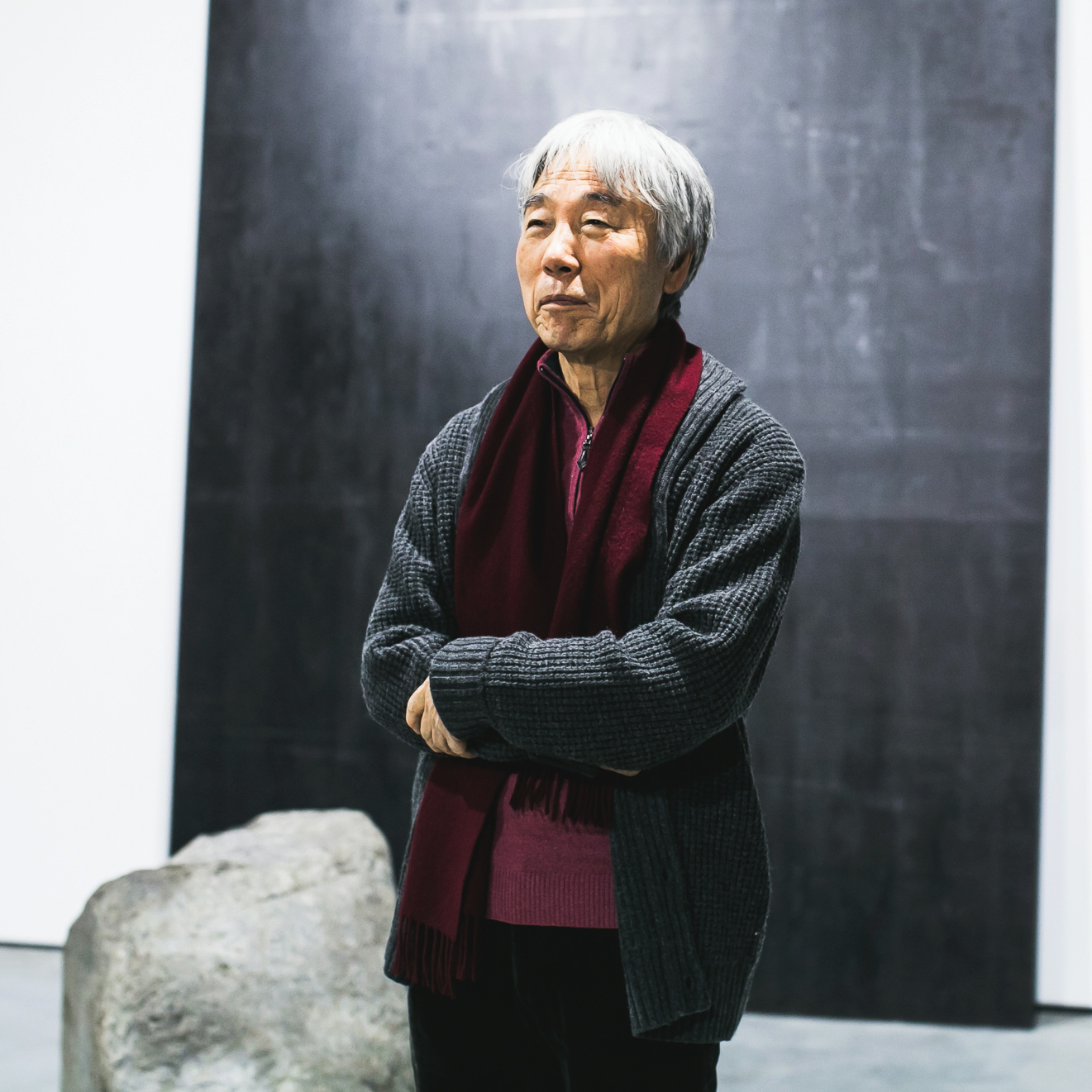
A Wikimedia Commons image illustrating Lee Ufan

Lee Ufan

Lee Ufan (Korean: 이우환; Hanja: 李禹煥, Korean pronunciation: [iːuhwan]; born 1936) is a South Korean minimalist painter, sculptor, and academic, known for innovative bodies of work emphasizing process, materials, and the experiential engagement of viewer and site, and critiques of European phenomenology.

Read the brief
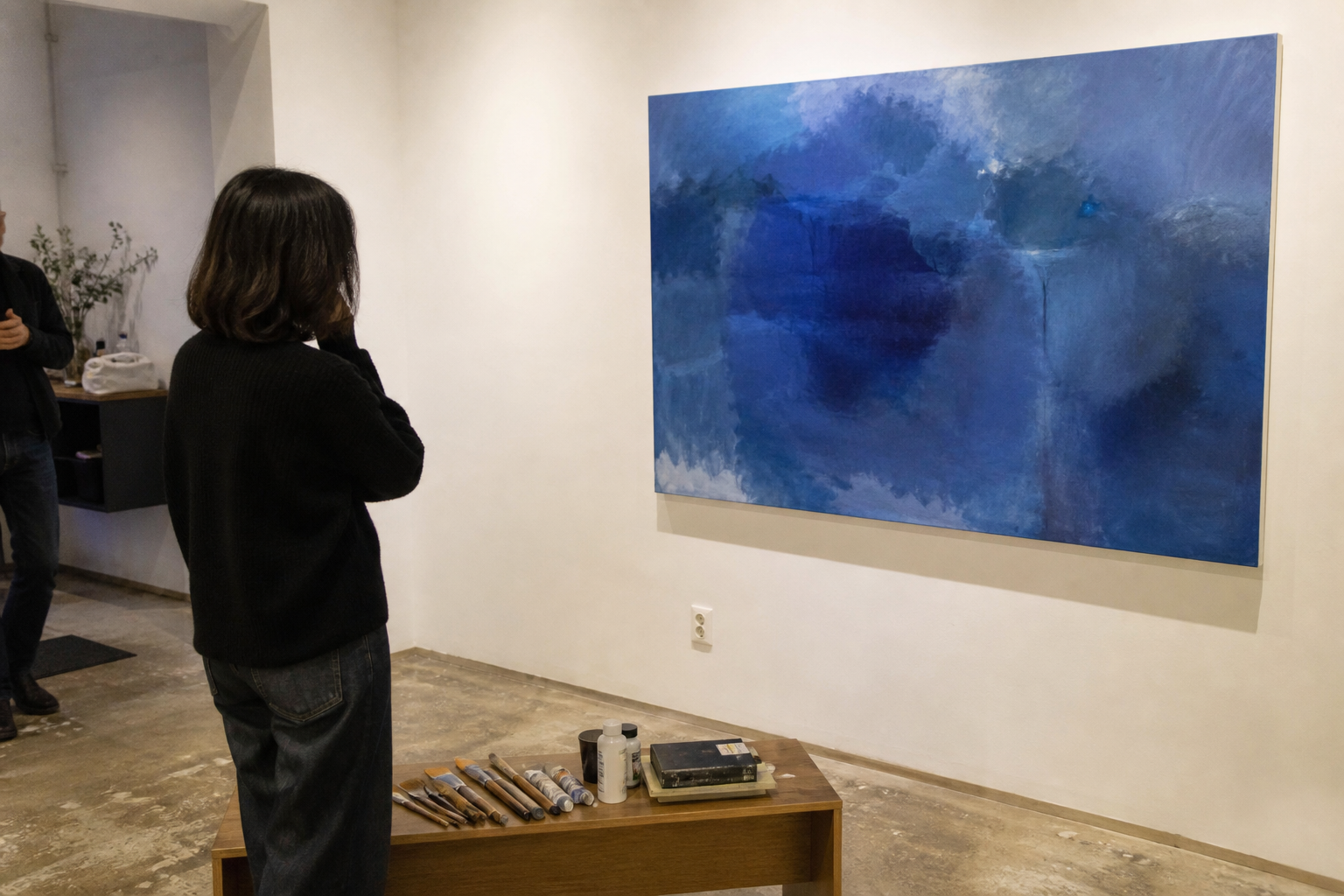
A natural AI-generated SEOULIAN editorial photograph illustrating Whanki Kim

Whanki Kim

Kim Whanki (Korean: 김환기; Hanja: 金煥基; April 3, 1913 – July 25, 1974) was a Korean painter and pioneering abstract artist. Kim lived and worked in a number of cities and countries during his lifetime, including Tokyo, Japan; Seoul and Busan, Korea; Paris, France; and New York City, USA, where he died.

Read the brief
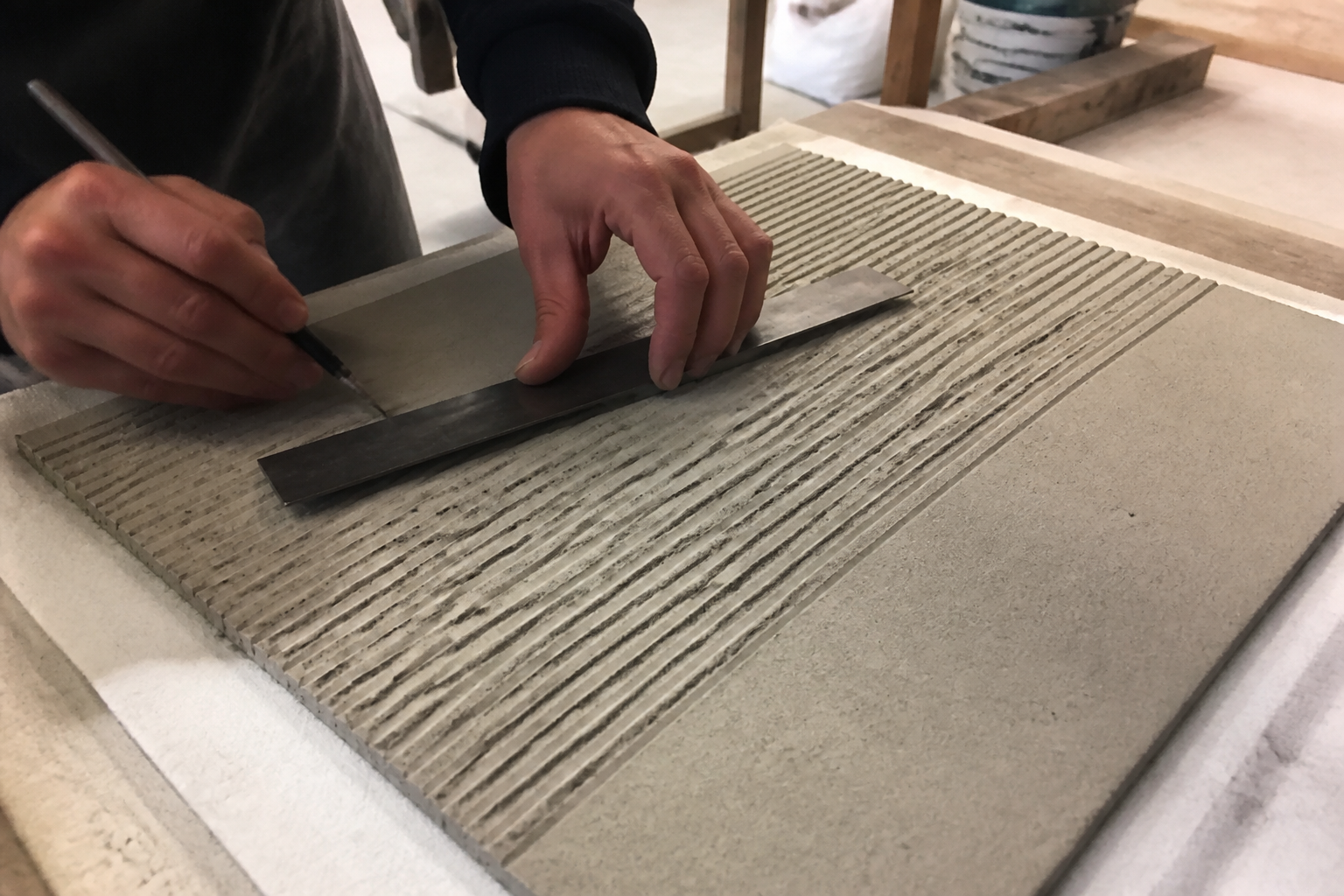
A natural AI-generated SEOULIAN editorial photograph illustrating Park Seo-bo

Park Seo-bo

Park Seo-bo (Korean: 박서보; 15 November 1931 – 14 October 2023) was a South Korean painter known for his "Écriture" series (1967 onwards), involvement in the Korean Art Informel movement, and particular formal concerns around painting that have led critics and art historians to identify him as a leading Dansaekhwa artist.

Read the brief
A Wikimedia Commons image illustrating Korean literature

Korean literature

Korean literature is the body of literature produced by Koreans, mostly in the Korean language and sometimes in Classical Chinese. For much of Korea's 1,500 years of literary history, it was written in Hanja. It is commonly divided into classical and modern periods, although this distinction is sometimes unclear.

Read the brief
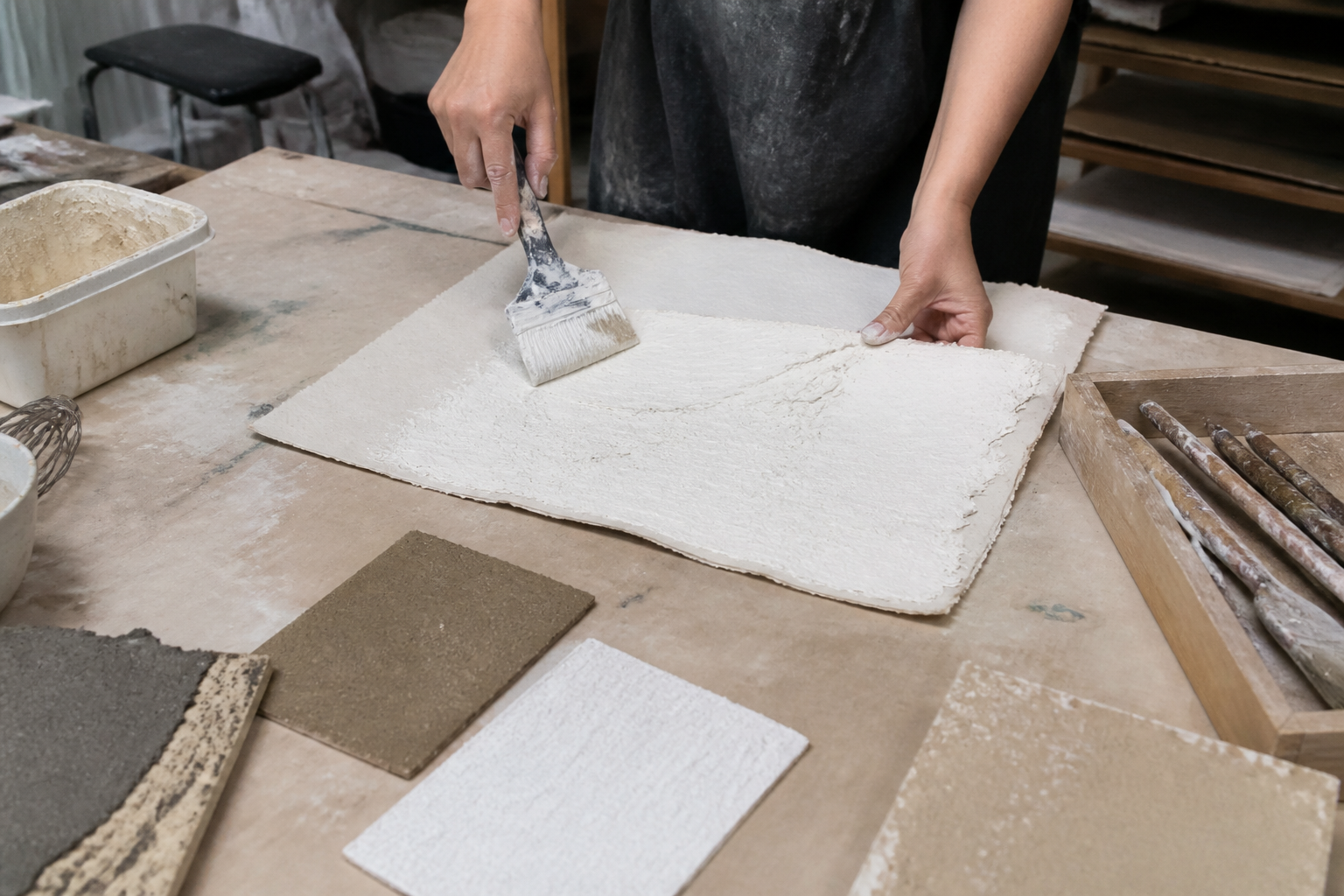
A natural AI-generated SEOULIAN editorial photograph illustrating Dansaekhwa

Dansaekhwa

Dansaekhwa (Korean: 단색화, hanja 單色畵, also known as Tansaekhwa), often translated as "monochrome painting" from Korean, is a retroactive term grouping together disparate artworks that were exhibited in South Korea beginning in the mid 1970s.

Read the brief
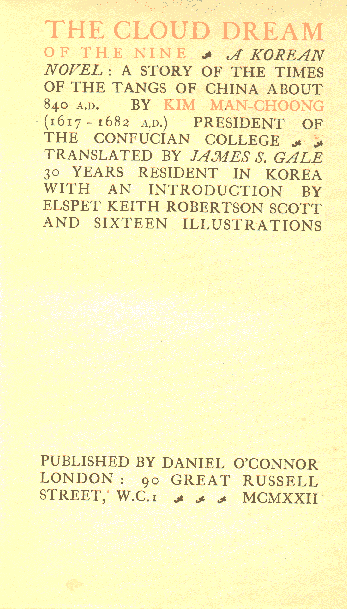
A Wikimedia Commons image illustrating The Cloud Dream of the Nine

The Cloud Dream of the Nine

The Cloud Dream of the Nine, also translated as The Nine Cloud Dream (Korean: 구운몽; Hanja: 九雲夢; RR: Kuunmong), is a 17th-century Korean novel set in the Chinese Tang dynasty. Although widely attributed to Kim Man-jung, there have been some arguments about whether he was the original author.

Read the brief
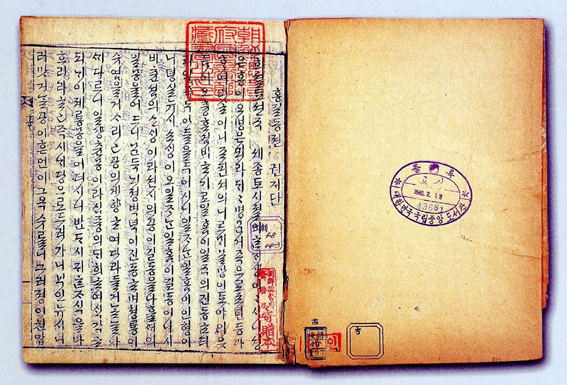
A Wikimedia Commons image illustrating Hong Gildong jeon

Hong Gildong jeon

Hong Gildong jeon (Korean: 홍길동전; Hanja: 洪吉童傳) is a Korean novel, often translated as The Biography of Hong Gildong, written during the Joseon period. The novel is considered an iconic piece of Korean literature and culture. Its authorship has traditionally been attributed to Joseon statesman, Hŏ Kyun, though recent scholarship has called this into question.

Read the brief
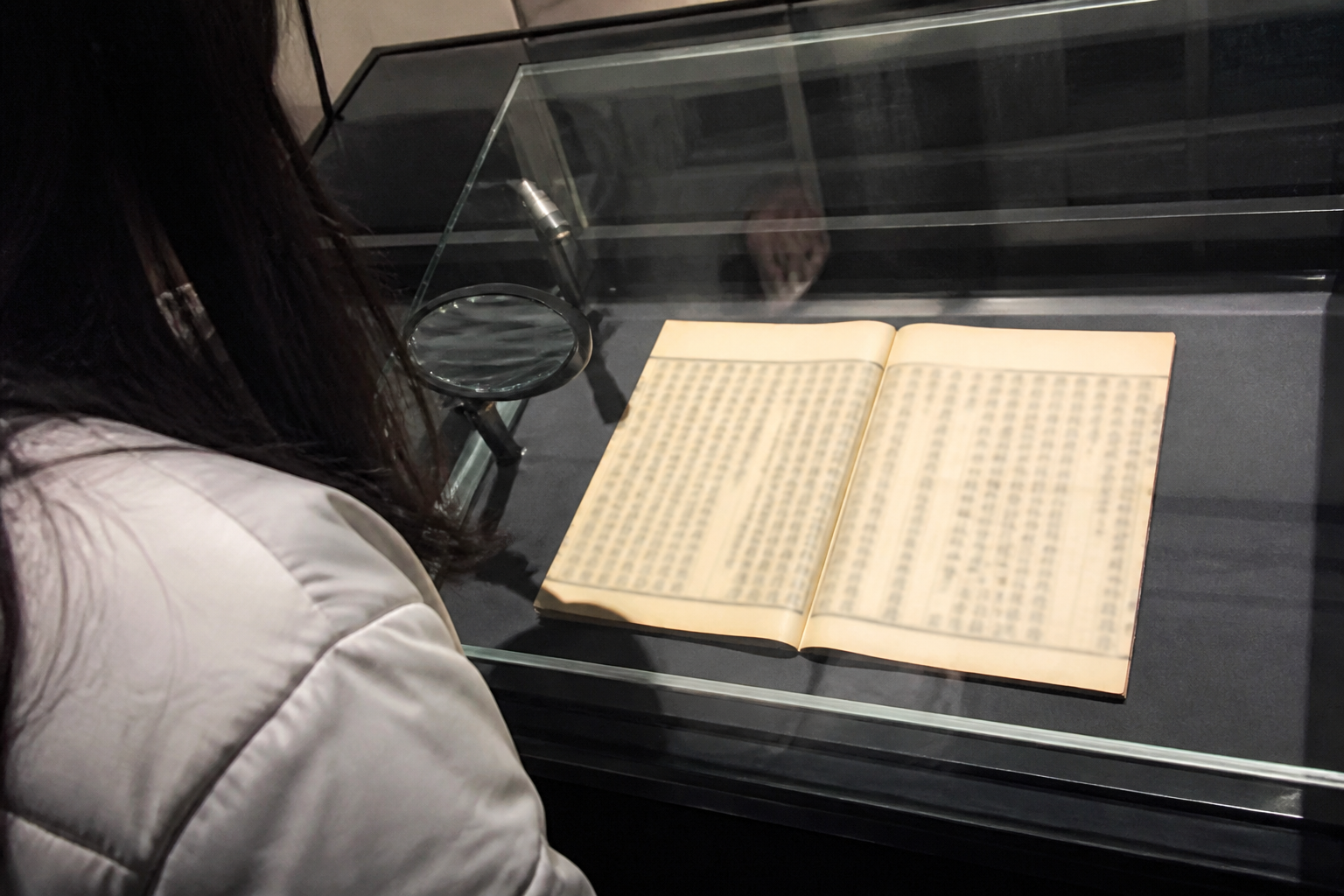
A natural AI-generated SEOULIAN editorial photograph illustrating Hunminjeongeum Haerye

Hunminjeongeum Haerye

Hunminjeongeum Haerye (Korean: 훈민정음 해례; Hanja: 訓民正音解例), or simply Haerye, refers to either a commentary section on the text Hunminjeongeum or to copies of the Hunminjeongeum that contain the commentary section. The Hunminjeongeum and commentary were published together as a single text around October 1446 (Gregorian calendar).

Read the brief
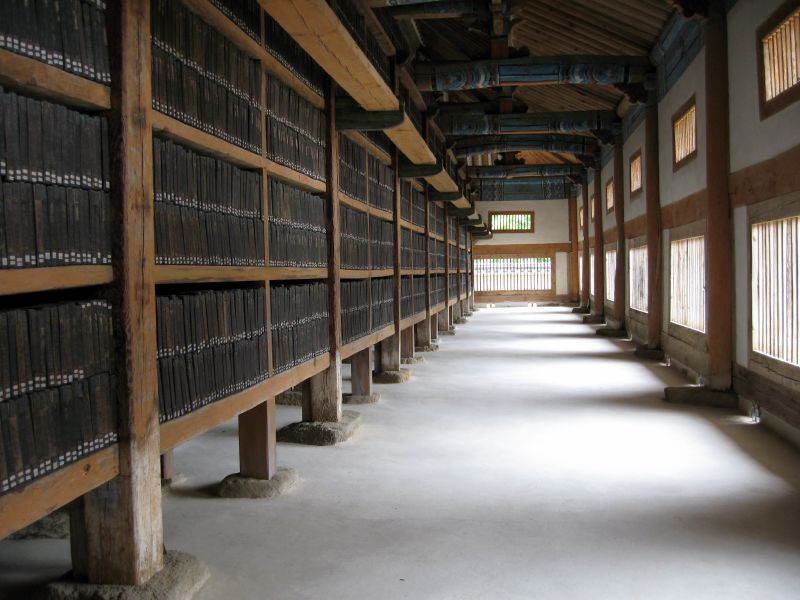
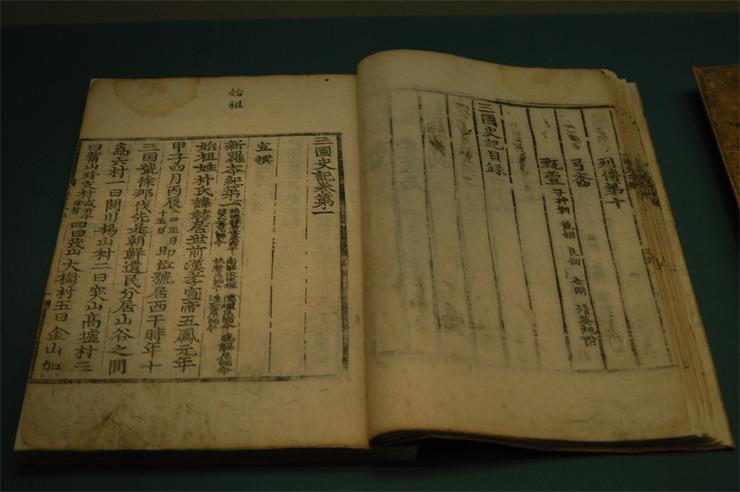
A Wikimedia Commons image illustrating Samguk sagi

Samguk sagi

Samguk sagi (Korean: 삼국사기; Hanja: 三國史記; lit. 'History of the Three Kingdoms') is a historical record of the Three Kingdoms of Korea: Goguryeo, Baekje, and Silla. This copy is significant in that it was the first book ever to be compiled by a Korean government. Completed in 1145, it is well-known in Korea as the oldest surviving chronicle of Korean history.

Read the brief