HISTORY · Late 19th century to today
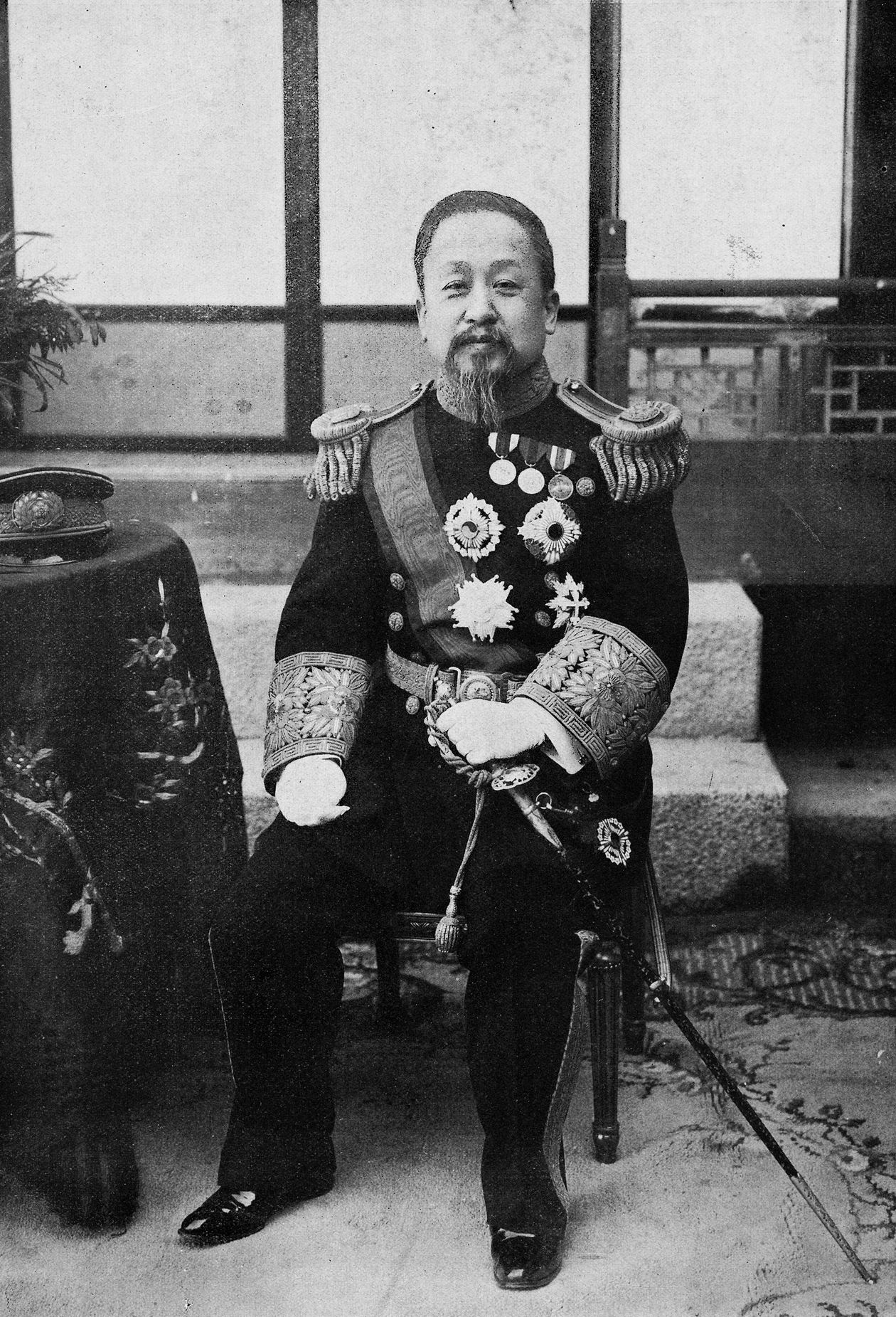
Gojong (Korean: 고종; Hanja: 高宗; 8 September 1852 – 21 January 1919), personal name Yi Jaehwang, later changed to Yi Hui, also known as the Gwangmu Emperor, was the penultimate Korean monarch. He ruled Korea for 43 years, from 1864 until his forced abdication in 1907, initially as the 26th king of Joseon, and then as the first emperor of the Korean Empire.
Read the brief →
HISTORY · Late 19th century to today
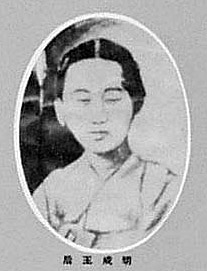
Empress Myeongseongtae (Korean: 명성태황후; Hanja: 明成太皇后; 17 November 1851 – 8 October 1895), of the Yeoheung Min clan, personal name Min Ja-yeong, commonly known as Empress Myeongseong, was the wife of Gojong, the 26th king of Joseon and the first emperor of the Korean Empire. She was queen of Joseon from 1866 until her assassination in 1895.
Read the brief →
HISTORY · Late 19th century to today
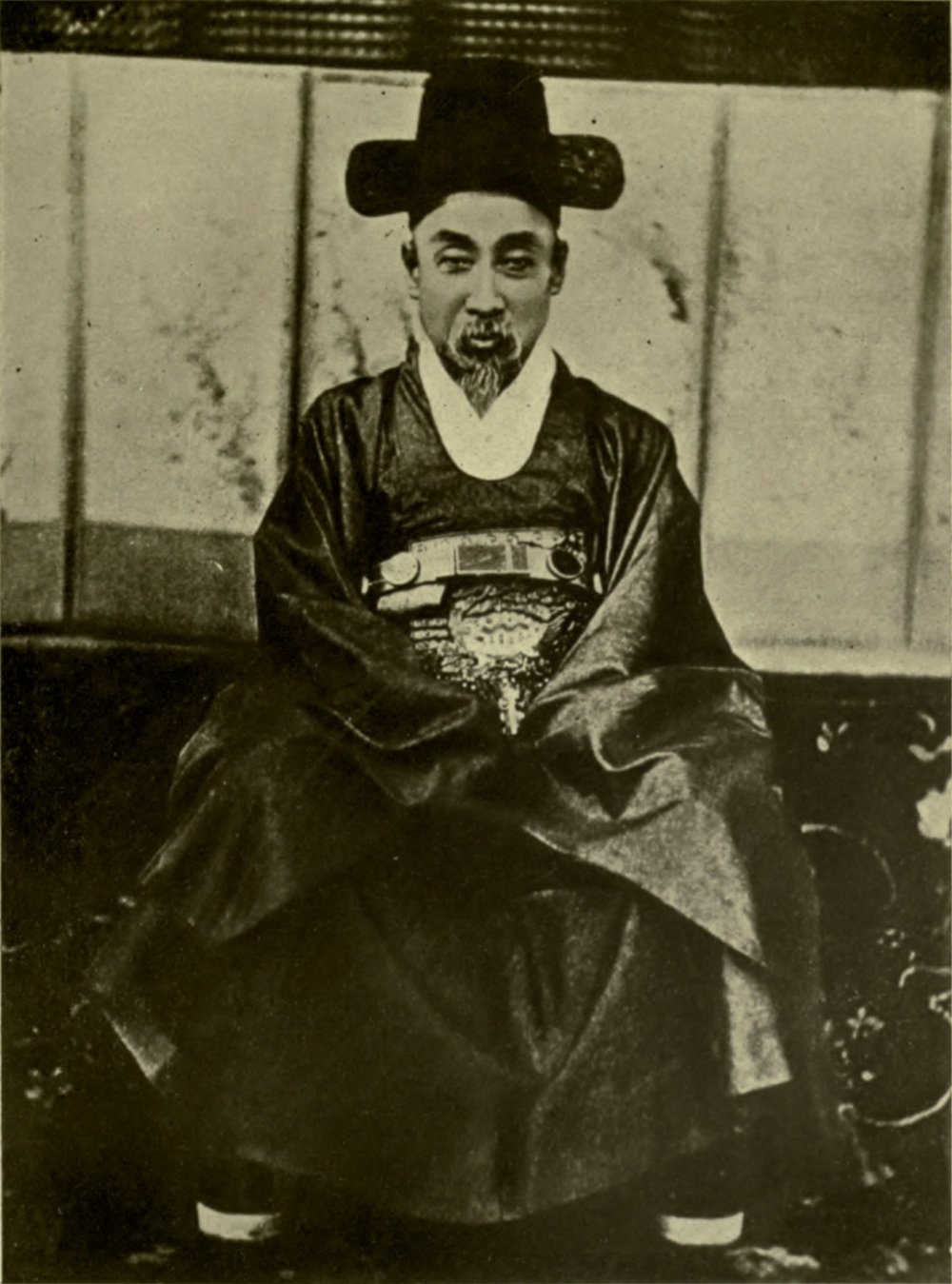
Heungseon Daewongun (Korean: 흥선대원군; Hanja: 興宣大院君; 24 January 1821 – 22 February 1898) was the title of Yi Ha-eung, the regent of Joseon during the minority of Emperor Gojong in the 1860s. Until his death, he was a key political figure of late Joseon Korea. He was known simply as the Daewongun (대원군; 大院君; lit.
Read the brief →
HISTORY · Late 19th century to today
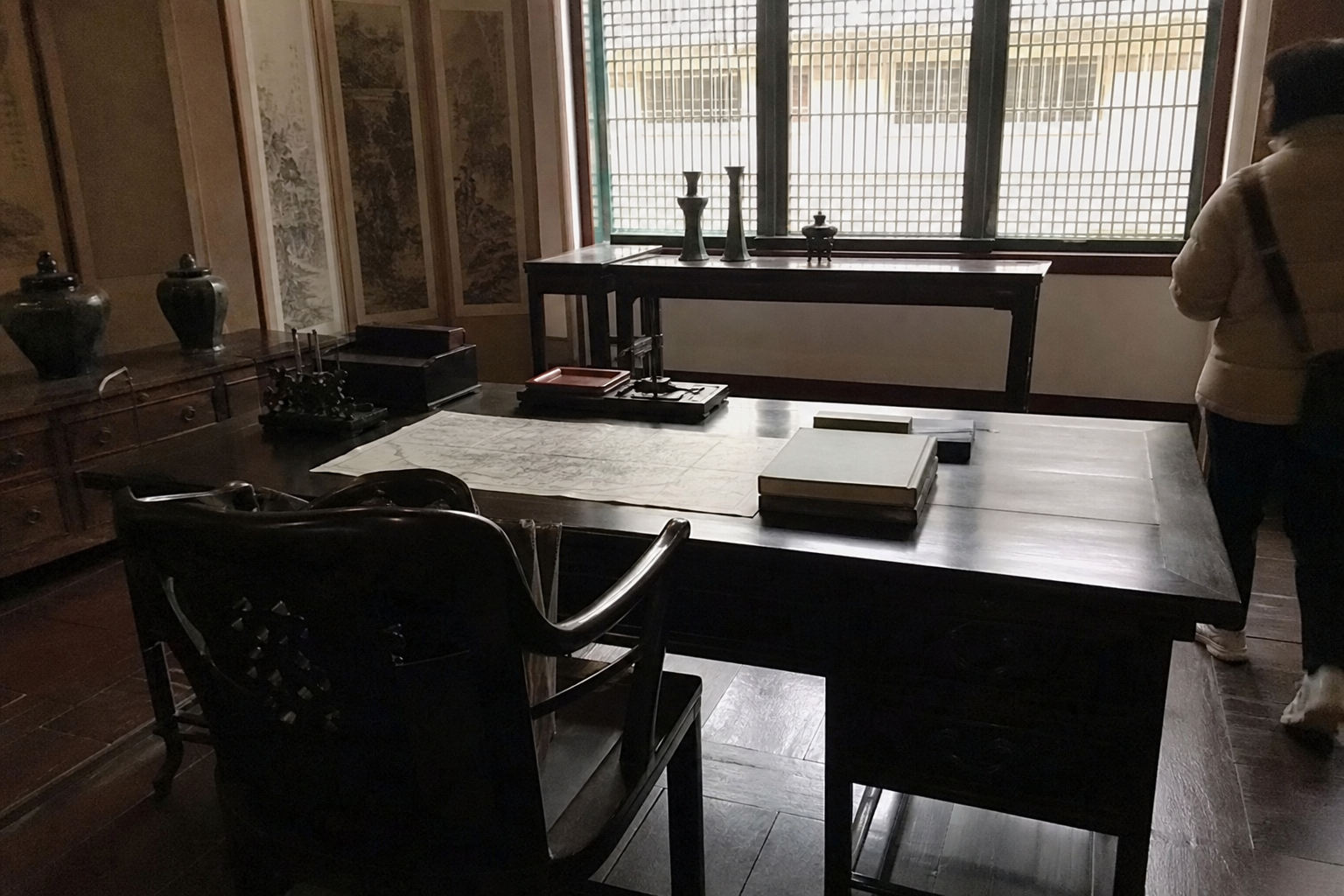
The Korean Empire (Korean: 대한국; Hanja: 大韓國; RR: Daehanguk; MR: Taehan'guk; lit. 'Great Korean State'), officially the Empire of Korea or Imperial Korea in English and commonly called Taehan Cheguk in Korean, was a Korean monarchical state proclaimed in October 1897 by King Gojong of the Joseon dynasty.
Read the brief →
HISTORY · Late 19th century to today
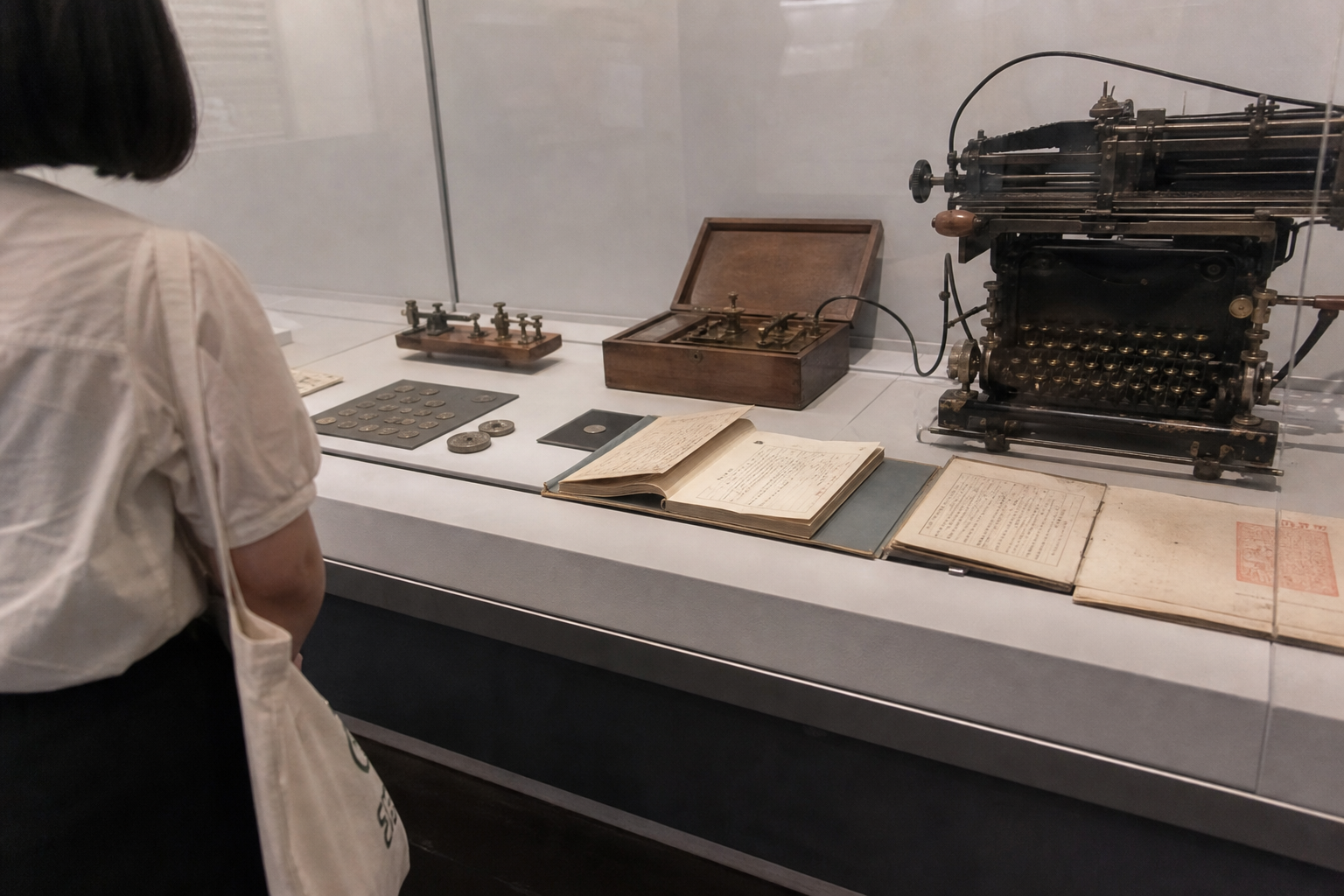
The Kwangmu Reform (Korean: 광무개혁; Hanja: 光武改革) was a collection of reforms that were aimed at modernizing and Westernizing the Korean Empire as it felt held back from what other countries had achieved in their own process of Industrial Revolutions. It takes its name from Gojong, also known as the Gwangmu Emperor.
Read the brief →
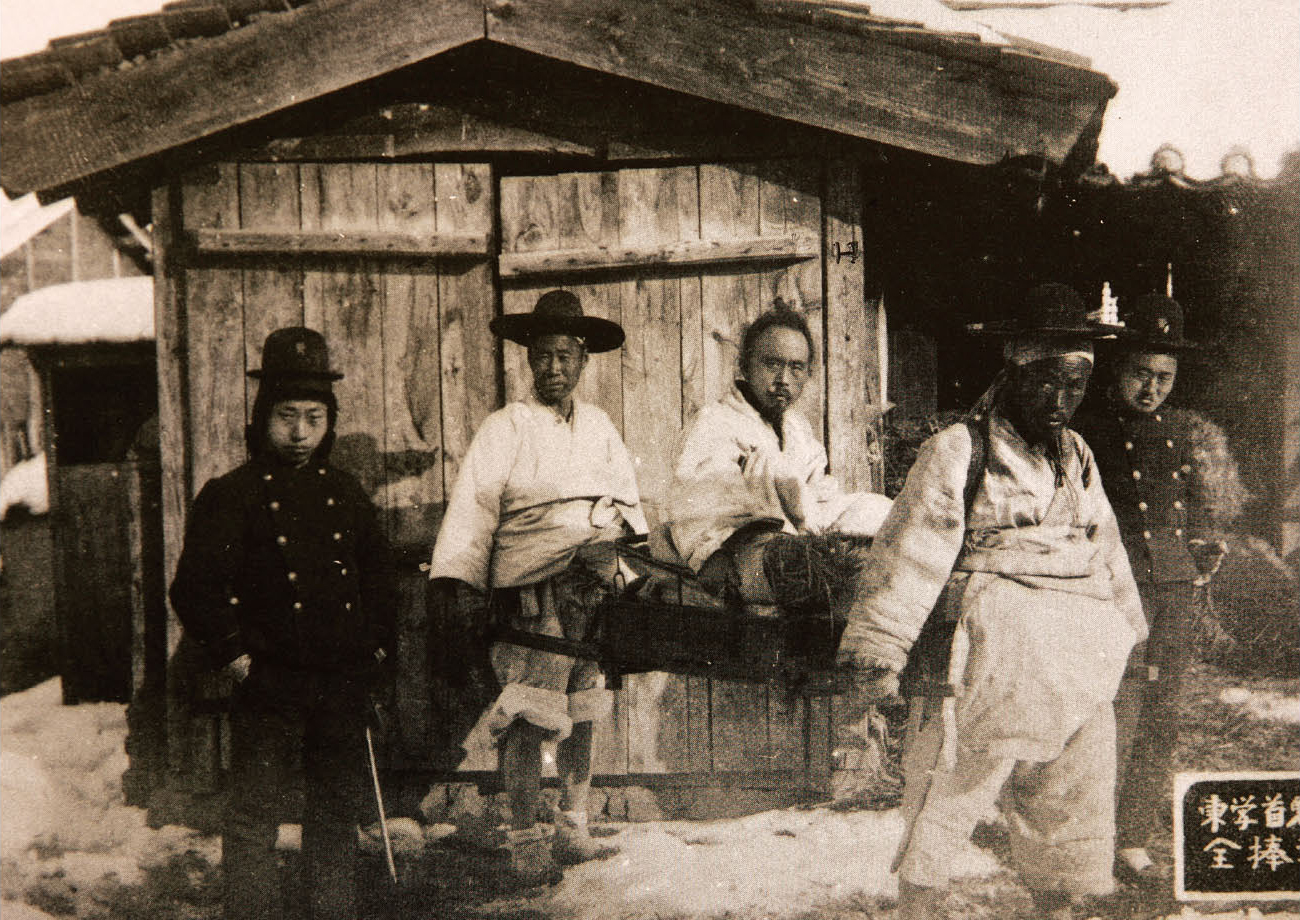
HISTORY · Late 19th century to today
The Tonghak Peasant Revolution (Korean: 동학 농민 혁명) took place between 11 January 1894 and 25 December 1895 in Korea. The peasants were primarily followers of Donghak, a Neo-Confucian movement that rejected Western technology and ideals. The Revolution began in the province of Gobu-gun.
Read the brief →
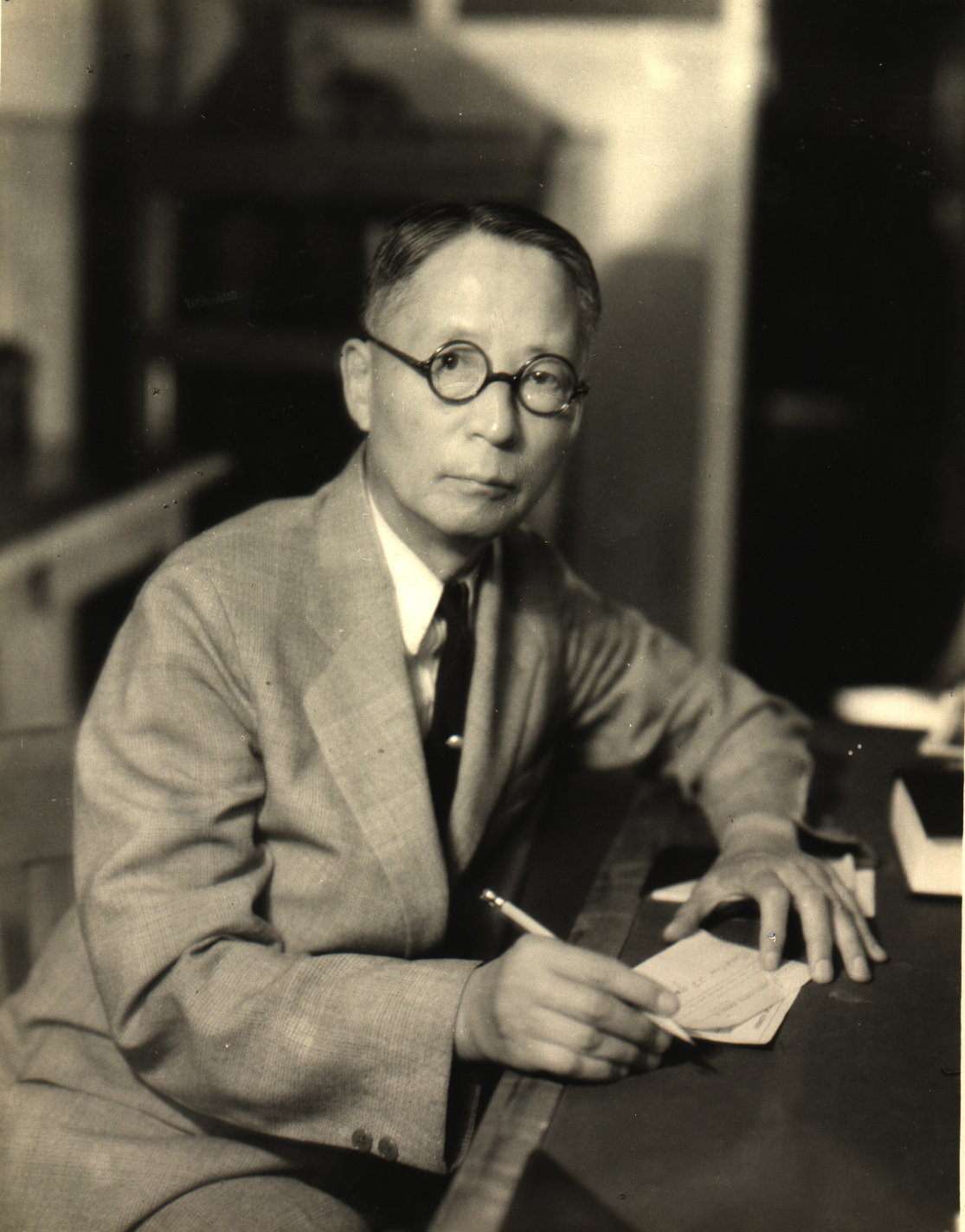
HISTORY · Late 19th century to today
Seo Jae-pil (Korean: 서재필; Hanja: 徐載弼; January 7, 1864 – January 5, 1951), better known by his English name Philip Jaisohn, was a Korean American politician, physician, and Korean independence activist. He was the first Korean to become a naturalized citizen of the United States.
Read the brief →
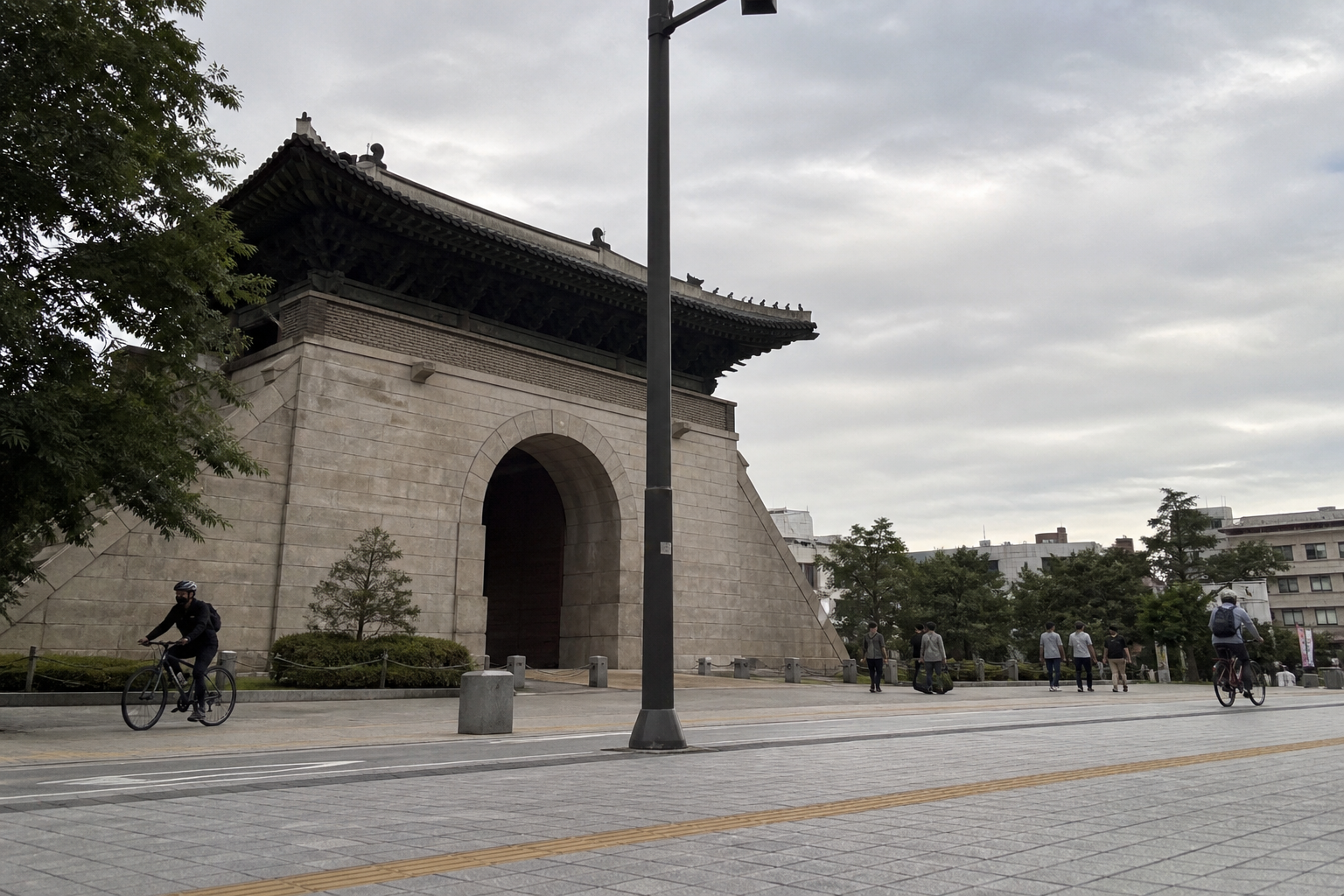
HISTORY · Late 19th century to today
Independence Gate (Korean: 독립문; Hanja: 獨立門) or Dongnimmun is a memorial gate in Seoul, South Korea. It was built in January 1898. Its construction was planned by Philip Jaisohn, as a symbol of Korea's commitment to independence.
Read the brief →
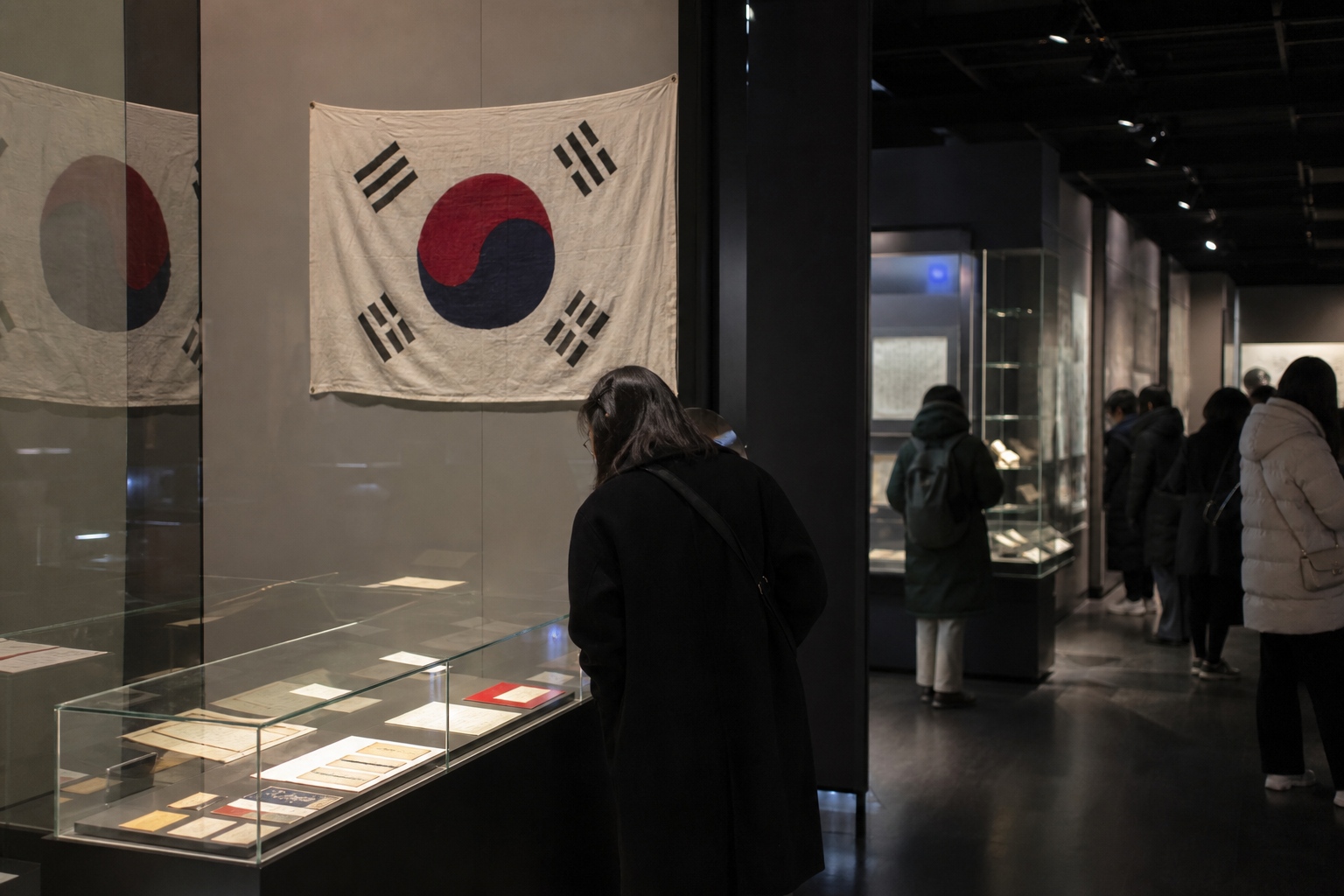
HISTORY · Late 19th century to today
The March First Movement was a series of protests against Japanese colonial rule that was held throughout Korea and internationally by the Korean diaspora beginning on March 1, 1919. Protests were largely concentrated in March and April of that year, although related protests continued until 1921.
Read the brief →
HISTORY · Late 19th century to today
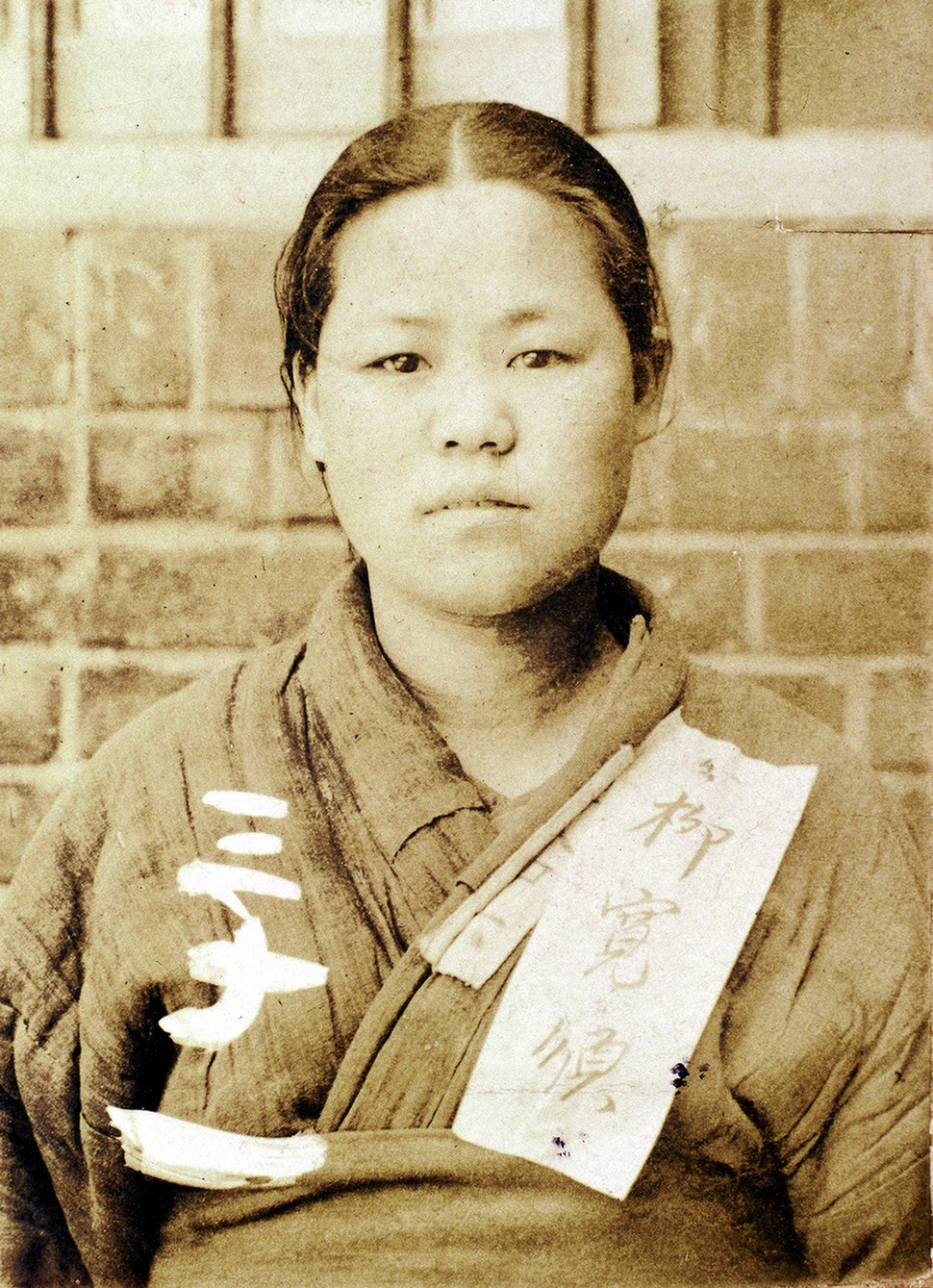
Yu Gwan-sun (Korean: 유관순; Hanja: 柳寬順; December 16, 1902 – September 28, 1920) was a Korean independence activist. She was particularly notable for her role in South Chungcheong during the March 1st Movement protests against Japanese colonial rule. She has since become one of the most famous Korean independence activists and a symbol for the movement.
Read the brief →
HISTORY · Late 19th century to today
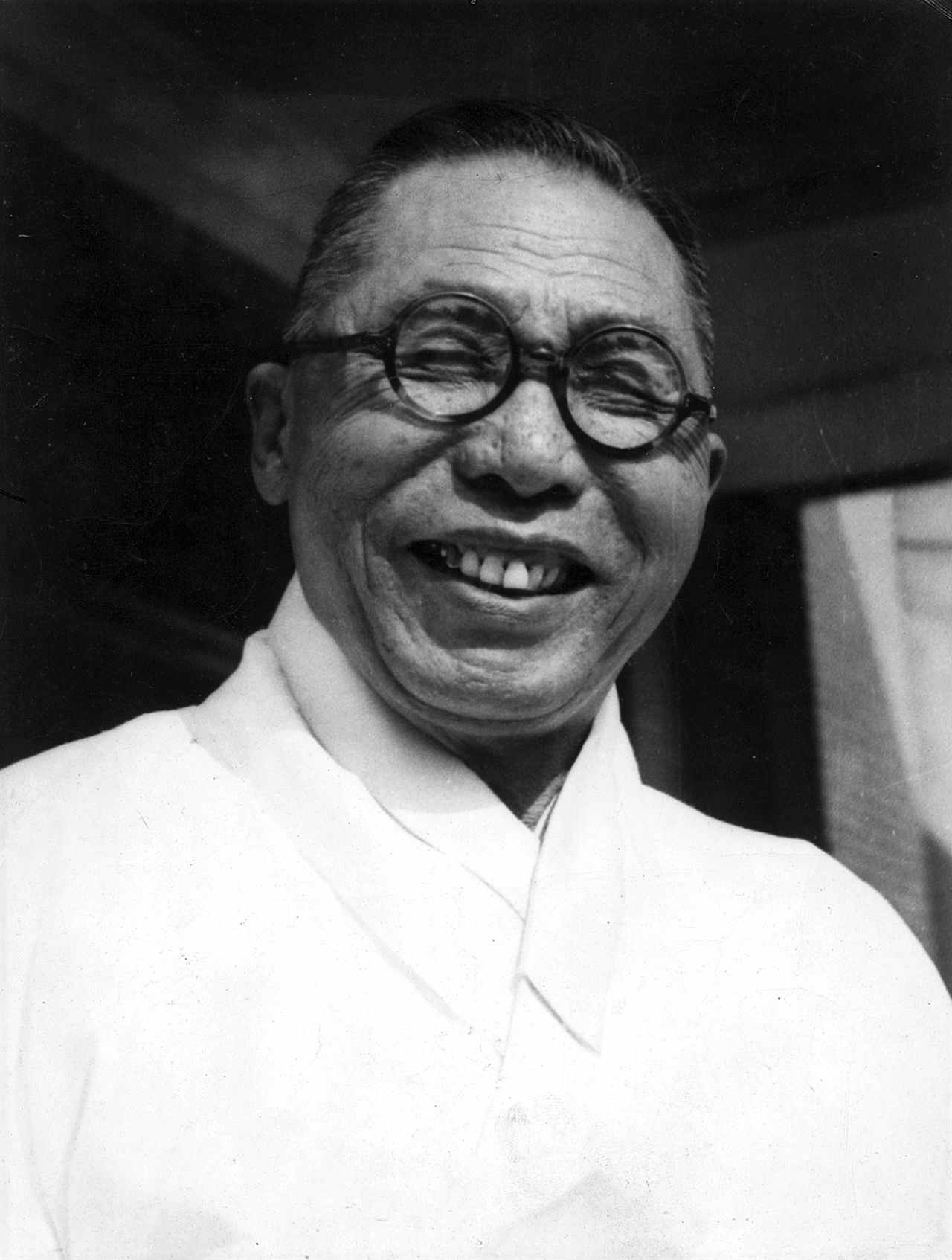
Kim Ku (Korean: 김구; Hanja: 金九; August 29, 1876 – June 26, 1949), also known by his art name Paekpŏm, was a Korean independence activist and statesman. He was a leader of the Korean independence movement against the Empire of Japan, head of the Korean Provisional Government from 1926 to 1927 and from 1940 to 1945, and a Korean reunification activist after…
Read the brief →
HISTORY · Late 19th century to today
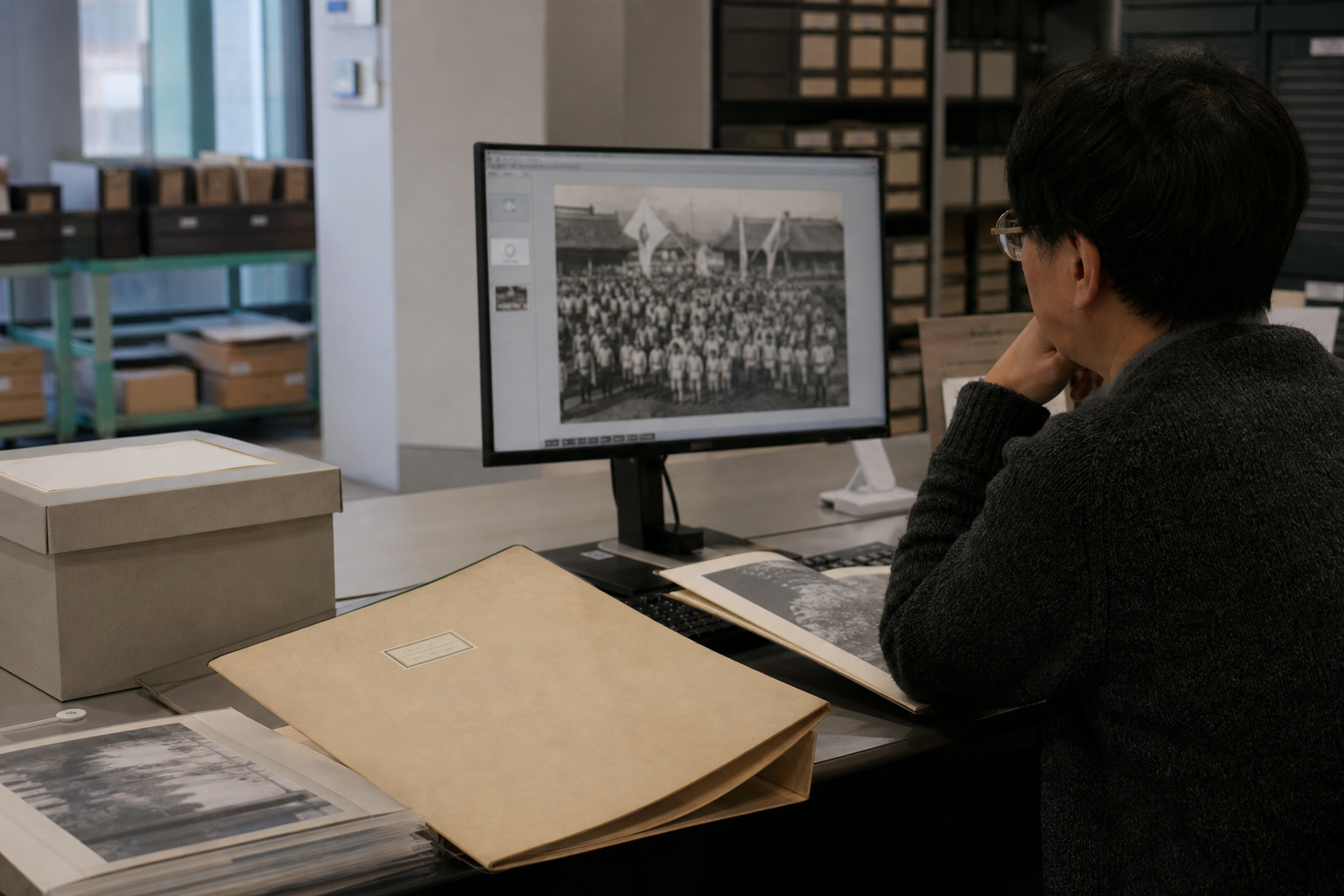
The Korean independence movement, also known as the Korean Revolution, was a series of diplomatic and militant efforts that liberated the Korean peninsula from Japanese rule. The movement began around the late 19th or early 20th century, and ended with the surrender of Japan in 1945.
Read the brief →
HISTORY · Late 19th century to today
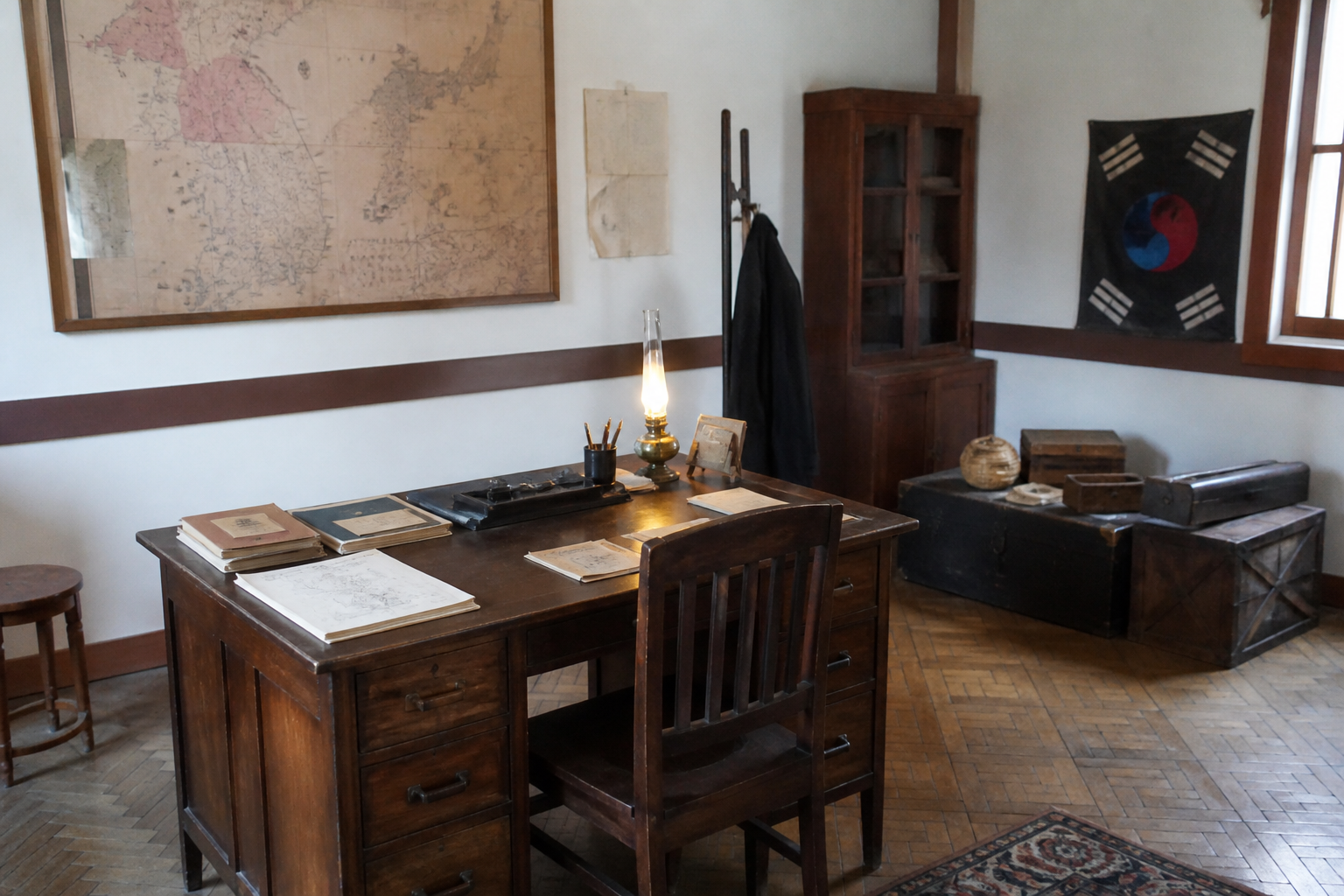
The Korean Provisional Government (KPG), formally the Provisional Government of the Republic of Korea (Korean: 대한민국 임시정부), was a Korean government-in-exile based in China during Japanese rule over Korea. The KPG was founded in the Shanghai French Concession on 11 April 1919.
Read the brief →
HISTORY · Late 19th century to today
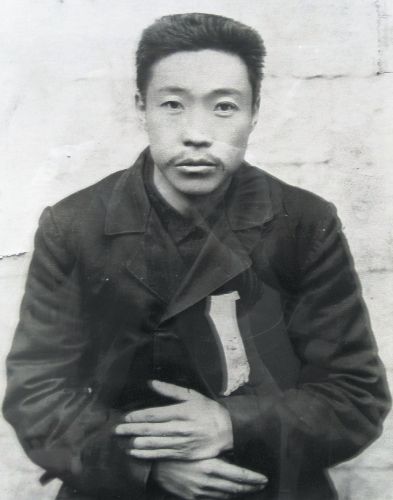
An Jung-geun (Korean: 안중근; 2 September 1879 – 26 March 1910), courtesy name An Eungchil (Korean: 안응칠; Hanja: 安應七), was a Korean independence activist who assassinated Itō Hirobumi, former Prime Minister of Japan and Japanese Resident-General of Korea, in Harbin, China in 1909.
Read the brief →
HISTORY · Late 19th century to today
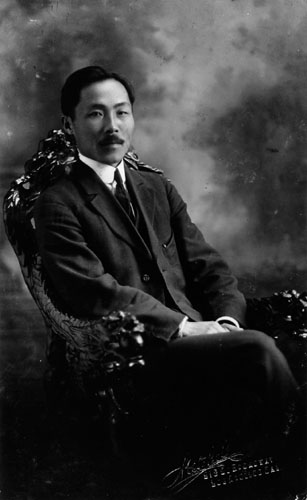
Ahn Chang Ho (Korean: 안창호; Hanja: 安昌浩; November 9, 1878 – March 10, 1938), sometimes An Chang-ho, was a prominent Korean politician, Korean independence activist, and an early leader of the Korean-American immigrant community in the United States. He is also commonly referred to by his art name Dosan (도산; 島山; [tosʰan]).
Read the brief →
HISTORY · Late 19th century to today
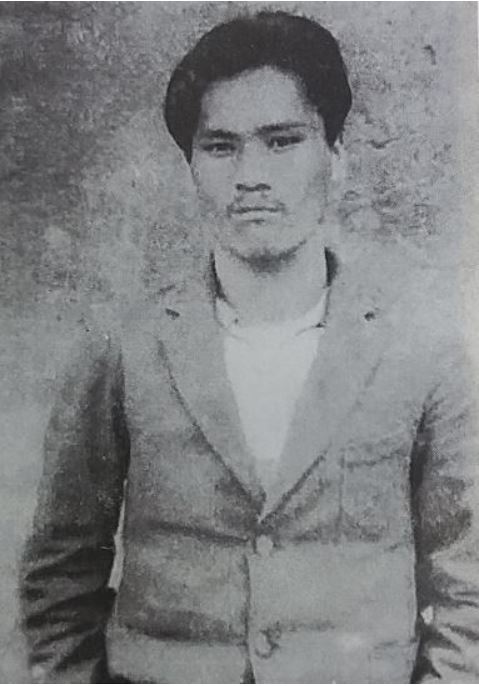
Yun Bong-gil (Korean: 윤봉길; Hanja: 尹奉吉; 21 June 1908 – 19 December 1932) was a Korean independence activist. His art name is Maeheon (매헌). He is most notable for his role in the Hongkou Park Incident, in which he set off a bomb that killed two Japanese colonial government and army officials in Shanghai's Hongkou Park (now Lu Xun Park) in 1932.
Read the brief →
HISTORY · Late 19th century to today
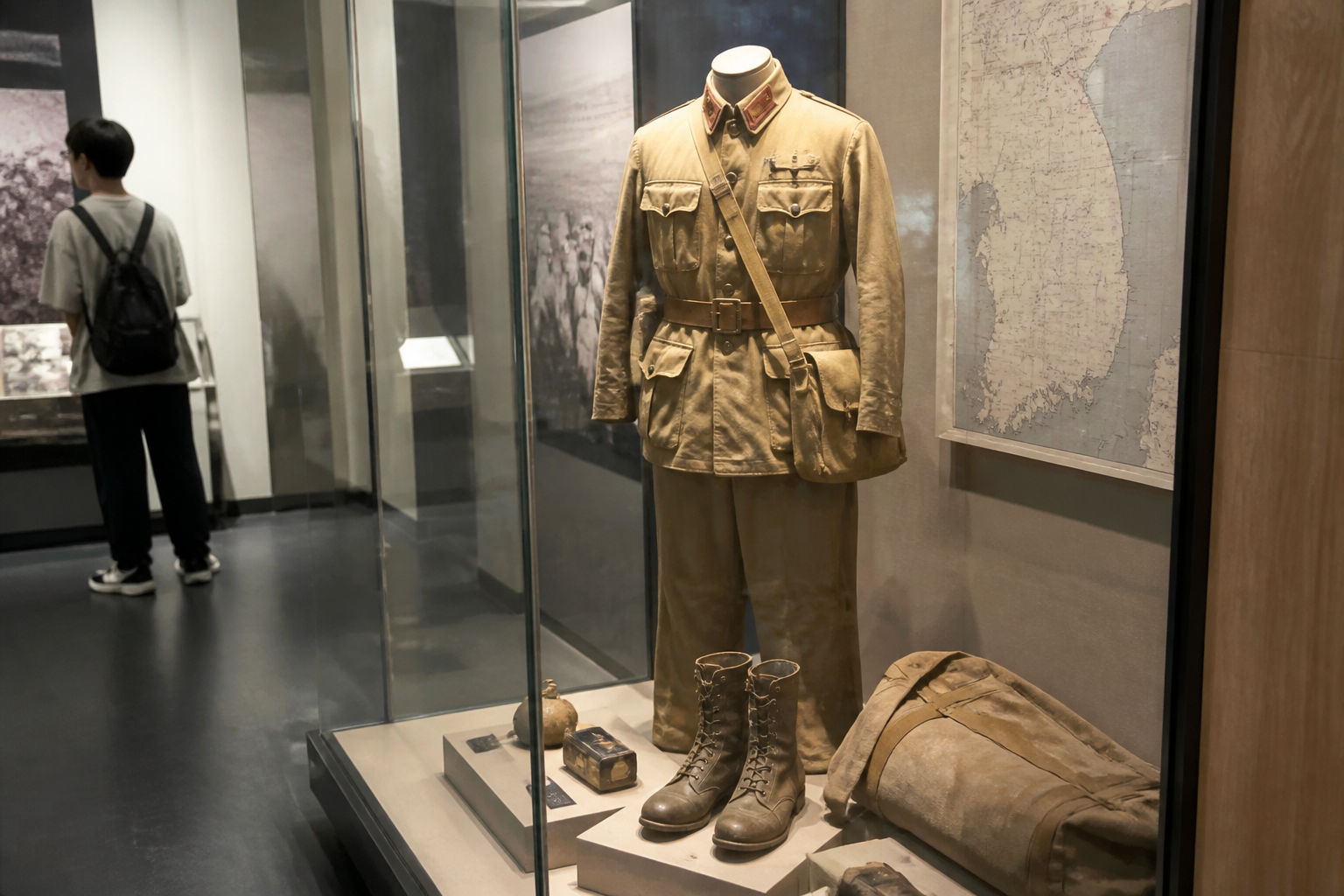
The Korean Liberation Army (KLA; Korean: 한국광복군; Hanja: 韓國光復軍), also known as the Korean Restoration Army, was the armed forces of the Provisional Government of the Republic of Korea. It was established on September 17, 1940, in Chongqing, Republic of China, with significant financial and personnel support from the Kuomintang.
Read the brief →
HISTORY · Late 19th century to today
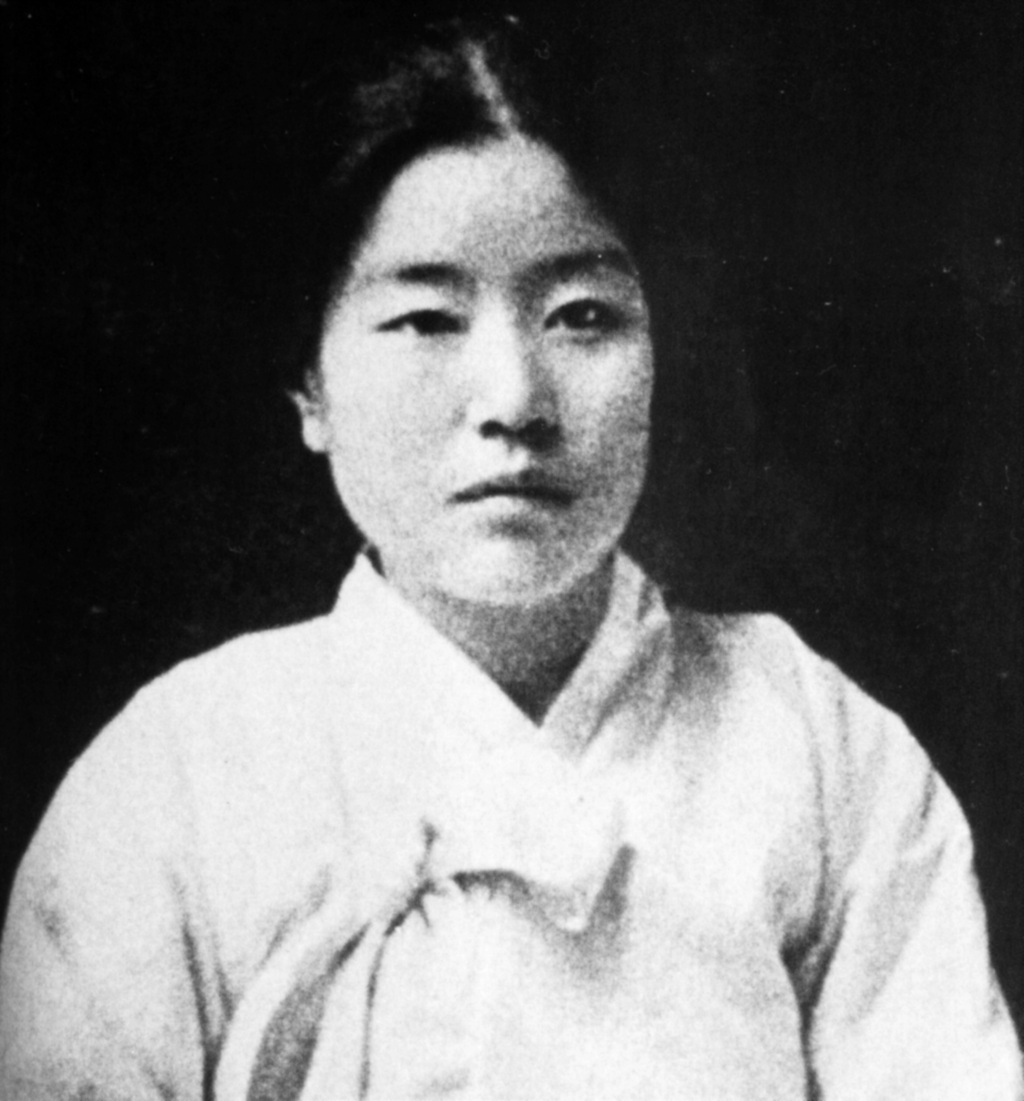
Na Hye-sŏk (Korean: 나혜석, April 28, 1896 – December 10, 1948) was a Korean feminist, poet, writer, painter, educator, and journalist. Her art name was Jeongwol (정월; 晶月). She was a pioneering Korean feminist writer and painter. She was the first female professional painter and the first feminist writer in Korea.
Read the brief →
HISTORY · Late 19th century to today
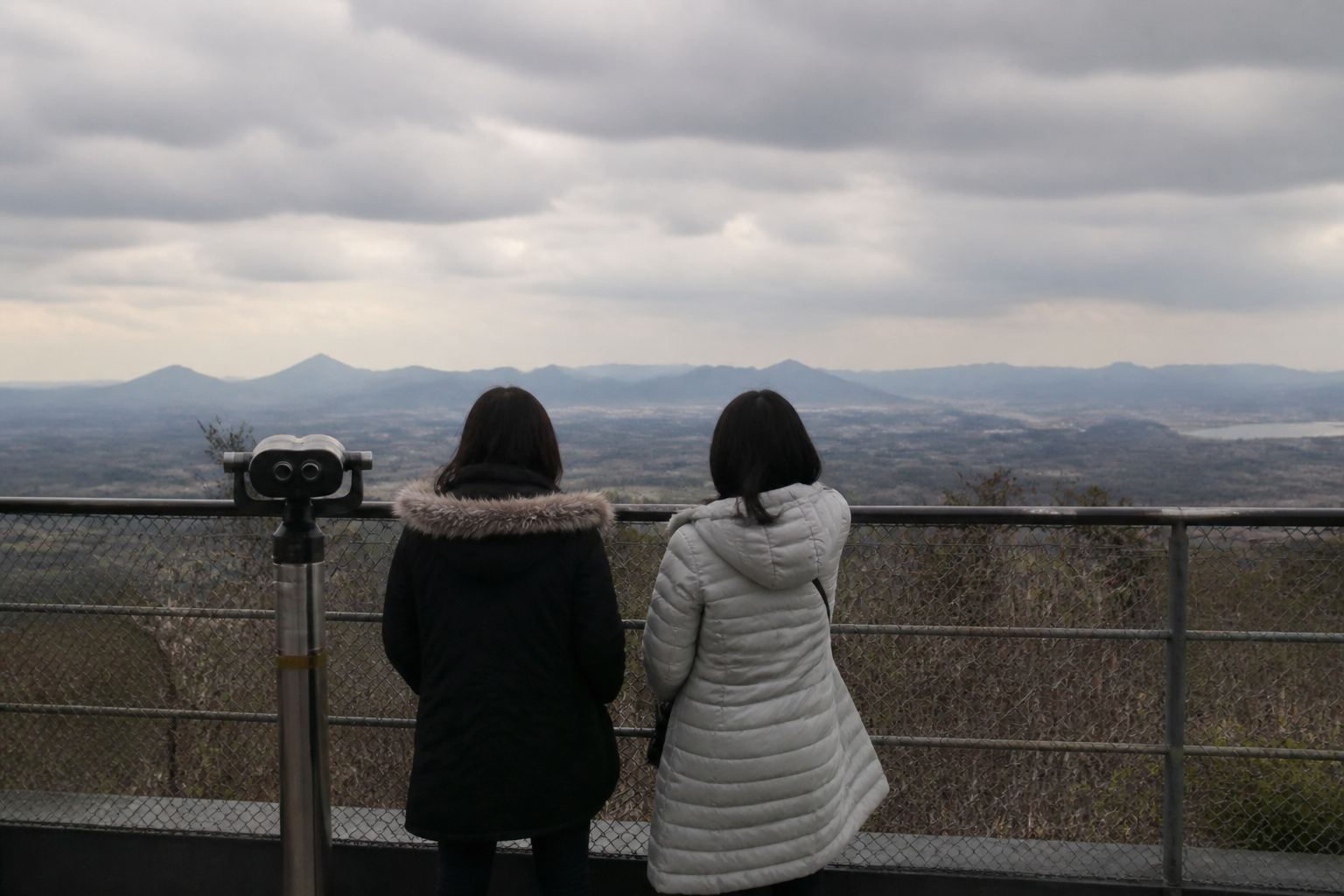
The division of Korea or the partition of Korea began at the end of World War II on 2 September 1945, with the establishment of a Soviet occupation zone in the north and a US occupation zone in the south. These zones developed into separate governments, named the Democratic People's Republic of Korea (North Korea) and the Republic of Korea (South Korea)…
Read the brief →
HISTORY · Late 19th century to today
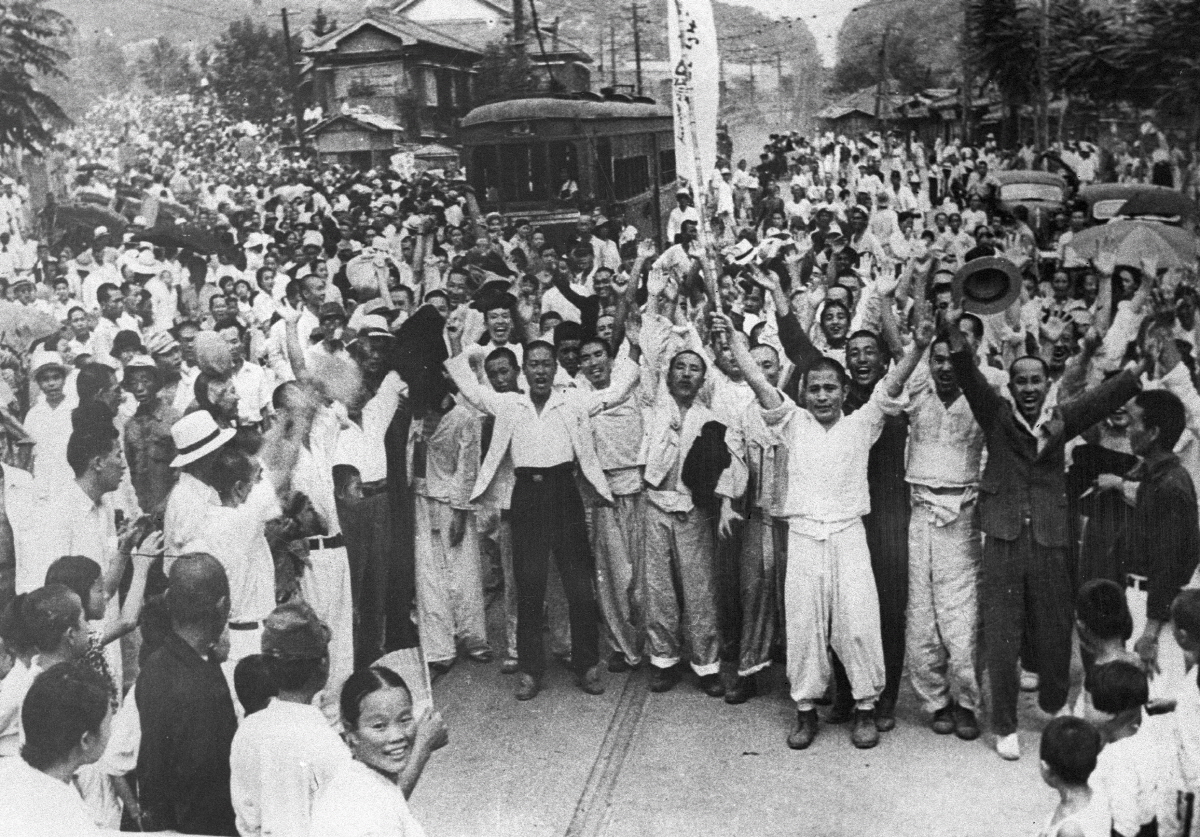
The National Liberation Day of Korea is a public holiday celebrated annually on 15 August in both North Korea and South Korea. It commemorates the day when the Korean Peninsula was liberated by the Allies in 1945 from 35 years of Japanese colonial rule. The day also coincides with the anniversary of the establishment of the South Korean government in 1948.
Read the brief →
HISTORY · Late 19th century to today
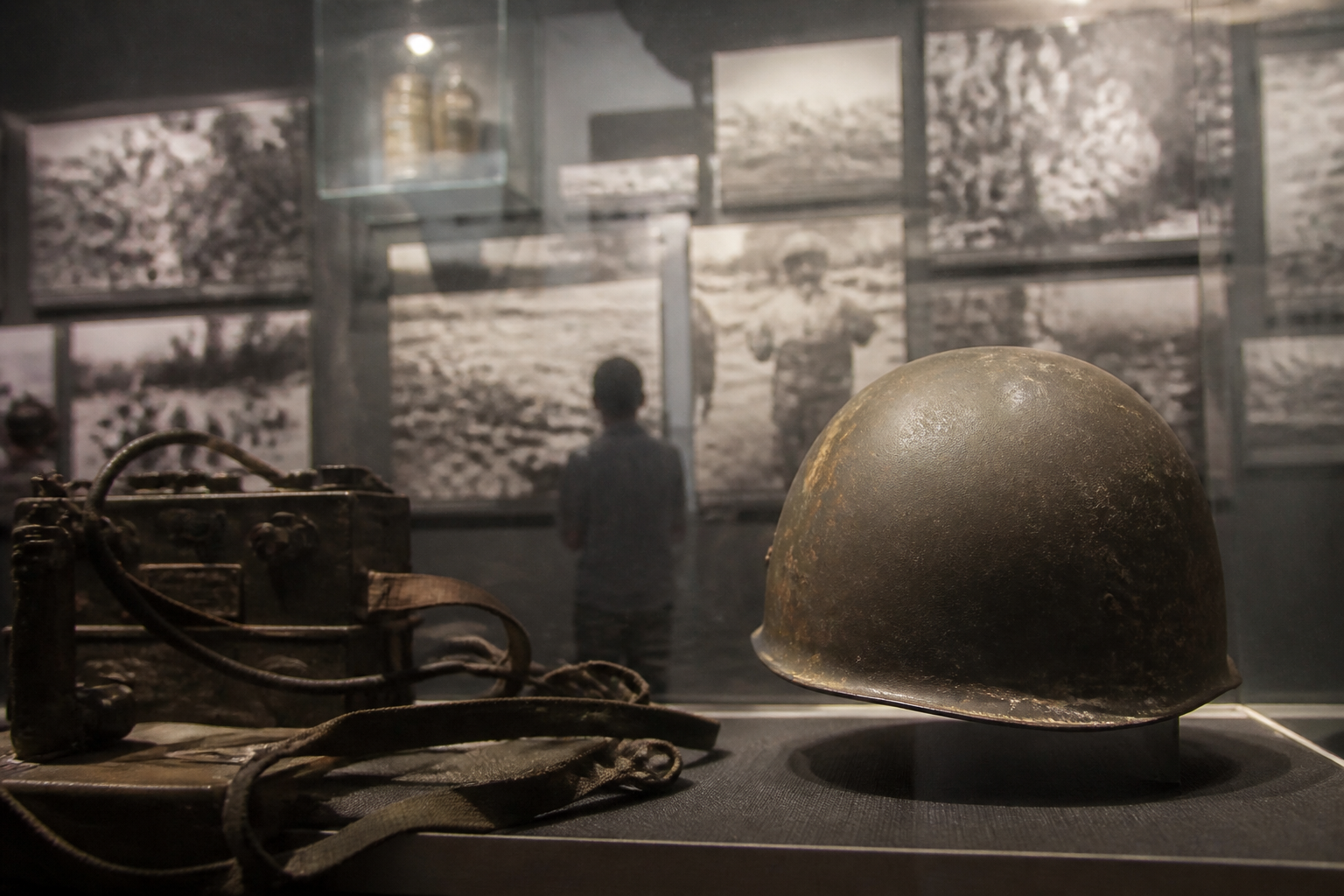
The Korean War (25 June 1950 – 27 July 1953) was an armed conflict fought on the Korean Peninsula between North Korea (Democratic People's Republic of Korea; DPRK) and South Korea (Republic of Korea; ROK) and their allies. North Korea was supported by China and the Soviet Union, while South Korea was supported by the United Nations led by the United States…
Read the brief →
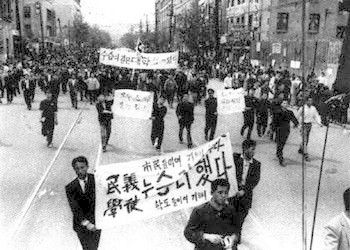
HISTORY · Late 19th century to today
The April Revolution (Korean: 4.19 혁명), also called the April 19 Revolution or April 19 Movement, were mass protests in South Korea against President Syngman Rhee and the First Republic from April 11 to 26, 1960, which led to Rhee's resignation.
Read the brief →
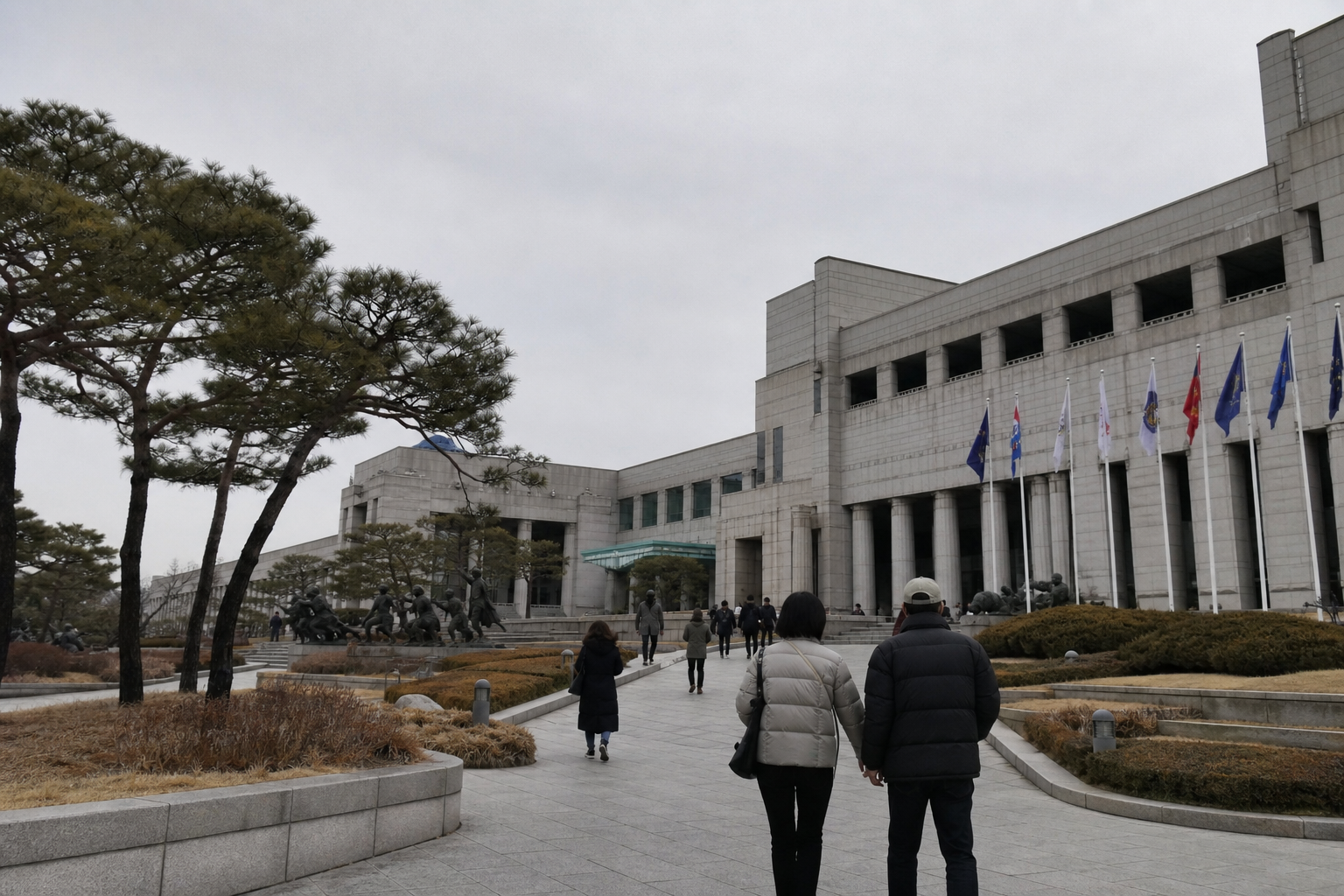
HISTORY · Late 19th century to today
The War Memorial of Korea (Korean: 전쟁기념관) is a museum located in Yongsan-dong, Yongsan-gu, Seoul, South Korea. It opened in 1994 on the former site of the army headquarters to exhibit and memorialize the military history of Korea.
Read the brief →
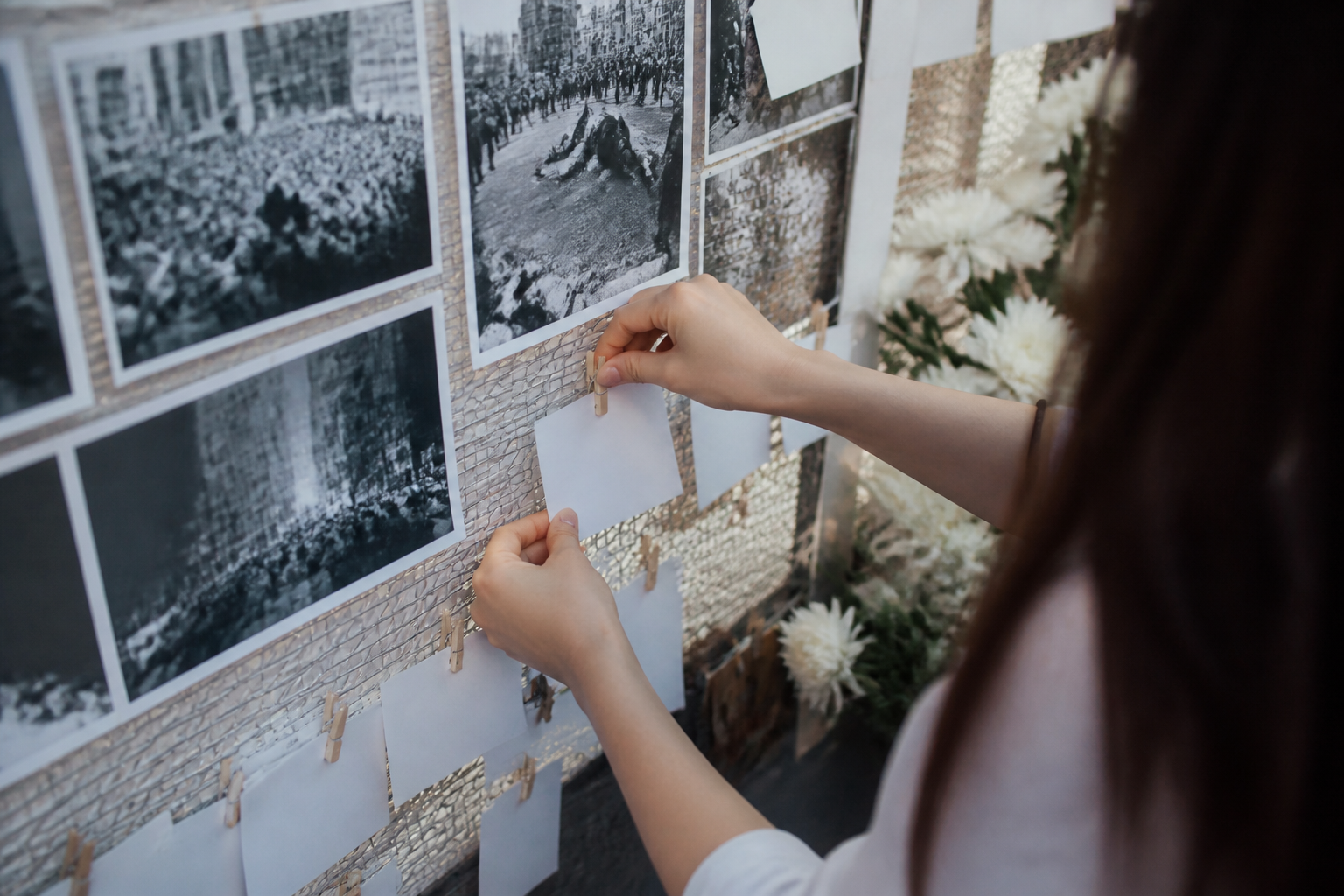
HISTORY · Late 19th century to today
The June Democratic Struggle (Korean: 6월 민주 항쟁), also known as the June Democracy Movement and the June Uprising, was a nationwide pro-democracy movement in South Korea that generated mass protests from June 10 to 29, 1987. The demonstrations forced the ruling authoritarian government to hold direct presidential elections and institute other democratic…
Read the brief →