Search this page

Results update as you type.

200 stories · 200 unique images

Korea,
across time.

SEOULIAN is our word for the people of Seoul—and for cultural citizens who carry Korea beyond city limits with curiosity, welcome, and care.

Like “New Yorker” or “Parisienne,” it names a point of view. Unlike a boundary, it stays open: ancient kingdoms, living craft, food, landscape, modern history, and the culture being made now.

Read the cultural mission
A natural AI-generated SEOULIAN editorial photograph illustrating K-pop K‑Pop K-pop A Wikimedia Commons image illustrating Cinema of South Korea K‑Movie Cinema of South Korea A natural AI-generated SEOULIAN editorial photograph illustrating Korean drama K‑Drama Korean drama

Seoul Life

25 stories · Page 1 of 2

A natural AI-generated SEOULIAN editorial photograph illustrating Seoul

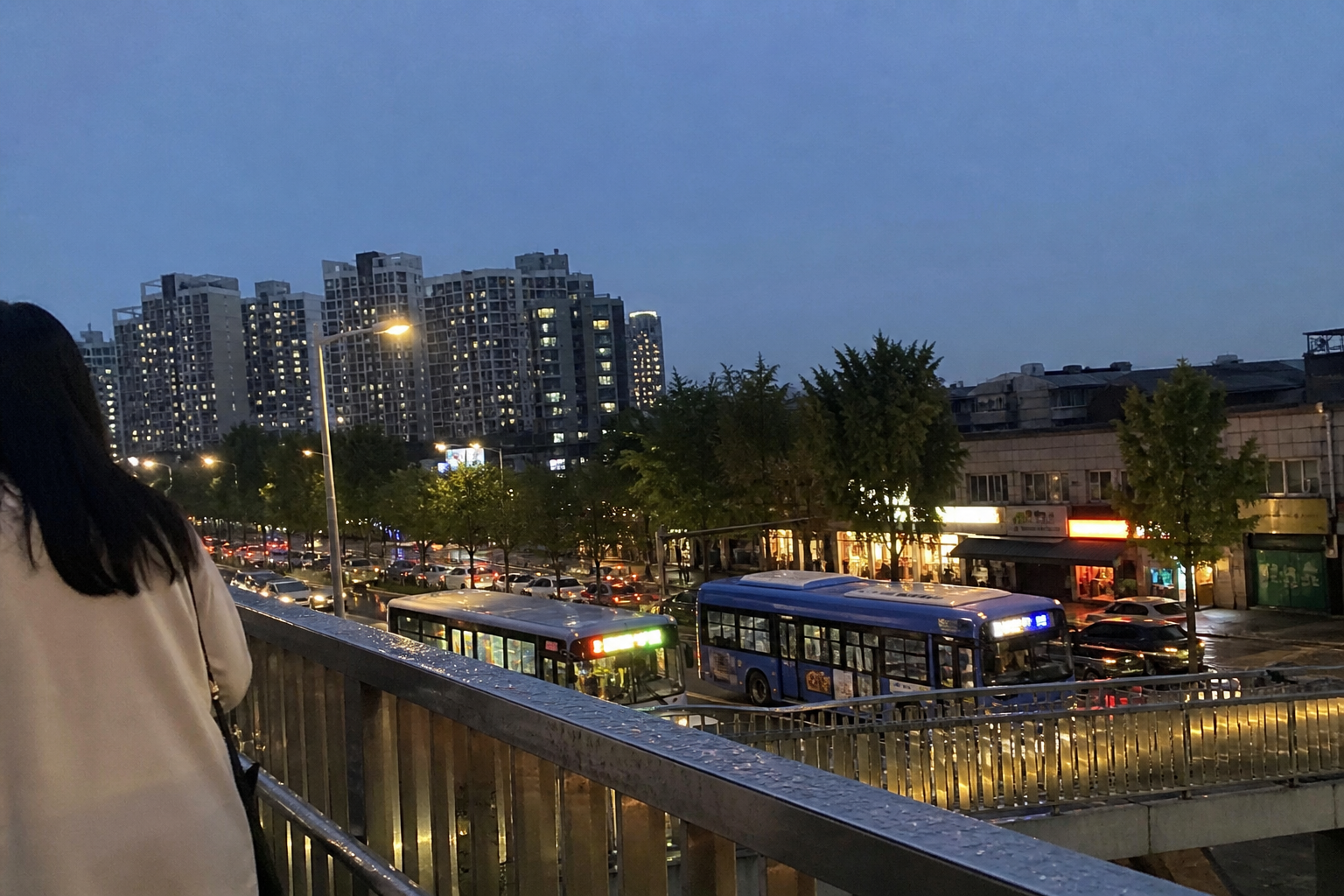
Seoul

Seoul, officially Seoul Special Metropolitan City, is the capital and largest city of South Korea, and the largest city in the whole of Korea. The broader Seoul Metropolitan Area, encompassing Seoul, Gyeonggi Province and Incheon, emerged as the world's sixth largest metropolitan economy in 2022, behind New York, Tokyo, Los Angeles, Paris, and London, and…

Read the brief
A Wikimedia Commons image illustrating Han River (Korea)

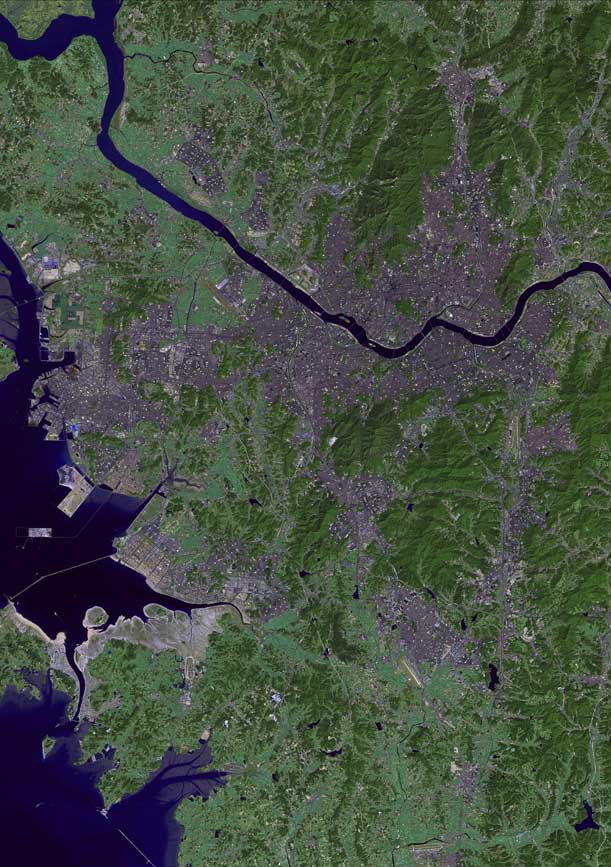
Han River (Korea)

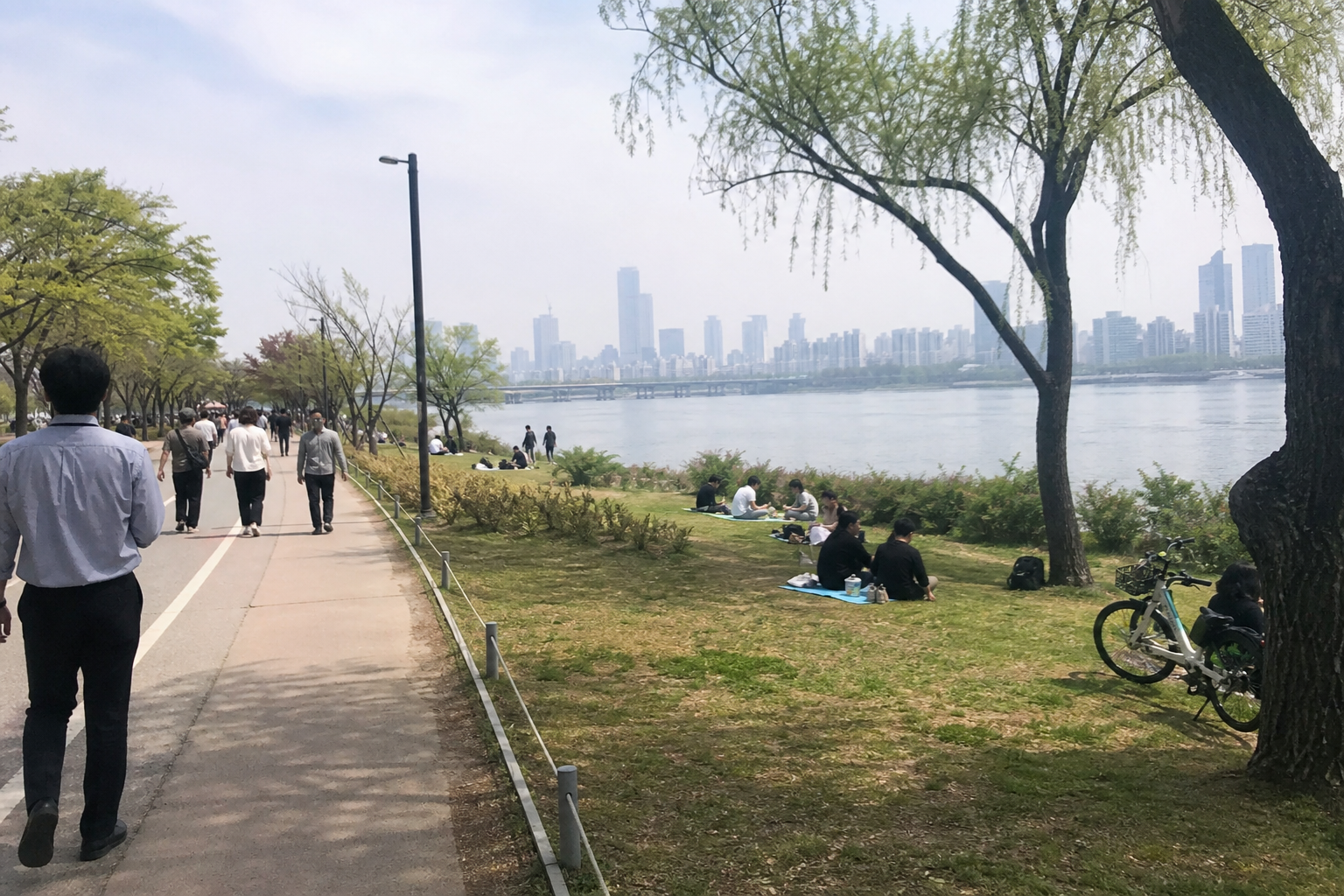
The Han River (Korean: 한강) is a major river in South Korea. It flows through the central region of the Korean peninsula, with some of its tributaries and drainage basin in North Korea. The Han River currently has eight river islands: Nanjido, Yeouido, Ttukseom, Nodeulseom, Seoraeseom, Sebitseom, Bamseom, and Seonyudo.

Read the brief
A natural AI-generated SEOULIAN editorial photograph illustrating Bukhansan

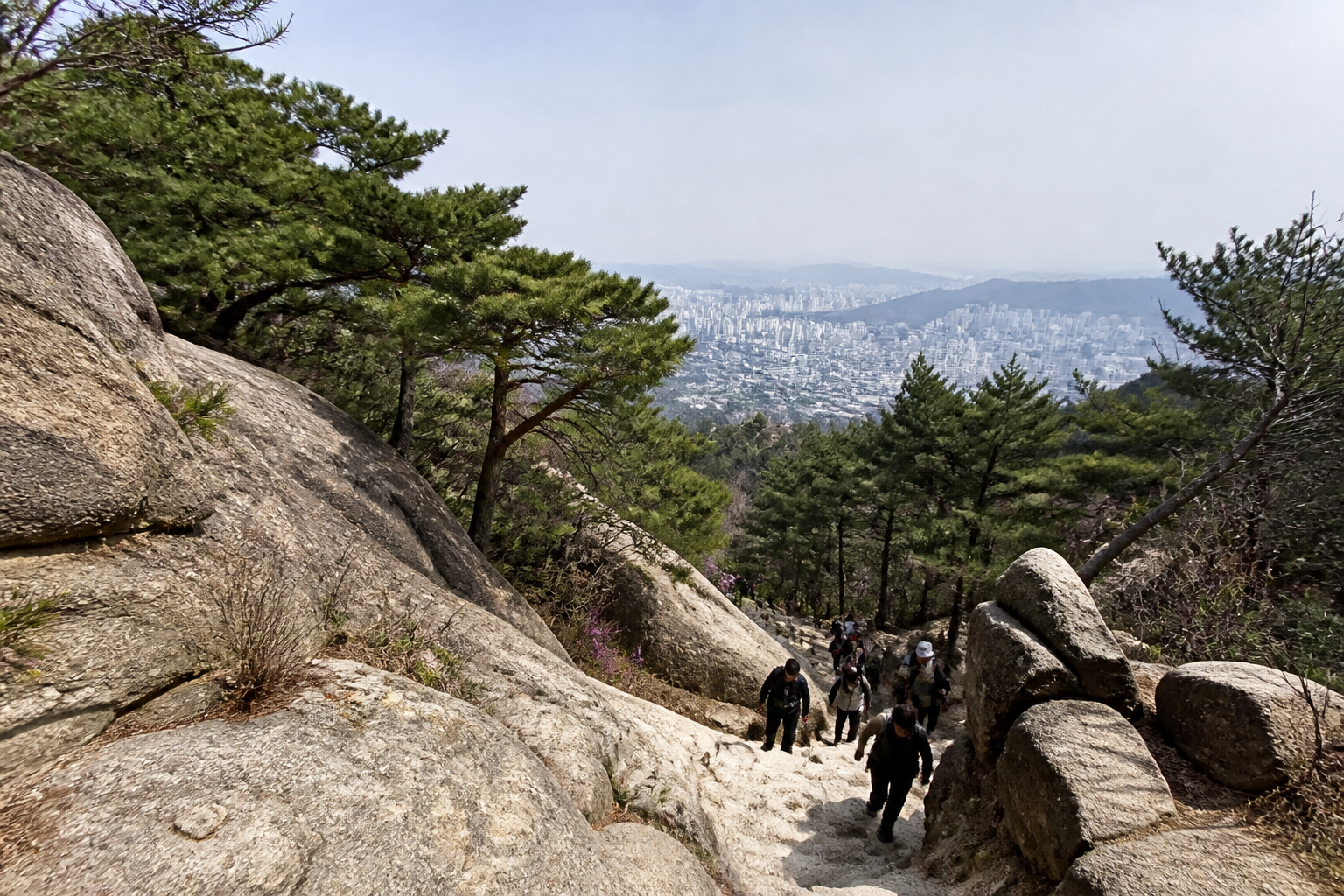
Bukhansan

Bukhansan (Korean: 북한산, lit. 'North Han Mountain'), alternatively Pukhan-san or Bukhan Mountain, is a mountain on the northern periphery of Seoul, South Korea. There are three major peaks, Baegundae 836.5 meters (2,744 ft), Insubong 810.5 meters (2,659 ft), Mangyeongdae 787.0 meters (2,582.0 ft).

Read the brief
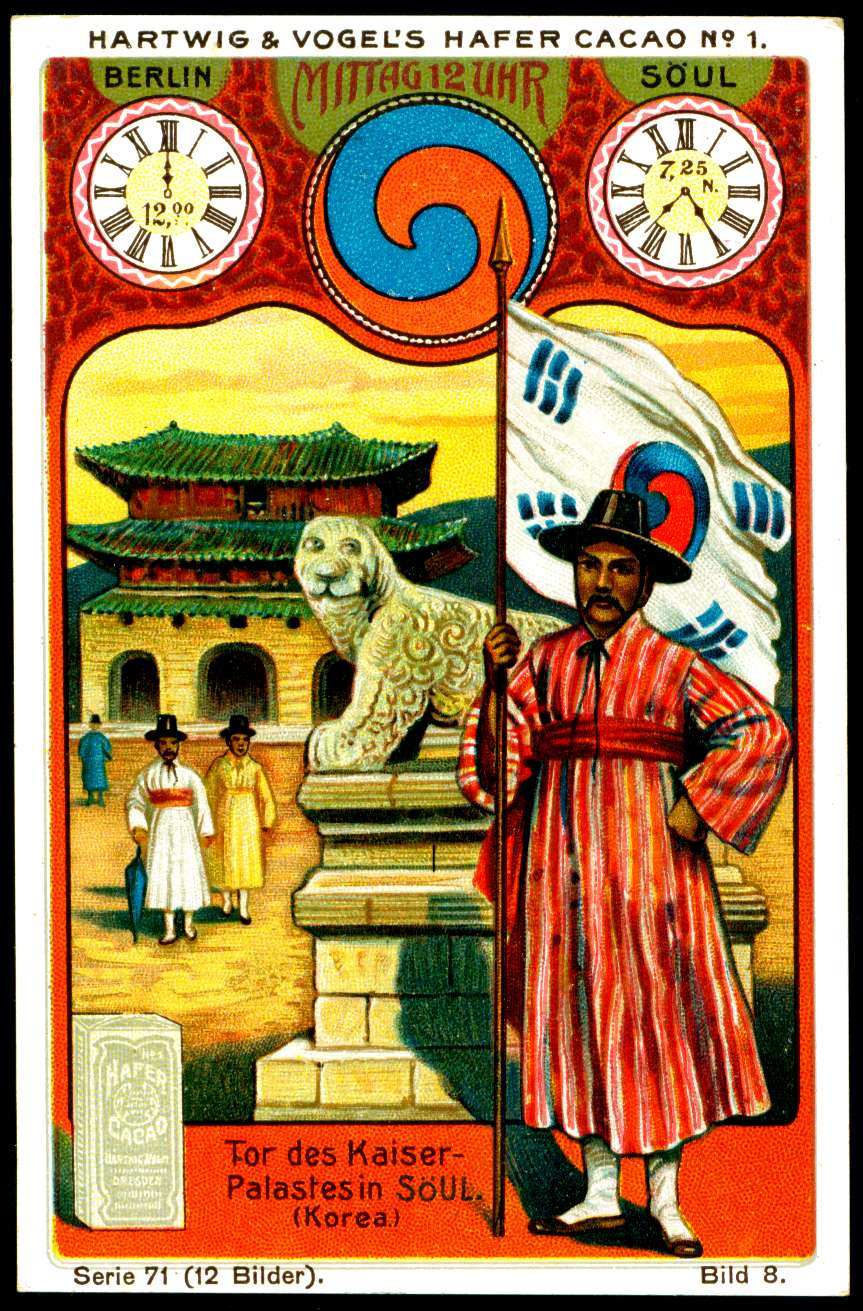
A Wikimedia Commons image illustrating Names of Seoul

Names of Seoul

Seoul, the capital of South Korea, has been called by a number of formal and informal names over time. The word seoul was originally a common noun that simply meant "capital city", and was used colloquially to refer to the capital throughout Korean history.

Read the brief
A natural AI-generated SEOULIAN editorial photograph illustrating Namsan

Namsan

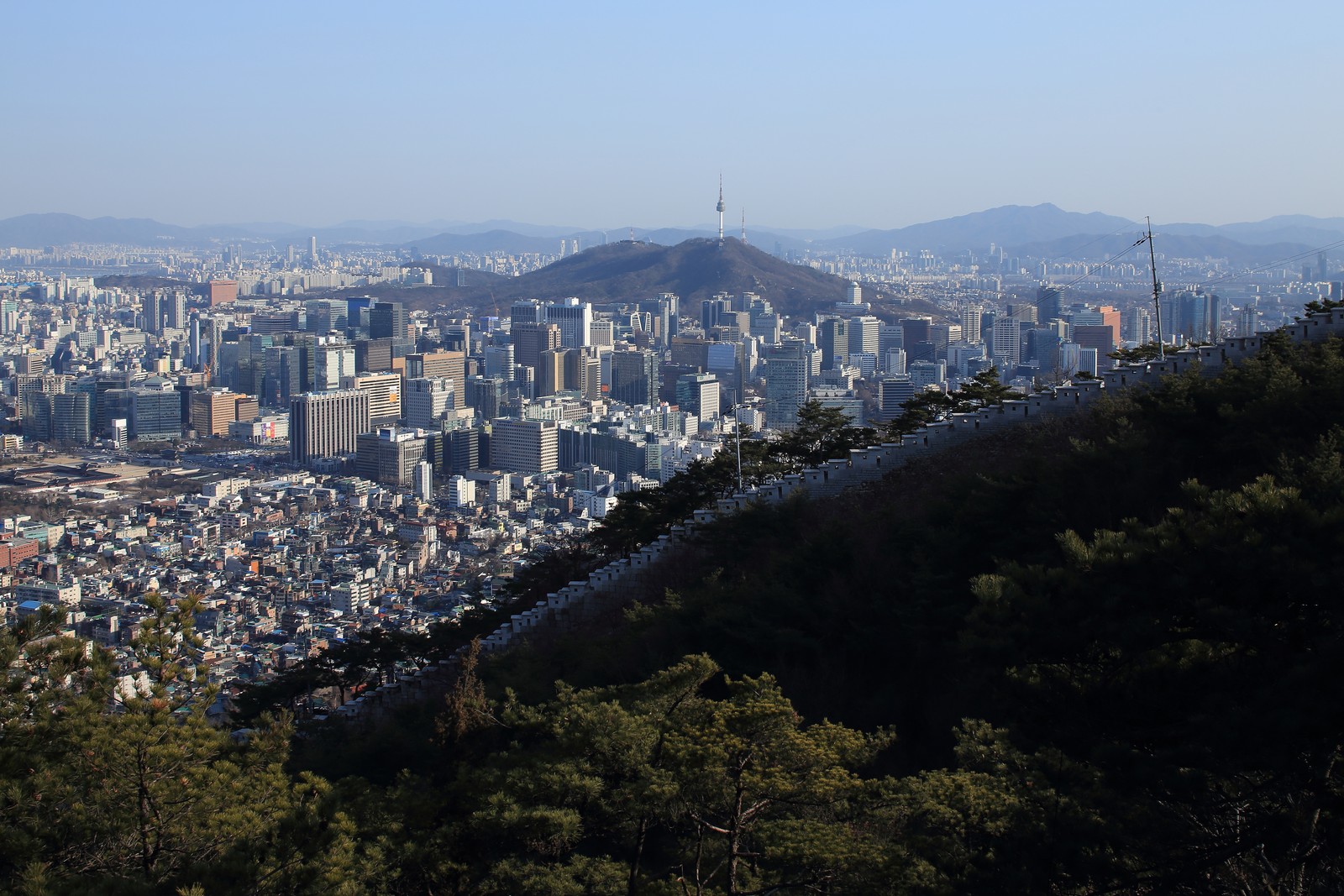
Namsan (Korean: 남산; lit. 'South Mountain') is a 270-metre-high (890 ft) peak in Jung District, Seoul, South Korea. It was also known as Mongmyeoksan (목멱산; 木覓山) in the past. It offers some hiking, picnic areas and views of downtown Seoul's skyline. Namsan Seoul Tower is located at the summit of Namsan.

Read the brief
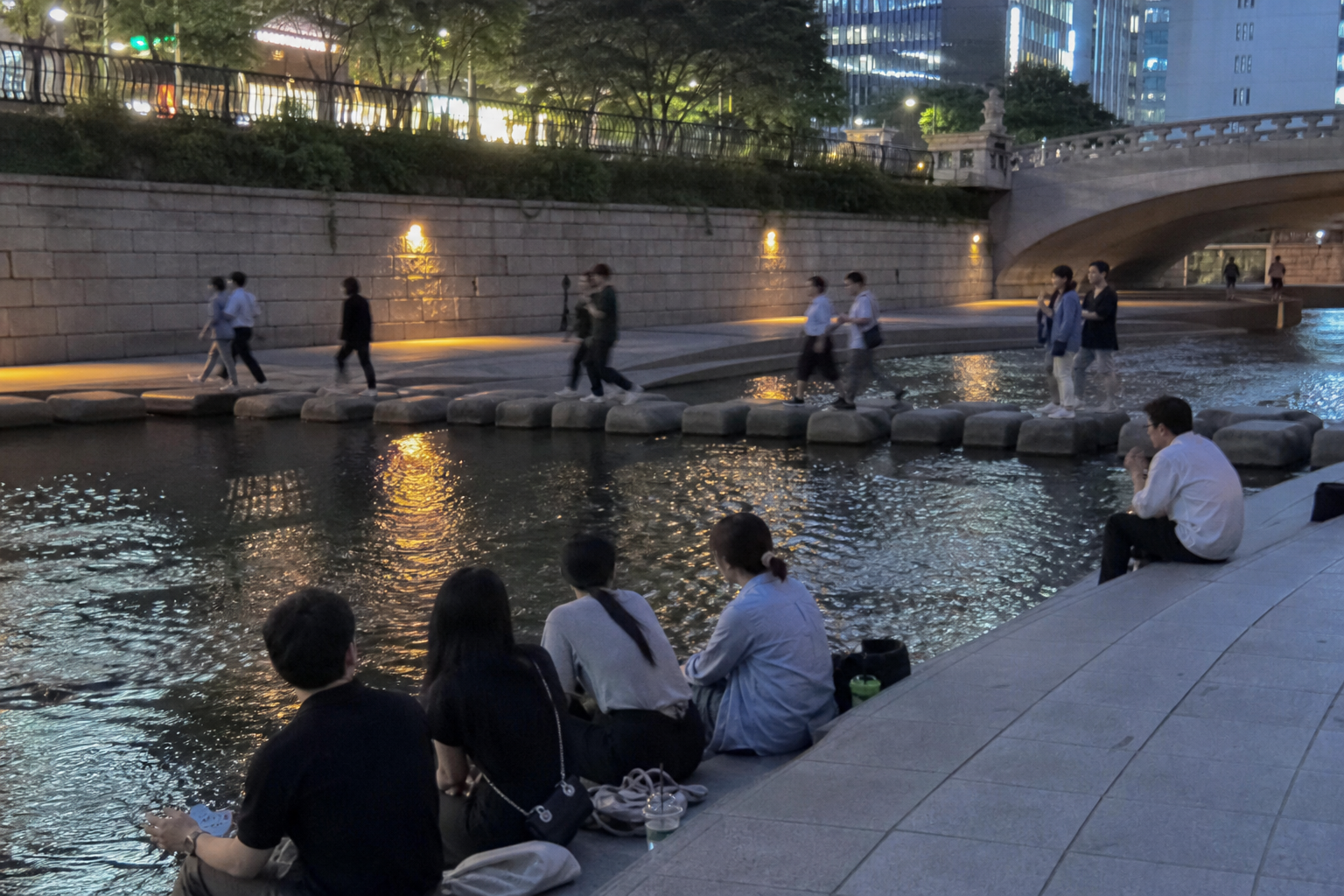
A natural AI-generated SEOULIAN editorial photograph illustrating Cheonggyecheon

Cheonggyecheon

Cheonggyecheon (Korean: 청계천, Korean pronunciation: [t͡ɕʰʌŋ.ɡje.t͡ɕʰʌn]) is a 10.9-kilometre-long (6.8 mi) stream and public space in downtown Seoul, South Korea. A natural stream sourced from the Suseongdong Valley in Inwangsan, it was historically maintained as part of Seoul's early sewerage until the mid-20th century, when post-Korean War rapid economic…

Read the brief
A natural AI-generated SEOULIAN editorial photograph illustrating Gyeongbokgung

Gyeongbokgung

Gyeongbokgung (Korean: 경복궁; Hanja: 景福宮; pronounced [kjʌŋbok̚k͈uŋ]) is a former royal palace in Seoul, South Korea. Established in 1395, it was the first royal palace of the Joseon dynasty, and is now one of the most significant tourist attractions in the country. The palace was among the first landmarks to be established in Seoul.

Read the brief
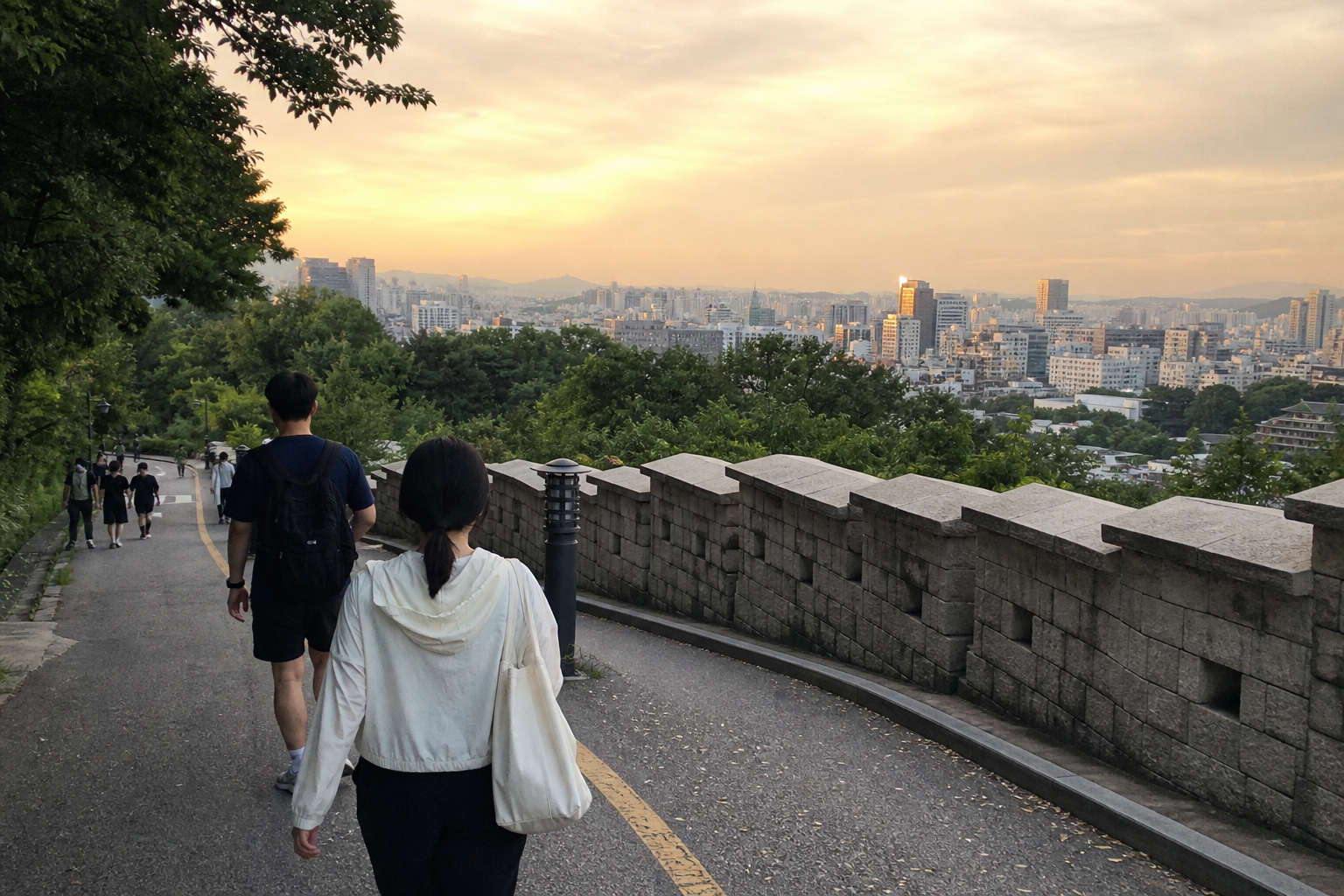
A Wikimedia Commons image illustrating Seoul City Wall

Seoul City Wall

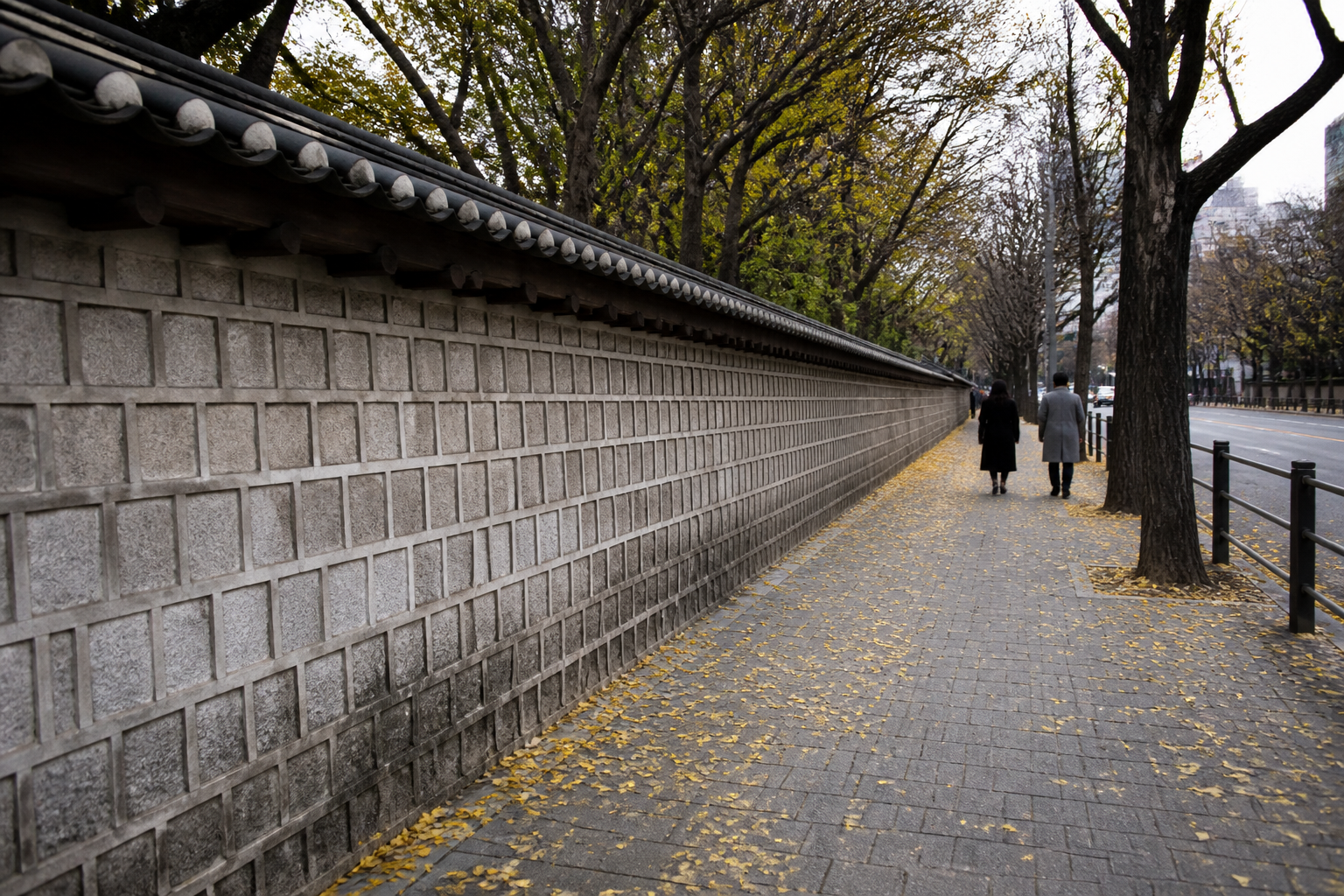
The Seoul City Wall (Korean: 서울 성곽) or Hanyang Doseong (한양도성) is a defensive wall first built by the King Taejo of Joseon dynasty to defend the downtown area of Joseon's capital city Hanseong (한성; 漢城). It was designated as a Historic Site of South Korea in 1963, and is currently a tourist attraction around Downtown Seoul.

Read the brief
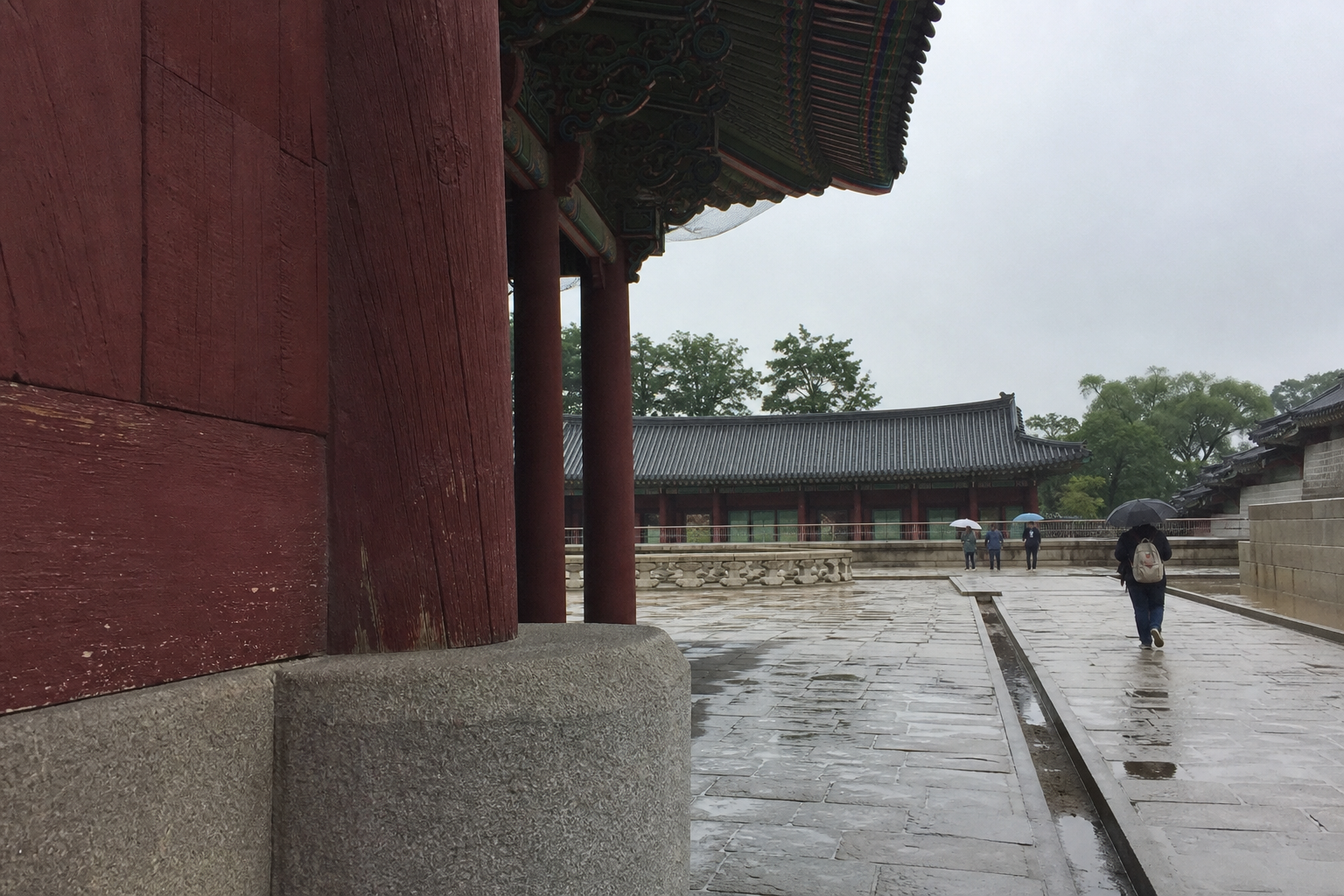
A natural AI-generated SEOULIAN editorial photograph illustrating Changdeokgung

Changdeokgung

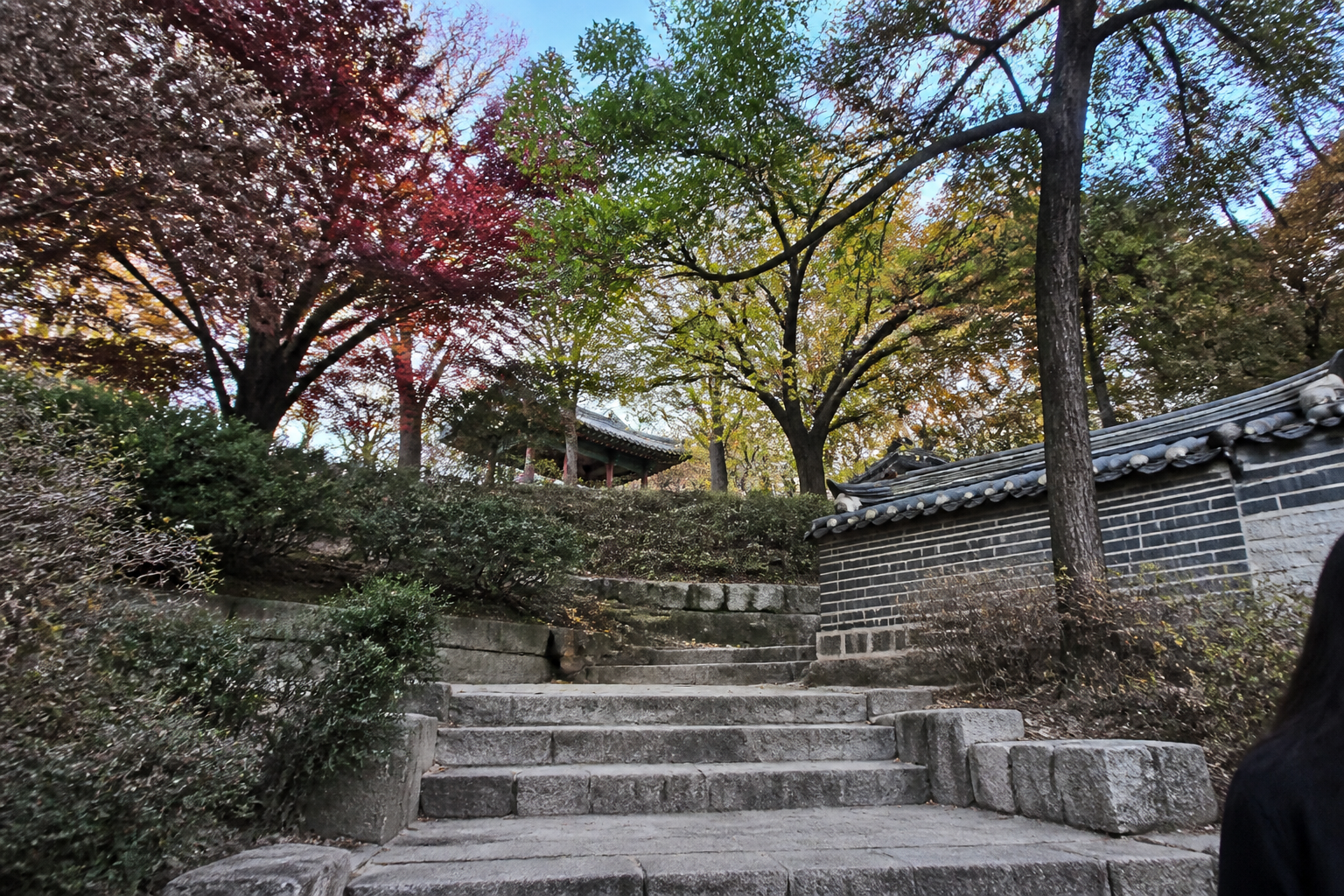
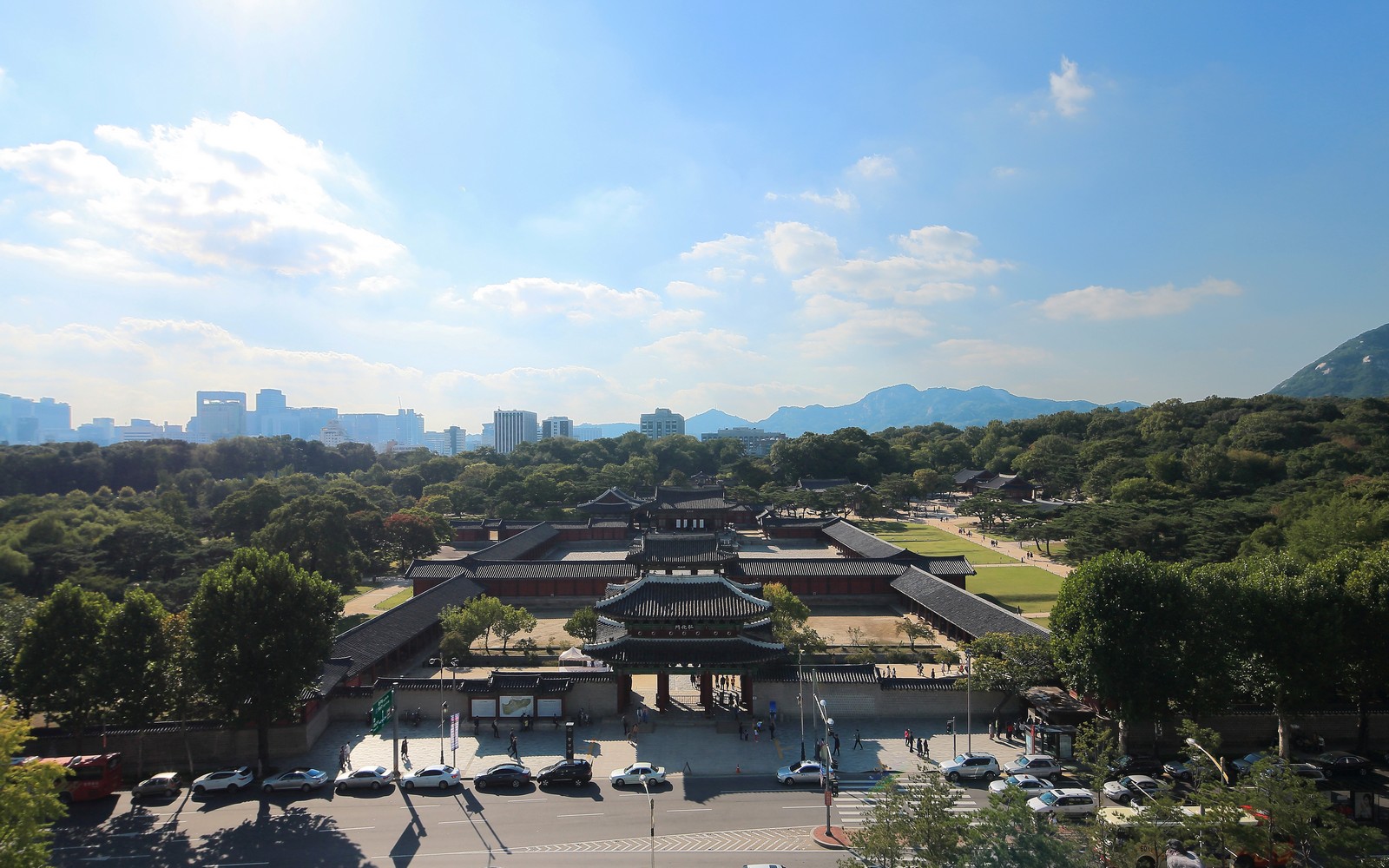
Changdeokgung (Korean: 창덕궁; Hanja: 昌德宮) is a former royal palace in Seoul, South Korea. A UNESCO World Heritage Site and a Historic Site of South Korea, it is among the best preserved of all Korean palaces. It and its neighboring palace Changgyeonggung have together been called the "East Palace". Changdeokgung was established in 1405.

Read the brief
A Wikimedia Commons image illustrating Changgyeonggung

Changgyeonggung

Changgyeonggung (Korean: 창경궁; Hanja: 昌慶宮) is a palace located in Seoul, South Korea. The palace was built in the mid-15th century by King Sejong for his father, Taejong. It was originally named "Suganggung", but it was renovated and enlarged in 1483 by King Seongjong, at which time it received its current name.

Read the brief
A natural AI-generated SEOULIAN editorial photograph illustrating Deoksugung

Deoksugung

Deoksugung (Korean: 덕수궁; Hanja: 德壽宮), also called Deoksu Palace or Deoksugung Palace, is a former royal palace in Seoul, South Korea. It was the main palace during the Korean Empire (1897–1910) and is now a major tourist attraction. It has a mix of traditional Korean and Western architecture that reflects its history.

Read the brief
A natural AI-generated SEOULIAN editorial photograph illustrating Jongmyo

Jongmyo

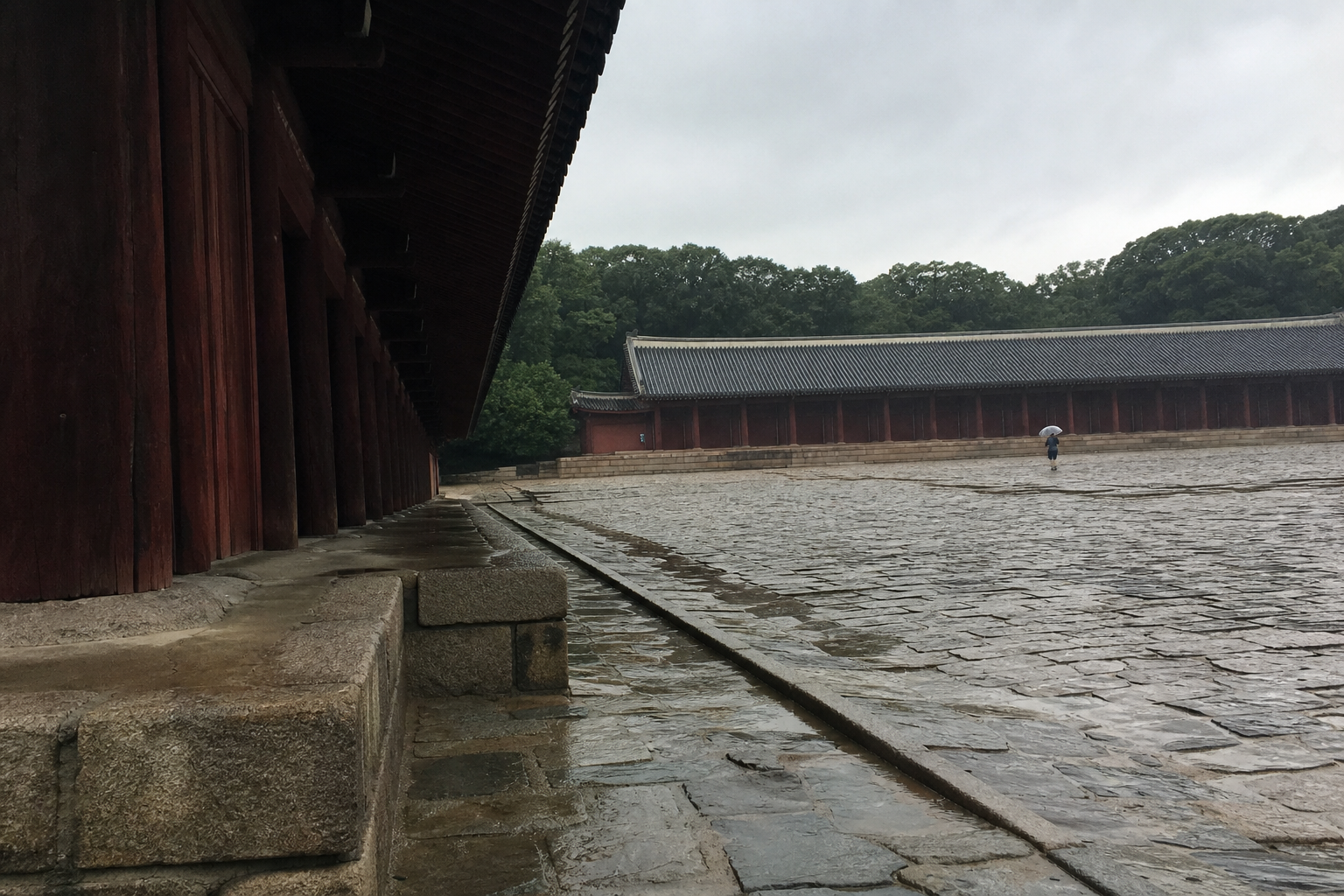
Jongmyo (Korean: 종묘) is a Confucian royal ancestral shrine in the Jongno District of Seoul, South Korea. It was originally built during the Joseon period (1392–1897) for memorial services for deceased kings and queens. According to UNESCO, the shrine is the oldest royal Confucian shrine preserved and the ritual ceremonies continue a tradition established in…

Read the brief
A natural AI-generated SEOULIAN editorial photograph illustrating Gwanghwamun

Gwanghwamun

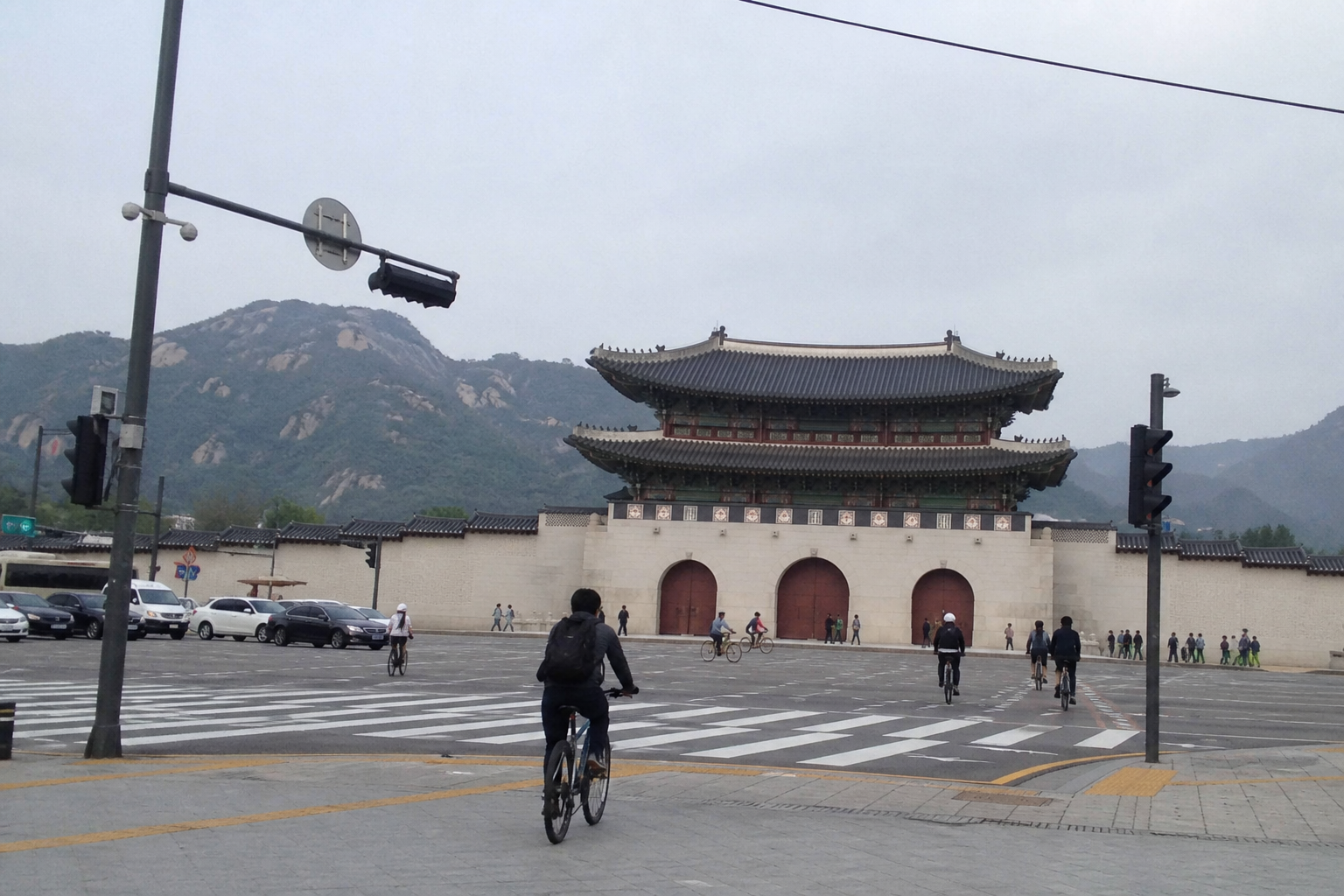
Gwanghwamun (Korean: 광화문; Hanja: 光化門) is the main and south gate of the palace Gyeongbokgung, in Jongno District, Seoul, South Korea. It is located at a three-way intersection at the northern end of Sejongno. As a landmark and symbol of Seoul's history as the capital of Joseon, the gate has gone through multiple periods of destruction and disrepair.

Read the brief
A natural AI-generated SEOULIAN editorial photograph illustrating Namdaemun

Namdaemun

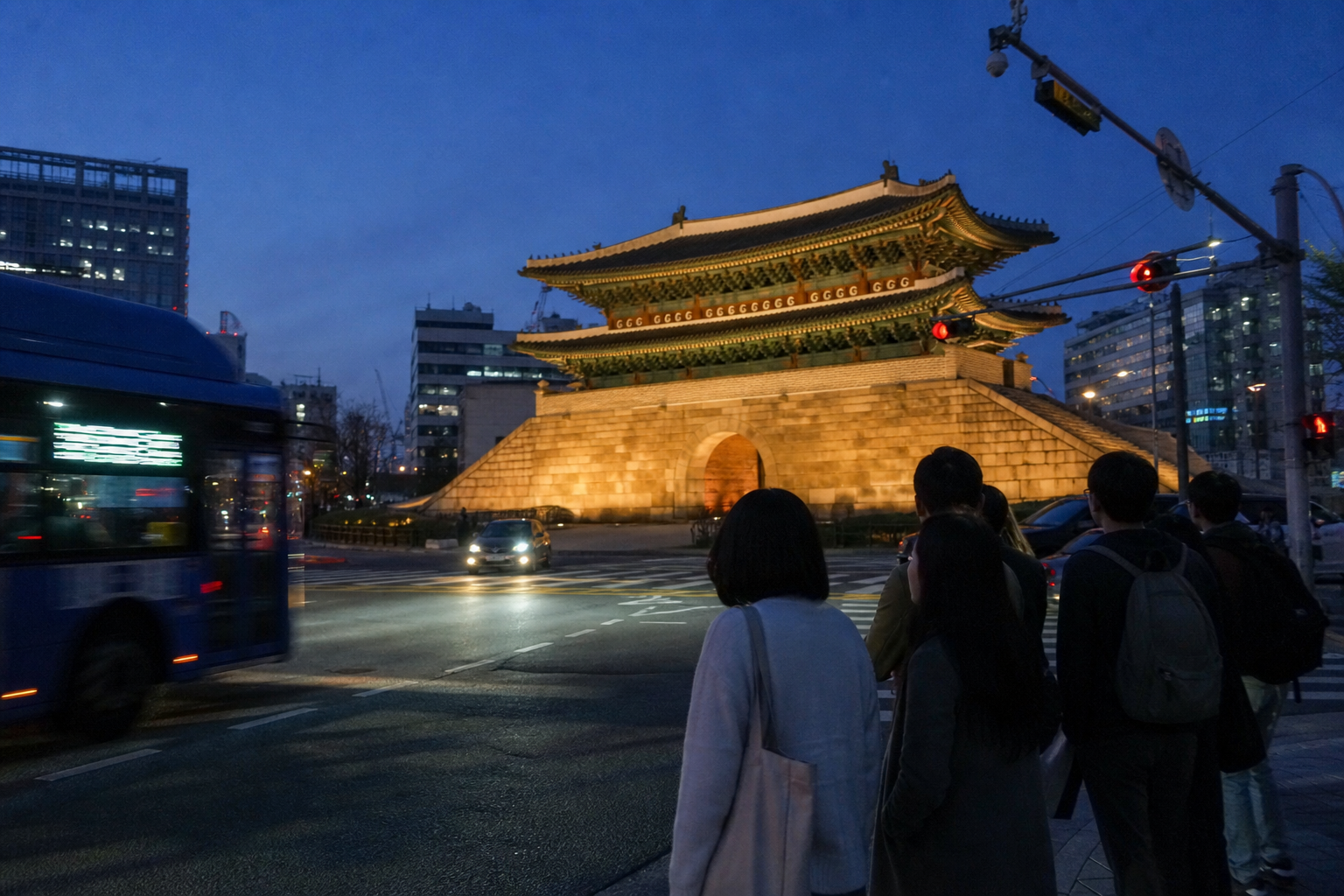
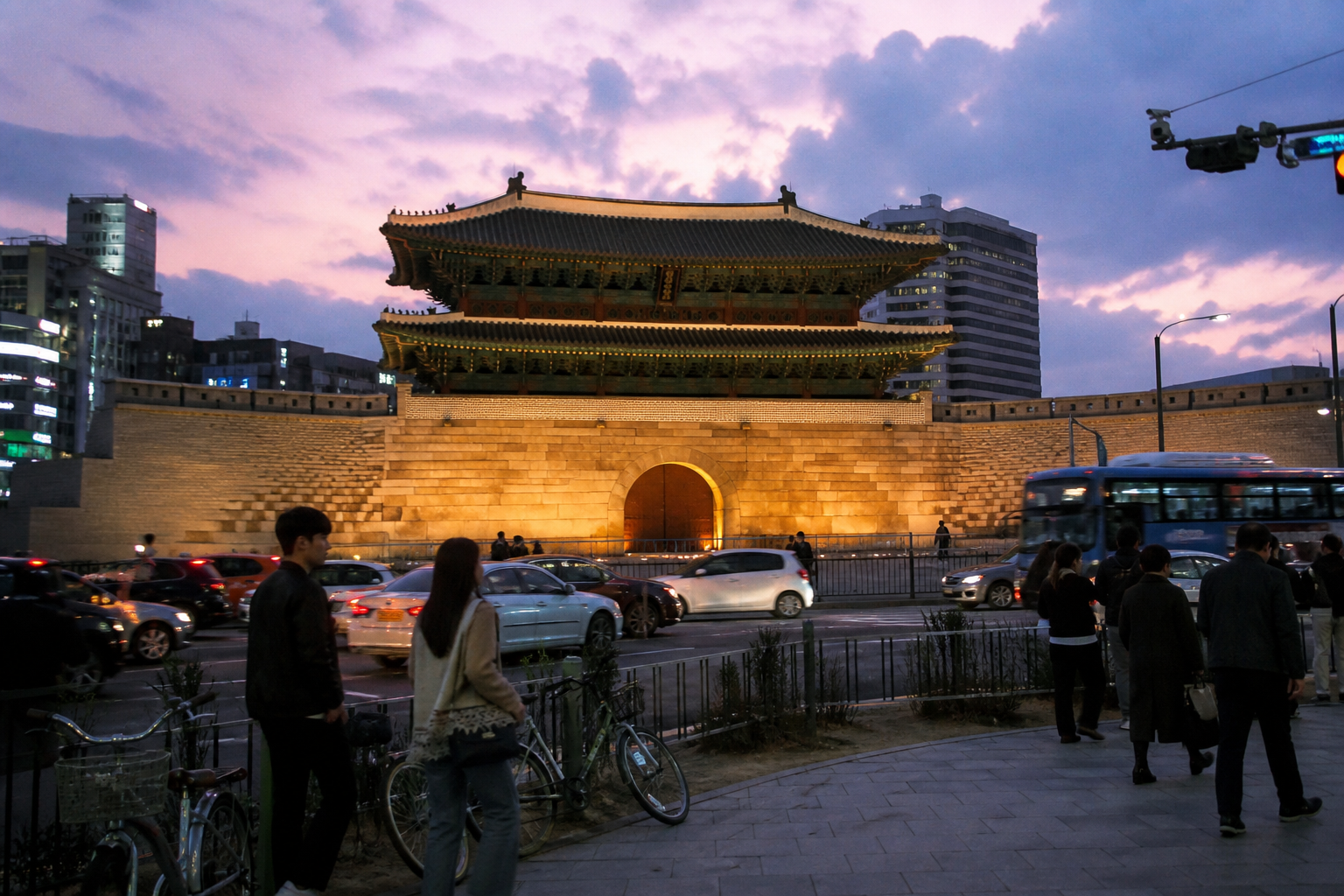
Namdaemun (Korean: 남대문; lit. 'South Great Gate'), a.k.a. the Sungnyemun (숭례문; lit. 'Honoring Propriety Gate'), is the southern gate of The Eight Gates of Seoul making part of the Seoul City Wall marking the city's original boundary during the Joseon period, although the city has since significantly outgrown it after that.

Read the brief
A natural AI-generated SEOULIAN editorial photograph illustrating Dongdaemun

Dongdaemun

Heunginjimun (Korean: 흥인지문; lit. 'Gate of Rising Benevolence'), a.k.a. Dongdaemun (동대문; lit. 'Eastern Great Gate'), is one of The Eight Gates of Seoul in the Seoul City Wall, a prominent landmark in central Seoul, South Korea.

Read the brief
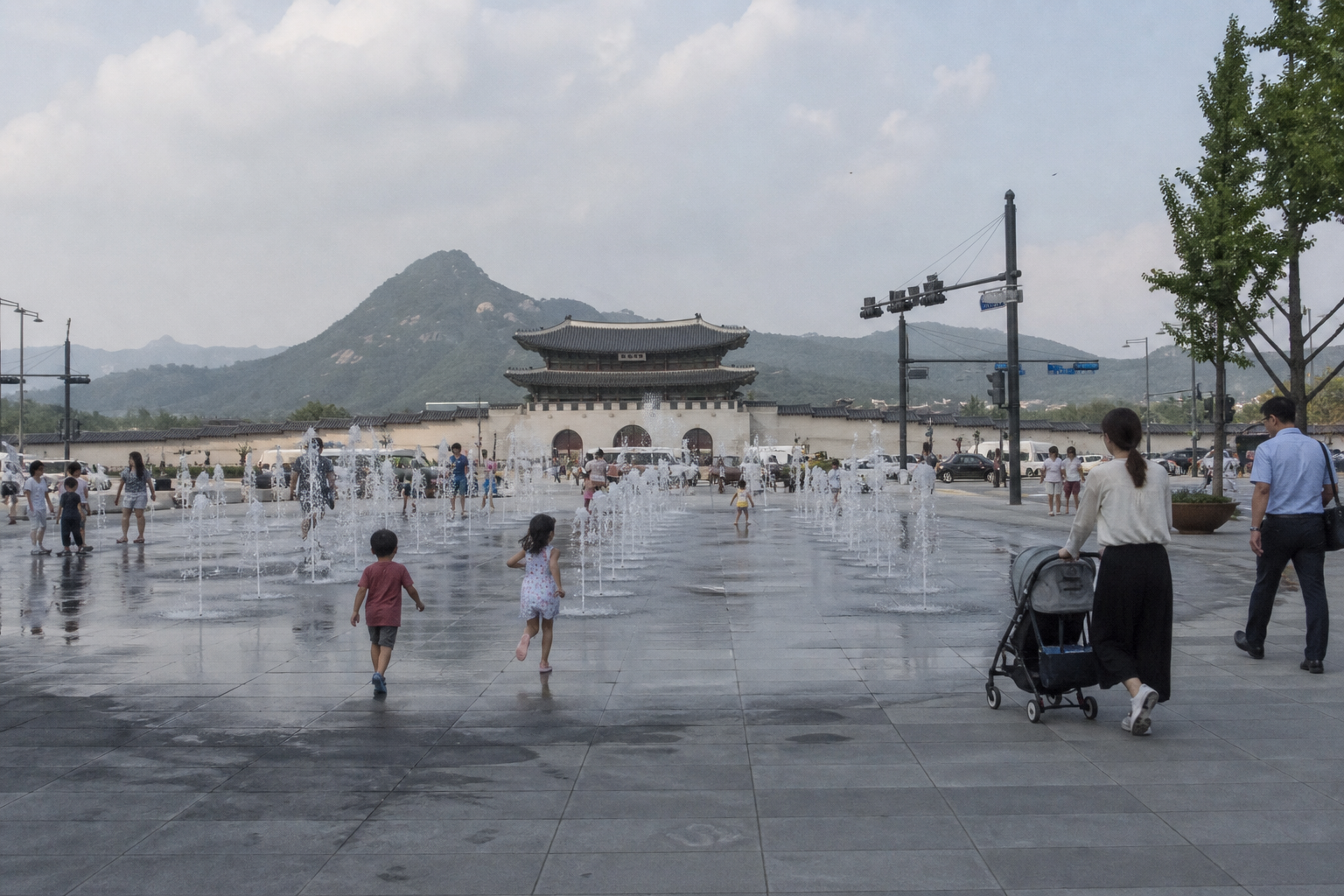
A natural AI-generated SEOULIAN editorial photograph illustrating Gwanghwamun Square

Gwanghwamun Square

Gwanghwamun Square (Korean: 광화문광장), a.k.a. Gwanghwamun Plaza, is a public square located in Sejongno, Jongno-gu, Seoul, in front of Gyeongbokgung. Serving as a public space and, at times, a road for centuries of Korean history, it is also historically significant as it is the location of royal administrative buildings, known as Yukjo-geori or Street of Six…

Read the brief
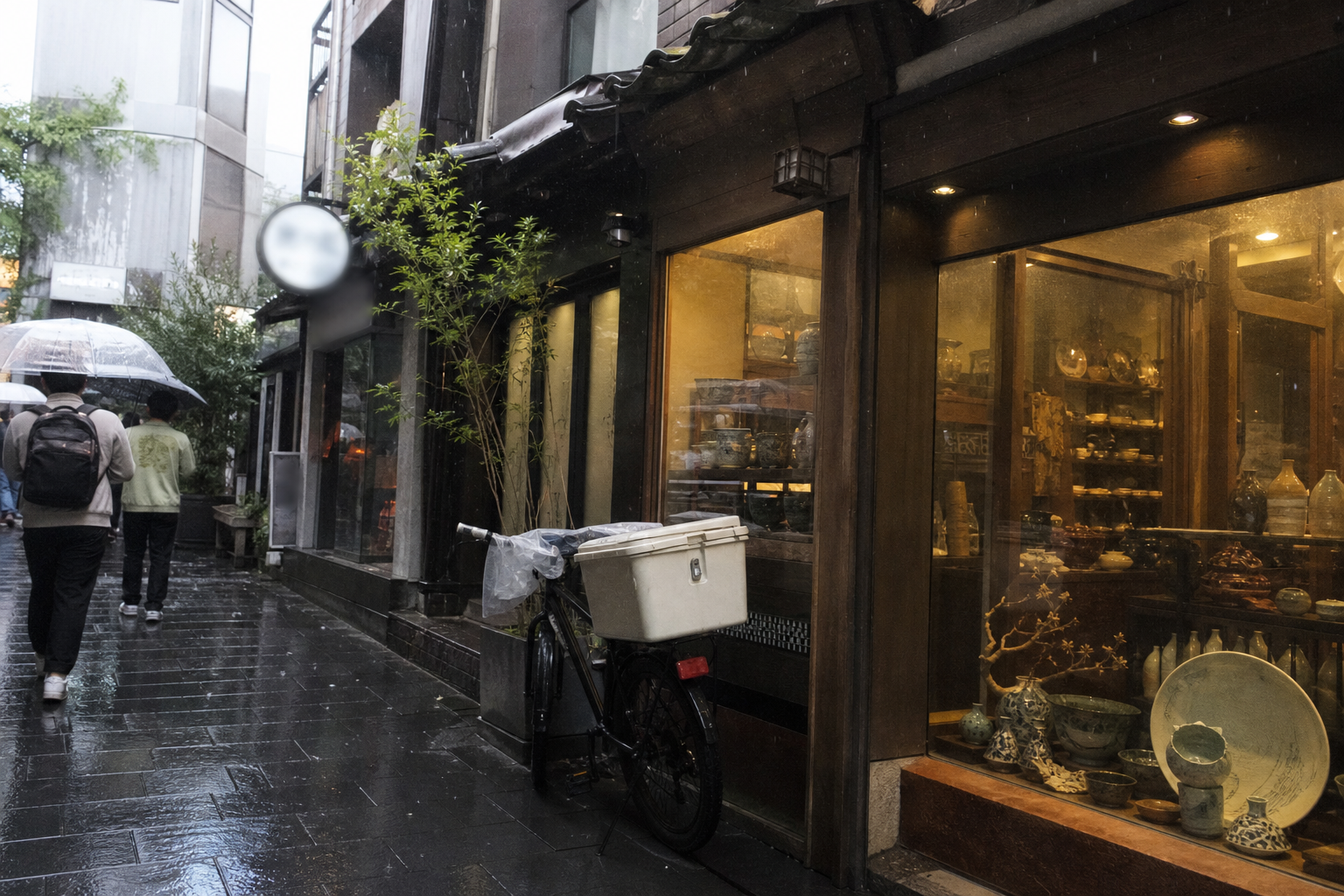
A natural AI-generated SEOULIAN editorial photograph illustrating Insa-dong

Insa-dong

Insa-dong (Korean: 인사동) is a dong, or neighborhood, in Jongno District, Seoul, South Korea. Its main street is Insadong-gil, which is connected to a number of alleys that lead deeper into the district, with modern galleries and tea shops. Historically, it was the largest market for antiques and artwork in Korea.

Read the brief
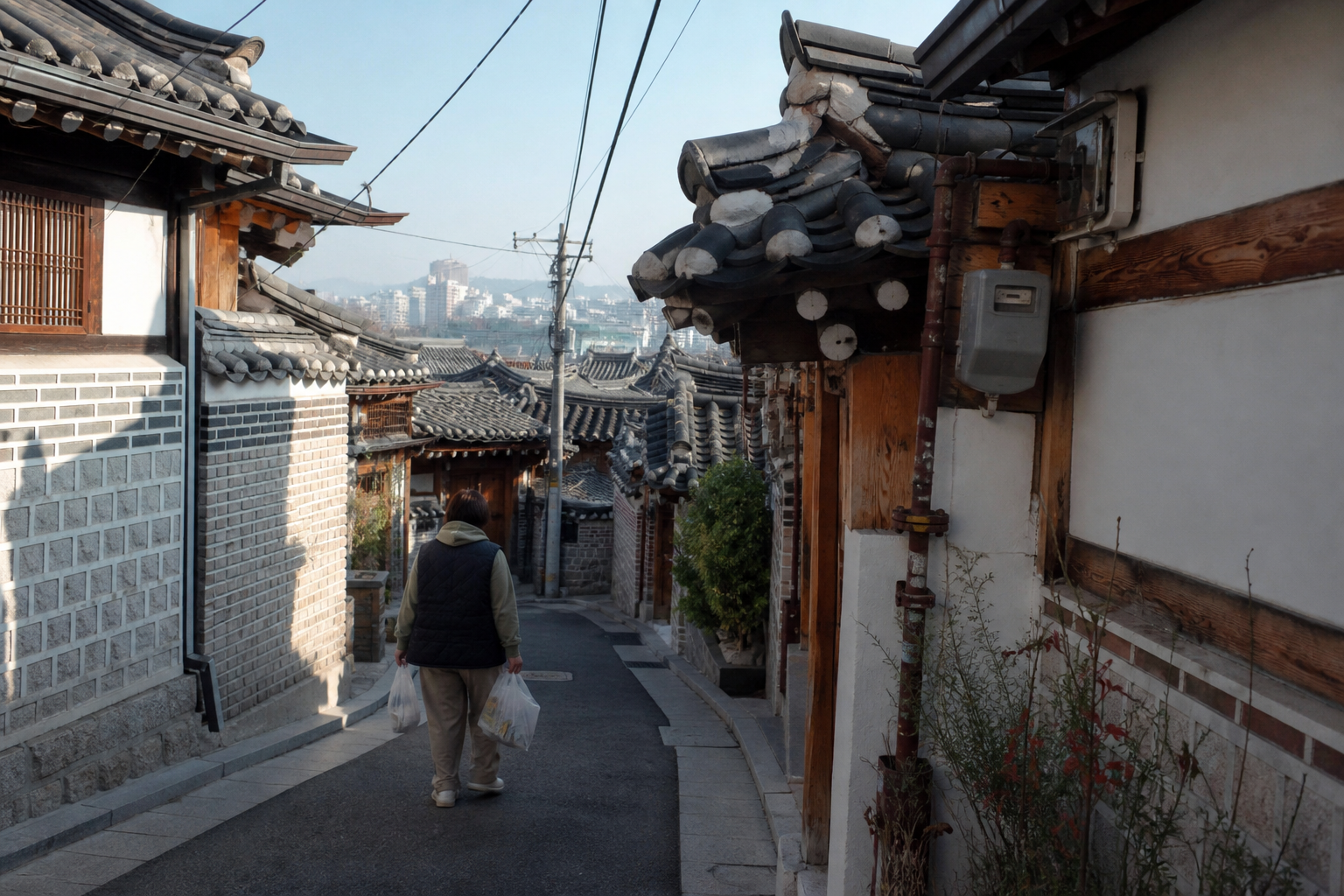
A natural AI-generated SEOULIAN editorial photograph illustrating Bukchon Hanok Village

Bukchon Hanok Village

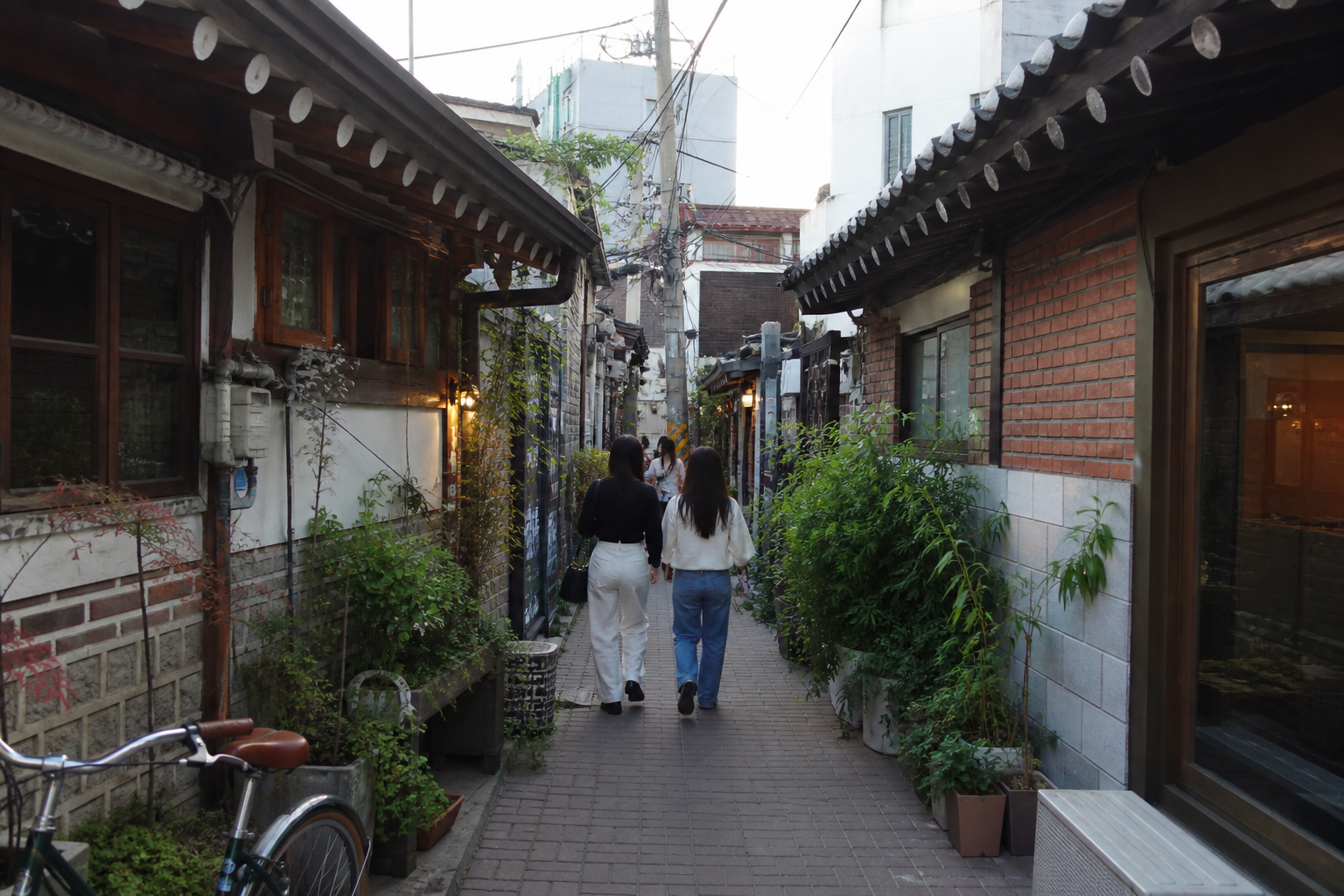
Bukchon Hanok Village (Korean: 북촌한옥마을) is a residential neighborhood in Jongno District, Seoul, South Korea. It has many restored traditional Korean houses, called hanok. This has made it a popular tourist destination. The area contains many hanok that date to the late 19th and early 20th centuries.

Read the brief
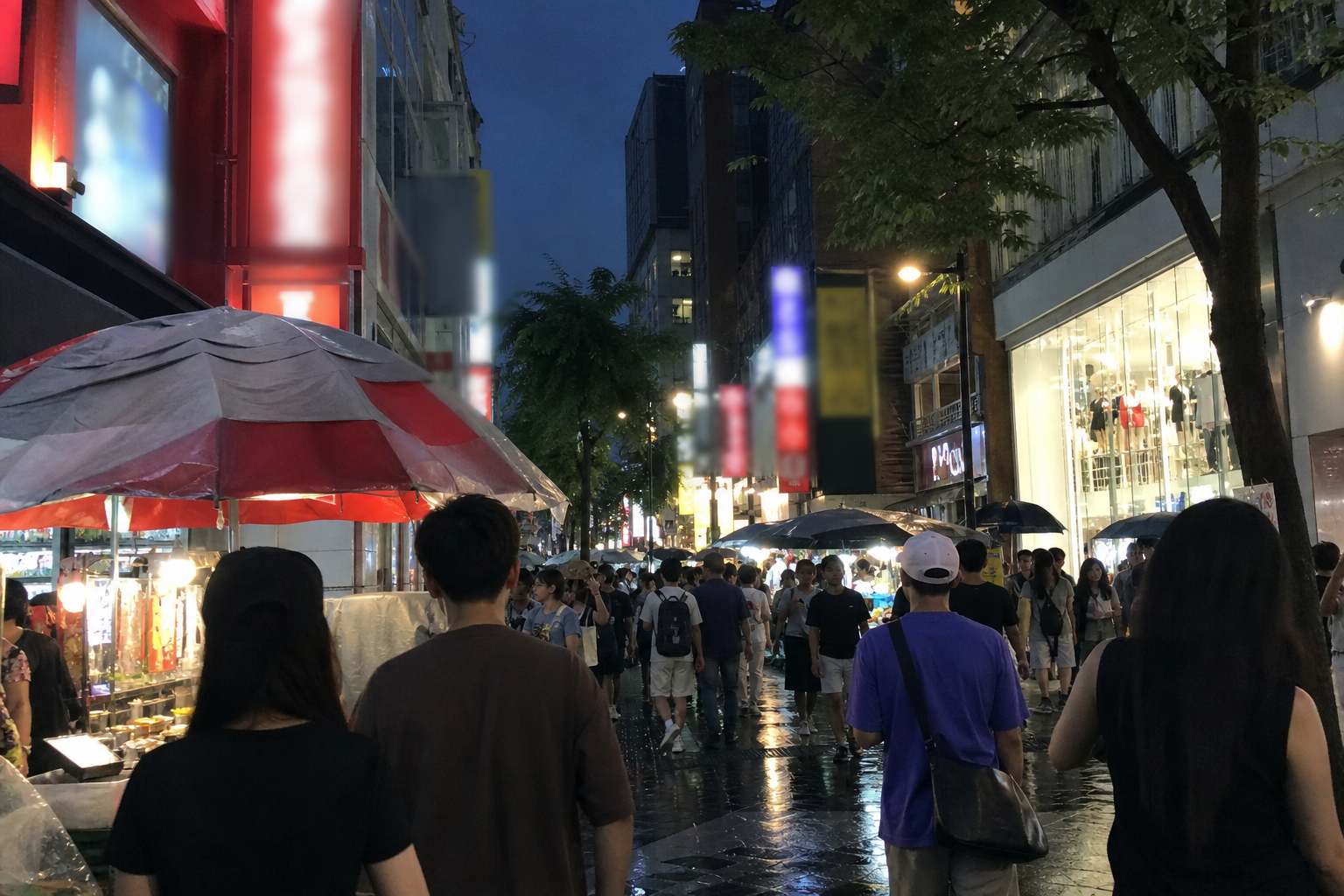
A natural AI-generated SEOULIAN editorial photograph illustrating Myeong-dong

Myeong-dong

Myeong-dong (Korean: 명동; lit. ''bright neighborhood'') is a dong (neighborhood) in Jung District, Seoul, South Korea. It is between Chungmu-ro, Eulji-ro, and Namdaemun-ro. Myeongdong is known for being one of Seoul's main shopping, parade route, and tourism districts. In 2023, it was listed as the ninth most expensive shopping street in the world.

Read the brief
A natural AI-generated SEOULIAN editorial photograph illustrating Hongdae (area)

Hongdae (area)

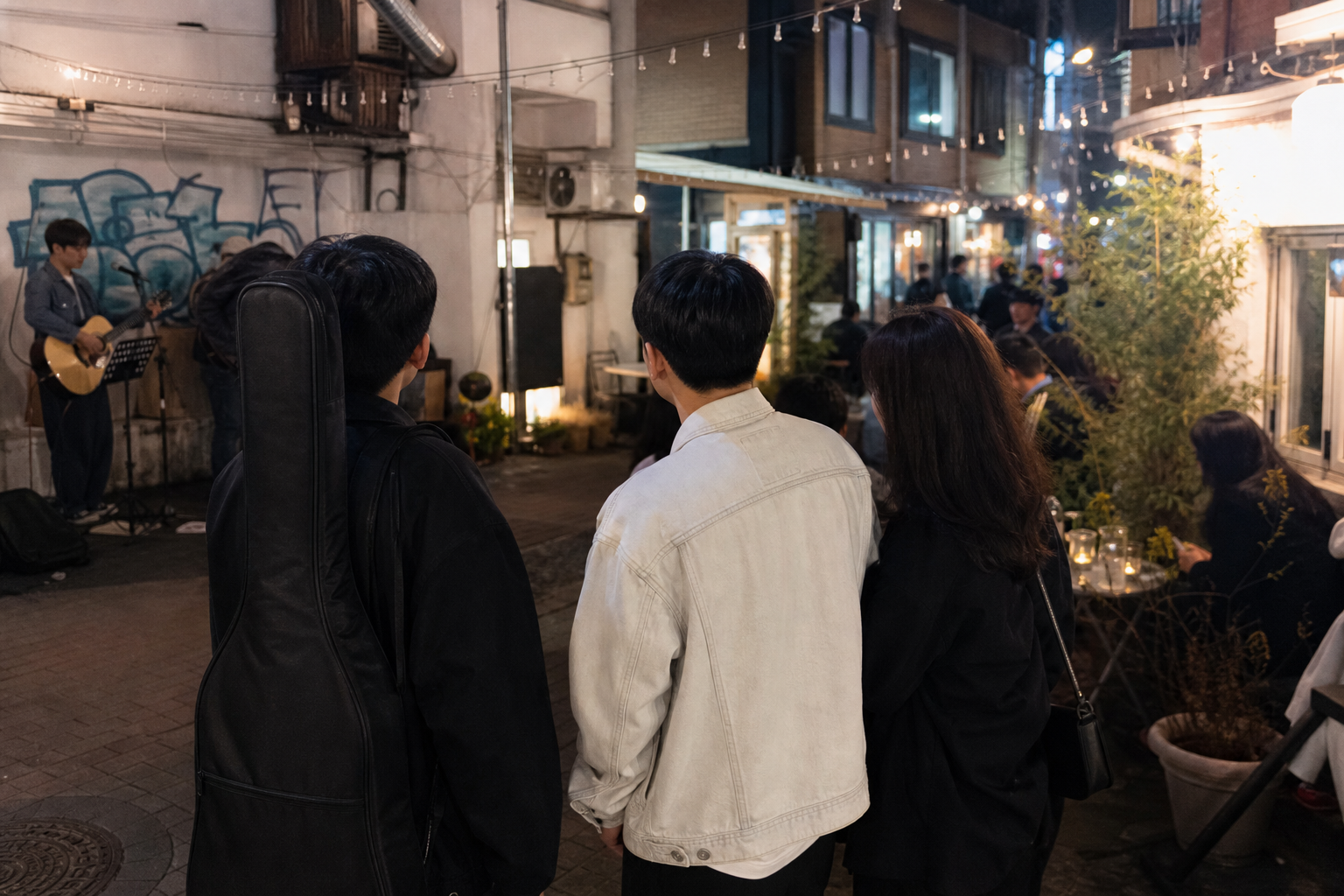
Hongdae (Korean: 홍대) is a neighborhood in Mapo District, Seoul, South Korea, near Hongik University ("Hongik Daehakgyo" in Korean), after which it is named. The neighborhood is known for its urban arts and indie music culture, local shops, clubs, cafés and entertainment.

Read the brief
A natural AI-generated SEOULIAN editorial photograph illustrating Ikseon-dong

Ikseon-dong

Ikseon-dong (益善洞) is a legal-status dong located in the center of Jongno 1·2·3·4-ga-dong, Jongno-gu, Seoul. It borders Unni-dong to the north, Donui-dong to the south, Nagwon-dong to the west, and Yaryong-dong and Myo-dong to the east. Transportation is convenient thanks to the nearby Samil-daero and Donhwamun-ro, and Jongno 3-ga station on the subway.

Read the brief
A natural AI-generated SEOULIAN editorial photograph illustrating Gangnam District

Gangnam District

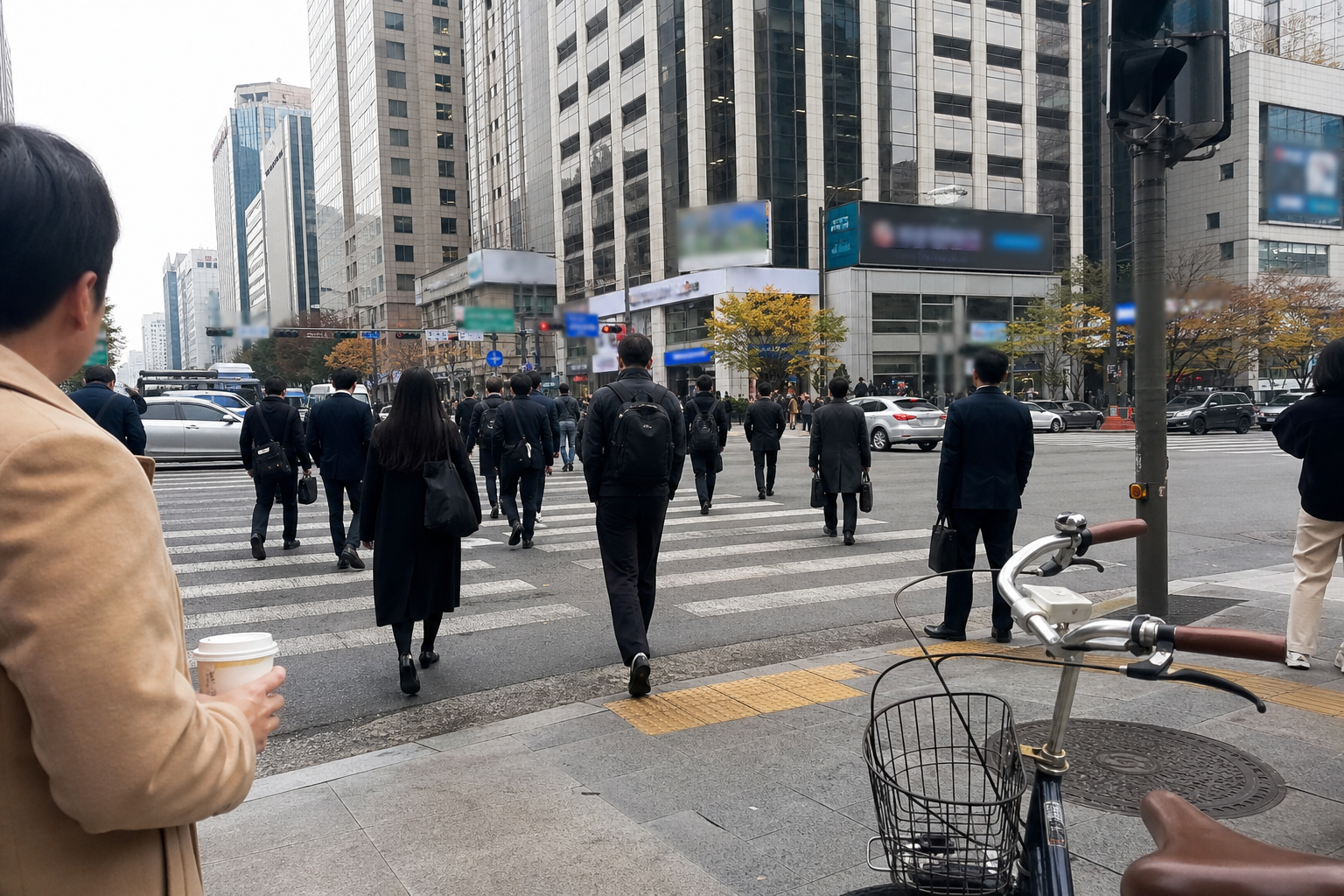
Gangnam District (Korean: 강남구; pronounced [kaŋnam.ɡu]; lit. 'South of the [Han] River') is one of the 25 districts of Seoul, South Korea. Gangnam District is the third-largest district in Seoul, with an area of 39.5 km2 (15.3 sq mi). As of the 2024 census, Gangnam District had a population of 556,570.

Read the brief
A natural AI-generated SEOULIAN editorial photograph illustrating Yeouido

Yeouido

Yeouido (Korean: 여의도; lit. 'Yeoui Island'), also Yoido, is a river island on the Han River in Seoul, South Korea. It is Seoul's main finance, media, and investment banking district. It is 8.4 square kilometres (3.2 mi2) large and has a population of 32,674 as of August 2023.

Read the brief
A Wikimedia Commons image illustrating Euljiro

Euljiro

Euljiro (Korean: 을지로) is an avenue in Seoul named after Ŭlchi Mundŏk, the general who saved Korea from the invading Sui dynasty of China. During the period of Japanese rule, the street was known as Kogane-Cho (황금정; 黄金町). Euljiro starts at 97-3 Sogong-dong, Jung-gu, Seoul (서울 중구 소공동), and reaches 224-2, Sindang-dong, Jung-gu (중구 신당동), and is the name of…

Read the brief