HISTORY · 918–1910
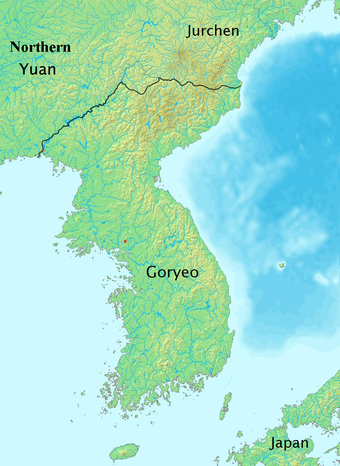
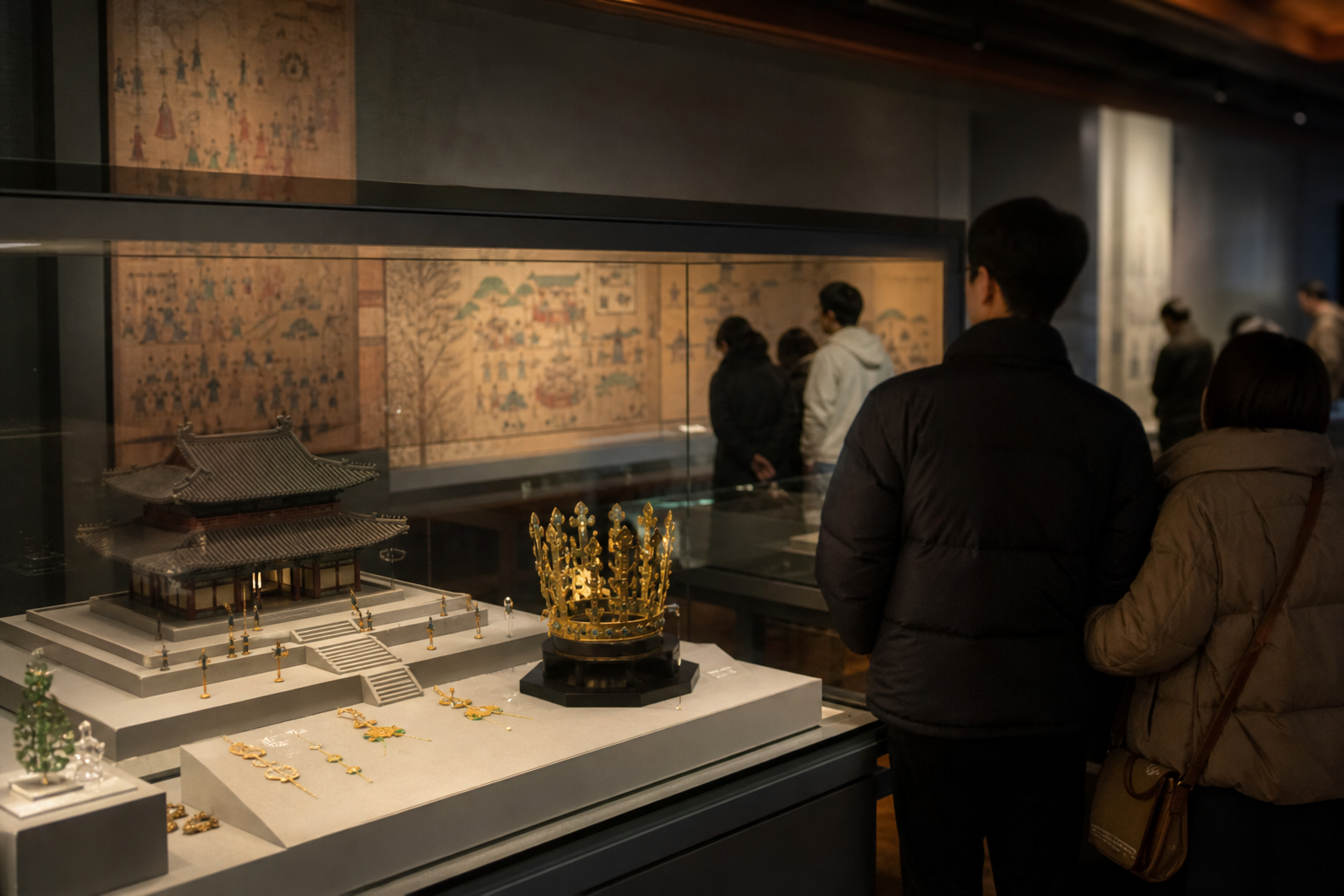
Goryeo (Korean: 고려; Hanja: 高麗; MR: Koryŏ; pronounced [ko.ɾjʌ]; Middle Korean: 고ᇢ롕〮, romanized: kwòwlyéy) was a Korean state founded in 918, during a time of national division called the Later Three Kingdoms period, that unified and ruled the Korean Peninsula until the establishment of Joseon in 1392.
Read the brief →
HISTORY · 918–1910
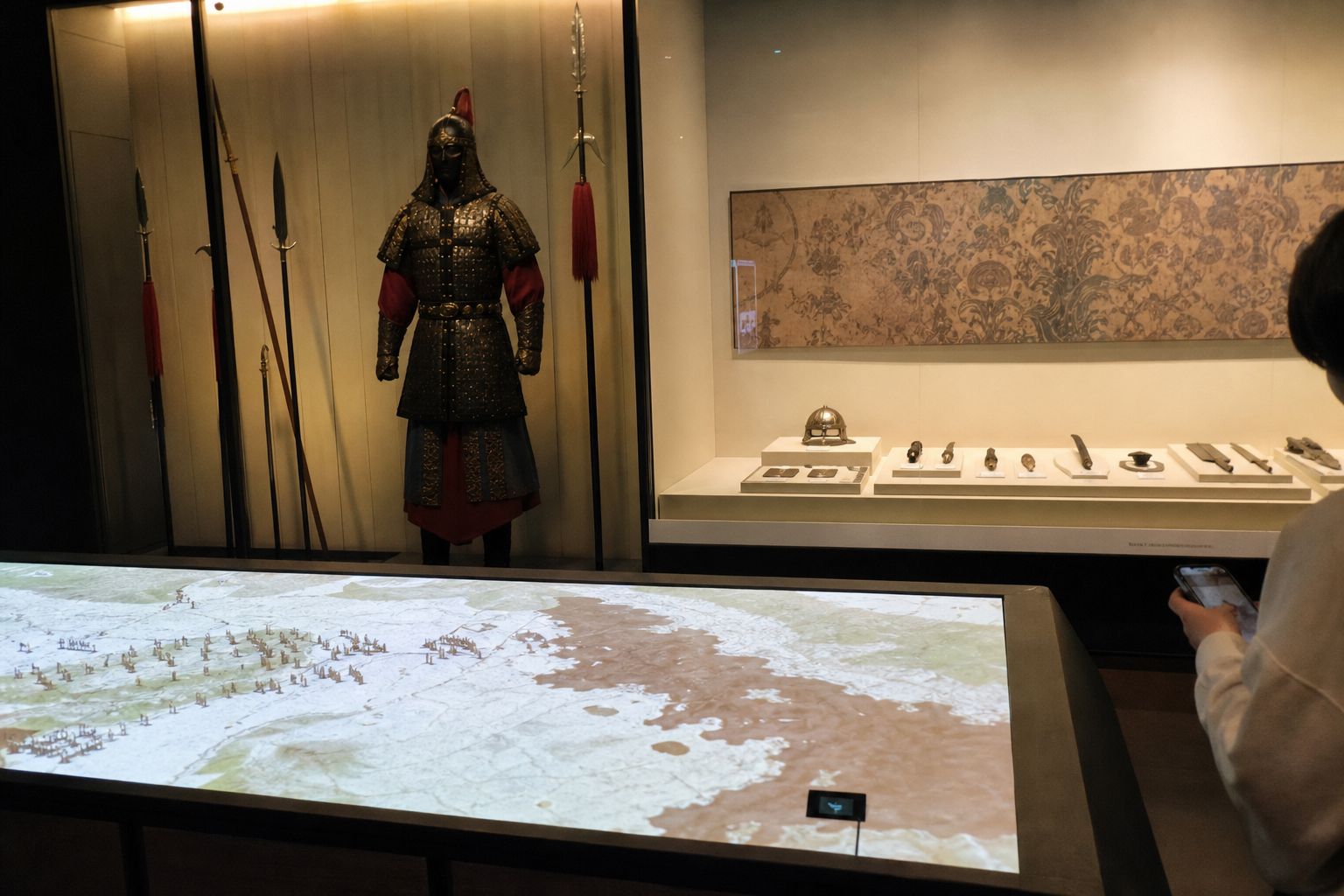
Taejo (Korean: 태조; Hanja: 太祖; 31 January 877 – 4 July 943), personal name Wang Kŏn (왕건; 王建), also known as Taejo Wang Kŏn (태조 왕건; 太祖 王建; lit. ''Great Progenitor Wang Kŏn''), was the founder of the Goryeo Dynasty of Korea. He ruled from 918 to 943, achieving unification of the Later Three Kingdoms in 936.
Read the brief →
HISTORY · 918–1910
Kang Kamch'an (Korean: 강감찬; Hanja: 姜邯贊; 22 December 948 – 9 September 1031) was a medieval Korean government official and military commander during the early days of the Goryeo period (918–1392). Even though he was a career scholar and government official, he is best known for his military victories during the Third Goryeo-Khitan War.
Read the brief →
HISTORY · 918–1910
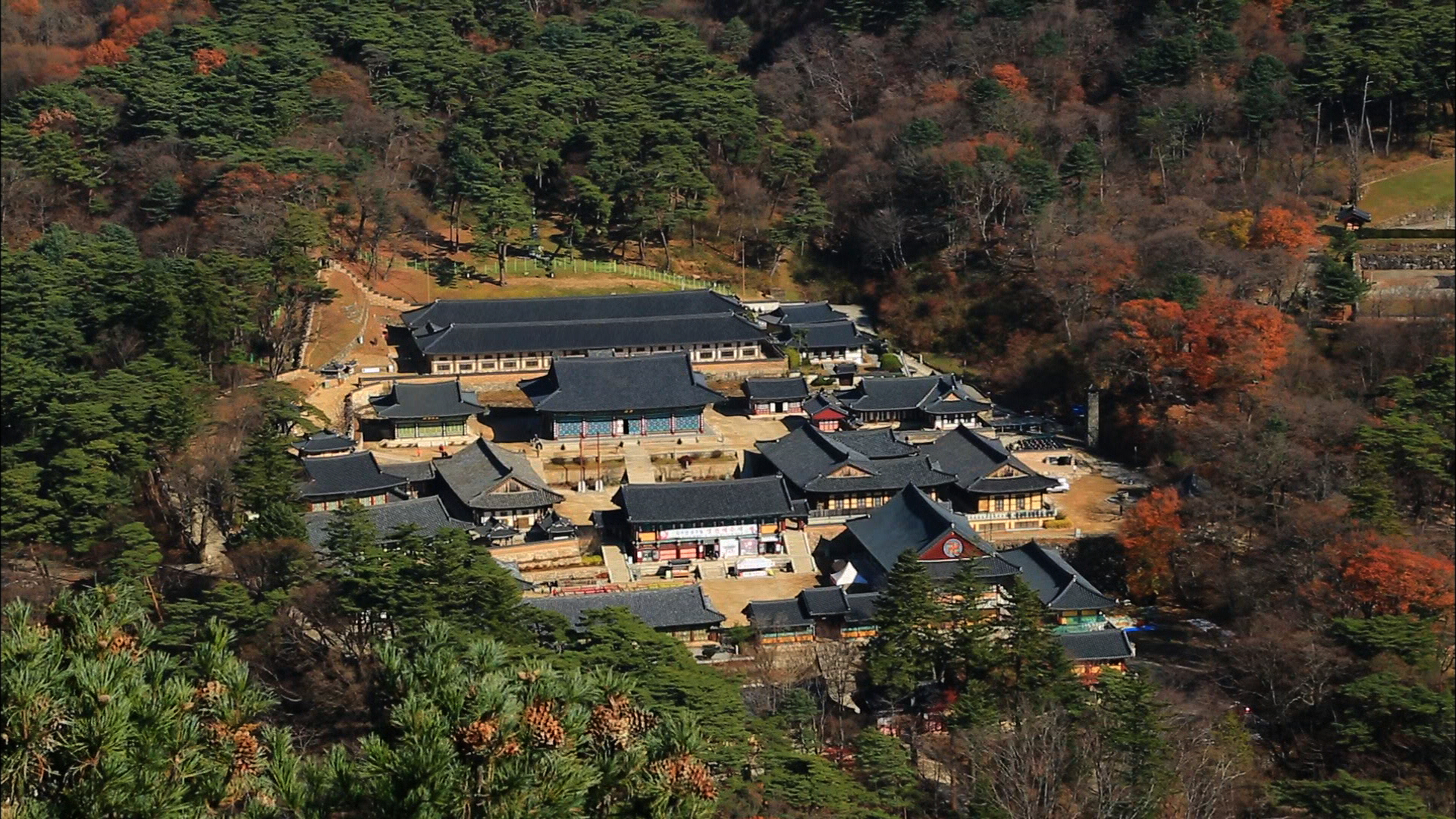
Haeinsa (Korean: 해인사) is a Buddhist temple in Gayasan National Park, South Gyeongsang Province, South Korea. It is the head temple of the Jogye Order of Korean Seon Buddhism. Haeinsa is most notable for being the home of the Tripitaka Koreana, the whole of the Buddhist Scriptures carved onto 81,350 wooden printing blocks, which it has housed since 1398.
Read the brief →
HISTORY · 918–1910
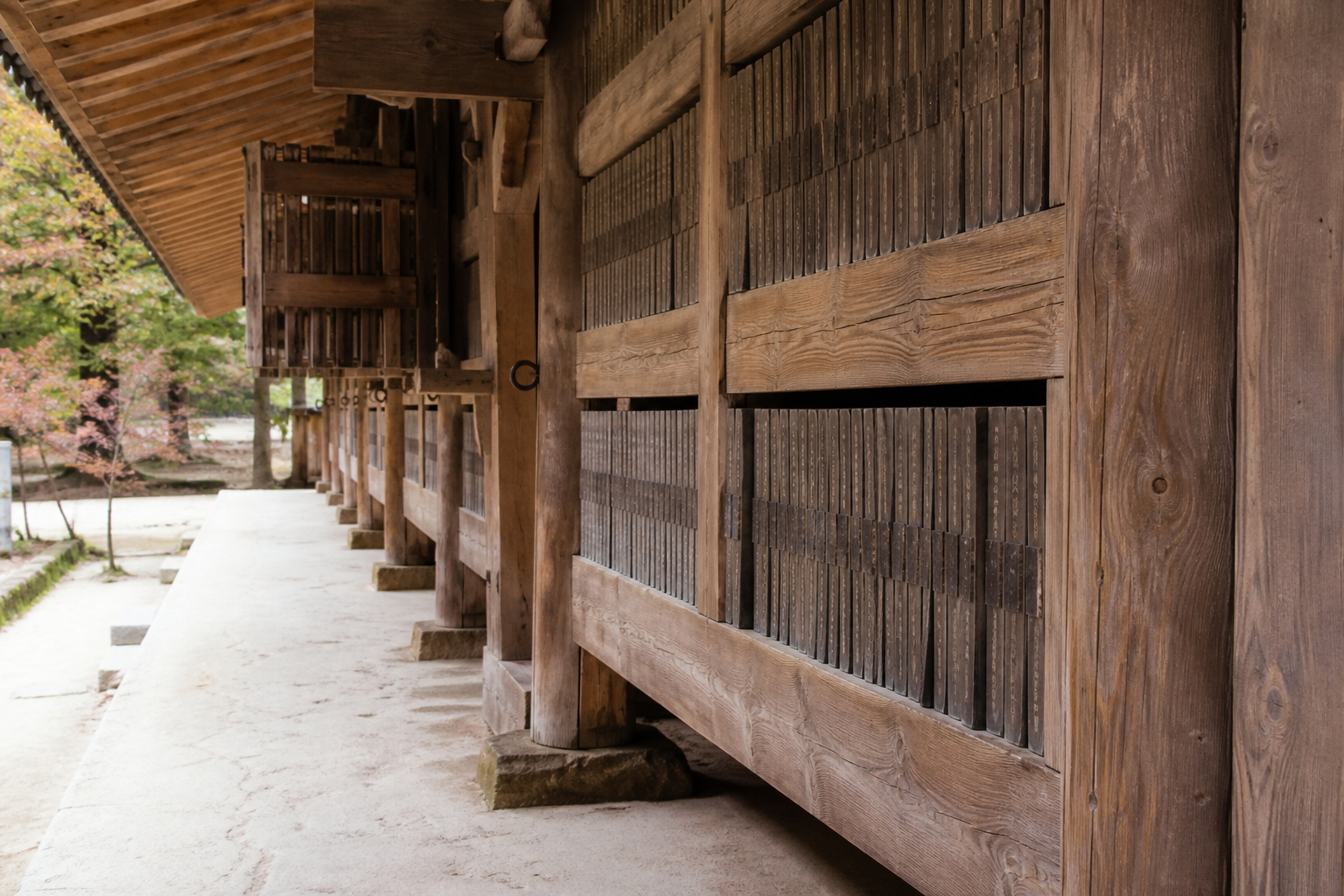
The Tripiṭaka Koreana (naming controversial, see below) refers to a Korean collection of Tripiṭaka scriptures carved onto 81,352 wooden printing blocks in the 13th century of the Goryeo period (hence also: The Goryeo Tripiṭaka). They are currently located at the Buddhist temple Haeinsa, in South Gyeongsang Province, South Korea.
Read the brief →
HISTORY · 918–1910
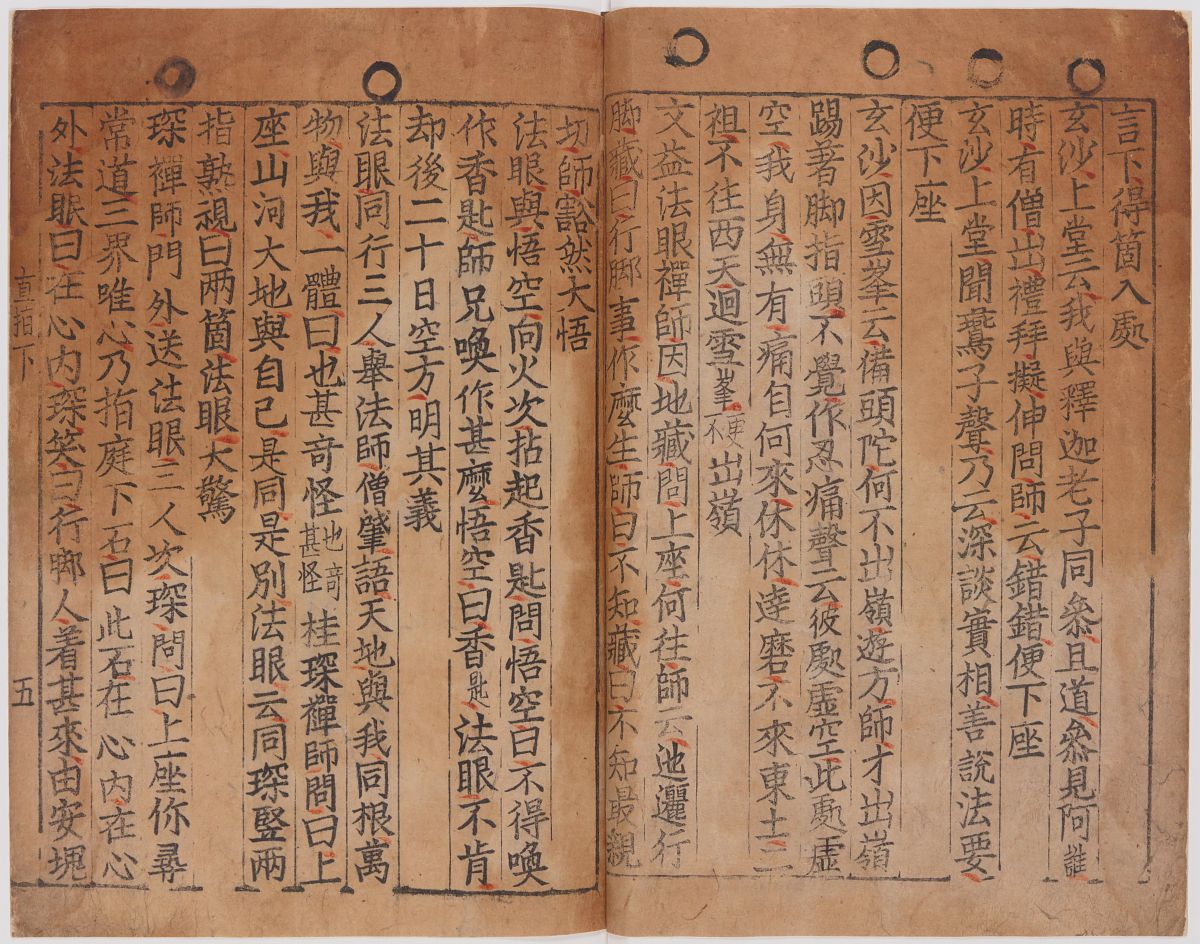
Jikji (Korean: 직지심체요절) is the abbreviated title of a Korean Buddhist document whose title translates as "Anthology of Great Buddhist Priests' Zen Teachings". Printed during the Goryeo Dynasty in 1377, it is the world's oldest extant book printed with movable metal type.
Read the brief →
HISTORY · 918–1910
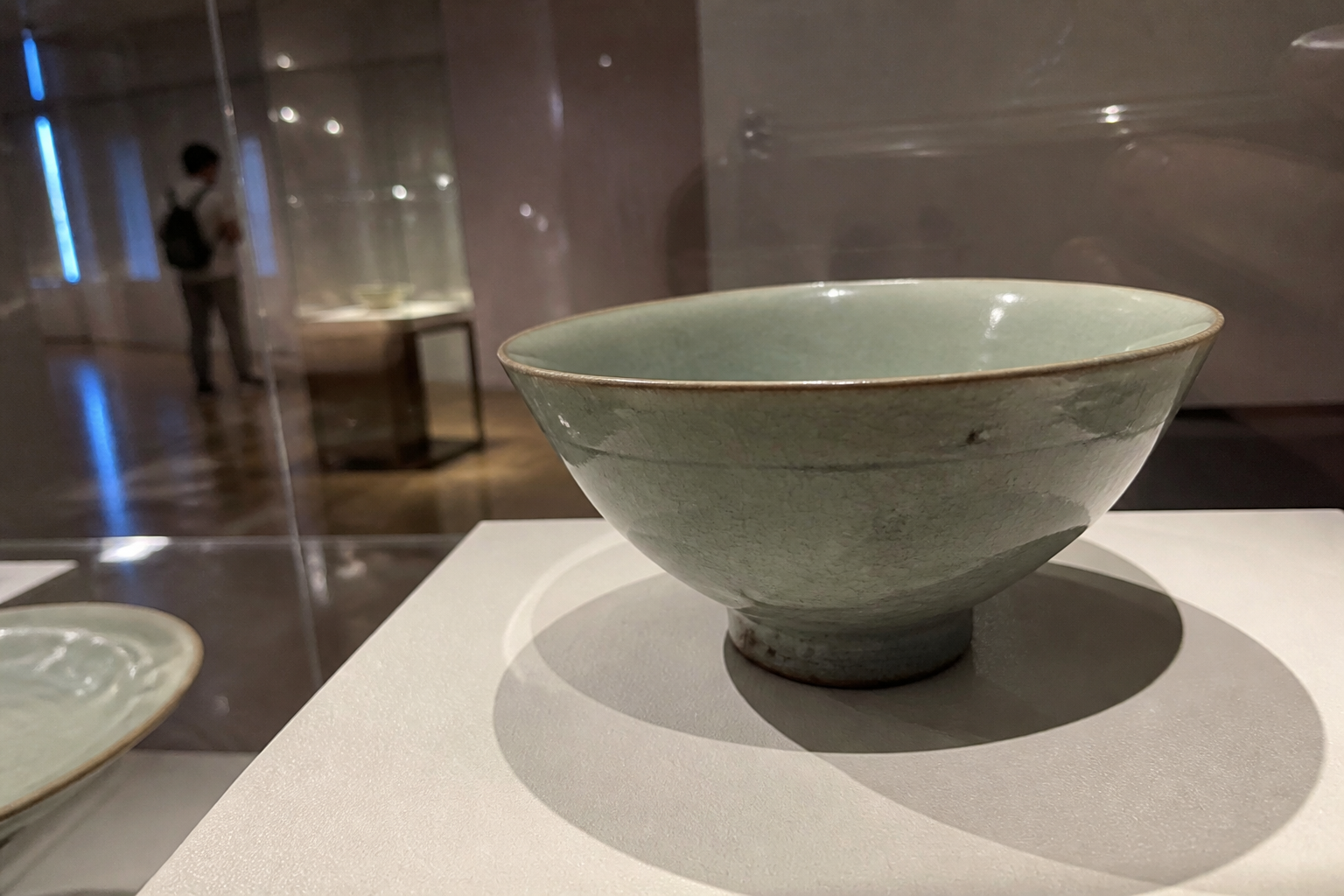
Goryeo ware (Korean: 고려도자기) refers to all types of Korean pottery and porcelain produced during the Goryeo dynasty, from 918 to 1392, but most often refers to celadon (greenware). Celadon techniques were first introduced from China; Goryeo potters established a native style by the 12th century.
Read the brief →
HISTORY · 918–1910
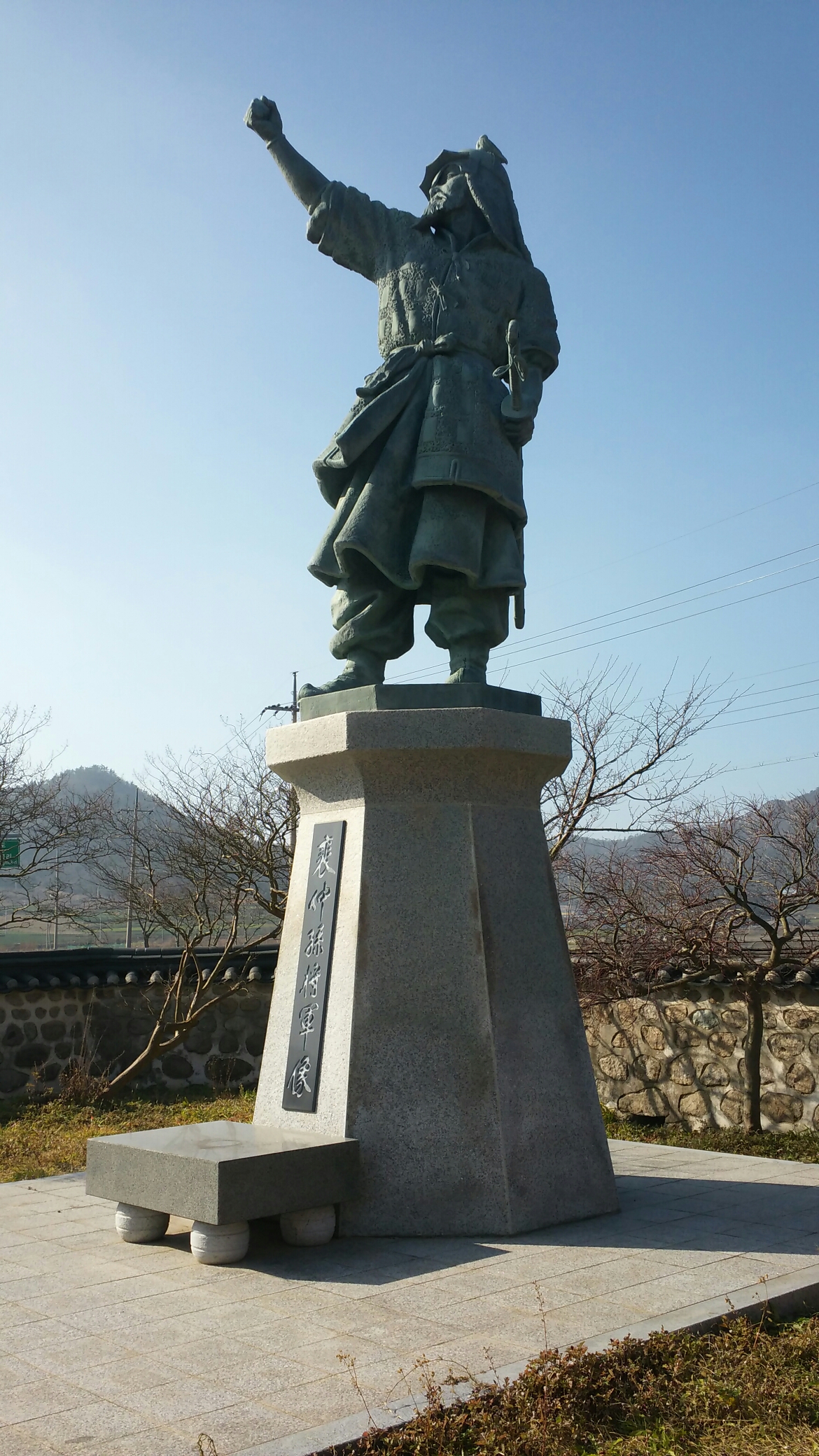
The Sambyeolcho Rebellion (1270–1273) was a Korean rebellion against the pro-Mongol Goryeo dynasty that happened near the end of the Mongol invasions of Korea. It was suppressed by Goryeo and the Mongol Yuan dynasty. After the rebellion, Goryeo became a vassal state of the Yuan dynasty.
Read the brief →
HISTORY · 918–1910
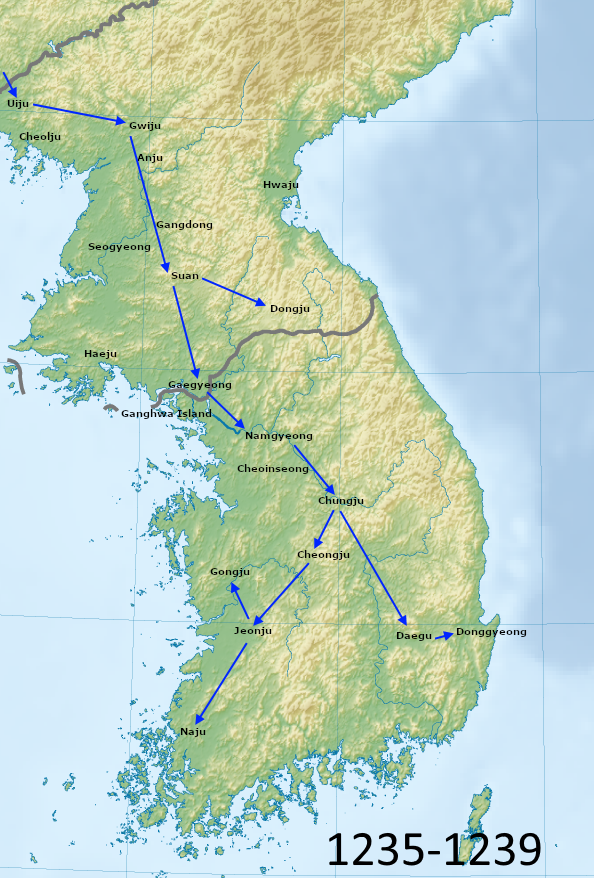
A series of campaigns were conducted between 1231 and 1270 by the Mongol Empire against the Korean kingdom of Goryeo. The last campaign concluded with a peace treaty with Goryeo becoming a vassal state of the Yuan dynasty, a relationship that lasted for approximately 80 years.
Read the brief →
HISTORY · 918–1910
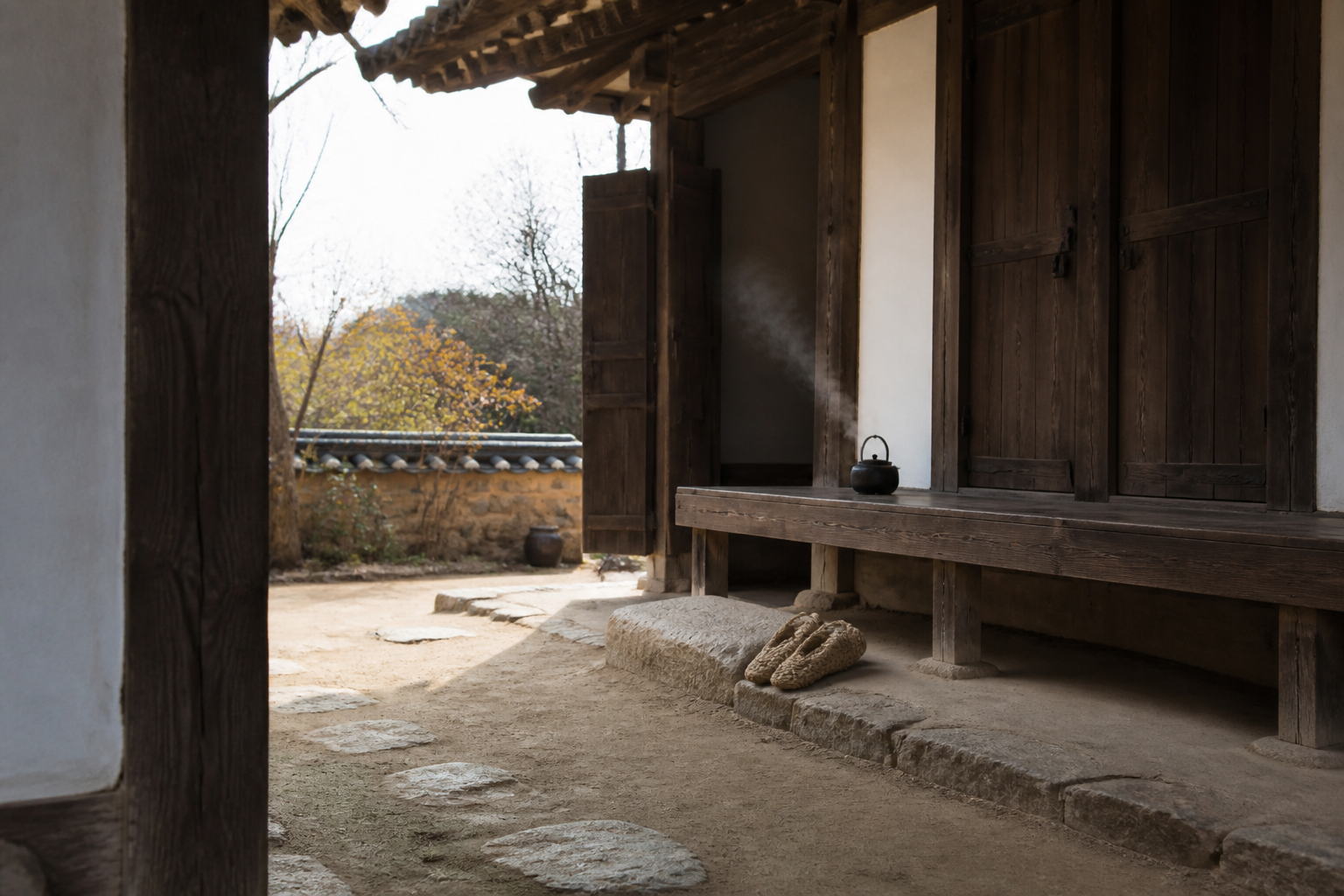
Joseon (English: CHOH-sun; Korean: 조선; Hanja: 朝鮮; MR: Chosŏn; pronounced [tɕo.sʰʌn]; also romanized as Chosun), officially Great Joseon State (대조선국; 大朝鮮國; [tɛ.dʑo.sʰʌn.ɡuk̚]), was a dynastic kingdom of Korea that existed for 505 years. It was founded by Taejo of Joseon in 1392 and replaced by the Korean Empire in 1897.
Read the brief →
HISTORY · 918–1910
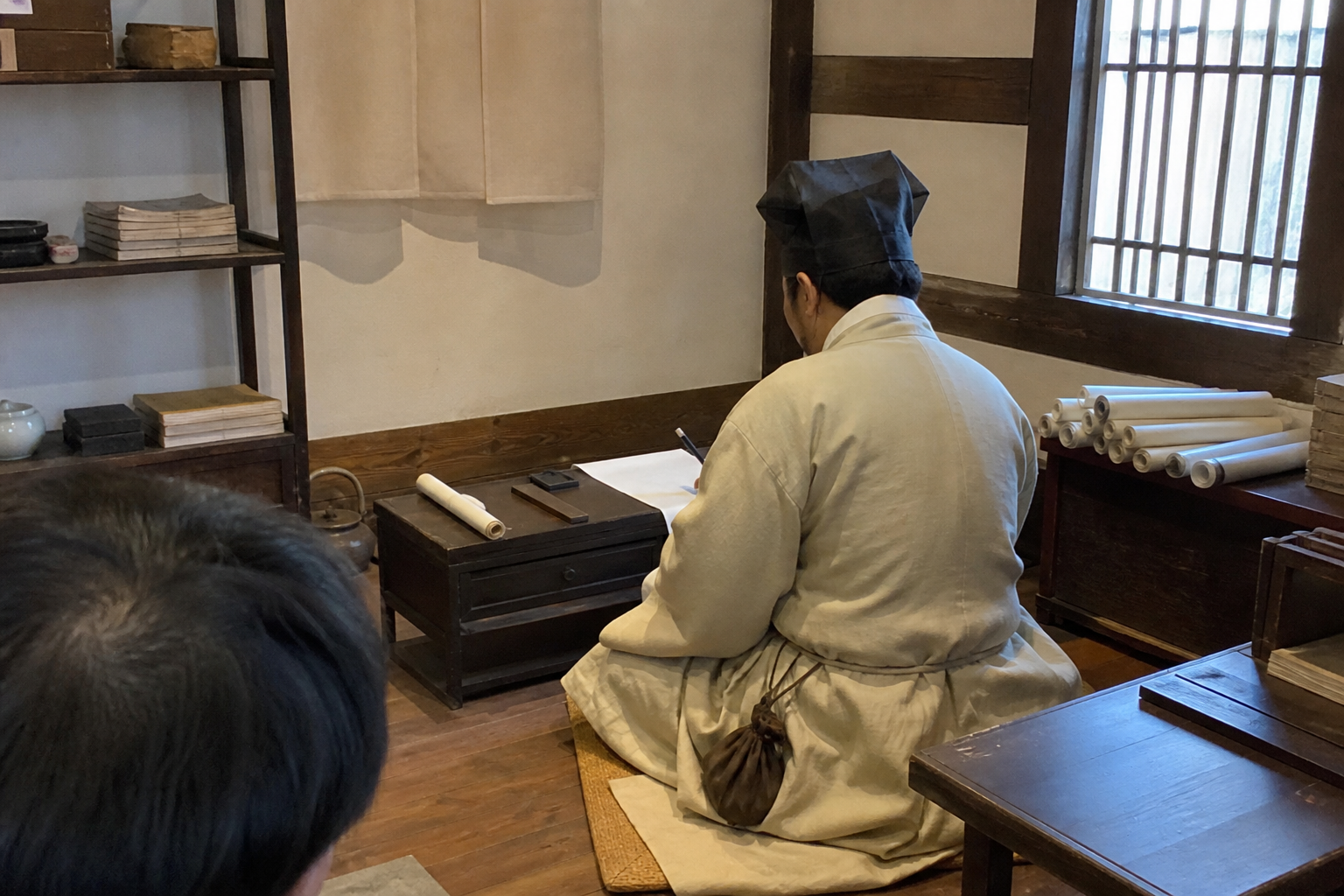
Chŏng Mongju (Korean: 정몽주; Hanja: 鄭夢周, January 13, 1337 – May 4, 1392), also known by his art name P'oŭn (포은), was a Korean statesman, diplomat, philosopher, poet, calligrapher and reformist of the Goryeo period. He was a major figure of opposition to the transition from the Goryeo (918–1392) to Joseon (1392–1897) periods.
Read the brief →
HISTORY · 918–1910
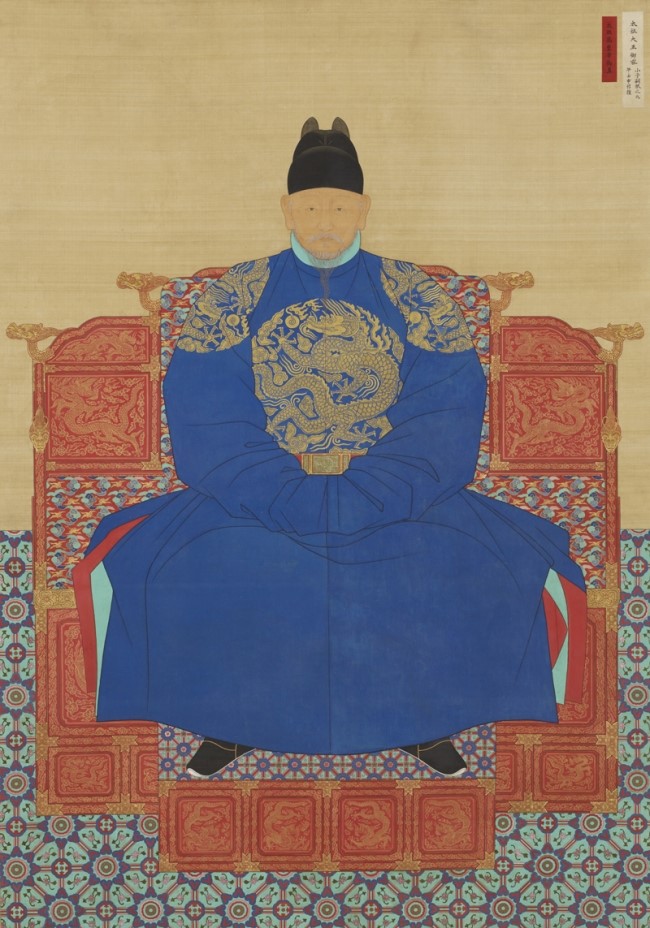
Taejo (Korean: 태조; Hanja: 太祖; 4 November 1335 – 27 June 1408), personal name Yi Sŏnggye, later changed to Yi Tan, was the founder and first monarch of Joseon. He ascended to the throne in 1392 after overthrowing the Goryeo regime, but abdicated just six years later during a strife between his sons.
Read the brief →
HISTORY · 918–1910
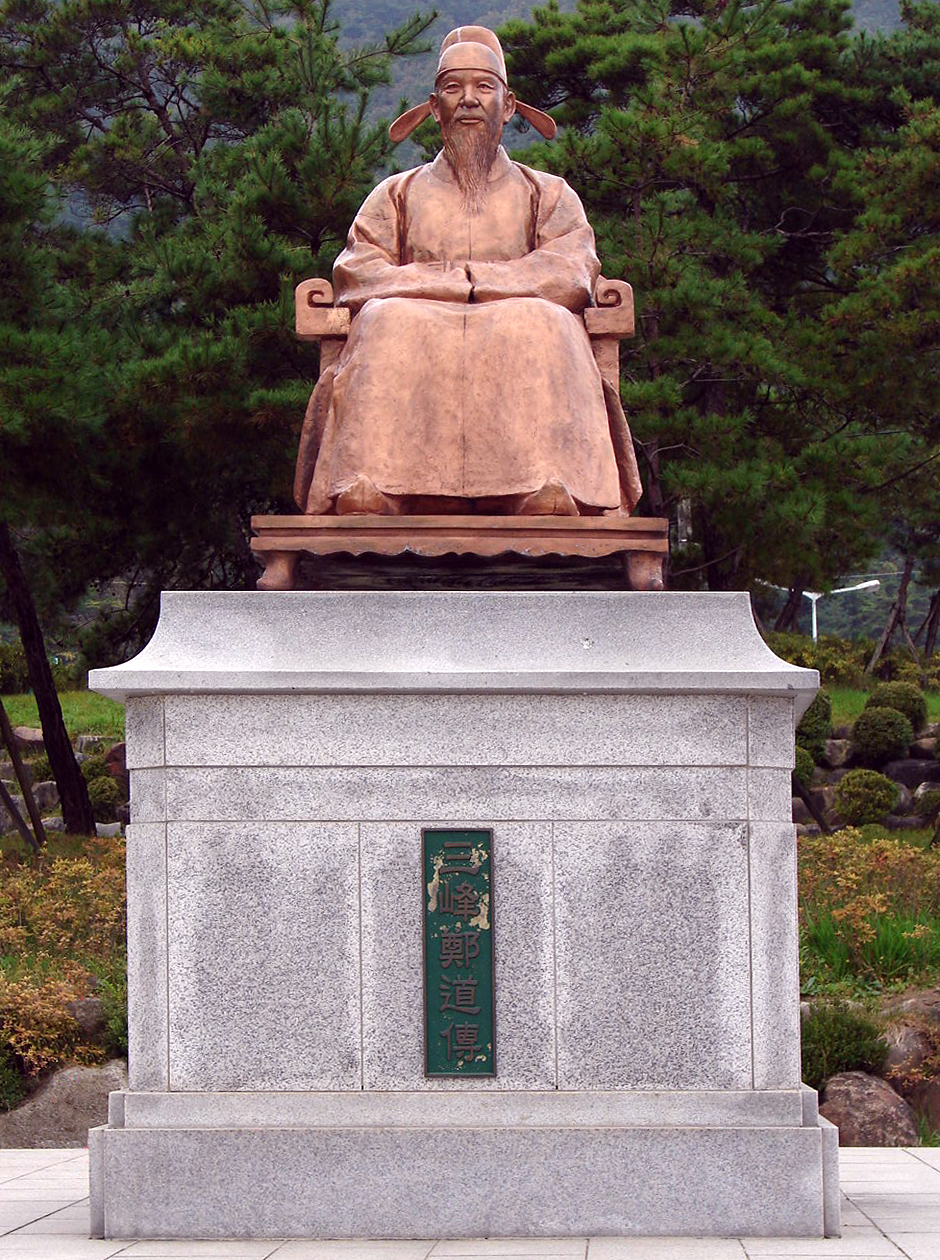
Chŏng Tojŏn (Korean: 정도전; Hanja: 鄭道傳; October 6, 1342 – October 6, 1398), also known by his art name Sambong (삼봉), was a prominent Korean scholar-official during the late Goryeo to the early Joseon periods. Chŏng Tojŏn was an adviser to the Joseon founder Yi Sŏnggye and also the principal architect of the Joseon dynasty's policies, laying down the kingdom's…
Read the brief →
HISTORY · 918–1910
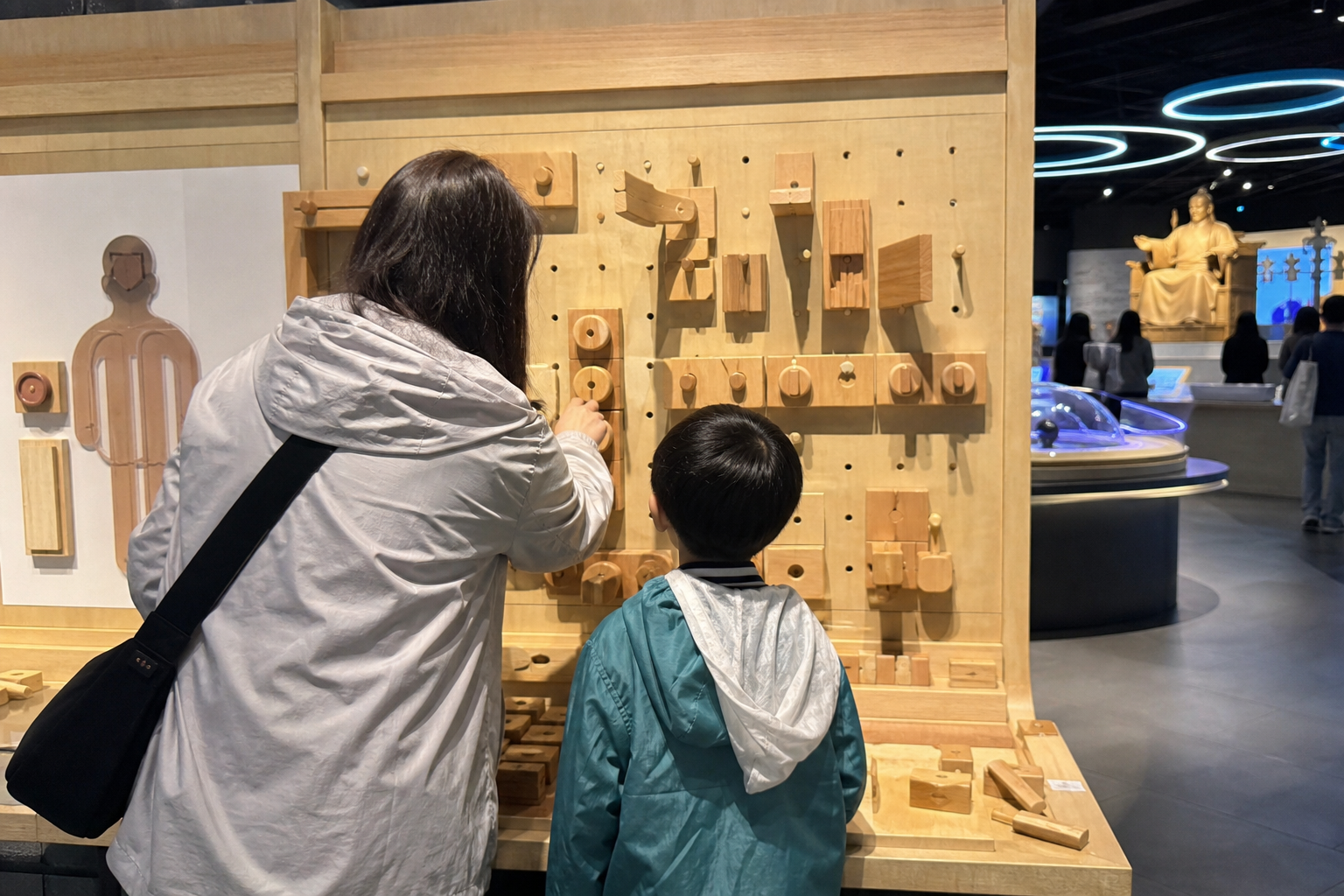
Sejong (Korean: 세종; Hanja: 世宗; May 15, 1397 – April 8, 1450), commonly known as Sejong the Great (세종대왕; 世宗大王), was the fourth monarch of the Koreanic state Joseon. He ruled from 1418 to his death in 1450. He is widely regarded as the greatest king in Korean history, and is particularly remembered for the creation of Hangul, the native alphabet of the Korean…
Read the brief →
HISTORY · 918–1910
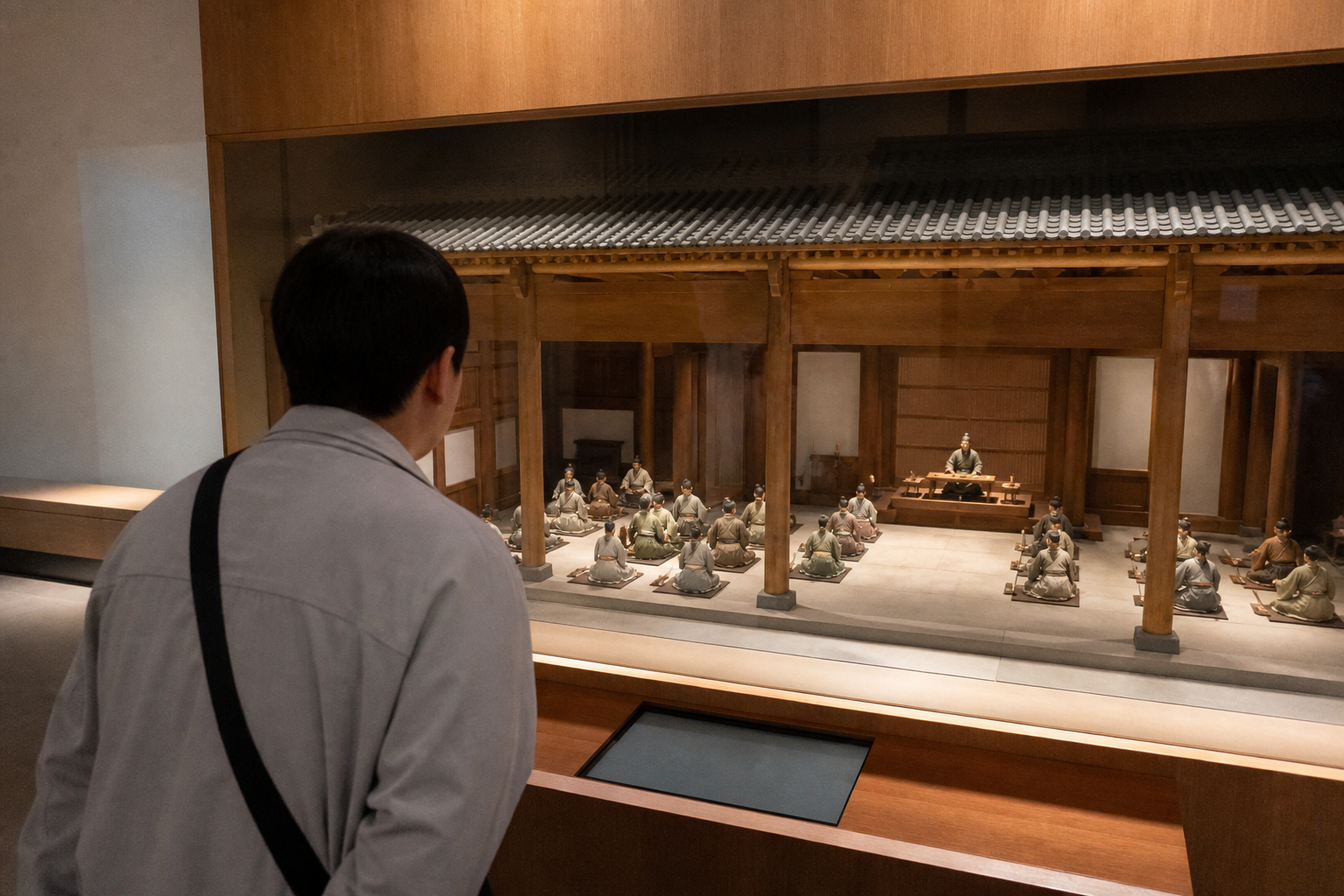
Taejong (Korean: 태종; Hanja: 太宗; 21 June 1367 – 8 June 1422), personal name Yi Pangwŏn, was the third monarch of Joseon and the father of Sejong the Great. The fifth son of King Taejo, the founder of the dynasty, he was himself a major contributor toward the establishment of the new regime.
Read the brief →
HISTORY · 918–1910
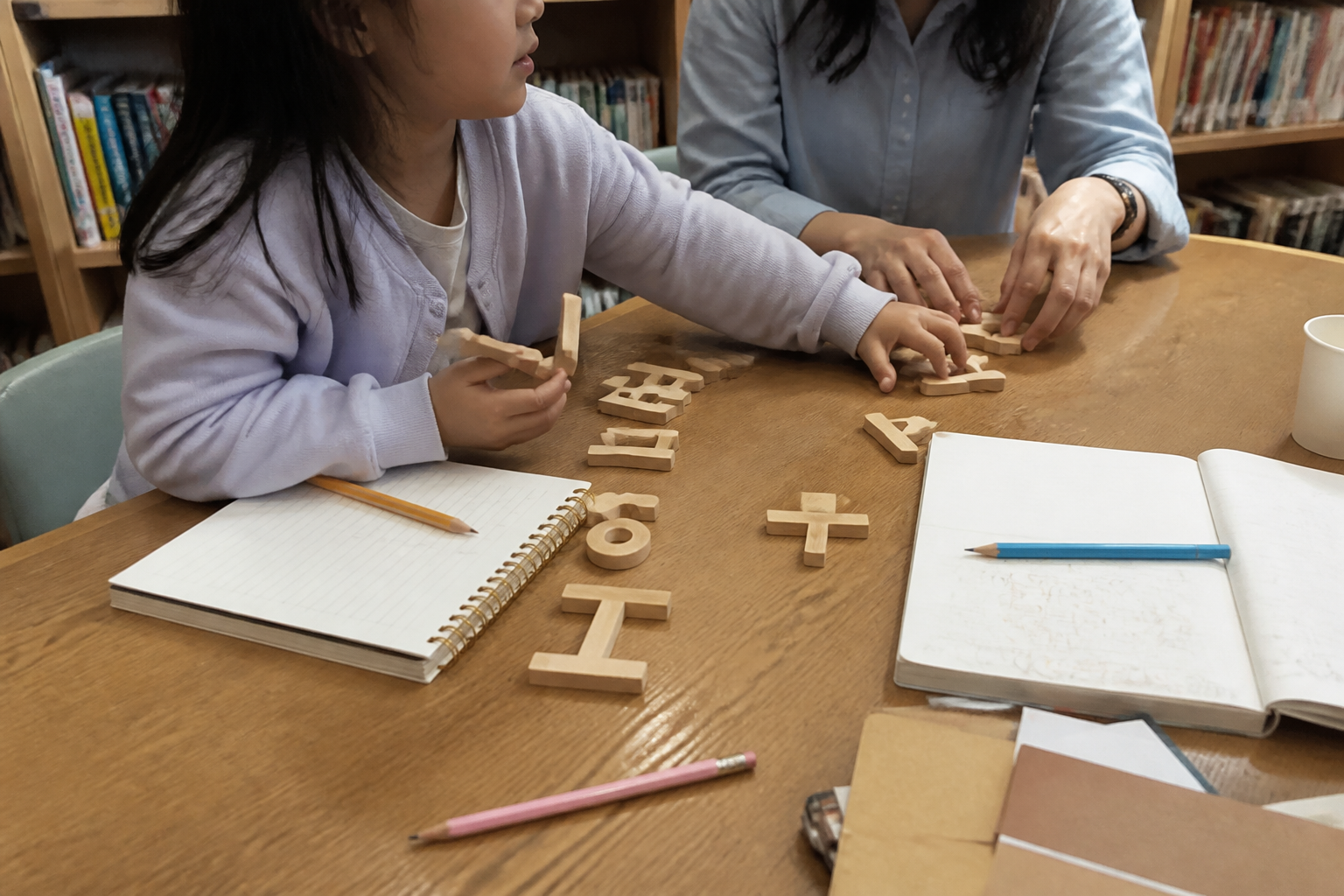
The Korean alphabet is the modern writing system for the Korean language. It has gone by a variety of names, such as Chosŏn'gŭl in North Korea, Hangul internationally, and Hangeul in South Korea. The script's original name was Hunminjeongeum. Before Hangul's creation, Korea had been using Hanja (Chinese characters) since antiquity.
Read the brief →
HISTORY · 918–1910
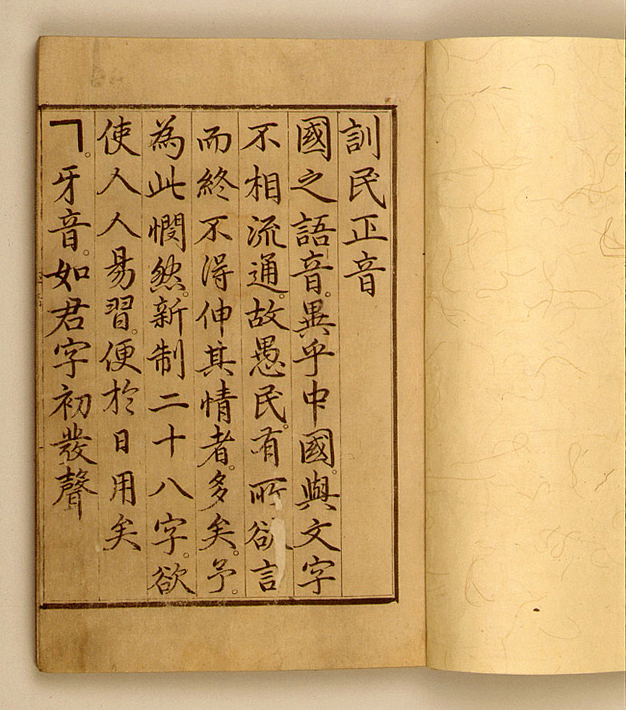
Hunminjeongeum (Korean: 훈민정음; Hanja: 訓民正音; lit. 'The Correct Sounds for the Instruction of the People') is a 1446 work that formally introduced the first native Korean alphabet. That alphabet was originally also called "Hunminjeongeum", although it is now widely called "Hangul" (international spelling; spelled in South Korea "Hangeul") or "Chosŏn'gŭl" (in…
Read the brief →
HISTORY · 918–1910
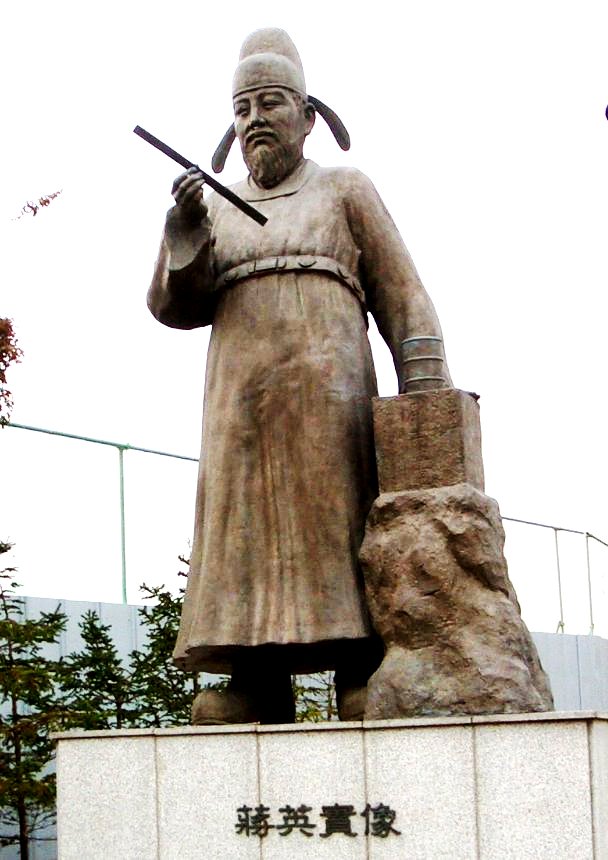
Chang Yŏngsil (Korean: 장영실; Hanja: 蔣英實; pronounced [t͡ɕɐŋ jʌŋɕiɭ]; ? – after 1442) was a Korean mechanical engineer, scientist, and inventor during the Joseon dynasty. He was born to a mother who was a government-registered courtesan (관기; 官妓) and a father of Yuan dynasty descent.
Read the brief →
HISTORY · 918–1910
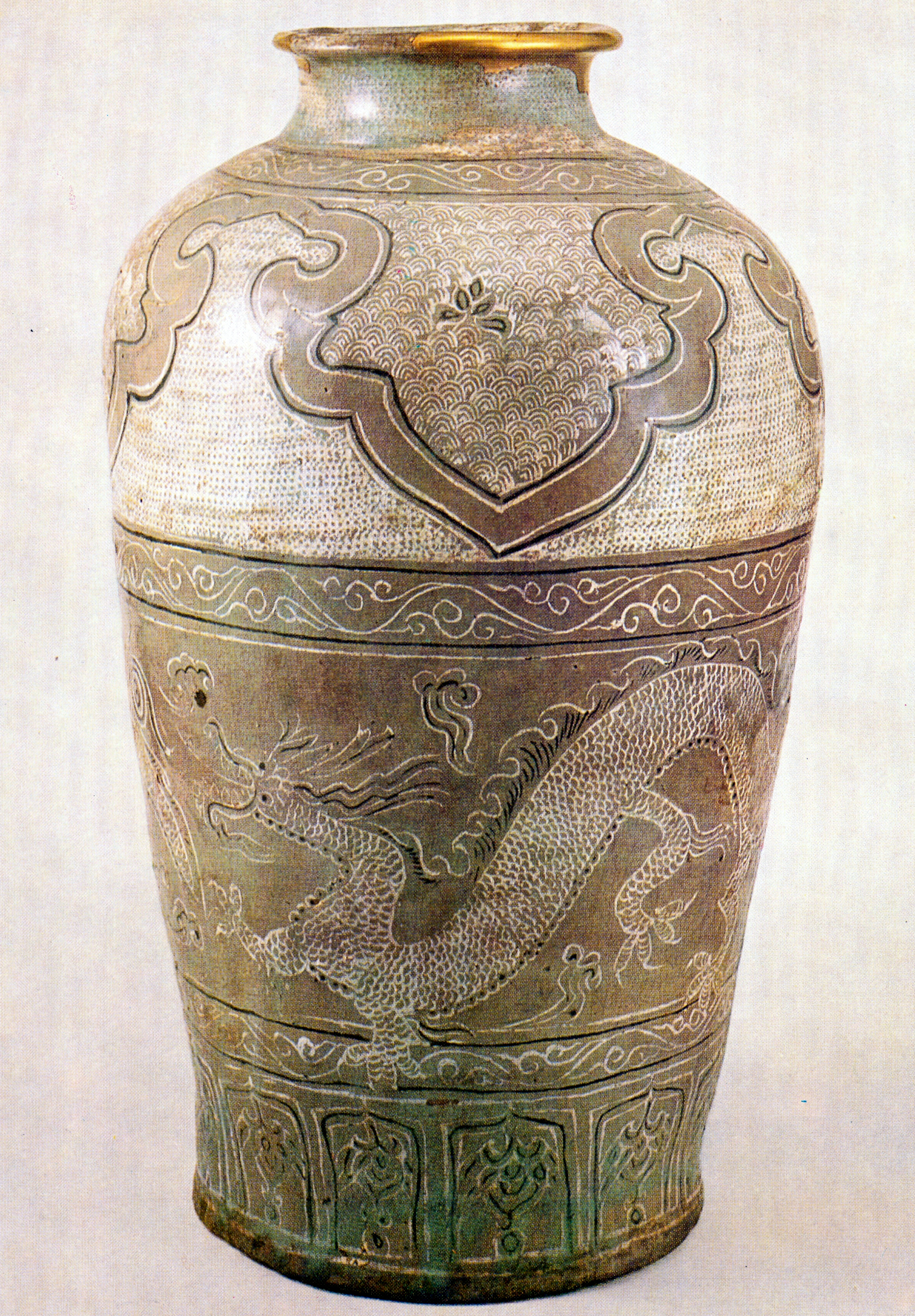
Buncheong (Korean: 분청), or punch'ong, ware is a traditional form of Korean stoneware, with a blue-green tone. Pieces are coated with white slip (ceramics), and decorative designs are added using a variety of techniques. This style originated in the 15th century and continues in a revived form today.
Read the brief →
HISTORY · 918–1910
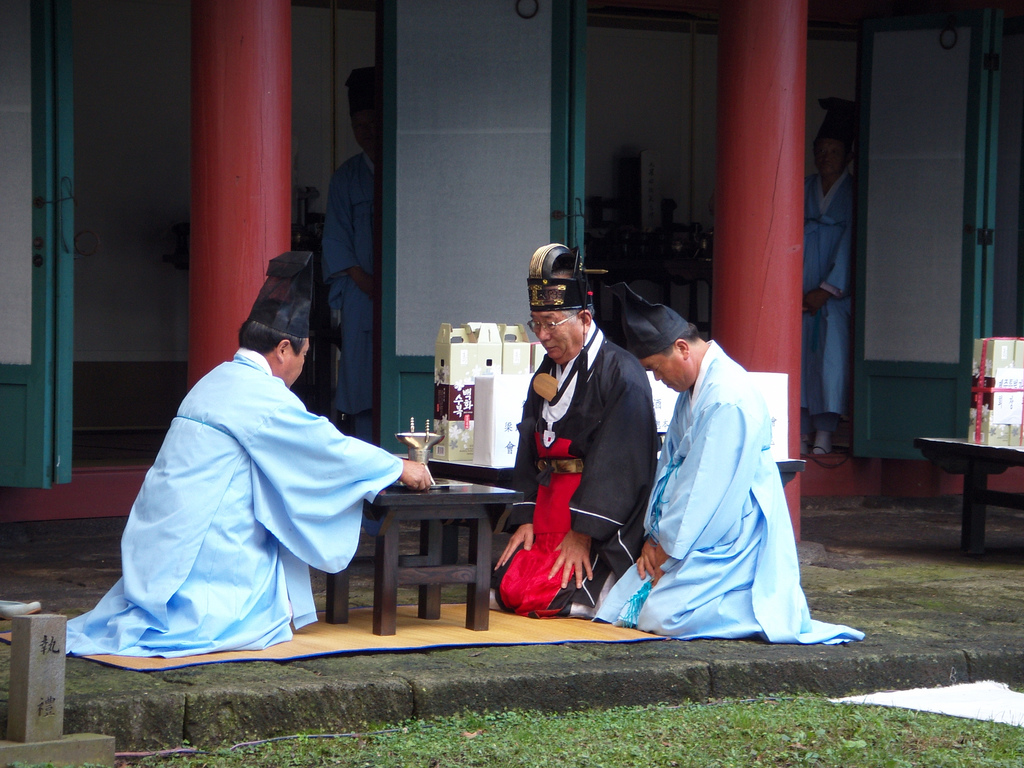
Korean Confucianism, or Korean Ruism, is the form of Confucianism that emerged and developed in Korea. One of the most substantial influences in Korean intellectual history was the introduction of Confucian thought as part of the cultural influence from China.
Read the brief →
HISTORY · 918–1910
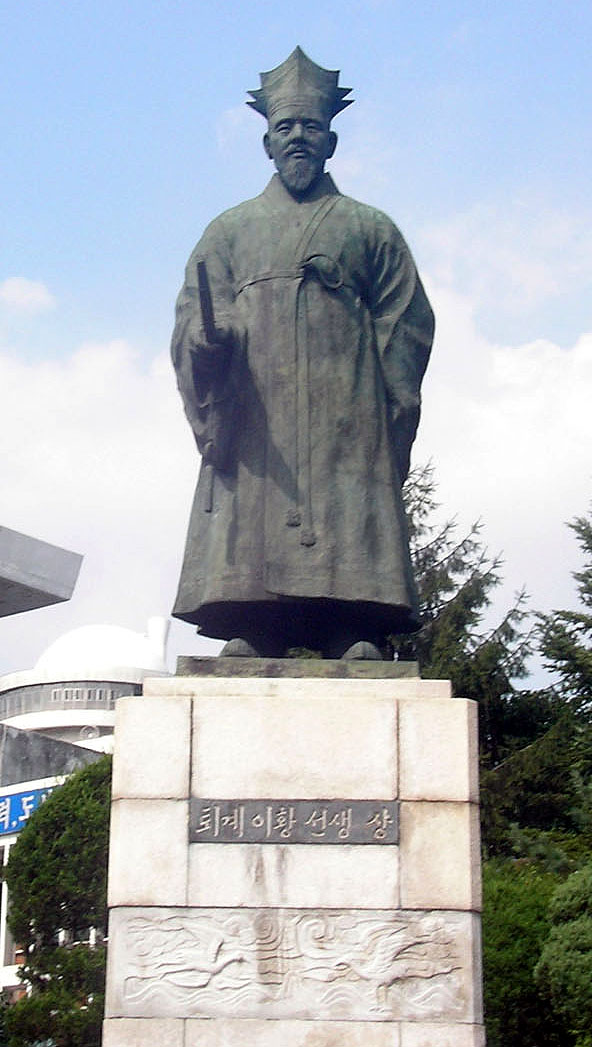
Yi Hwang (Korean: 이황; Hanja: 李滉; 1501–1570) was a Korean philosopher, writer, and Confucian scholar of the Joseon period. He is considered the most important philosopher of Korea - he is honored by printing his portrait on the 1000 South Korean won banknote, on the reverse of which one can see an image of his school, Dosan Seowon.
Read the brief →