Search this page

Results update as you type.

200 stories · 200 unique images

Korea,
across time.

SEOULIAN is our word for the people of Seoul—and for cultural citizens who carry Korea beyond city limits with curiosity, welcome, and care.

Like “New Yorker” or “Parisienne,” it names a point of view. Unlike a boundary, it stays open: ancient kingdoms, living craft, food, landscape, modern history, and the culture being made now.

Read the cultural mission
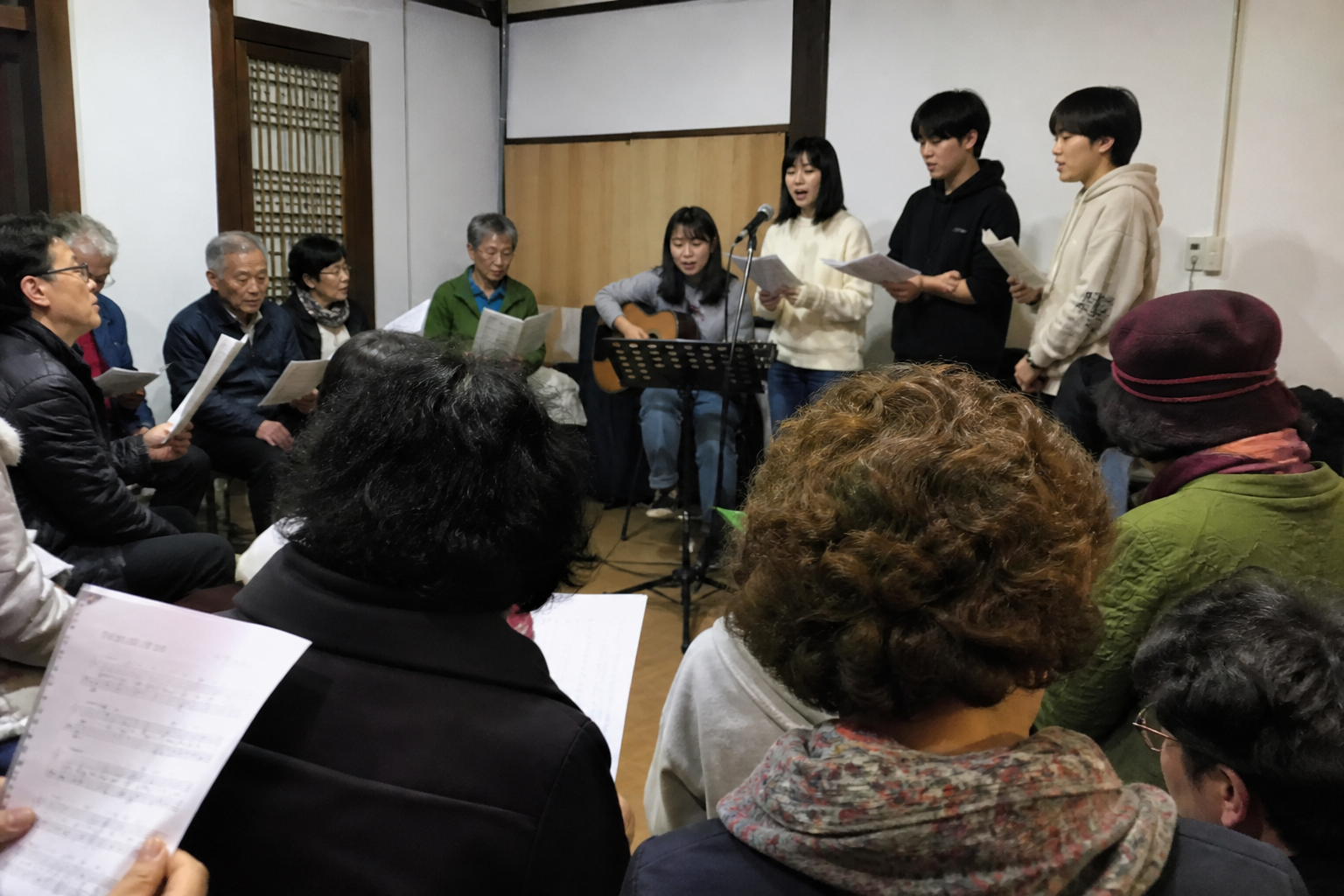
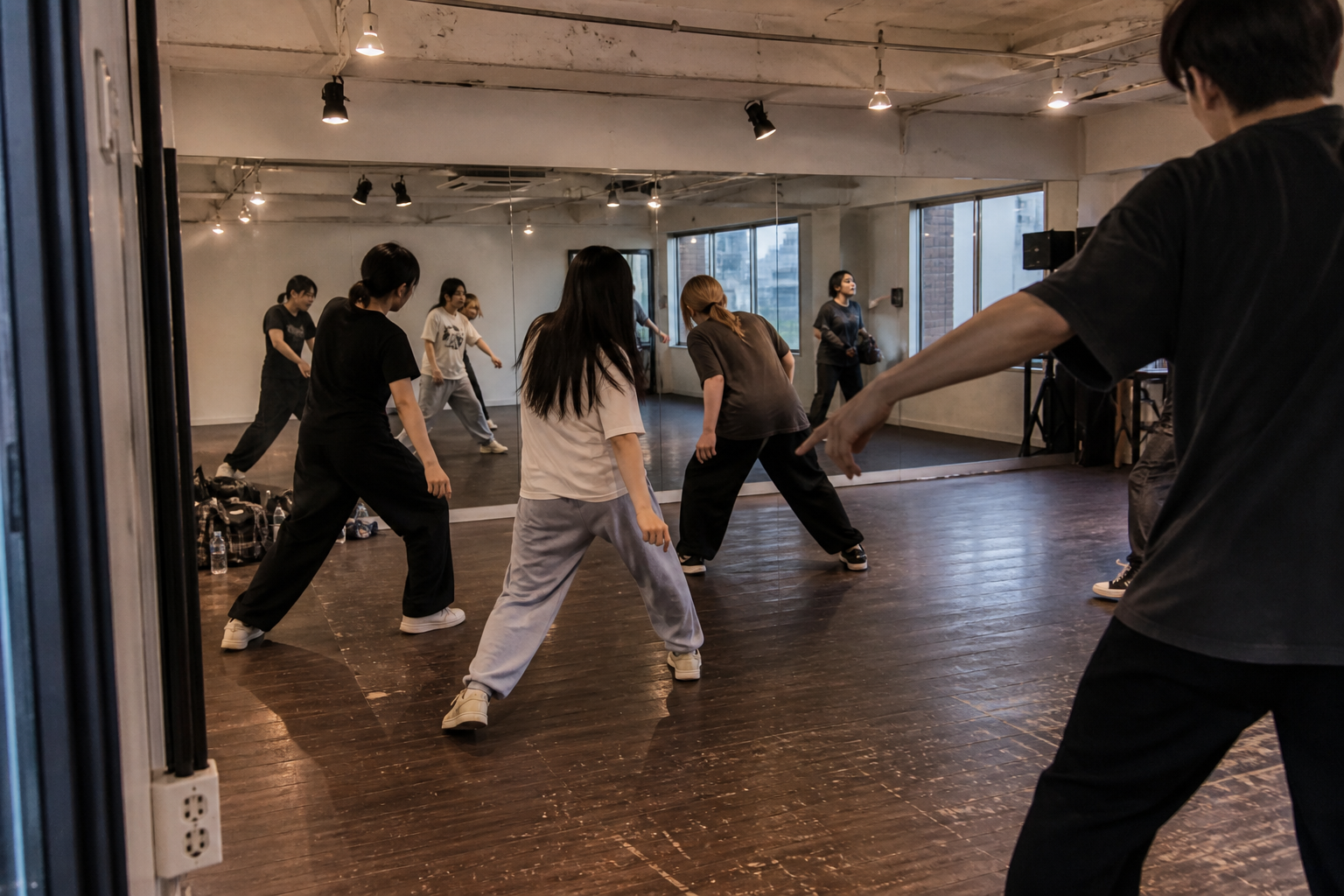
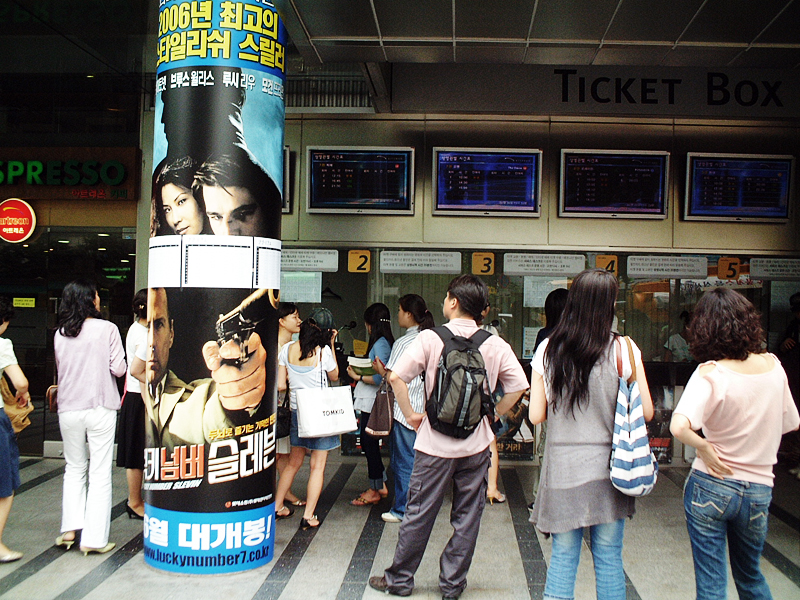
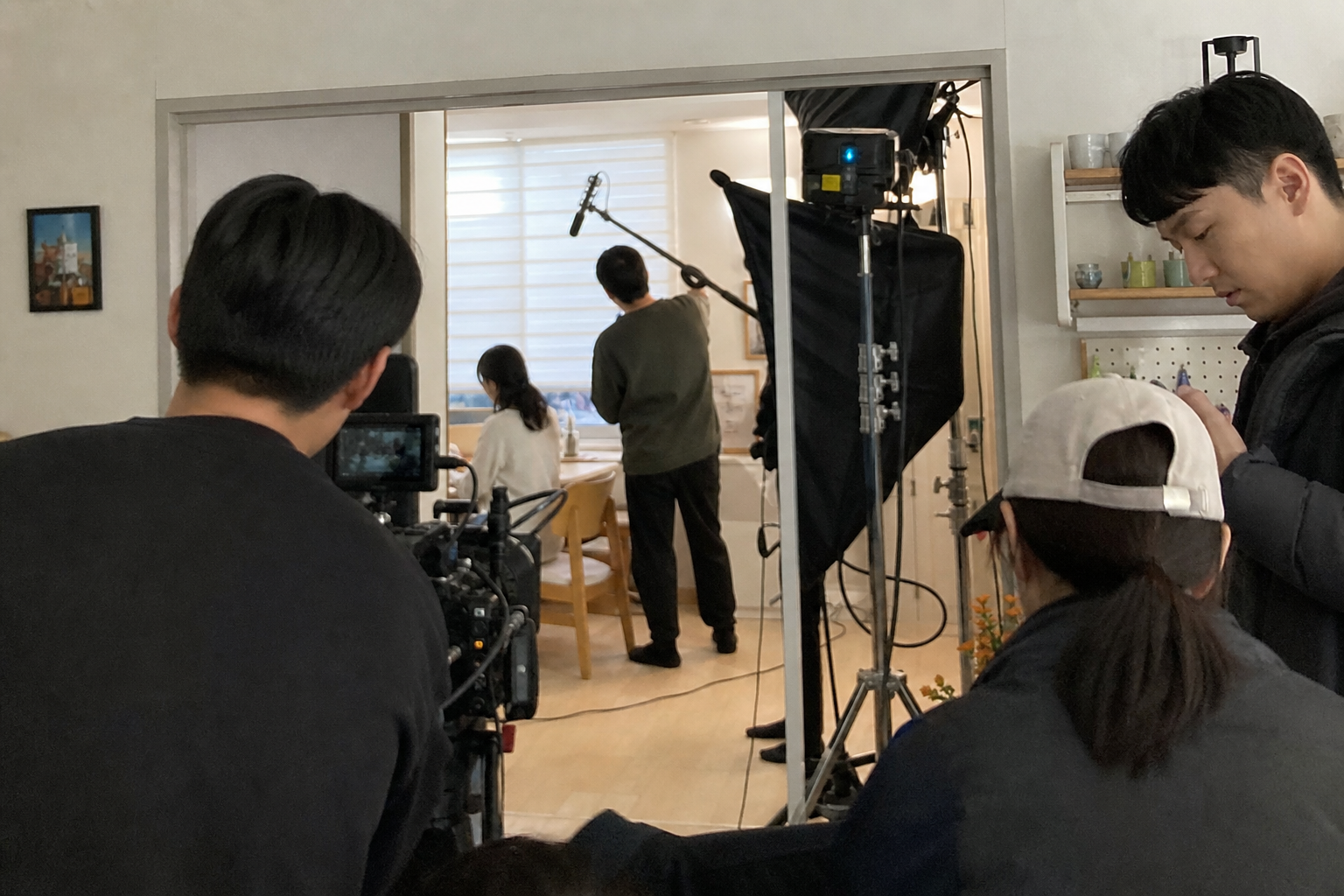
A natural AI-generated SEOULIAN editorial photograph illustrating K-pop K‑Pop K-pop A Wikimedia Commons image illustrating Cinema of South Korea K‑Movie Cinema of South Korea A natural AI-generated SEOULIAN editorial photograph illustrating Korean drama K‑Drama Korean drama

Living Heritage

26 stories · Page 1 of 2

A Wikimedia Commons image illustrating Culture of Korea

Culture of Korea

The traditional culture of Korea is the shared cultural and historical heritage of Korea before the division of Korea in 1945. Since the mid-20th century, Korea has been split between the North Korean and South Korean states, resulting in a number of cultural differences that can be observed even today.

Read the brief
A natural AI-generated SEOULIAN editorial photograph illustrating Hanbok

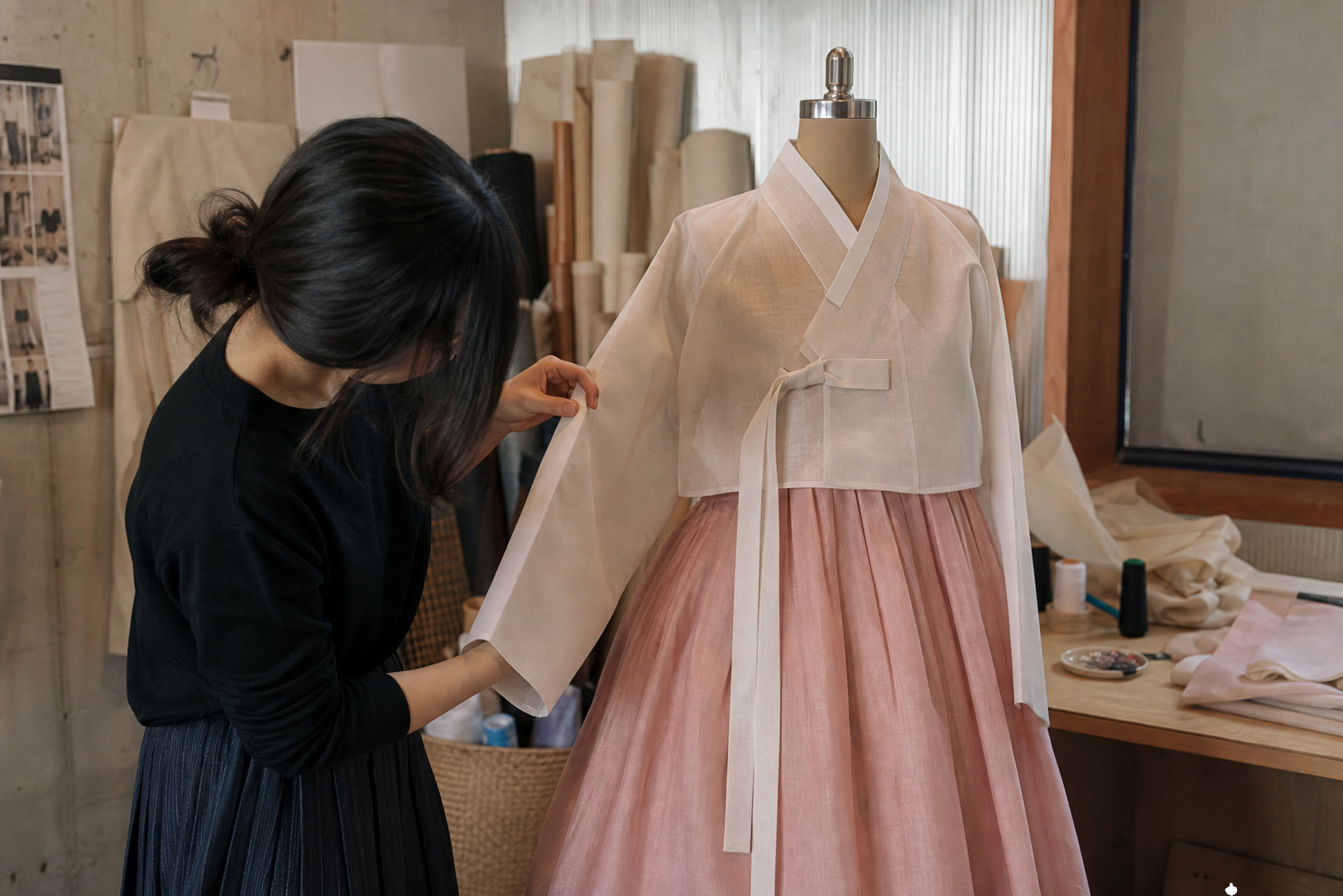
Hanbok

The hanbok (Korean: 한복; Hanja: 韓服; lit. 'Korean dress') is the traditional clothing of the Korean people. The term hanbok literally means Korean clothing in South Korea and internationally, where it is the standard term for the attire. North Koreans refer to the clothes as chosŏnot (조선옷; lit. 'Korean clothes'). The attire is also worn by the Korean diaspora.

Read the brief
A natural AI-generated SEOULIAN editorial photograph illustrating Hanok

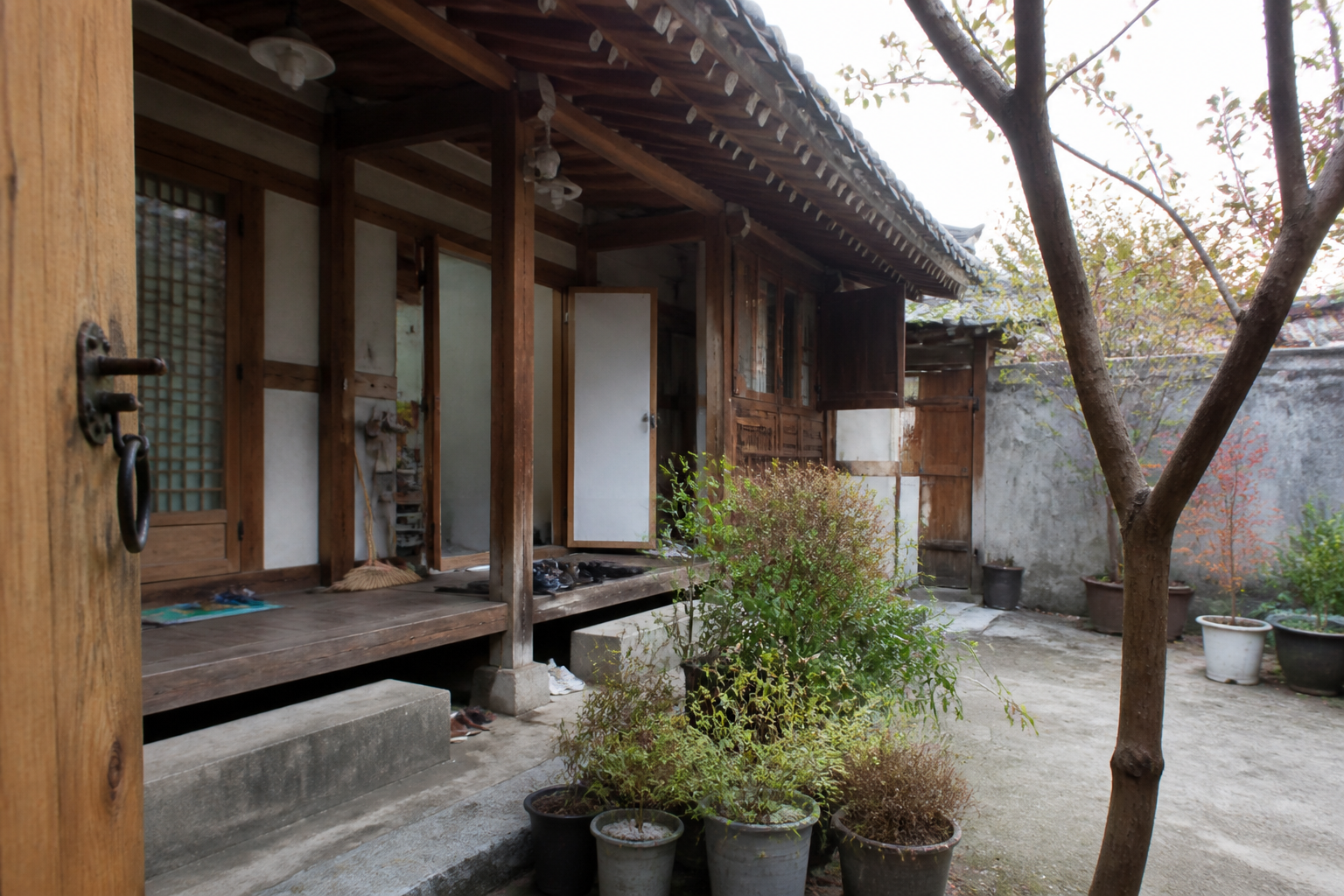
Hanok

A hanok (Korean: 한옥; name in South Korea) or chosŏnjip (조선집; name in North Korea and for Koreans in Yanbian, China) is a traditional Korean house. Hanok have their origins in pit houses from the early Neolithic period around 6,000 BCE, and the traditional form of Hanok was completed in the late Joseon period.

Read the brief
A Wikimedia Commons image illustrating Ondol

Ondol

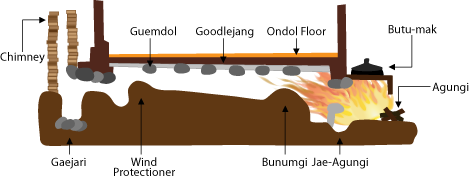
Ondol (ON-dol; , Korean: 온돌; Hanja: 溫突/溫堗; Korean pronunciation: [on.dol]) or gudeul (구들; [ku.dɯl]) in Korean traditional architecture is underfloor heating that uses direct heat transfer from wood smoke to heat the underside of a thick masonry floor.

Read the brief
A Wikimedia Commons image illustrating Dancheong

Dancheong

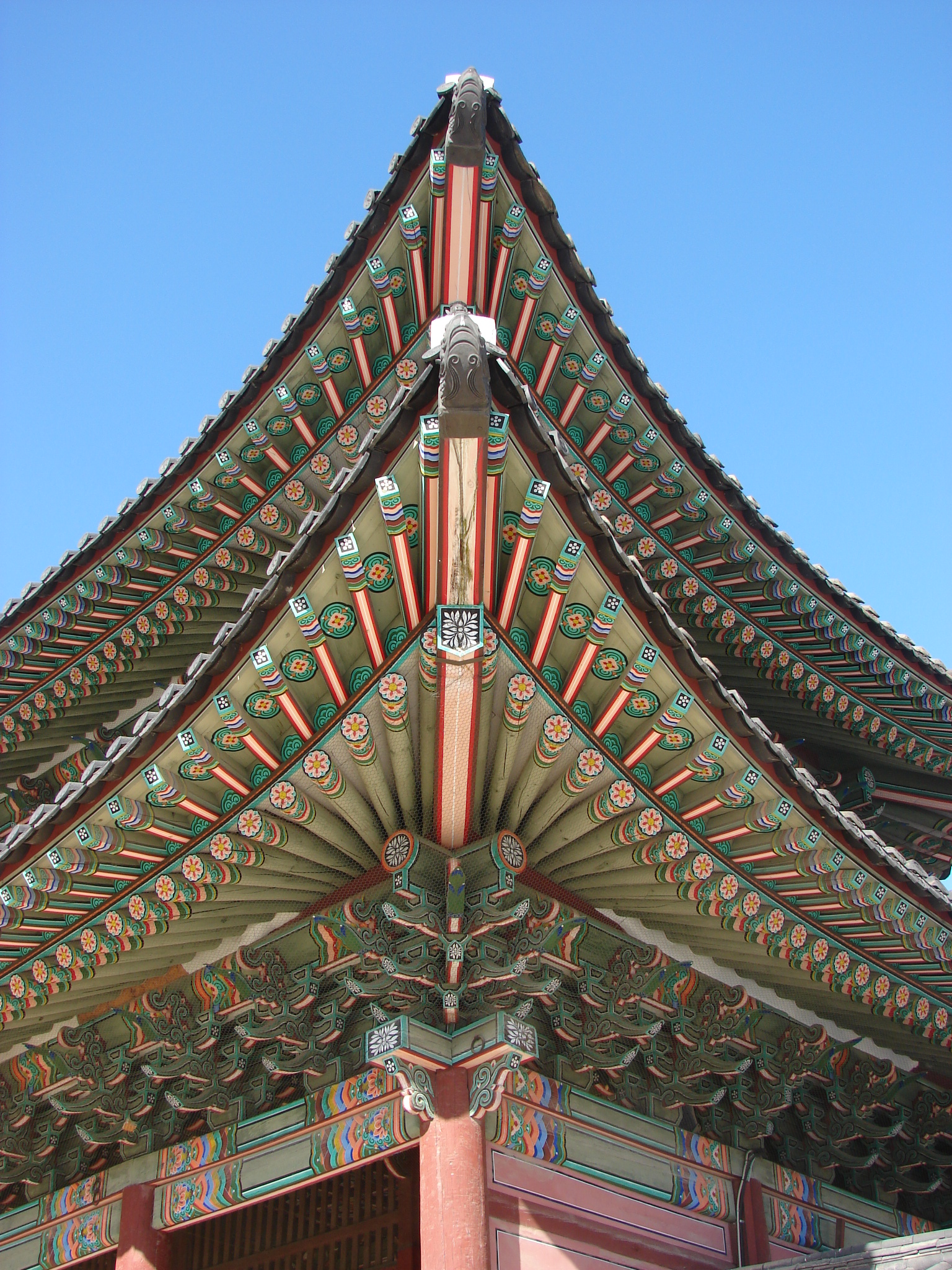
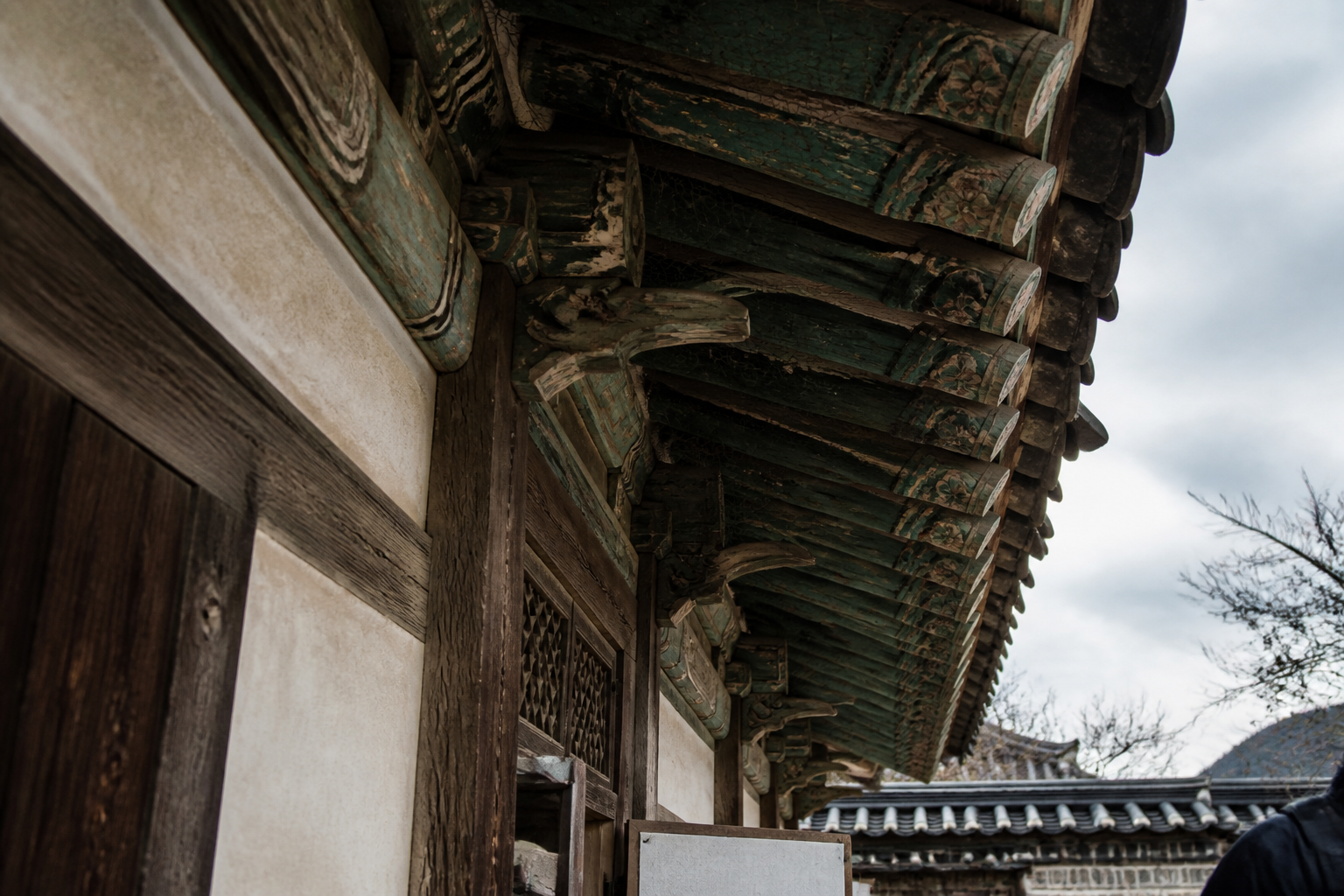
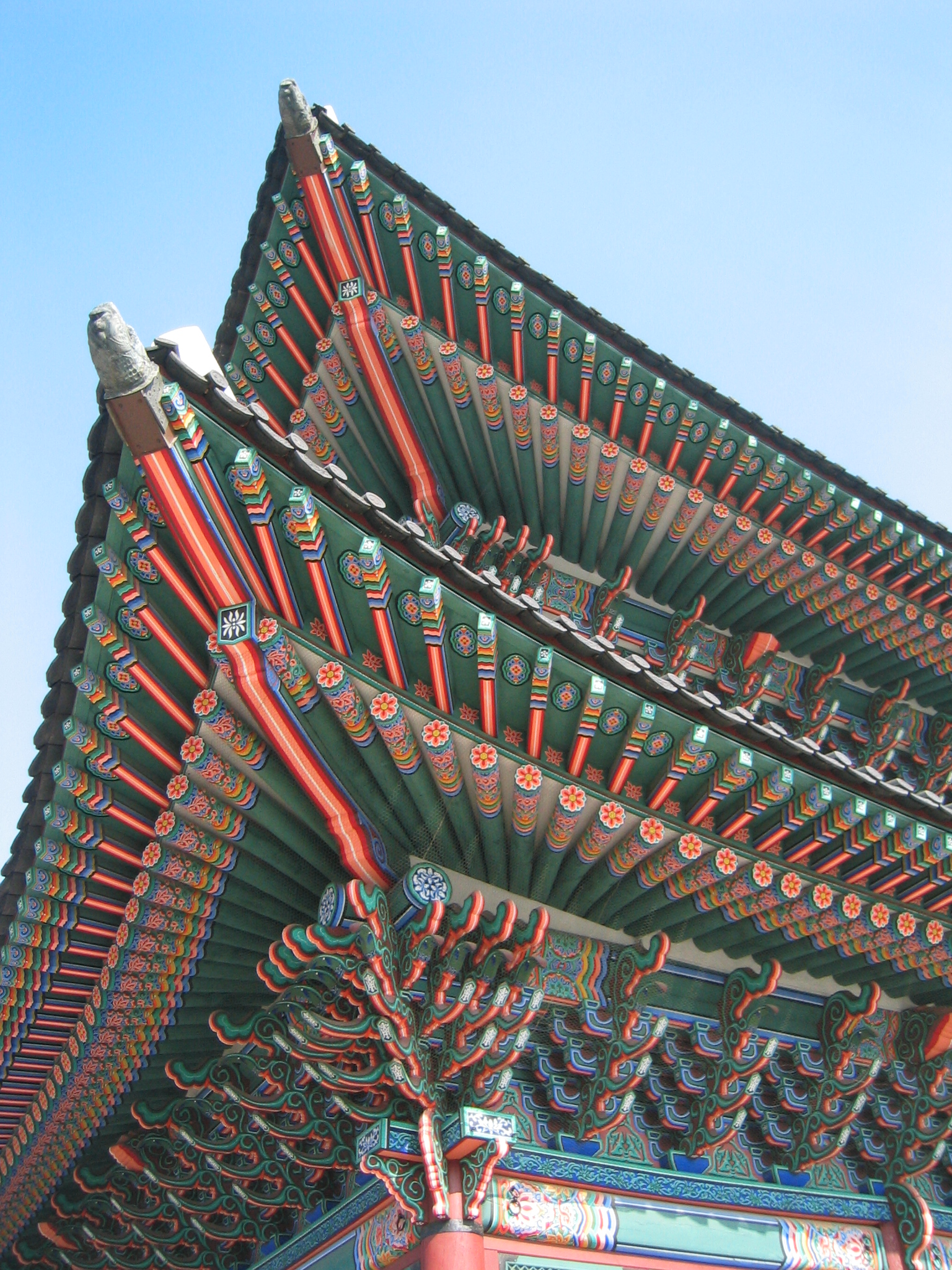
Dancheong (Korean: 단청; Hanja: 丹靑) refers to Korean decorative colouring on wooden buildings and artifacts for the purpose of style. It is an adaptation of the Chinese practice danqing, danqing refers to Chinese painting on silk and paper, and also decoration on wood.

Read the brief
A natural AI-generated SEOULIAN editorial photograph illustrating Bojagi

Bojagi

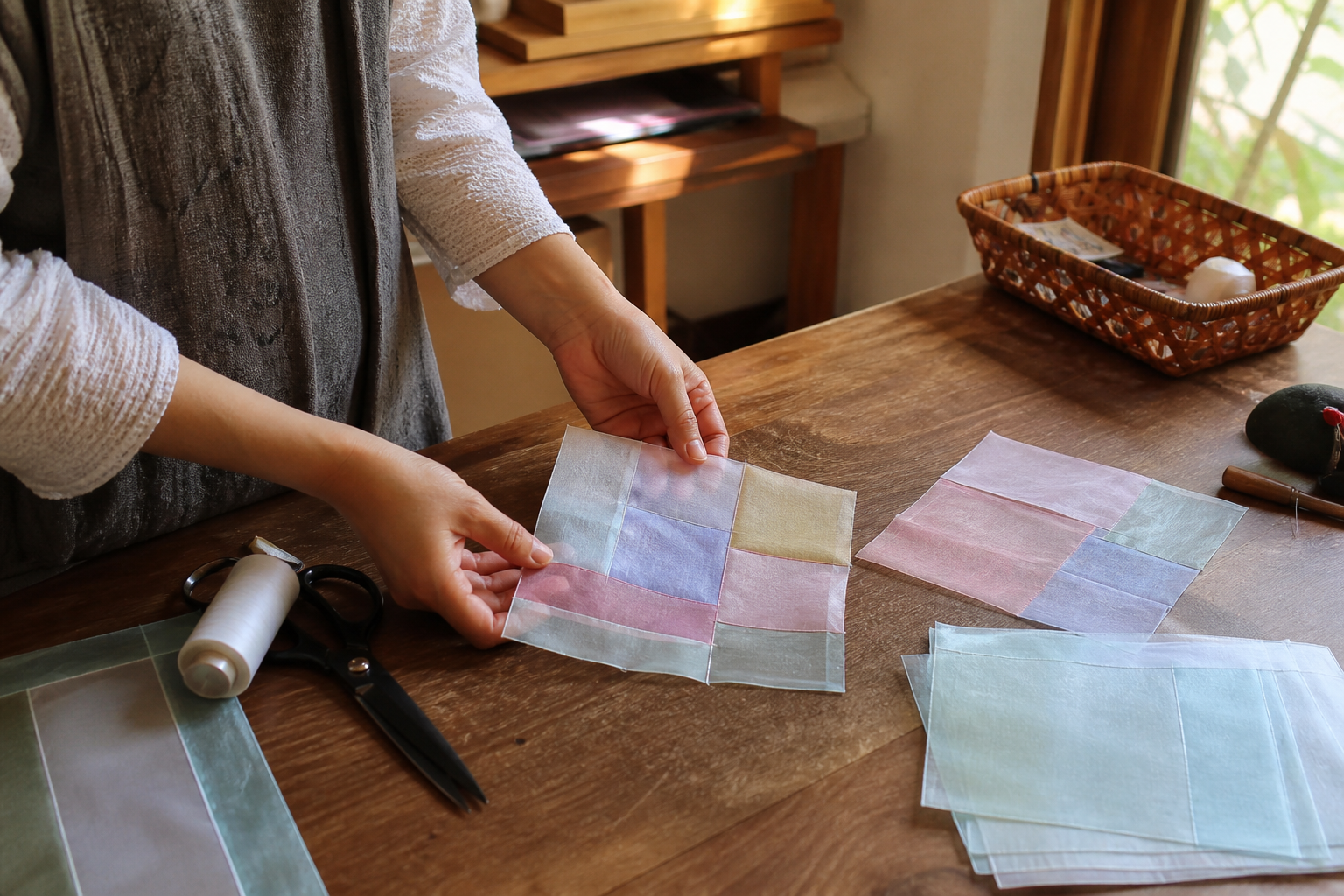
A bojagi (Korean: 보자기, sometimes shortened to 보; bo; po) is a traditional Korean wrapping cloth. Bojagi are typically square and can be made from a variety of materials, though silk or ramie are common. Embroidered bojagi are known as subo, while patchwork or scrap bojagi are known as jogakbo.

Read the brief
A natural AI-generated SEOULIAN editorial photograph illustrating Norigae

Norigae

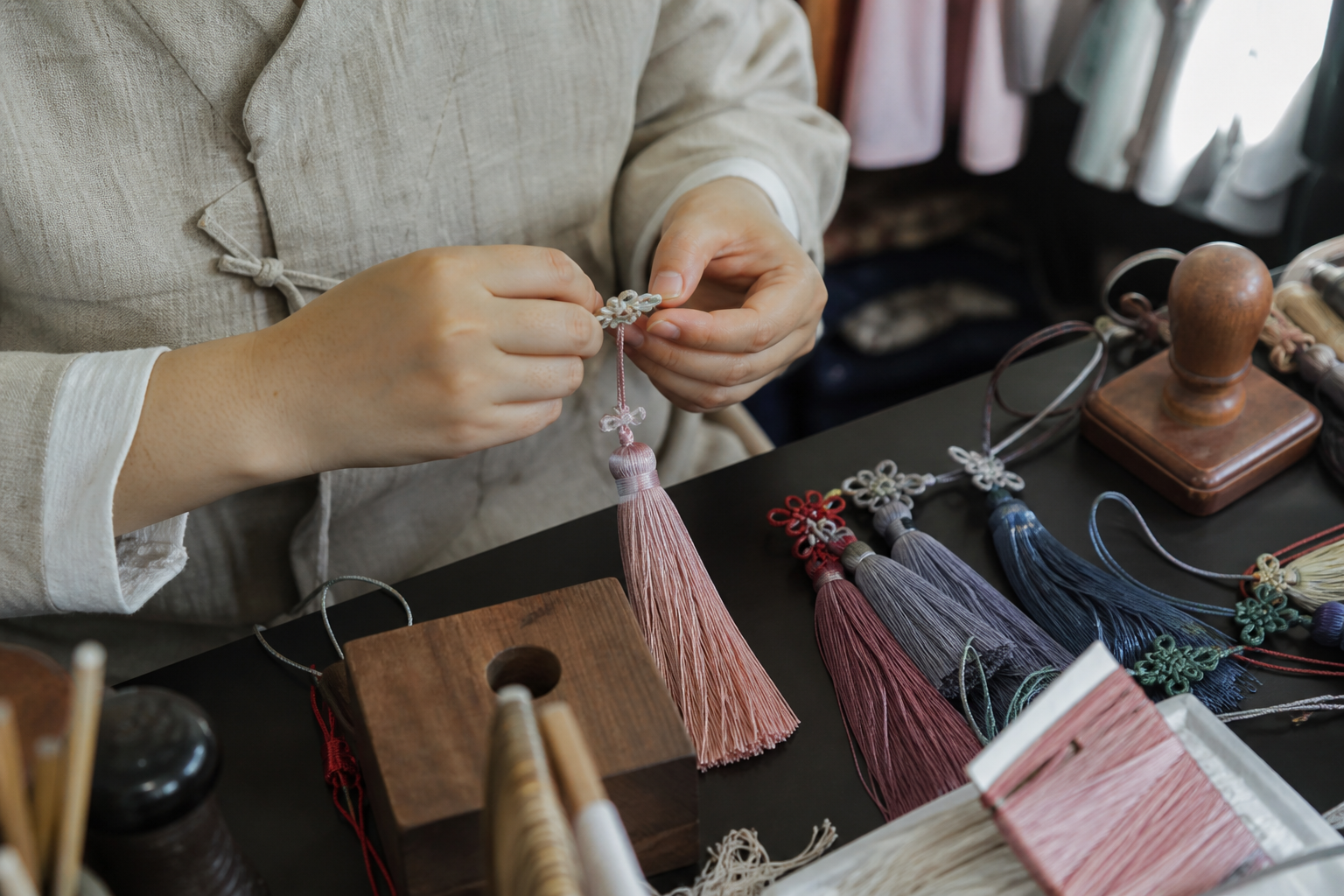
Norigae (Korean: 노리개) is a typical, traditional Korean accessory used in Hanbok, which can be hung on goreum (coat strings) of a woman's jeogori or on her chima. The norigae functions as a decorative pendant and is both a good-luck charm hoped to bring something such as eternal youth, wealth or many sons (depending on its shape), as well as a fashion…

Read the brief
A Wikimedia Commons image illustrating Korean pottery and porcelain

Korean pottery and porcelain

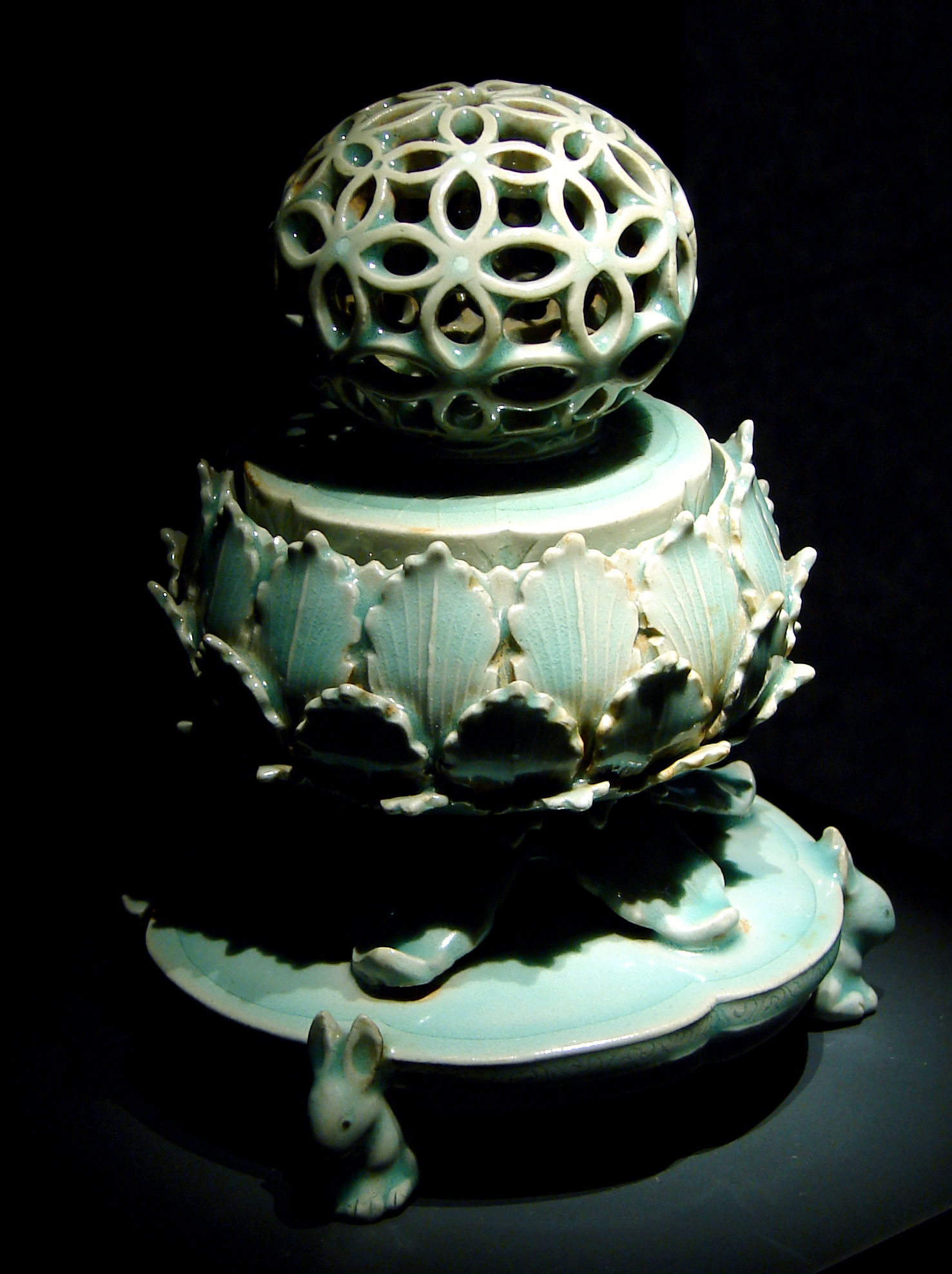
Korean ceramic history (도자기; dojagi) begins with the oldest earthenware from around 8000 BC. Throughout the history, the Korean peninsula has been home to lively, innovative, and sophisticated art making. Long periods of stability have allowed for the establishment of spiritual traditions, and artisan technologies specific to the region.

Read the brief
A Wikimedia Commons image illustrating Korean paper

Korean paper

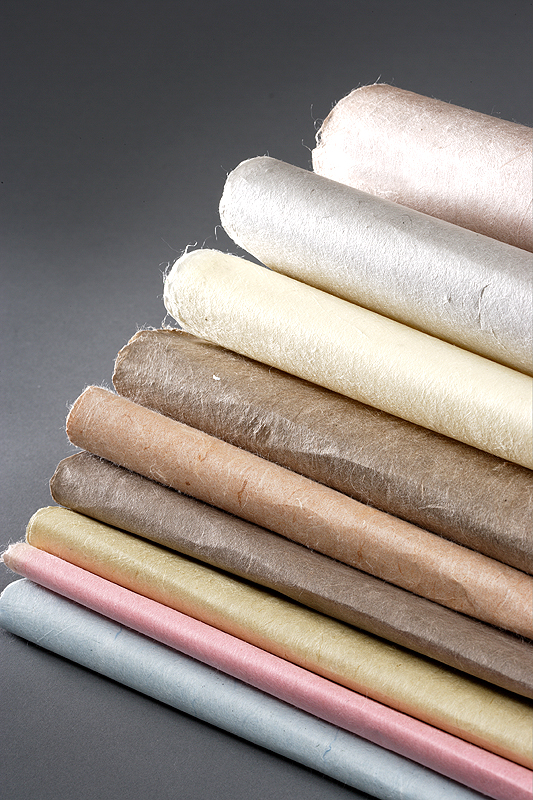
Korean paper or hanji (Korean: 한지) is traditional handmade paper from Korea. Hanji is made from the inner bark of the paper mulberry (Broussonetia papyrifera; 닥; dak), a tree native to Korea that grows well on its rocky mountainsides. Another crucial material used in its creation is the mucilage that oozes from the roots of Abelmoschus manihot.

Read the brief
A Wikimedia Commons image illustrating Minhwa

Minhwa

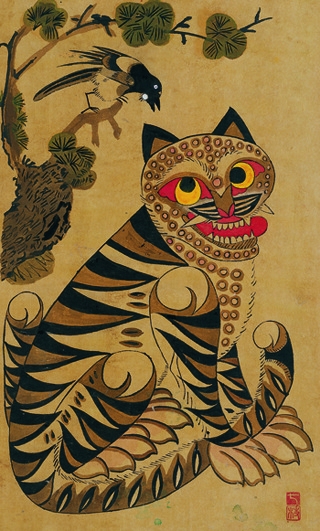
Minhwa (Korean: 민화; Hanja: 民畵) refers to Korean folk art produced mostly by itinerant or unknown artists without formal training, emulating contemporary trends in fine art for the purpose of everyday use or decoration. This type of painting was often the work of anonymous craftsmen who faithfully adhered to the styles, canons and genres inherited from the…

Read the brief
A natural AI-generated SEOULIAN editorial photograph illustrating Moon jar

Moon jar

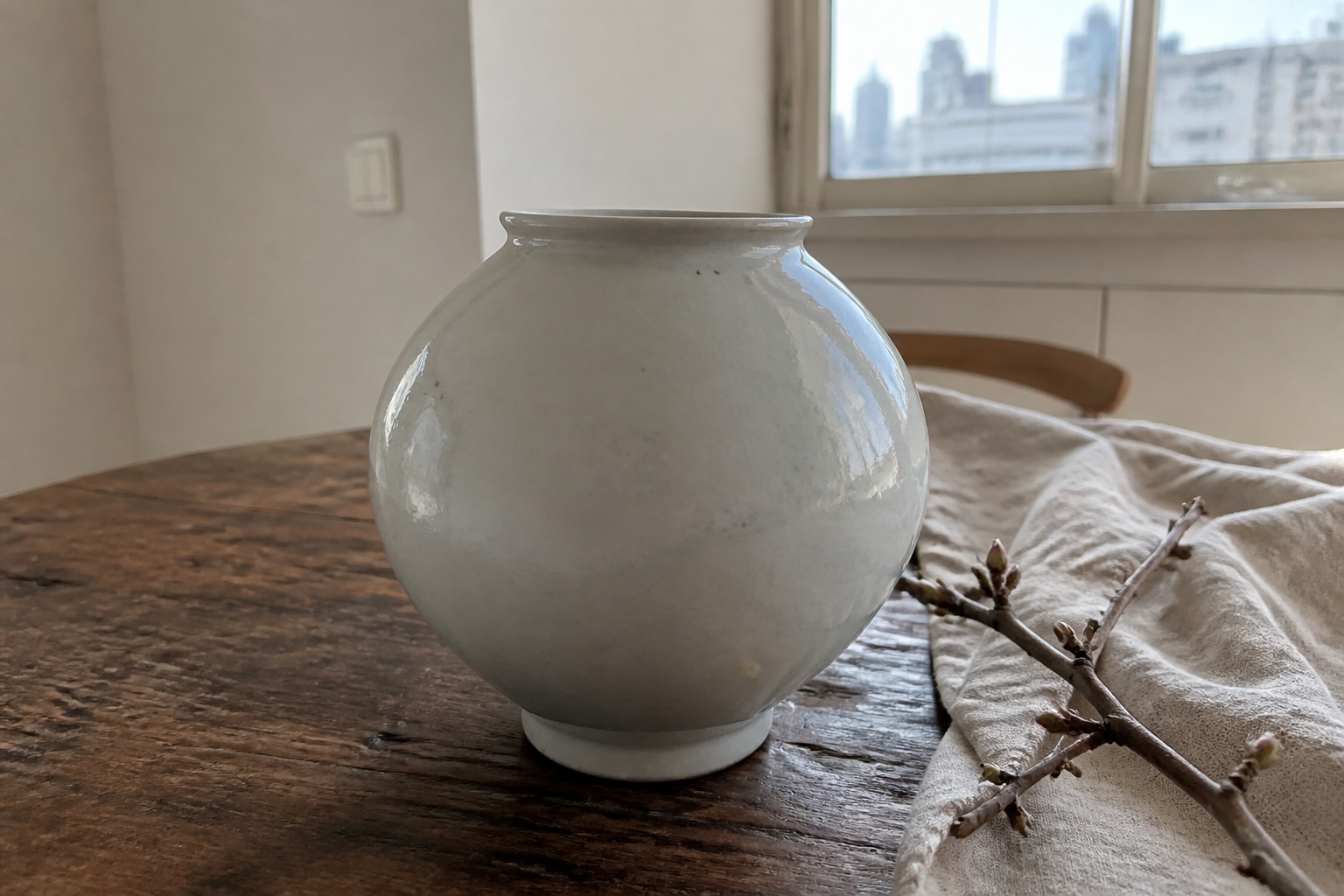
Moon jar is a type of traditional Korean white porcelain which was made during the Joseon dynasty (1392–1910). The Joseon white porcelain was adopted as imperial ware in the fifteenth century. Moon jars first appeared in the late seventeenth century and remained popular until the mid-eighteenth century.

Read the brief
A Wikimedia Commons image illustrating Chaekgeori

Chaekgeori

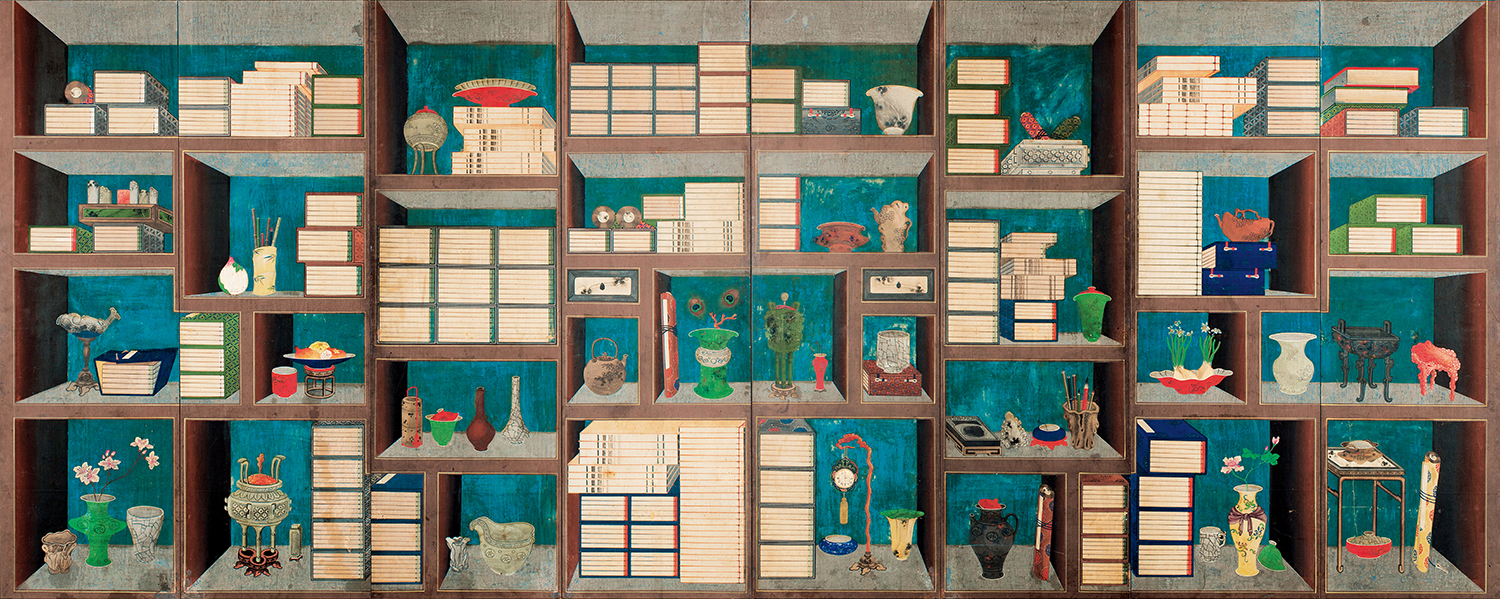
Chaekgeori (Korean: 책거리; Hanja: 冊巨里), translated as "books and things", is a genre of still-life painting from the Joseon period of Korea that features books as the dominant subject. The chaekgeori tradition flourished from the second half of the 18th century to the first half of the 20th century and was enjoyed by all members of the population, from the…

Read the brief
A natural AI-generated SEOULIAN editorial photograph illustrating Korean calligraphy

Korean calligraphy

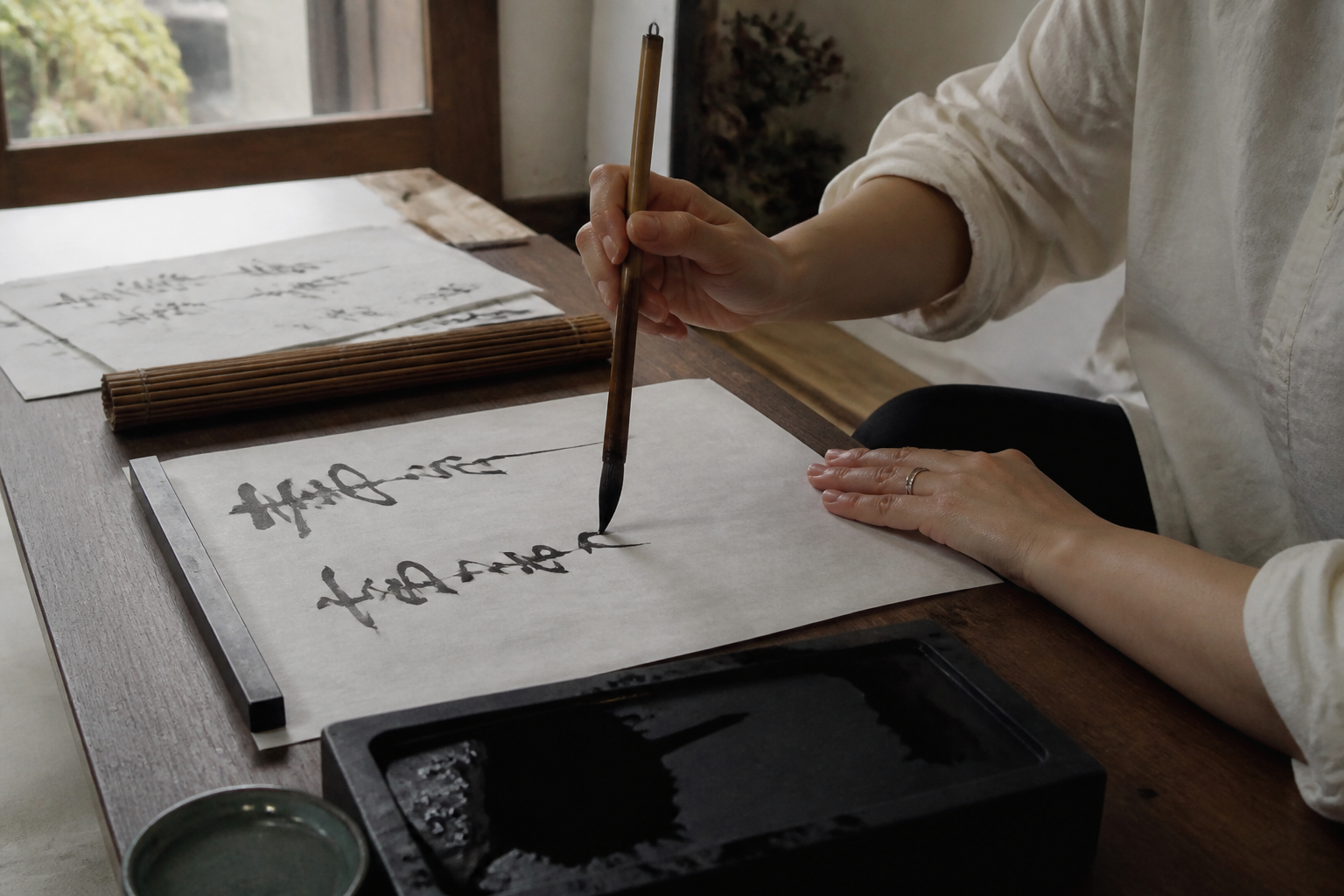
Korean calligraphy, also known as Seoye (Korean: 서예), is the Korean tradition of artistic writing. Calligraphy in Korean culture involves both Hanja (Chinese logograph) and Hangul (Korean native alphabet). Early Korean calligraphy was exclusively in Hanja, or the Chinese-based logography first used to write the Korean language.

Read the brief
A natural AI-generated SEOULIAN editorial photograph illustrating Korean painting

Korean painting

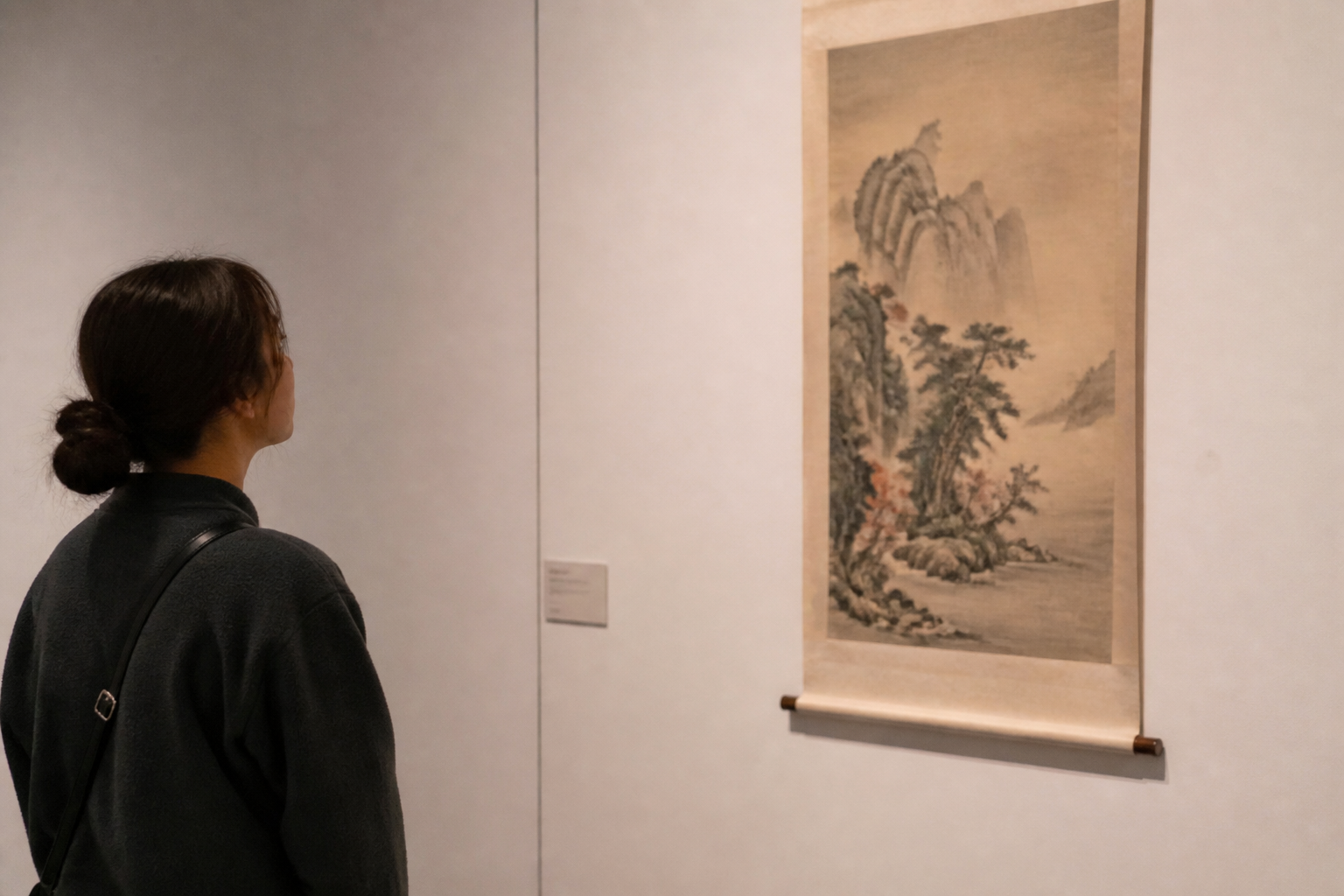
Korean painting (Korean: 한국화) includes paintings made in Korea or by overseas Koreans on all surfaces. The earliest surviving Korean paintings are murals in the Goguryeo tombs, of which considerable numbers survive, the oldest from some 2,000 years ago (mostly now in North Korea), with varied scenes including dancers, hunting and spirits.

Read the brief
A natural AI-generated SEOULIAN editorial photograph illustrating Korean garden

Korean garden

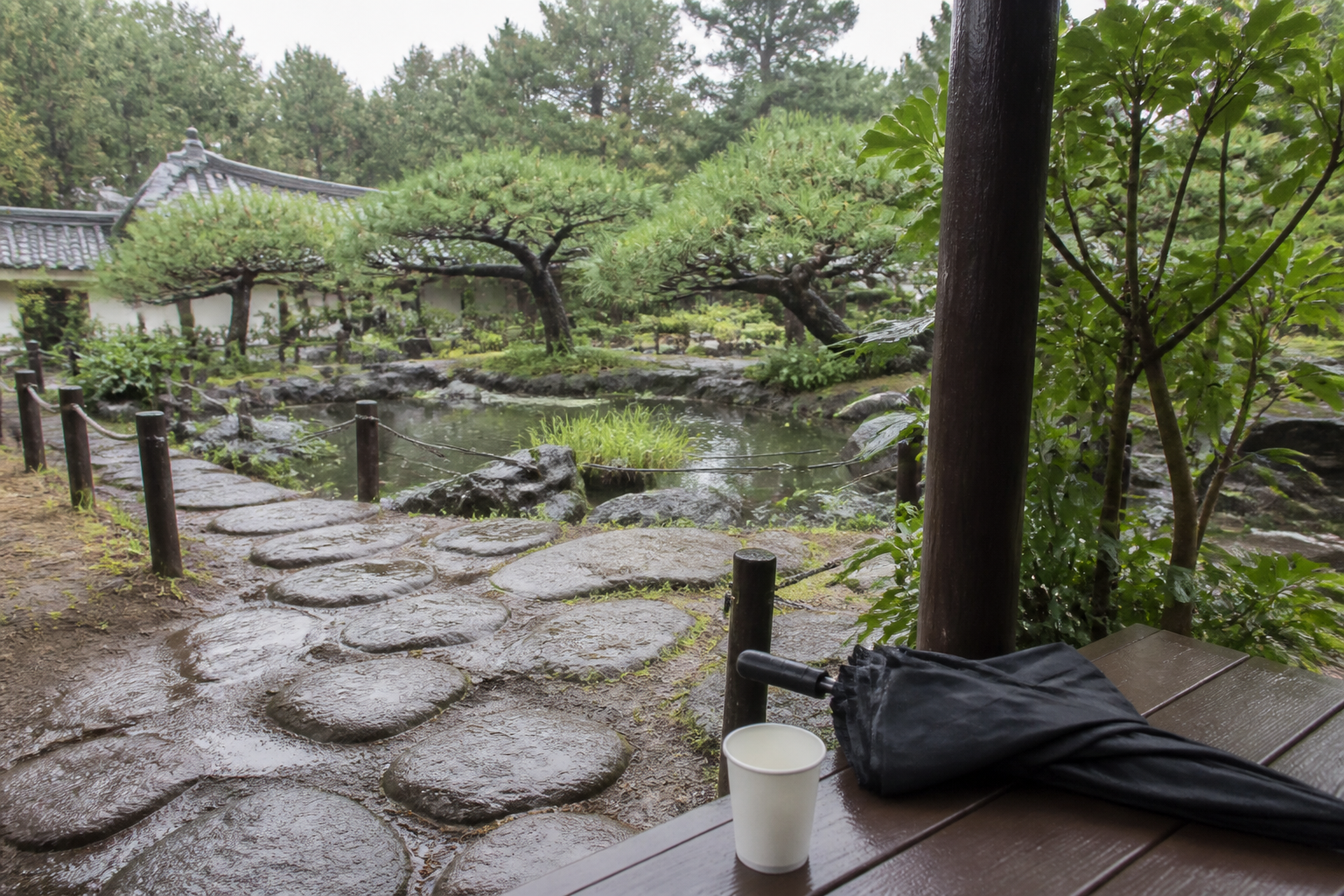
Korean gardens are a type of garden described as being natural, informal, simple and unforced, seeking to merge with the natural world. They have a history that goes back more than two thousand years, but are little known in the west.

Read the brief
A natural AI-generated SEOULIAN editorial photograph illustrating Korean folklore

Korean folklore

Stories and practices that are considered part of Korean folklore go back several thousand years. These tales derive from a variety of origins, including Korean Shamanism, Confucianism, Buddhism, and more recently Christianity. Many folk traditions developed in rural areas such as villages.

Read the brief
A natural AI-generated SEOULIAN editorial photograph illustrating Korean architecture

Korean architecture

Korean architecture (Korean: 한국건축) refers to an architectural style that developed over centuries in Korea. Throughout the history of Korea, various kingdoms and royal dynasties have developed a unique style of architecture with influences from Buddhism and Korean Confucianism. Traditional Korean architecture can be mostly recognized by its sloping roofs.

Read the brief
A natural AI-generated SEOULIAN editorial photograph illustrating Korean shamanism

Korean shamanism

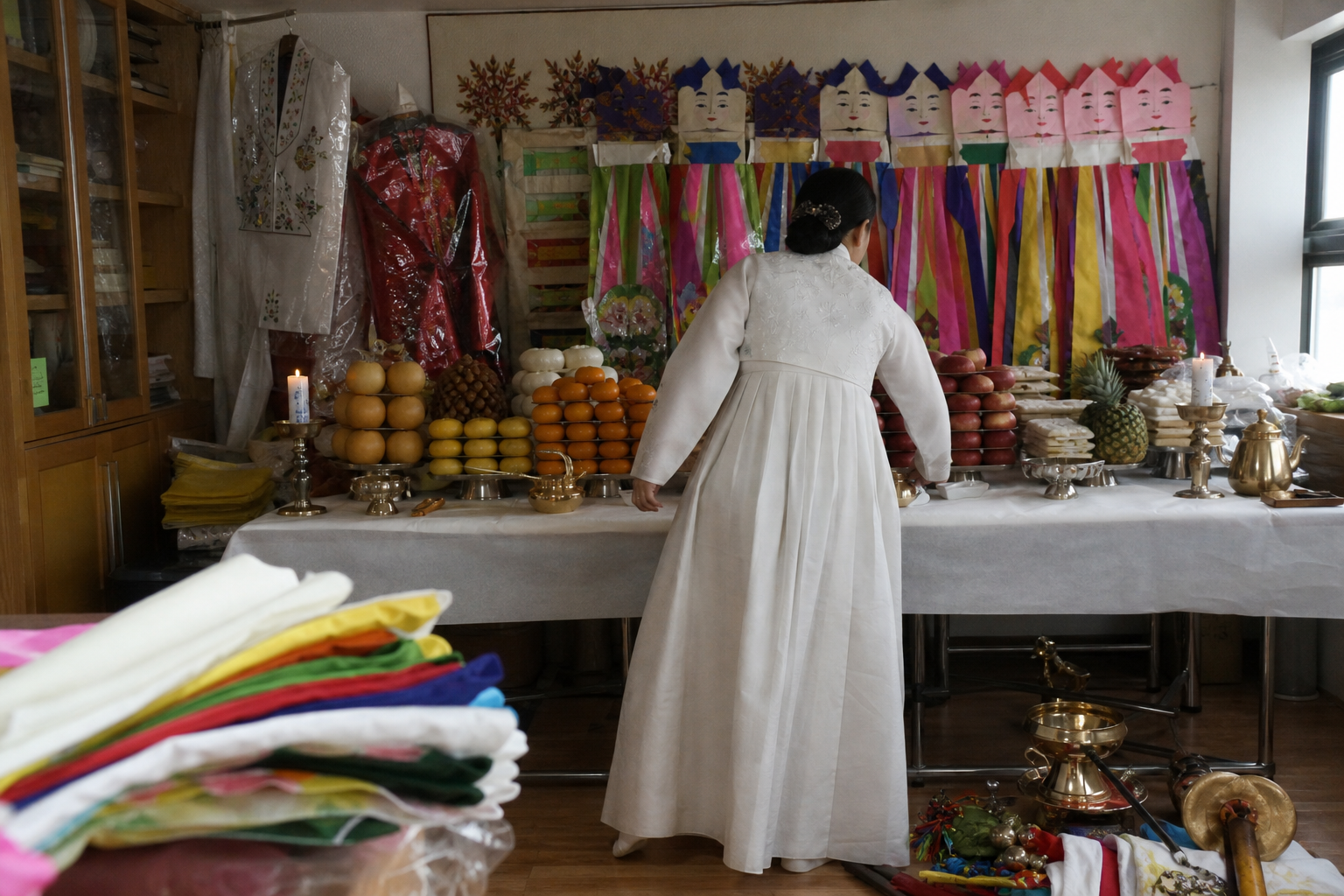
Korean shamanism, also known as Musok (Korean: 무속; Hanja: 巫俗), is a religion from Korea. Scholars of religion classify it as a folk religion and sometimes regard it as one facet of a broader Korean vernacular religion distinct from Buddhism, Daoism, and Neo-Confucianism.

Read the brief
A Wikimedia Commons image illustrating Korean mythology

Korean mythology

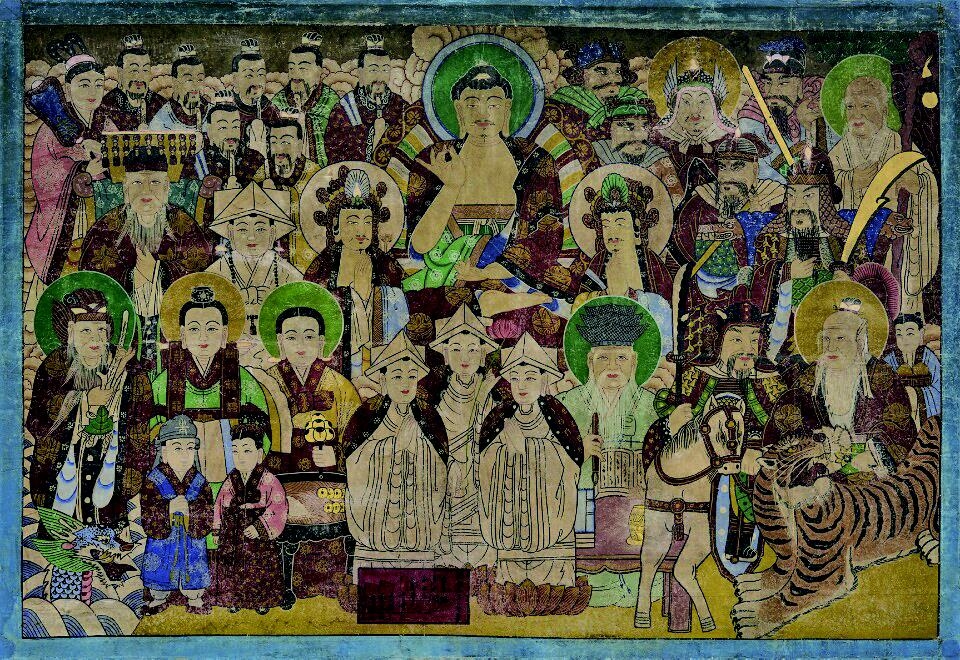
Korean mythology (Korean: 한국 신화; Hanja: 韓國神話) is the group of myths told by historical and modern Koreans. There are two types: the written, literary mythology in traditional histories, mostly about the founding monarchs of various historical kingdoms, and the much larger and more diverse oral mythology, mostly narratives sung by shamans or priestesses…

Read the brief
A Wikimedia Commons image illustrating Korean Buddhism

Korean Buddhism

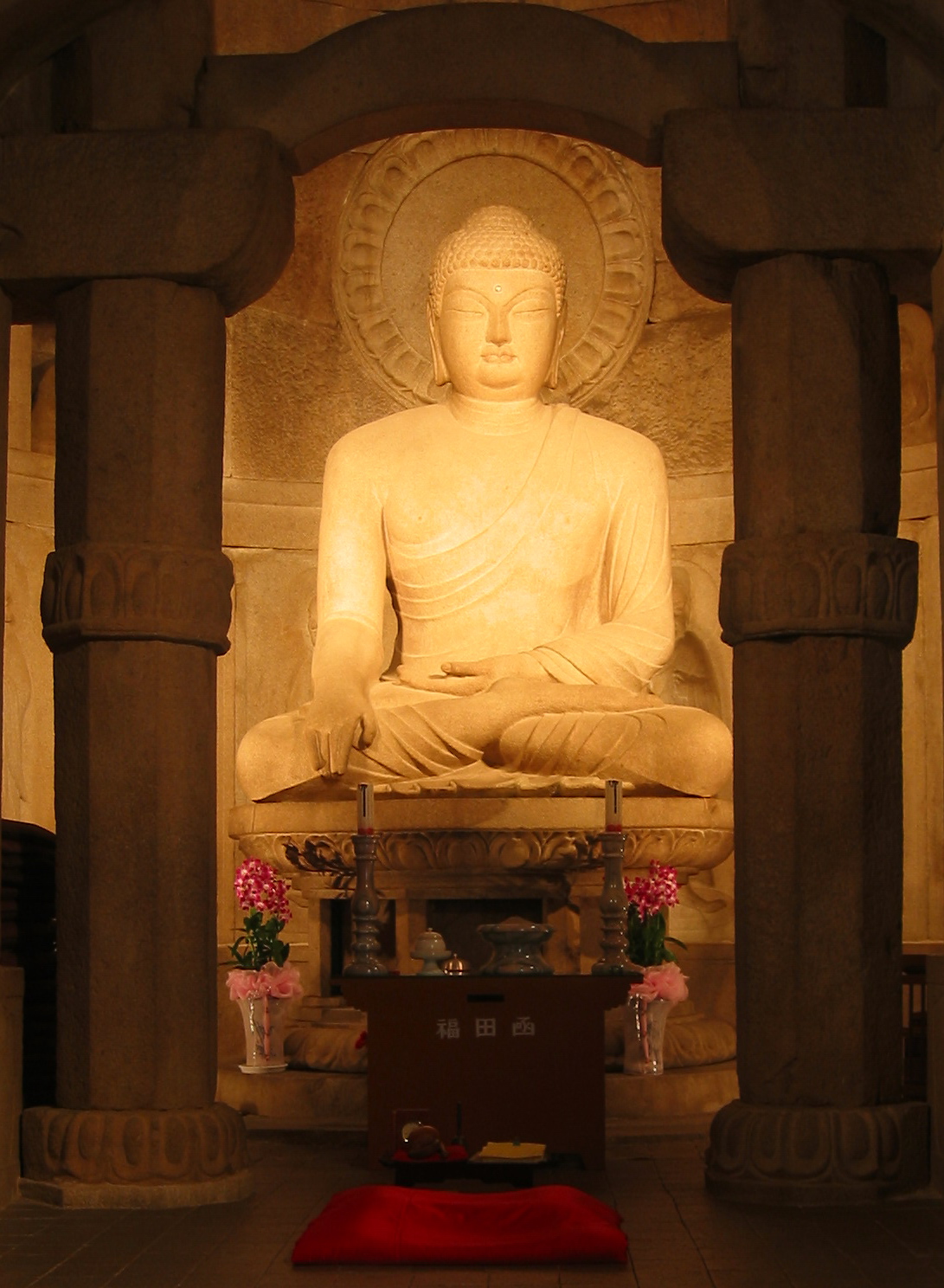
Korean Buddhism began in the 4th century CE during the Three Kingdoms Period. Centuries after Buddhism originated in India, the Mahayana tradition arrived in China through the Silk Road in the 1st century CE, then entered the Korean peninsula in the 4th century, from where it was transmitted to Japan.

Read the brief
A natural AI-generated SEOULIAN editorial photograph illustrating Korean tea ceremony

Korean tea ceremony

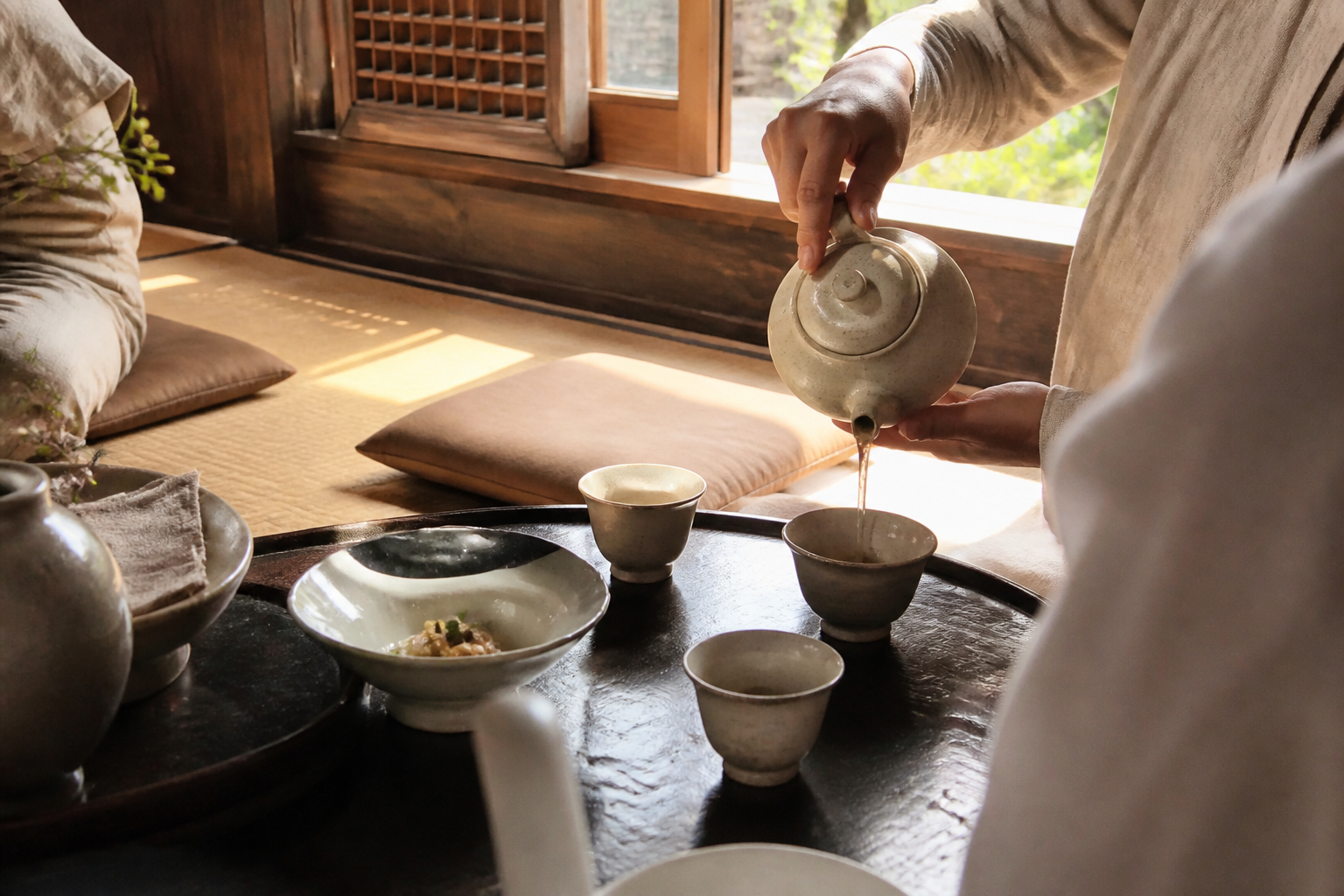
Korean tea ceremonies (Korean: 다례) are variants of tea ceremonies practiced in Korea. Darye literally refers to "etiquette for tea" or "tea rite", and has been kept among Korean people for over a thousand years. Although records exist of court tea ceremonies during the Goryeo and early Joseon dynasties, by the time of Seonjo (1590s), it had ceased to be…

Read the brief
A Wikimedia Commons image illustrating Pansori

Pansori

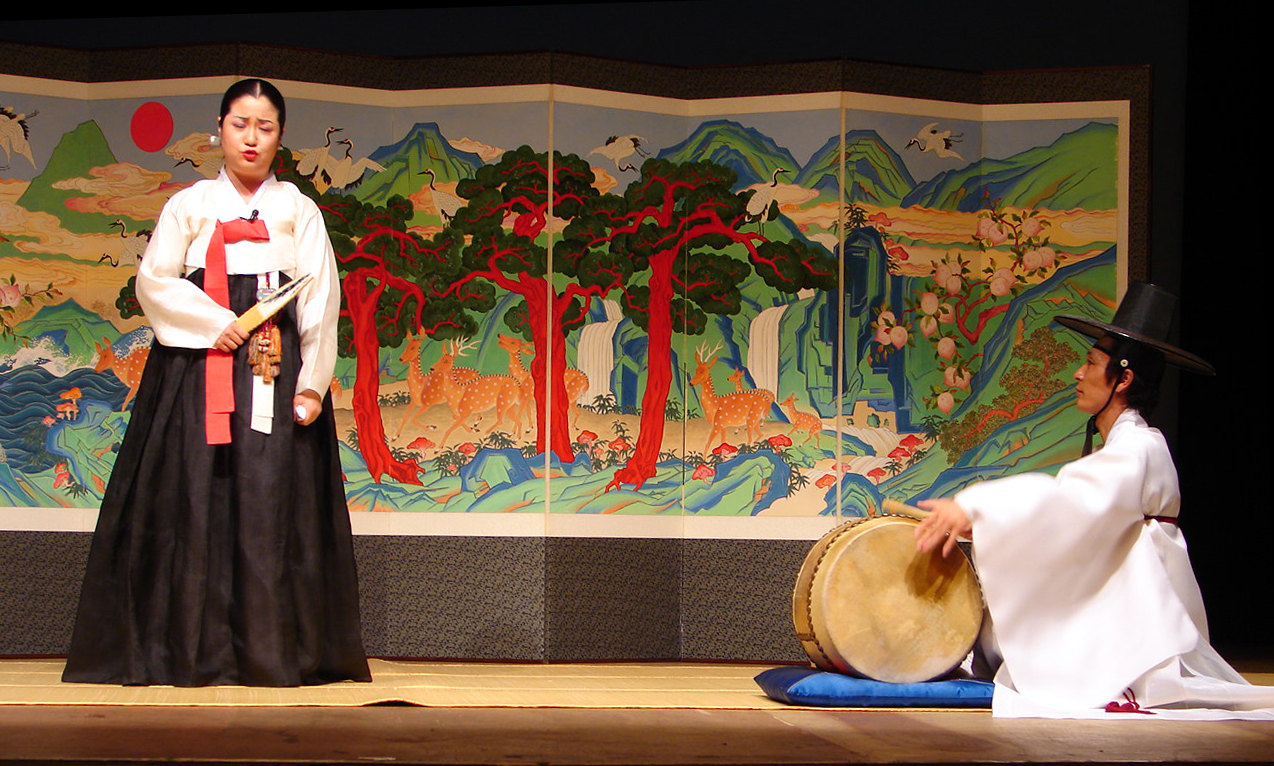
Pansori (Korean: 판소리) is a Korean genre of musical storytelling performed by a singer and a drummer. The term pansori is a compounds of the Korean words pan 판 and sori 소리, the latter of which means "sound." However, pan has multiple meanings, and scholars disagree on which was the intended meaning when the term was coined.

Read the brief
A Wikimedia Commons image illustrating Templestay

Templestay

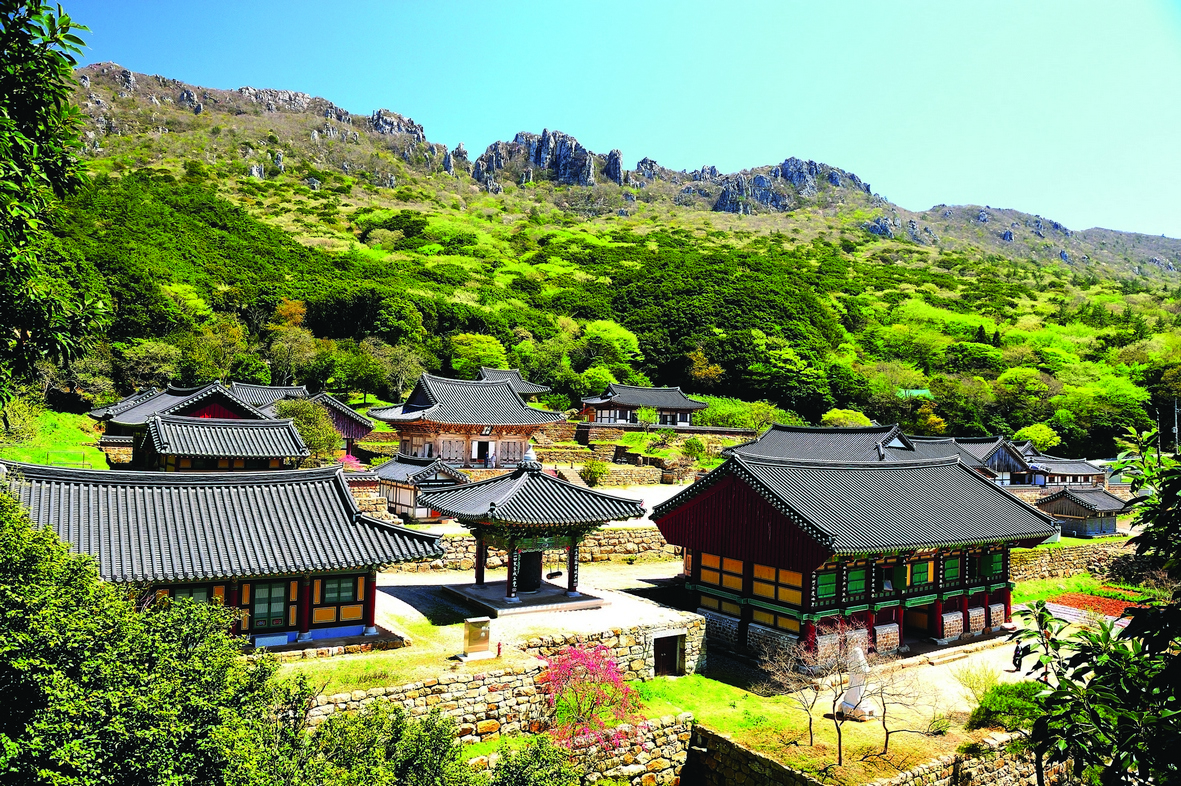
Templestay (Korean: 템플스테이) is a cultural program offered in numerous South Korean Buddhist temples. Templestay allows participants to experience the life of Buddhist practitioners and learn the various aspects of Korean Buddhist culture and history through stories told by monks.

Read the brief
A natural AI-generated SEOULIAN editorial photograph illustrating Arirang

Arirang

"Arirang" (Korean: 아리랑; pronounced [a.ɾi.ɾaŋ]) is a Korean folk song. There are about 3,600 variations of 60 different versions of the song, all of which include a refrain similar to "arirang, arirang, arariyo" ("아리랑, 아리랑, 아라리요"). It is estimated that the song is more than 600 years old.

Read the brief