HISTORY · Prehistory to 935
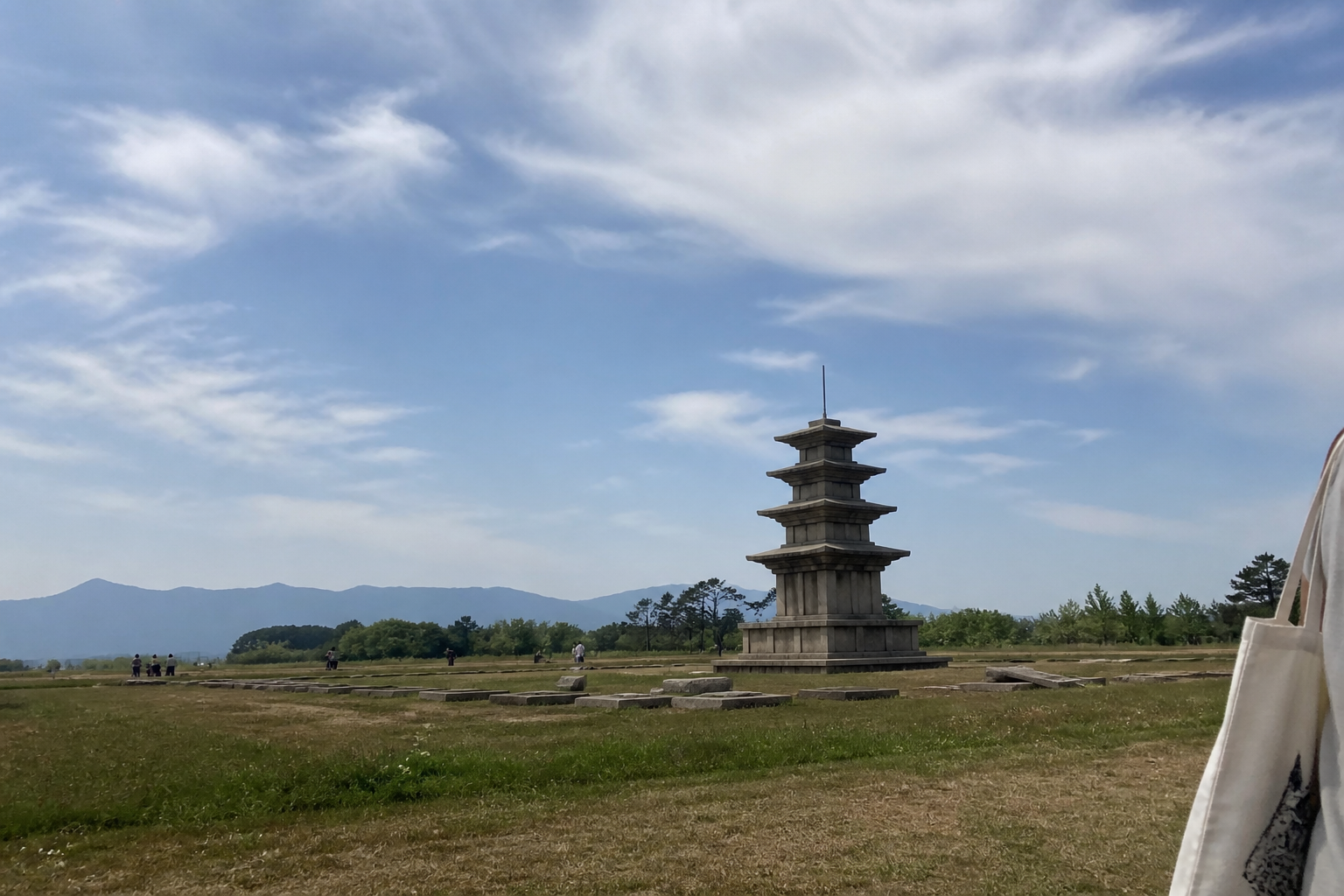
Mireuksa (Korean: 미륵사; Hanja: 彌勒寺) was the largest Buddhist temple in the ancient Korean kingdom of Baekje. The temple was established in 602 by King Mu and is located 36.012083 N, 127.031028 E, modern Iksan, North Jeolla Province, South Korea. The site was excavated in 1980, disclosing many hitherto unknown facts about Baekje architecture.
Read the brief →
FOOD · Everyday and ceremonial food
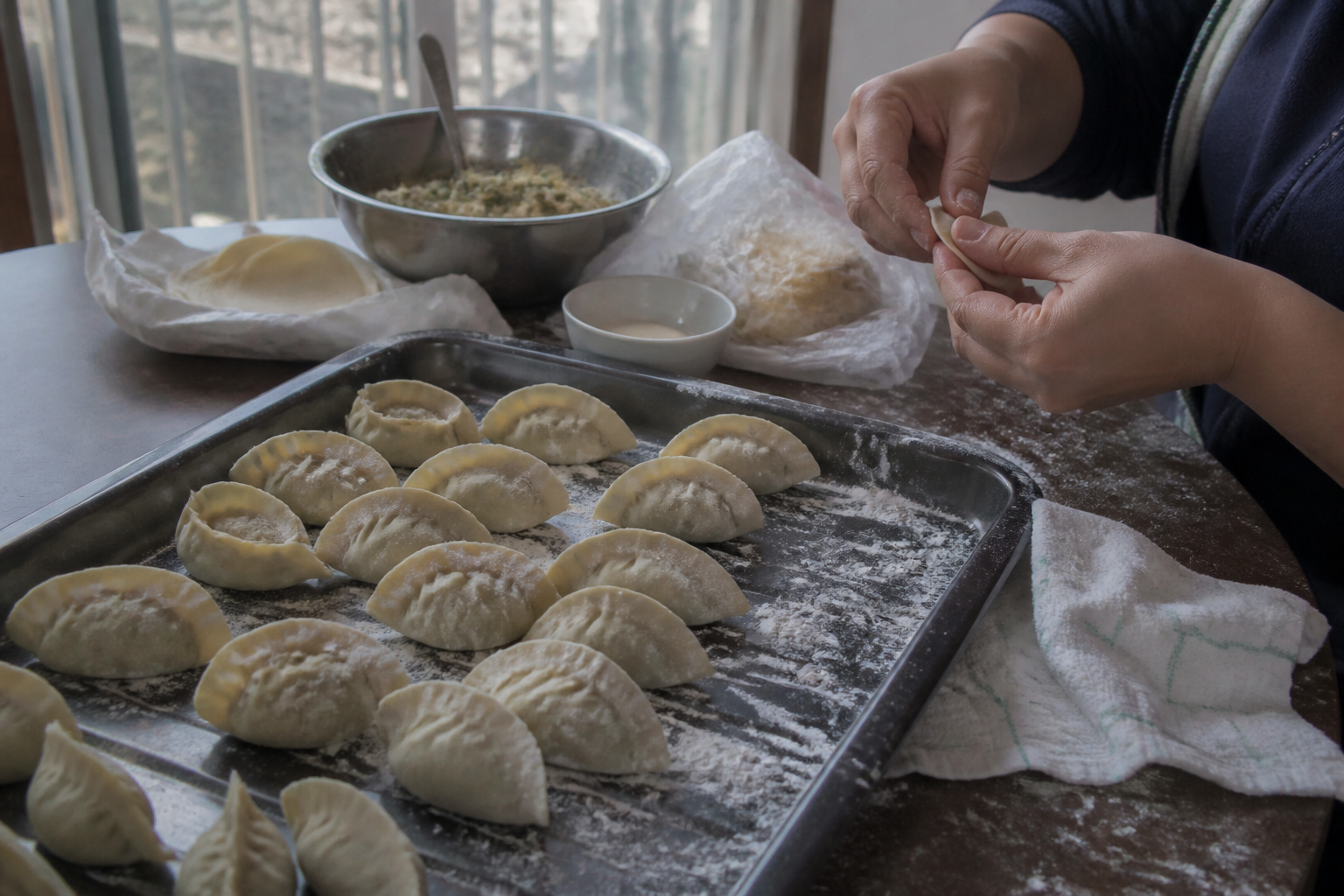
Mandu (Korean: 만두), or mandoo, are dumplings in Korean cuisine. Mandu can be steamed, boiled, pan-fried, or deep-fried. The styles also vary across regions in the Korean Peninsula. Mandu were long part of Korean royal court cuisine, but are now found in supermarkets, restaurants, and snack places such as pojangmacha and bunsikjip throughout South Korea.
Read the brief →
CITY · Seoul across time
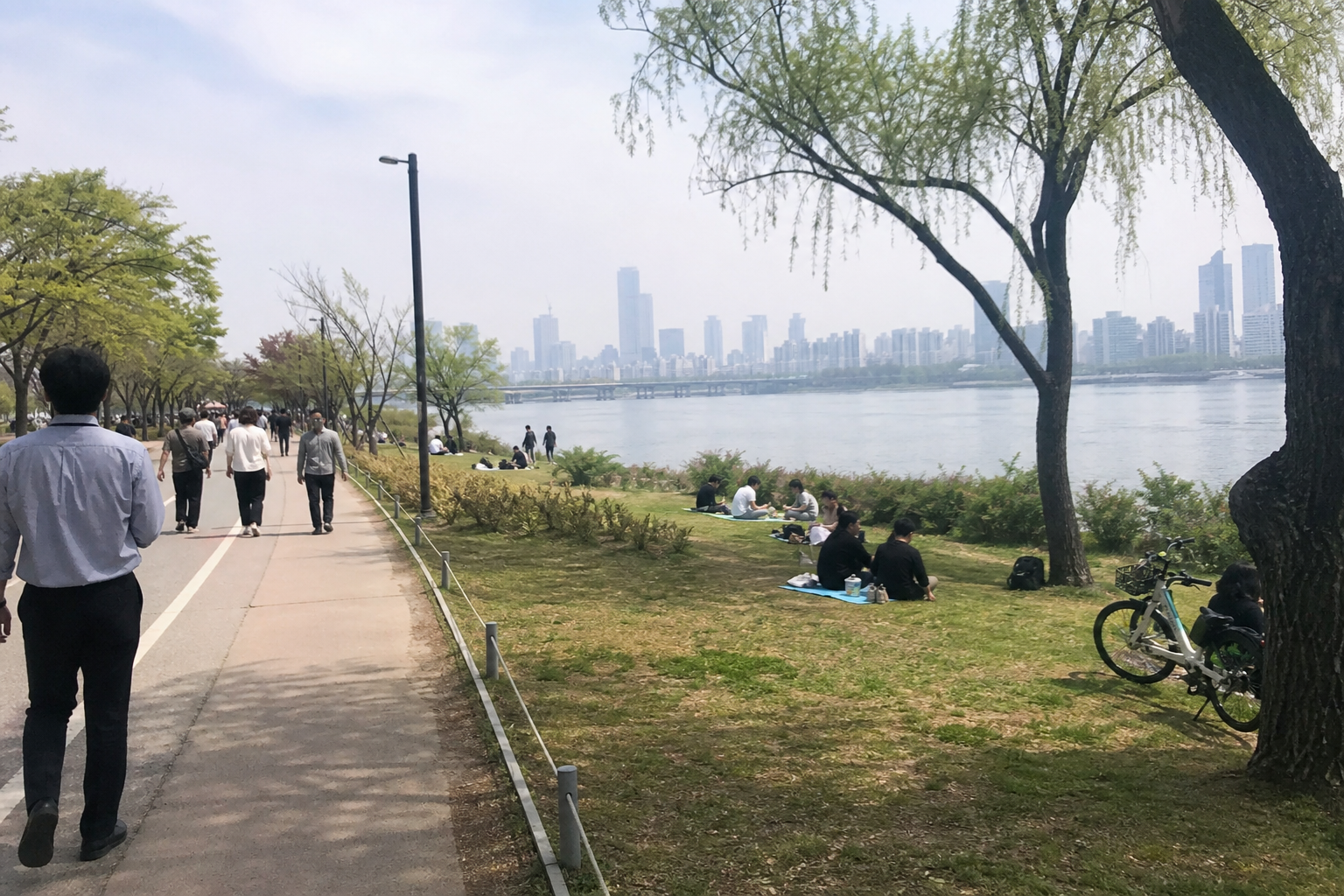
Yeouido (Korean: 여의도; lit. 'Yeoui Island'), also Yoido, is a river island on the Han River in Seoul, South Korea. It is Seoul's main finance, media, and investment banking district. It is 8.4 square kilometres (3.2 mi2) large and has a population of 32,674 as of August 2023.
Read the brief →
PLACES · Landscapes and regions
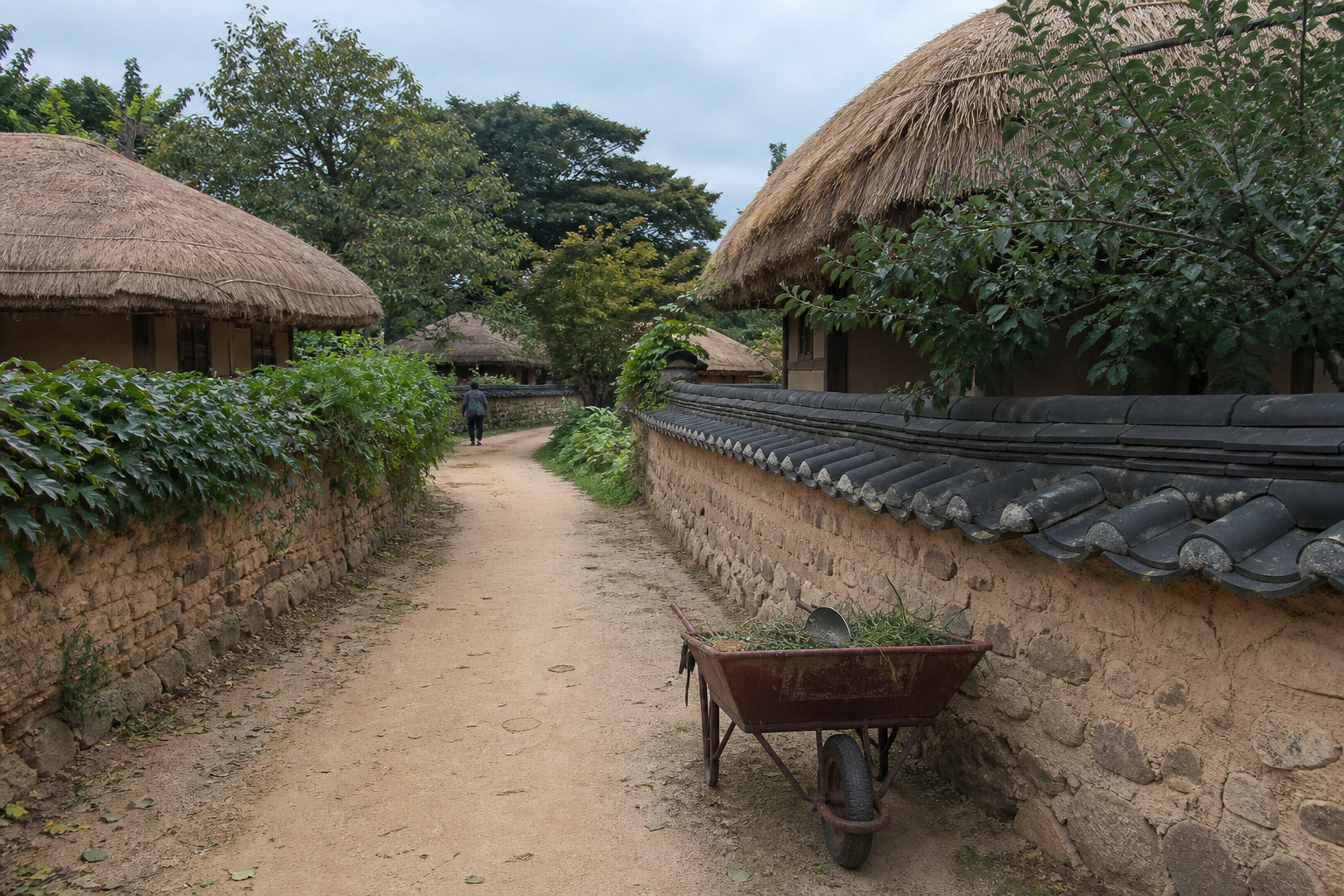
The Hahoe Folk Village (Korean: 안동 하회마을) is a traditional village from the Joseon Dynasty, located in Andong, North Gyeongsang Province, South Korea. The 'Ha' is short for river and 'hoe' means to 'turn around, return, come back.
Read the brief →
PLACES · Landscapes and regions
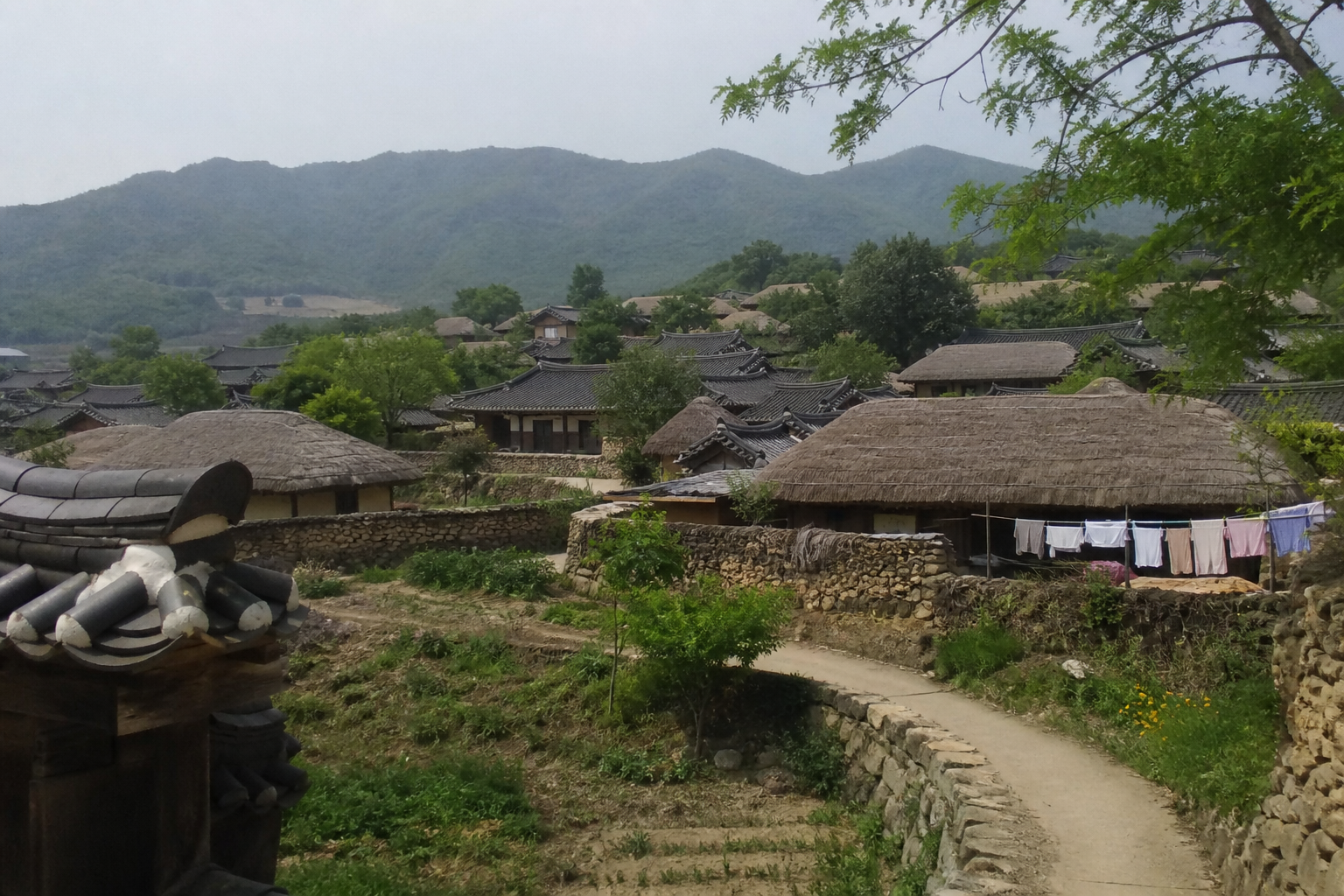
Yangdong Folk Village (Korean: 경주 양동마을) is a traditional yangban (upper class) Korean folk village that dates to the Joseon period. The village is located in Gangdong-myeon, sixteen kilometers northeast of Gyeongju, South Korea, along the Hyeongsan River. Mt. Seolchang stands to the north of the village.
Read the brief →
CITY · Seoul across time
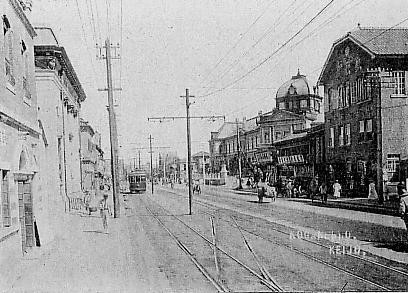
Euljiro (Korean: 을지로) is an avenue in Seoul named after Ŭlchi Mundŏk, the general who saved Korea from the invading Sui dynasty of China. During the period of Japanese rule, the street was known as Kogane-Cho (황금정; 黄金町). Euljiro starts at 97-3 Sogong-dong, Jung-gu, Seoul (서울 중구 소공동), and reaches 224-2, Sindang-dong, Jung-gu (중구 신당동), and is the name of…
Read the brief →
FOOD · Everyday and ceremonial food
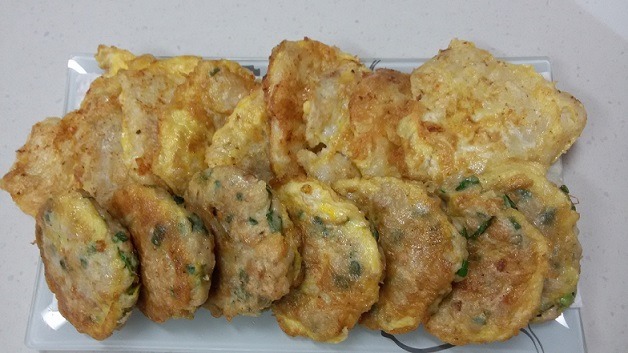
Jeon (Korean: 전) is a fritter in Korean cuisine made by seasoning whole, sliced, or minced fish, meat, vegetables, and other ingredients, and coating them with wheat flour and egg wash before frying them in oil. Jeon can be served as an appetizer, a banchan (side dish), or an anju (food served and eaten with drinks).
Read the brief →
CITY · Seoul across time
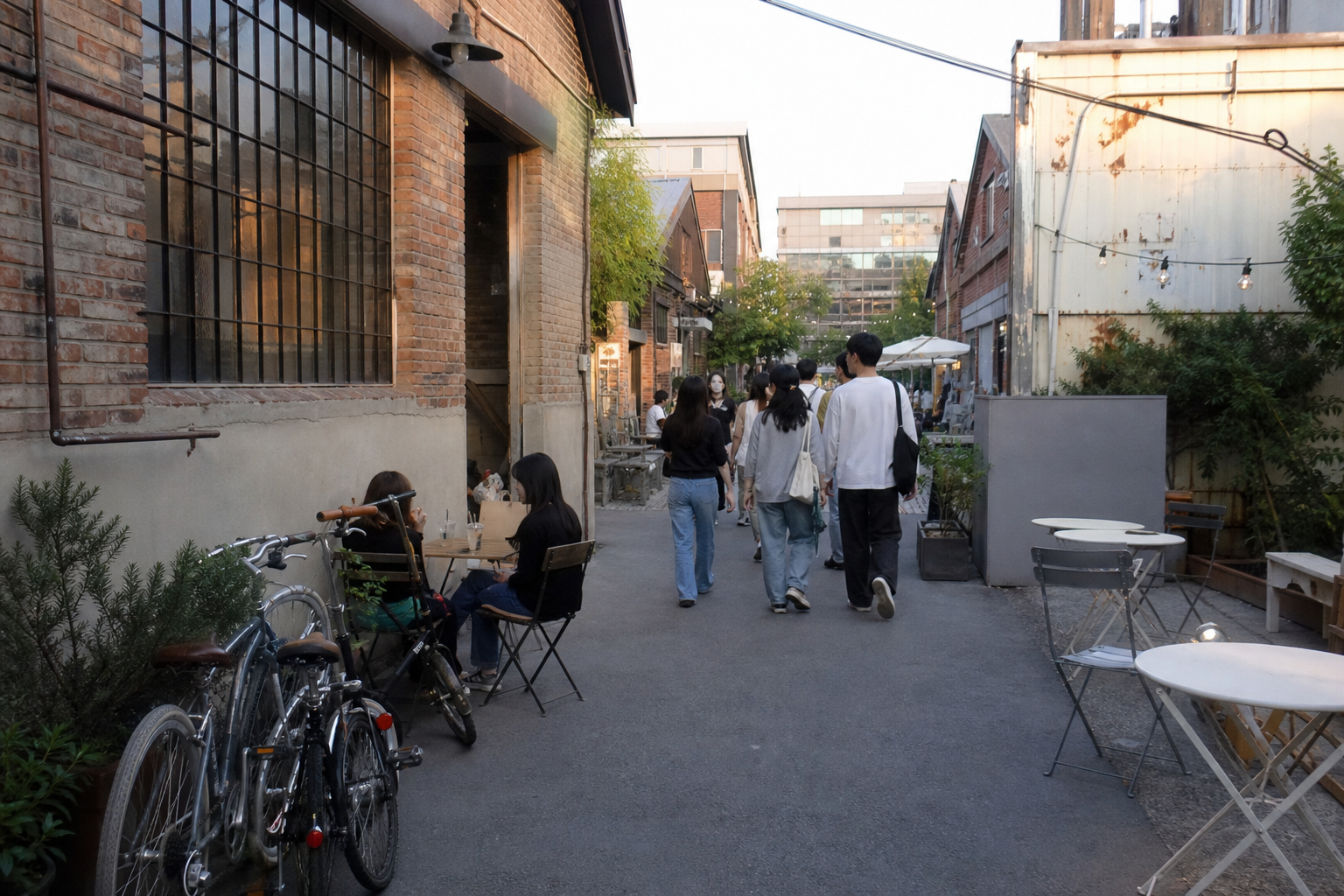
Seongsu-dong (Korean: 성수동) is a dong, or neighbourhood, of Seongdong District, Seoul, South Korea. It is further subdivided into Seongsu-dong 1-ga and Seongsu-dong 2-ga, and is served by Ttukseom Station and Seongsu Station on Seoul Subway Line 2 and by Seoul Forest Station on the Suin-Bundang Line. Its most notable attraction is Seoul Forest, a public park.
Read the brief →