CITY · Seoul across time
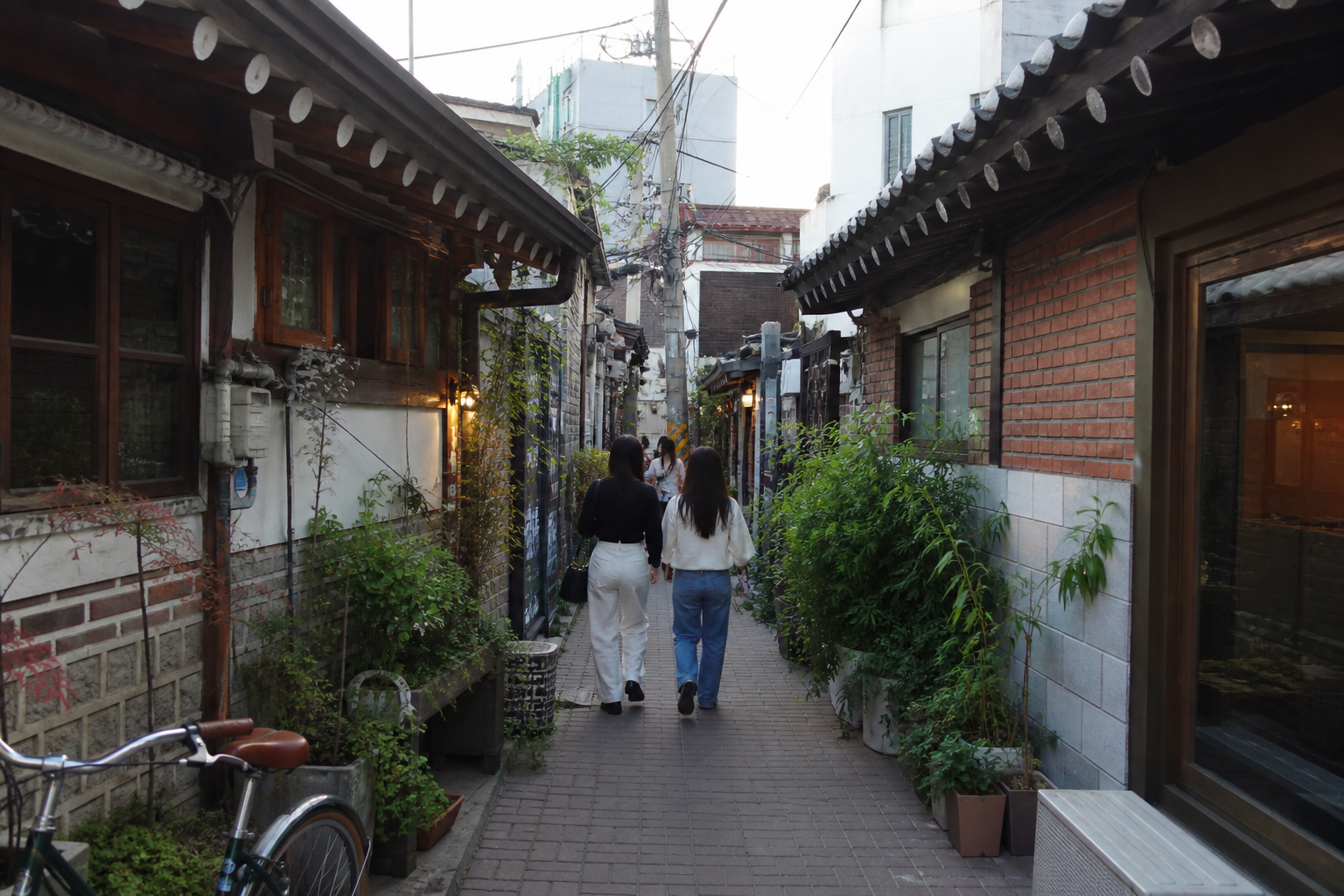
Ikseon-dong (益善洞) is a legal-status dong located in the center of Jongno 1·2·3·4-ga-dong, Jongno-gu, Seoul. It borders Unni-dong to the north, Donui-dong to the south, Nagwon-dong to the west, and Yaryong-dong and Myo-dong to the east. Transportation is convenient thanks to the nearby Samil-daero and Donhwamun-ro, and Jongno 3-ga station on the subway.
Read the brief →
HISTORY · Prehistory to 935
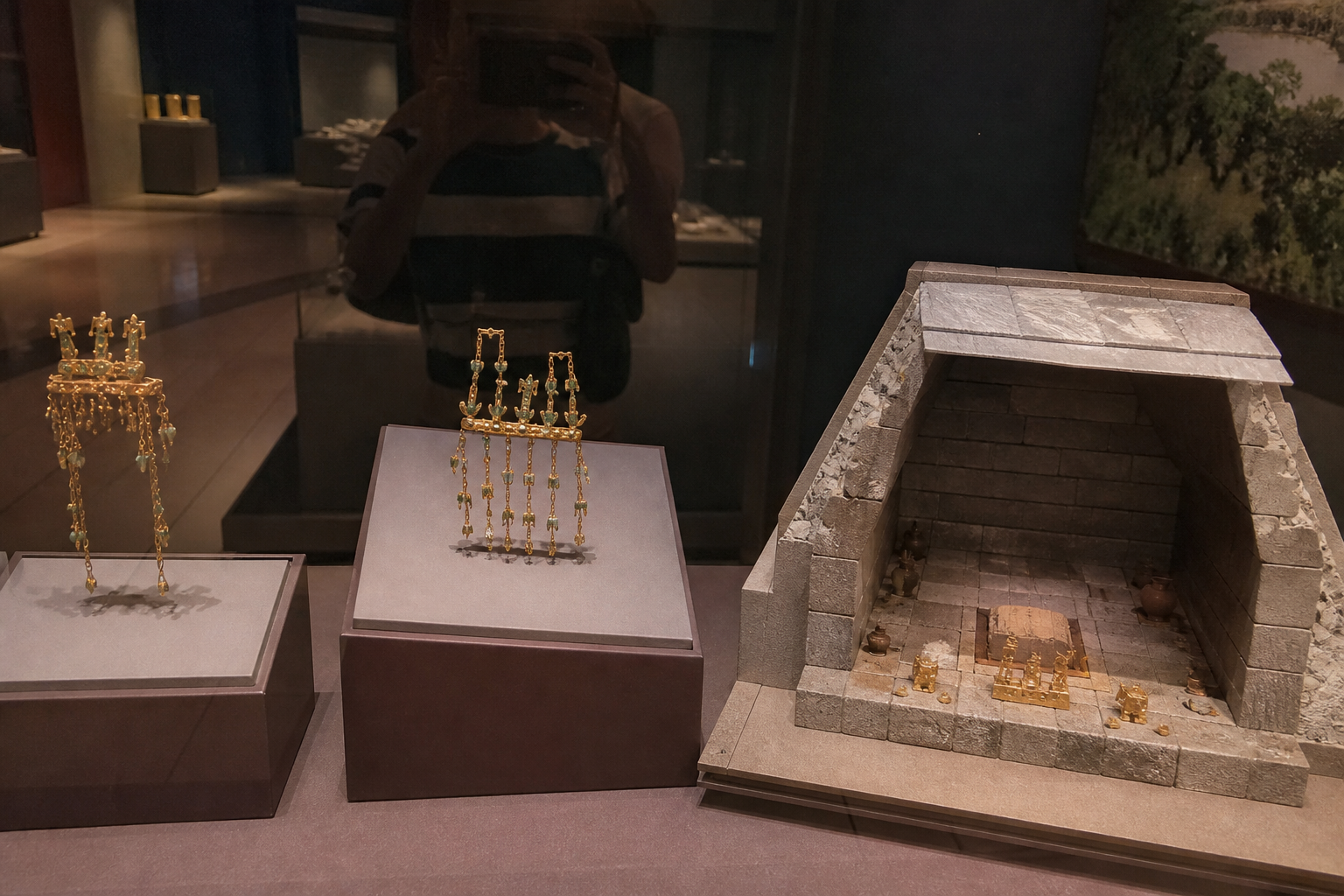
Muryeong (461/462–523) was the 25th king of Baekje, one of the Three Kingdoms of Korea, reigning from 501 to 523. During his reign, Baekje remained allied with Silla against Goguryeo, and expanded its relationships with China and Japan. According to Samguk sagi, his height was recorded as 8 feet (190 cm).
Read the brief →
CULTURE · Living heritage
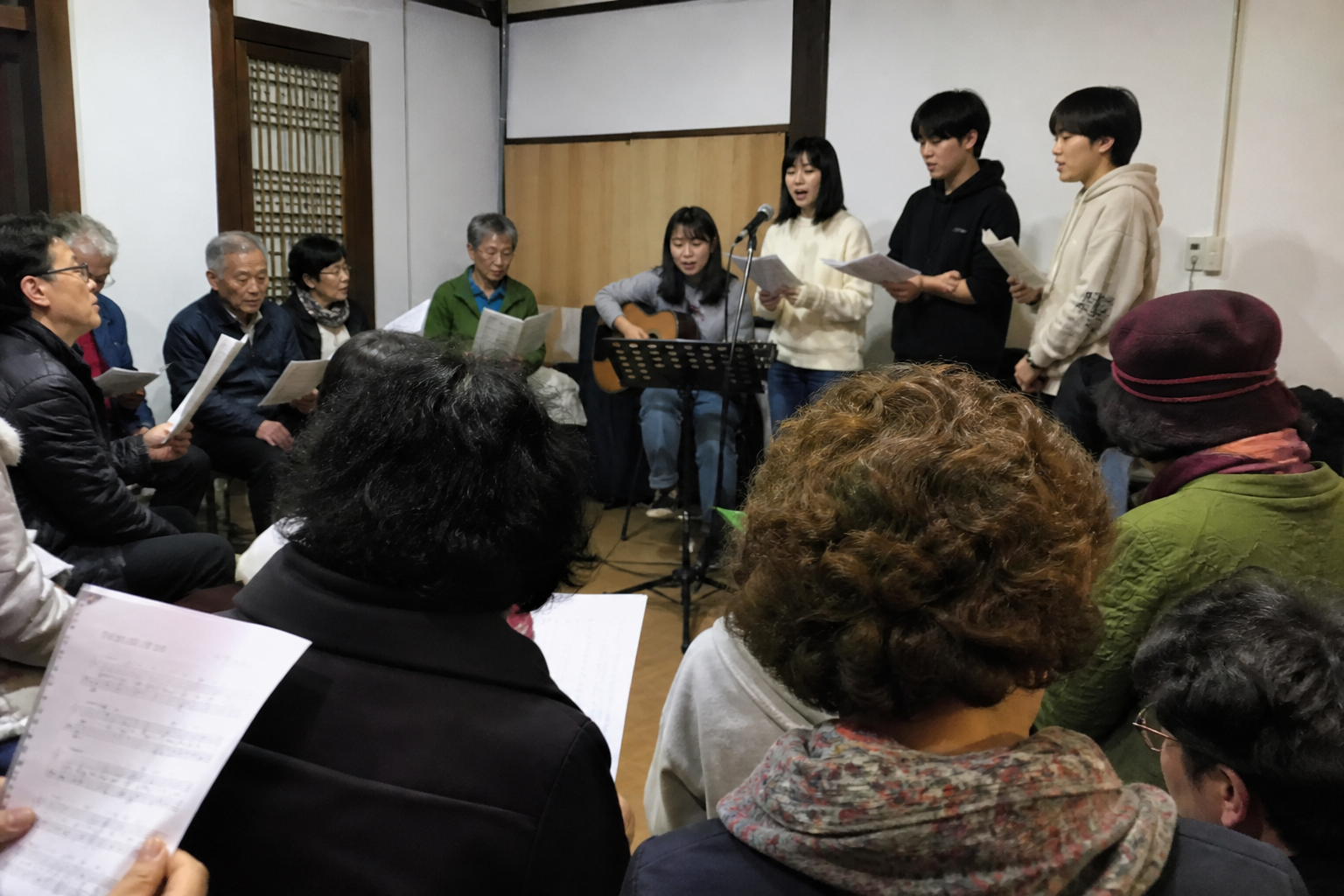
"Arirang" (Korean: 아리랑; pronounced [a.ɾi.ɾaŋ]) is a Korean folk song. There are about 3,600 variations of 60 different versions of the song, all of which include a refrain similar to "arirang, arirang, arariyo" ("아리랑, 아리랑, 아라리요"). It is estimated that the song is more than 600 years old.
Read the brief →
PLACES · Landscapes and regions
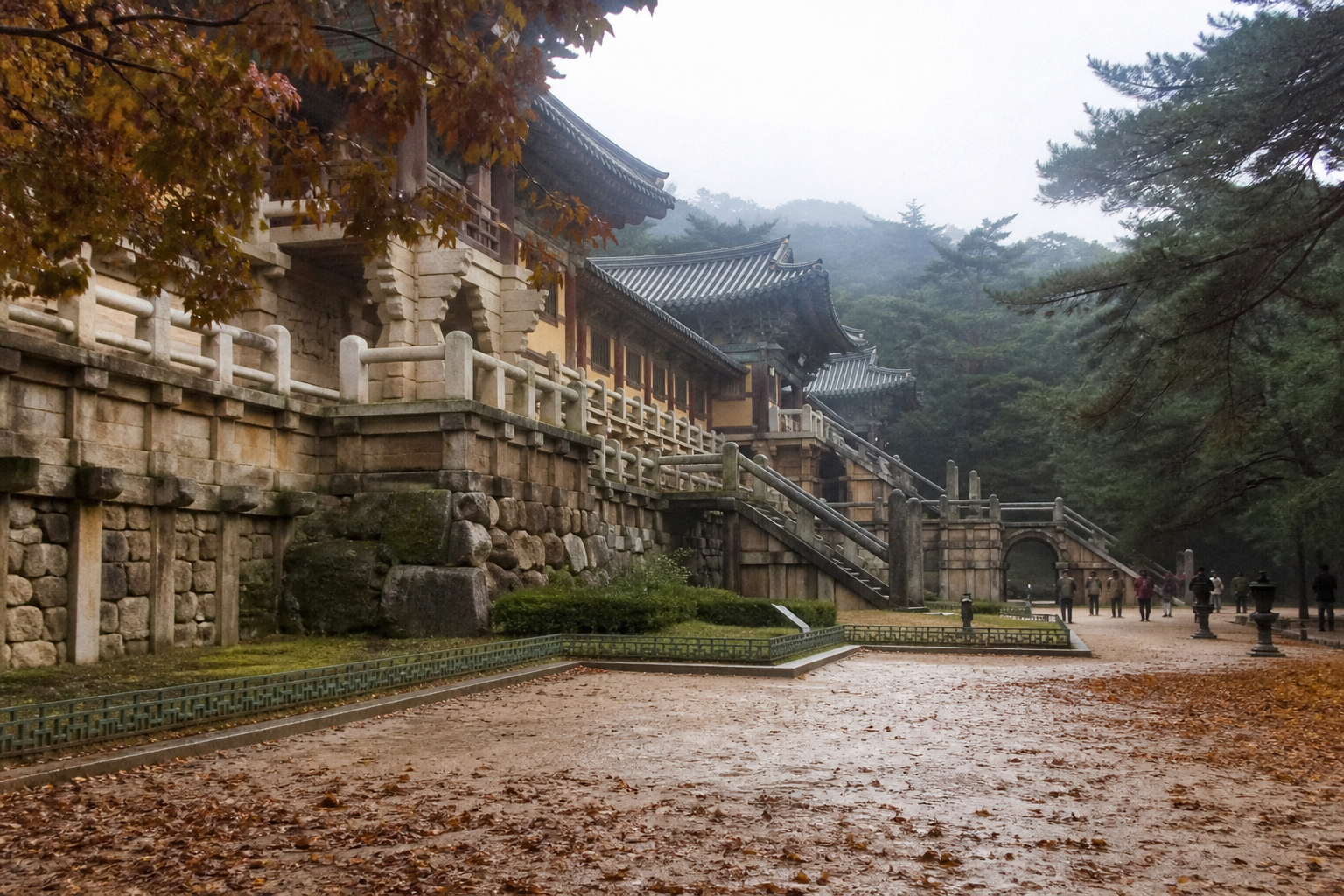
Bulguksa (Korean: 불국사) is a Buddhist temple on Tohamsan, in Jinhyeon-dong, Gyeongju, North Gyeongsang Province, South Korea. It is a head temple of the Jogye Order of Korean Buddhism and contains six National Treasures, including the Dabotap and Seokgatap stone pagodas, Cheongun-gyo (Blue Cloud Bridge), and two gilt-bronze statues of Buddha.
Read the brief →
HISTORY · Late 19th century to today
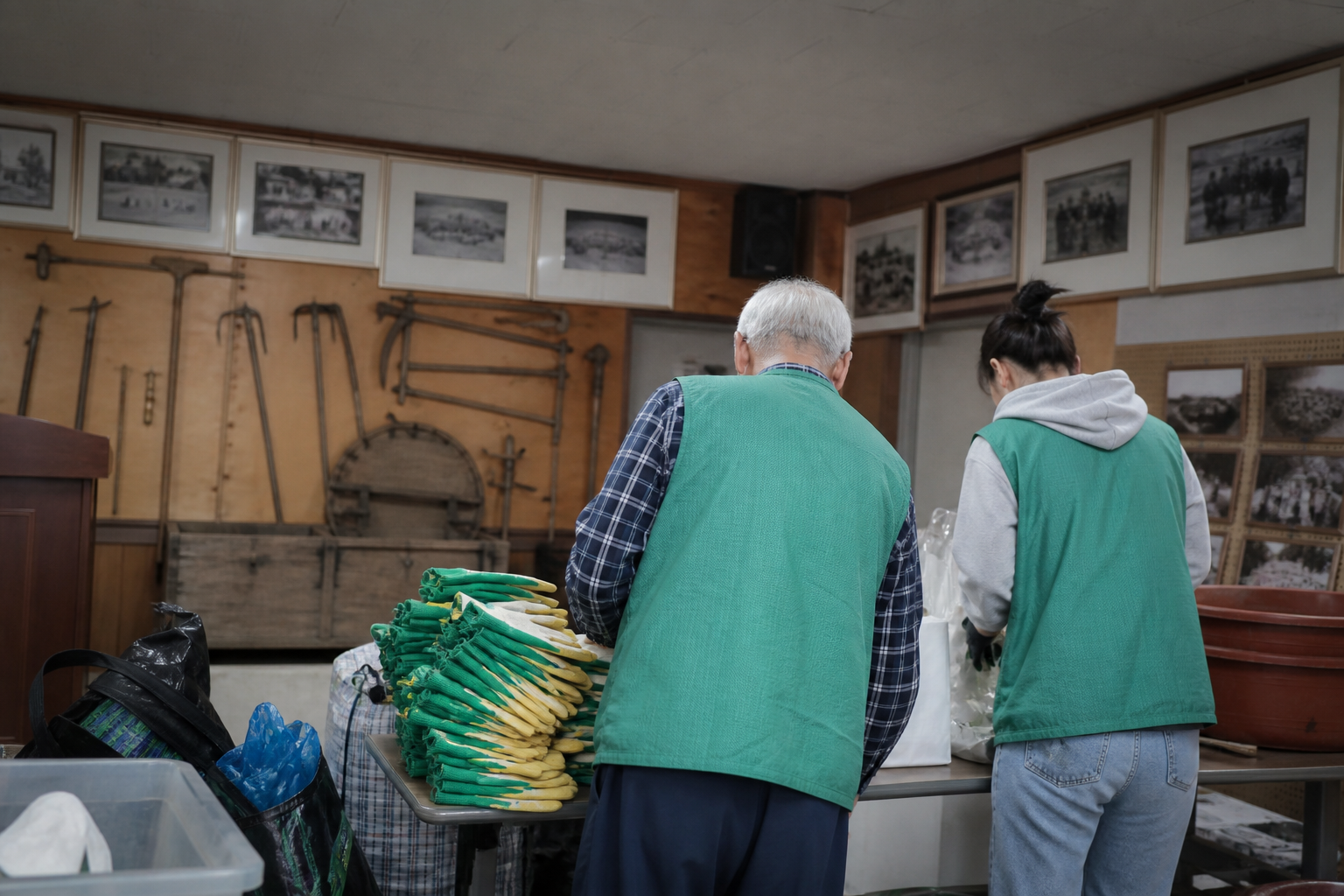
The Saemaul Undong (Korean: 새마을 운동), also known as the New Community Movement, New Village Movement, Saemaul Movement or Saema'eul Movement, was a political initiative launched on April 22, 1970 by South Korean president Park Chung Hee to modernize the rural South Korean economy.
Read the brief →
PLACES · Landscapes and regions
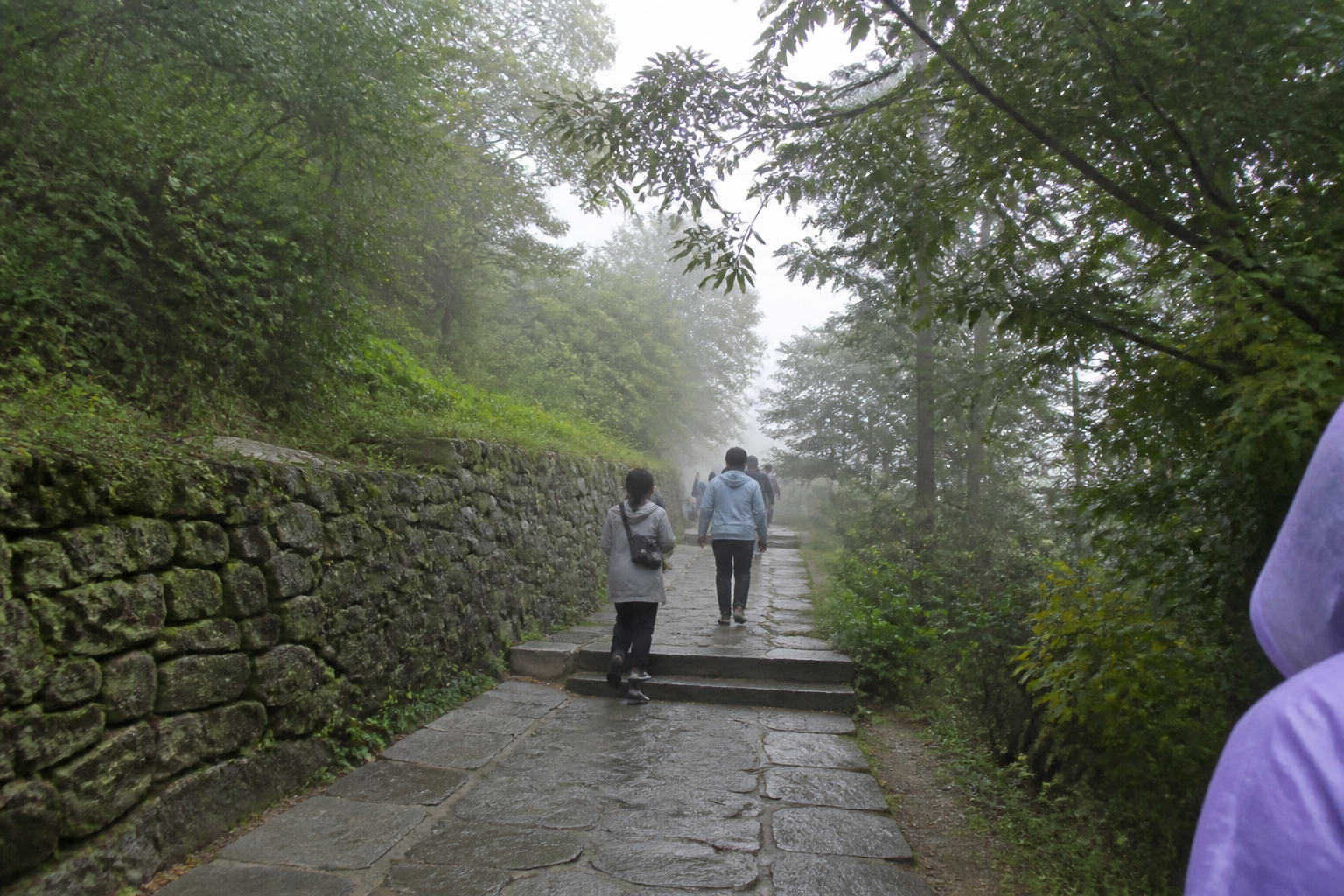
Seokguram (Korean: 석굴암; Hanja: 石窟庵) is a hermitage and part of the Bulguksa temple complex in Gyeongju, South Korea. It and Bulguksa are both on the mountain Tohamsan, although the two are separated by distance of around 3 kilometres (1.9 mi). The grotto overlooks the East Sea and rests 750 meters above sea level.
Read the brief →
HISTORY · 918–1910
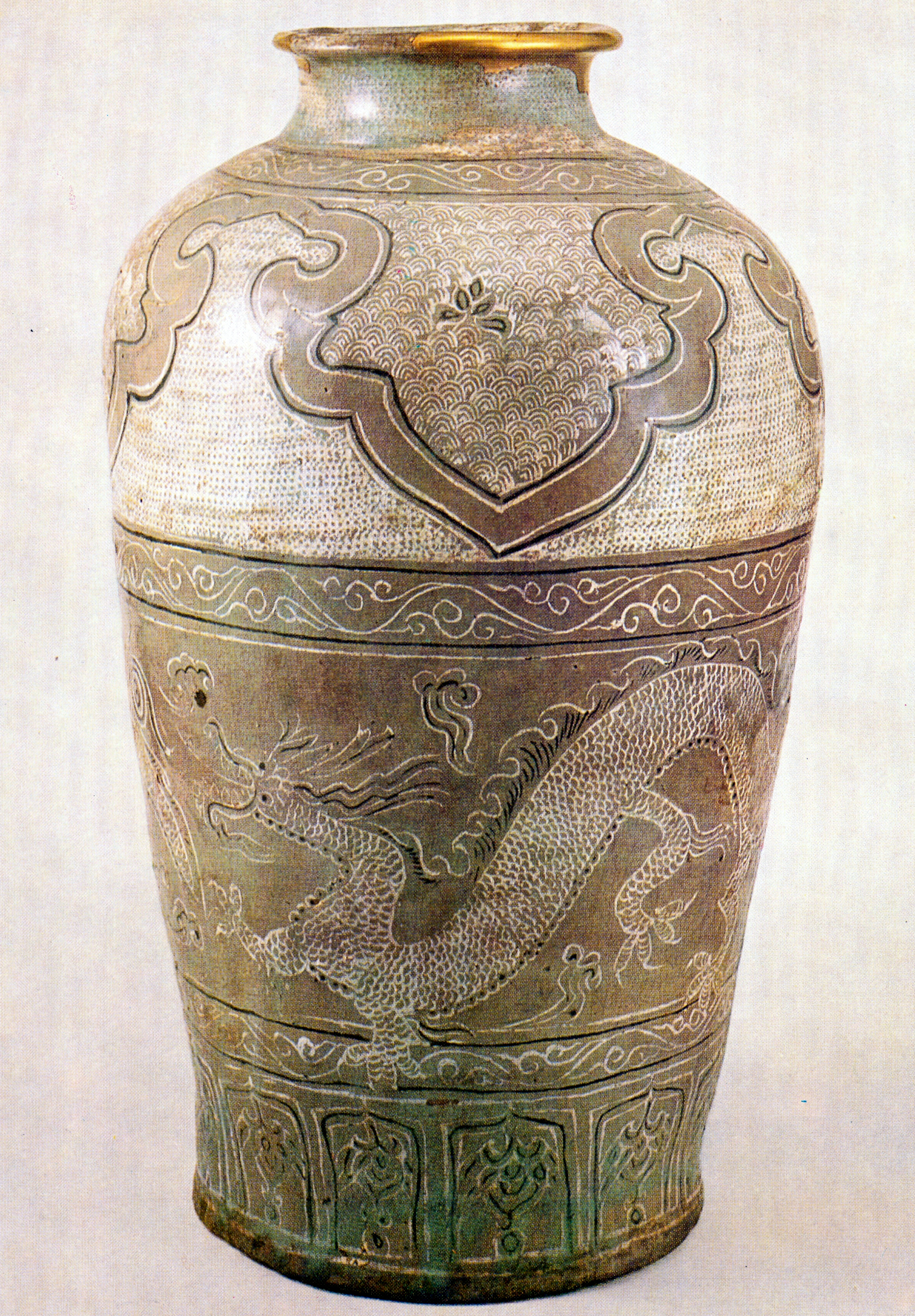
Buncheong (Korean: 분청), or punch'ong, ware is a traditional form of Korean stoneware, with a blue-green tone. Pieces are coated with white slip (ceramics), and decorative designs are added using a variety of techniques. This style originated in the 15th century and continues in a revived form today.
Read the brief →
CULTURE · Living heritage
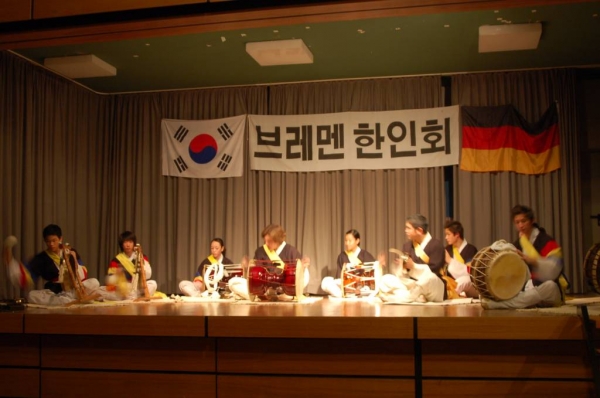
Samul nori (Korean: 사물놀이; lit. 'four objects play') is a genre of Korean percussion music. It is a modern adaptation of traditional Korean musics, namely the ritual farming music nongak and Korean shamanic music muak, for the indoor stage.
Read the brief →
HISTORY · Late 19th century to today
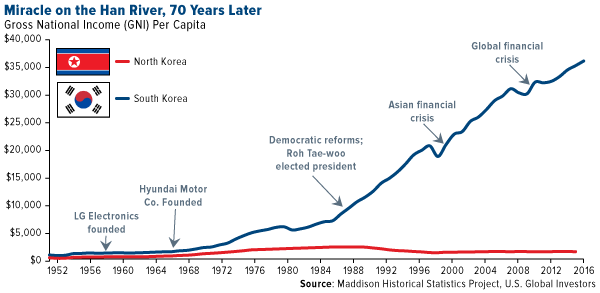
The Miracle on the Han River (Korean: 한강의 기적) was the period of rapid economic growth in South Korea following the Korean War (1950–1953), during which South Korea transformed from an underdeveloped country into a highly developed country.
Read the brief →
CULTURE · Living heritage
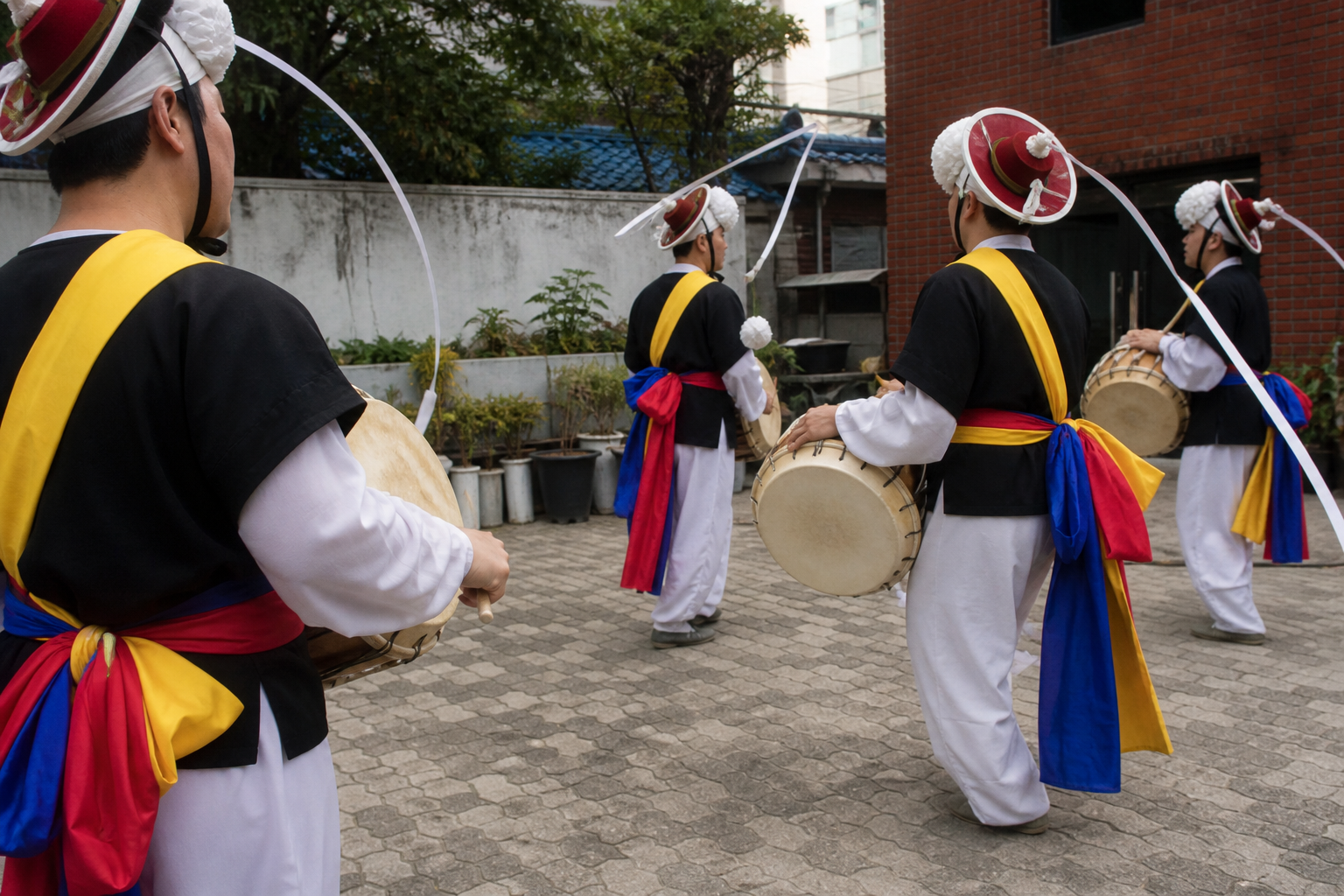
Pungmul (Korean: 풍물; Hanja: 風物; IPA: [pʰuːŋmul]) is a Korean folk music tradition that includes drumming, dancing, and singing. Most performances are outside, with dozens of players all in constant motion. Pungmul is rooted in the dure (collective labor) farming culture.
Read the brief →
CITY · Seoul across time
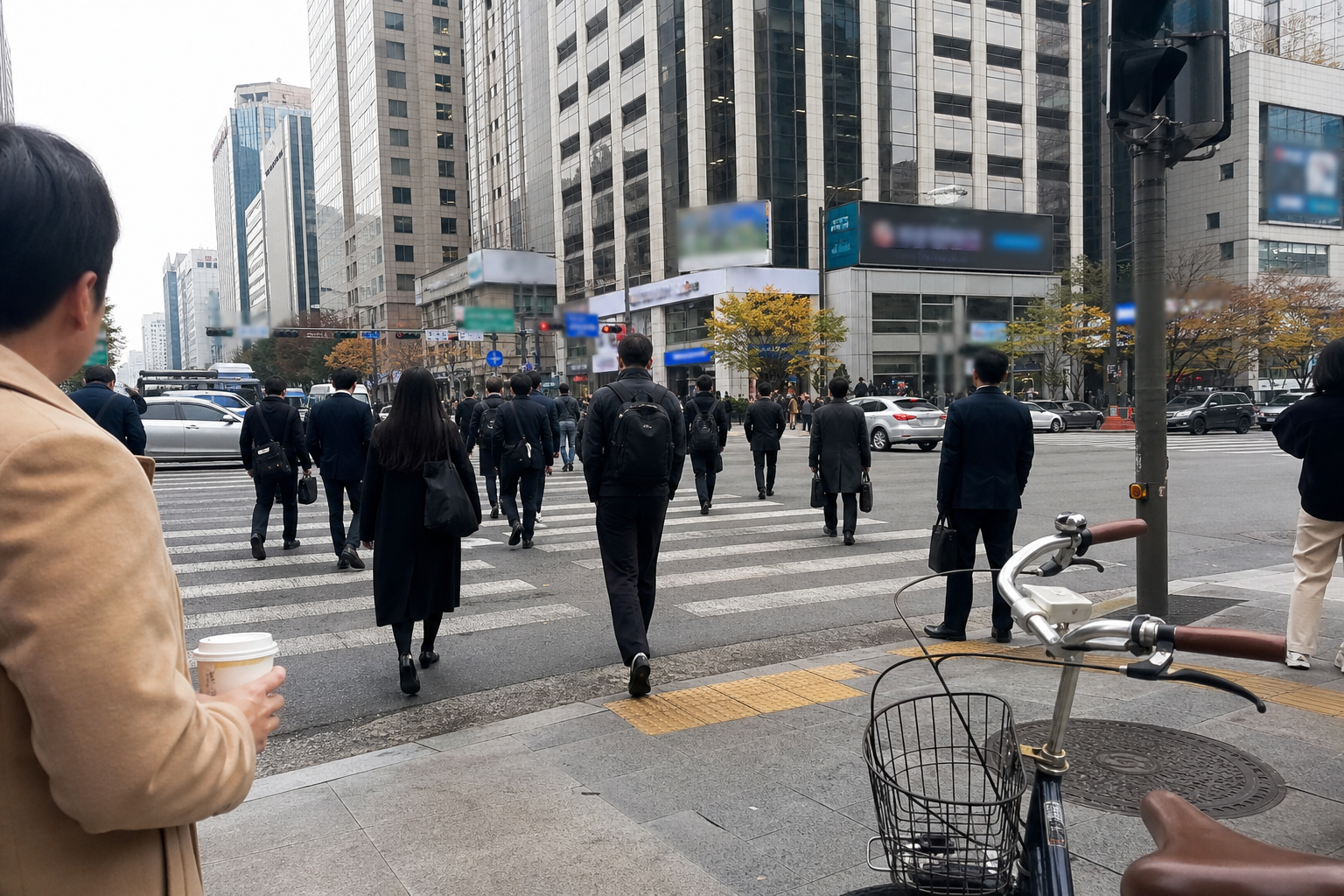
Gangnam District (Korean: 강남구; pronounced [kaŋnam.ɡu]; lit. 'South of the [Han] River') is one of the 25 districts of Seoul, South Korea. Gangnam District is the third-largest district in Seoul, with an area of 39.5 km2 (15.3 sq mi). As of the 2024 census, Gangnam District had a population of 556,570.
Read the brief →
HISTORY · Prehistory to 935
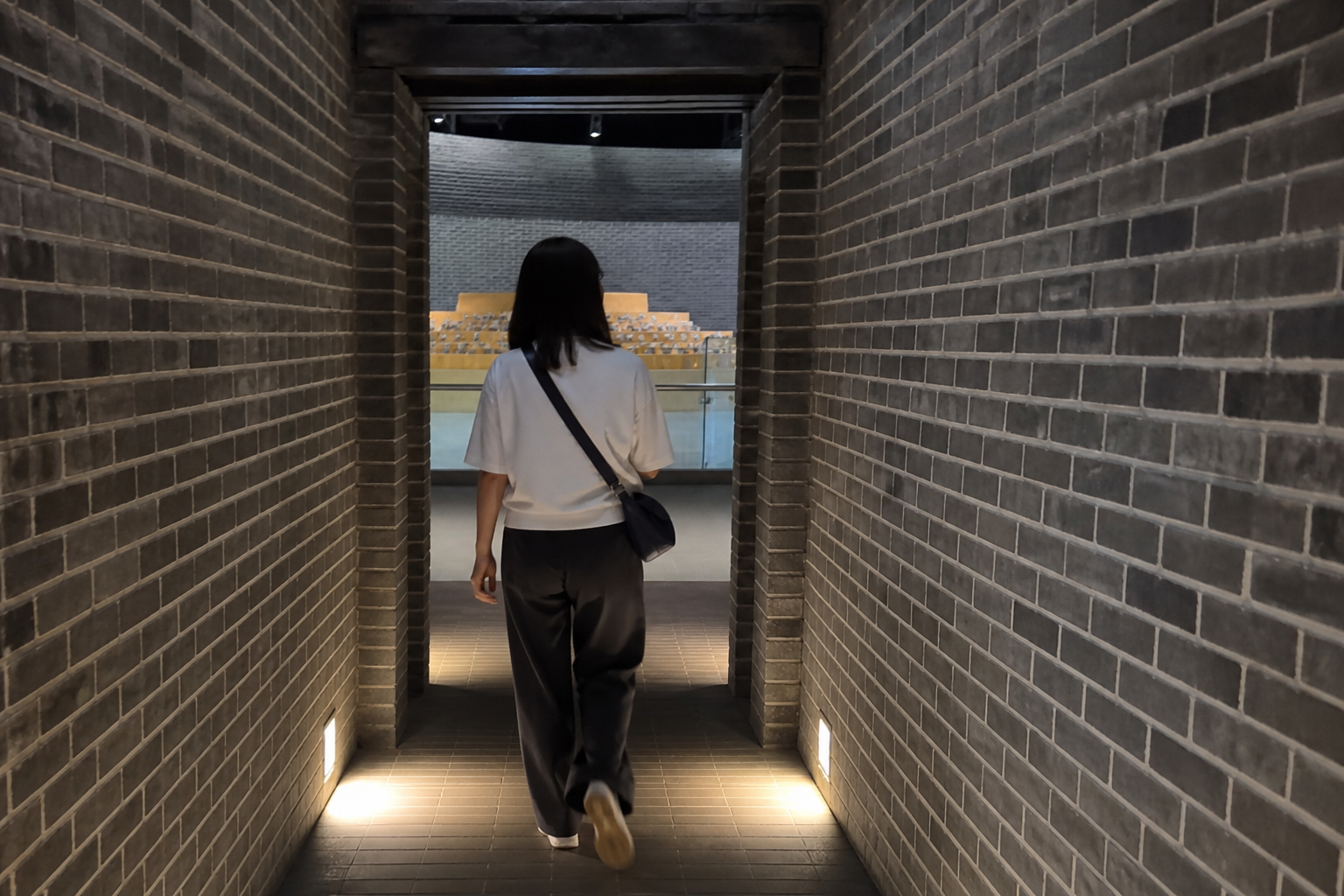
The Tomb of King Muryeong, also known as Songsan-ri Tomb No. 7 (공주 송산리 7호분), is the ancient tumulus of King Muryeong, who ruled the Baekje from 501 to 523, and his queen. The rarity of intact Baekje tombs makes this one of the major archaeological discoveries in Korea and a crucial source for the understanding of Baekje, one of the Three Kingdoms of Korea.
Read the brief →
FOOD · Everyday and ceremonial food
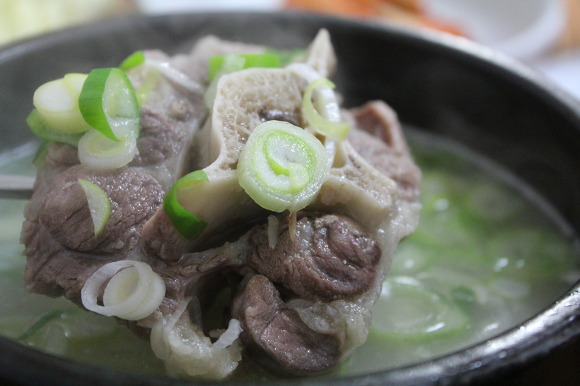
Gomguk (Korean: 곰국), gomtang (곰탕), or beef bone soup refers to a soup in traditional Korean cuisine made with various beef parts such as ribs, oxtail, brisket, ox's head or ox bones by slow simmering on a low flame. The broth tends to have a milky color with a rich and hearty taste.
Read the brief →
CULTURE · Contemporary Korea
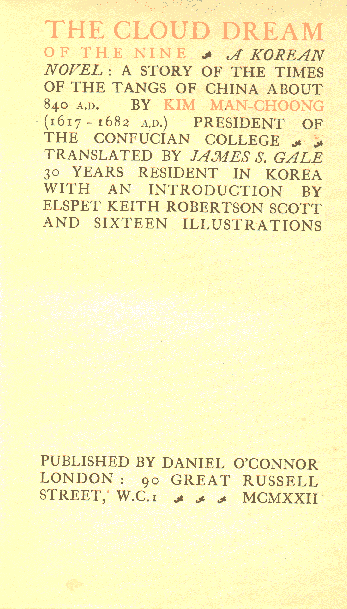
The Cloud Dream of the Nine, also translated as The Nine Cloud Dream (Korean: 구운몽; Hanja: 九雲夢; RR: Kuunmong), is a 17th-century Korean novel set in the Chinese Tang dynasty. Although widely attributed to Kim Man-jung, there have been some arguments about whether he was the original author.
Read the brief →
CULTURE · Contemporary Korea
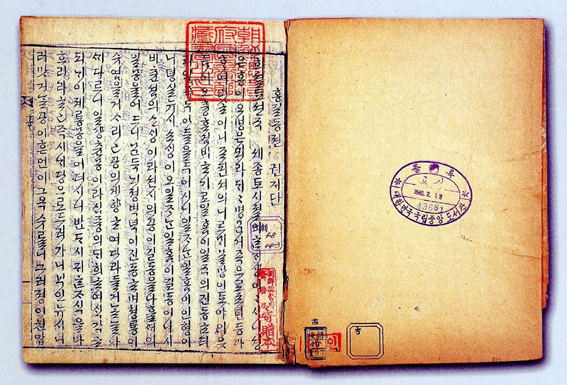
Hong Gildong jeon (Korean: 홍길동전; Hanja: 洪吉童傳) is a Korean novel, often translated as The Biography of Hong Gildong, written during the Joseon period. The novel is considered an iconic piece of Korean literature and culture. Its authorship has traditionally been attributed to Joseon statesman, Hŏ Kyun, though recent scholarship has called this into question.
Read the brief →
HISTORY · Late 19th century to today
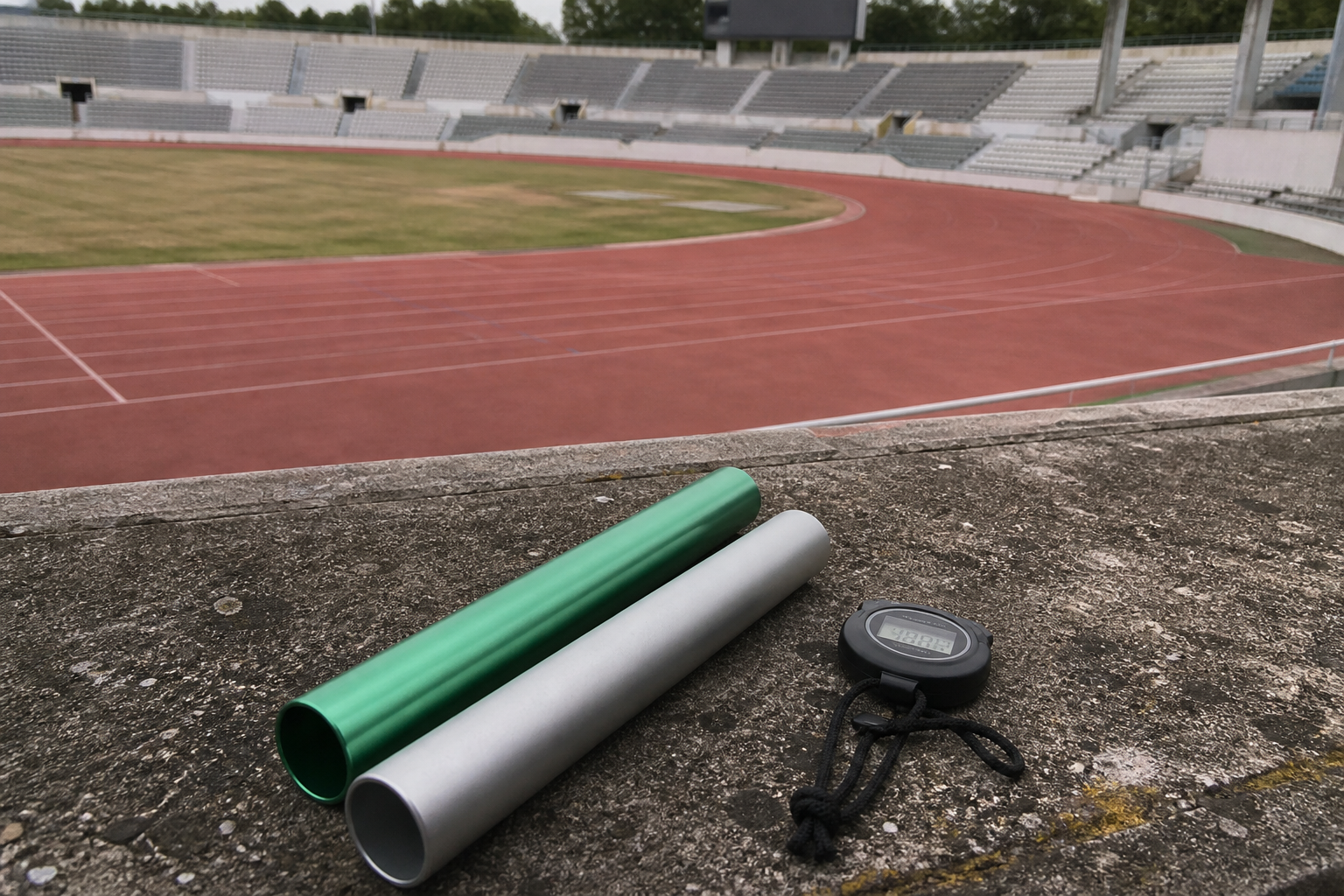
The 1988 Summer Olympics (Korean: 1988년 하계 올림픽), officially the Games of the XXIV Olympiad (제24회 올림픽경기대회) and officially branded as Seoul 1988 (서울 1988), were an international multi-sport event held from 17 September to 2 October 1988 in Seoul, South Korea. 159 nations were represented at the games by a total of 8,391 athletes (6,197 men and 2,194 women).
Read the brief →
CULTURE · Contemporary Korea
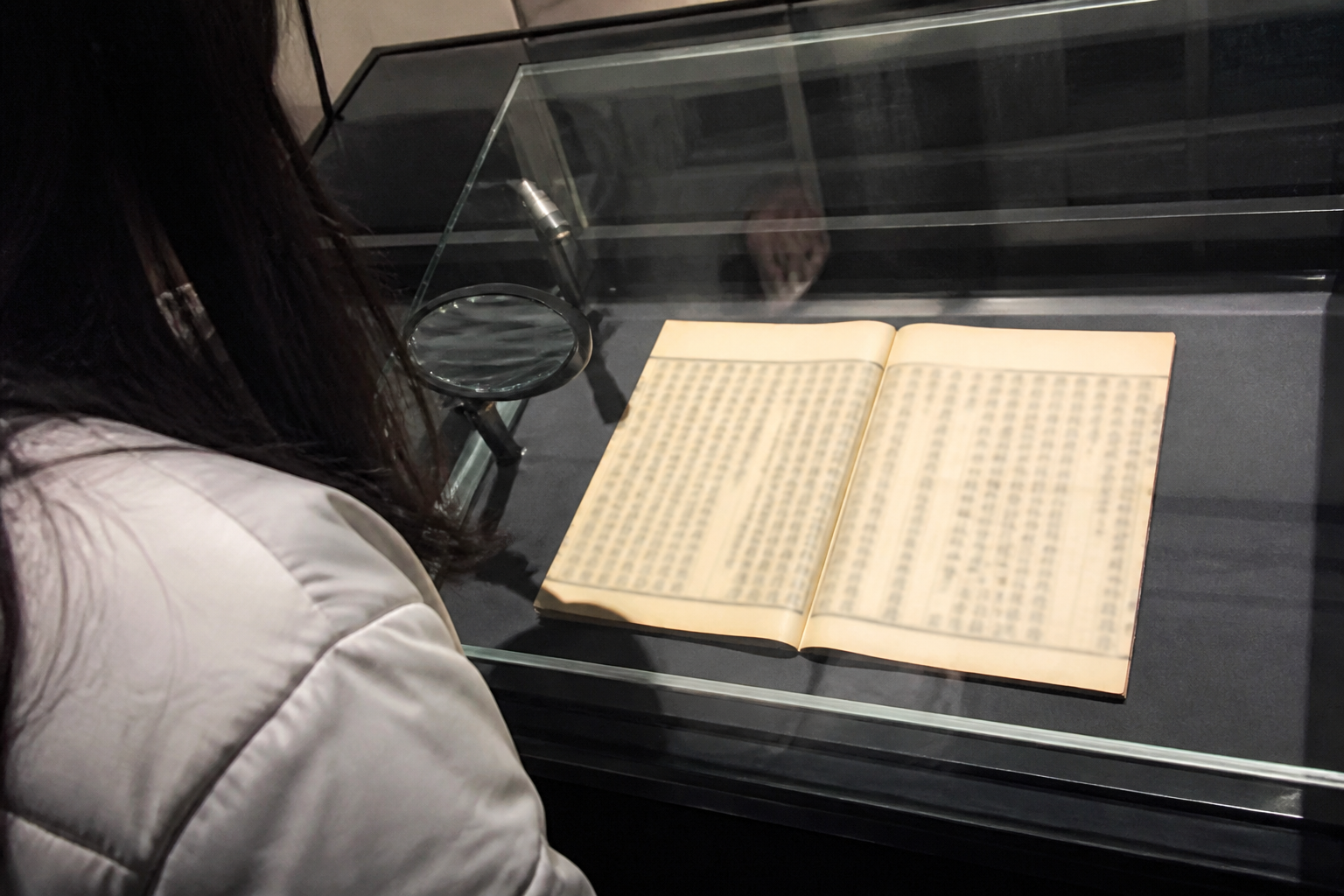
Hunminjeongeum Haerye (Korean: 훈민정음 해례; Hanja: 訓民正音解例), or simply Haerye, refers to either a commentary section on the text Hunminjeongeum or to copies of the Hunminjeongeum that contain the commentary section. The Hunminjeongeum and commentary were published together as a single text around October 1446 (Gregorian calendar).
Read the brief →
HISTORY · Late 19th century to today
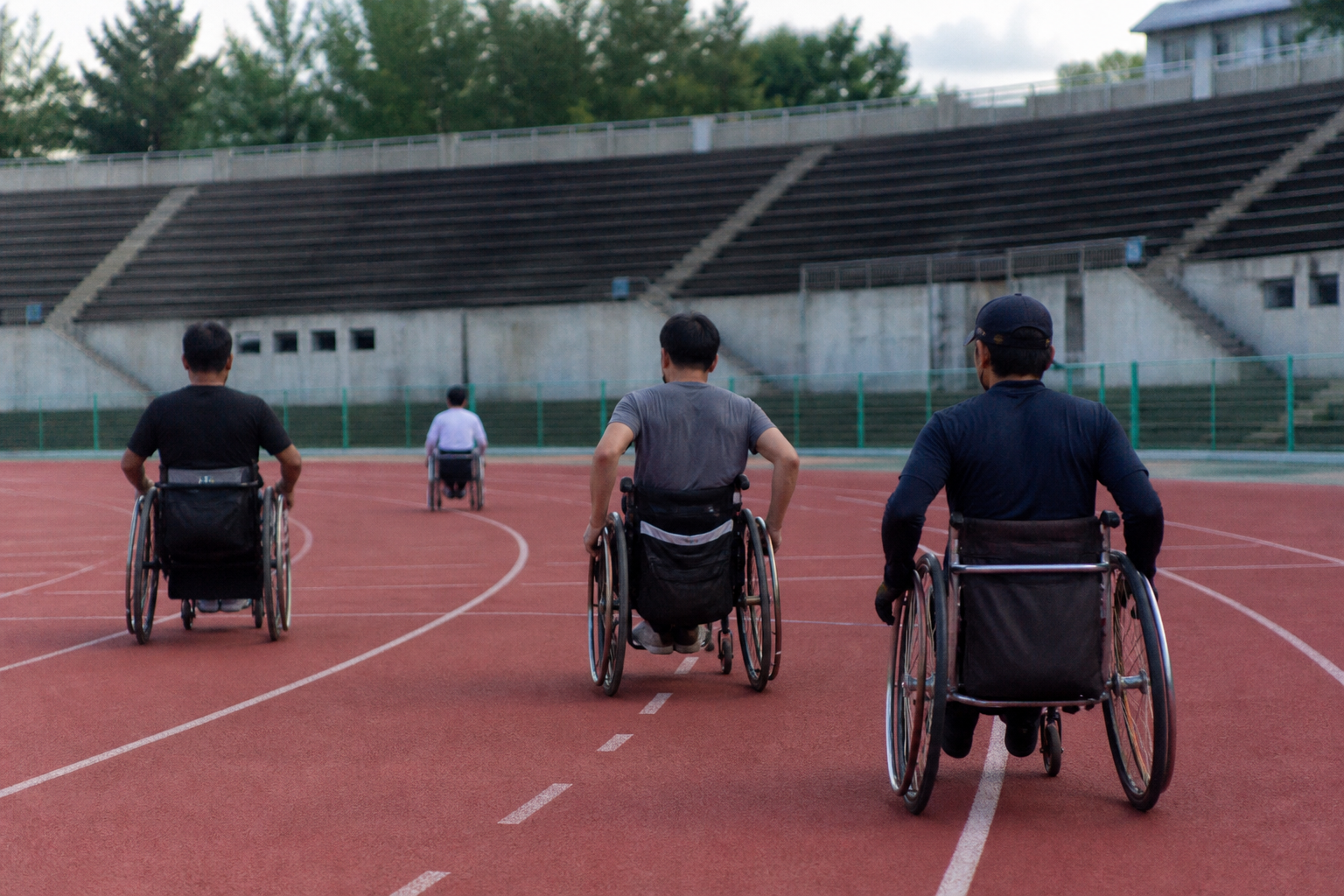
The 1988 Summer Paralympics (Korean: 1988년 하계 패럴림픽; RR: Cheon gubaek palsip-pal nyeon hagye paereollimpik) were the first Paralympics in 24 years to take place in the same city as the Olympic Games. They took place in Seoul, South Korea. This was the first time the term "Paralympic" was used officially.
Read the brief →
CULTURE · Contemporary Korea
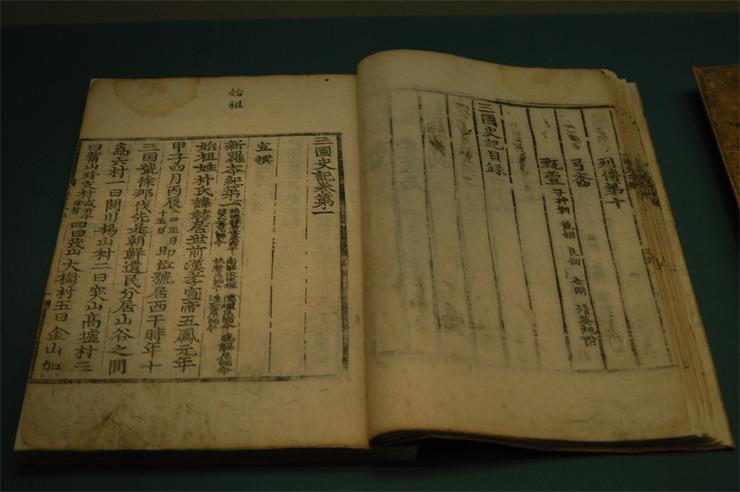
Samguk sagi (Korean: 삼국사기; Hanja: 三國史記; lit. 'History of the Three Kingdoms') is a historical record of the Three Kingdoms of Korea: Goguryeo, Baekje, and Silla. This copy is significant in that it was the first book ever to be compiled by a Korean government. Completed in 1145, it is well-known in Korea as the oldest surviving chronicle of Korean history.
Read the brief →
HISTORY · 918–1910
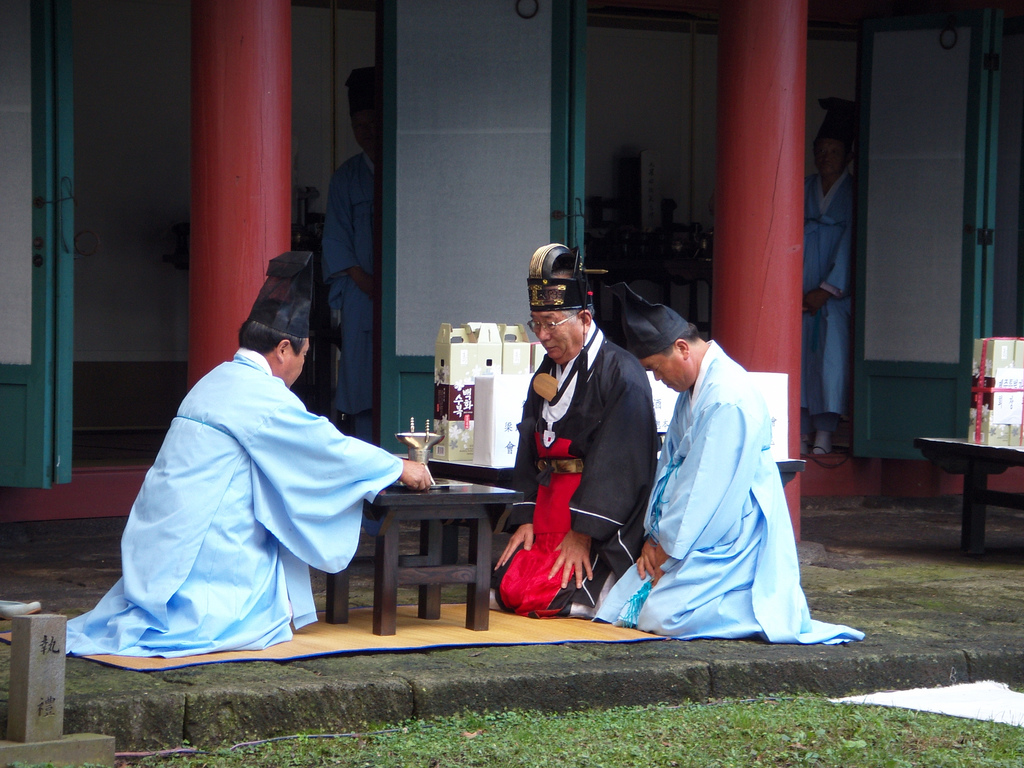
Korean Confucianism, or Korean Ruism, is the form of Confucianism that emerged and developed in Korea. One of the most substantial influences in Korean intellectual history was the introduction of Confucian thought as part of the cultural influence from China.
Read the brief →
CULTURE · Contemporary Korea
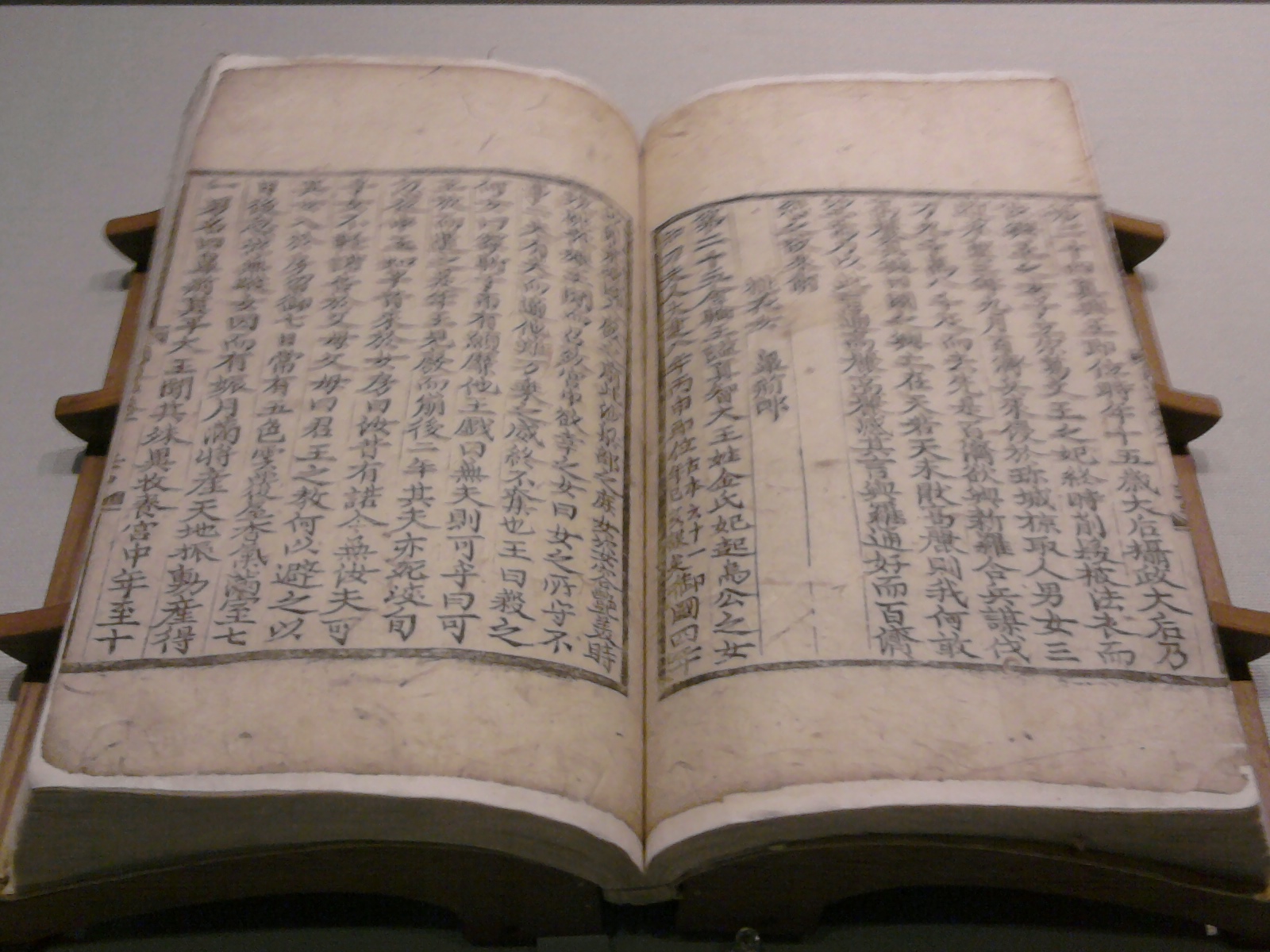
Samguk yusa (Korean: 삼국유사; Hanja: 三國遺事; lit. 'Memorabilia of the Three Kingdoms') Korean pronunciation: [sʰam.ɡuk̚.ju.sa]) is a collection of legends, folktales, and historical accounts relating to the Three Kingdoms of Korea (Goguryeo, Baekje, and Silla), as well as to other periods and states before, during, and after the Three Kingdoms period.
Read the brief →
HISTORY · 918–1910
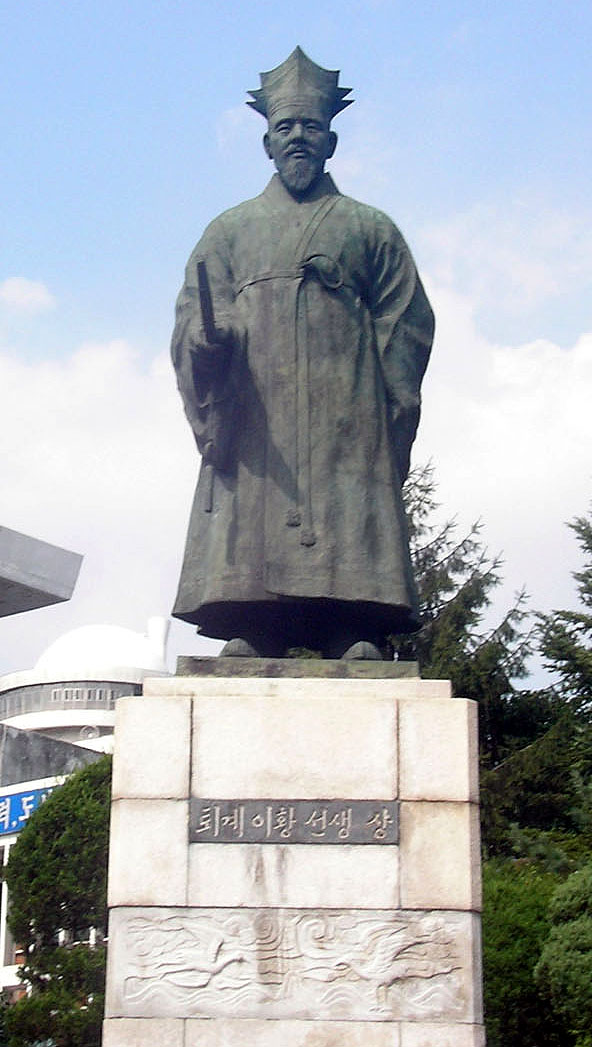
Yi Hwang (Korean: 이황; Hanja: 李滉; 1501–1570) was a Korean philosopher, writer, and Confucian scholar of the Joseon period. He is considered the most important philosopher of Korea - he is honored by printing his portrait on the 1000 South Korean won banknote, on the reverse of which one can see an image of his school, Dosan Seowon.
Read the brief →
PLACES · Landscapes and regions
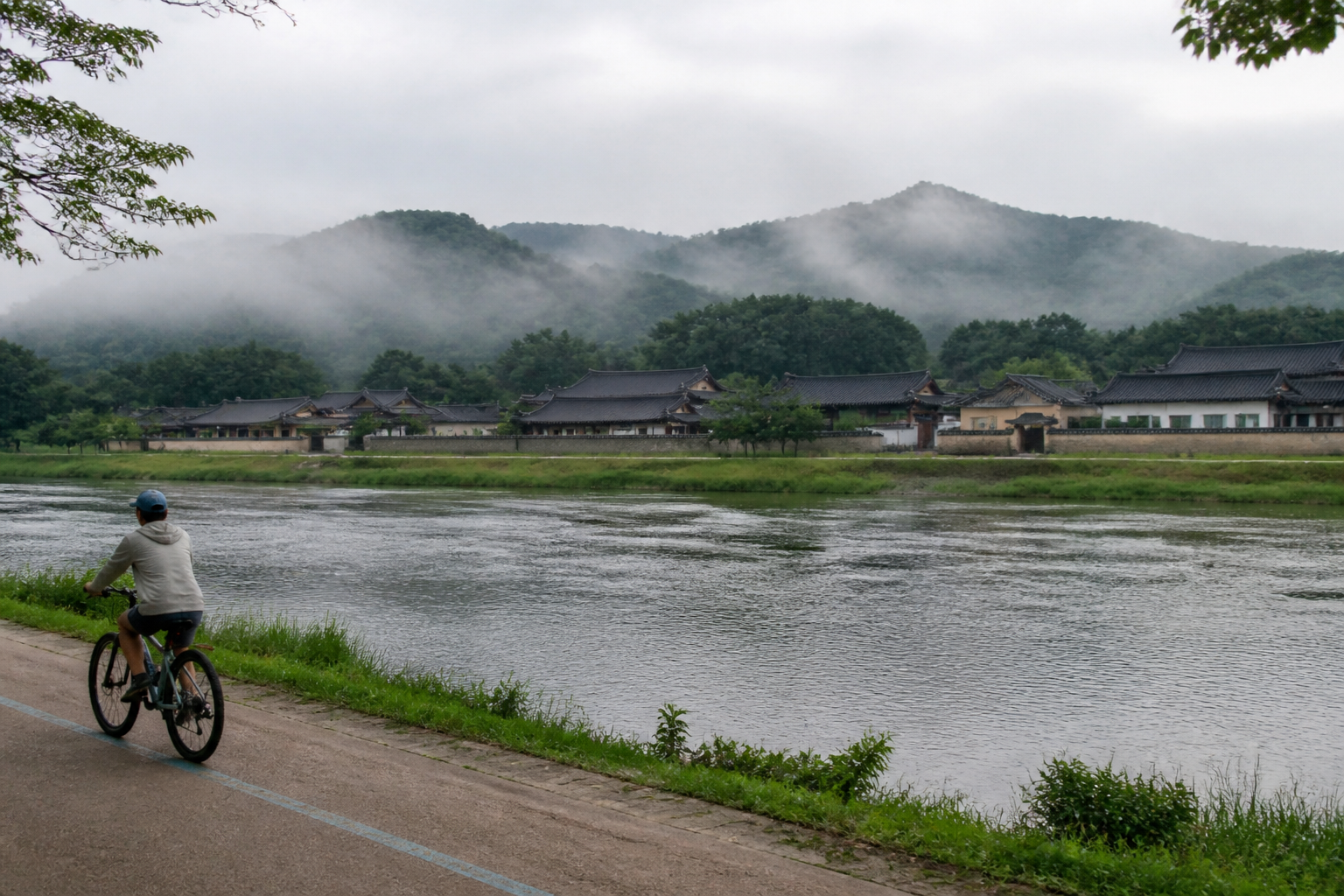
Andong (Korean: 안동; pronounced [an.doŋ]) is a city in South Korea, and the capital of North Gyeongsang Province. It is the largest city in the northern part of the province with a population of 167,821 as of October 2010. The Nakdong River flows through the city. Andong is a market centre for the surrounding agricultural areas.
Read the brief →
FOOD · Everyday and ceremonial food
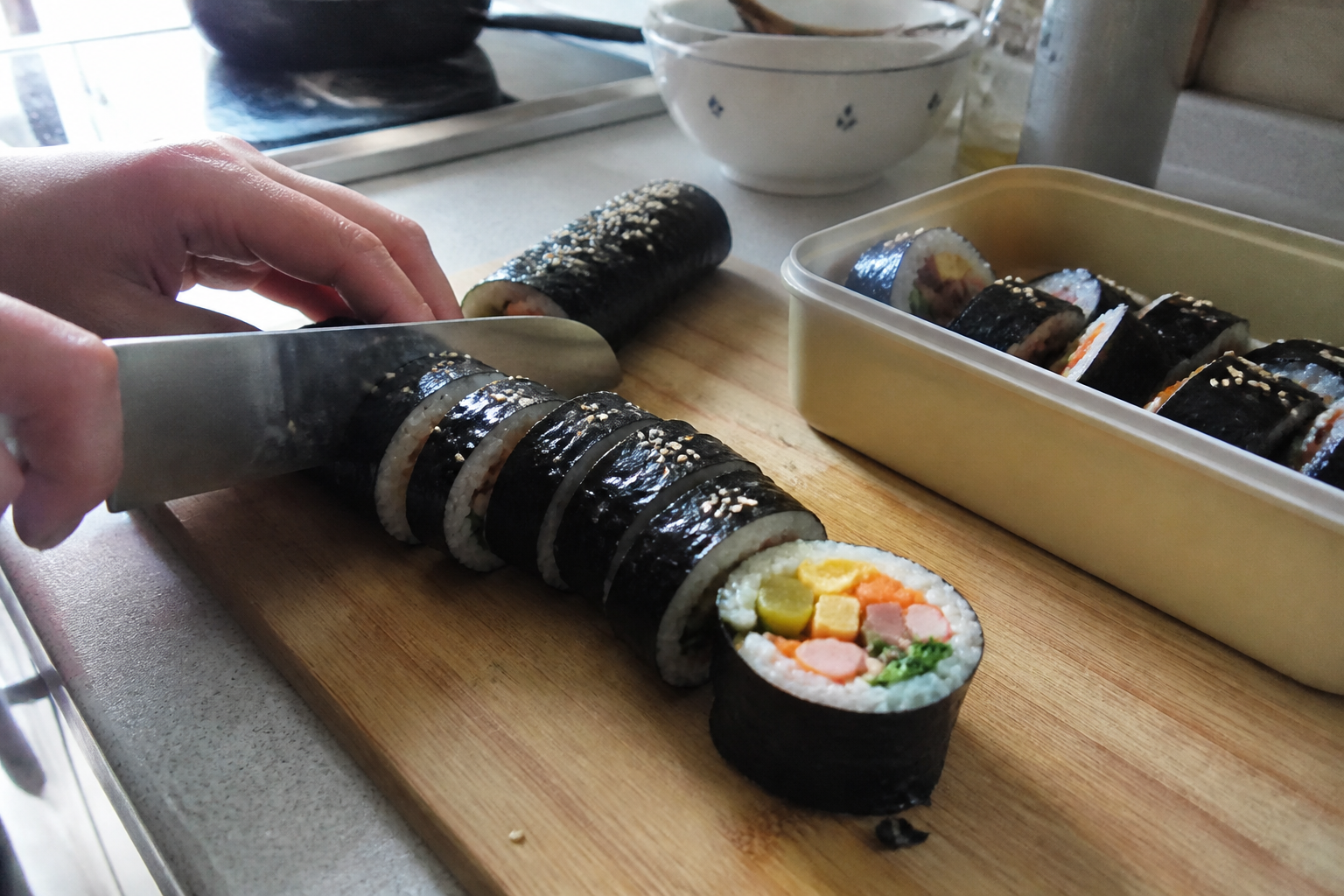
Gimbap (Korean: 김밥; lit. 'seaweed rice'; IPA: [kim.p͈ap̚] ), also romanized as kimbap, is a Korean dish made from bap (cooked rice), vegetables, and optionally, cooked seafood or meat rolled in gim—dried sheets of seaweed—and served in bite-sized slices.
Read the brief →