CULTURE · Living heritage
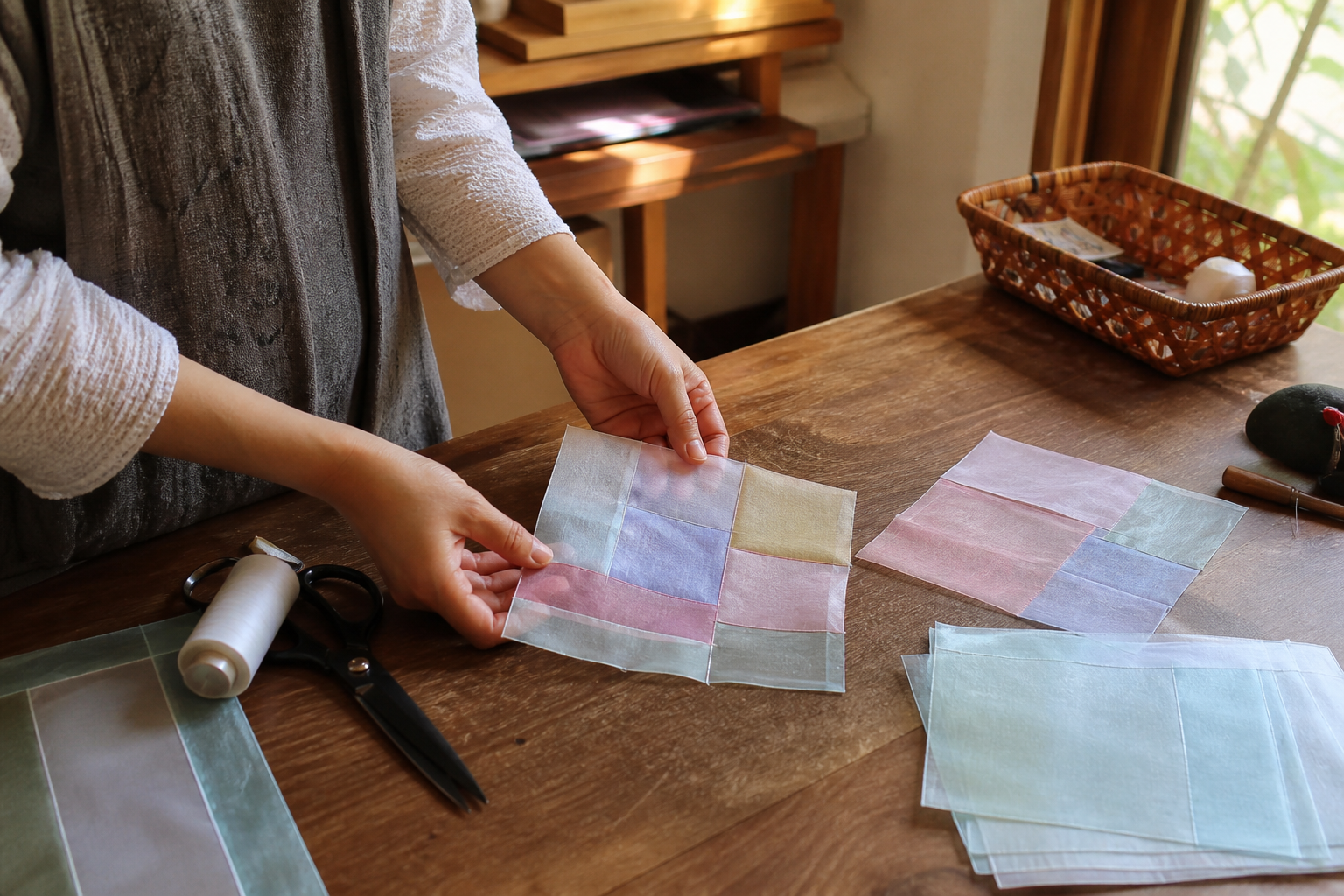
A bojagi (Korean: 보자기, sometimes shortened to 보; bo; po) is a traditional Korean wrapping cloth. Bojagi are typically square and can be made from a variety of materials, though silk or ramie are common. Embroidered bojagi are known as subo, while patchwork or scrap bojagi are known as jogakbo.
Read the brief →
CULTURE · Living heritage
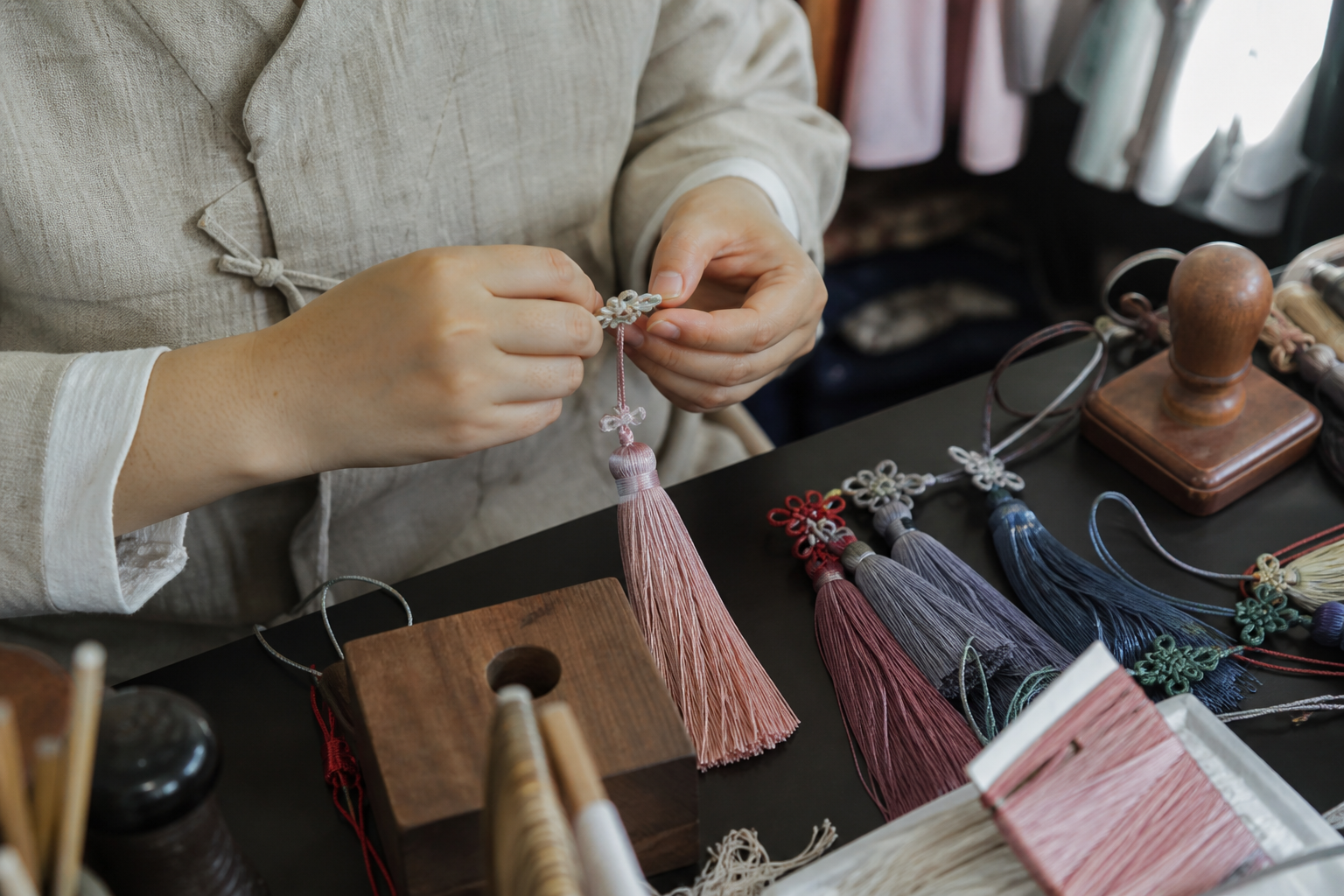
Norigae (Korean: 노리개) is a typical, traditional Korean accessory used in Hanbok, which can be hung on goreum (coat strings) of a woman's jeogori or on her chima. The norigae functions as a decorative pendant and is both a good-luck charm hoped to bring something such as eternal youth, wealth or many sons (depending on its shape), as well as a fashion…
Read the brief →

FOOD · Everyday and ceremonial food
Soy sauce (sometimes called soya sauce in British English) is a liquid condiment of Chinese origin, traditionally made from a fermented paste of soybeans, roasted grain, brine, and Aspergillus oryzae or Aspergillus sojae molds (kōji). It is recognized for its saltiness and pronounced umami taste.
Read the brief →
HISTORY · 918–1910
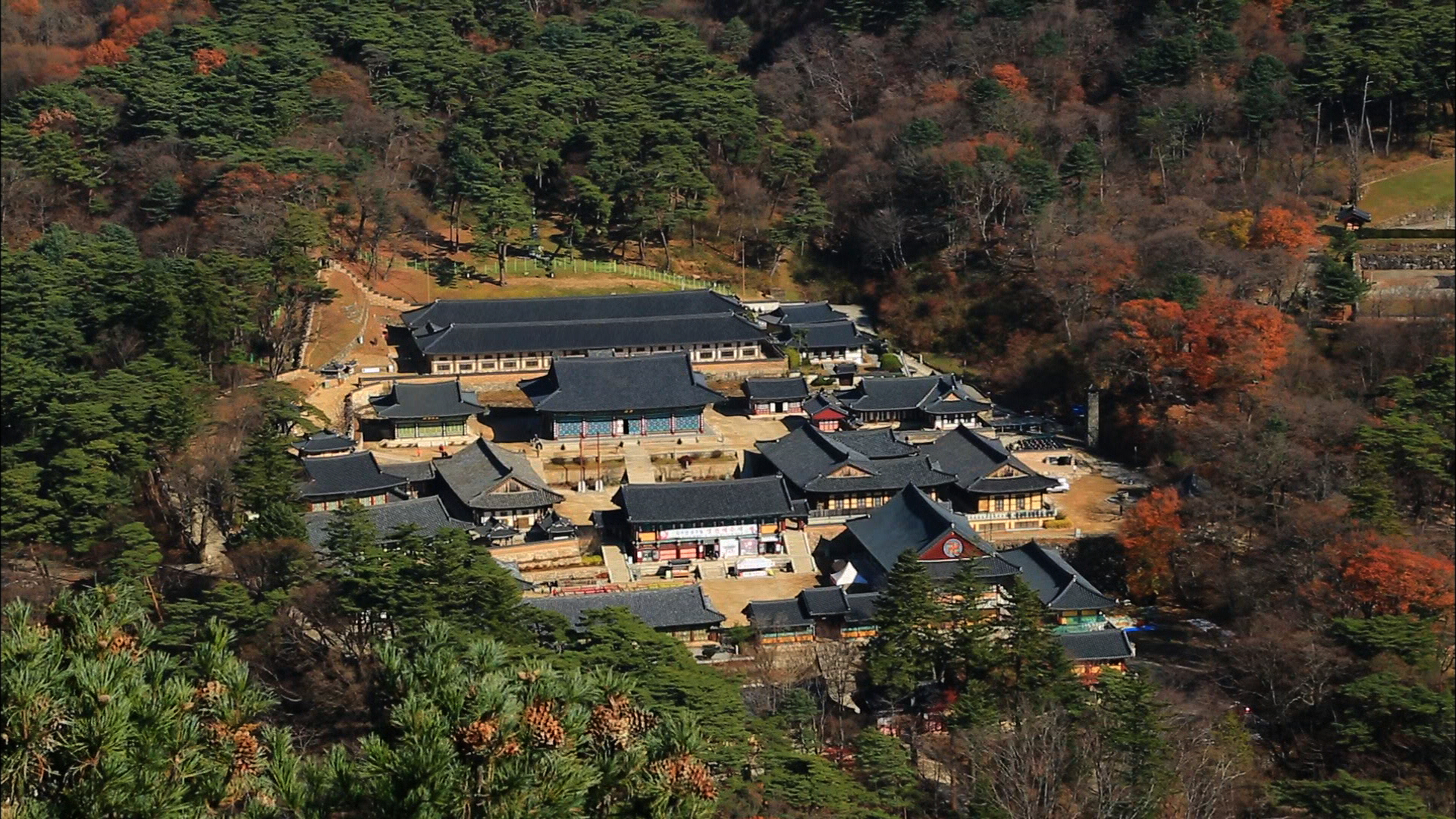
Haeinsa (Korean: 해인사) is a Buddhist temple in Gayasan National Park, South Gyeongsang Province, South Korea. It is the head temple of the Jogye Order of Korean Seon Buddhism. Haeinsa is most notable for being the home of the Tripitaka Koreana, the whole of the Buddhist Scriptures carved onto 81,350 wooden printing blocks, which it has housed since 1398.
Read the brief →
HISTORY · 918–1910
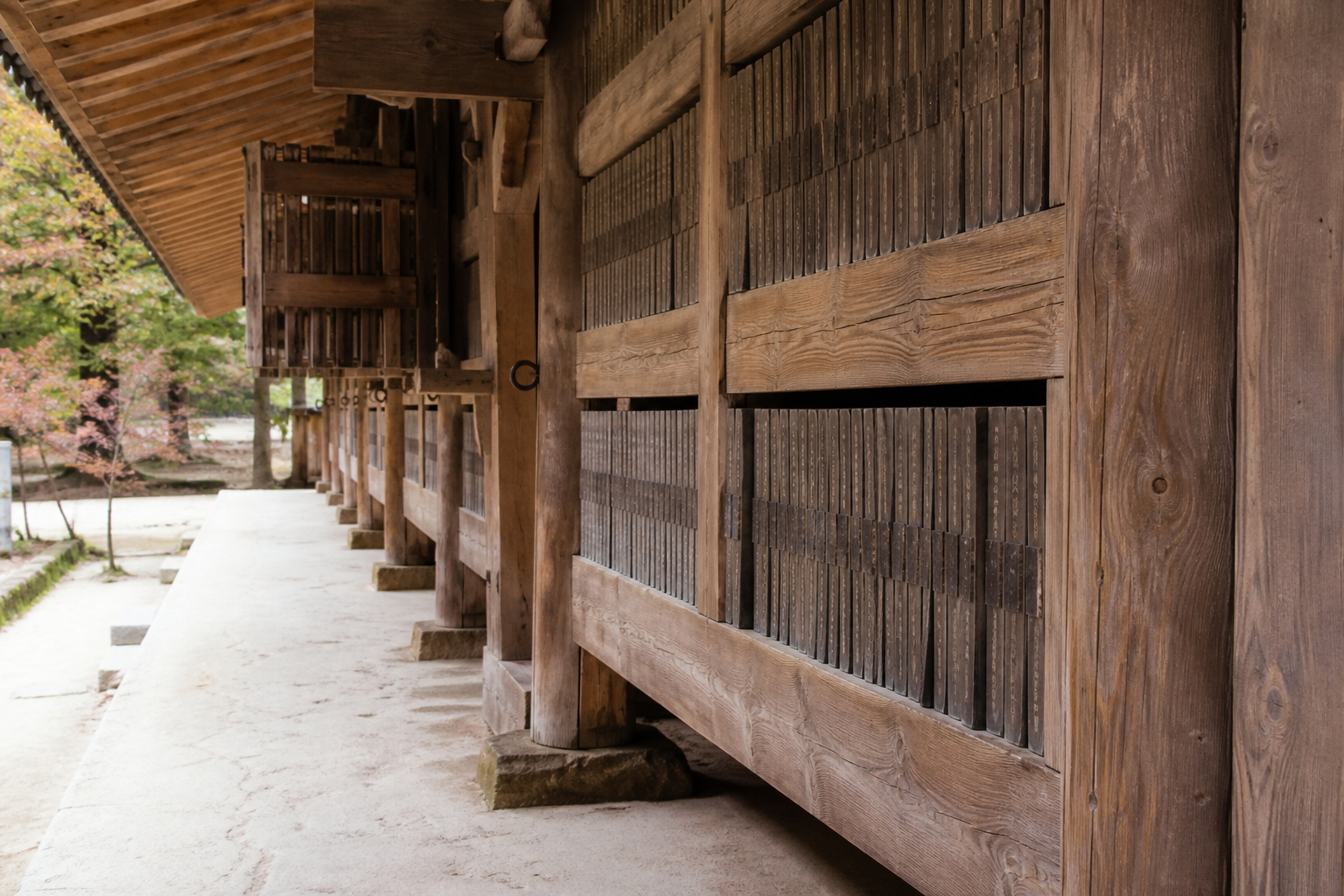
The Tripiṭaka Koreana (naming controversial, see below) refers to a Korean collection of Tripiṭaka scriptures carved onto 81,352 wooden printing blocks in the 13th century of the Goryeo period (hence also: The Goryeo Tripiṭaka). They are currently located at the Buddhist temple Haeinsa, in South Gyeongsang Province, South Korea.
Read the brief →
PLACES · Landscapes and regions
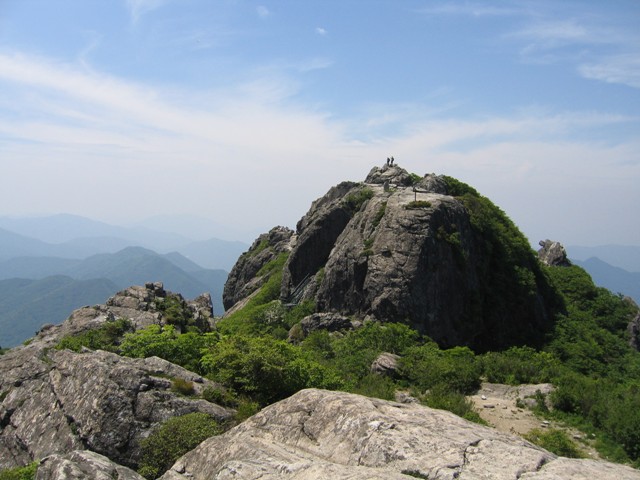
Gayasan National Park, also known as Gaya Mountain National Park (Korean: 가야산국립공원), is a large national park in the eastern part of South Korea. The park is named in honor of Gayasan and became a National Park in 1972. The park includes Haeinsa, which is one of the main temples of the Jogye Order of Korean Buddhism.
Read the brief →
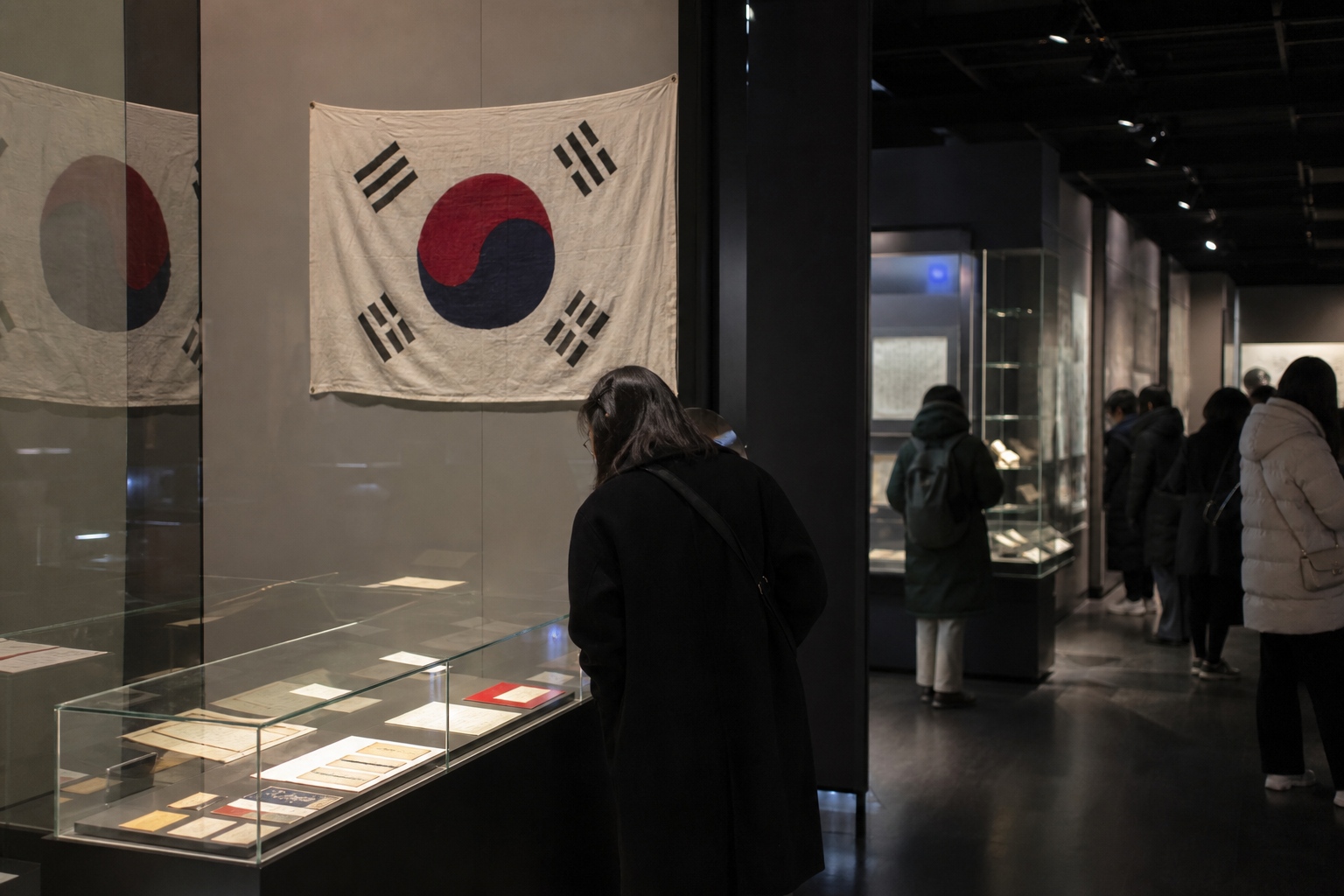
HISTORY · Late 19th century to today
The March First Movement was a series of protests against Japanese colonial rule that was held throughout Korea and internationally by the Korean diaspora beginning on March 1, 1919. Protests were largely concentrated in March and April of that year, although related protests continued until 1921.
Read the brief →
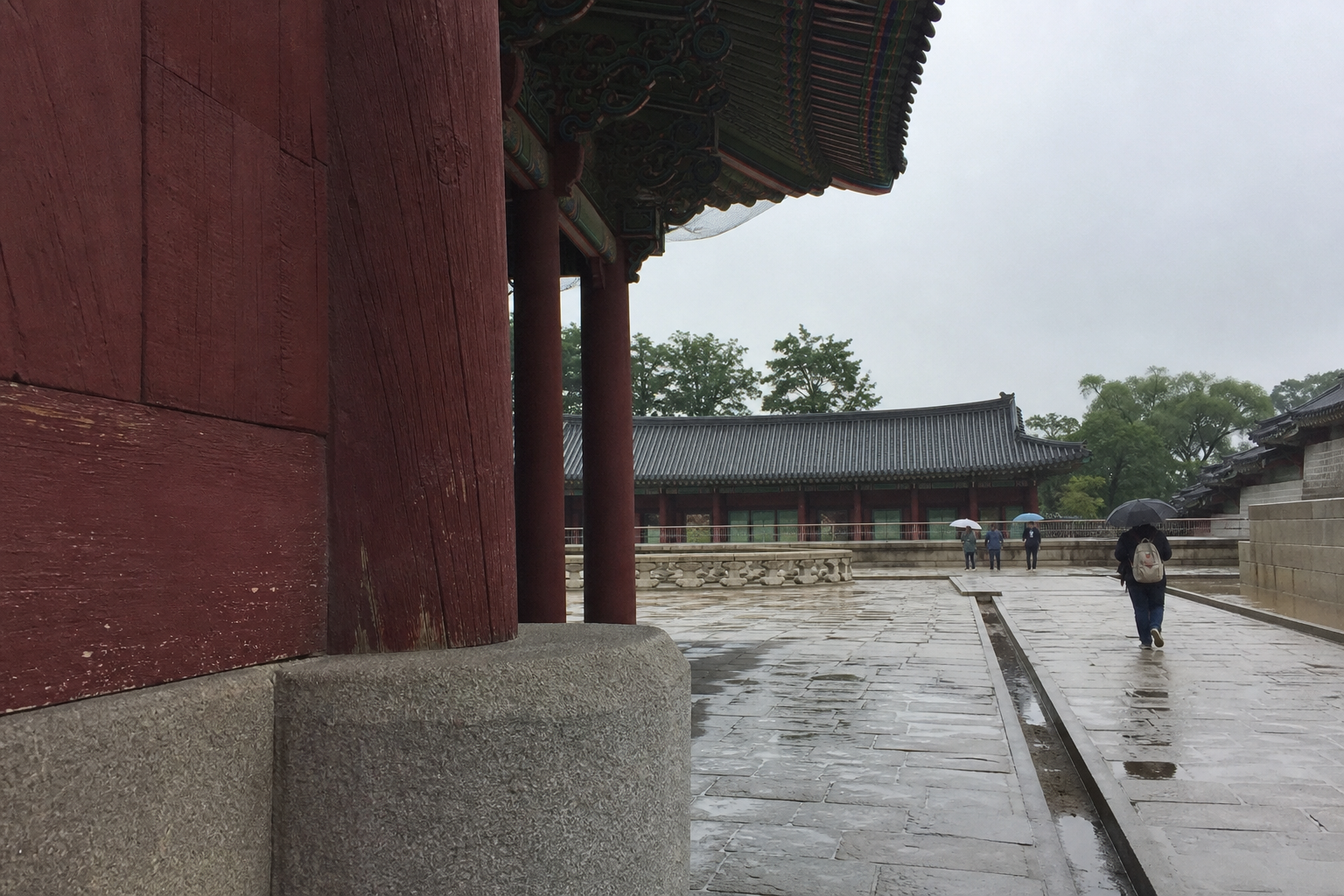
CITY · Seoul across time
Gyeongbokgung (Korean: 경복궁; Hanja: 景福宮; pronounced [kjʌŋbok̚k͈uŋ]) is a former royal palace in Seoul, South Korea. Established in 1395, it was the first royal palace of the Joseon dynasty, and is now one of the most significant tourist attractions in the country. The palace was among the first landmarks to be established in Seoul.
Read the brief →
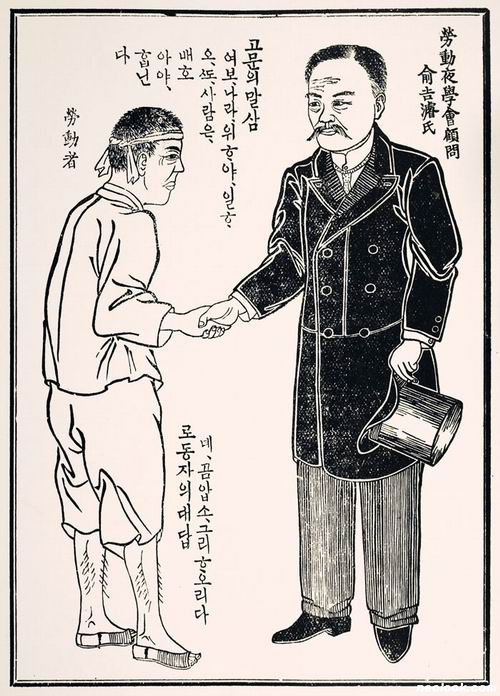
CULTURE · Contemporary Korea
Manhwa (Korean: 만화; Korean pronunciation: [manβʷa]) is the general Korean term for comics and print cartoons. Outside Korea, the term usually refers to Korean comics. Modern manhwa has extended its reach to many other countries.
Read the brief →
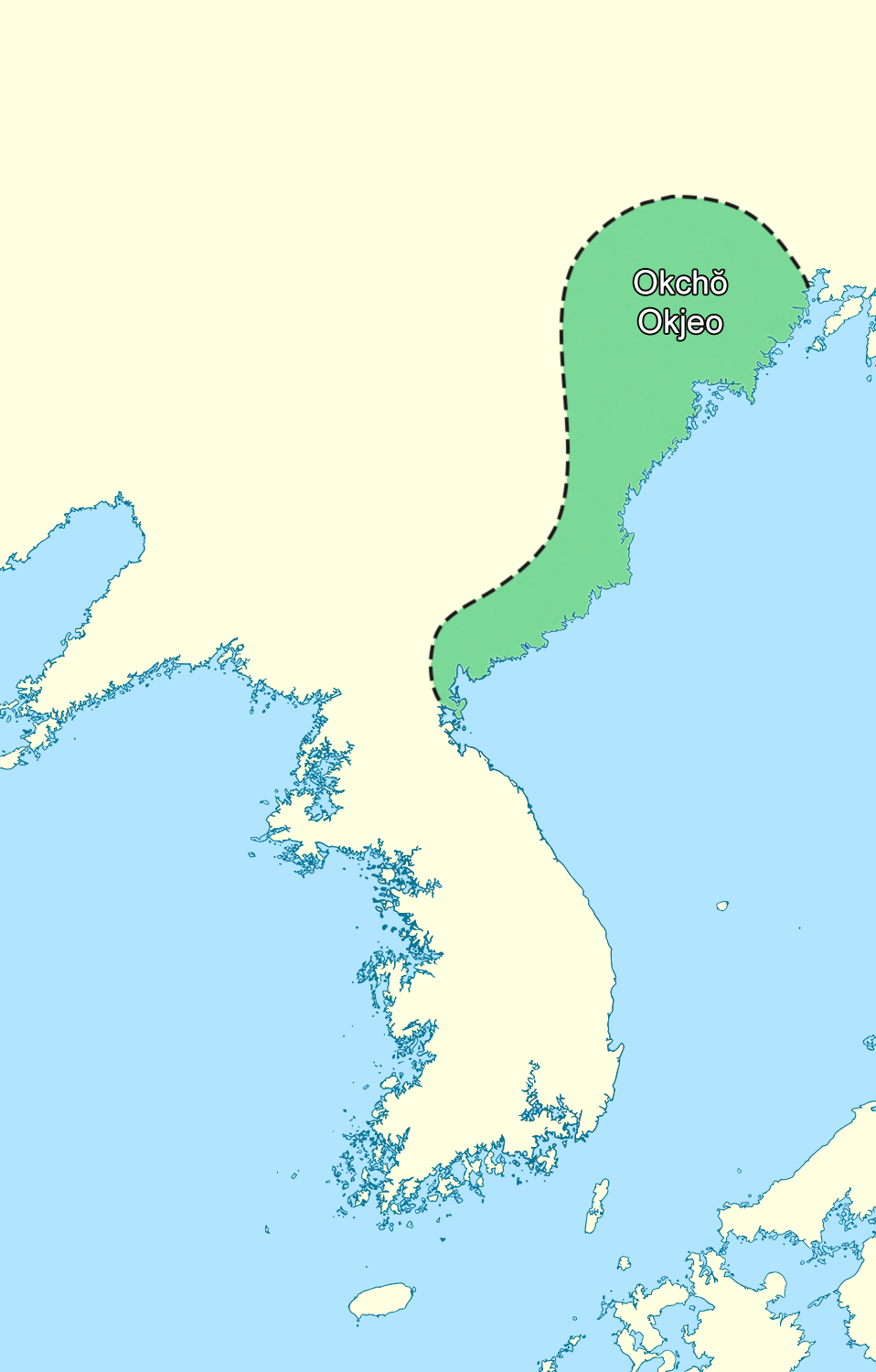
HISTORY · Prehistory to 935
Okjeo (Korean: 옥저; Hanja: 沃沮; pronounced [ok̚.t͈ɕʌ]) was an ancient Korean tribal state which arose in the northern Korean peninsula from perhaps the 2nd century BCE to the 5th century CE. Dong-okjeo (Eastern Okjeo) occupied roughly the area of the Hamgyŏng provinces of North Korea, and Buk-okjeo (Northern Okjeo) occupied the Duman River region.
Read the brief →
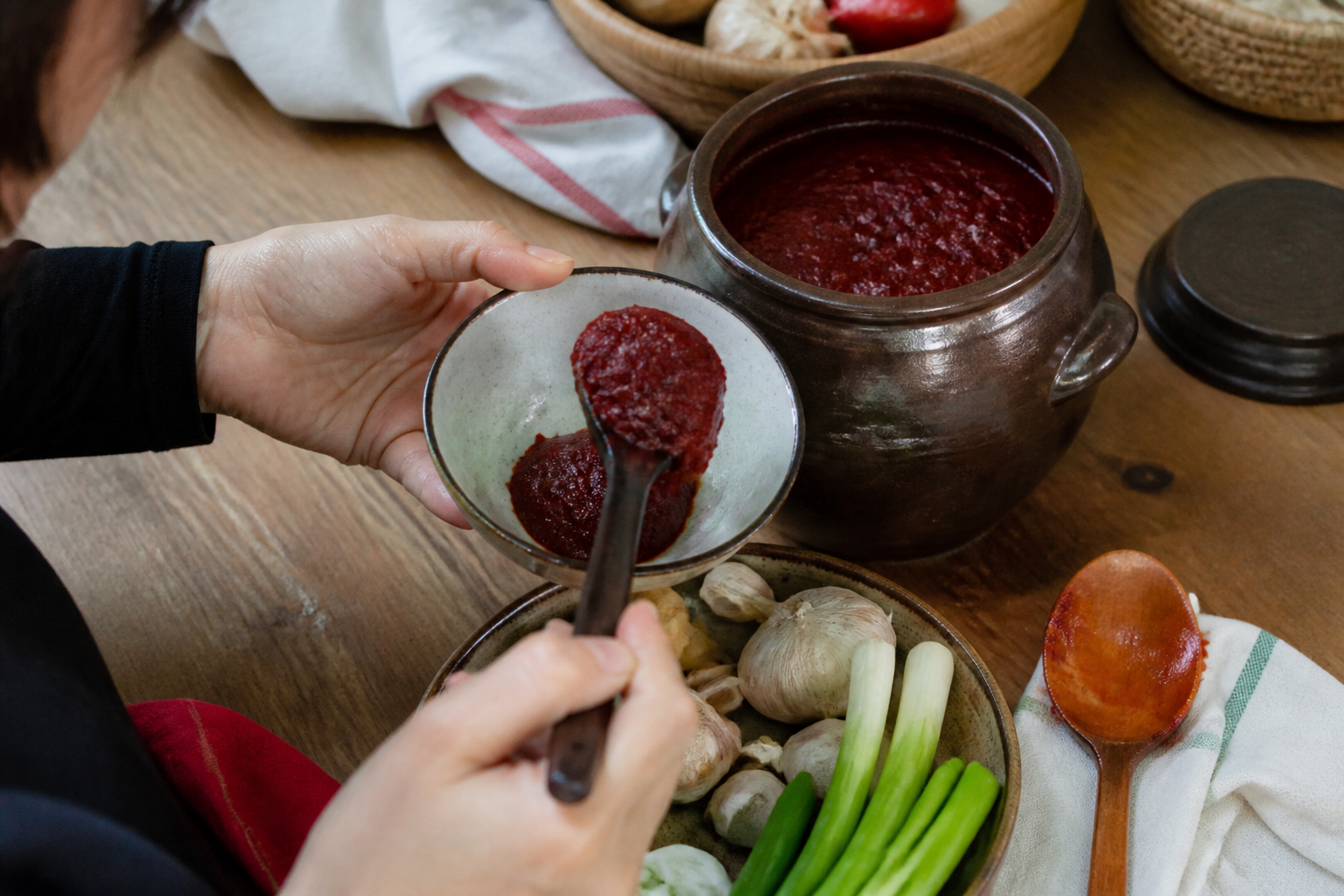
FOOD · Everyday and ceremonial food
Gochujang or red chili paste is a savory, sweet, and spicy fermented condiment popular in Korean cooking. It is made from gochugaru (red chili powder), chapssal (glutinous rice), meju (fermented soybean) powder, yeotgireum (barley malt powder), and salt.
Read the brief →
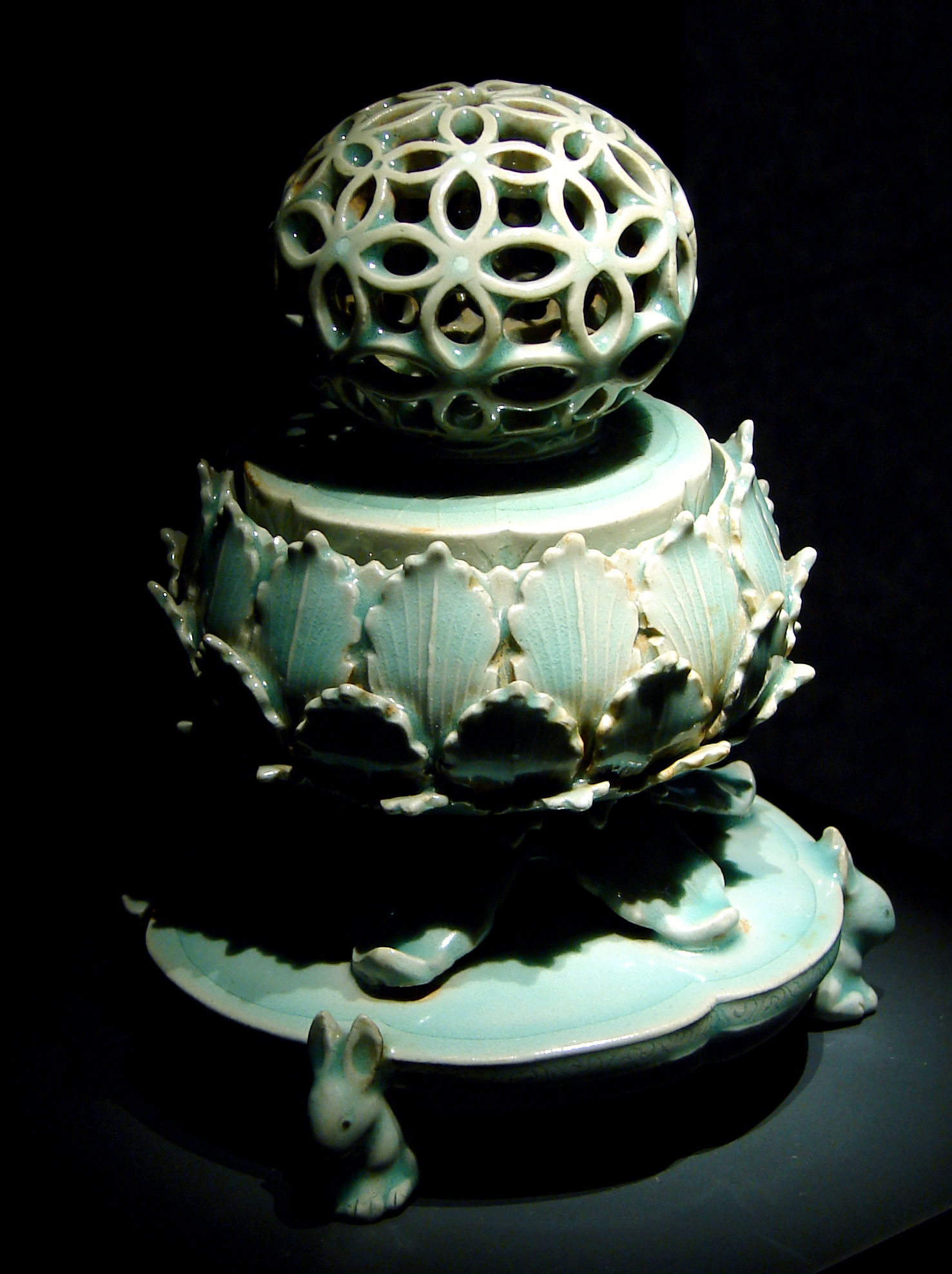
CULTURE · Living heritage
Korean ceramic history (도자기; dojagi) begins with the oldest earthenware from around 8000 BC. Throughout the history, the Korean peninsula has been home to lively, innovative, and sophisticated art making. Long periods of stability have allowed for the establishment of spiritual traditions, and artisan technologies specific to the region.
Read the brief →
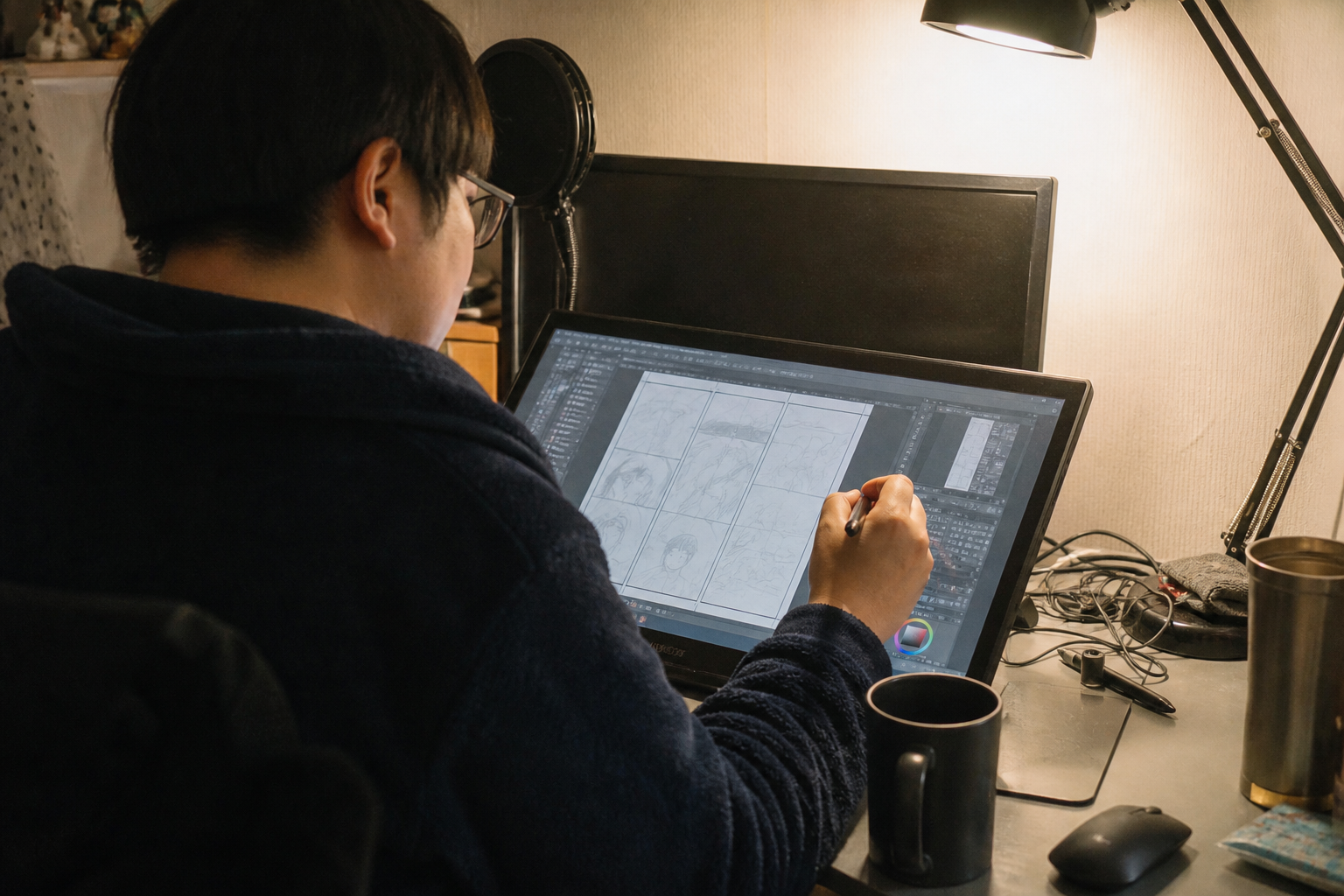
CULTURE · Contemporary Korea
Webtoons (Korean: 웹툰; RR: Weptun) are a type of episodic digital comics that originated in South Korea usually meant to be read on smartphones. While webtoons were mostly unknown outside of South Korea during their inception, there has been a surge in popularity internationally thanks to the easy online accessibility and variety of free digital comics.
Read the brief →
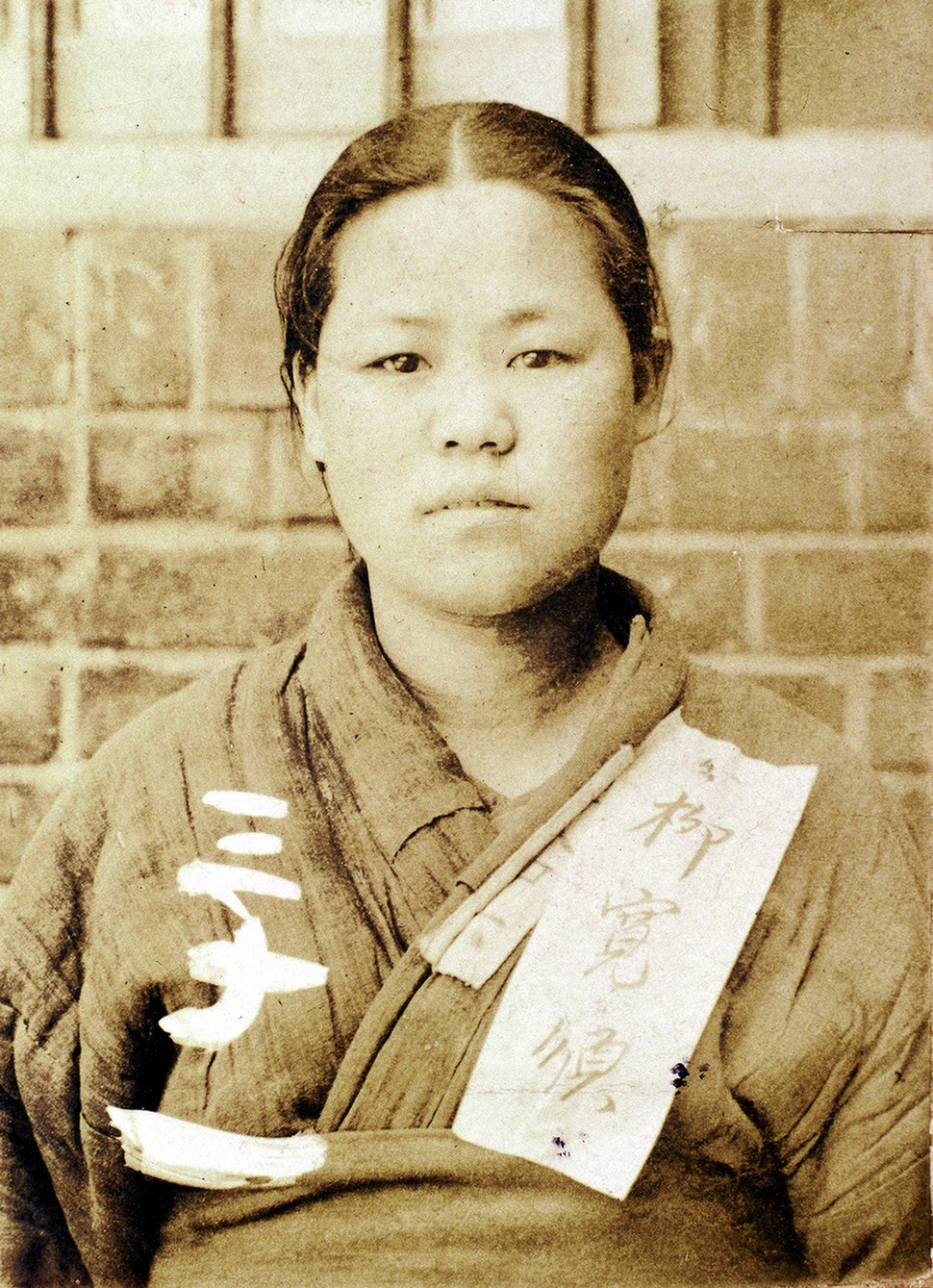
HISTORY · Late 19th century to today
Yu Gwan-sun (Korean: 유관순; Hanja: 柳寬順; December 16, 1902 – September 28, 1920) was a Korean independence activist. She was particularly notable for her role in South Chungcheong during the March 1st Movement protests against Japanese colonial rule. She has since become one of the most famous Korean independence activists and a symbol for the movement.
Read the brief →

CULTURE · Living heritage
Korean paper or hanji (Korean: 한지) is traditional handmade paper from Korea. Hanji is made from the inner bark of the paper mulberry (Broussonetia papyrifera; 닥; dak), a tree native to Korea that grows well on its rocky mountainsides. Another crucial material used in its creation is the mucilage that oozes from the roots of Abelmoschus manihot.
Read the brief →
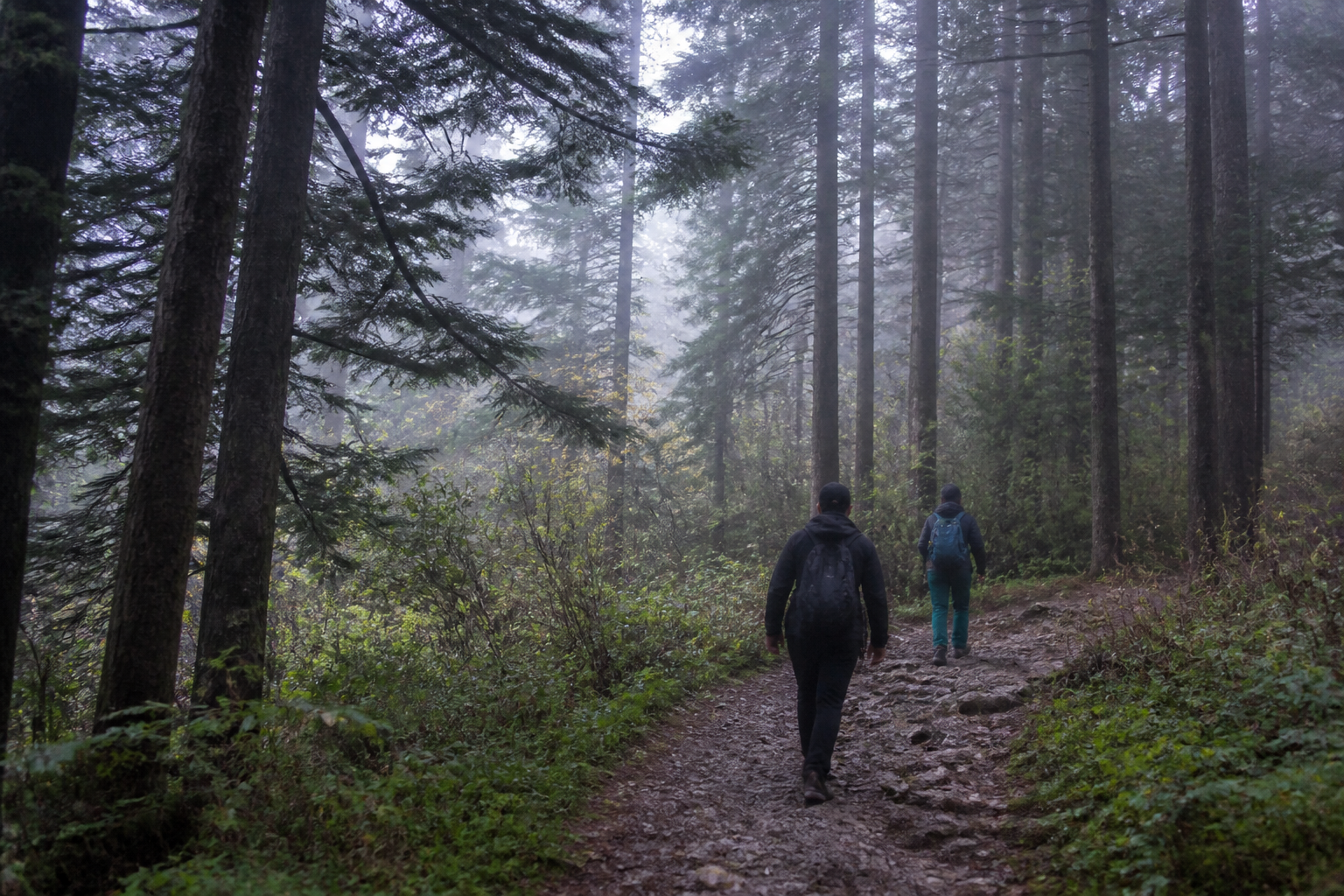
PLACES · Landscapes and regions
Odaesan, also known as Mount Odae-san or Mount Odae (Korean: 오대산; Hanja: 五臺山), is a major cluster of mountains and national park in eastern Gangwon Province, South Korea, standing at the junction of Gangneung City, Pyeongchang County and Hongcheon County.
Read the brief →
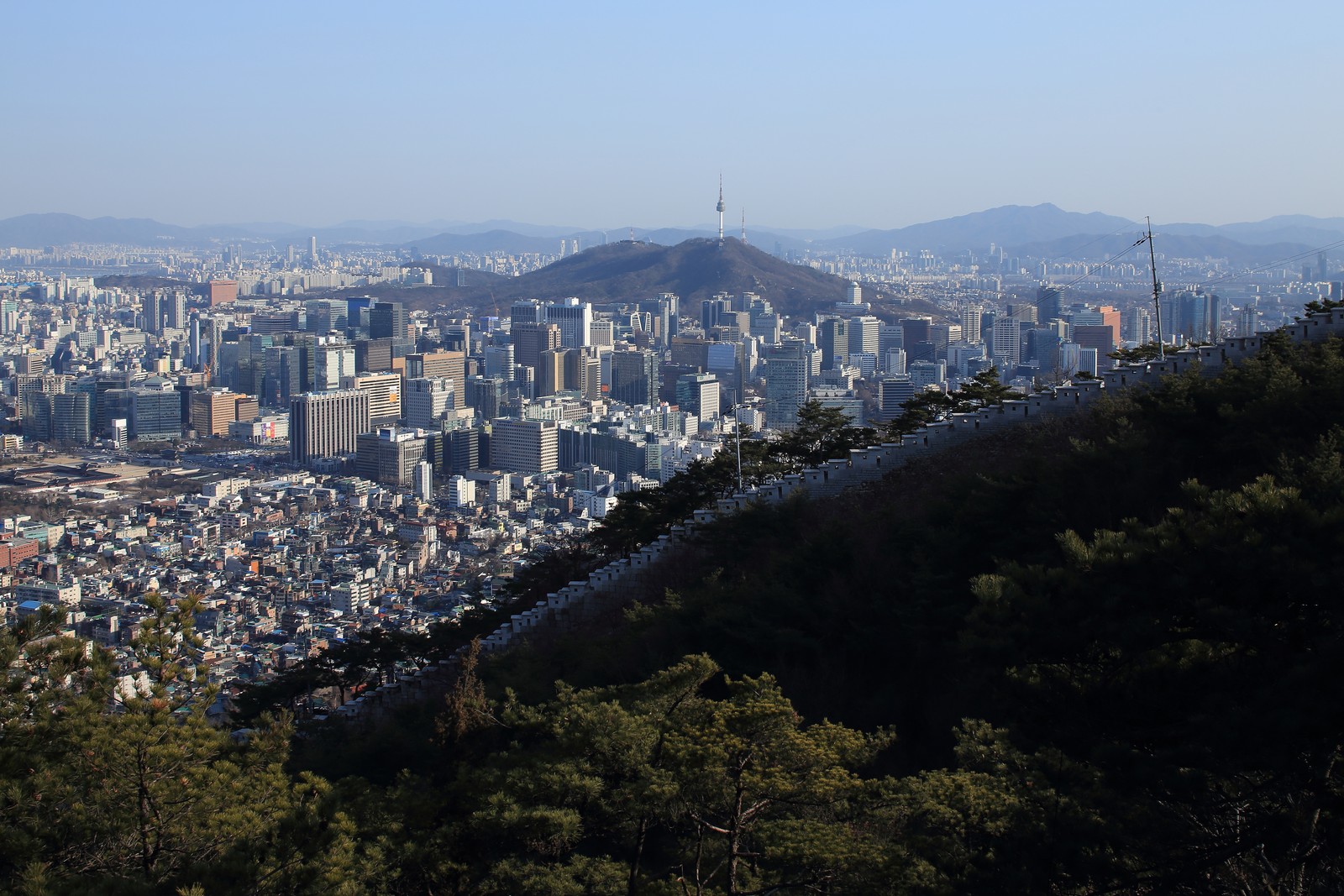
CITY · Seoul across time
The Seoul City Wall (Korean: 서울 성곽) or Hanyang Doseong (한양도성) is a defensive wall first built by the King Taejo of Joseon dynasty to defend the downtown area of Joseon's capital city Hanseong (한성; 漢城). It was designated as a Historic Site of South Korea in 1963, and is currently a tourist attraction around Downtown Seoul.
Read the brief →
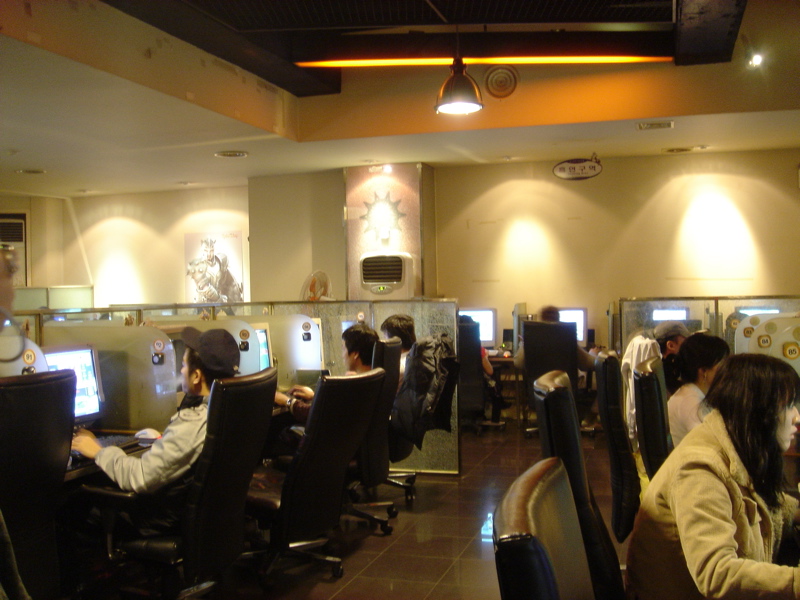
CULTURE · Contemporary Korea
A PC bang (Korean: PC방; lit. 'PC room') is a type of internet cafe or LAN gaming center in South Korea. Patrons can use computers, often to play video games in person with friends, for an hourly fee. Although the per capita penetration of personal computers and broadband internet access in South Korea is one of the highest in the world, PC bangs remain…
Read the brief →
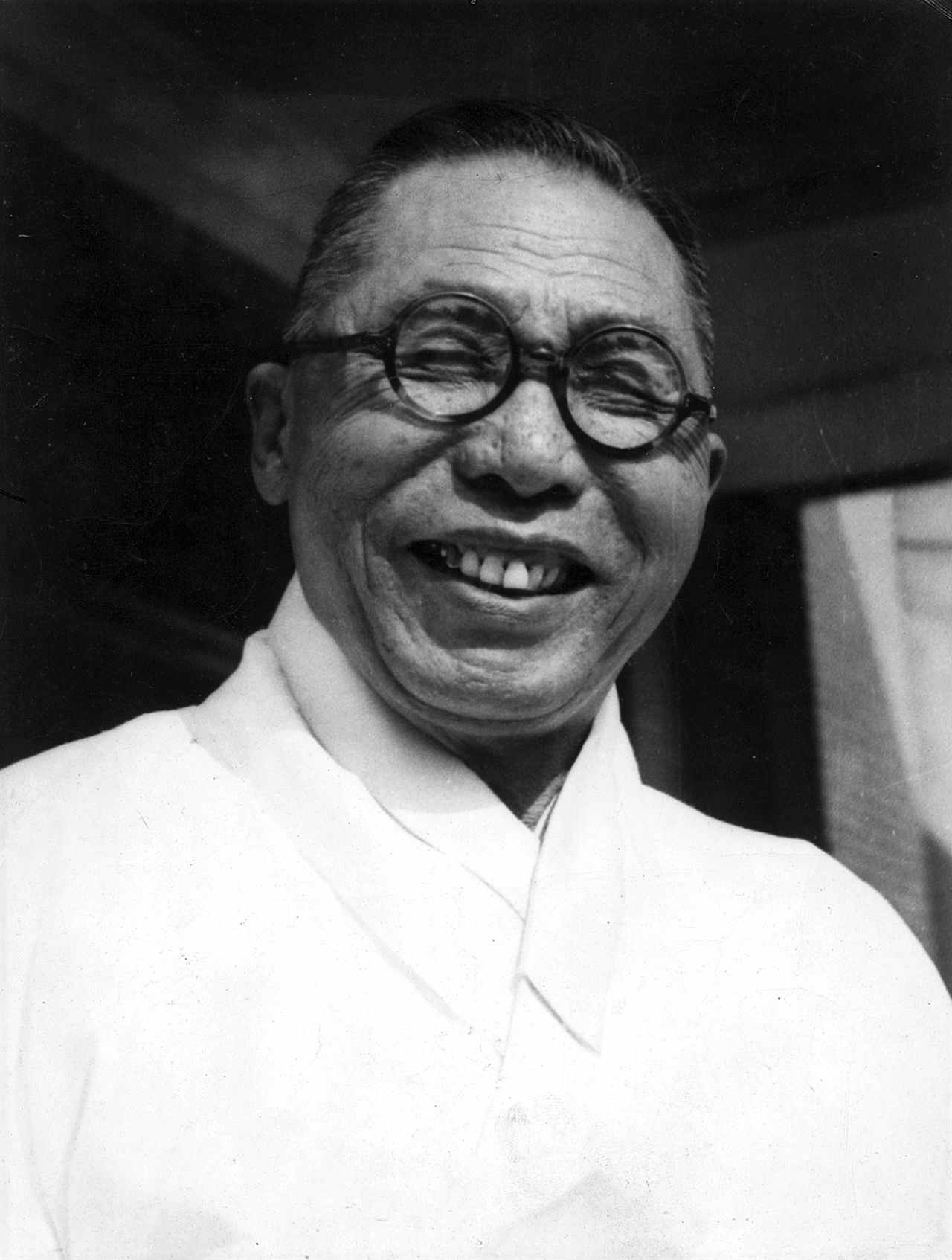
HISTORY · Late 19th century to today
Kim Ku (Korean: 김구; Hanja: 金九; August 29, 1876 – June 26, 1949), also known by his art name Paekpŏm, was a Korean independence activist and statesman. He was a leader of the Korean independence movement against the Empire of Japan, head of the Korean Provisional Government from 1926 to 1927 and from 1940 to 1945, and a Korean reunification activist after…
Read the brief →
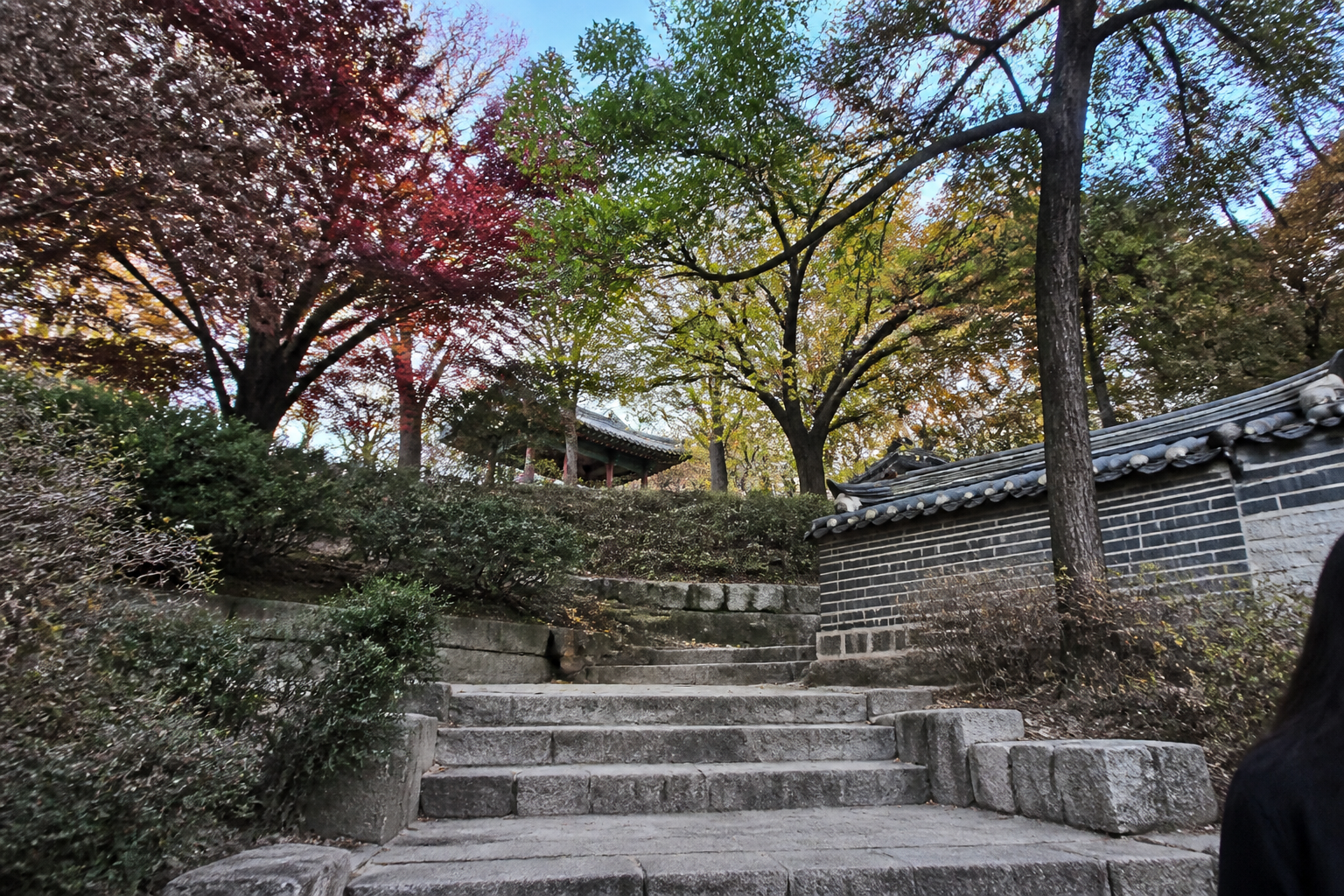
CITY · Seoul across time
Changdeokgung (Korean: 창덕궁; Hanja: 昌德宮) is a former royal palace in Seoul, South Korea. A UNESCO World Heritage Site and a Historic Site of South Korea, it is among the best preserved of all Korean palaces. It and its neighboring palace Changgyeonggung have together been called the "East Palace". Changdeokgung was established in 1405.
Read the brief →
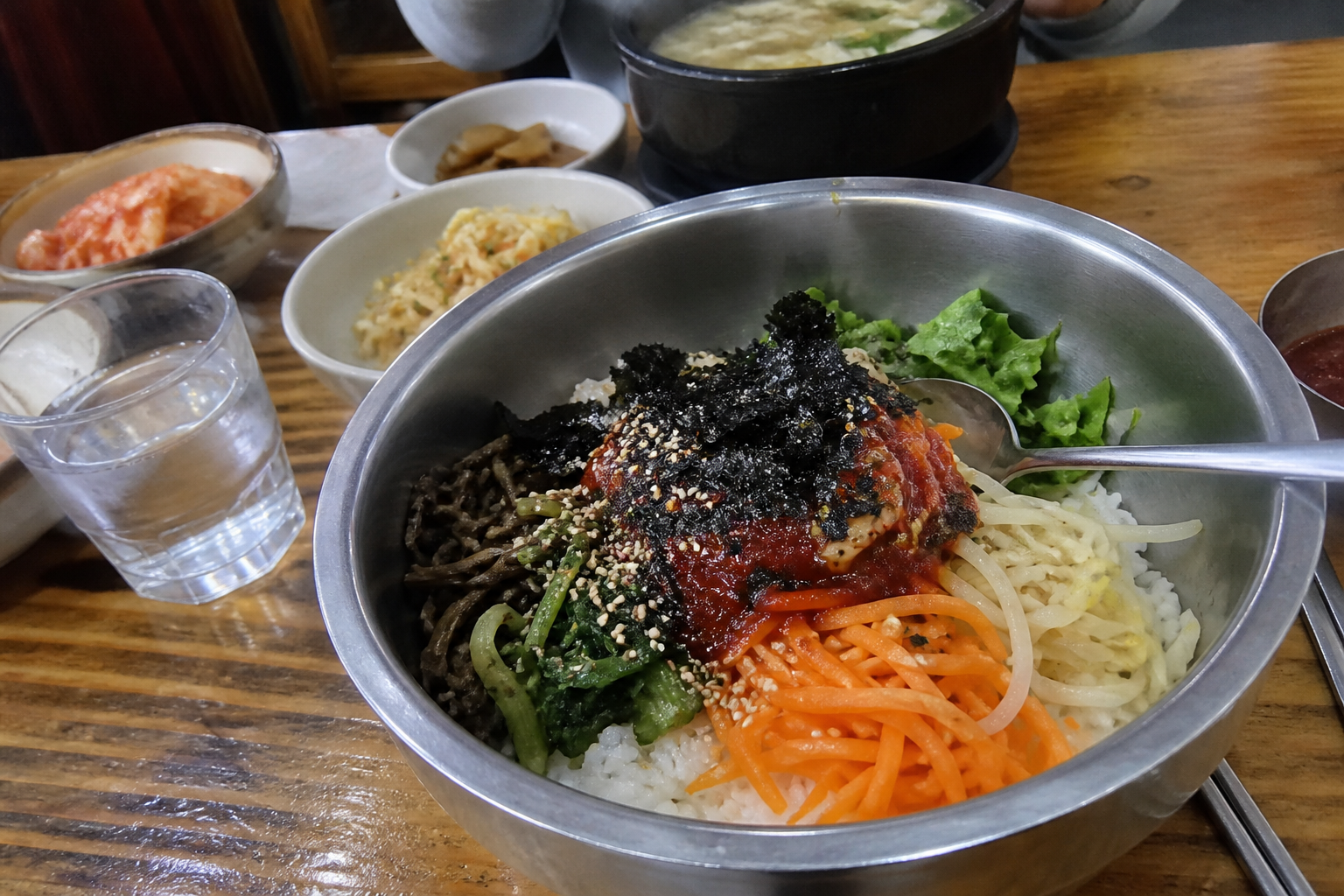
FOOD · Everyday and ceremonial food
Bibimbap ( BEE-bim-bap; Korean: 비빔밥; lit. ''mixed rice''), sometimes romanised as bi bim bap or bi bim bop, is a Korean rice dish. It is served as a bowl of warm white rice topped with namul (sautéed or blanched seasoned vegetables) and gochujang (chili pepper paste).
Read the brief →
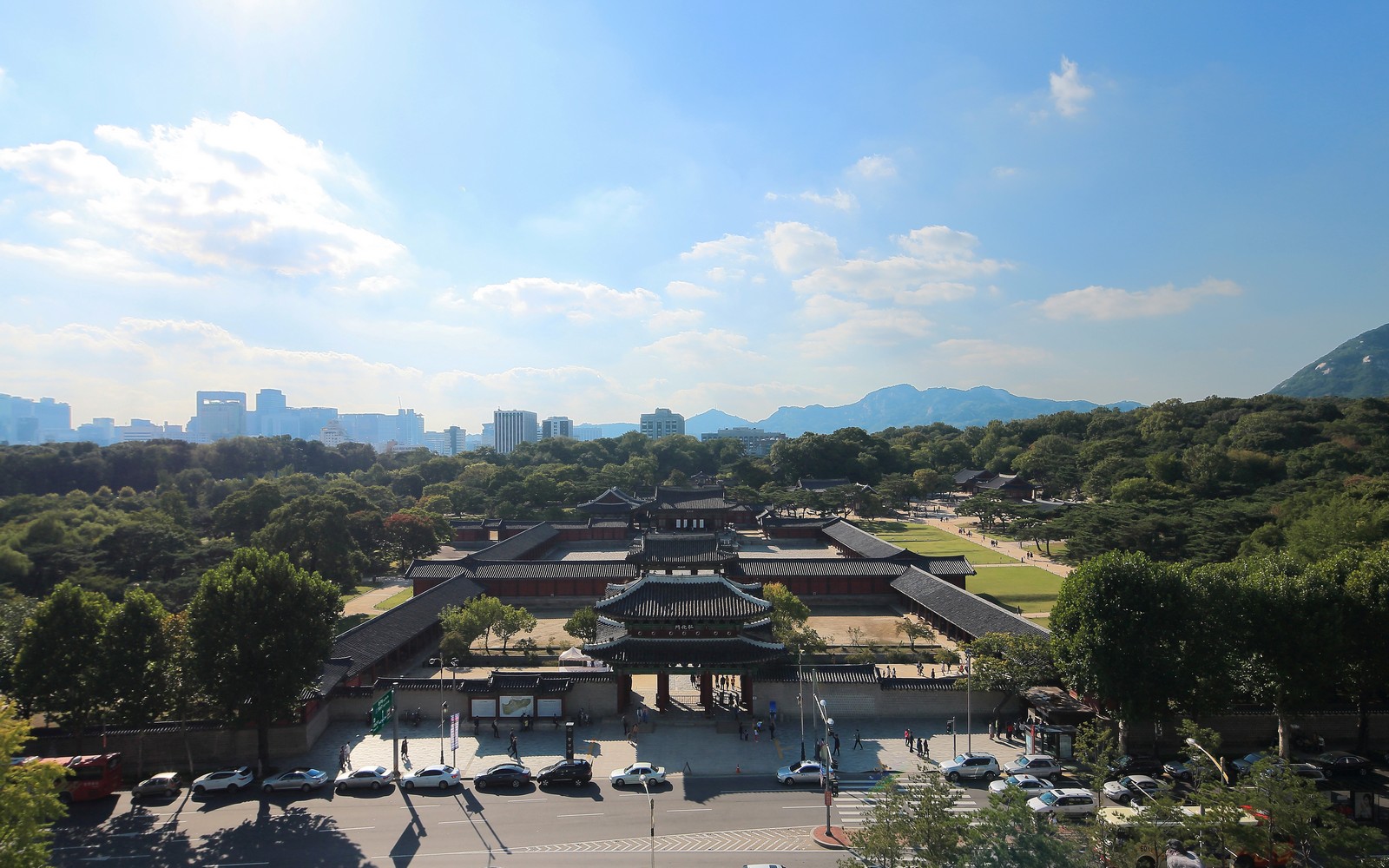
CITY · Seoul across time
Changgyeonggung (Korean: 창경궁; Hanja: 昌慶宮) is a palace located in Seoul, South Korea. The palace was built in the mid-15th century by King Sejong for his father, Taejong. It was originally named "Suganggung", but it was renovated and enlarged in 1483 by King Seongjong, at which time it received its current name.
Read the brief →
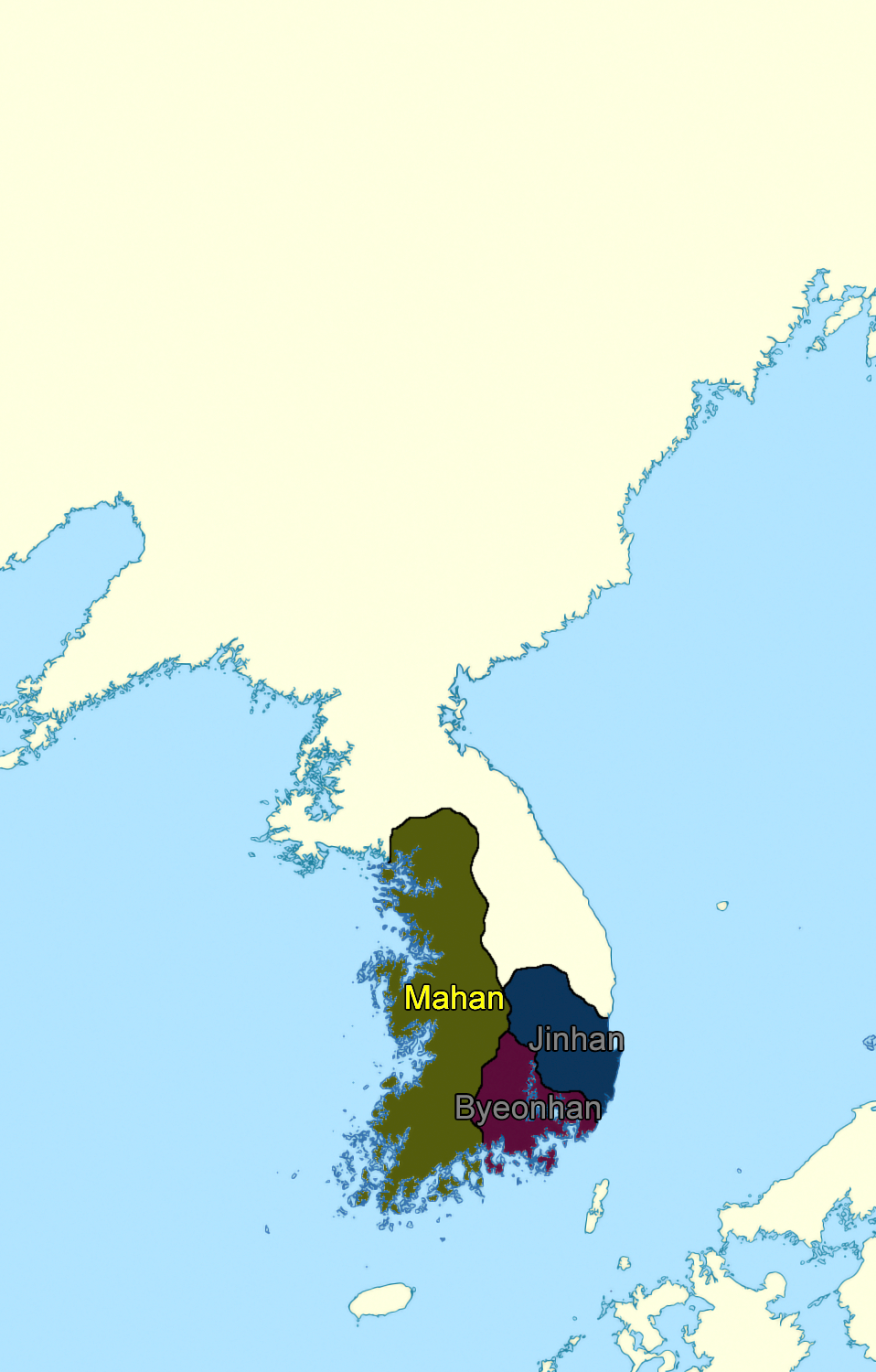
HISTORY · Prehistory to 935
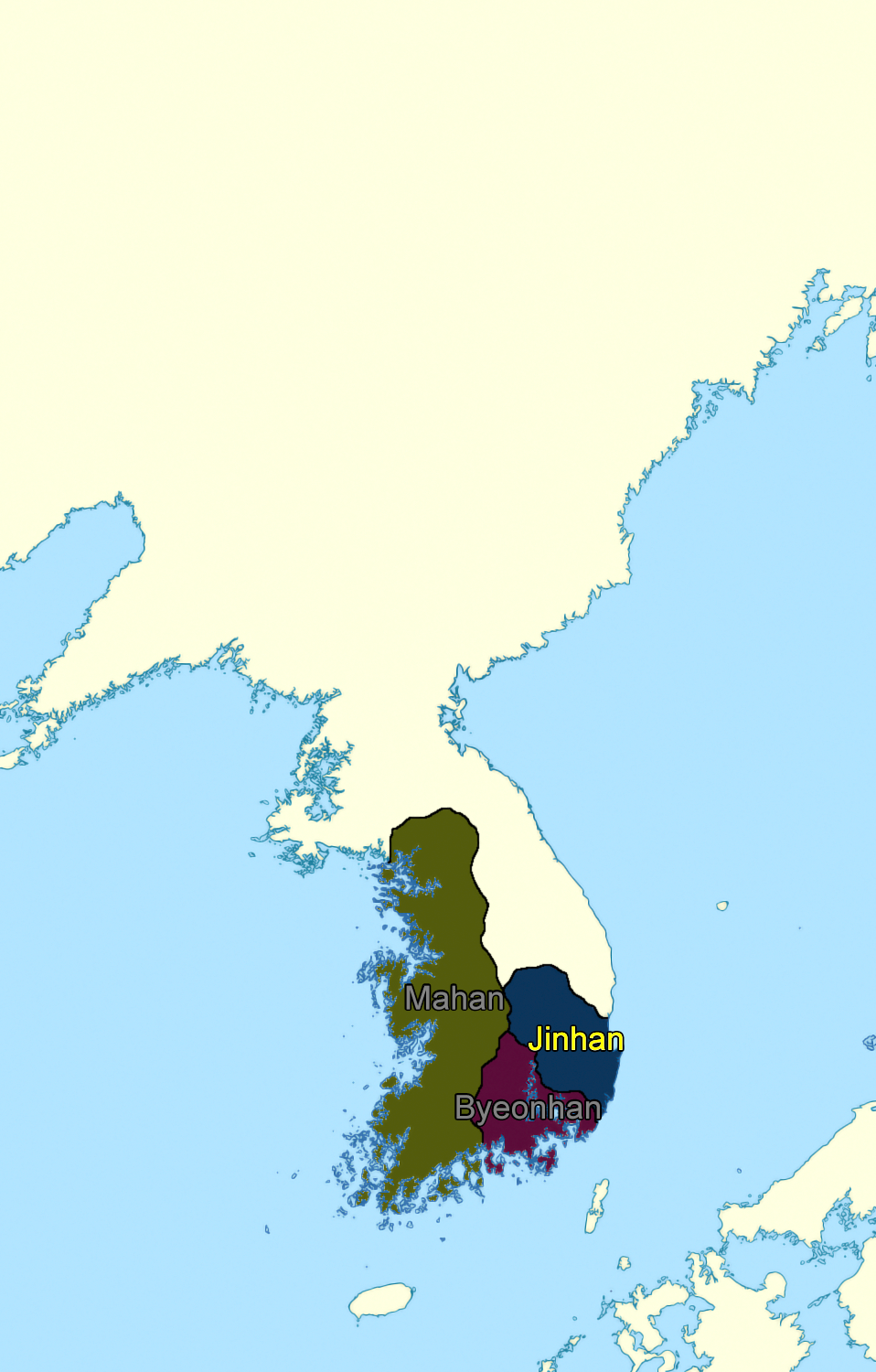
Mahan (Korean: 마한; Hanja: 馬韓; pronounced [ma.ɦan]) was a tribal grouping in southwestern Korea described in Chinese sources from the 3rd century. It was the largest of the 'three Hans' (the Samhan), along with Byeonhan and Jinhan. During the 4th century, the kingdom of Paekche rose in the territory of Mahan and became one of the Three Kingdoms of Korea.
Read the brief →
HISTORY · Prehistory to 935
Jinhan (Korean: 진한; pronounced [tɕin.ɦan]) was a loose confederacy of chiefdoms that existed from around the 1st century BCE to the 4th century CE in the southern Korean peninsula, to the east of the Nakdong River valley, Gyeongsang Province. Jinhan was one of the Samhan (or "Three Hans"), along with Byeonhan and Mahan.
Read the brief →