HISTORY · Prehistory to 935
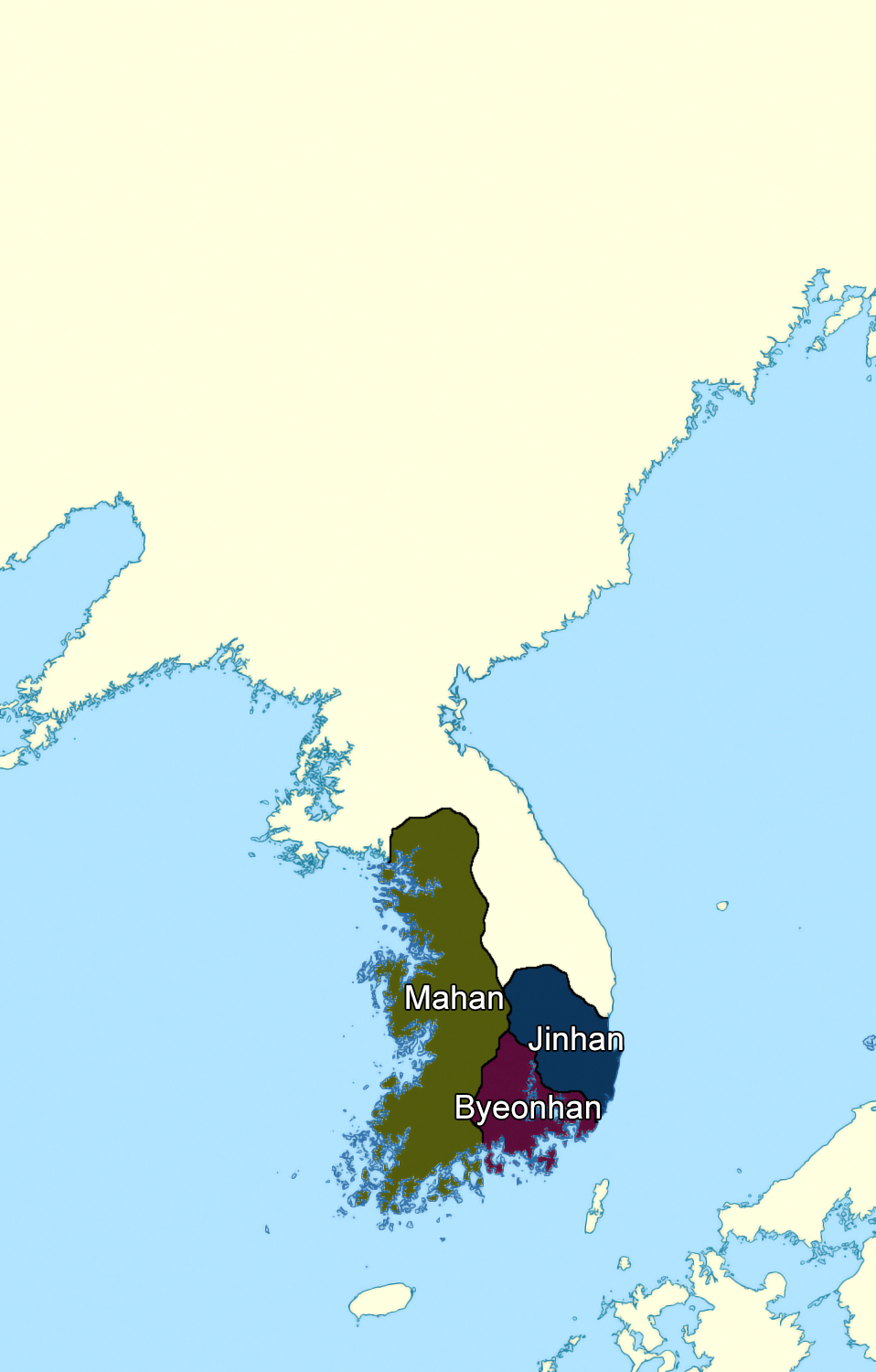
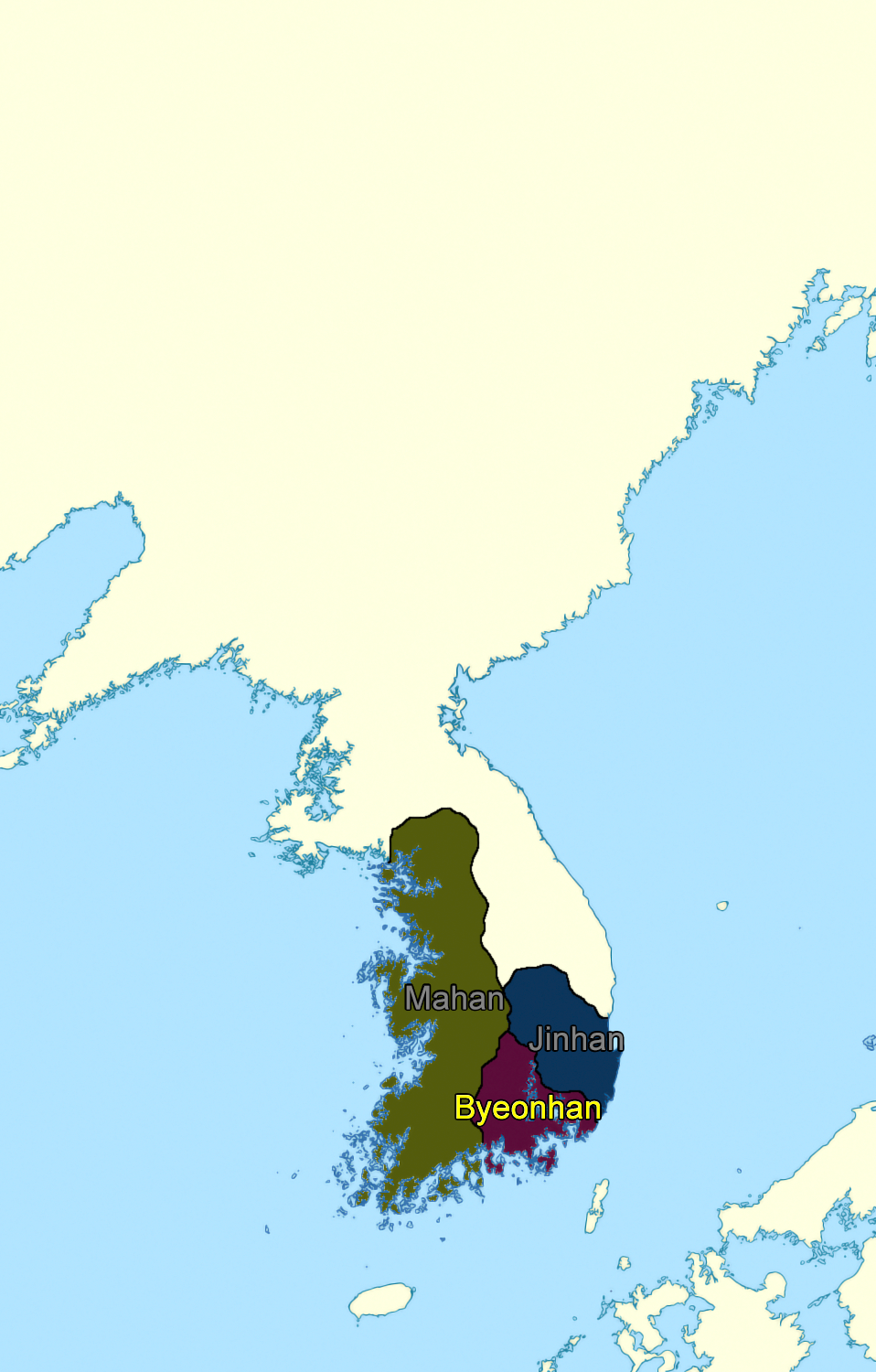
Samhan, or Three Hans (Korean: 삼한; Hanja: 三韓), is the collective name of the three confederacies: Byeonhan, Jinhan, and Mahan that emerged in the first century BCE during the Proto–Three Kingdoms of Korea, or Samhan, period. Located in the central and southern regions of the Korean Peninsula, the Samhan confederacies eventually merged and developed into the…
Read the brief →
HISTORY · Late 19th century to today
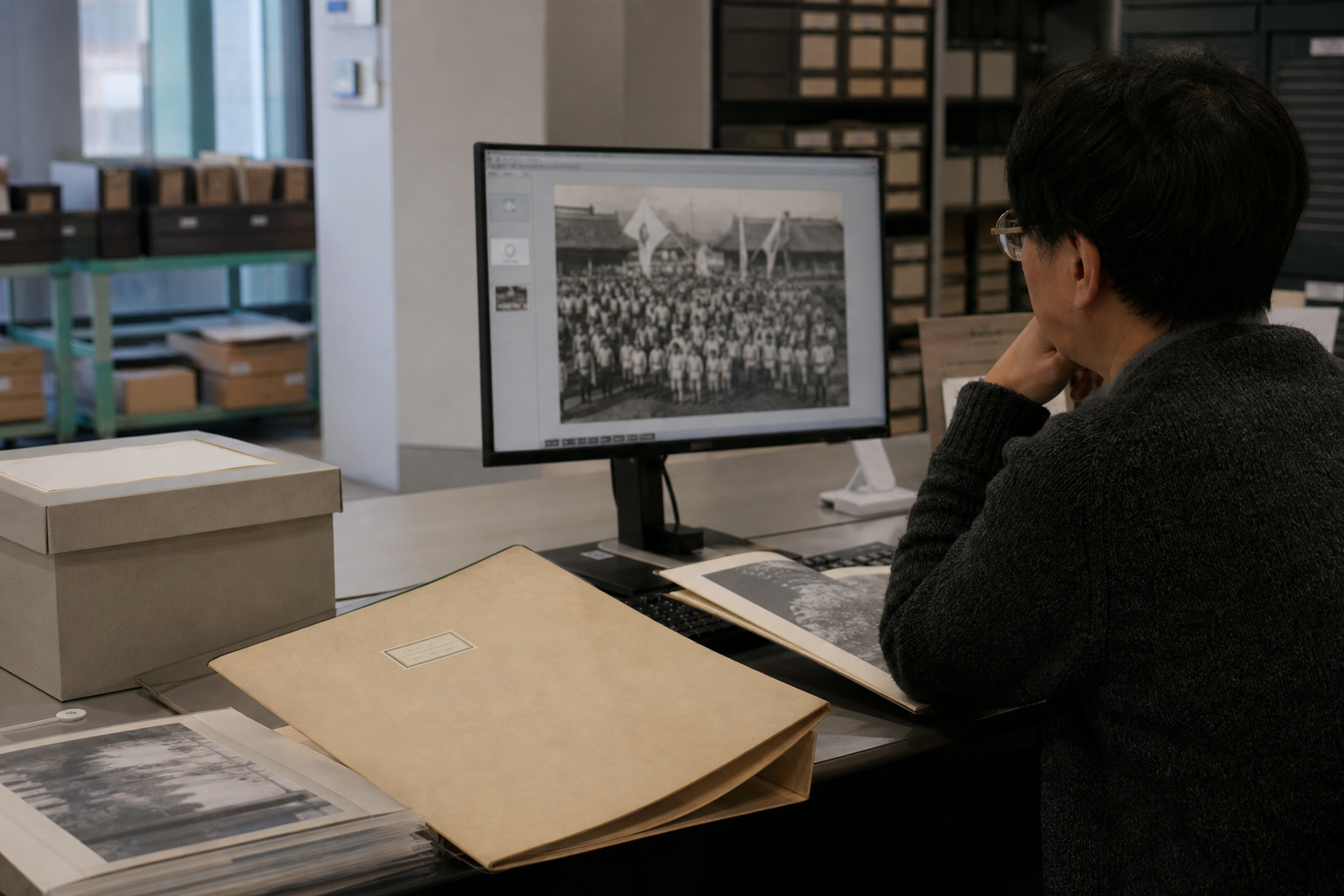
The Korean independence movement, also known as the Korean Revolution, was a series of diplomatic and militant efforts that liberated the Korean peninsula from Japanese rule. The movement began around the late 19th or early 20th century, and ended with the surrender of Japan in 1945.
Read the brief →
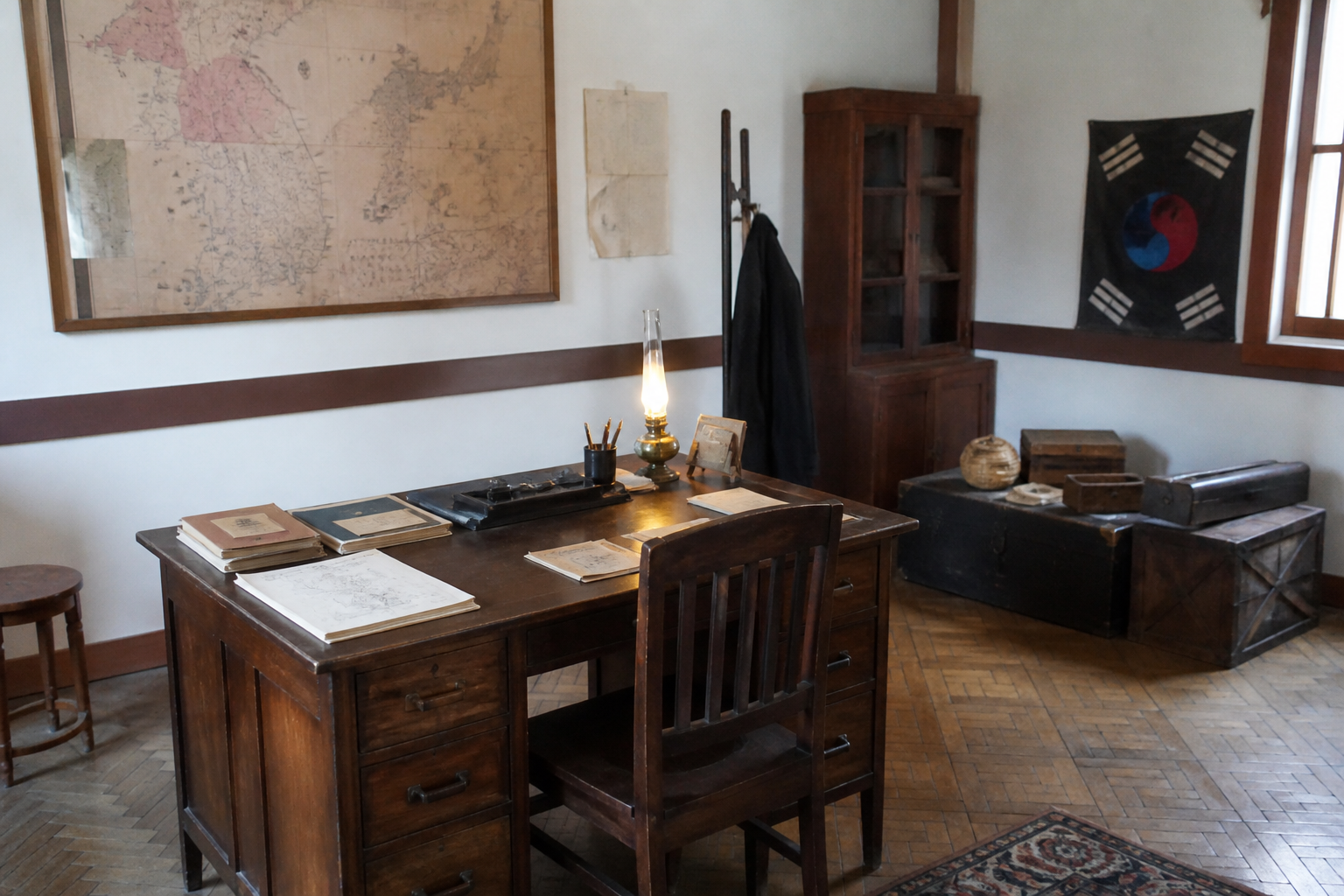
HISTORY · Late 19th century to today
The Korean Provisional Government (KPG), formally the Provisional Government of the Republic of Korea (Korean: 대한민국 임시정부), was a Korean government-in-exile based in China during Japanese rule over Korea. The KPG was founded in the Shanghai French Concession on 11 April 1919.
Read the brief →
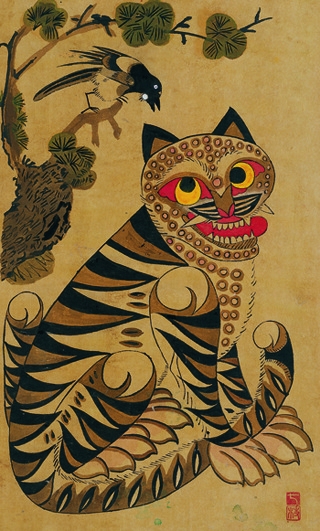
CULTURE · Living heritage
Minhwa (Korean: 민화; Hanja: 民畵) refers to Korean folk art produced mostly by itinerant or unknown artists without formal training, emulating contemporary trends in fine art for the purpose of everyday use or decoration. This type of painting was often the work of anonymous craftsmen who faithfully adhered to the styles, canons and genres inherited from the…
Read the brief →
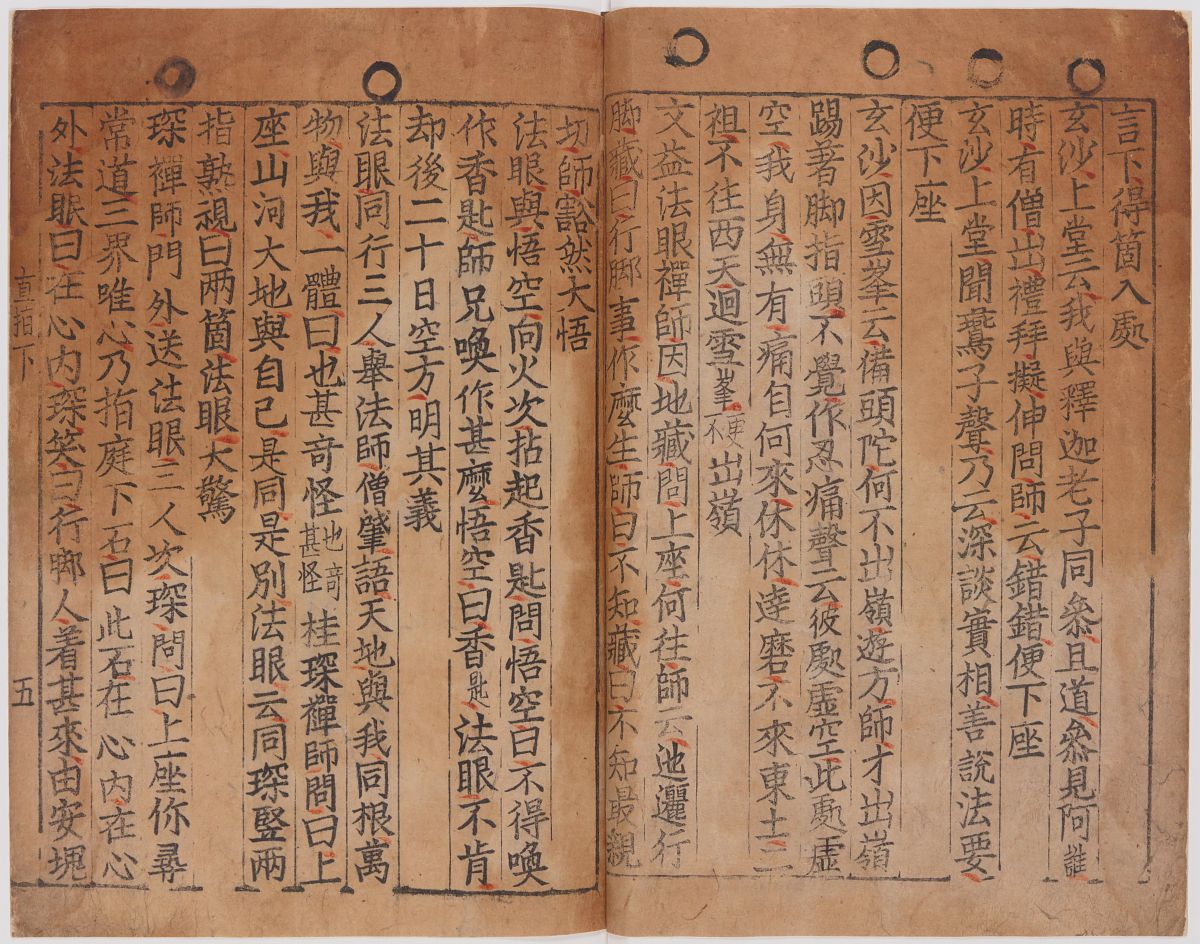
HISTORY · 918–1910
Jikji (Korean: 직지심체요절) is the abbreviated title of a Korean Buddhist document whose title translates as "Anthology of Great Buddhist Priests' Zen Teachings". Printed during the Goryeo Dynasty in 1377, it is the world's oldest extant book printed with movable metal type.
Read the brief →
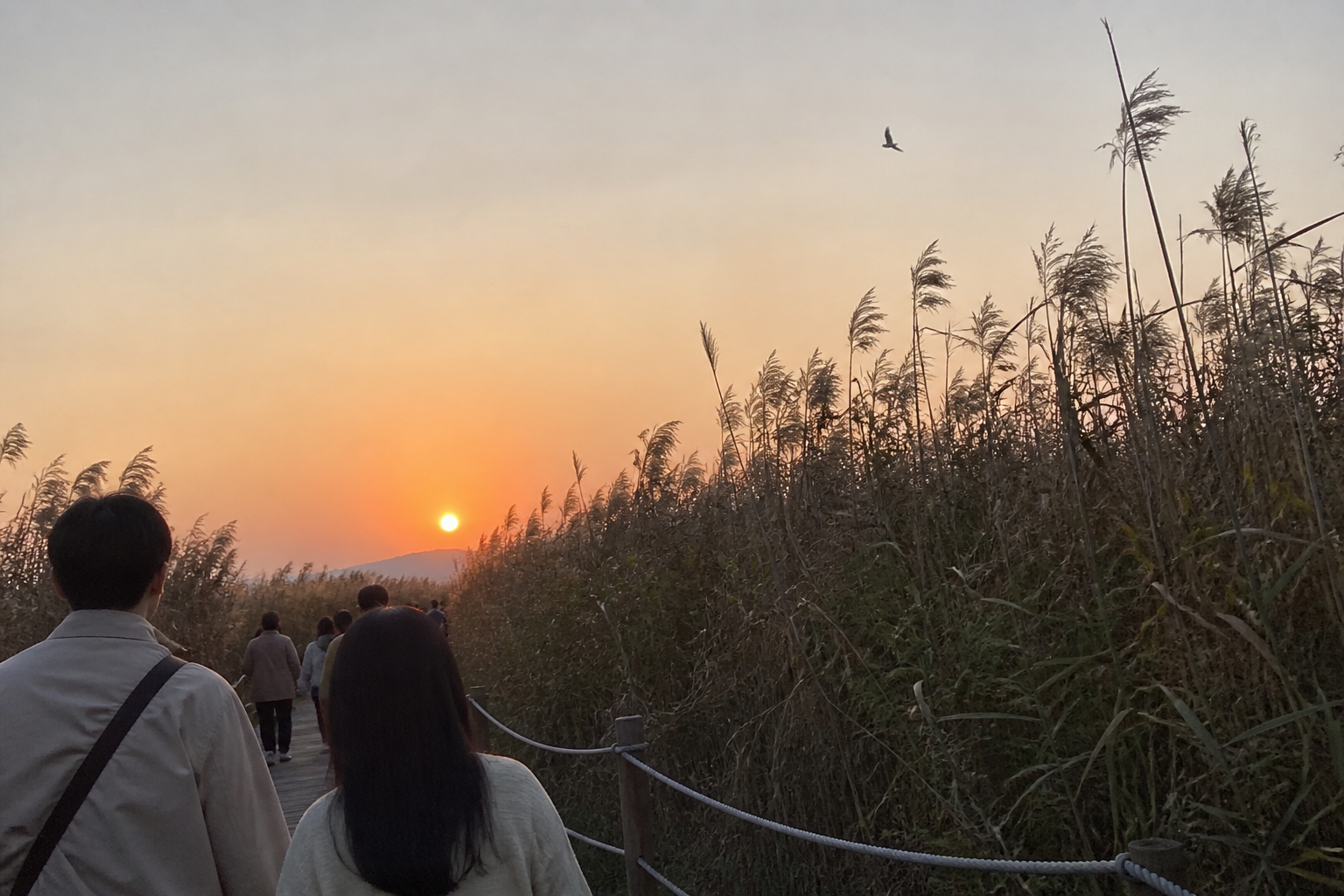
PLACES · Landscapes and regions
Suncheon Bay is a coastal wetland in Suncheon, South Jeolla Province, South Korea. It is composed of a 3.5 km (2.2 mi) long stream, a 2,221 ha (5,490 acres) wide tideland and a 230 ha (570 acres) wide field of reeds. Due to its natural coast, it is the habitat of migratory birds, plants and animals.
Read the brief →
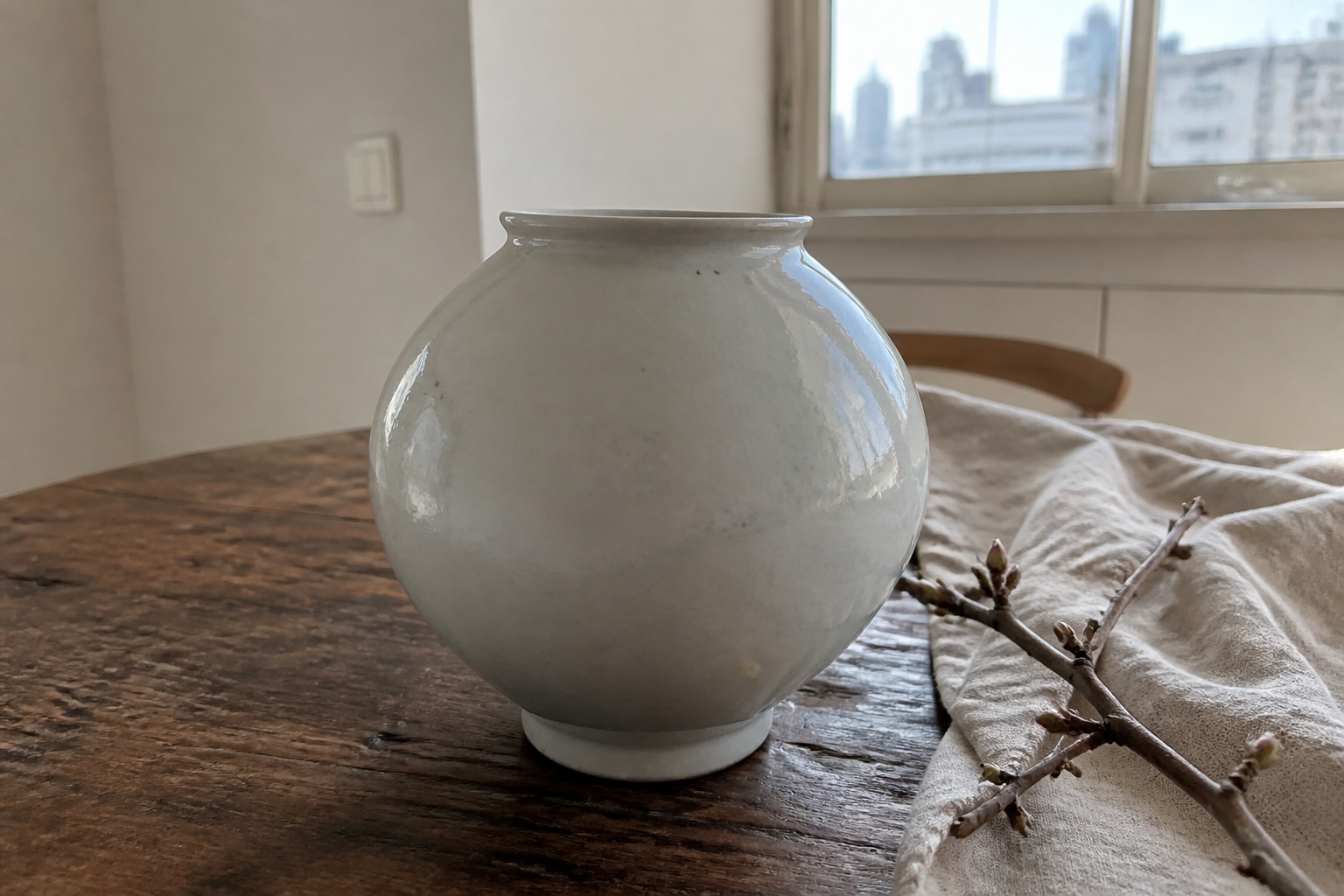
CULTURE · Living heritage
Moon jar is a type of traditional Korean white porcelain which was made during the Joseon dynasty (1392–1910). The Joseon white porcelain was adopted as imperial ware in the fifteenth century. Moon jars first appeared in the late seventeenth century and remained popular until the mid-eighteenth century.
Read the brief →
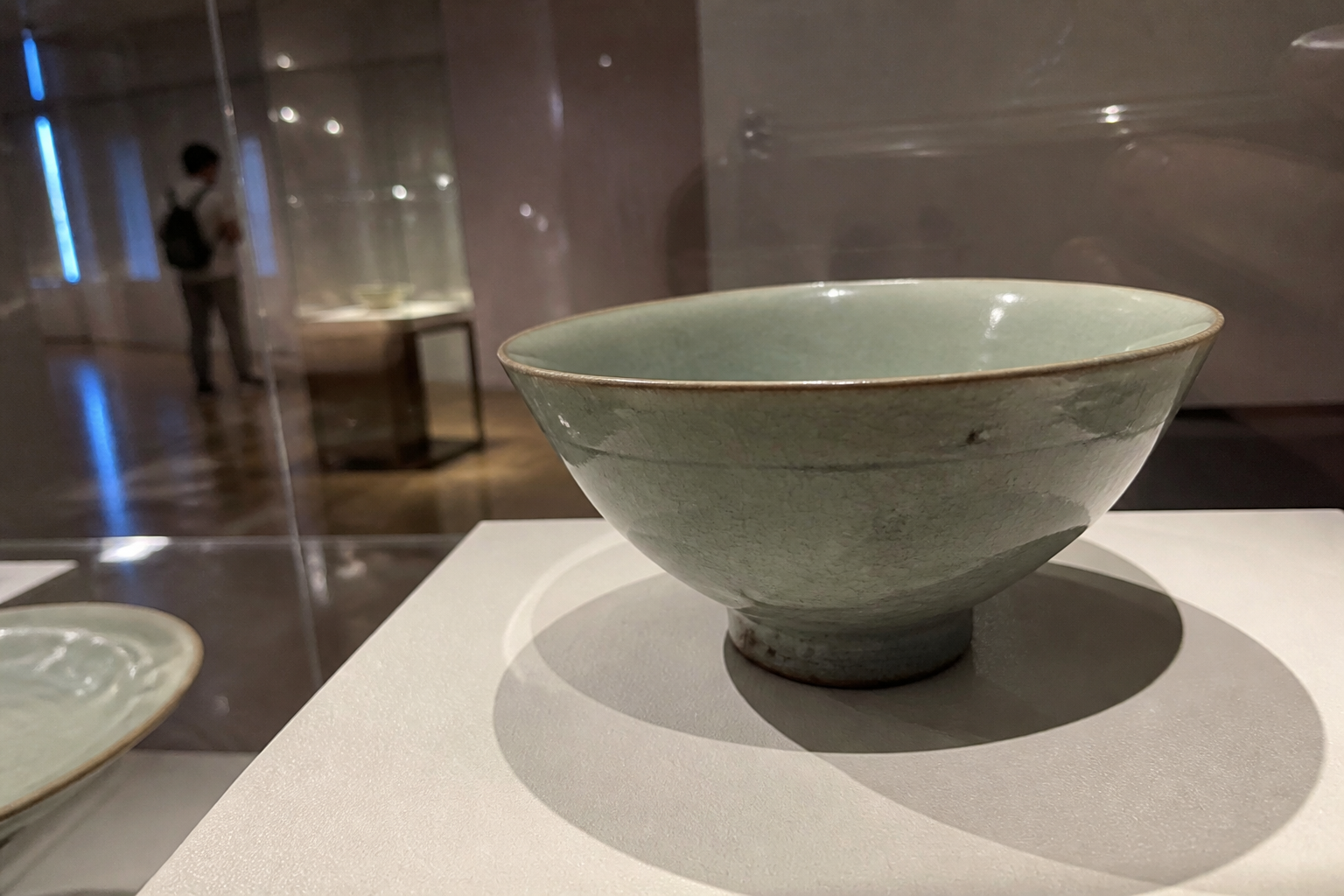
HISTORY · 918–1910
Goryeo ware (Korean: 고려도자기) refers to all types of Korean pottery and porcelain produced during the Goryeo dynasty, from 918 to 1392, but most often refers to celadon (greenware). Celadon techniques were first introduced from China; Goryeo potters established a native style by the 12th century.
Read the brief →
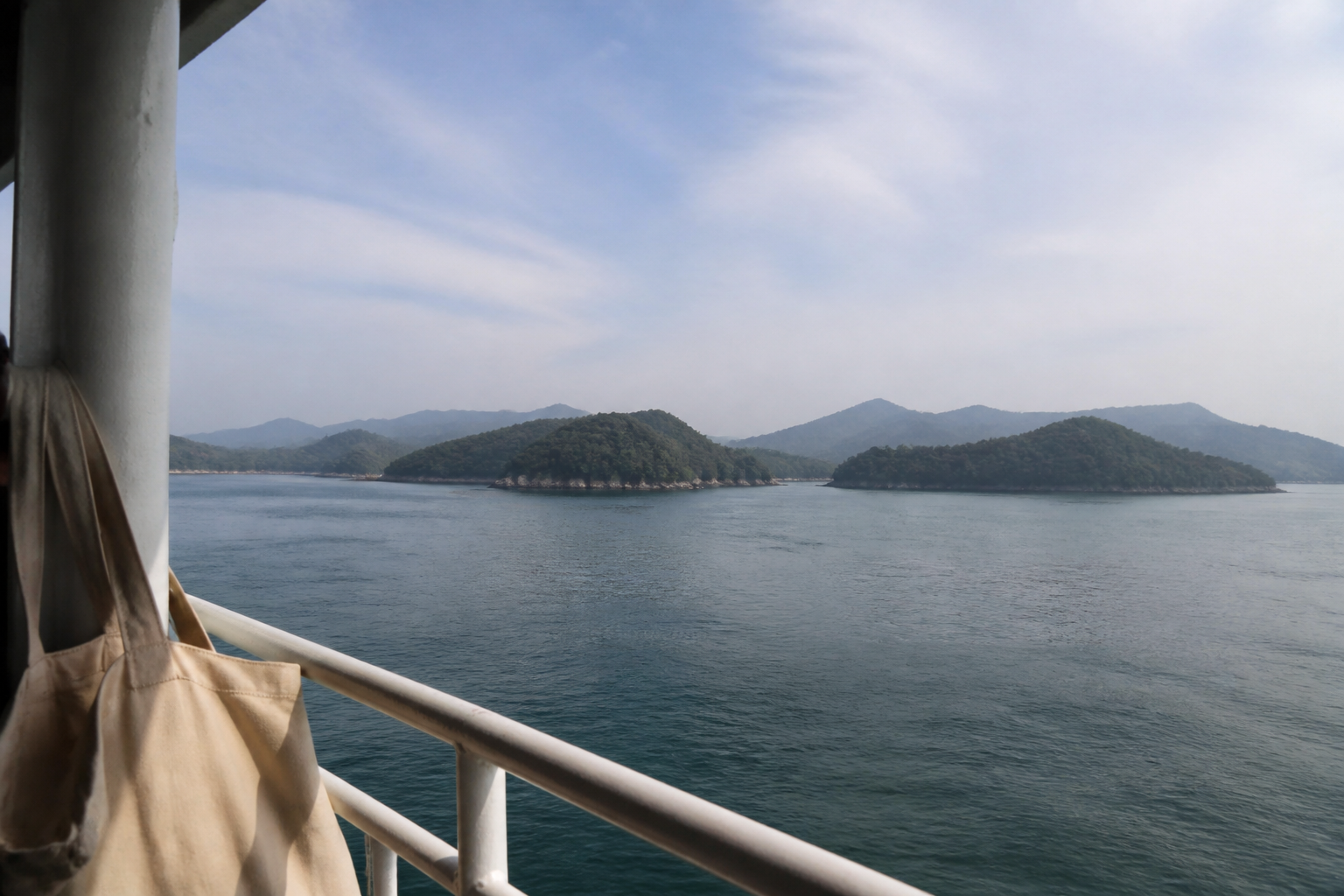
PLACES · Landscapes and regions
Dadohaehaesang National Park (Korean: 다도해해상국립공원; Hanja: 多島海海上國立公園) was designated in 1981 as the largest national park in South Korea. The total area is 2,321.5 km2 (896.3 sq mi) with 1,986.6 km2 (767.0 sq mi) being marine area and 334.8 km2 (129.3 sq mi) being land area. Main attractions of Dadohaehaesang National Park are Hongdo, Heuksando and Baekdo.
Read the brief →
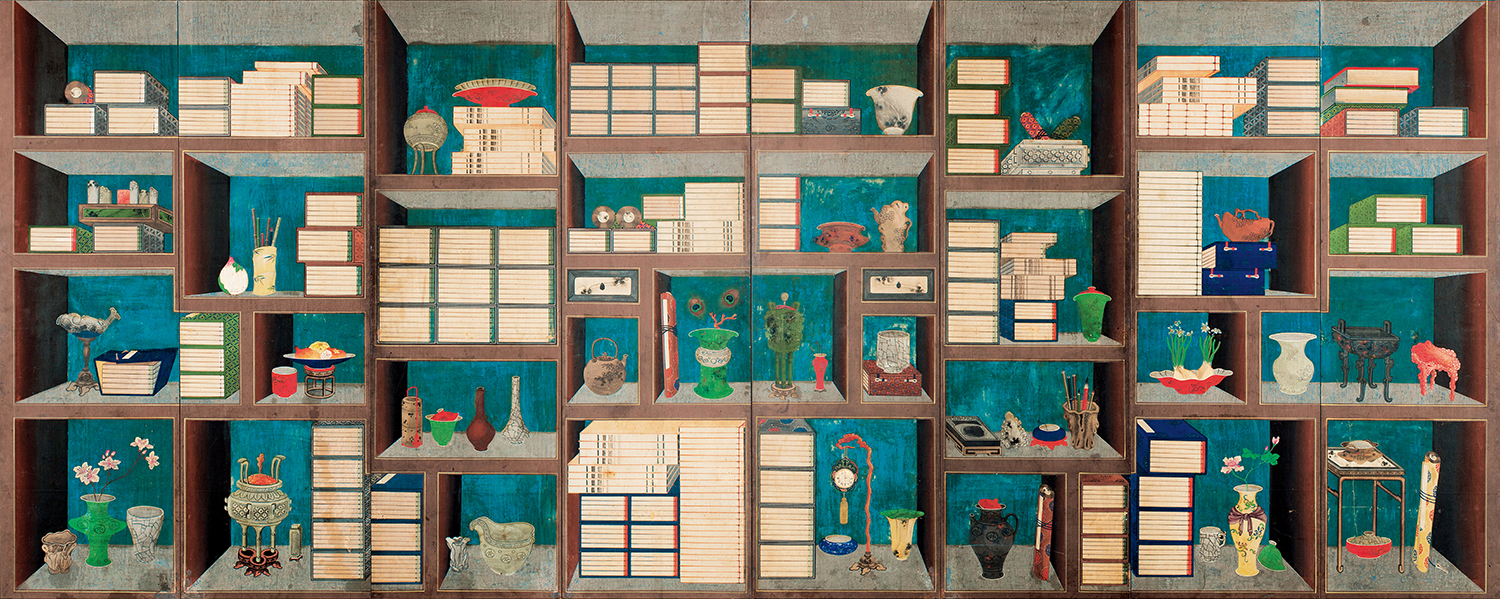
CULTURE · Living heritage
Chaekgeori (Korean: 책거리; Hanja: 冊巨里), translated as "books and things", is a genre of still-life painting from the Joseon period of Korea that features books as the dominant subject. The chaekgeori tradition flourished from the second half of the 18th century to the first half of the 20th century and was enjoyed by all members of the population, from the…
Read the brief →
CULTURE · Contemporary Korea
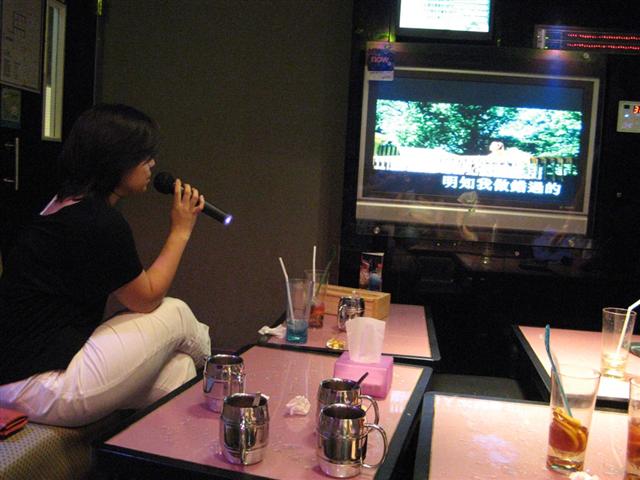
Karaoke (カラオケ) is a type of interactive entertainment system usually offered in nightclubs and bars, where people sing along to pre-recorded accompaniment using a microphone. Its musical content is an instrumental rendition of a well-known popular song.
Read the brief →
HISTORY · 918–1910
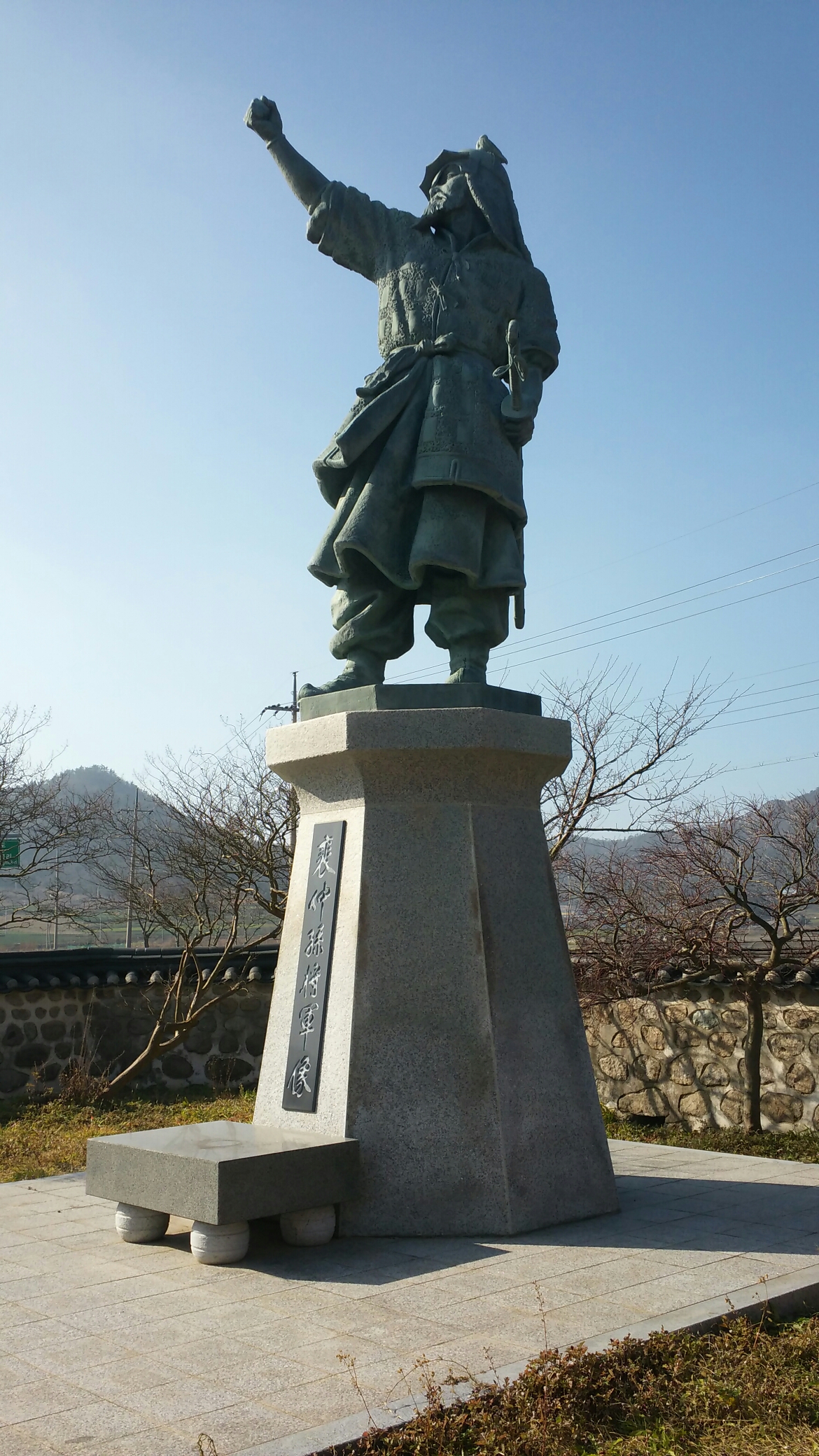
The Sambyeolcho Rebellion (1270–1273) was a Korean rebellion against the pro-Mongol Goryeo dynasty that happened near the end of the Mongol invasions of Korea. It was suppressed by Goryeo and the Mongol Yuan dynasty. After the rebellion, Goryeo became a vassal state of the Yuan dynasty.
Read the brief →
HISTORY · Late 19th century to today
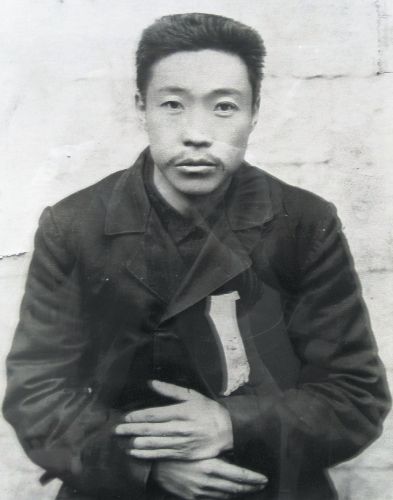
An Jung-geun (Korean: 안중근; 2 September 1879 – 26 March 1910), courtesy name An Eungchil (Korean: 안응칠; Hanja: 安應七), was a Korean independence activist who assassinated Itō Hirobumi, former Prime Minister of Japan and Japanese Resident-General of Korea, in Harbin, China in 1909.
Read the brief →
FOOD · Everyday and ceremonial food
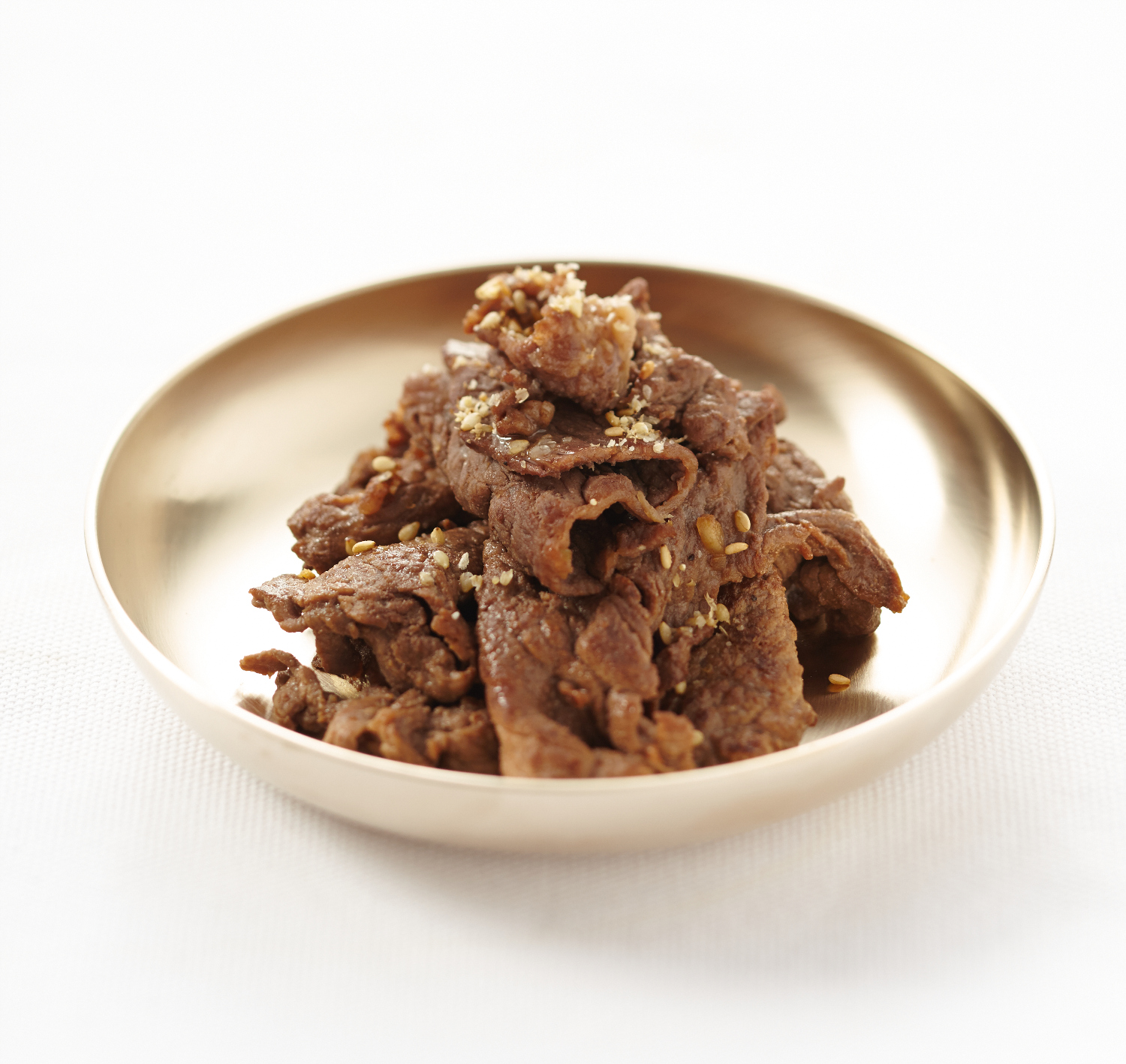
Bulgogi ( buul-GOH-ghee, UK also BUUL-gog-ee, US also BOOL-goh-ghee; Korean: 불고기 [puɭɡoɡi], lit. 'fire meat') is a gui (Korean-style grilled or roasted dish) made of thin, marinated slices of meat, most commonly beef, grilled on a barbecue or on a stove-top griddle. It is also often stir-fried in a pan in home cooking.
Read the brief →
CITY · Seoul across time
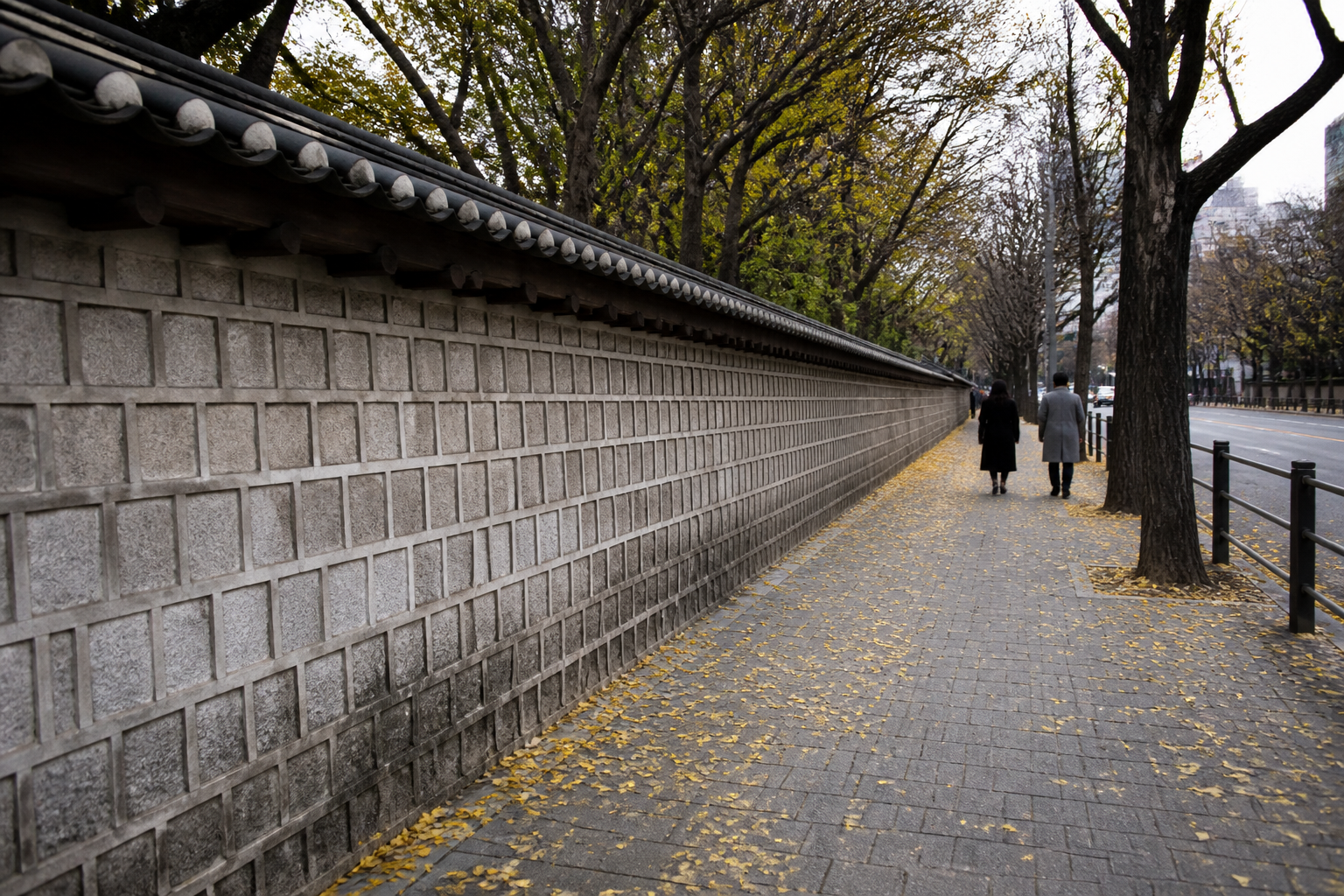
Deoksugung (Korean: 덕수궁; Hanja: 德壽宮), also called Deoksu Palace or Deoksugung Palace, is a former royal palace in Seoul, South Korea. It was the main palace during the Korean Empire (1897–1910) and is now a major tourist attraction. It has a mix of traditional Korean and Western architecture that reflects its history.
Read the brief →
HISTORY · Prehistory to 935
Byeonhan (Korean: 변한; Hanja: 弁韓; pronounced [pjʌn.ɦan]), also known as Byeonjin (변진; 弁辰; [pjʌn.dʑin]), was a loose confederacy of chiefdoms that existed from around the beginning of the Common Era to the 4th century in the southern Korean peninsula. Byeonhan was one of the Samhan (or "Three Hans"), along with Mahan and Jinhan.
Read the brief →
FOOD · Everyday and ceremonial food
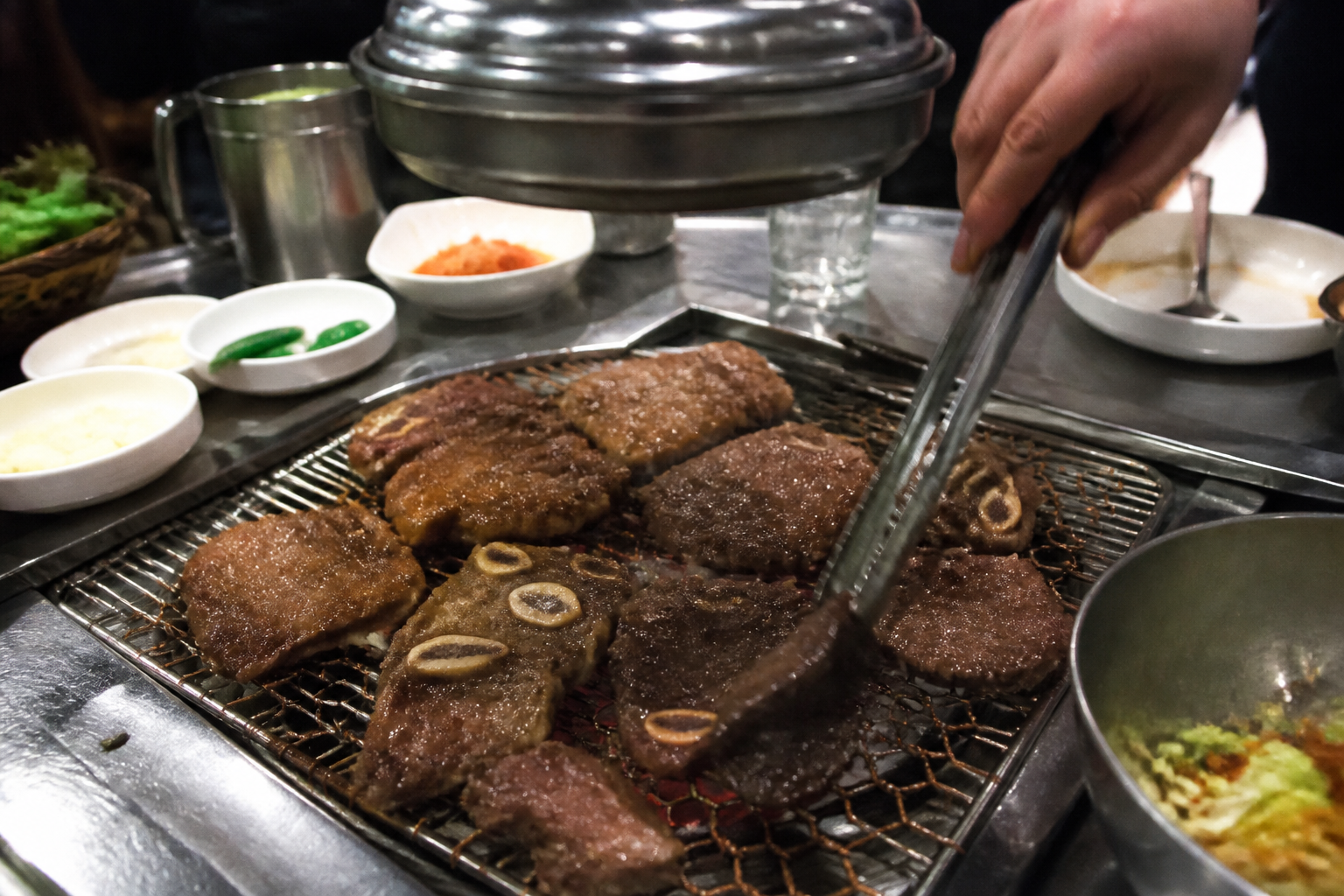
Galbi (Korean: 갈비; pronounced [kal.bi]), kalbi, galbi-gui (갈비구이), or grilled ribs is a type of gui (grilled dish) in traditional Korean cuisine. "Galbi" is the Korean word for "rib", and the dish is usually made with beef short ribs. When pork spare ribs or another meat is used instead, the dish is named accordingly.
Read the brief →
PLACES · Landscapes and regions
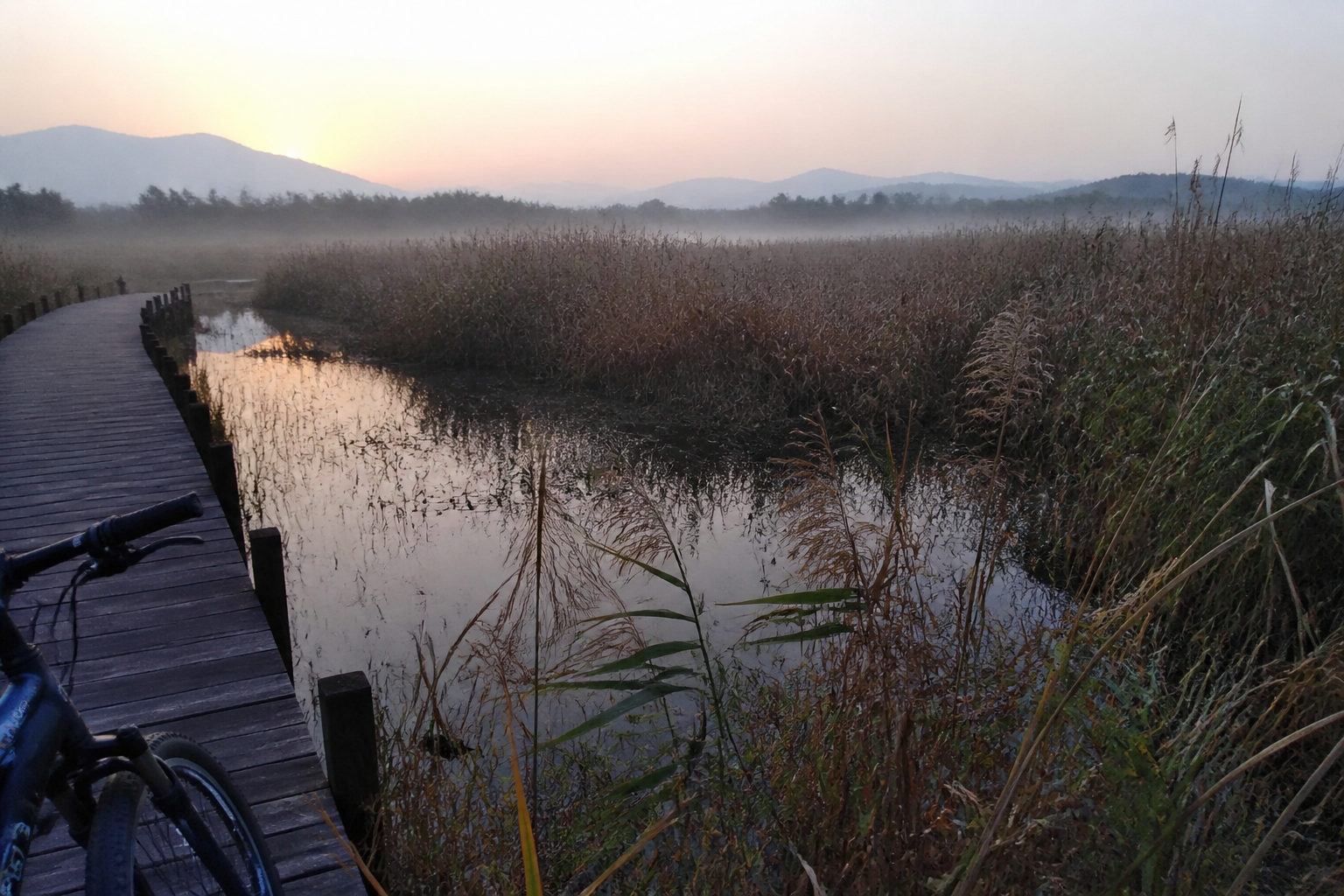
Upo Wetland (Korean: 우포늪) is a complex of natural wetlands located in Changnyeong County, South Gyeongsang Province, South Korea. It is located in portions of Yueo-myeon, Ibang-myeon and Daehap-myeon, near the Nakdong River. It derives its name from the largest of the wetlands, Upo. Other wetlands in the complex include Mokpo, Sajipo and Jjokjibeol wetlands.
Read the brief →
HISTORY · Late 19th century to today
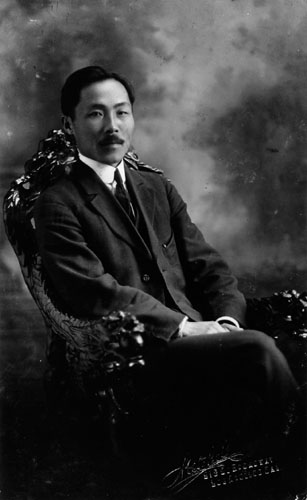
Ahn Chang Ho (Korean: 안창호; Hanja: 安昌浩; November 9, 1878 – March 10, 1938), sometimes An Chang-ho, was a prominent Korean politician, Korean independence activist, and an early leader of the Korean-American immigrant community in the United States. He is also commonly referred to by his art name Dosan (도산; 島山; [tosʰan]).
Read the brief →
CULTURE · Living heritage
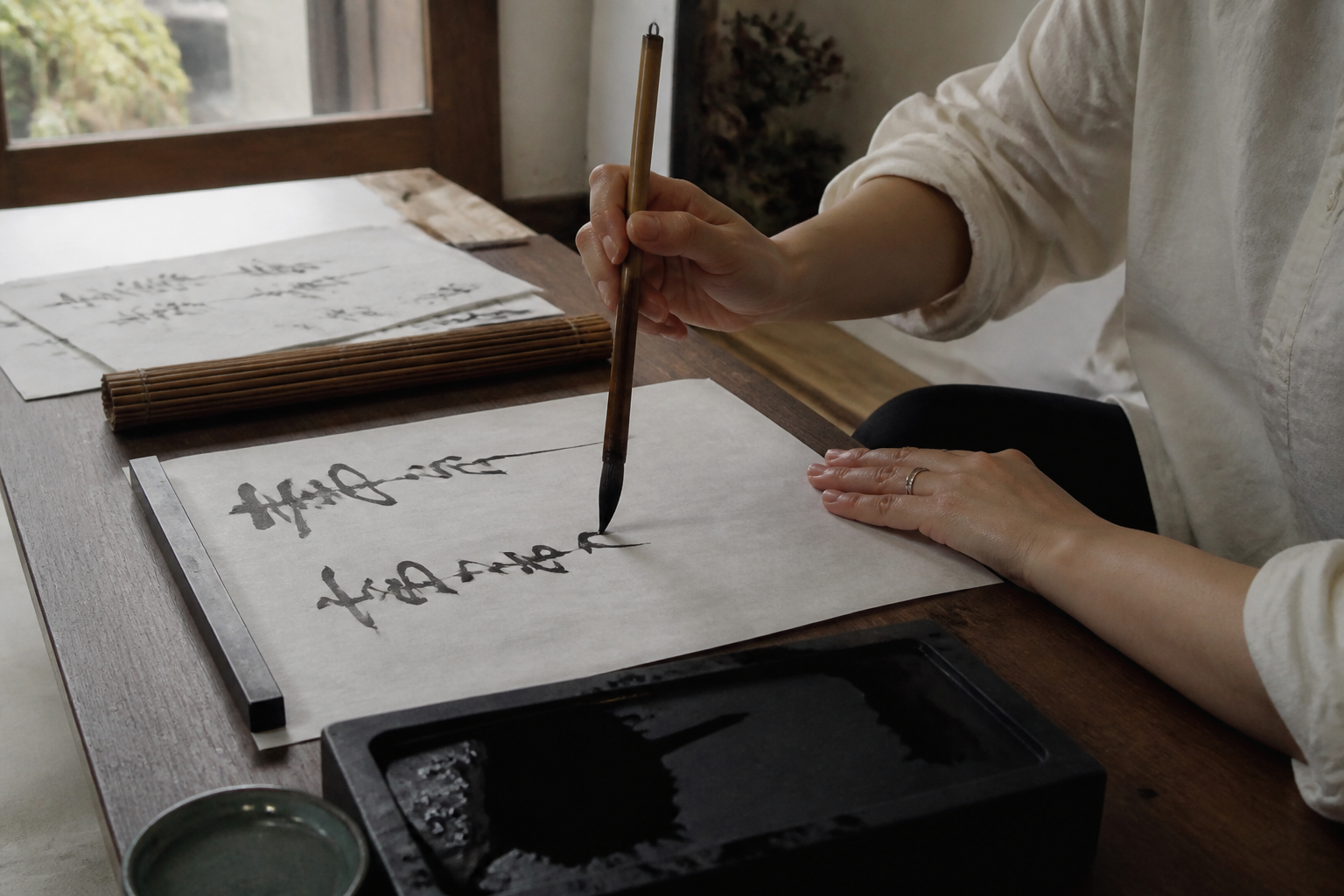
Korean calligraphy, also known as Seoye (Korean: 서예), is the Korean tradition of artistic writing. Calligraphy in Korean culture involves both Hanja (Chinese logograph) and Hangul (Korean native alphabet). Early Korean calligraphy was exclusively in Hanja, or the Chinese-based logography first used to write the Korean language.
Read the brief →
CULTURE · Living heritage
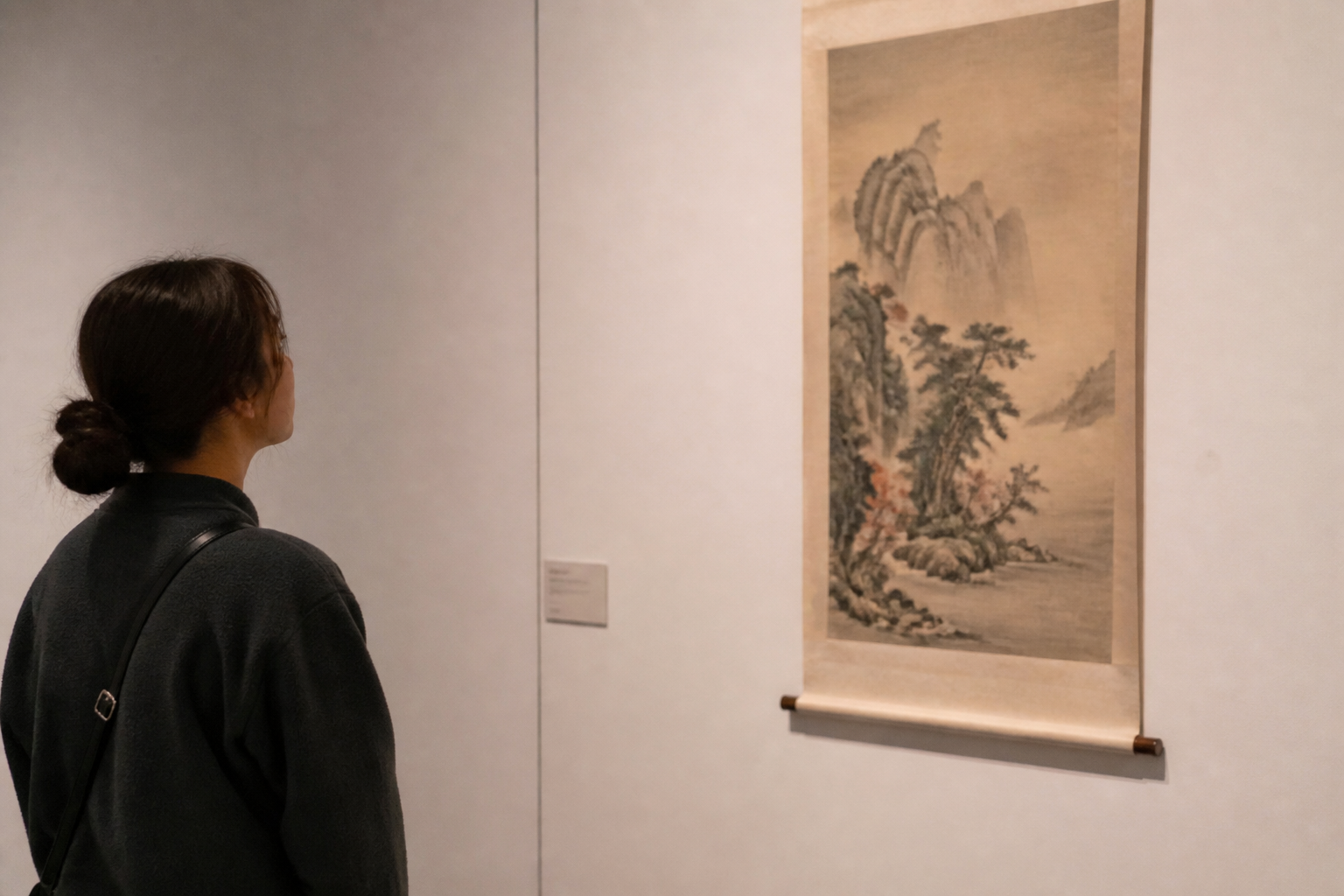
Korean painting (Korean: 한국화) includes paintings made in Korea or by overseas Koreans on all surfaces. The earliest surviving Korean paintings are murals in the Goguryeo tombs, of which considerable numbers survive, the oldest from some 2,000 years ago (mostly now in North Korea), with varied scenes including dancers, hunting and spirits.
Read the brief →
PLACES · Landscapes and regions
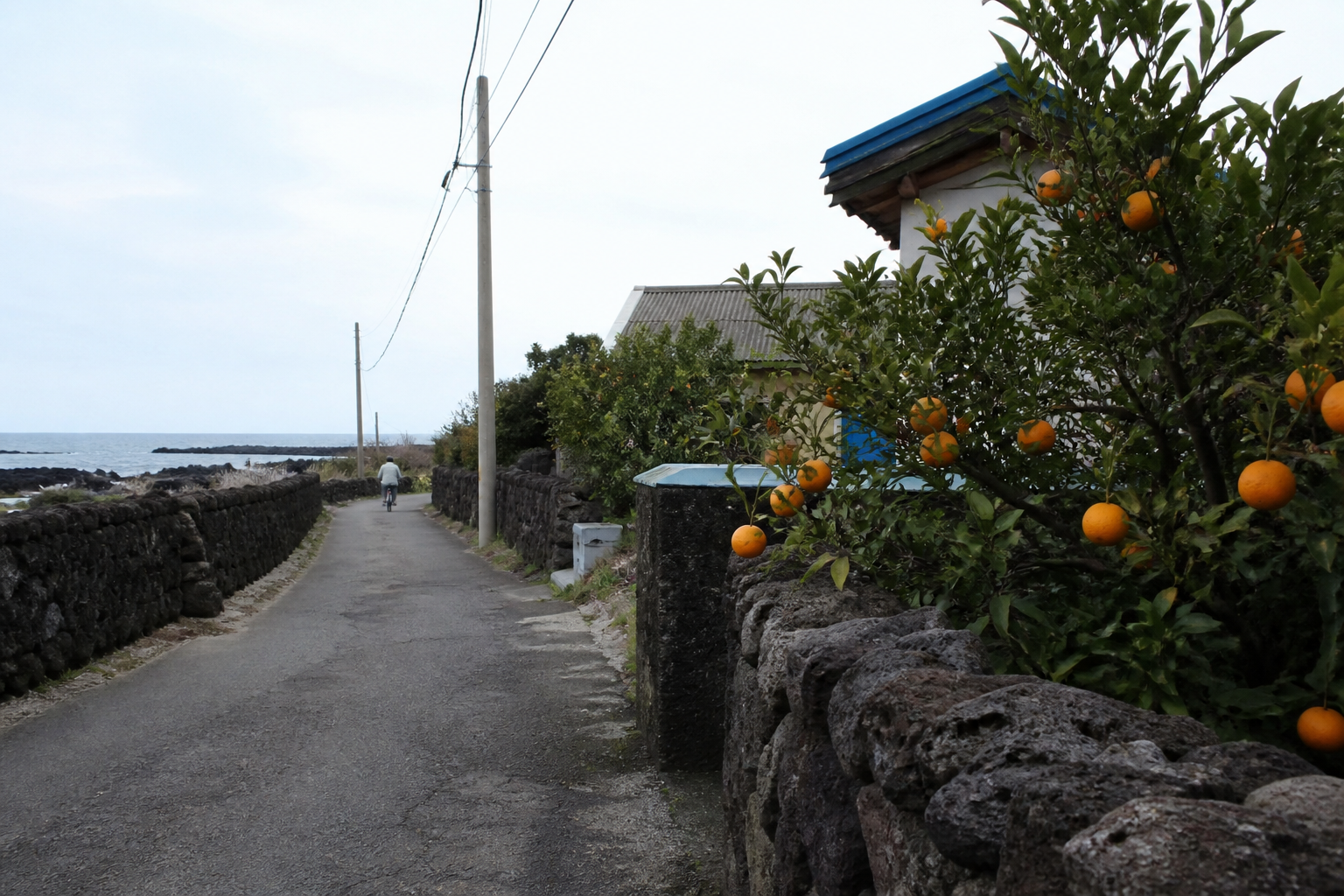
Jeju Island (Jeju and Korean: 제주도; pronounced [tɕeːdʑudo]) is South Korea's largest island, covering an area of 1,833.2 km2 (707.8 sq mi), which is 1.83% of the total area of the country. Alongside outlying islands, it is part of Jeju Province and makes up the majority of the province.
Read the brief →
HISTORY · Prehistory to 935
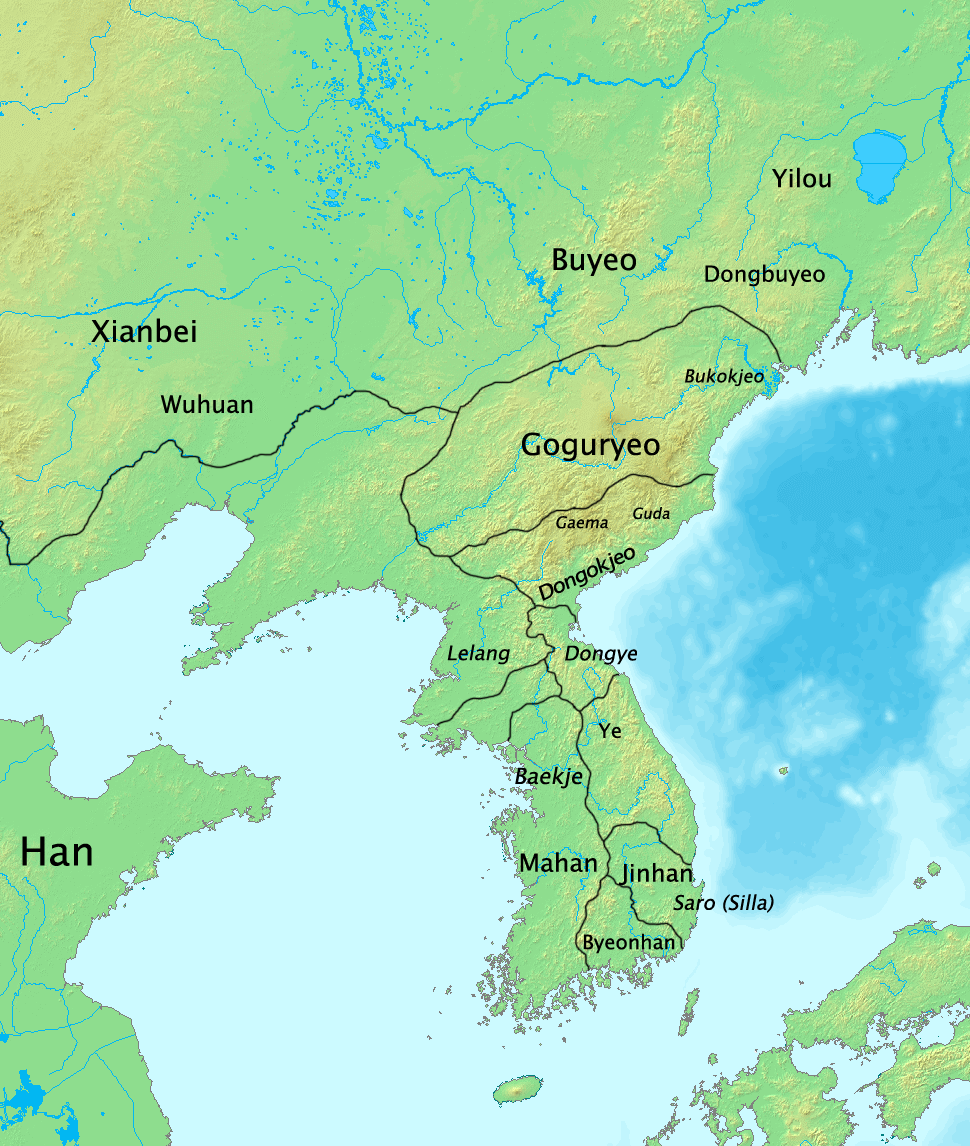
The Proto–Three Kingdoms period (Korean: 원삼국시대; Hanja: 原三國時代) refers to the proto-historical period in the Korean Peninsula after the fall of Old Chosŏn and before the maturation of Goguryeo, Paekche, and Silla into full-fledged kingdoms.
Read the brief →
HISTORY · 918–1910
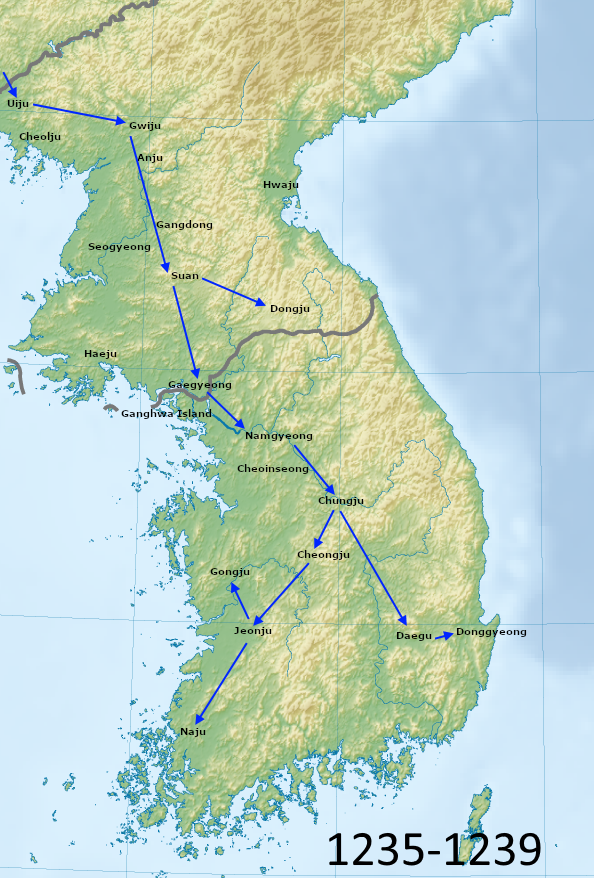
A series of campaigns were conducted between 1231 and 1270 by the Mongol Empire against the Korean kingdom of Goryeo. The last campaign concluded with a peace treaty with Goryeo becoming a vassal state of the Yuan dynasty, a relationship that lasted for approximately 80 years.
Read the brief →