CULTURE · Contemporary Korea
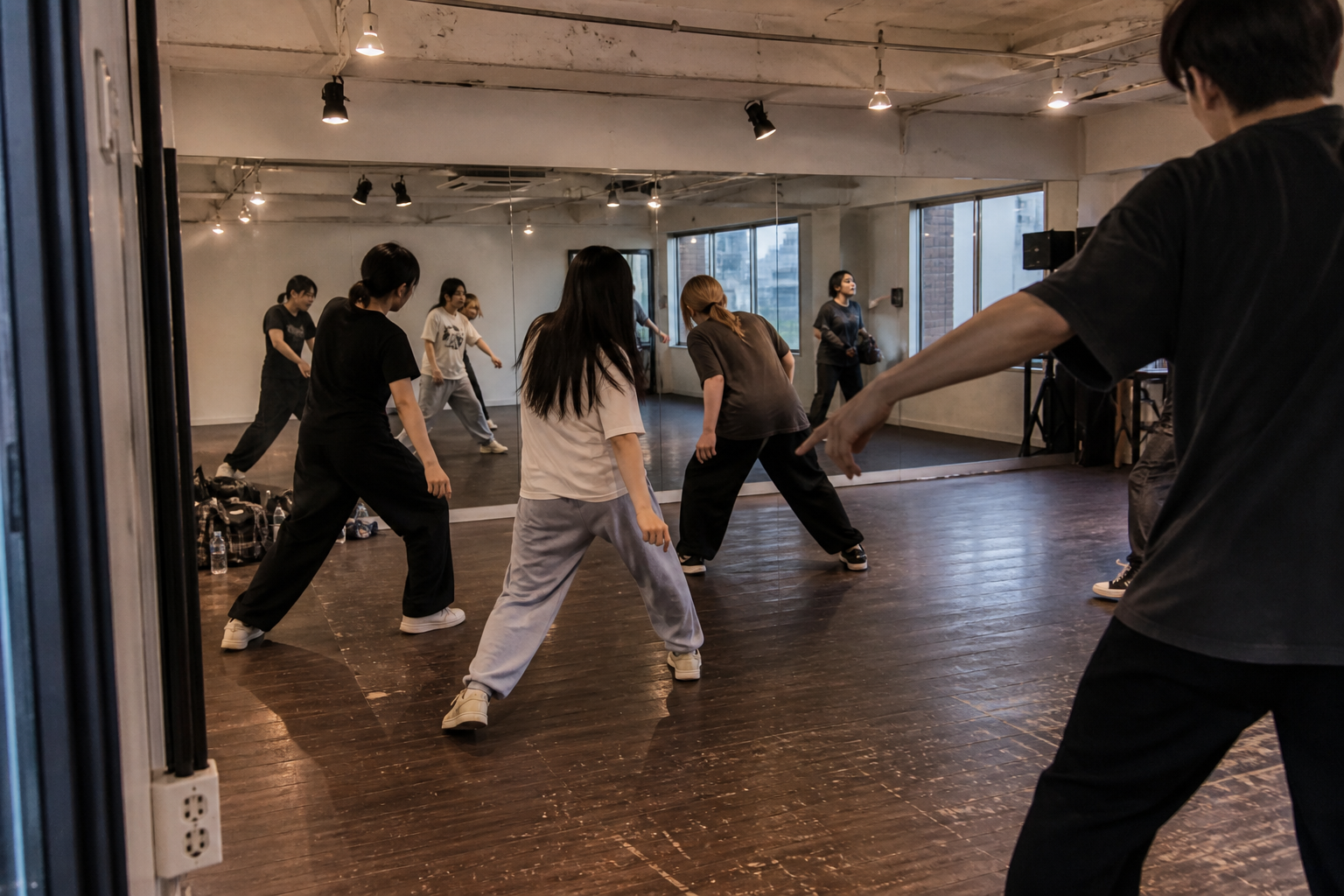
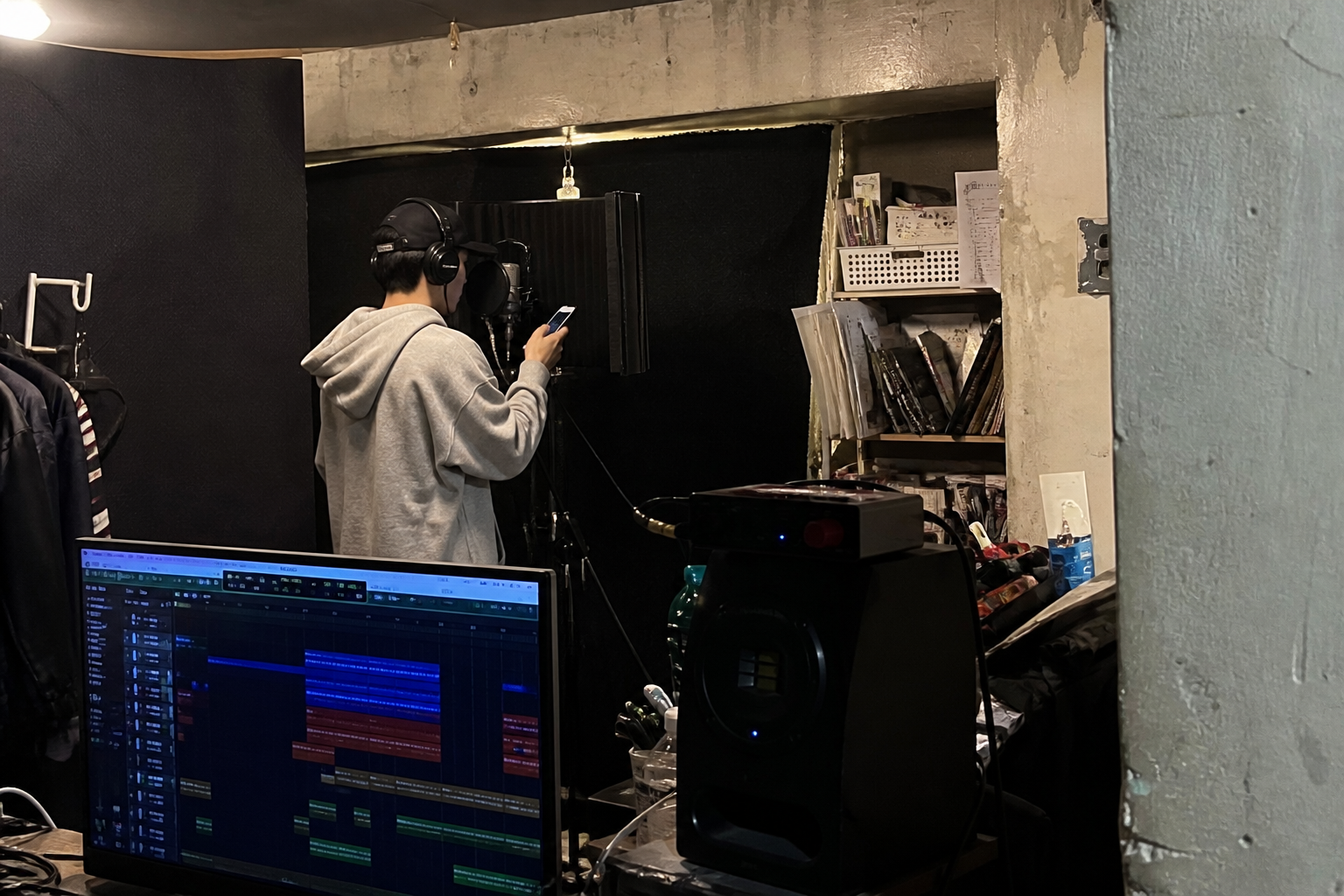
Korean hip-hop, also known as K-hip-hop or K-rap, is a subgenre of the South Korean hip-hop scene. It is widely considered to have originated in the late 1980s and early 1990s, and has since become increasingly popular, both in South Korea and abroad.
Read the brief →
CULTURE · Living heritage
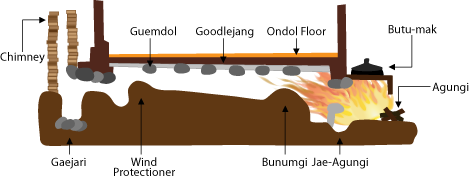
Ondol (ON-dol; , Korean: 온돌; Hanja: 溫突/溫堗; Korean pronunciation: [on.dol]) or gudeul (구들; [ku.dɯl]) in Korean traditional architecture is underfloor heating that uses direct heat transfer from wood smoke to heat the underside of a thick masonry floor.
Read the brief →
CITY · Seoul across time
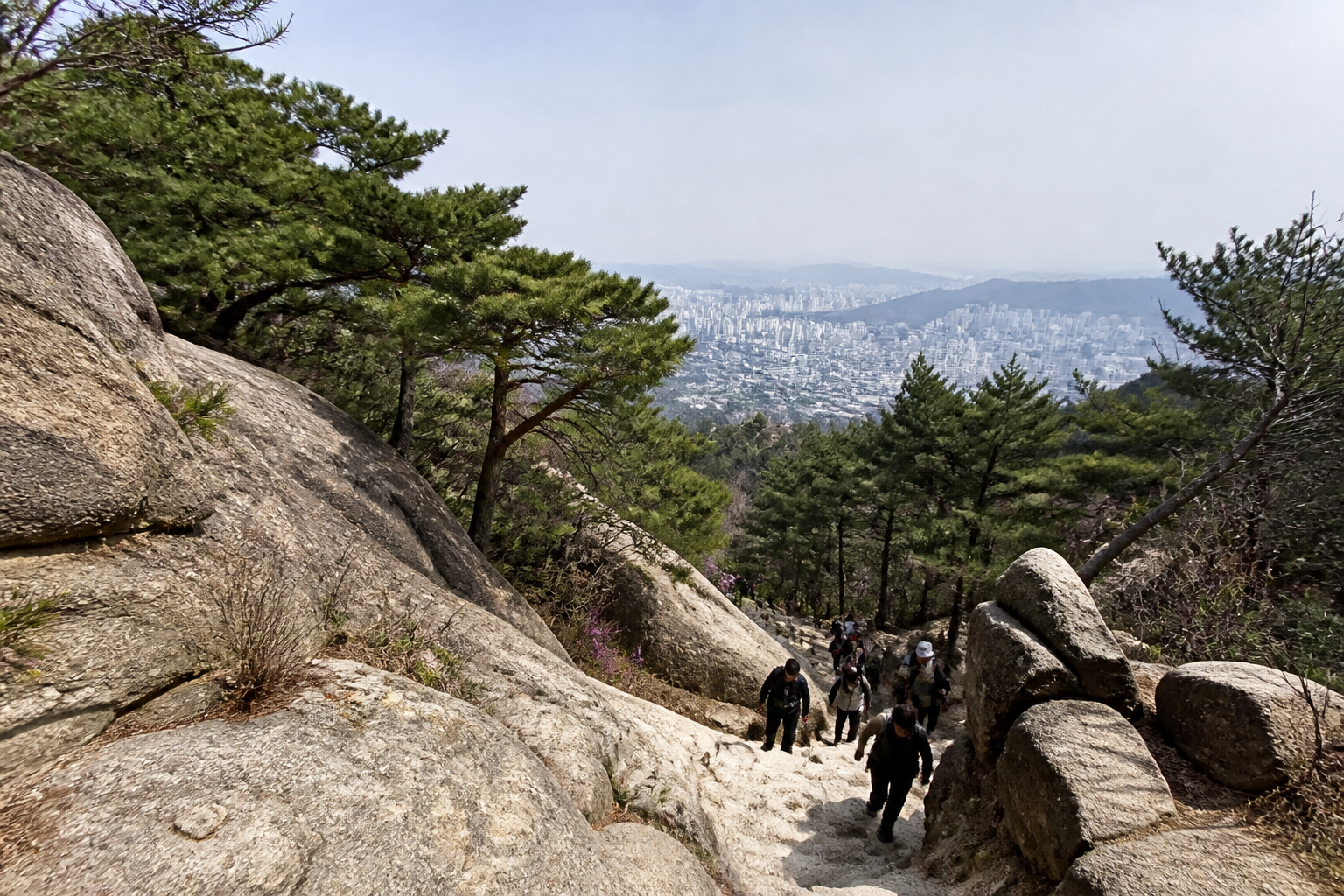
Bukhansan (Korean: 북한산, lit. 'North Han Mountain'), alternatively Pukhan-san or Bukhan Mountain, is a mountain on the northern periphery of Seoul, South Korea. There are three major peaks, Baegundae 836.5 meters (2,744 ft), Insubong 810.5 meters (2,659 ft), Mangyeongdae 787.0 meters (2,582.0 ft).
Read the brief →
CULTURE · Contemporary Korea
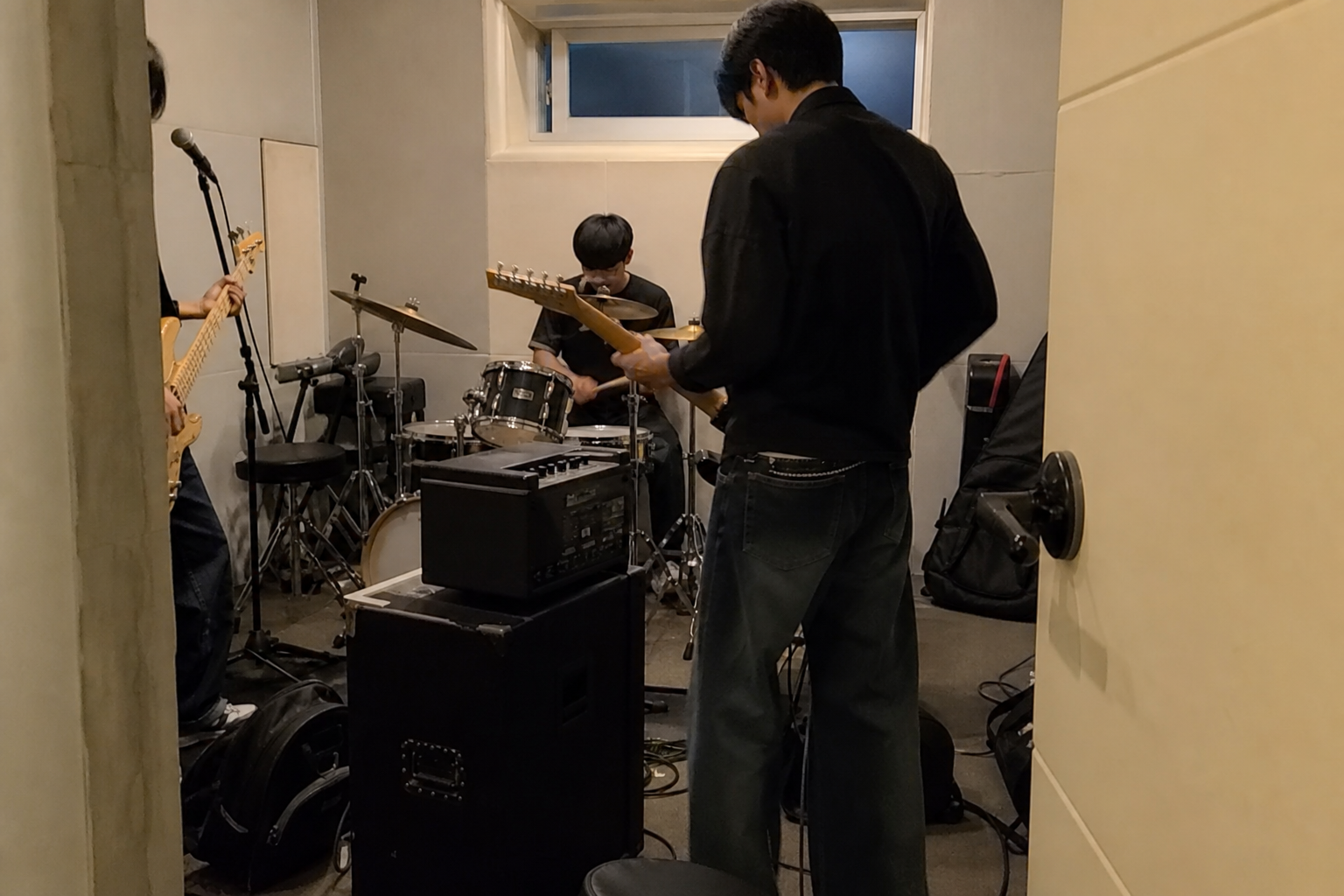
Korean rock (Korean: 한국의 록) is rock music from South Korea. It has roots in American rock, which was imported to South Korea by U.S. soldiers fighting in the Korean War and stationing in U.S. military bases in South Korea after the war. Around the U.S.
Read the brief →
FOOD · Everyday and ceremonial food
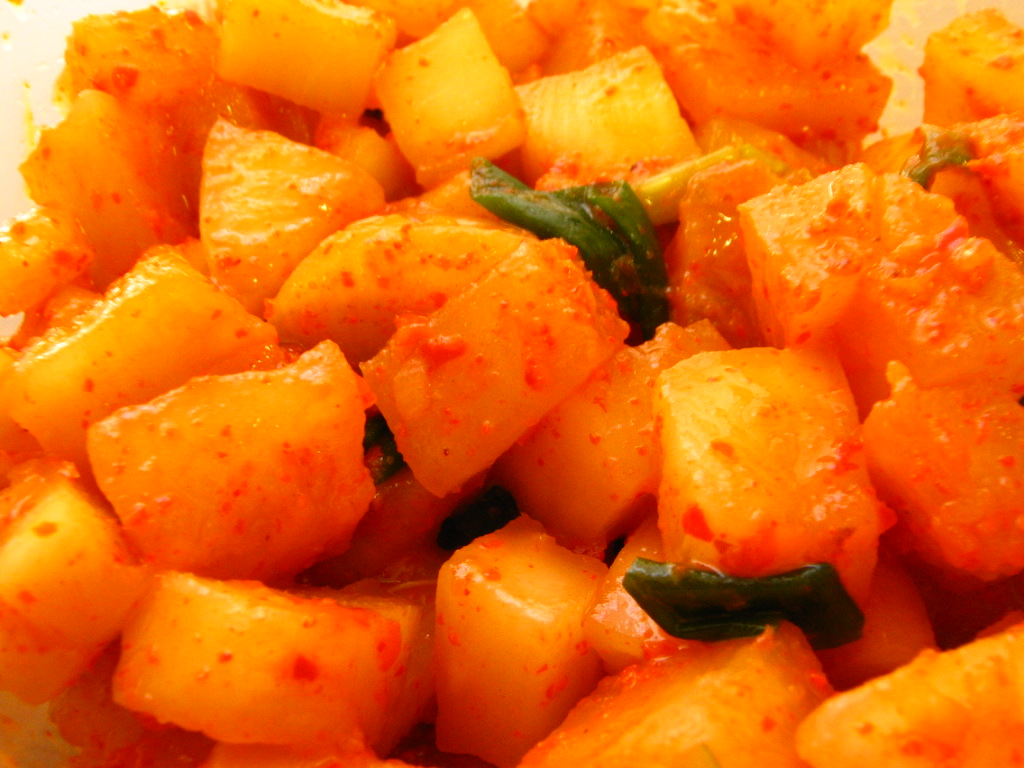
Kkakdugi (Korean: 깍두기) or diced radish kimchi is a variety of kimchi in Korean cuisine. Usually, Korean radish (called mu 무 in Korean) is used, but other vegetables or fruits can also be used. Kkakduk-kkakduk is an ideophone related to dicing/cubing. Kimchi made with radish that are not diced into cubes are not called kkakdugi.
Read the brief →
CITY · Seoul across time
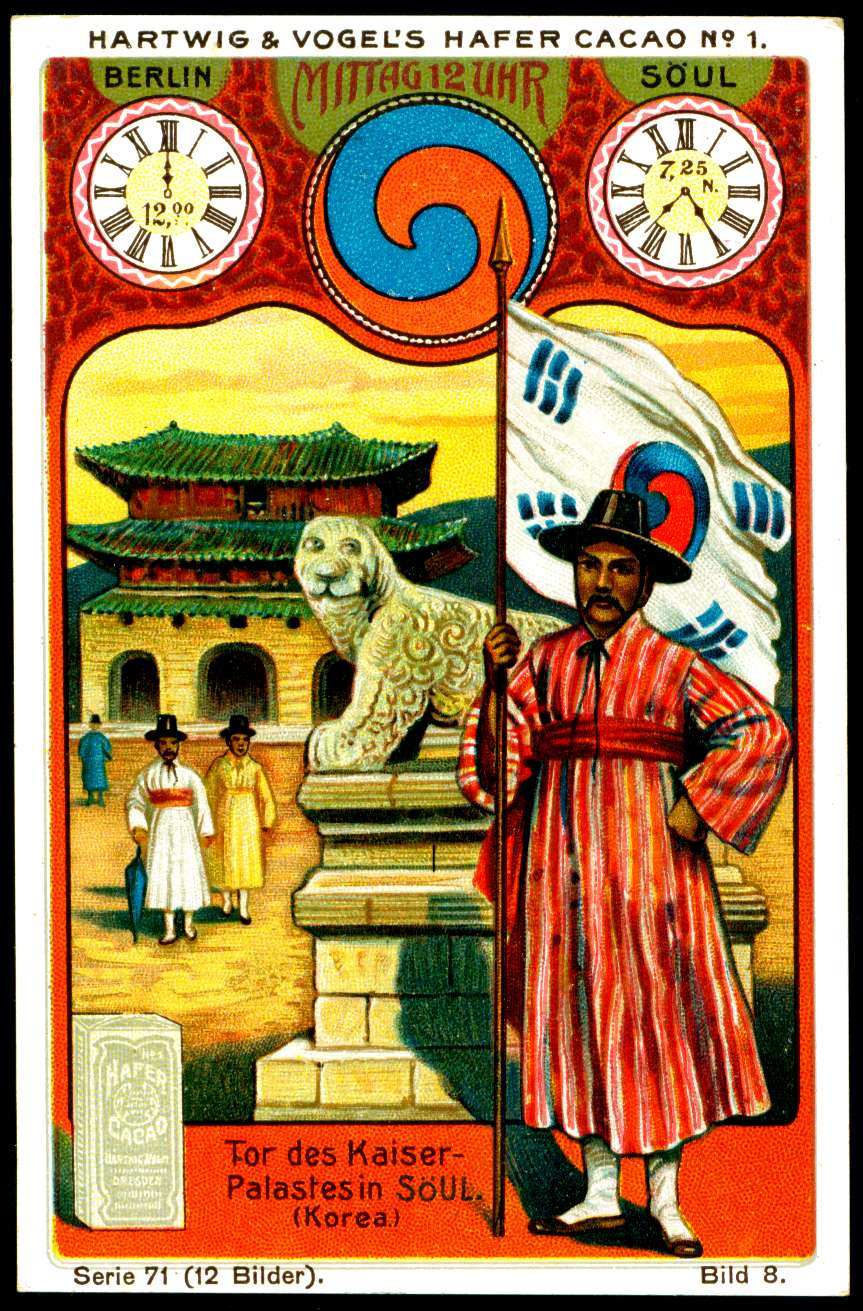
Seoul, the capital of South Korea, has been called by a number of formal and informal names over time. The word seoul was originally a common noun that simply meant "capital city", and was used colloquially to refer to the capital throughout Korean history.
Read the brief →
CULTURE · Living heritage
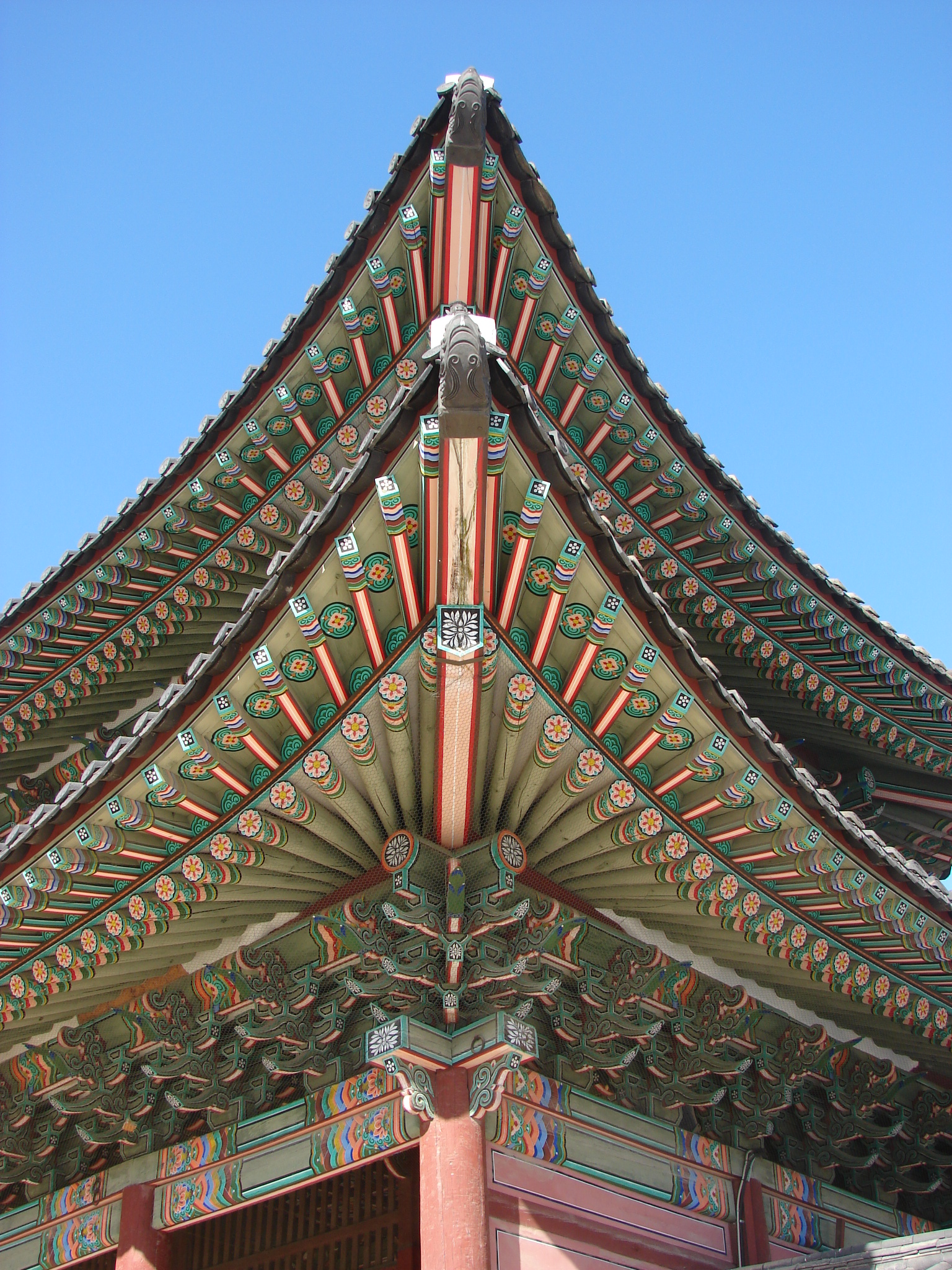
Dancheong (Korean: 단청; Hanja: 丹靑) refers to Korean decorative colouring on wooden buildings and artifacts for the purpose of style. It is an adaptation of the Chinese practice danqing, danqing refers to Chinese painting on silk and paper, and also decoration on wood.
Read the brief →
FOOD · Everyday and ceremonial food
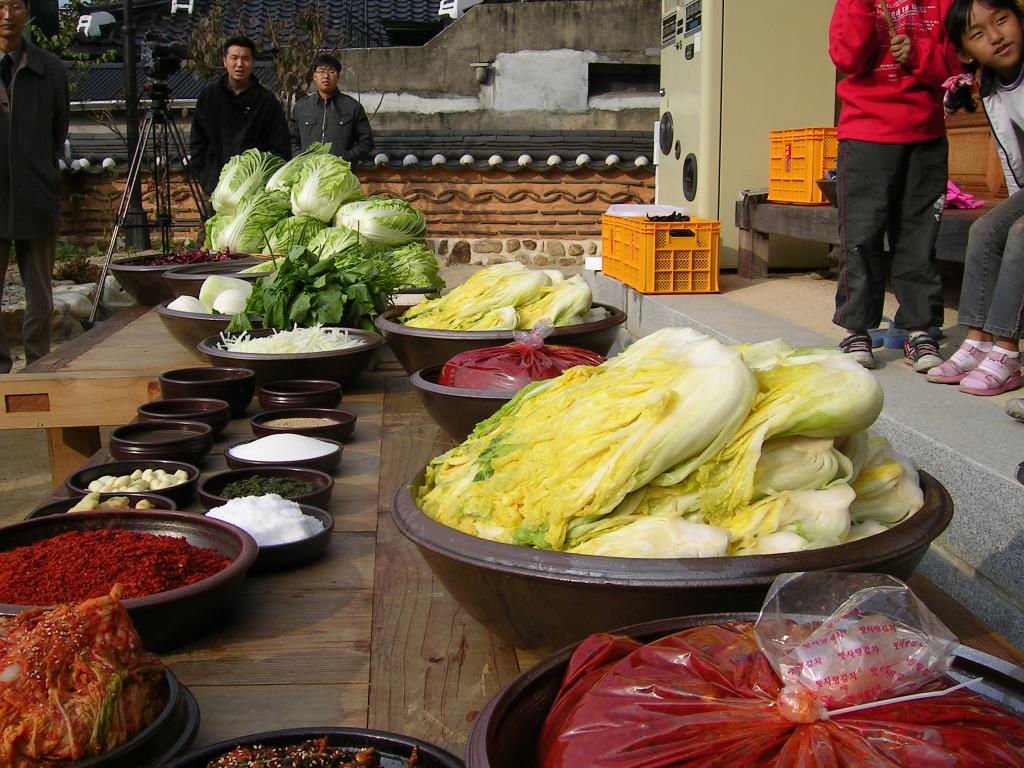
Gimjang (Korean: 김장), also spelled kimjang, is the traditional process of preparation and preservation of kimchi, the spicy Korean fermented vegetable dish, in the wintertime. During the summer months, kimchi is made fresh, from seasonal vegetables.
Read the brief →
HISTORY · Late 19th century to today
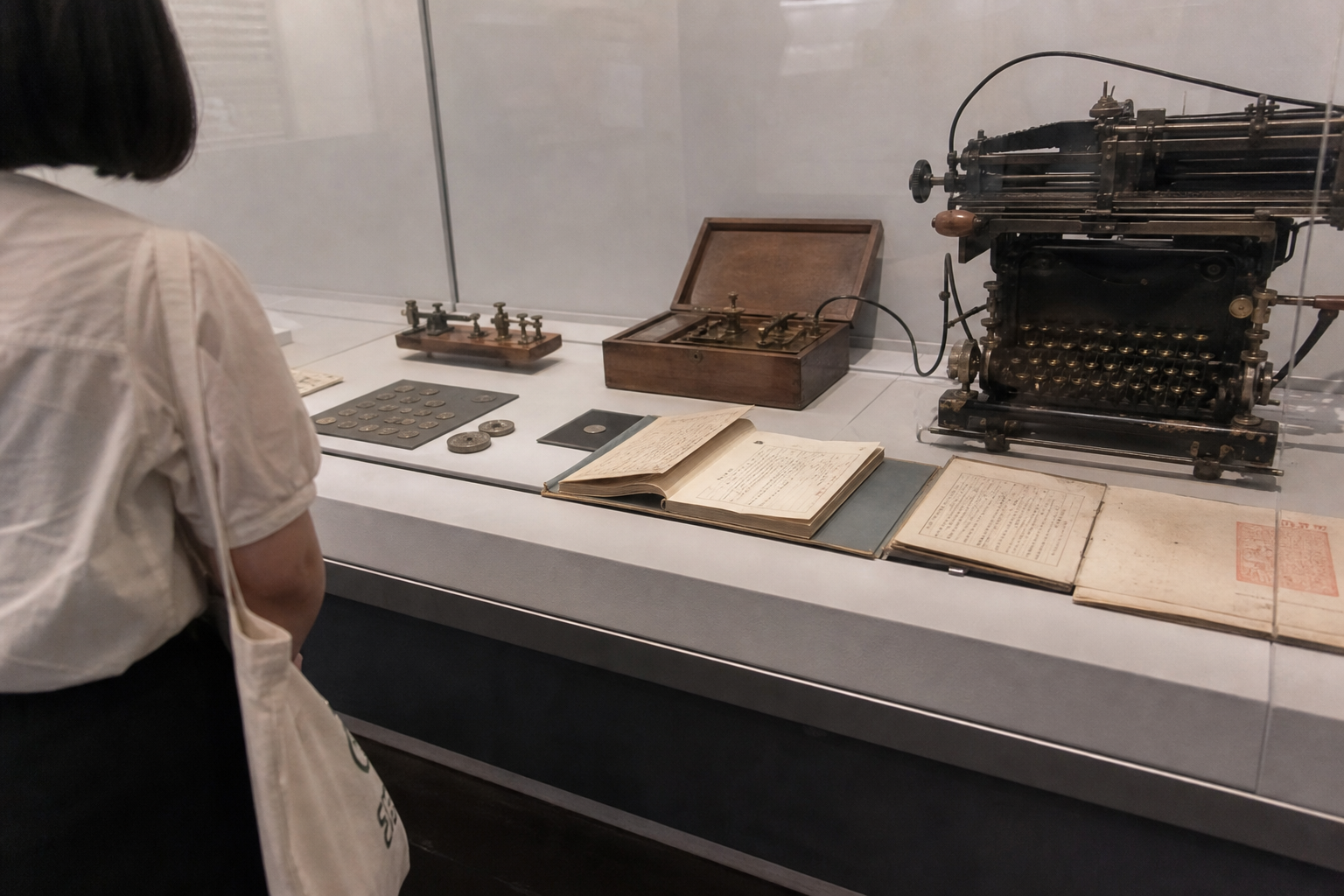
The Kwangmu Reform (Korean: 광무개혁; Hanja: 光武改革) was a collection of reforms that were aimed at modernizing and Westernizing the Korean Empire as it felt held back from what other countries had achieved in their own process of Industrial Revolutions. It takes its name from Gojong, also known as the Gwangmu Emperor.
Read the brief →
CULTURE · Contemporary Korea
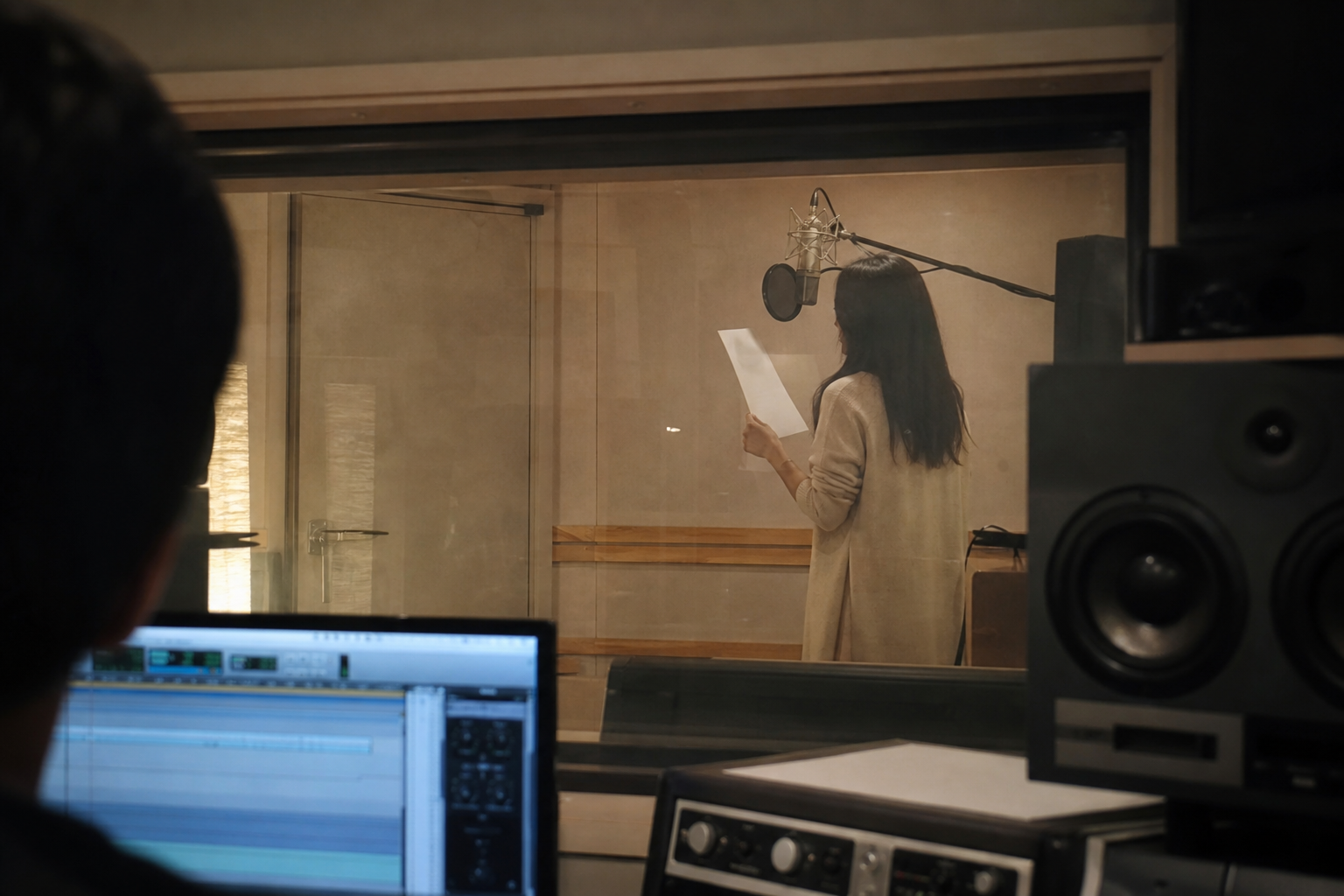
Korean ballad, also known as K-ballad (often simply referred to by South Koreans as ballad; Korean: 발라드), is a style of music in South Korea and a genre in which soul and rhythm and blues music is transformed to suit Korean sentiment. It became popular in the 1980s, and has influenced and evolved into many different music styles.
Read the brief →
HISTORY · Prehistory to 935
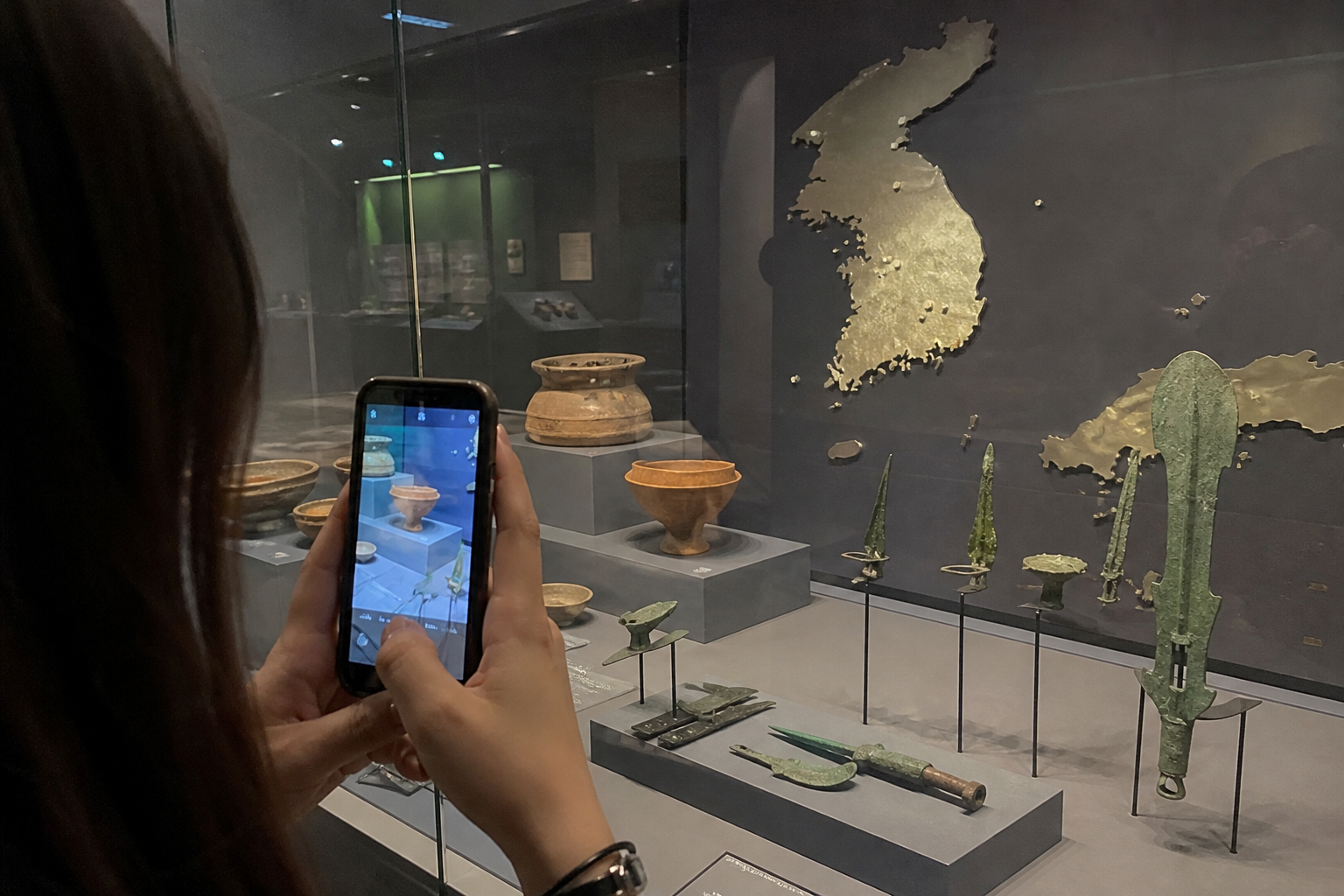
Wiman Chosŏn (194–108 BC) was a dynasty of Old Chosŏn (Go-Joseon). It began with Wiman's (Wei Man) seizure of the throne from King Jun of Joseon and ended with the death of King Ugeo, who was Wiman's grandson. Apart from archaeological data, the main source on this historical period comes from chapter 115 of Sima Qian's Shiji.
Read the brief →
HISTORY · Prehistory to 935
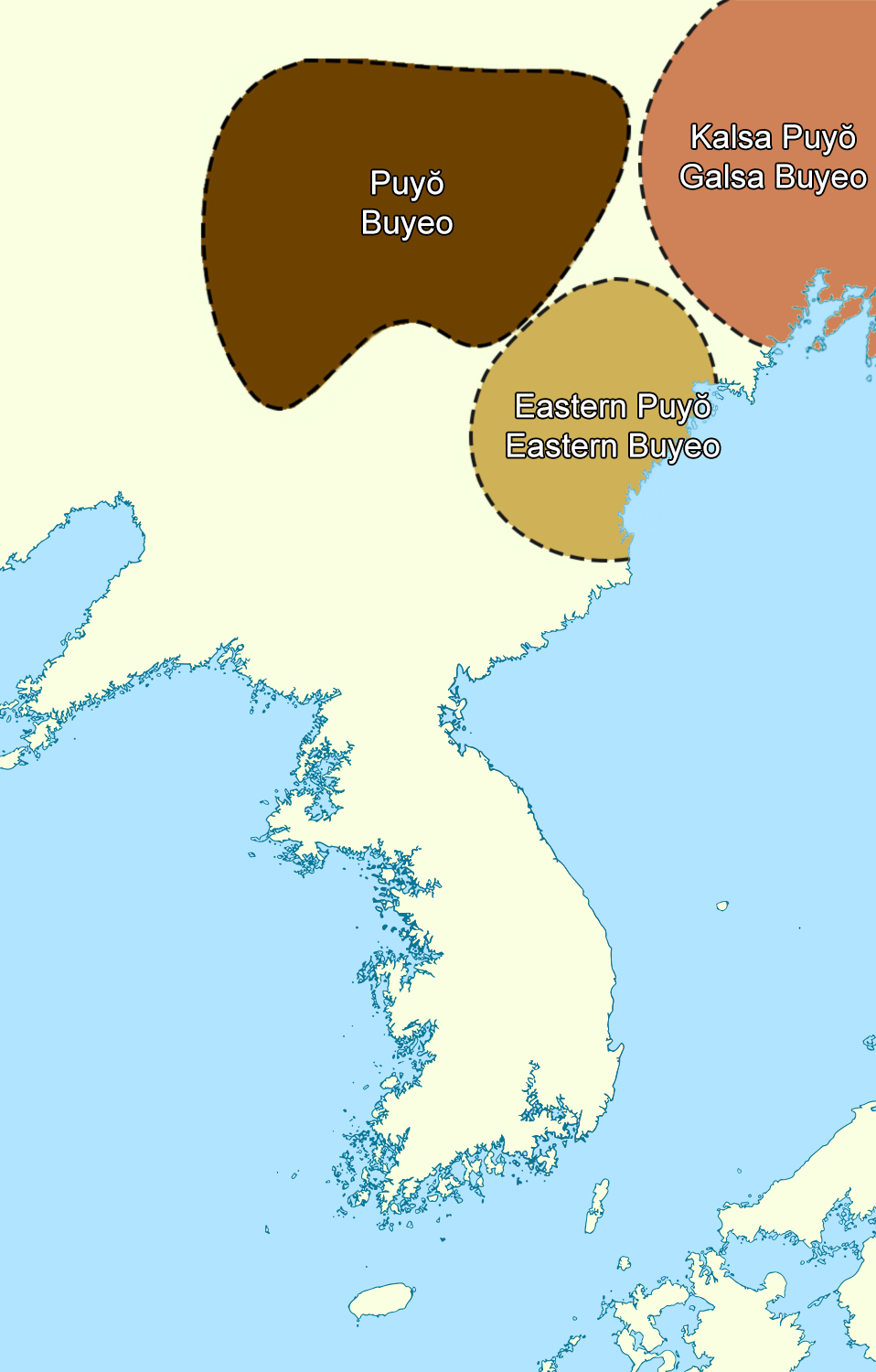
Buyeo or Puyŏ (Korean: 부여; RR: Buyeo; MR: Puyŏ; Korean pronunciation: [pu.jʌ]), also rendered as Fuyu (Chinese: 夫餘/扶餘; pinyin: Fūyú/Fúyú) in Chinese, was an ancient kingdom that was centered in northern Manchuria in modern-day northeast China. It had deep ties to the Yemaek people, who are considered to be the ancestors of modern Koreans.
Read the brief →
HISTORY · Late 19th century to today
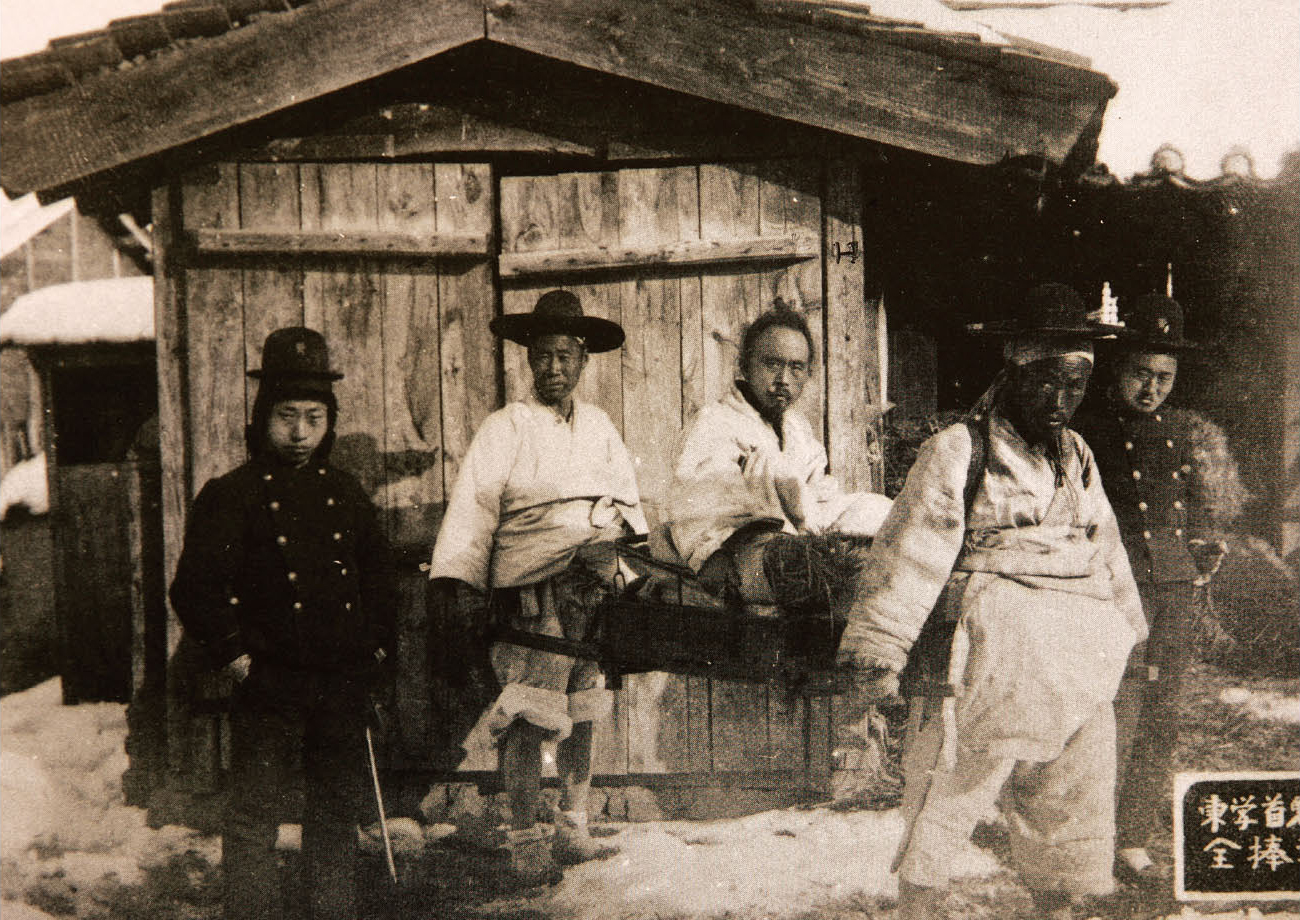
The Tonghak Peasant Revolution (Korean: 동학 농민 혁명) took place between 11 January 1894 and 25 December 1895 in Korea. The peasants were primarily followers of Donghak, a Neo-Confucian movement that rejected Western technology and ideals. The Revolution began in the province of Gobu-gun.
Read the brief →
HISTORY · Late 19th century to today
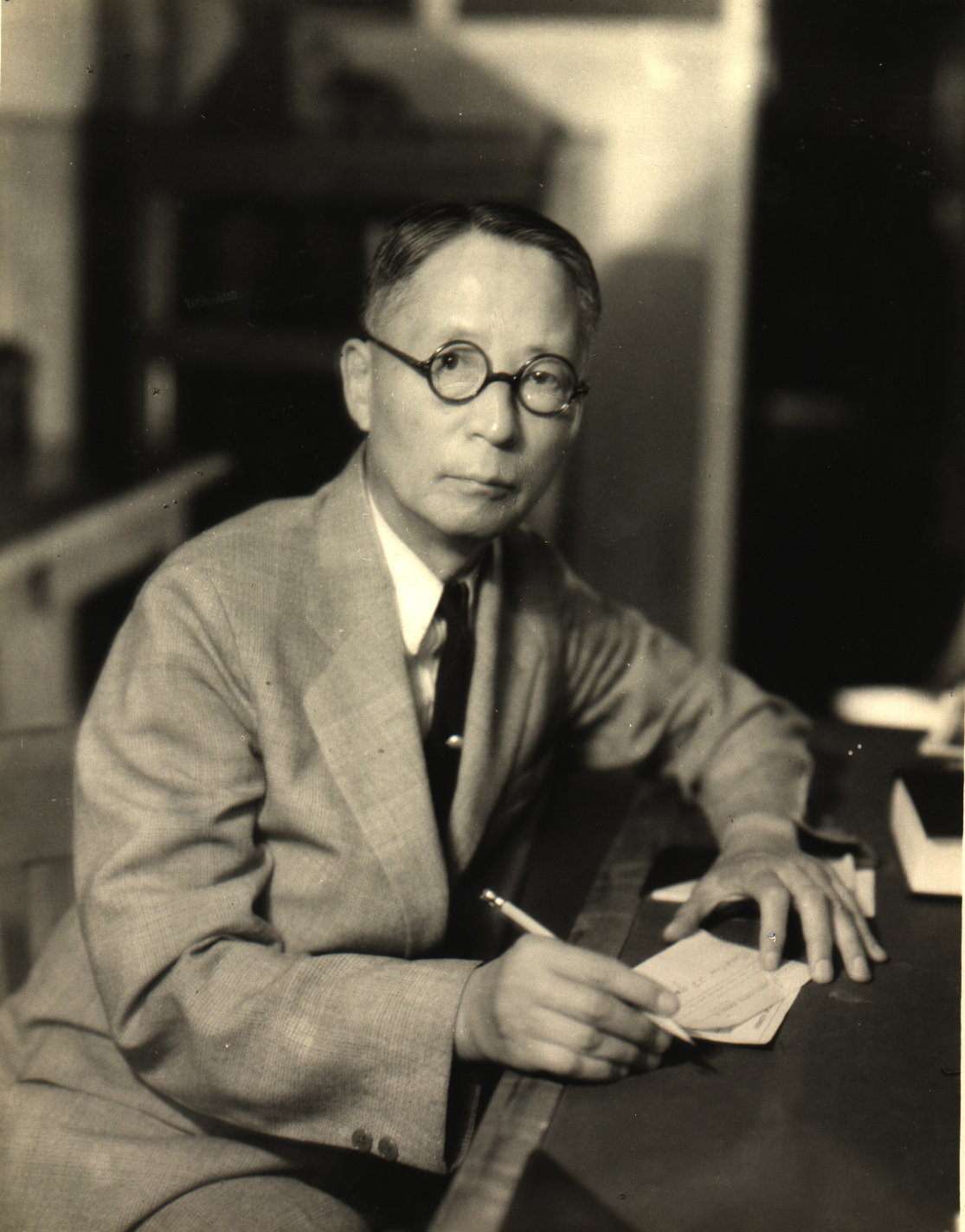
Seo Jae-pil (Korean: 서재필; Hanja: 徐載弼; January 7, 1864 – January 5, 1951), better known by his English name Philip Jaisohn, was a Korean American politician, physician, and Korean independence activist. He was the first Korean to become a naturalized citizen of the United States.
Read the brief →
HISTORY · Prehistory to 935
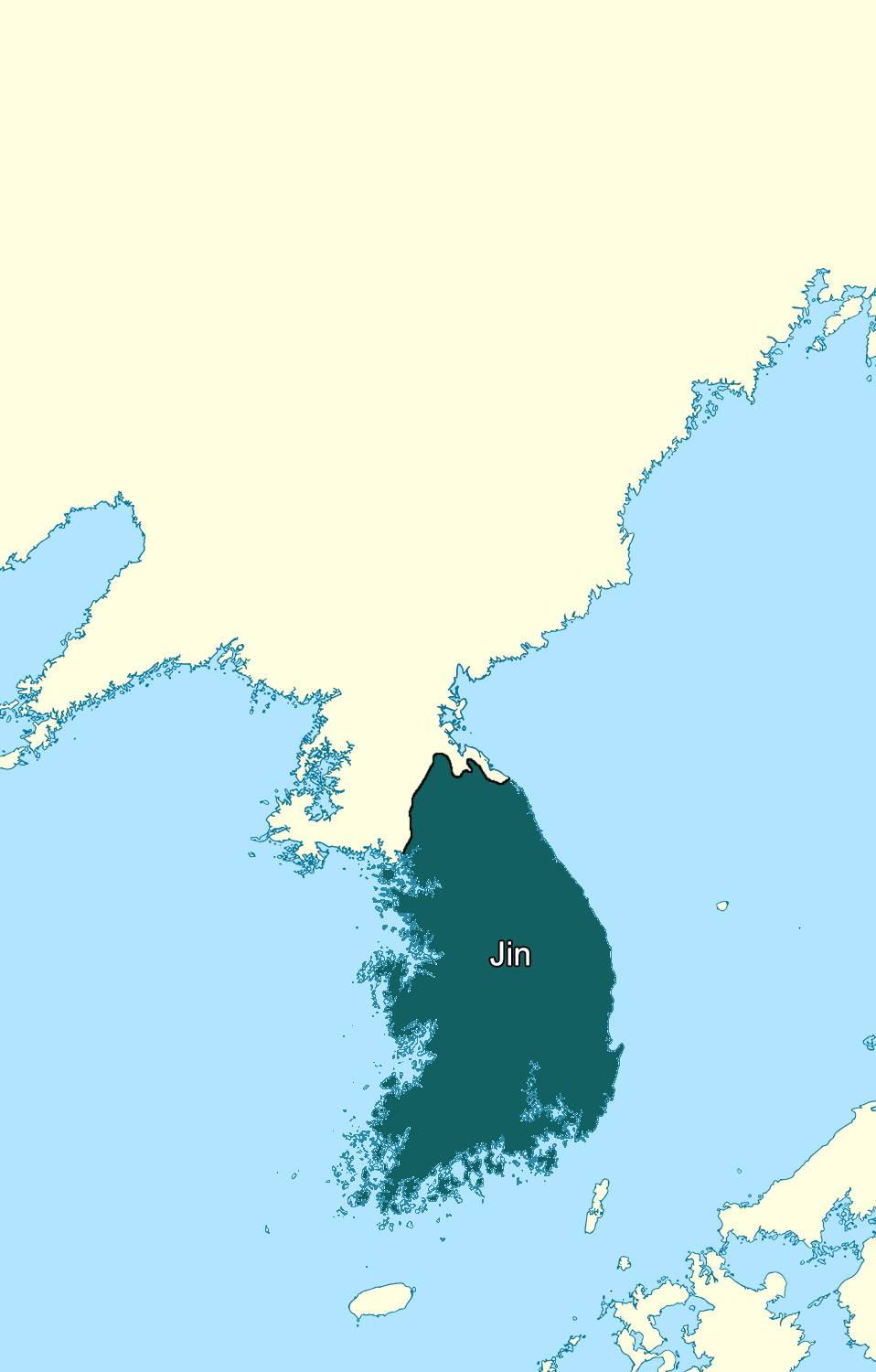
The state of Jin (Korean pronunciation: [tɕin]) was a confederacy of statelets which occupied some portion of the southern Korean peninsula from the 4th to 2nd centuries BCE, bordering the Korean Kingdom of Old Chosŏn (Gojoseon) to the north. Its capital was somewhere south of the Han River.
Read the brief →
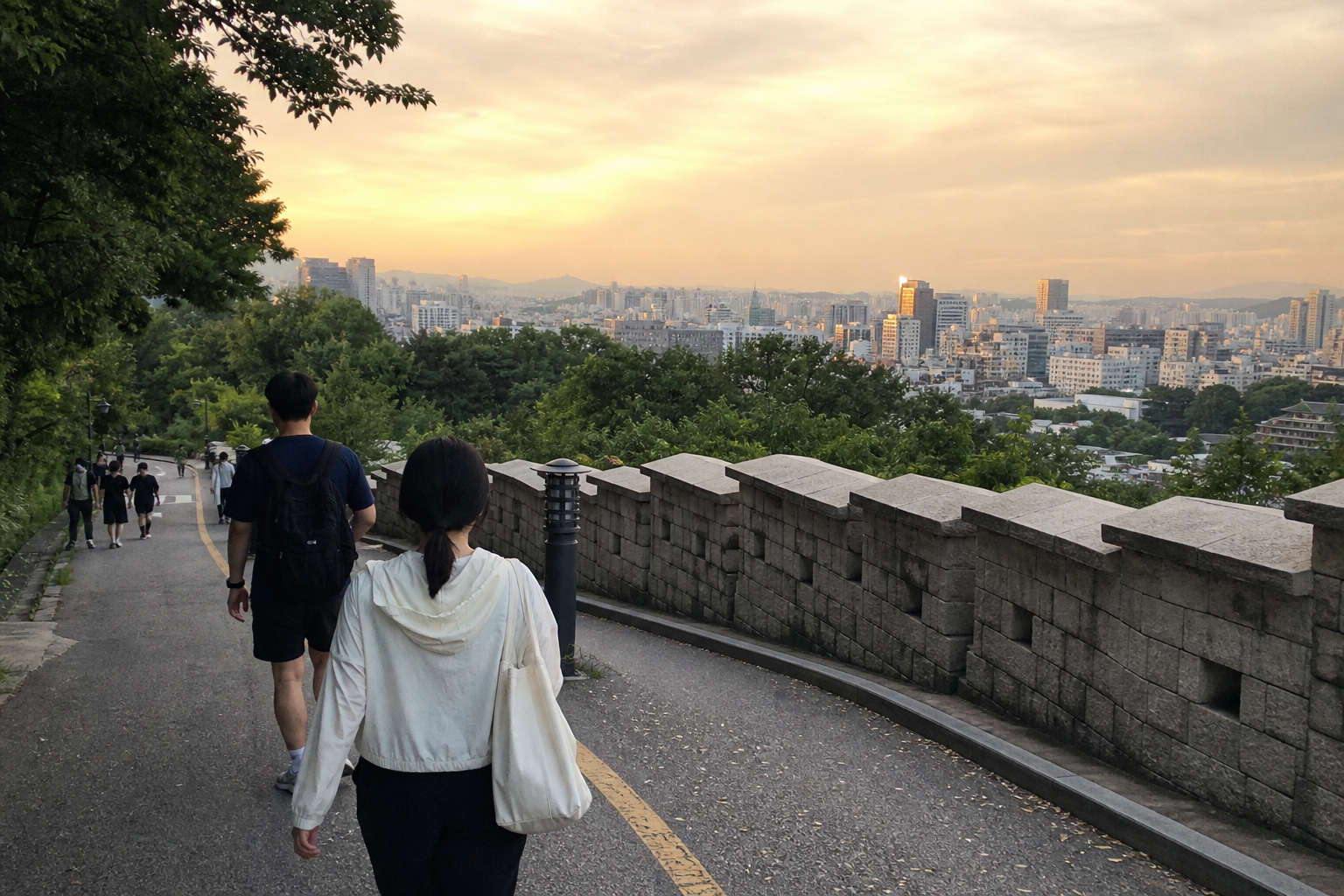
CITY · Seoul across time
Namsan (Korean: 남산; lit. 'South Mountain') is a 270-metre-high (890 ft) peak in Jung District, Seoul, South Korea. It was also known as Mongmyeoksan (목멱산; 木覓山) in the past. It offers some hiking, picnic areas and views of downtown Seoul's skyline. Namsan Seoul Tower is located at the summit of Namsan.
Read the brief →
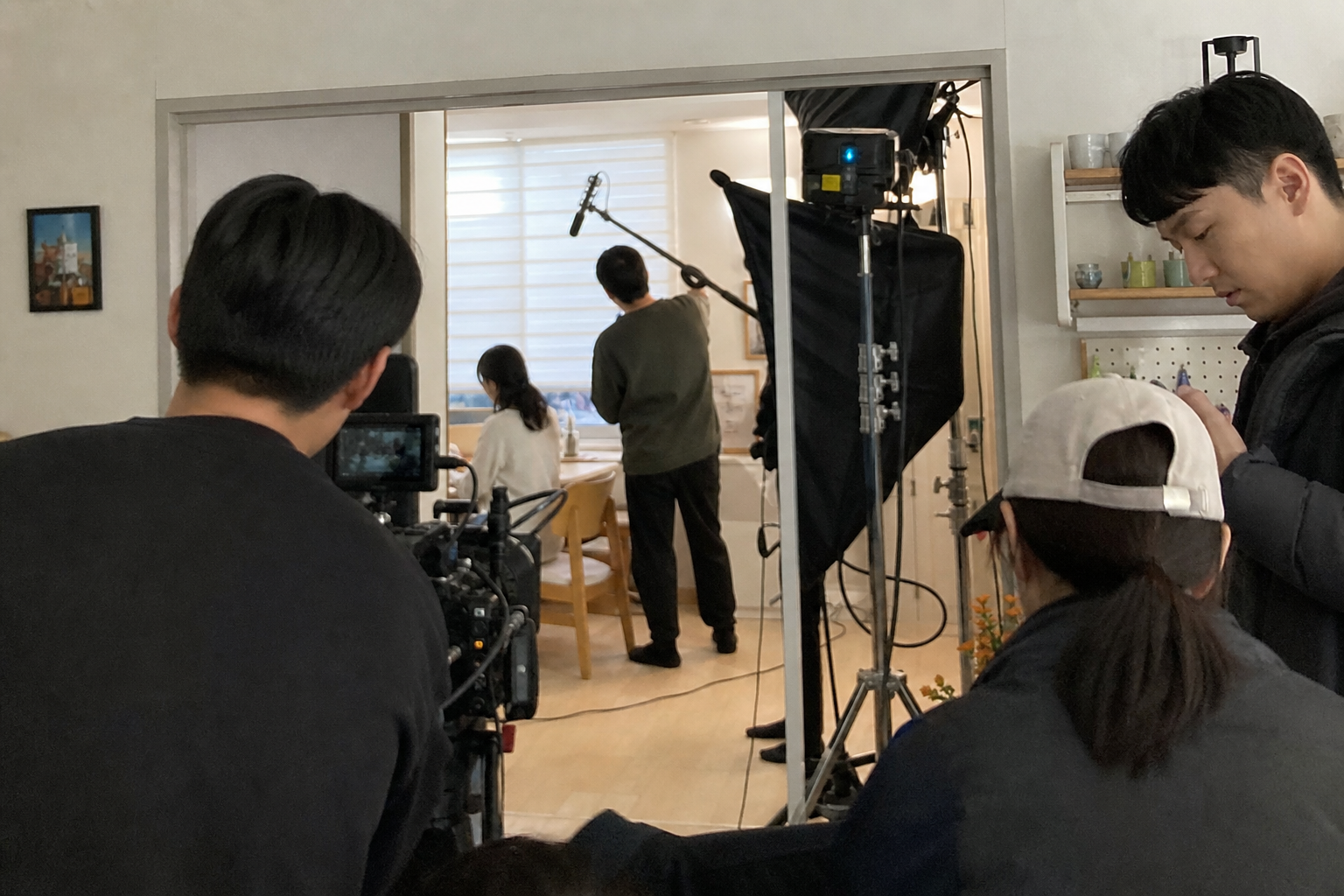
CULTURE · Contemporary Korea
Korean drama (Korean: 한국 드라마; RR: Hanguk deurama), also known as K-drama and Koreanovela, is a Korean-language television show made in South Korea. These shows began to be produced around the early 1960s, but were mostly consumed domestically until the rise of the Korean Wave in the 1990s.
Read the brief →
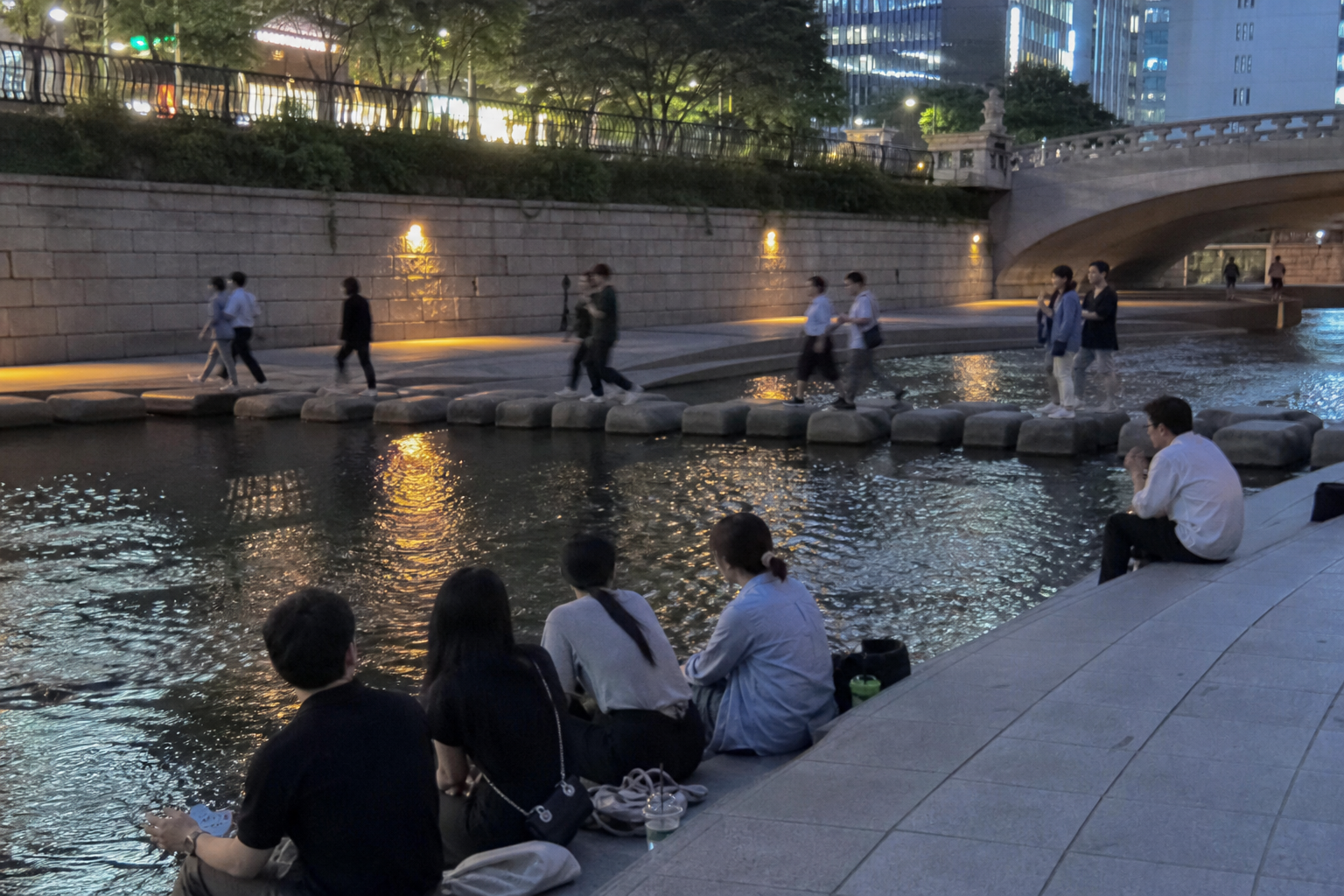
CITY · Seoul across time
Cheonggyecheon (Korean: 청계천, Korean pronunciation: [t͡ɕʰʌŋ.ɡje.t͡ɕʰʌn]) is a 10.9-kilometre-long (6.8 mi) stream and public space in downtown Seoul, South Korea. A natural stream sourced from the Suseongdong Valley in Inwangsan, it was historically maintained as part of Seoul's early sewerage until the mid-20th century, when post-Korean War rapid economic…
Read the brief →
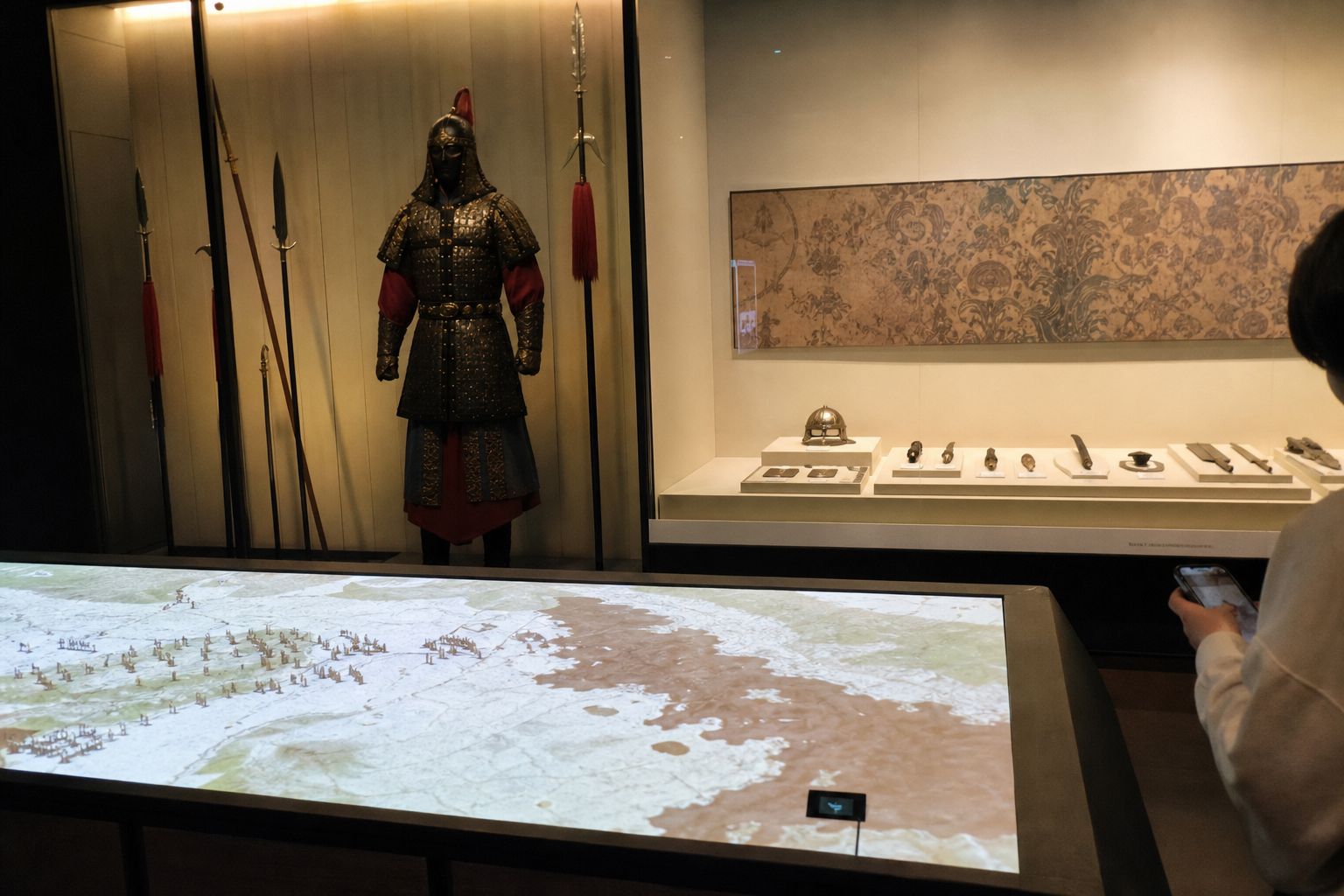
HISTORY · 918–1910
Kang Kamch'an (Korean: 강감찬; Hanja: 姜邯贊; 22 December 948 – 9 September 1031) was a medieval Korean government official and military commander during the early days of the Goryeo period (918–1392). Even though he was a career scholar and government official, he is best known for his military victories during the Third Goryeo-Khitan War.
Read the brief →
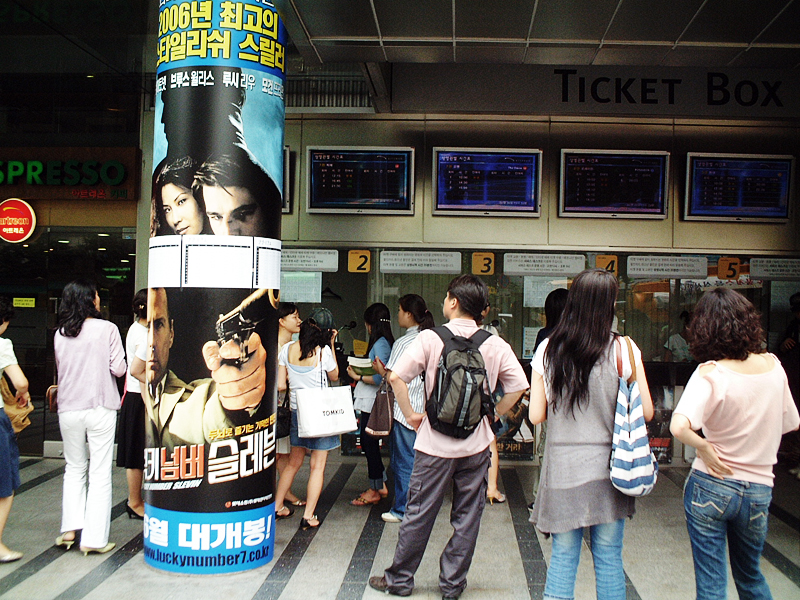
CULTURE · Contemporary Korea
South Korean films have been heavily influenced by such events and forces as the Korea under Japanese rule, the Korean War, government censorship, the business sector, globalization, and the democratization of South Korea. The golden age of South Korean cinema in the mid-20th century produced what are considered two of the best South Korean films of all…
Read the brief →
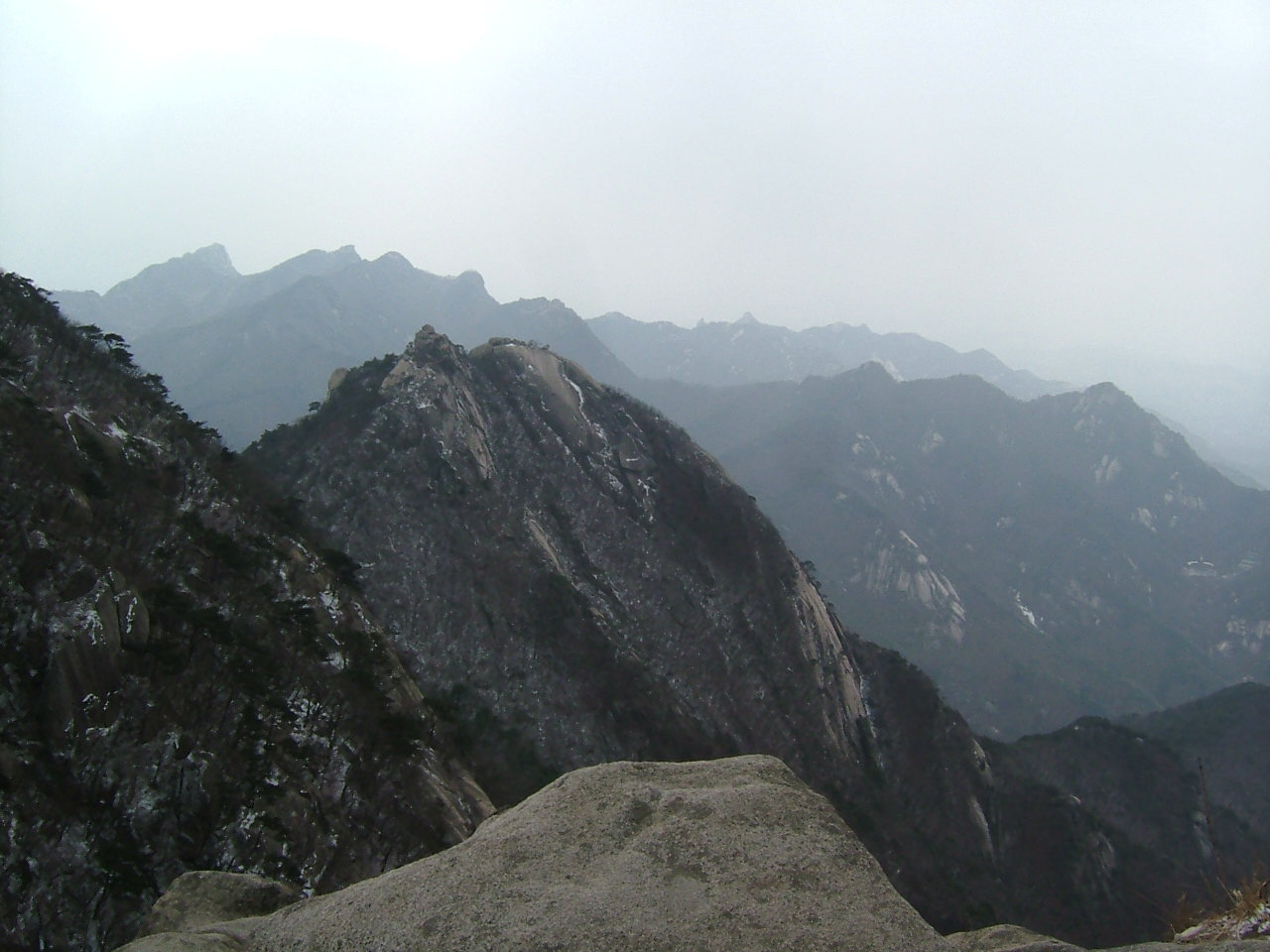
PLACES · Landscapes and regions
The Bukhansan National Park (Korean: 북한산국립공원; Hanja: 北漢山國立公園) in Seoul and Gyeonggi Province covers an area of 79.92 km2 (30.86 sq mi) and was established on 2 April 1983. Bukhansan means "mountains north of the Han River". The park contains forested areas, temples and granite peaks.
Read the brief →
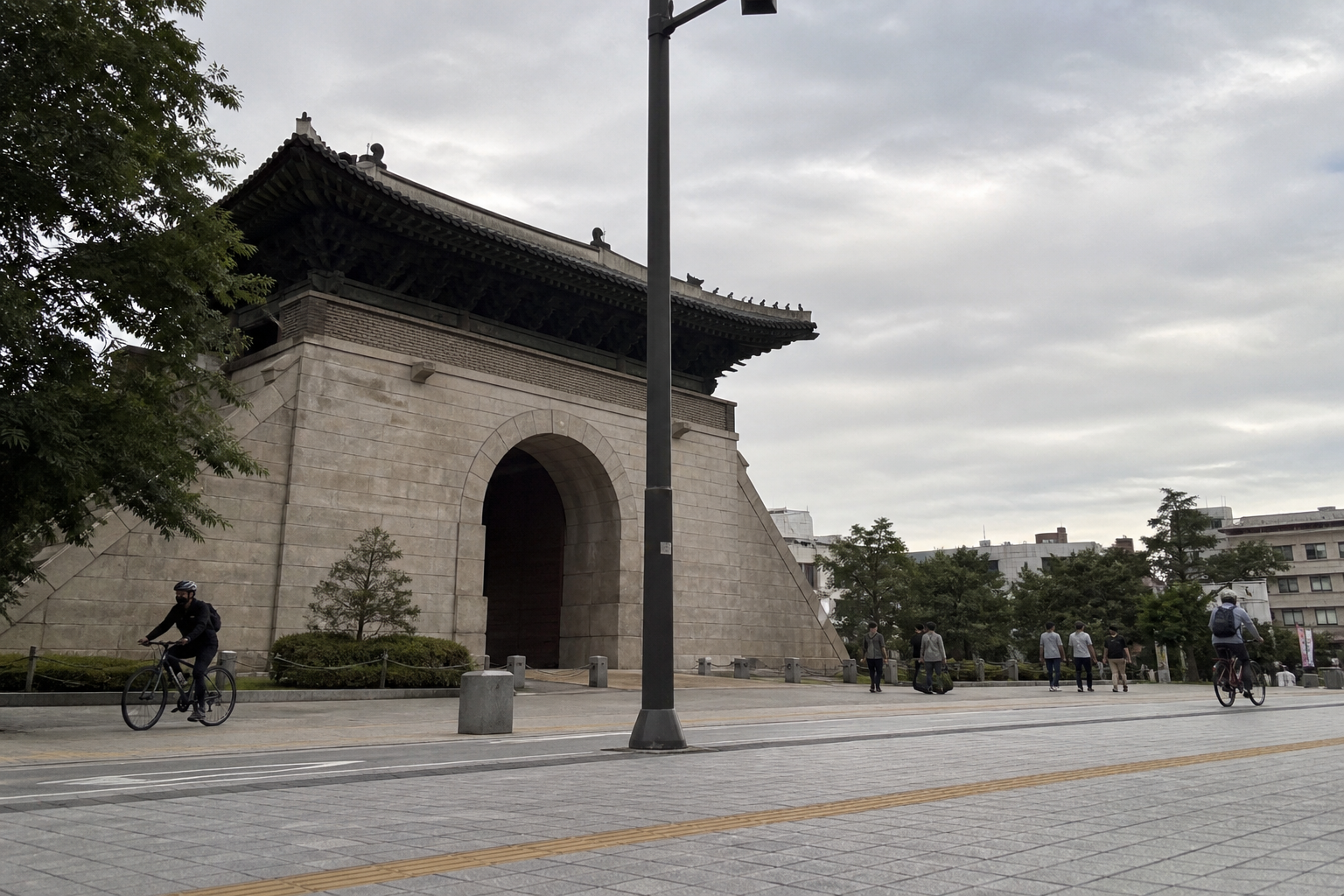
HISTORY · Late 19th century to today
Independence Gate (Korean: 독립문; Hanja: 獨立門) or Dongnimmun is a memorial gate in Seoul, South Korea. It was built in January 1898. Its construction was planned by Philip Jaisohn, as a symbol of Korea's commitment to independence.
Read the brief →
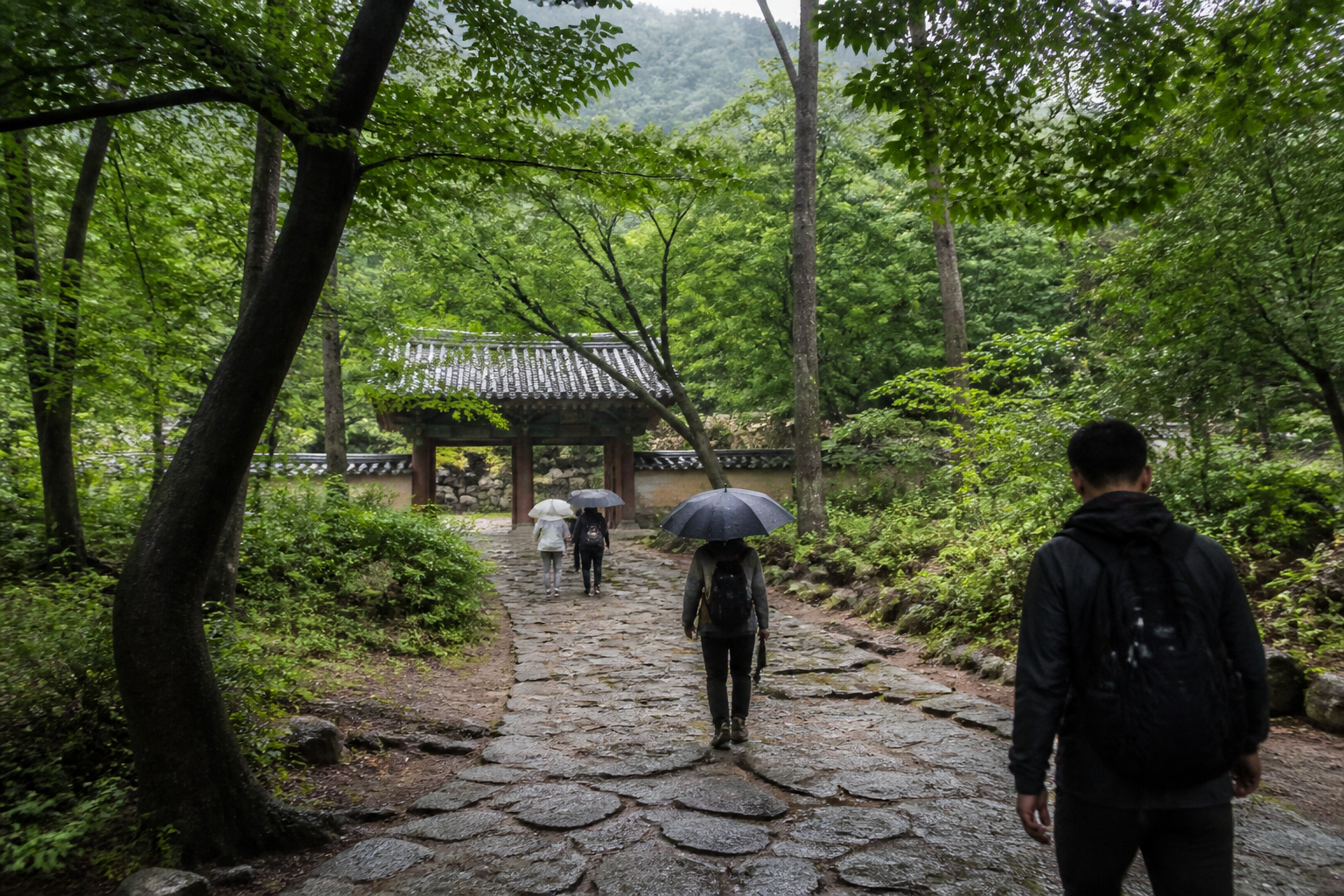
PLACES · Landscapes and regions
Songnisan is a mountain and National Park in South Korea. It lies in the Sobaek mountains along the border between the North Gyeongsang and North Chungcheong Provinces. Its main attractions are the temple Beopjusa and an especially picturesque peak, Munjangdae (1,029 m). The mountain's highest peak is Cheonhwangbong, at 1,058.4 m (3,472 ft).
Read the brief →
FOOD · Everyday and ceremonial food
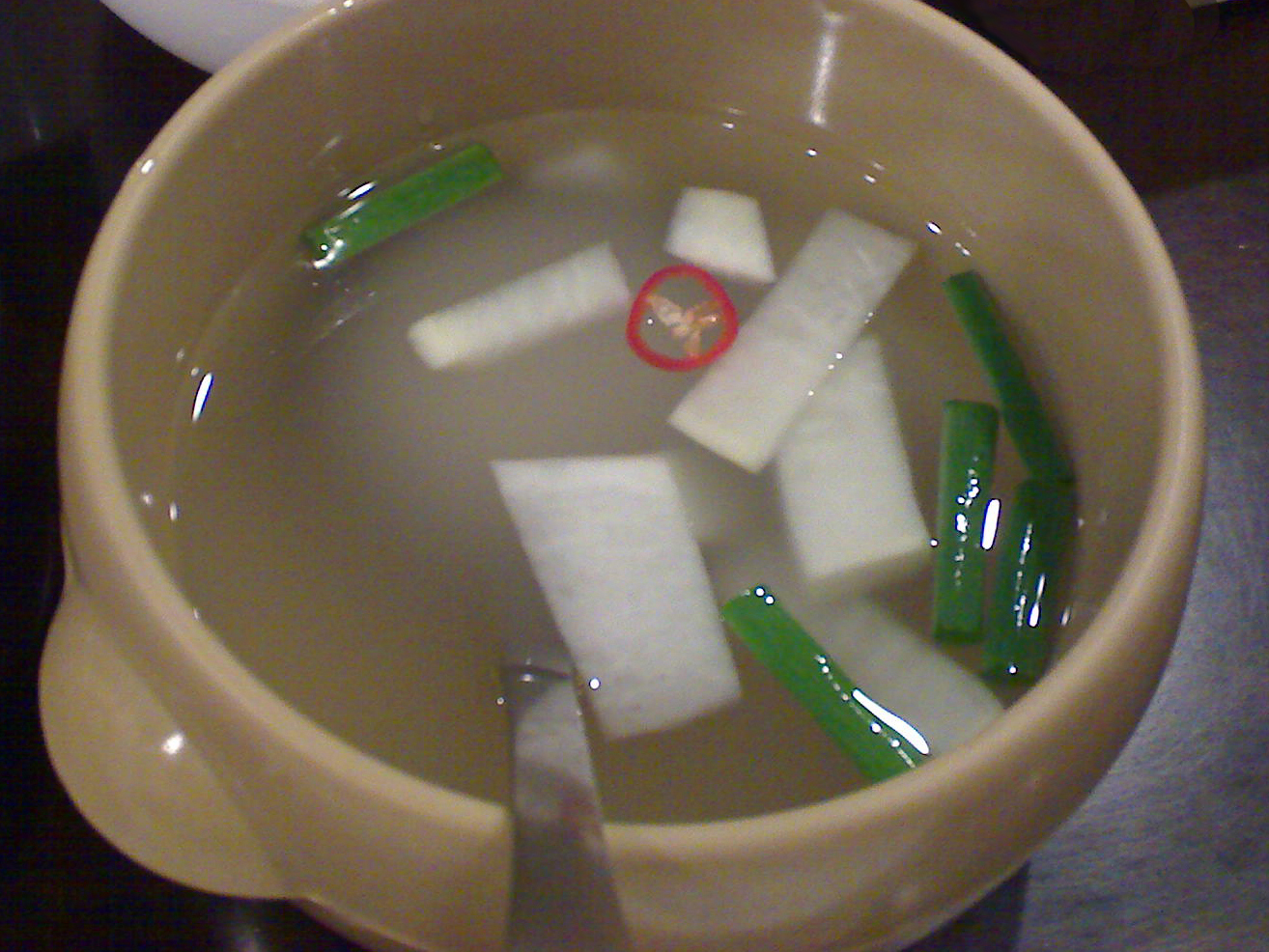
Dongchimi (Korean: 동치미) is a variety of kimchi in Korean cuisine consisting of Korean radish, napa cabbage, scallions, pickled green chilli, ginger, Korean pear and watery brine . As the name dong (동; 冬; lit. 'winter') and chimi (치미, an ancient term for "kimchi"), suggests, this kimchi is traditionally consumed during the winter season.
Read the brief →