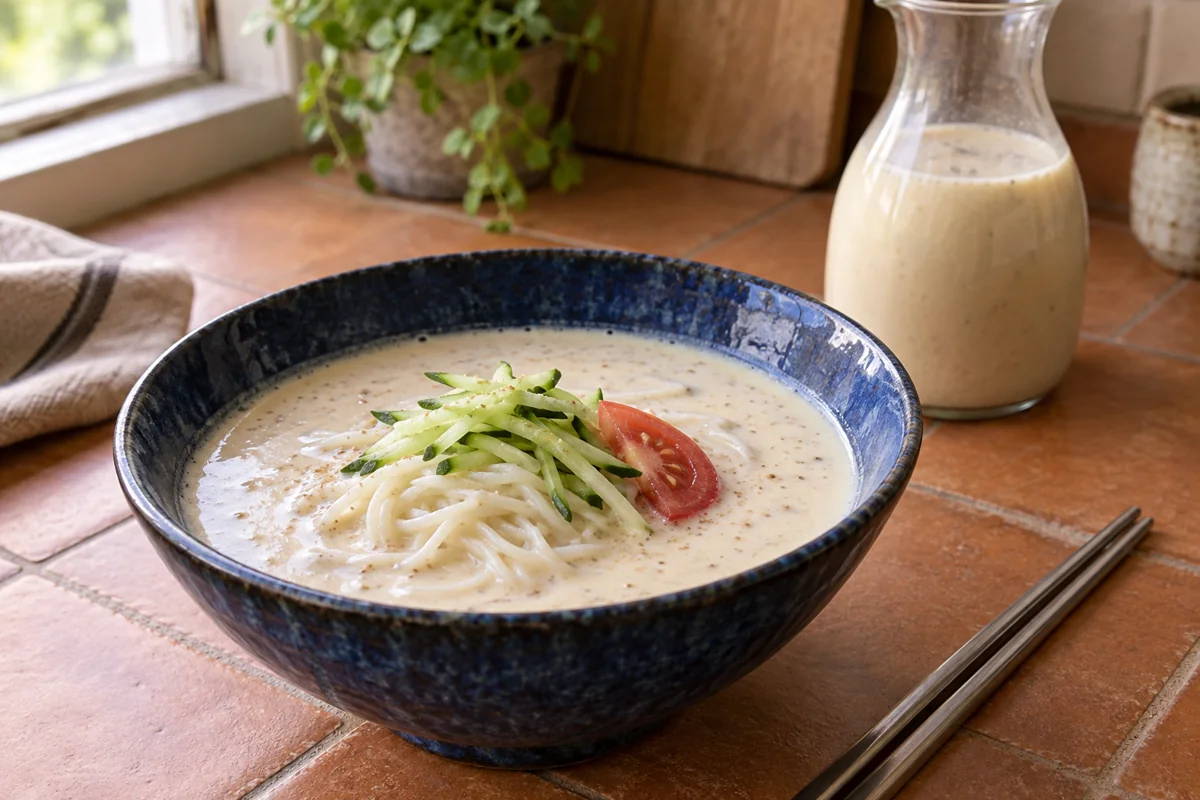
Kongguksu: Why Korea Puts Soybean Milk in a Noodle Bowl
The pale broth is the main event. A guide to ground soybeans, changing garnishes and the seasonal question to ask before ordering kongguksu.
Read the brief
The city, translated.
SEOULIAN desk · FOOD
Ingredients, fermentation, regional dishes, dining customs, and the people who keep Korean food moving.
66 published stories in this section.
66 stories · Page 2 of 3
The pale broth is the main event. A guide to ground soybeans, changing garnishes and the seasonal question to ask before ordering kongguksu.
Read the brief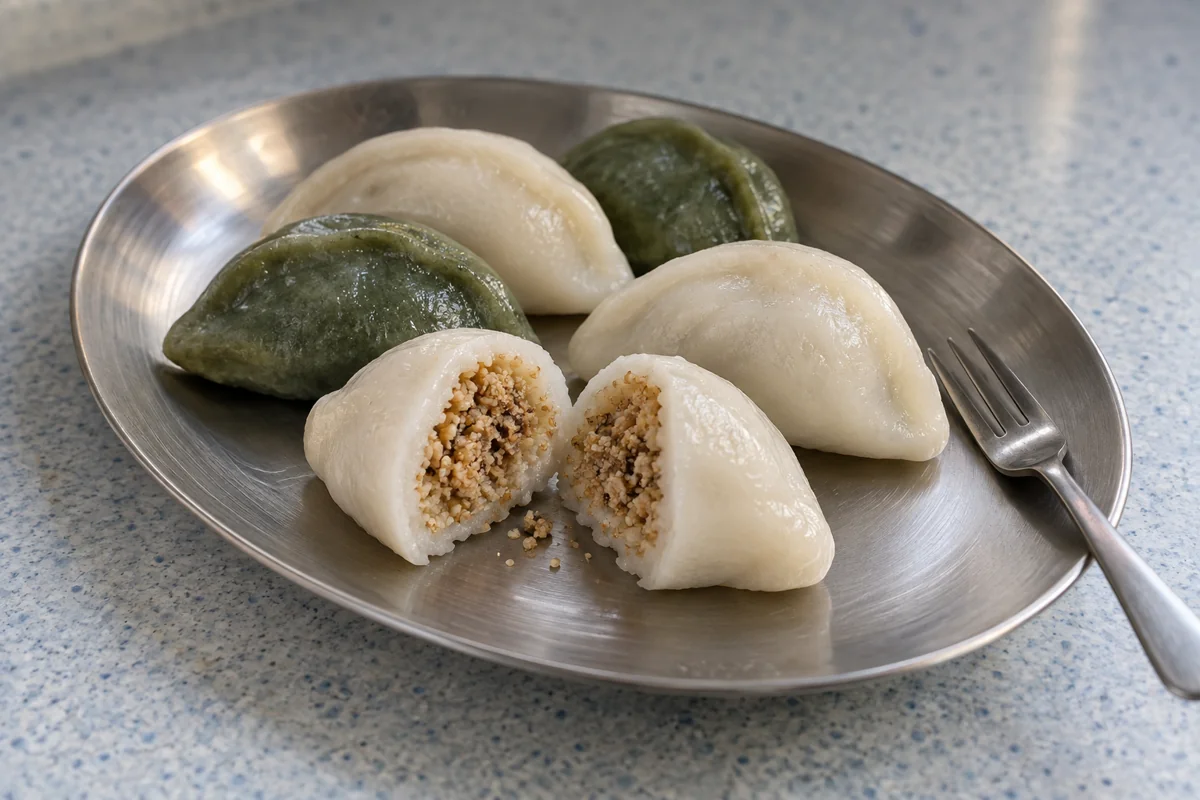
A green rice cake does not tell you everything inside it. A first-timer's guide to songpyeon's dough, fillings and the questions that make a small Chuseok purchase more rewarding.
Read the brief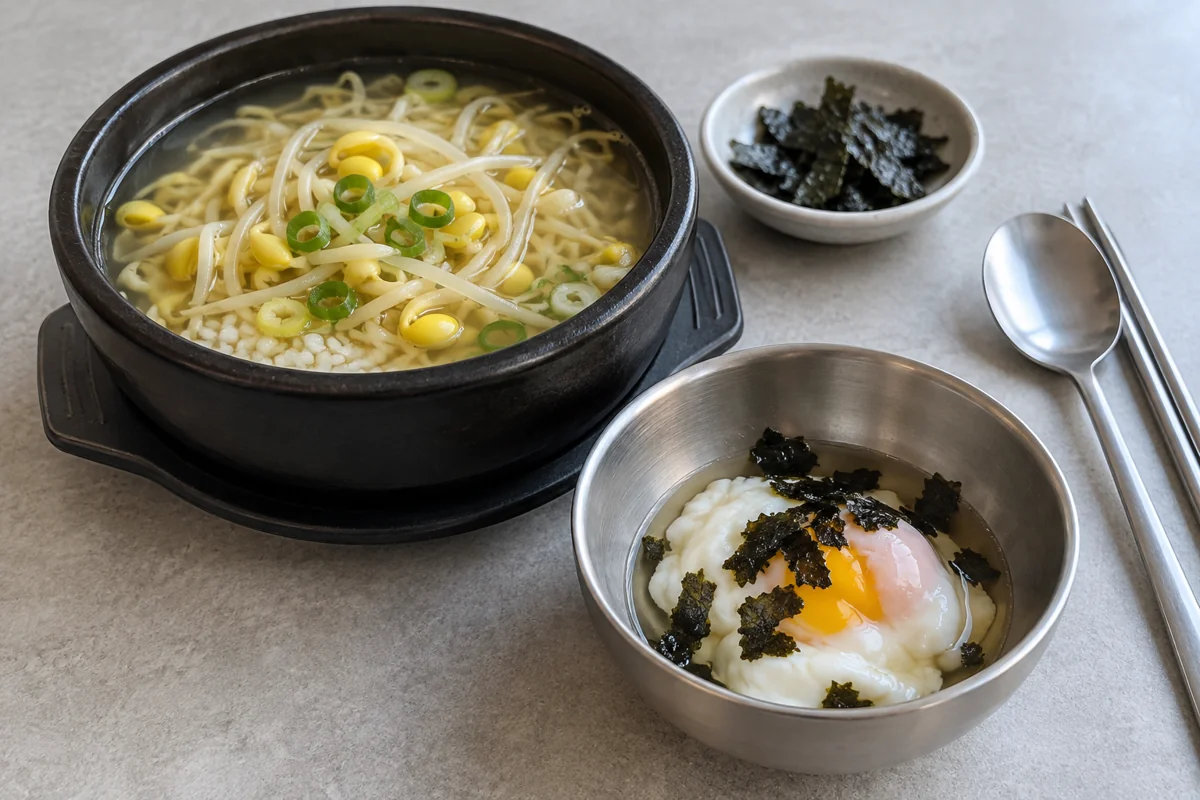
A second bowl can be the clue to your first order of kongnamul gukbap. Understand the two serving styles, the soft egg and the broth before you reach for your spoon.
Read the brief
Korea has established an annual Hansik Day and a week devoted to its food culture. What changed in 2026, why the date matters, and how to make it personal.
Read the brief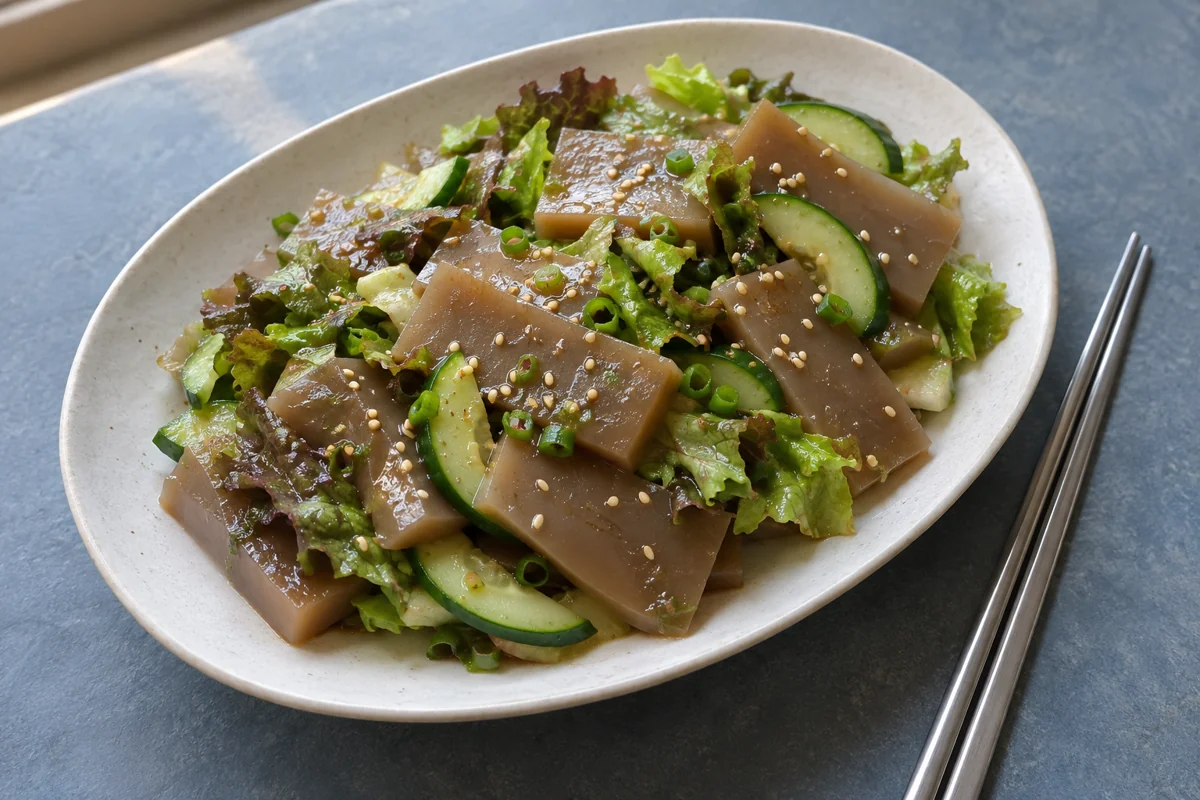
A plate of dressed slices and a bowl of broth can begin with the same ingredient. Learn what dotorimuk is—and which question to ask before ordering.
Read the brief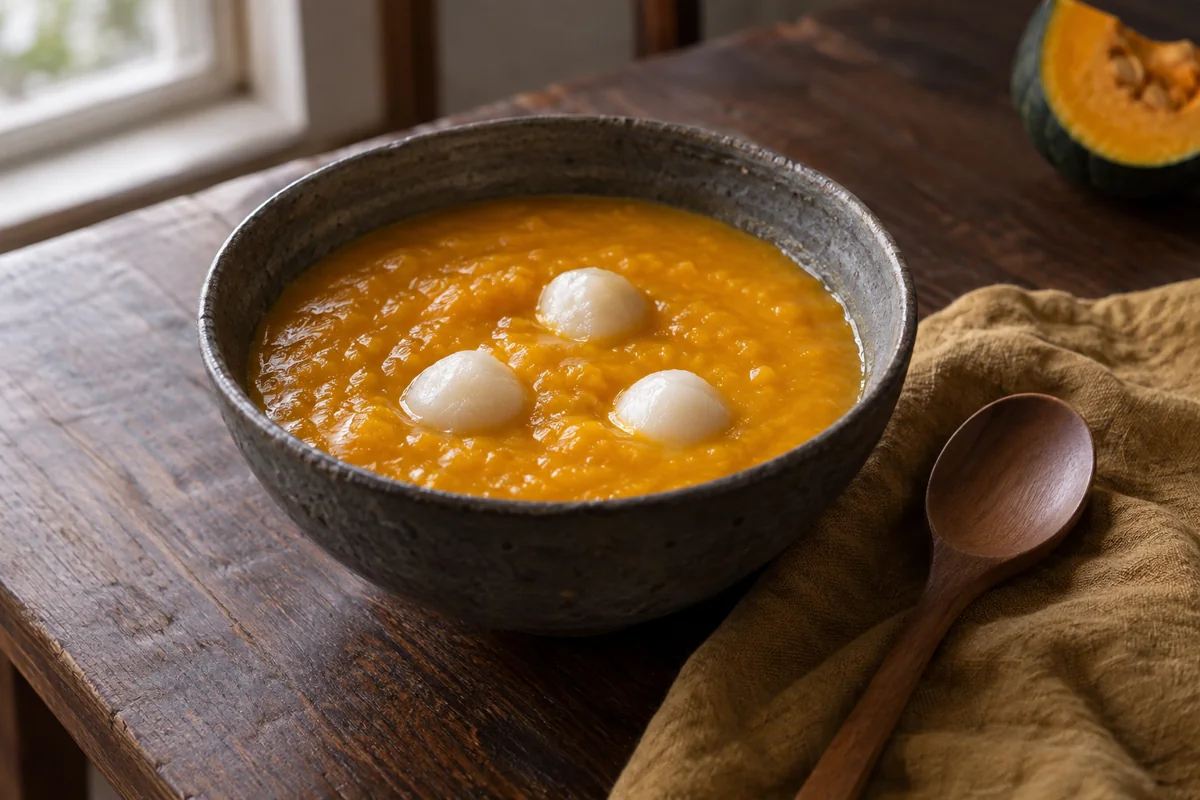
The golden bowl is not just blended pumpkin. A guide to the rice inside, the small rice balls you may find on top, and three questions that make ordering easier.
Read the brief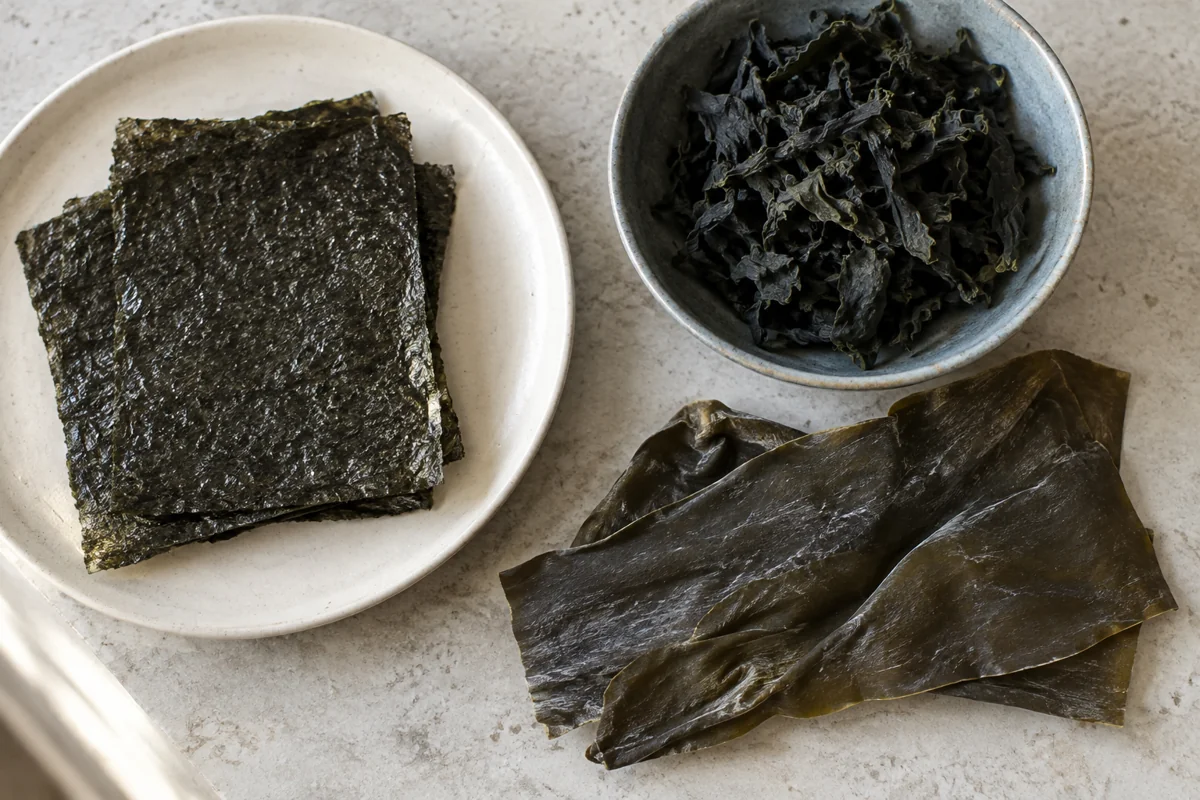
One English word, several very different ingredients. Match the Korean name to the meal you want: a rice wrap, a seaweed soup or a savoury stock.
Read the brief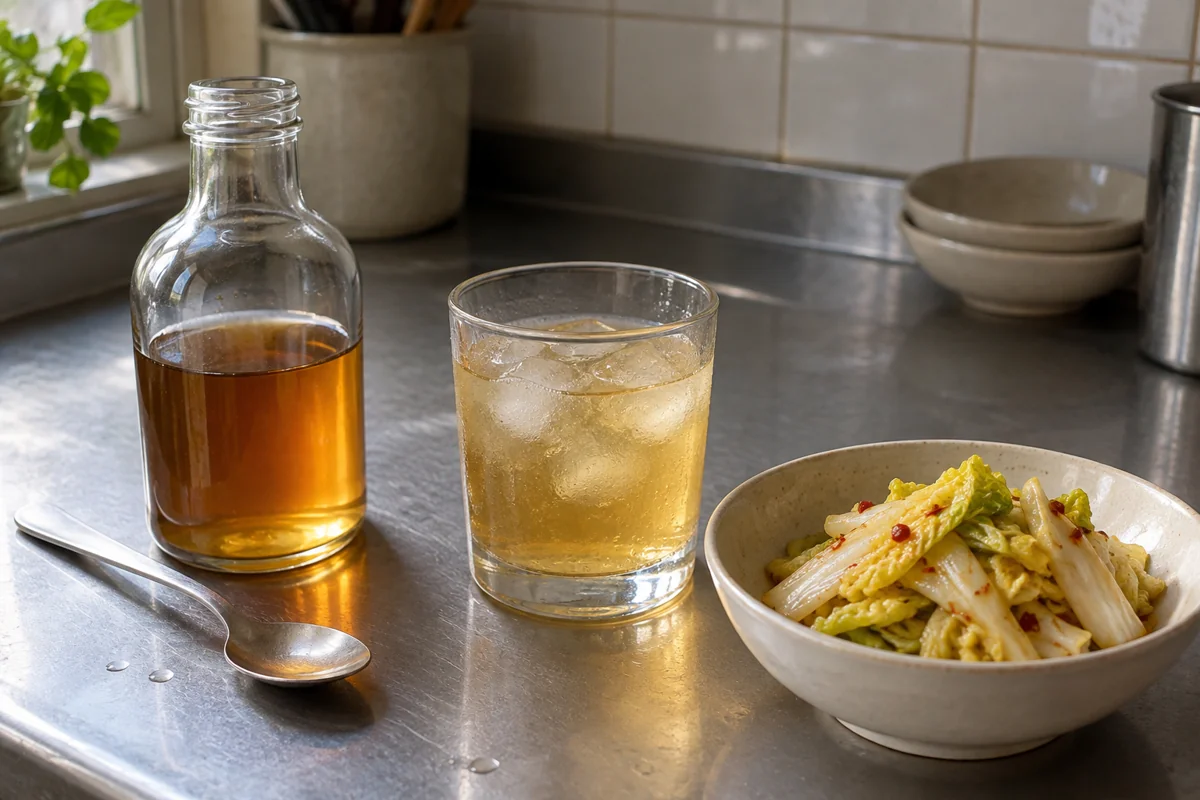
Meet the plum syrup that can become an iced drink or a seasoning for dinner. A practical way to read the bottle, understand its role and try one ingredient without rebuilding your pantry.
Read the brief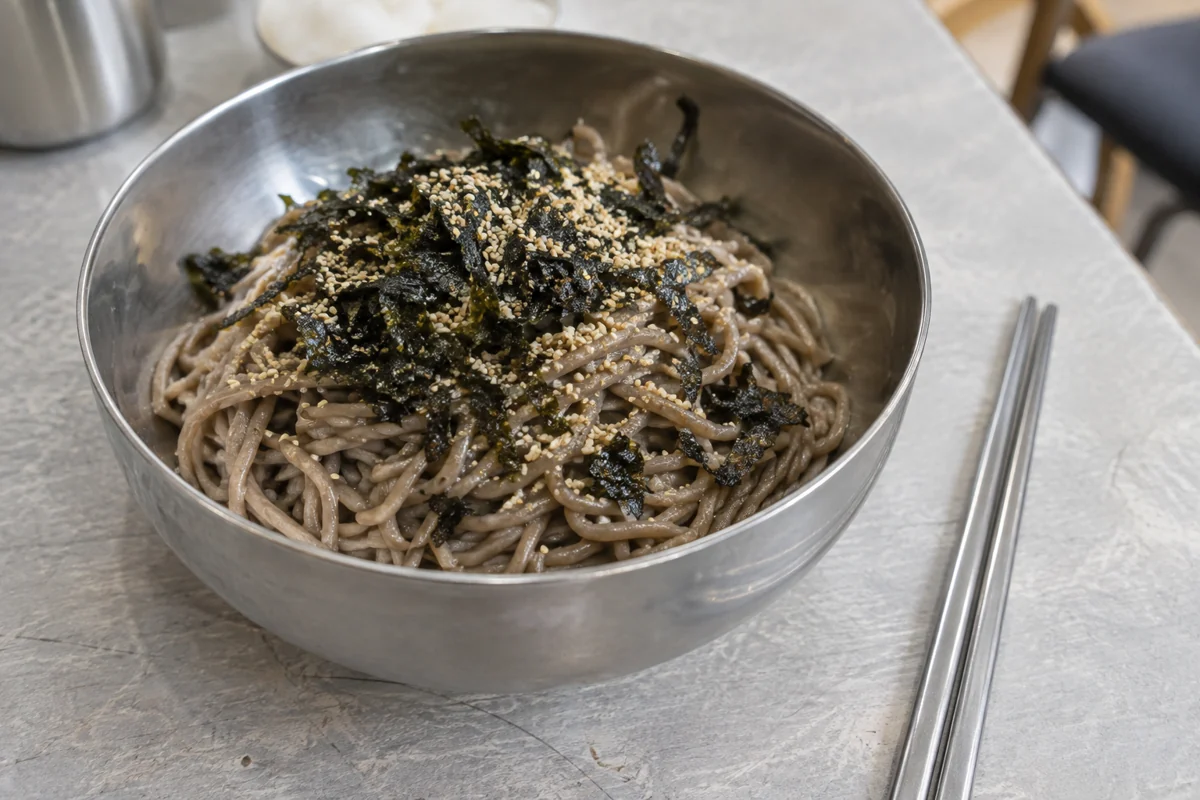
Not every Korean cold noodle bowl arrives in soup. Deulgireum makguksu puts perilla oil in charge—and gives first-time diners a useful way to read beyond the photograph on a menu.
Read the brief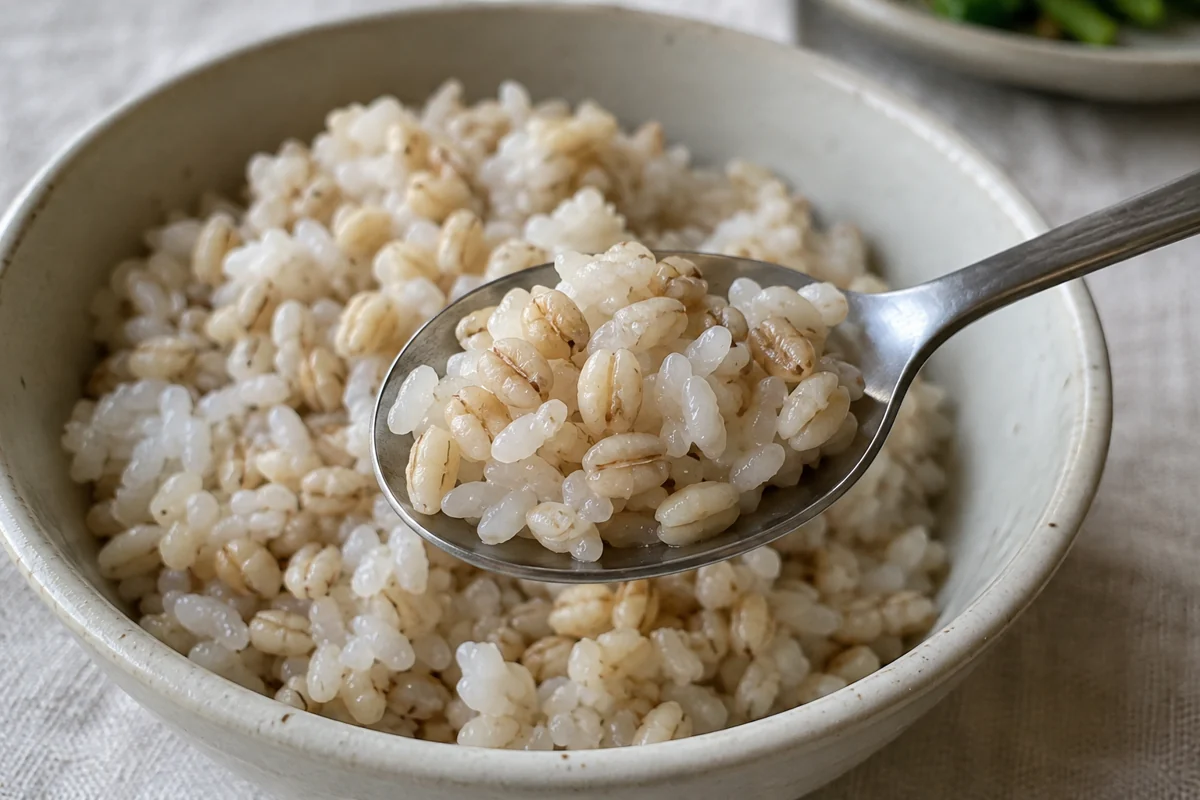
Before mixing in every vegetable and spoonful of sauce, meet the barley. A practical introduction to boribap, with useful Korean menu words and room for your own taste.
Read the brief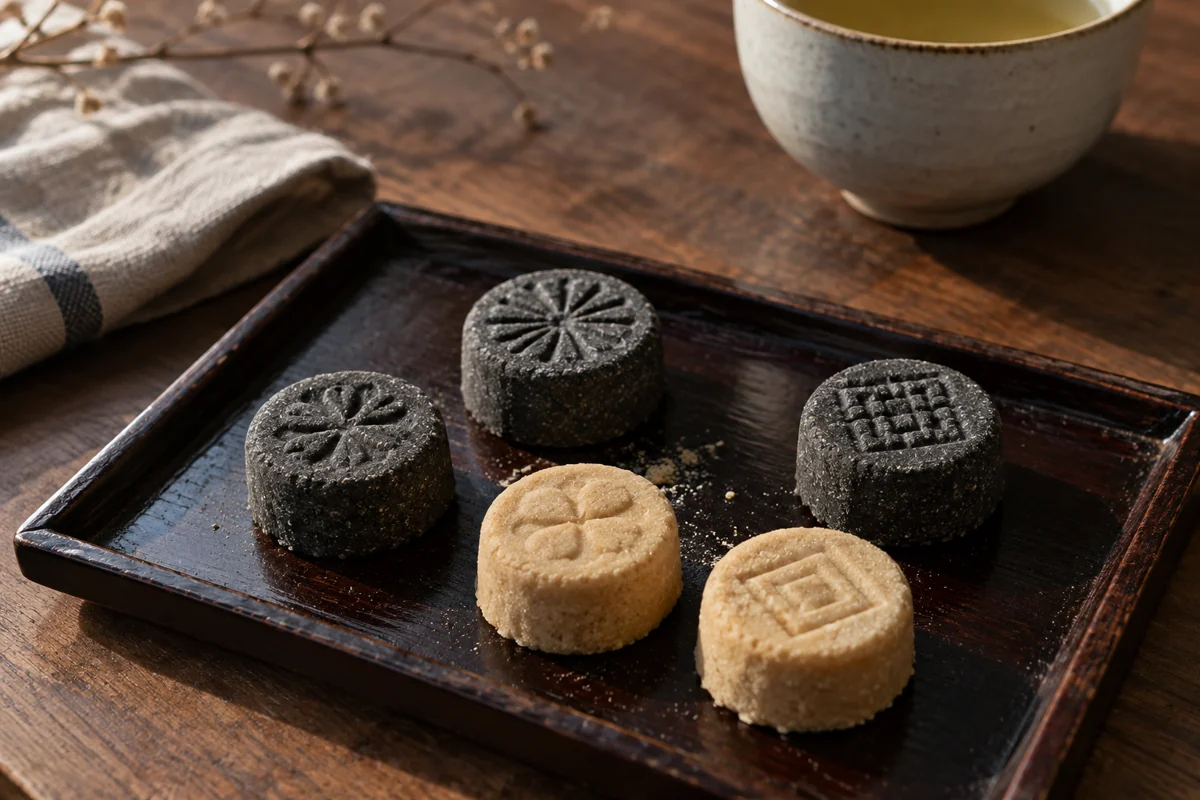
A tiny sweet can invite a longer look. Meet dasik through the mark of its mold, then ask what gives the piece its flavor.
Read the brief
For this New Jersey installment, the useful starting point is precise: two independently operated food businesses on Broad Avenue in Palisades Park.
Read the brief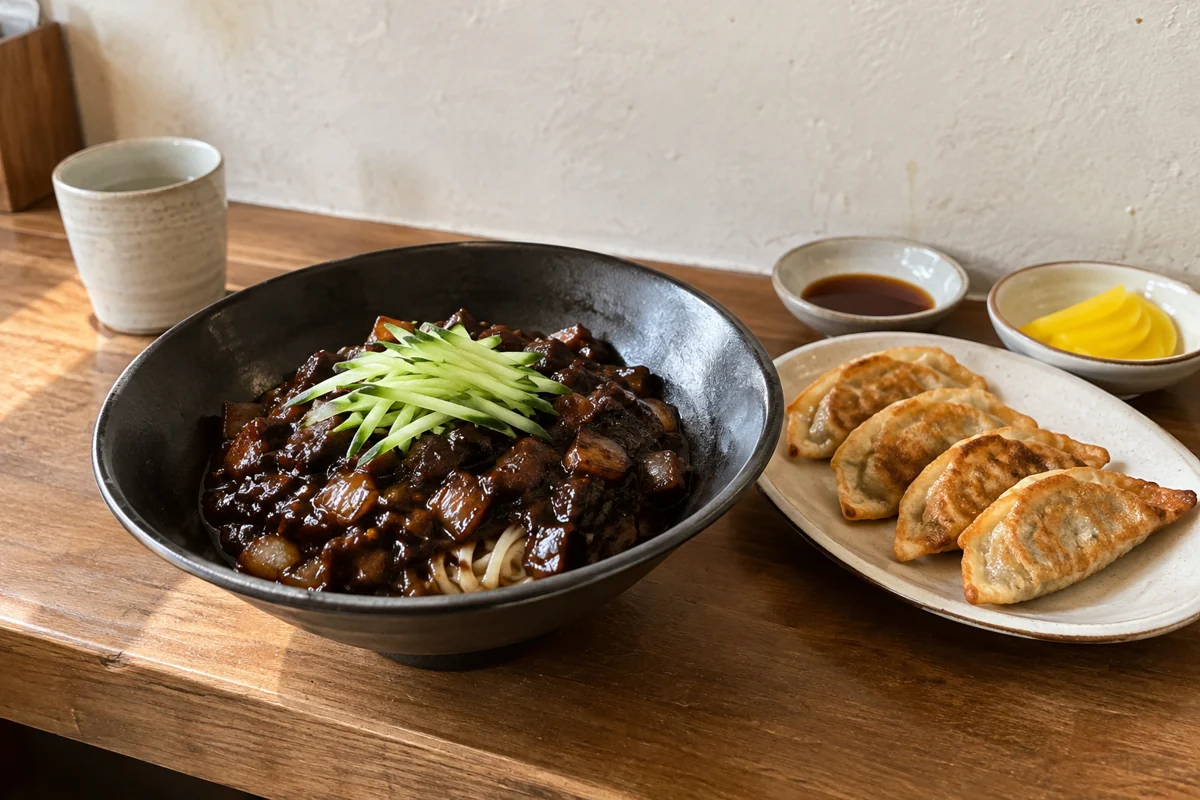
Annandale's Korean food story can begin with noodles or a rice cake rather than a grill.
Read the brief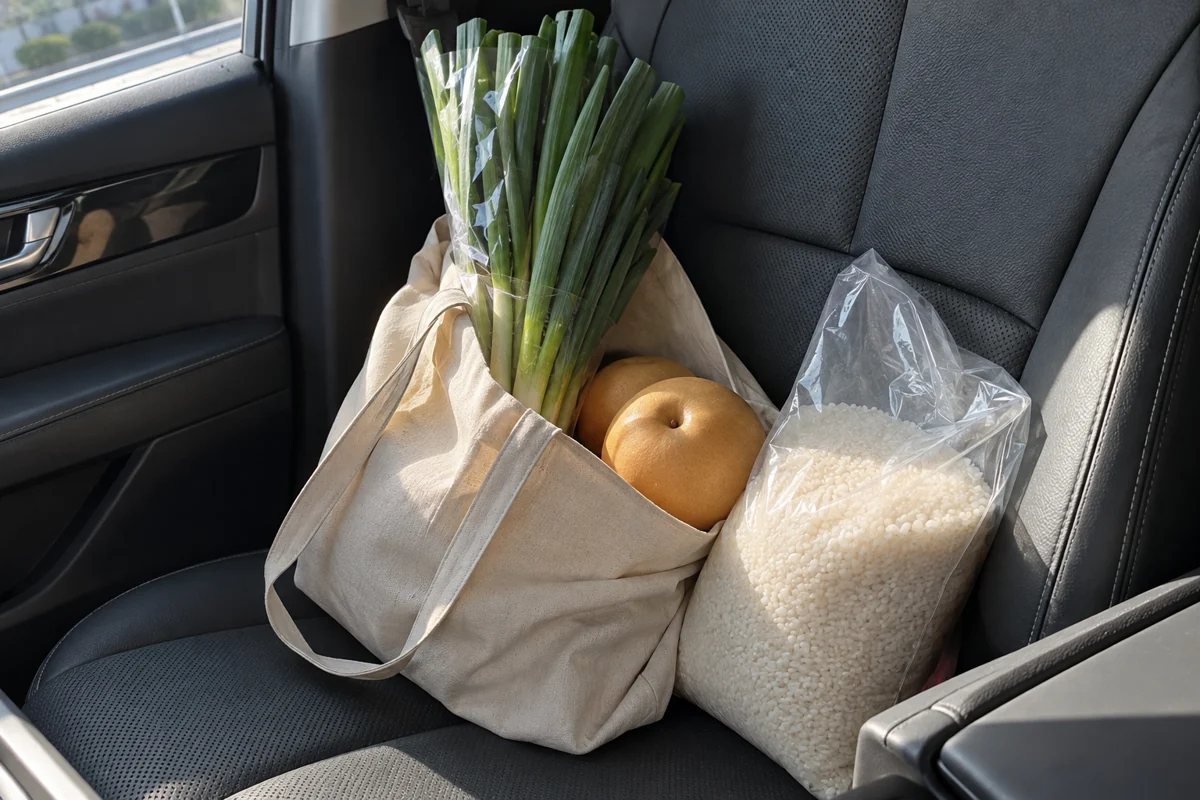
Carrollton's Korean commercial scene deserves more precise directions than a Dallas map pin.
Read the brief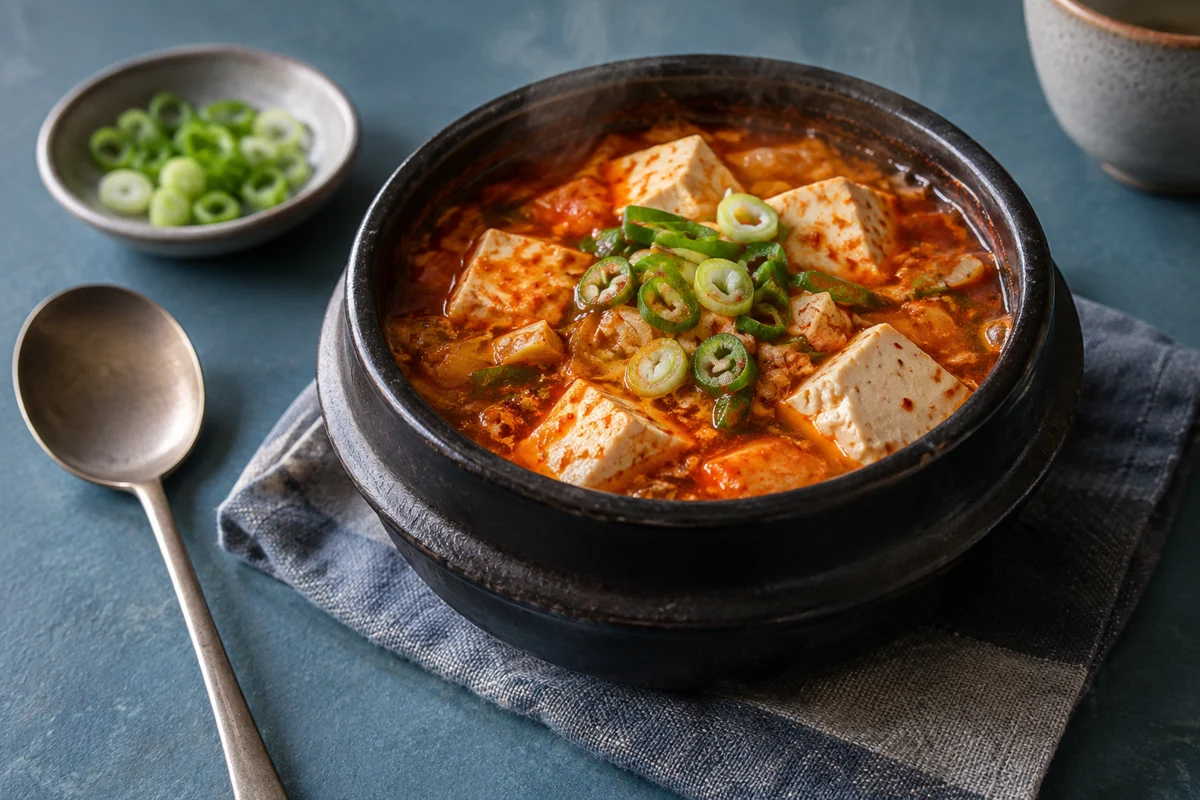
Santa Clara's tourism office publishes a Korean food trail; the useful opportunity is not to copy its ranking language but to choose different meal formats.
Read the brief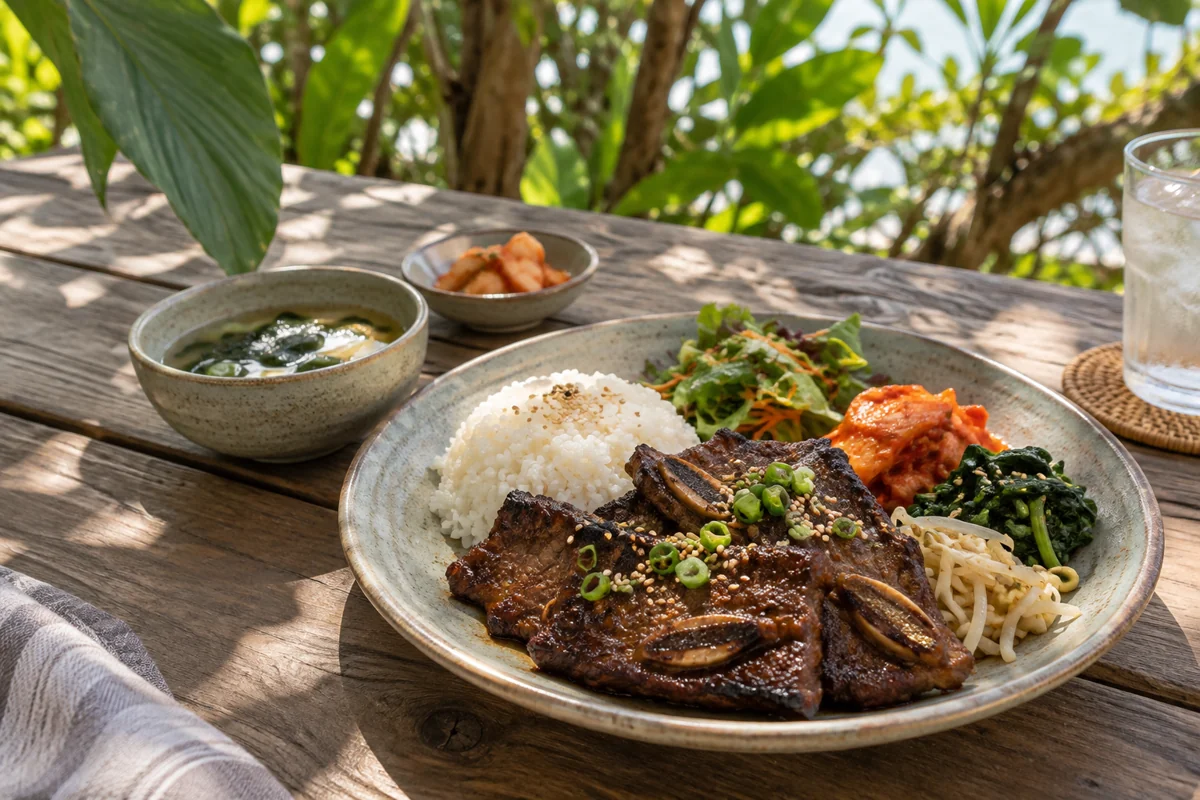
This final installment is a Korean food network, not a claim that Honolulu has one officially bounded Koreatown.
Read the brief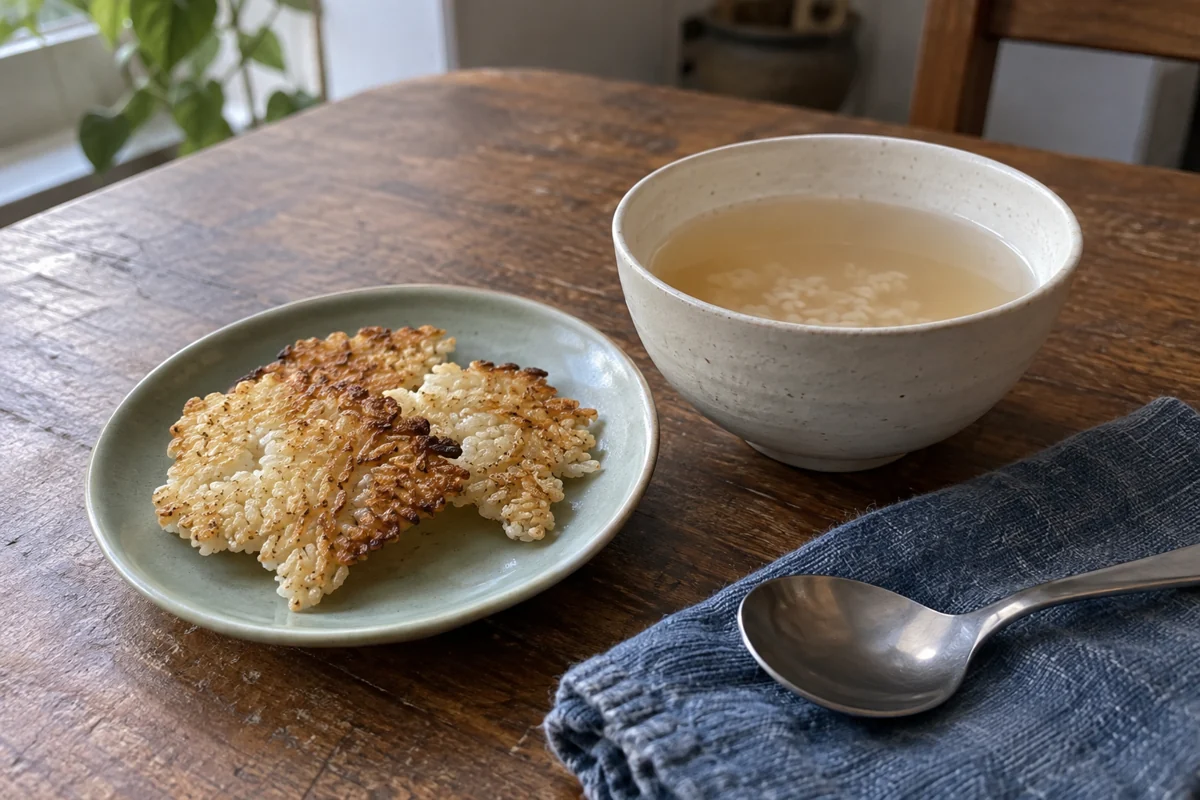
One rice crust, two very different encounters: a crisp bite or a warm bowl. Here is how to recognize the difference without turning lunch into an etiquette test.
Read the brief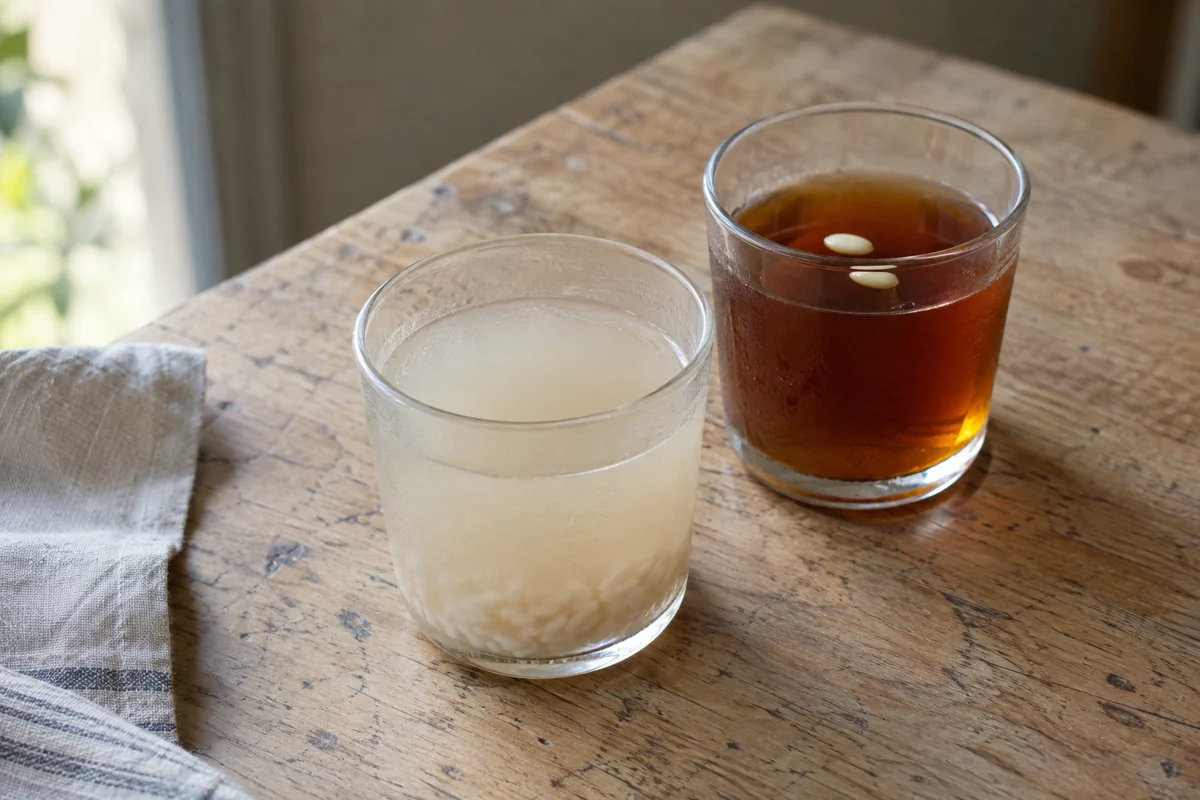
One begins with rice and malt; the other with cinnamon and ginger. A small tasting guide to two Korean drinks that deserve more than a mystery sip after dinner.
Read the brief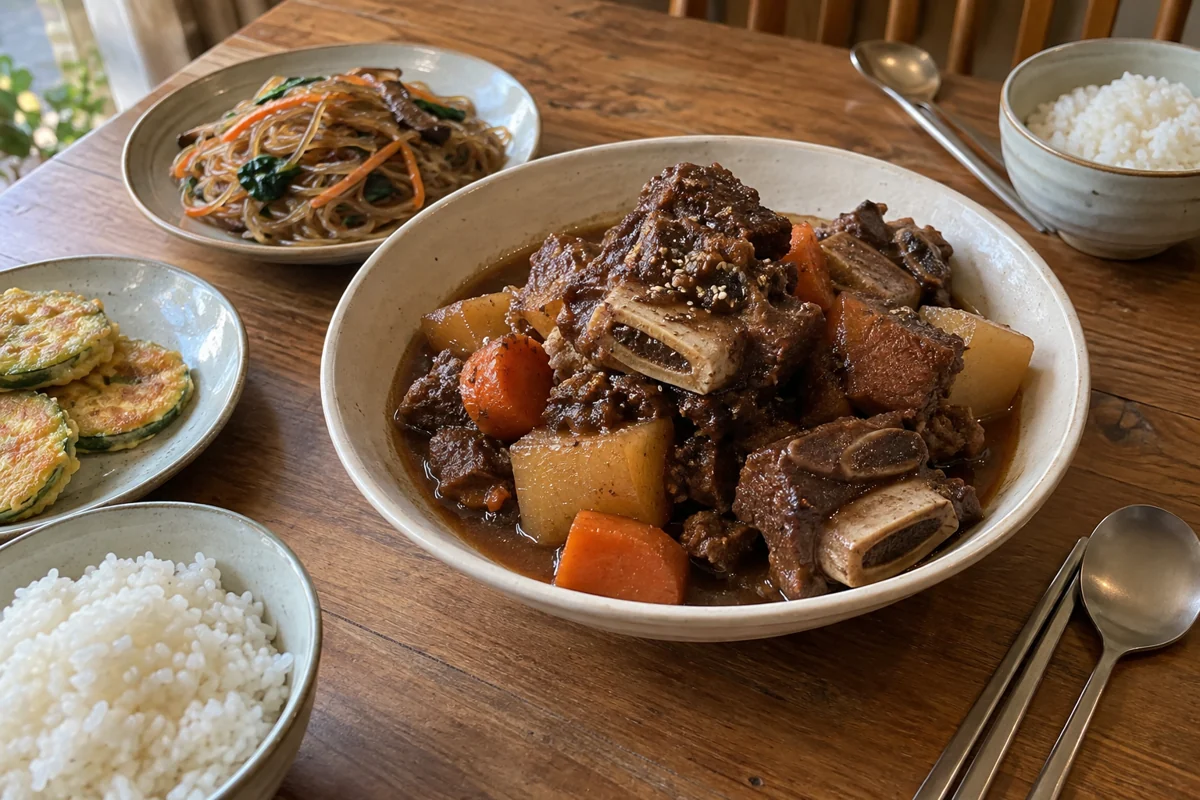
Why can braised ribs feel like a grand welcome, while a bowl of porridge feels deeply personal? Ten dishes that help explain the Korean art of treating someone well.
Read the brief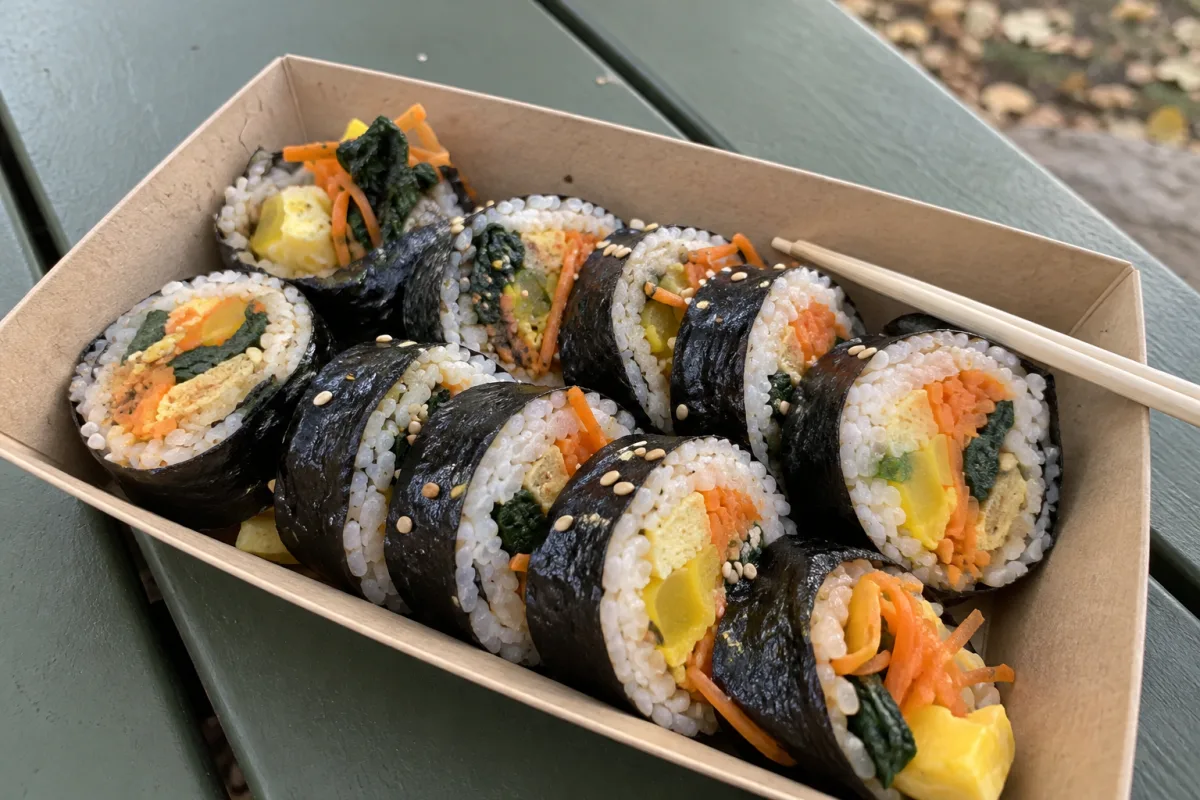
An October festival gives an everyday food a playful destination. The interesting story is how Gimcheon's name became an invitation—not a claim that the city invented gimbap.
Read the brief
Korean cuisine is the set of foods and culinary styles which are associated with Korean culture. This cuisine has evolved through centuries of social and political change. Originating from ancient agricultural and nomadic traditions in Korea and southern Manchuria, Korean cuisine reflects a complex interaction of the natural environment and different…
Read the brief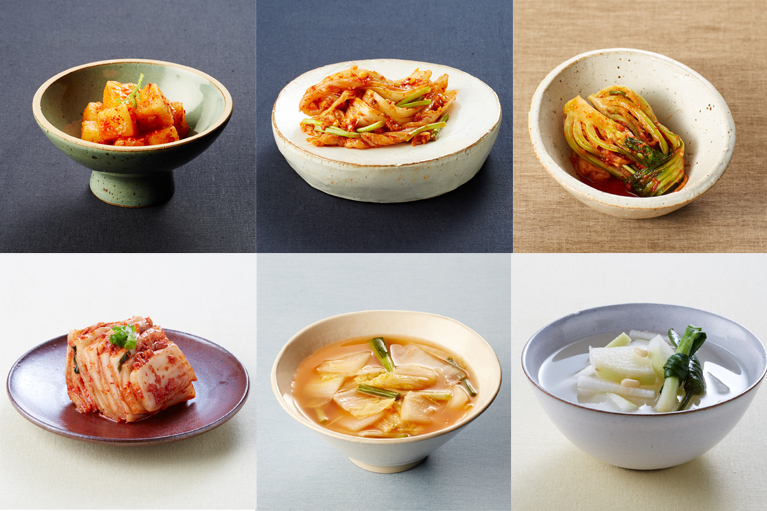
Kimchi (; Korean: 김치; pronounced [kim.tɕʰi]) is a traditional Korean side dish (banchan) consisting of salted and fermented vegetables, most often napa cabbage or Korean radish. A wide selection of seasonings are used, including gochugaru (Korean chili powder), spring onions, garlic, ginger, and jeotgal (salted seafood).
Read the brief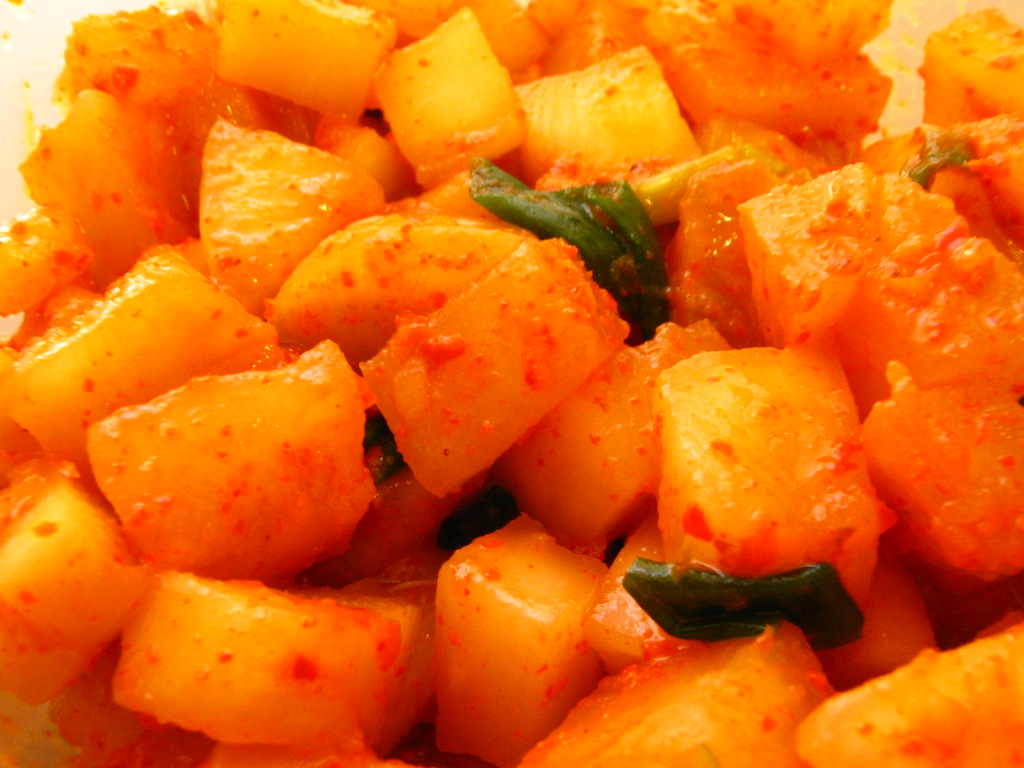
Kkakdugi (Korean: 깍두기) or diced radish kimchi is a variety of kimchi in Korean cuisine. Usually, Korean radish (called mu 무 in Korean) is used, but other vegetables or fruits can also be used. Kkakduk-kkakduk is an ideophone related to dicing/cubing. Kimchi made with radish that are not diced into cubes are not called kkakdugi.
Read the brief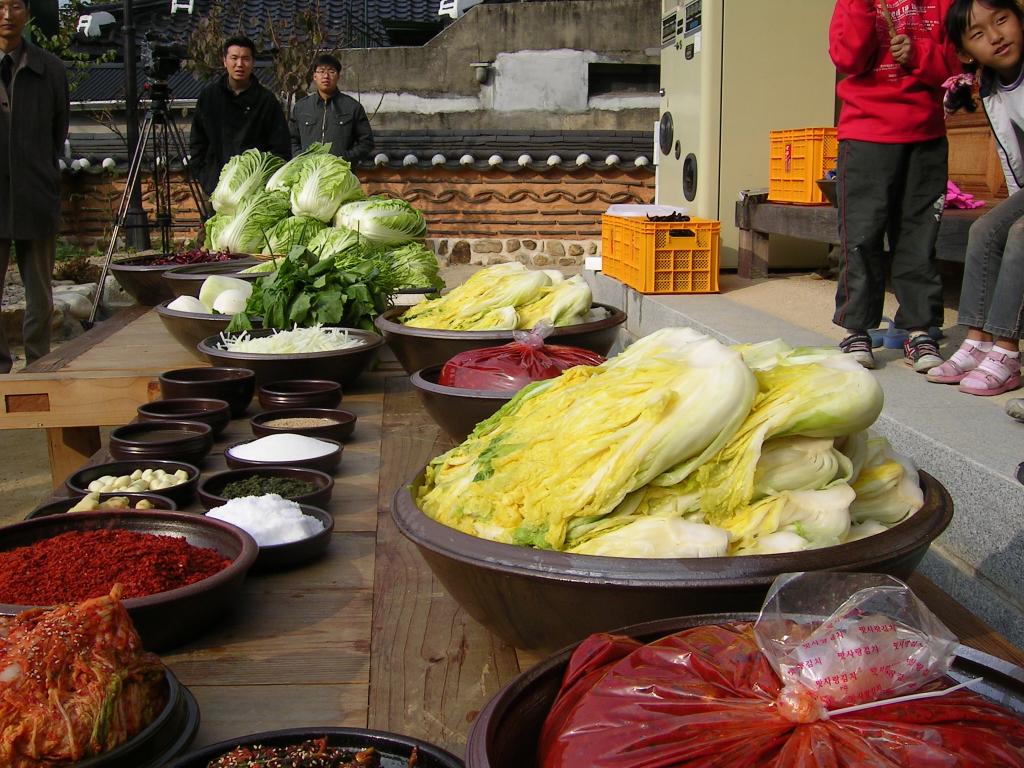
Gimjang (Korean: 김장), also spelled kimjang, is the traditional process of preparation and preservation of kimchi, the spicy Korean fermented vegetable dish, in the wintertime. During the summer months, kimchi is made fresh, from seasonal vegetables.
Read the brief