CITY · Seoul across time
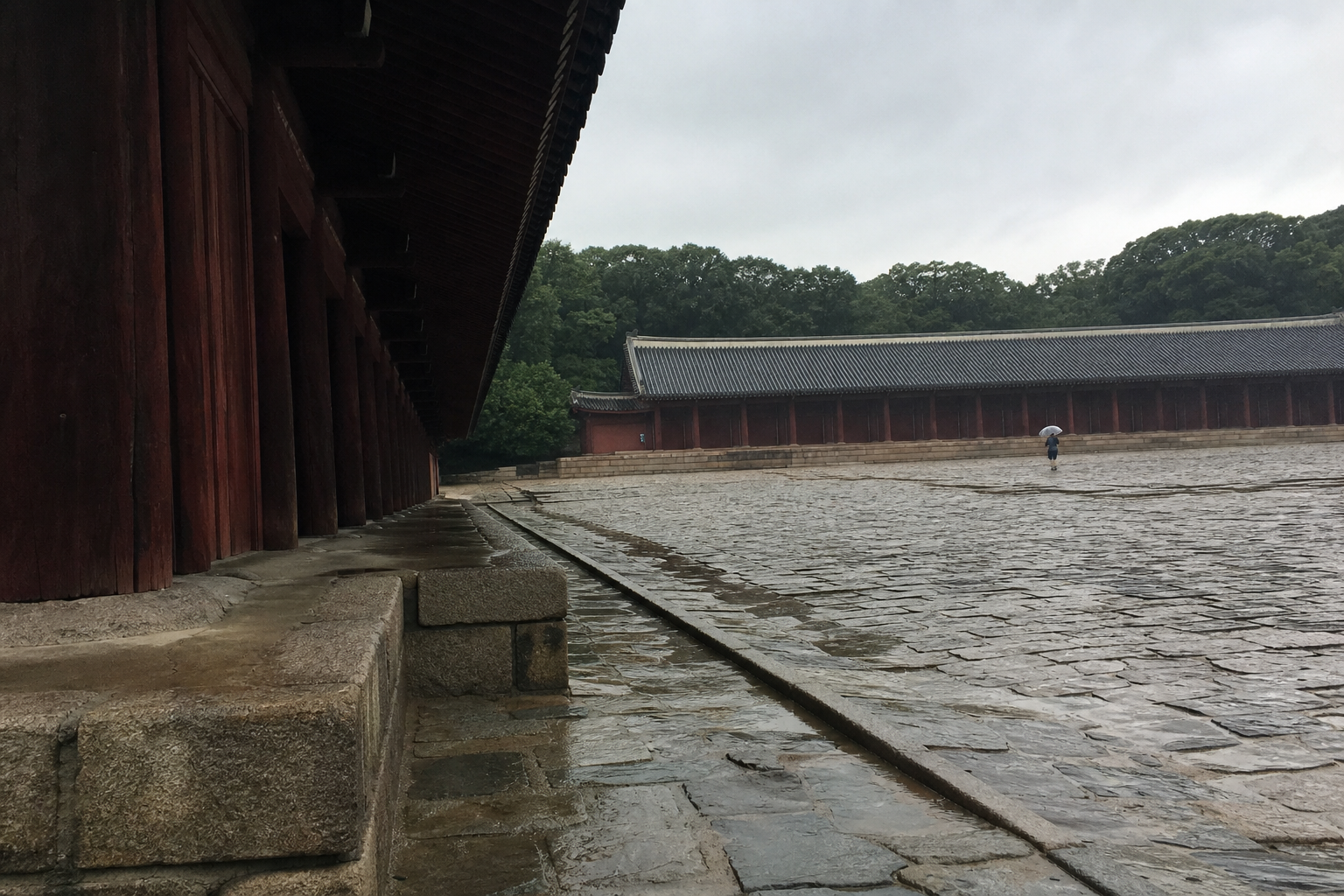
Jongmyo (Korean: 종묘) is a Confucian royal ancestral shrine in the Jongno District of Seoul, South Korea. It was originally built during the Joseon period (1392–1897) for memorial services for deceased kings and queens. According to UNESCO, the shrine is the oldest royal Confucian shrine preserved and the ritual ceremonies continue a tradition established in…
Read the brief →
PLACES · Landscapes and regions
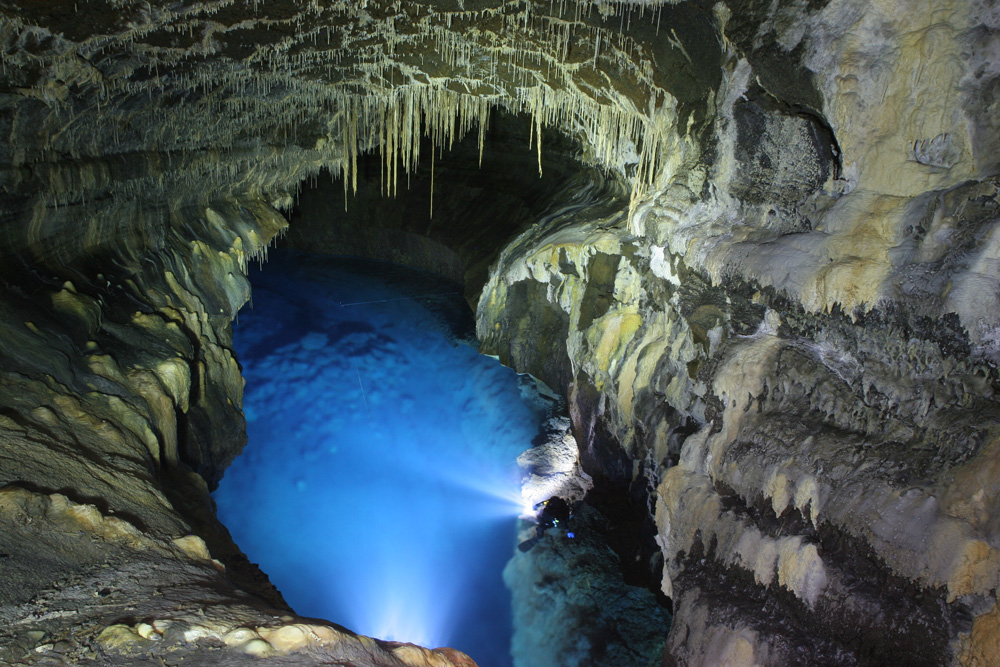
The Jeju Volcanic Island and Lava Tubes (Korean: 제주 화산섬과 용암 동굴) is a World Heritage Site in Jeju Province, South Korea. It was inscribed as one of the UNESCO World Heritage Sites in 2007 because of the Geomunoreum Lava Tube System and the exhibition of diverse and accessible volcanic features which are considered to demonstrate a distinctive and valuable…
Read the brief →
CULTURE · Contemporary Korea
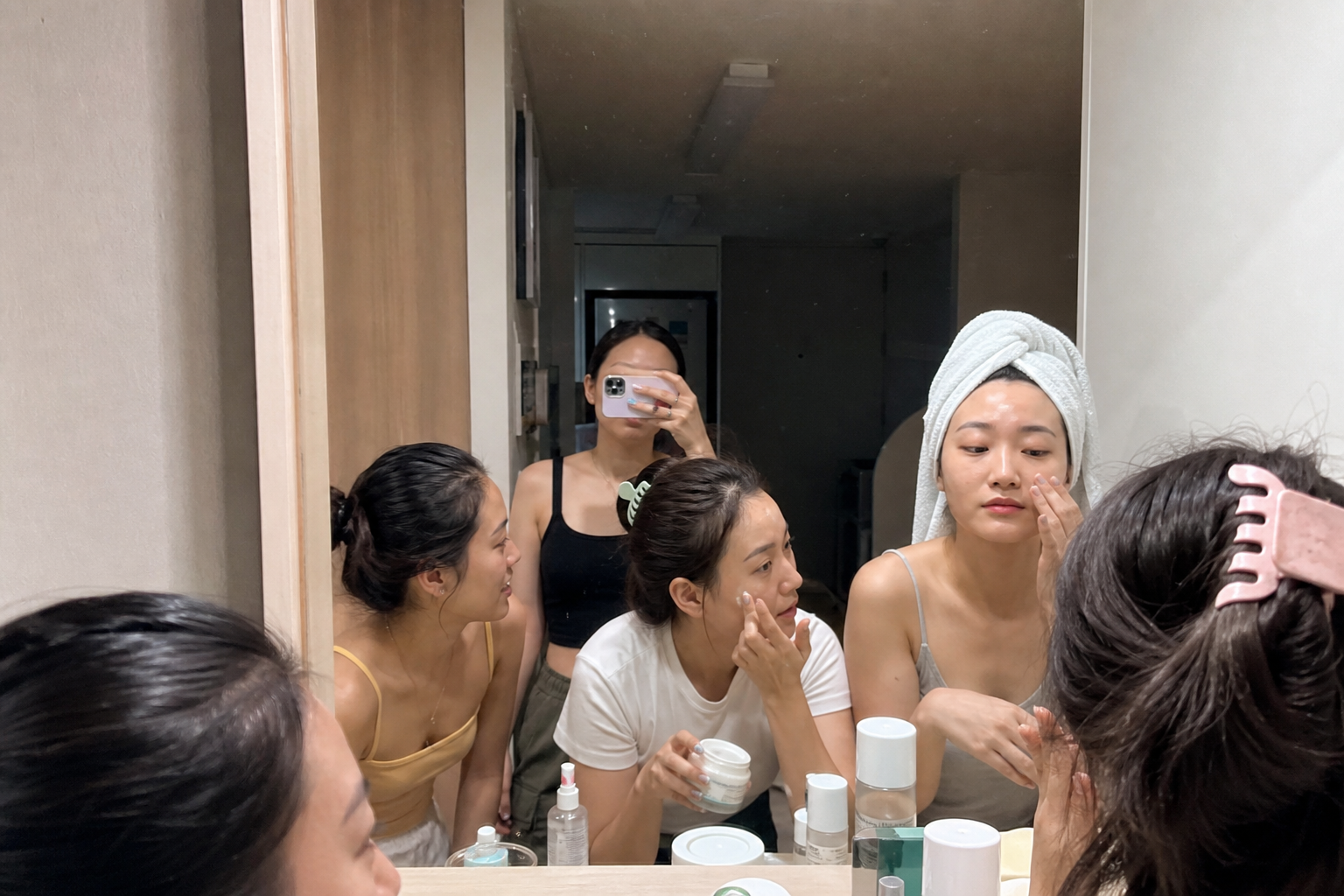
South Korean beauty standards prioritize maintaining a youthful appearance rather than looking mature. A combination of clear skin, an even skin complexion, a slim, V-shaped jawline, and pronounced puffy aegyo-sal (fatty, bag-like deposits under the eye—common in children; rare in adults) contributes to a desirable youthful aesthetic and personal…
Read the brief →

CULTURE · Contemporary Korea
K-beauty (Korean: 케이뷰티) is an umbrella term for skincare products that are derived from South Korea. K-beauty gained popularity worldwide, especially in East Asia, Southeast Asia, South Asia, and the Western world, and focuses on health, hydration, and an emphasis on brightening effects.
Read the brief →
HISTORY · Prehistory to 935
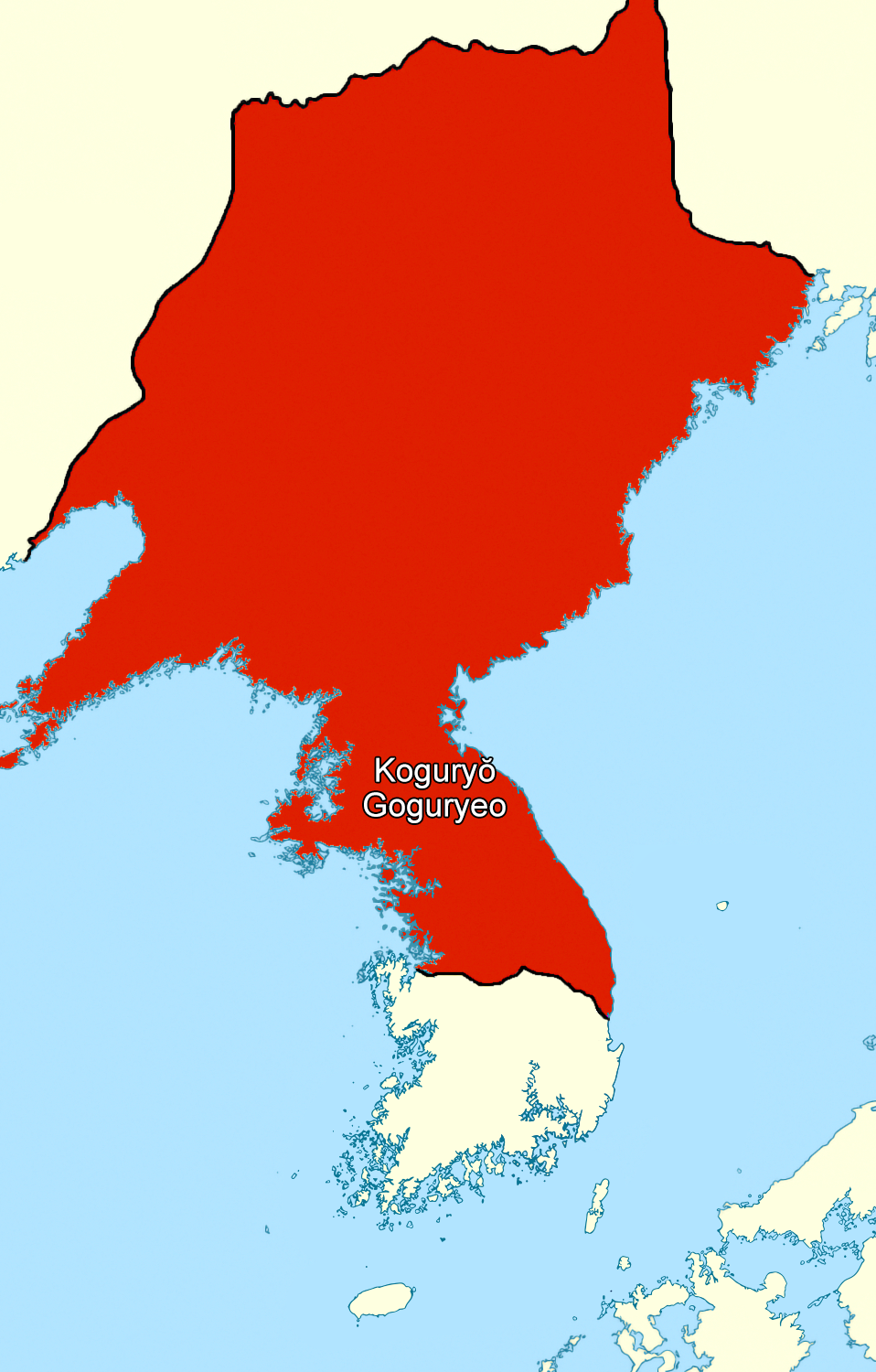
Goguryeo (37 BC – 668 AD) (Korean: 고구려; Hanja: 高句麗; RR: Goguryeo; lit. 'high castle'; Korean pronunciation: [ko̞.ɡu.ɾjʌ̹]; Old Korean: Guryeo) also later known as Goryeo (Korean: 고려; Hanja: 高麗; RR: Goryeo; lit. 'high and beautiful'; Korean pronunciation: [ko.ɾjʌ]; Middle Korean: 고ᇢ롕〮, kwòwlyéy), was a Korean kingdom which was located on the northern and…
Read the brief →
HISTORY · Prehistory to 935
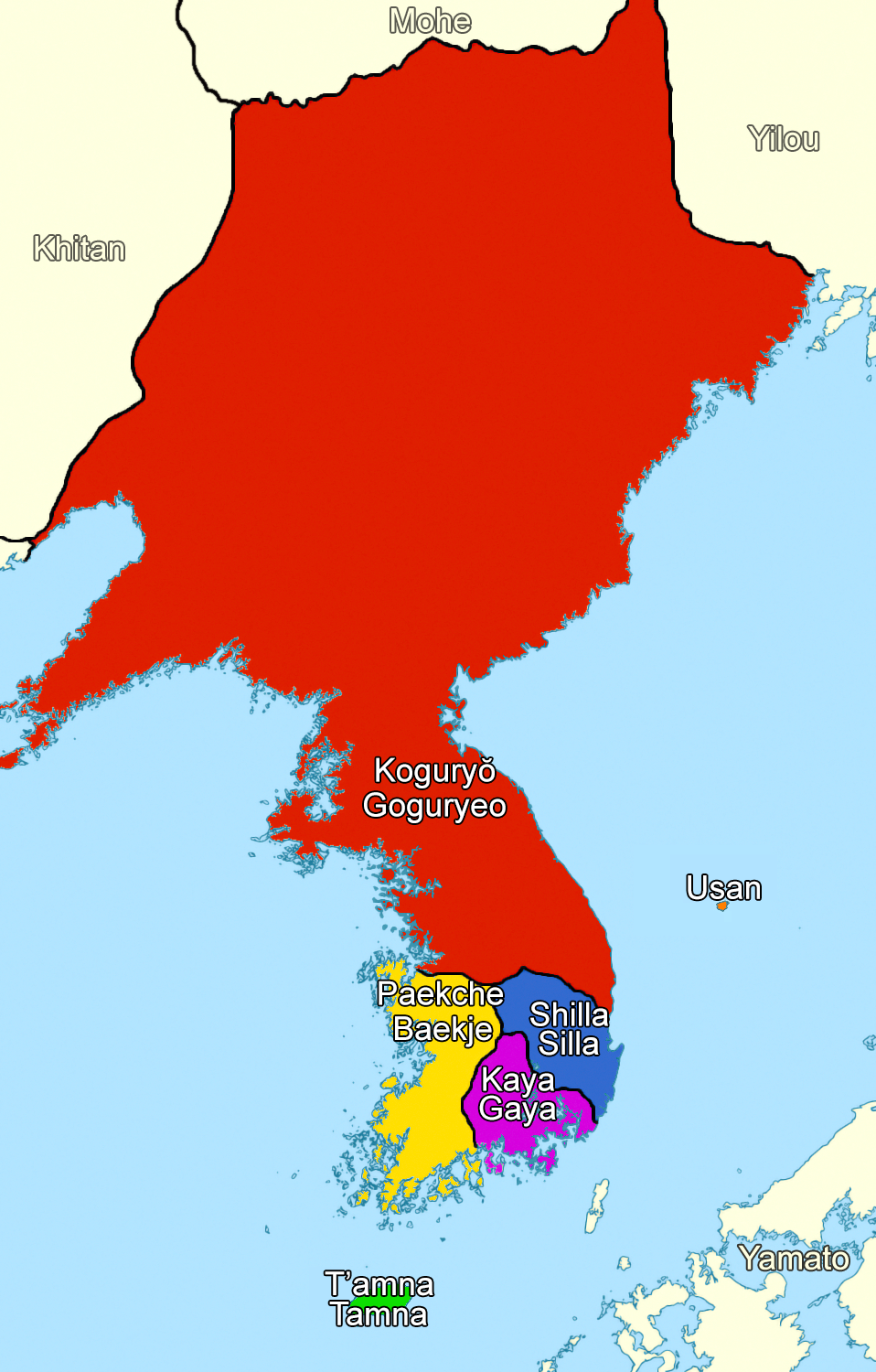
The Three Kingdoms of Korea (Korean: 삼국시대; Hanja: 三國時代) or Samhan of Korea, refers to the period in Korean history when the peninsula was divided into three major kingdoms: Goguryeo, Paekche, and Silla (also known as the "Samhan" kingdoms) following the Proto–Three Kingdoms period.
Read the brief →
HISTORY · 918–1910
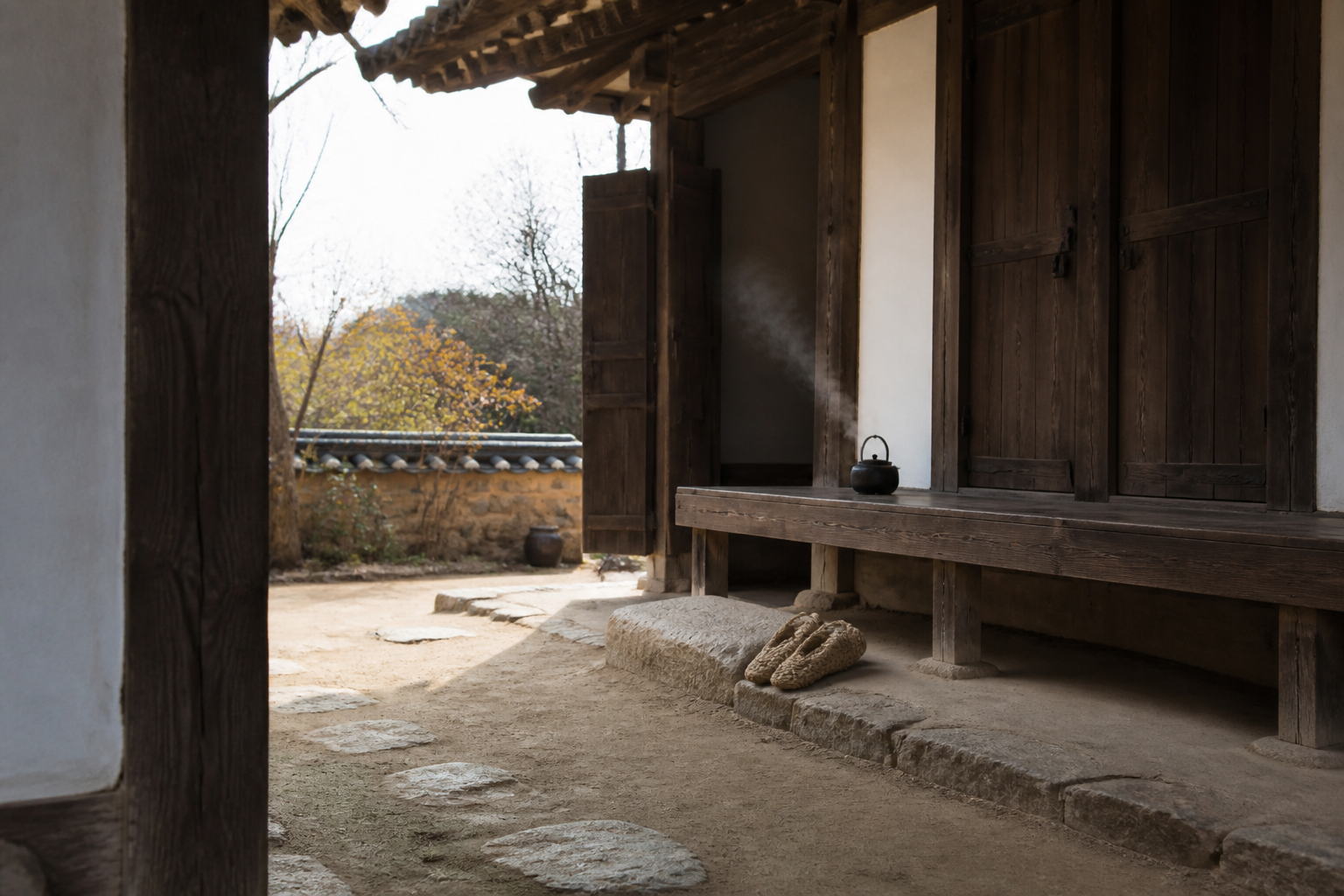
Joseon (English: CHOH-sun; Korean: 조선; Hanja: 朝鮮; MR: Chosŏn; pronounced [tɕo.sʰʌn]; also romanized as Chosun), officially Great Joseon State (대조선국; 大朝鮮國; [tɛ.dʑo.sʰʌn.ɡuk̚]), was a dynastic kingdom of Korea that existed for 505 years. It was founded by Taejo of Joseon in 1392 and replaced by the Korean Empire in 1897.
Read the brief →
HISTORY · 918–1910
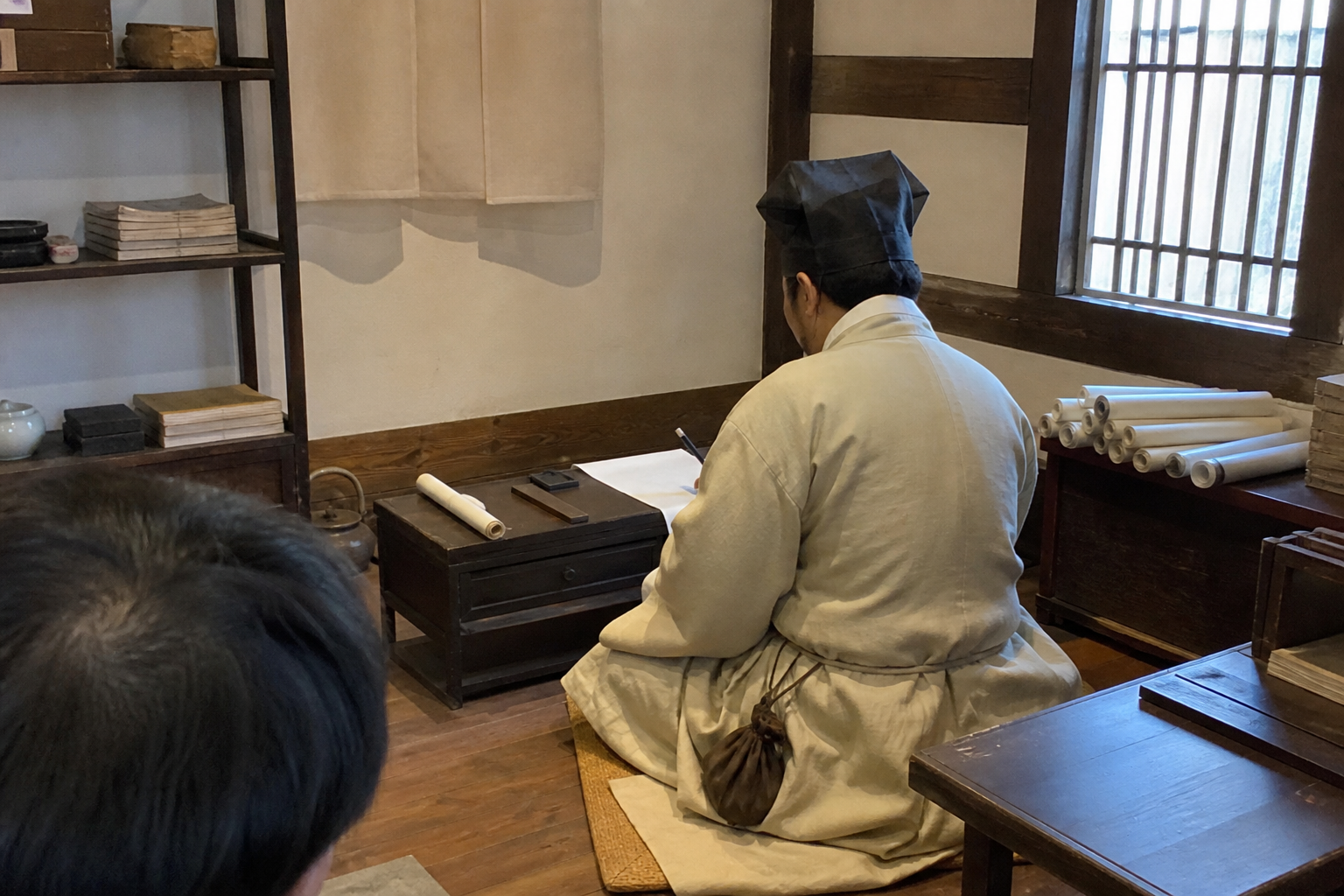
Chŏng Mongju (Korean: 정몽주; Hanja: 鄭夢周, January 13, 1337 – May 4, 1392), also known by his art name P'oŭn (포은), was a Korean statesman, diplomat, philosopher, poet, calligrapher and reformist of the Goryeo period. He was a major figure of opposition to the transition from the Goryeo (918–1392) to Joseon (1392–1897) periods.
Read the brief →
HISTORY · Late 19th century to today
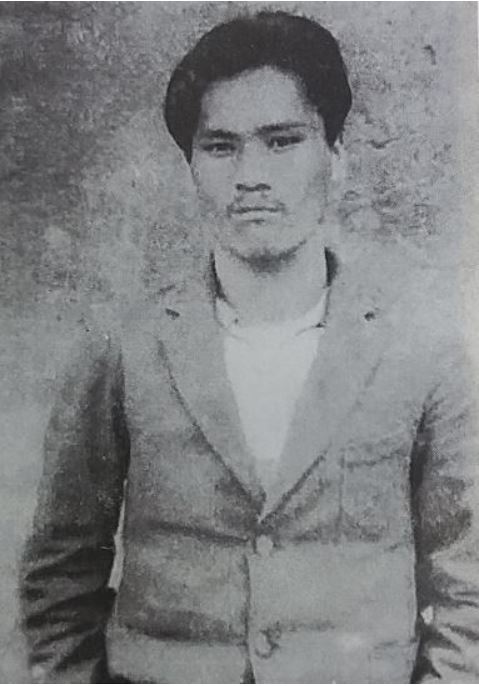
Yun Bong-gil (Korean: 윤봉길; Hanja: 尹奉吉; 21 June 1908 – 19 December 1932) was a Korean independence activist. His art name is Maeheon (매헌). He is most notable for his role in the Hongkou Park Incident, in which he set off a bomb that killed two Japanese colonial government and army officials in Shanghai's Hongkou Park (now Lu Xun Park) in 1932.
Read the brief →
HISTORY · Prehistory to 935
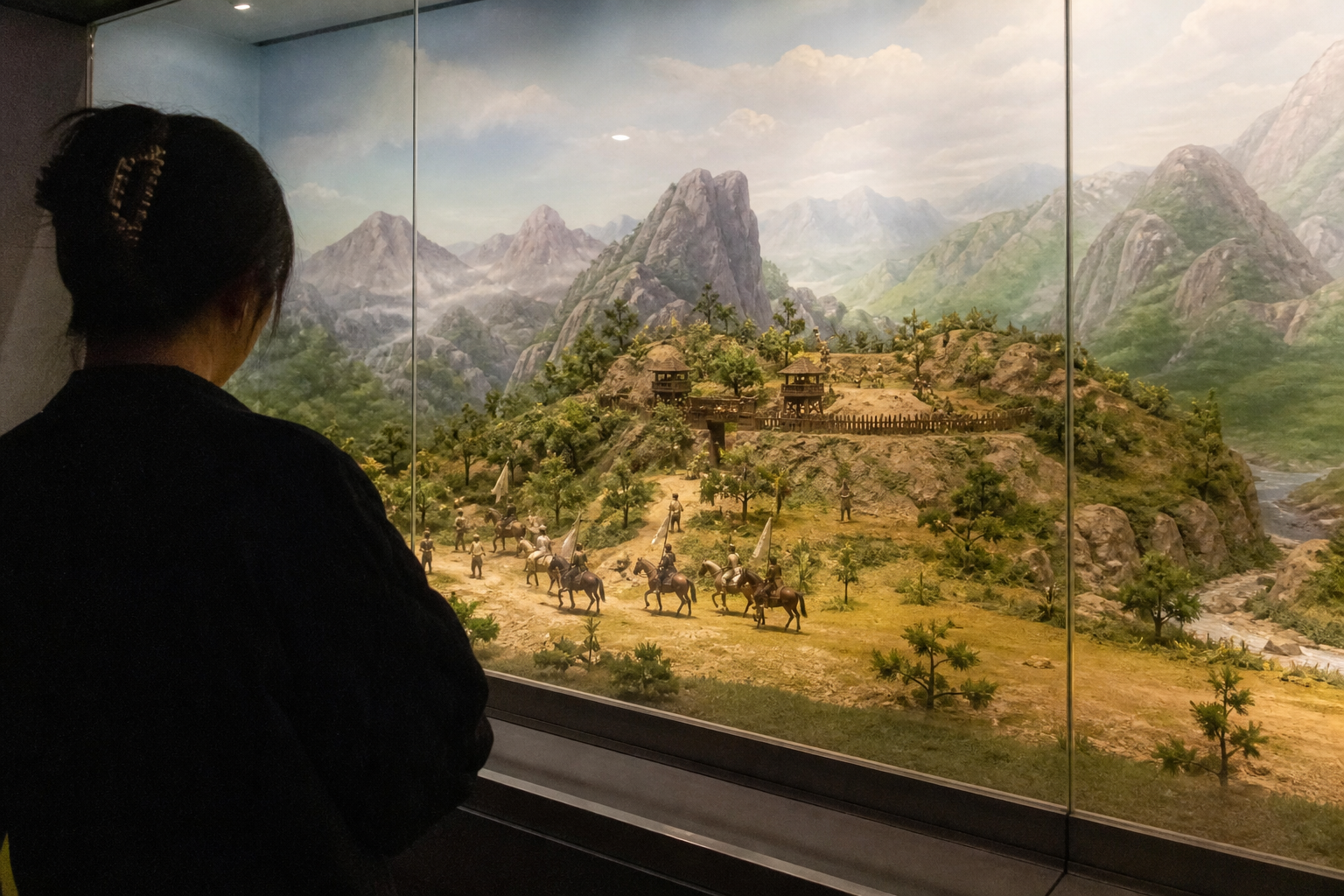
Dongmyeong of Goguryeo (Korean: 동명성왕; Hanja: 東明聖王), personal name Ko Chumong (고주몽; 高朱蒙), was the founding monarch of the kingdom of Goguryeo, and was worshipped as a god-king by the people of Goguryeo and Goryeo. King Dongmyeong was also an important figure for the kingdom of Baekje, as the father of its founding monarch, King Onjo.
Read the brief →
CULTURE · Living heritage
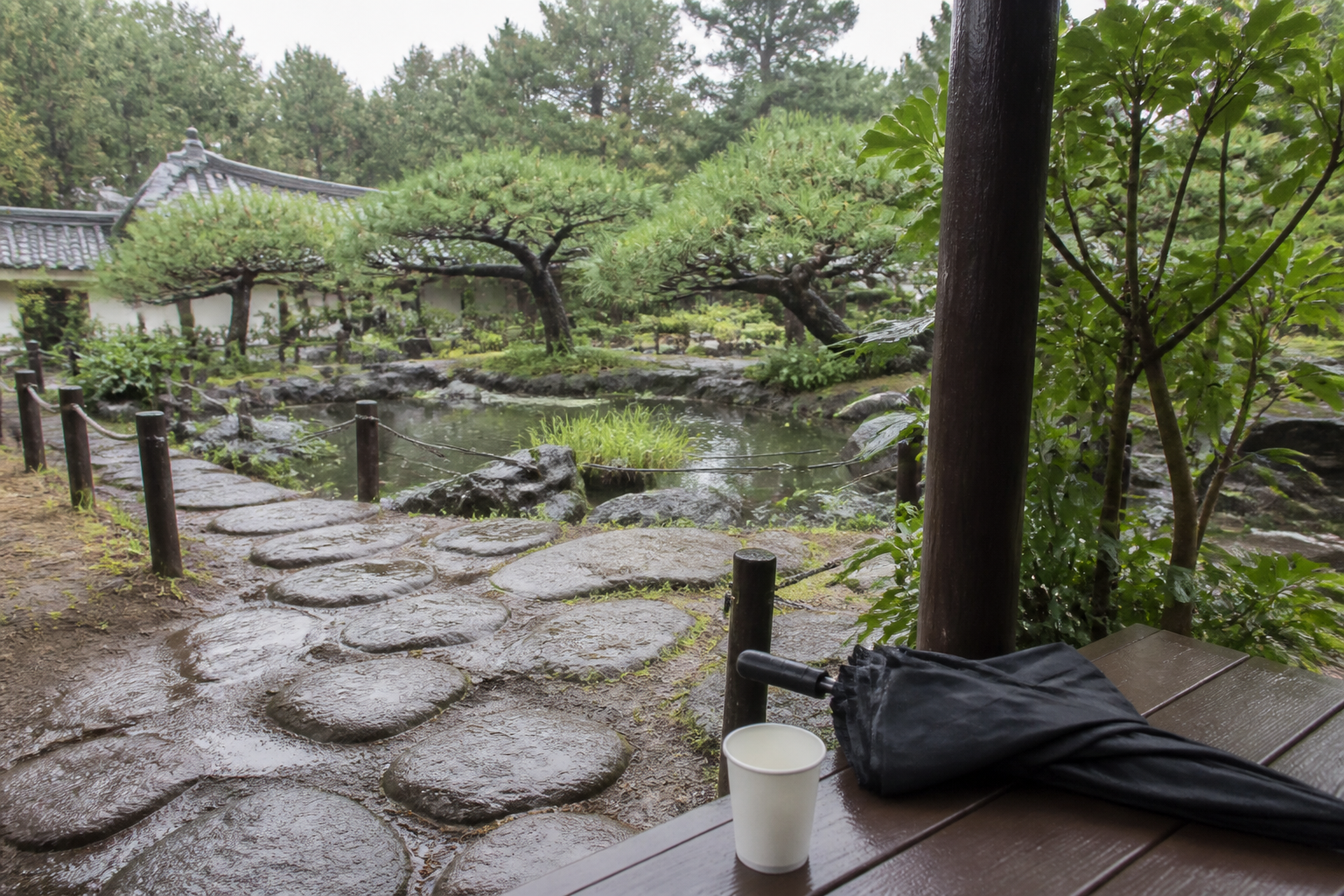
Korean gardens are a type of garden described as being natural, informal, simple and unforced, seeking to merge with the natural world. They have a history that goes back more than two thousand years, but are little known in the west.
Read the brief →
CULTURE · Living heritage
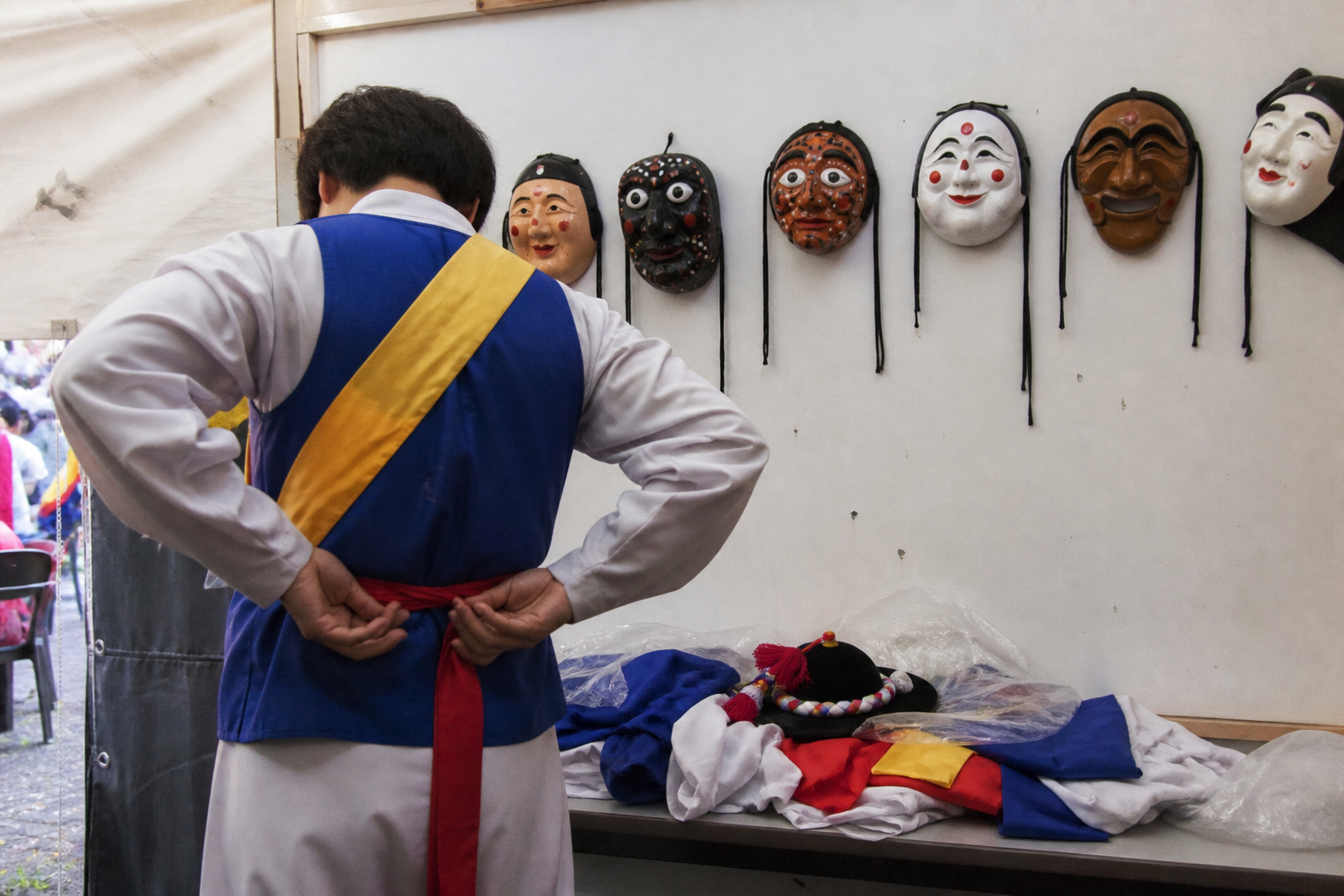
Stories and practices that are considered part of Korean folklore go back several thousand years. These tales derive from a variety of origins, including Korean Shamanism, Confucianism, Buddhism, and more recently Christianity. Many folk traditions developed in rural areas such as villages.
Read the brief →
CULTURE · Living heritage
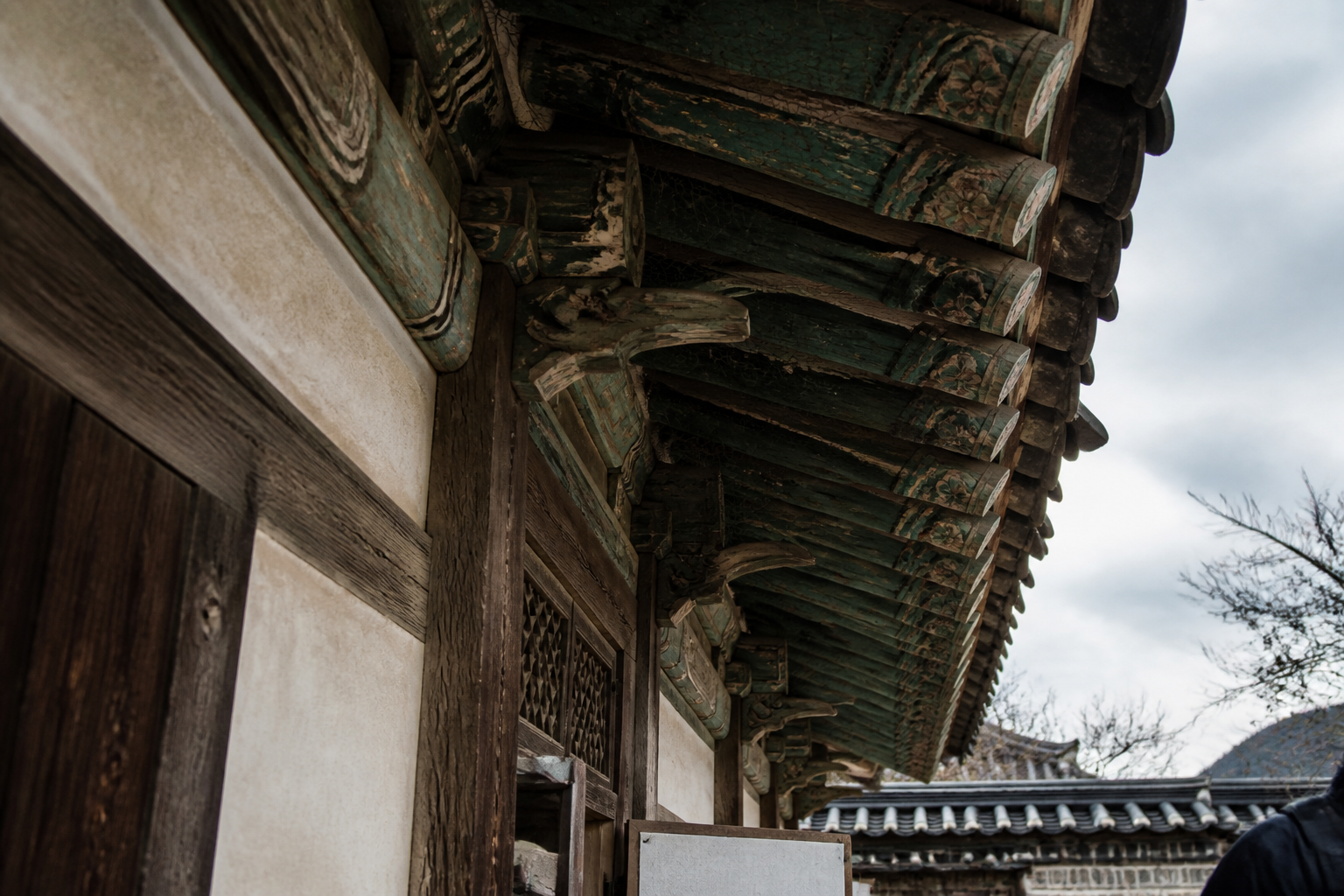
Korean architecture (Korean: 한국건축) refers to an architectural style that developed over centuries in Korea. Throughout the history of Korea, various kingdoms and royal dynasties have developed a unique style of architecture with influences from Buddhism and Korean Confucianism. Traditional Korean architecture can be mostly recognized by its sloping roofs.
Read the brief →
HISTORY · Late 19th century to today
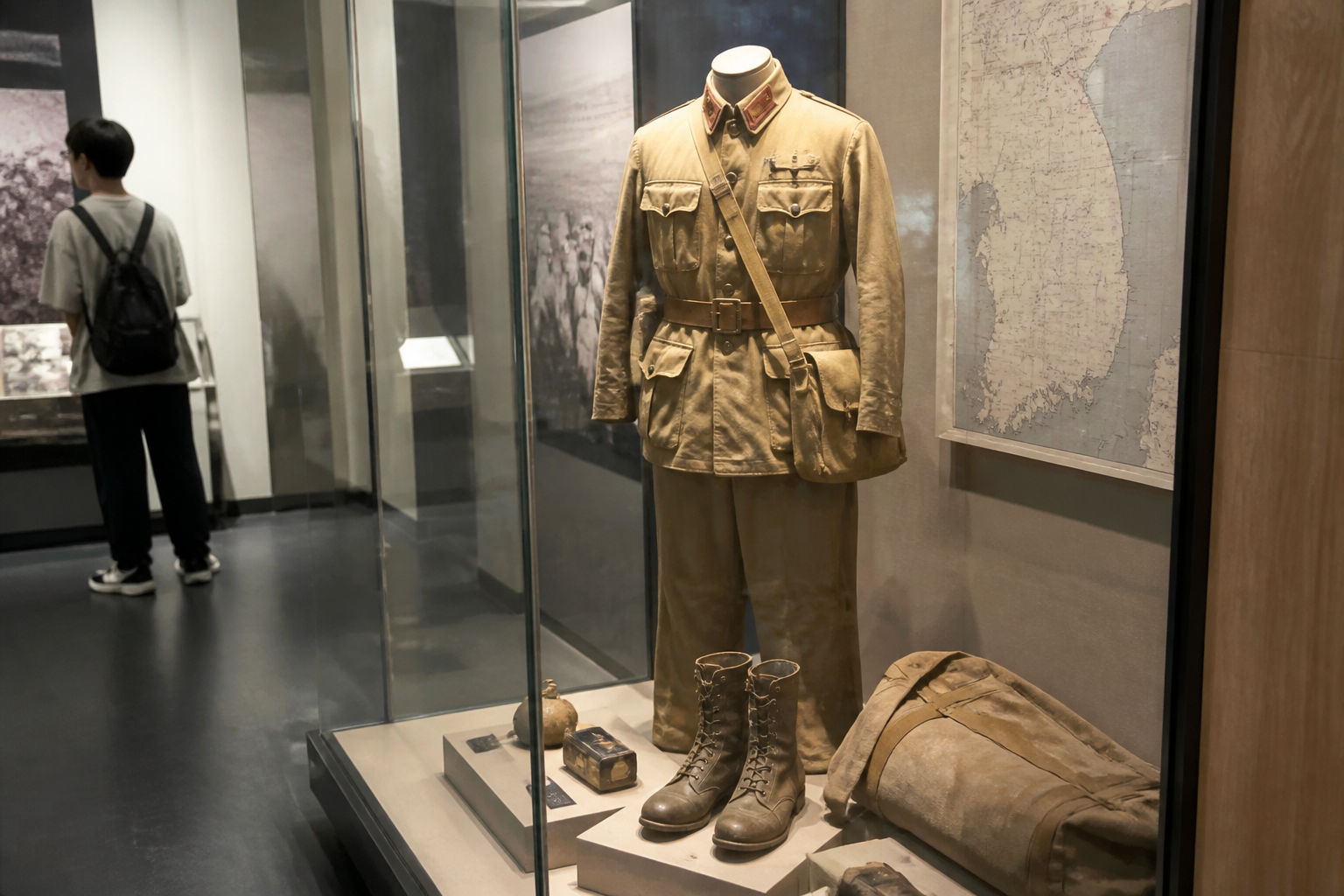
The Korean Liberation Army (KLA; Korean: 한국광복군; Hanja: 韓國光復軍), also known as the Korean Restoration Army, was the armed forces of the Provisional Government of the Republic of Korea. It was established on September 17, 1940, in Chongqing, Republic of China, with significant financial and personnel support from the Kuomintang.
Read the brief →
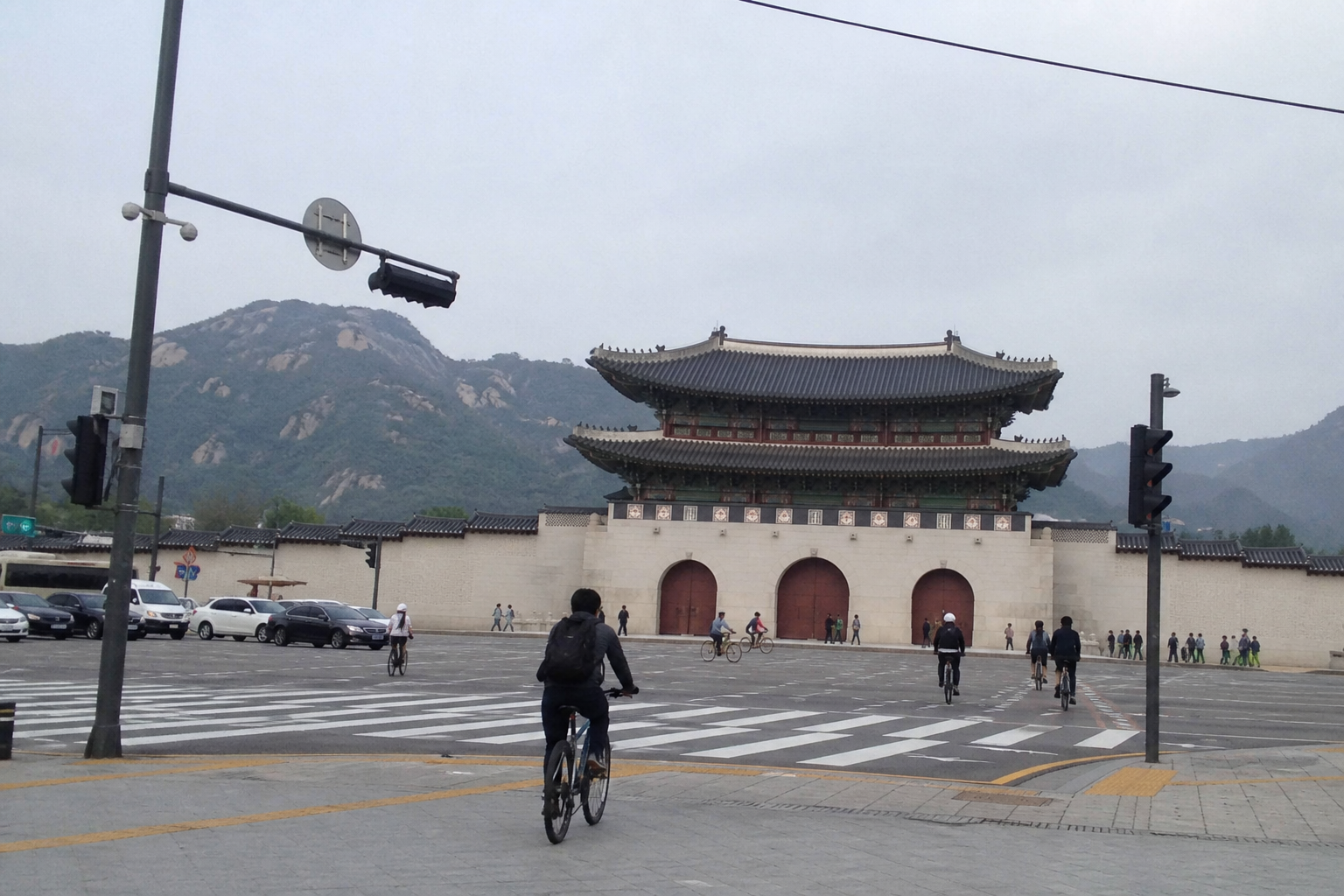
CITY · Seoul across time
Gwanghwamun (Korean: 광화문; Hanja: 光化門) is the main and south gate of the palace Gyeongbokgung, in Jongno District, Seoul, South Korea. It is located at a three-way intersection at the northern end of Sejongno. As a landmark and symbol of Seoul's history as the capital of Joseon, the gate has gone through multiple periods of destruction and disrepair.
Read the brief →
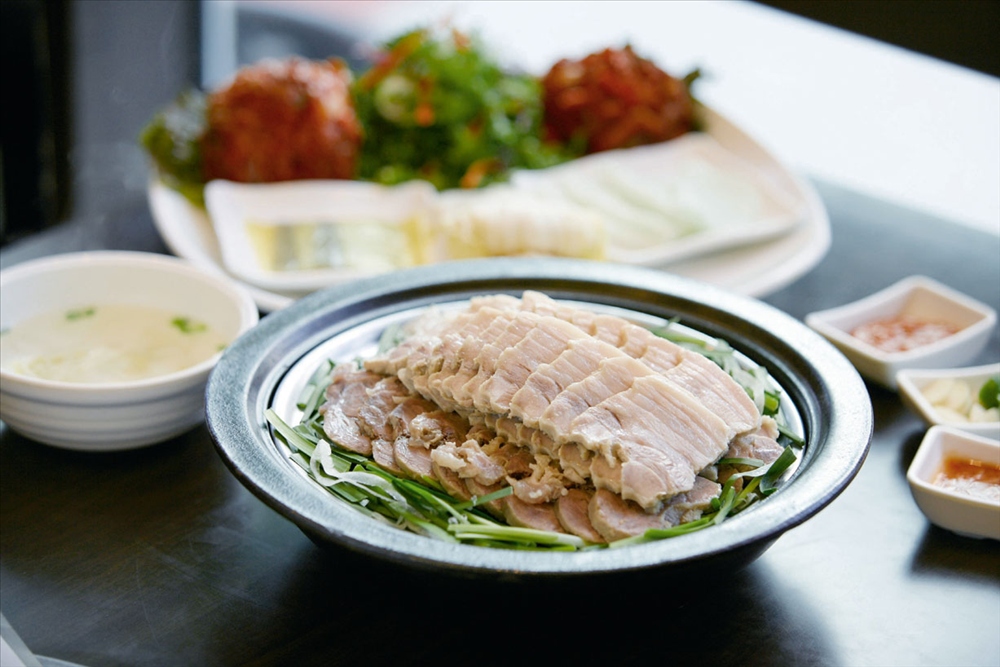
FOOD · Everyday and ceremonial food
Bossam (Korean: 보쌈) is a pork dish in Korean cuisine. It usually consists of pork belly that is boiled in spices and thinly sliced. The meat is served with side dishes such as spicy radish salad, sliced raw garlic, ssamjang (wrap sauce), saeu-jeot (salted shrimp), kimchi, and ssam (wrap) vegetables such as lettuce, kkaennip (perilla leaves), and inner leaves…
Read the brief →
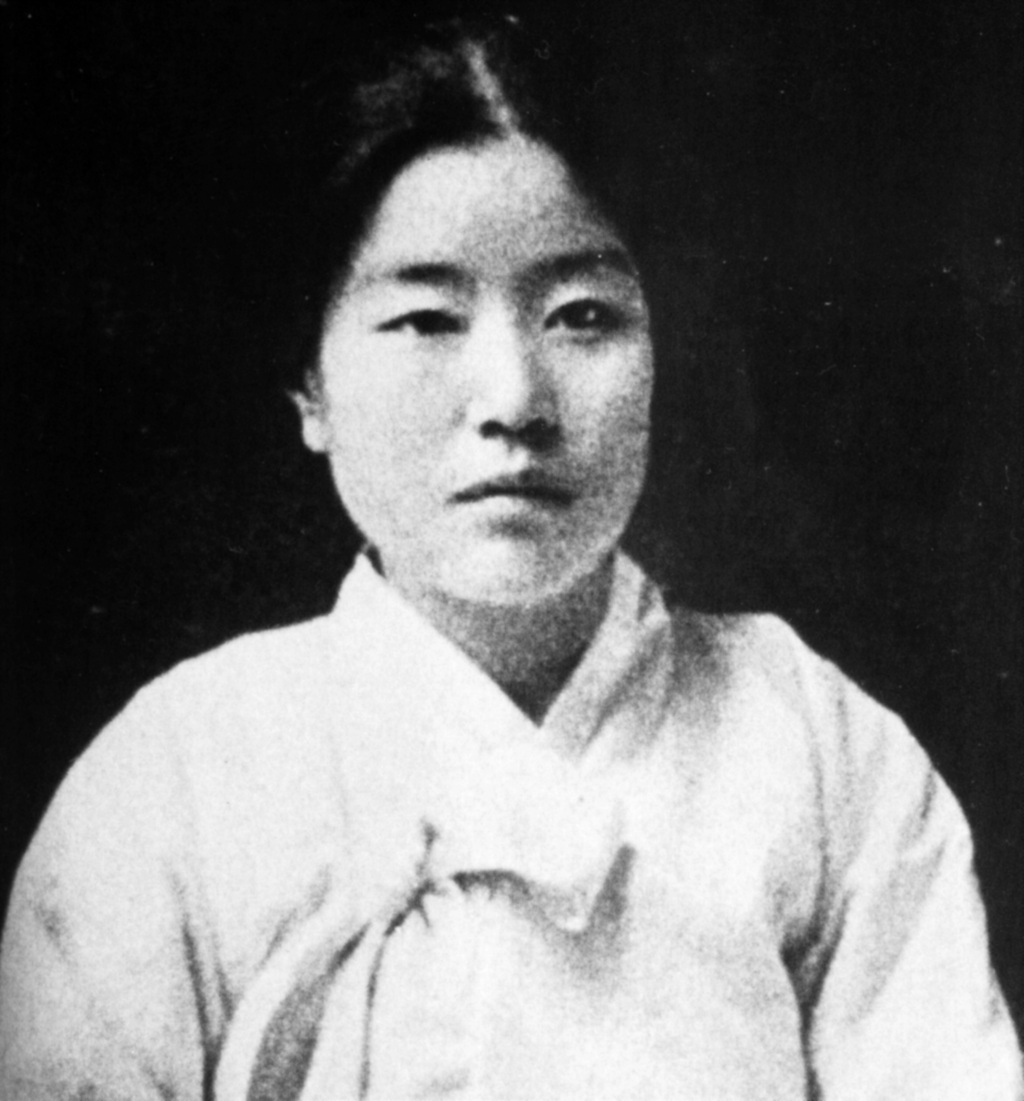
HISTORY · Late 19th century to today
Na Hye-sŏk (Korean: 나혜석, April 28, 1896 – December 10, 1948) was a Korean feminist, poet, writer, painter, educator, and journalist. Her art name was Jeongwol (정월; 晶月). She was a pioneering Korean feminist writer and painter. She was the first female professional painter and the first feminist writer in Korea.
Read the brief →
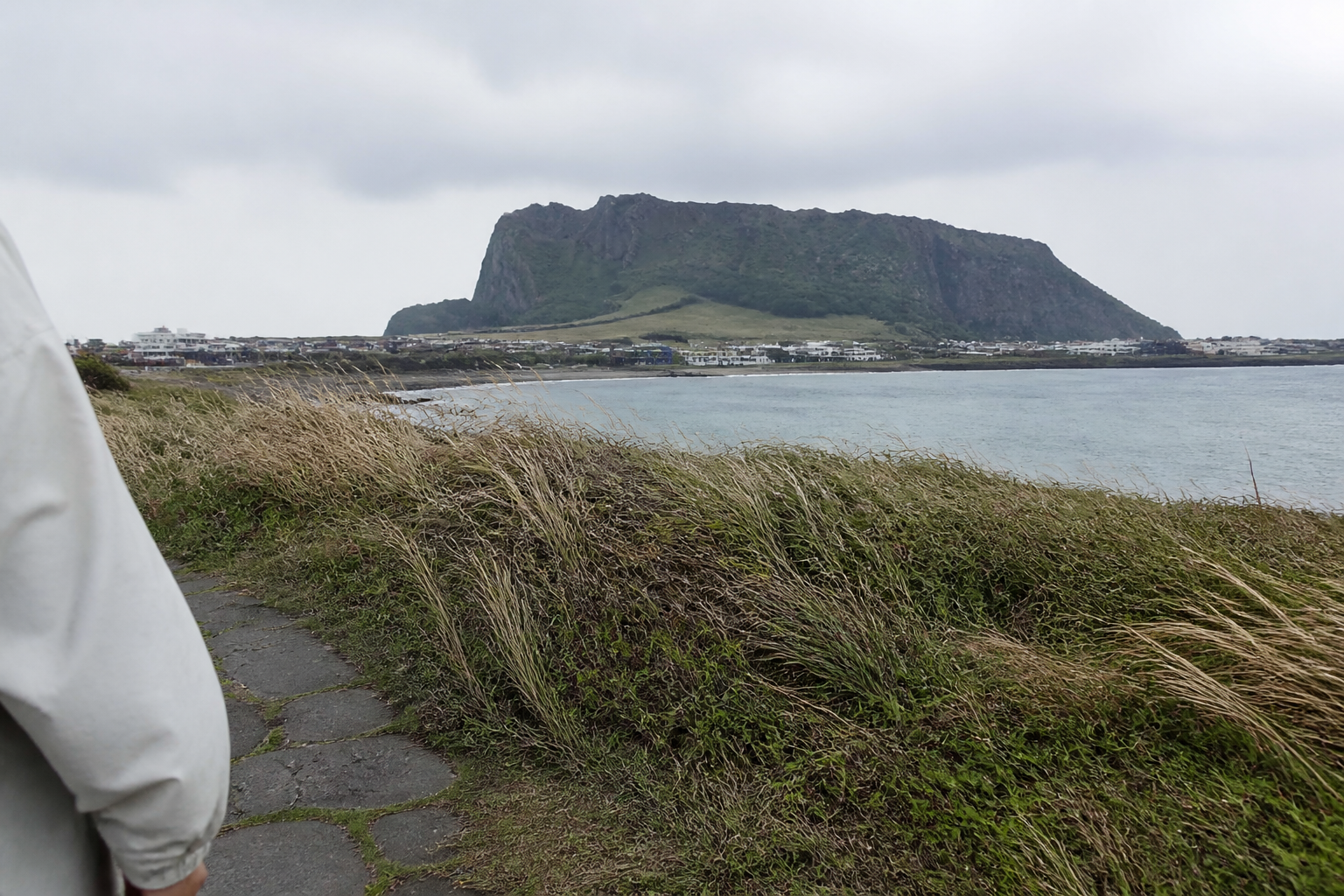
PLACES · Landscapes and regions
Seongsan Ilchulbong (Korean: 성산일출봉), also called Sunrise Peak, is a volcano on eastern Jeju Island, in Seongsan-ri, Seogwipo, Jeju Province, South Korea. It is 182 meters high and has a volcanic crater at the top. Considered one of South Korea's most beautiful tourist sites, it is famed for being the easternmost mountain on Jeju, and thus the best spot on…
Read the brief →
PLACES · Landscapes and regions
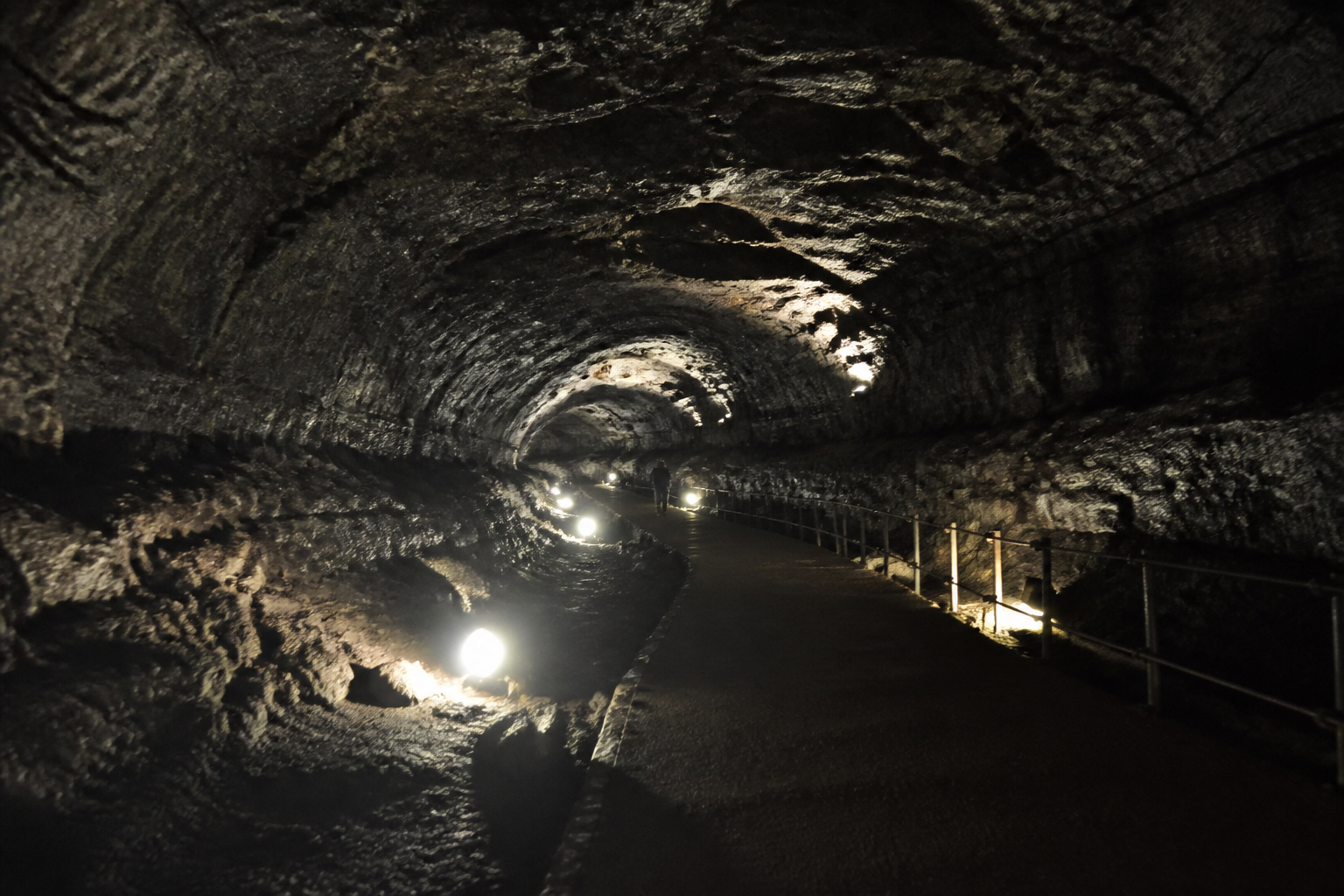
Manjanggul (Korean: 만장굴) is a lava tube located in Gimnyeong-ri, Gujwaeup, Jeju City, South Korea. At up to 23 metres (75 ft) wide, 30 metres (98 ft) high and 8.928 km (5½ miles) long, it is the 12th-longest lava tube in the world and the second longest on Jeju Island.
Read the brief →
CULTURE · Contemporary Korea
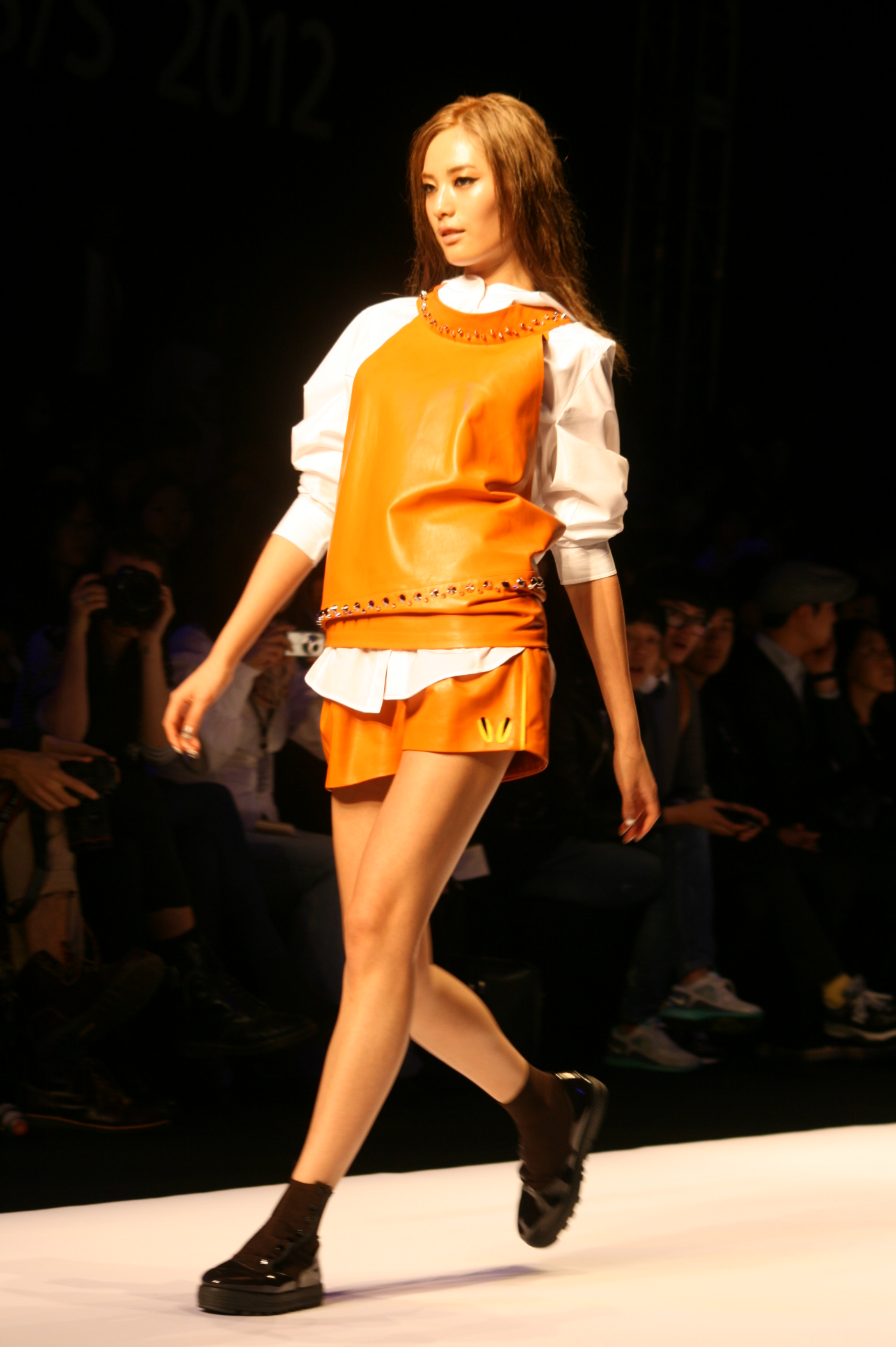
Seoul Fashion Week (SFW; Korean: 서울패션위크) is a biannual fashion event held in Seoul, South Korea, showcasing the latest collections from Korean and international designers. Organized by the Seoul Design Foundation, under the Seoul Metropolitan Government, the event has grown into one of the most prominent fashion weeks in Asia.
Read the brief →
PLACES · Landscapes and regions
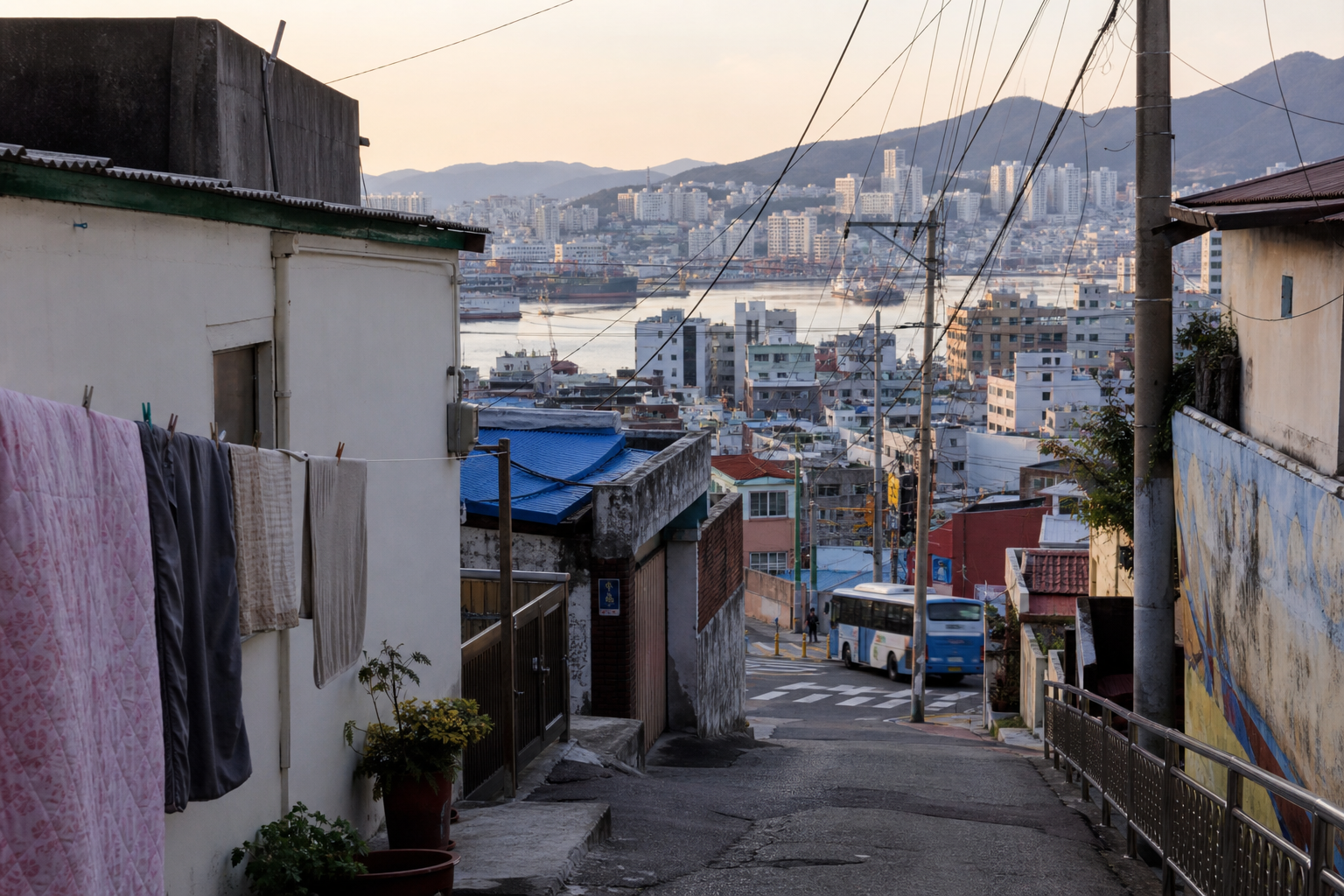
Busan (Korean: 부산; pronounced [pusʰan]; alternatively romanized as Pusan), officially Busan Metropolitan City, is the second most populous city in South Korea, after Seoul; it has a population of over 3.3 million as of 2024. It is the economic, cultural and educational center of southeastern South Korea, with its port being South Korea's busiest and the…
Read the brief →
CULTURE · Contemporary Korea
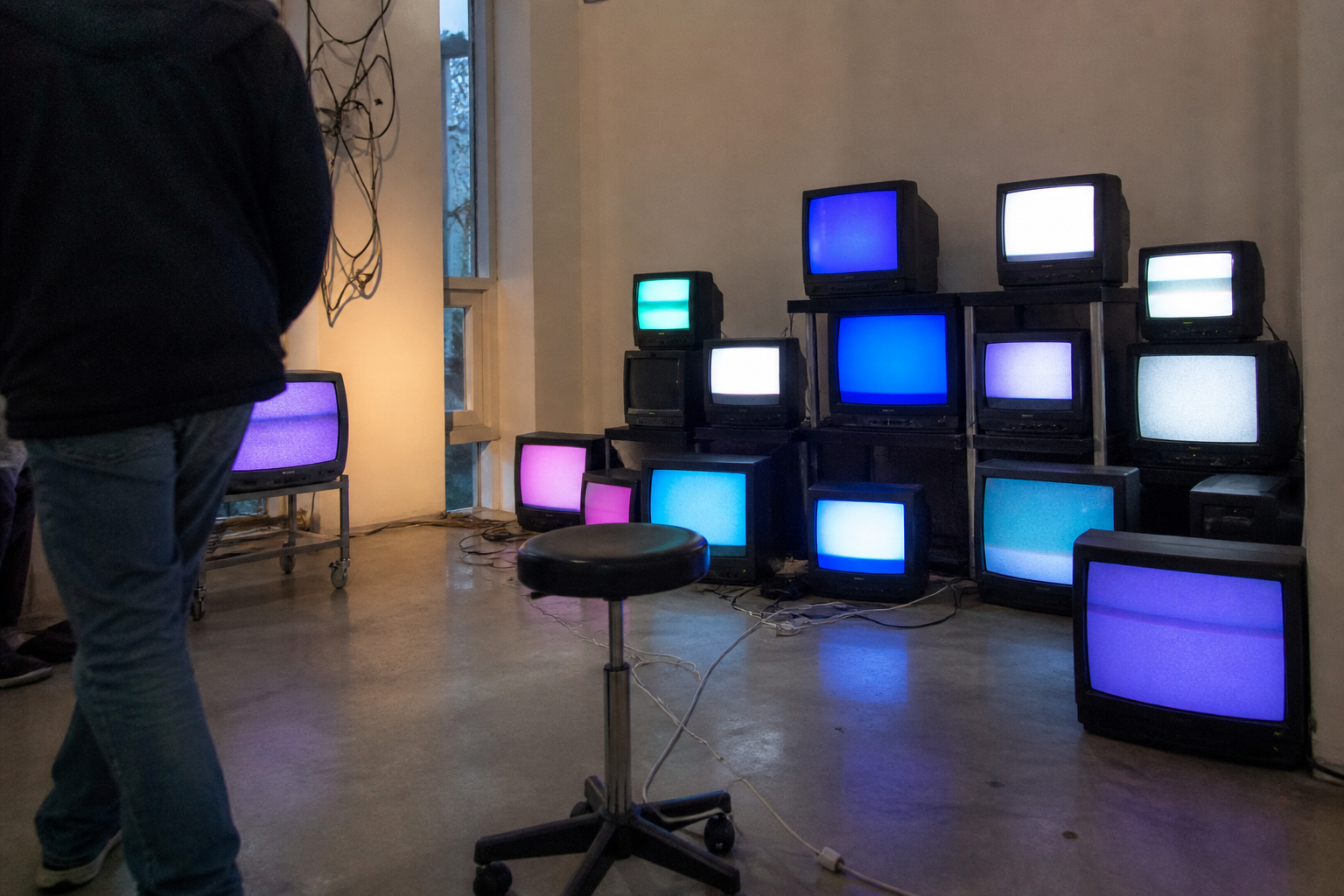
Nam June Paik (Korean: 백남준 [pɛŋ.nam.dʑun] ; July 20, 1932 – January 29, 2006) was a South Korean artist. He worked with a variety of media and is considered to be the founder of video art. He is credited with the first use (1974) of the term "electronic super highway" to describe the future of telecommunications.
Read the brief →
CULTURE · Living heritage
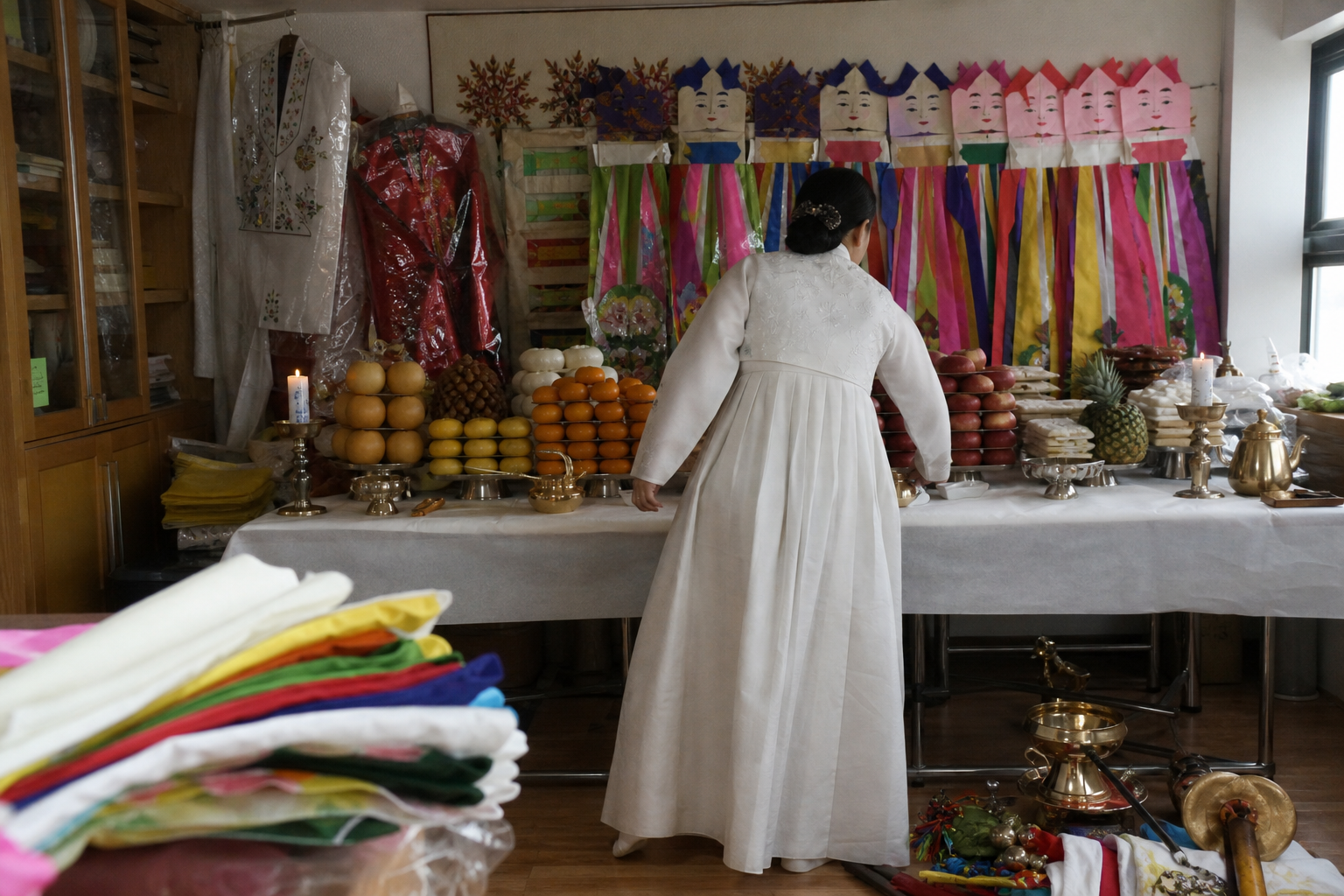
Korean shamanism, also known as Musok (Korean: 무속; Hanja: 巫俗), is a religion from Korea. Scholars of religion classify it as a folk religion and sometimes regard it as one facet of a broader Korean vernacular religion distinct from Buddhism, Daoism, and Neo-Confucianism.
Read the brief →
HISTORY · Late 19th century to today
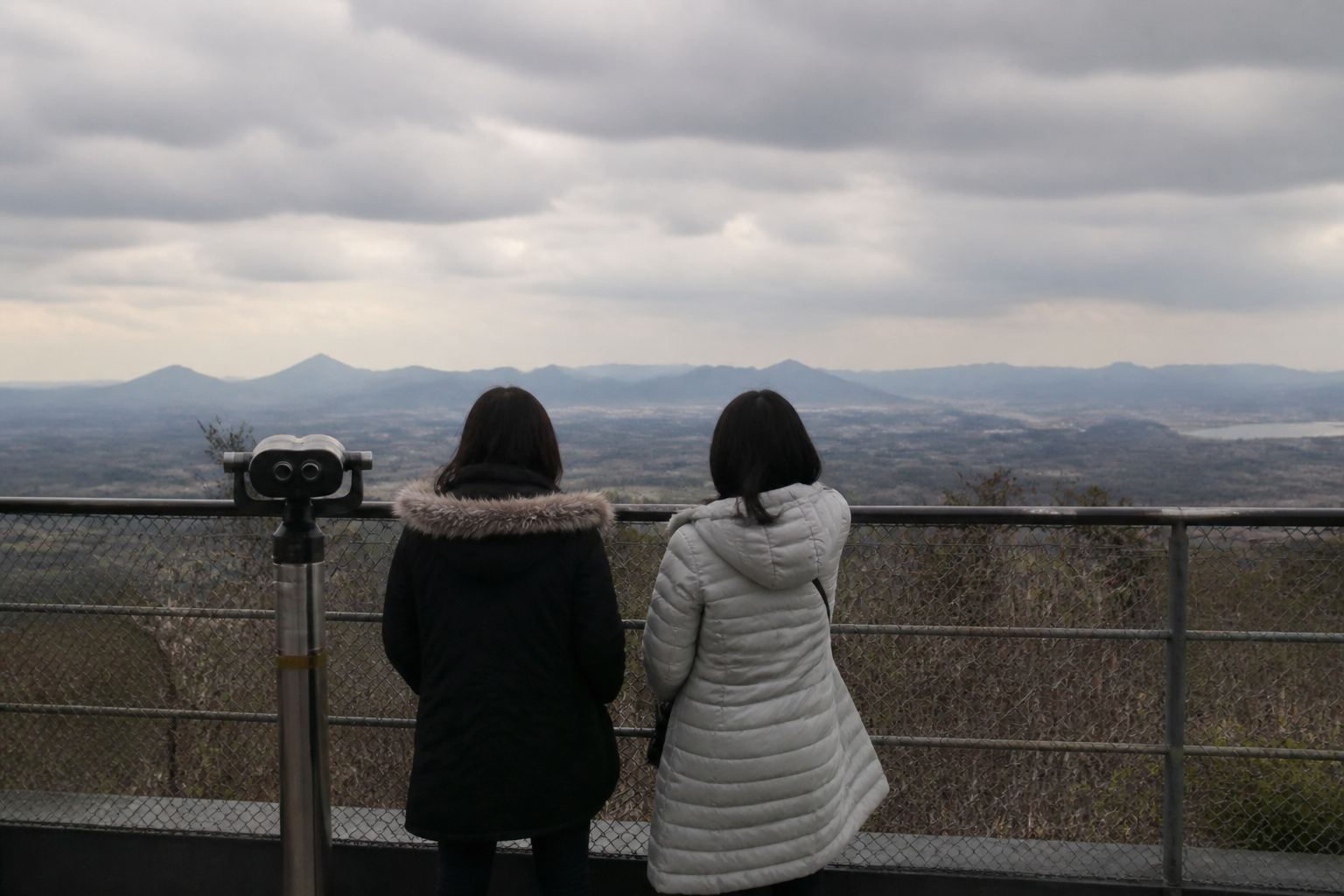
The division of Korea or the partition of Korea began at the end of World War II on 2 September 1945, with the establishment of a Soviet occupation zone in the north and a US occupation zone in the south. These zones developed into separate governments, named the Democratic People's Republic of Korea (North Korea) and the Republic of Korea (South Korea)…
Read the brief →