CULTURE · Living heritage
Korean mythology (Korean: 한국 신화; Hanja: 韓國神話) is the group of myths told by historical and modern Koreans. There are two types: the written, literary mythology in traditional histories, mostly about the founding monarchs of various historical kingdoms, and the much larger and more diverse oral mythology, mostly narratives sung by shamans or priestesses…
Read the brief →
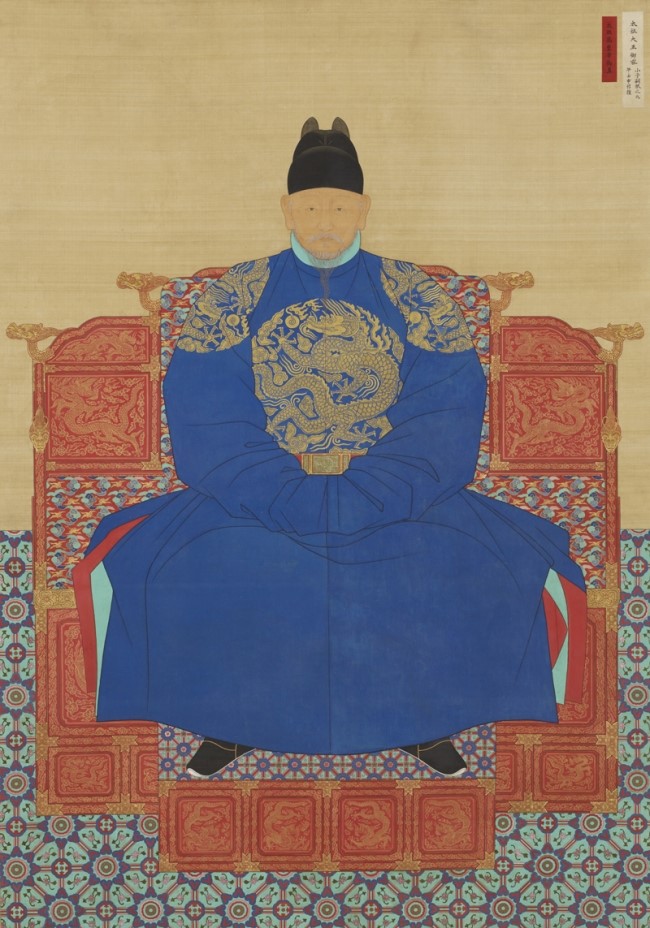
HISTORY · 918–1910
Taejo (Korean: 태조; Hanja: 太祖; 4 November 1335 – 27 June 1408), personal name Yi Sŏnggye, later changed to Yi Tan, was the founder and first monarch of Joseon. He ascended to the throne in 1392 after overthrowing the Goryeo regime, but abdicated just six years later during a strife between his sons.
Read the brief →
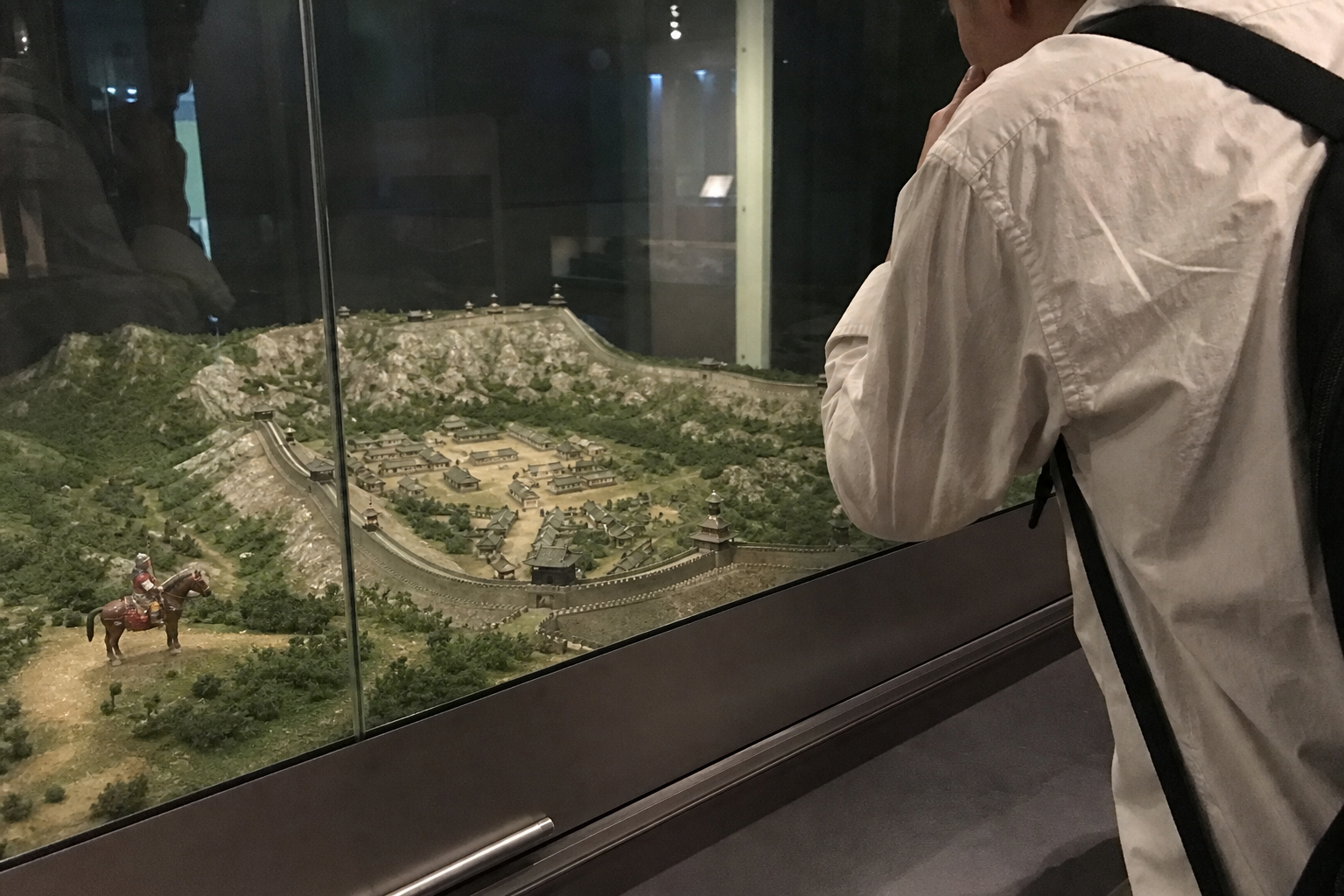
HISTORY · Prehistory to 935
Gwanggaeto the Great (374–412, r. 391–412) was the nineteenth monarch of Goguryeo. His full posthumous name means "Entombed in Gukgangsang, Broad Expander of Domain, Peacemaker, Supreme King", sometimes abbreviated to Hotaewang. His era name is Yeongnak and he is occasionally recorded as Yeongnak Taewang ("Great King" or "Emperor" Yeongnak).
Read the brief →
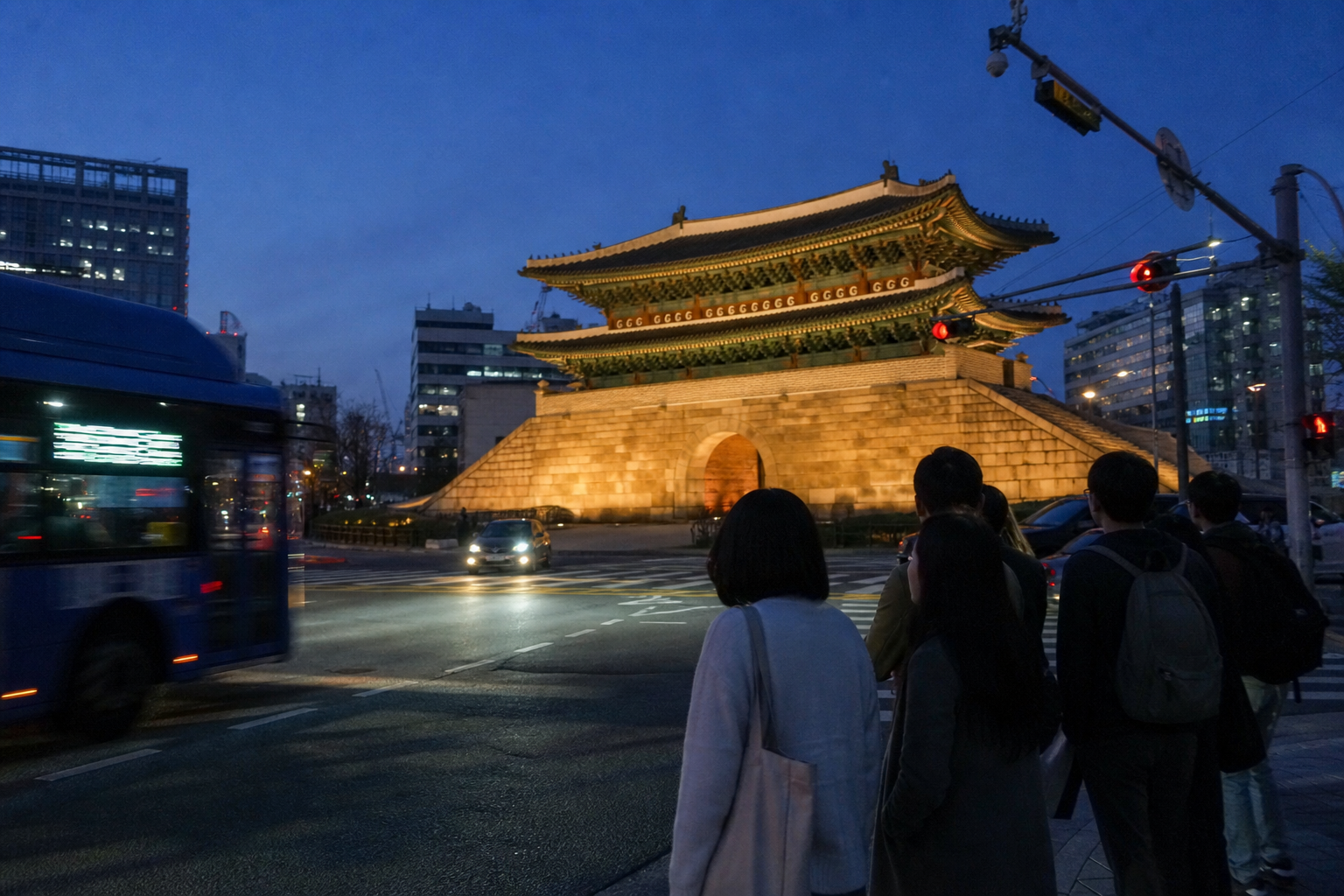
CITY · Seoul across time
Namdaemun (Korean: 남대문; lit. 'South Great Gate'), a.k.a. the Sungnyemun (숭례문; lit. 'Honoring Propriety Gate'), is the southern gate of The Eight Gates of Seoul making part of the Seoul City Wall marking the city's original boundary during the Joseon period, although the city has since significantly outgrown it after that.
Read the brief →
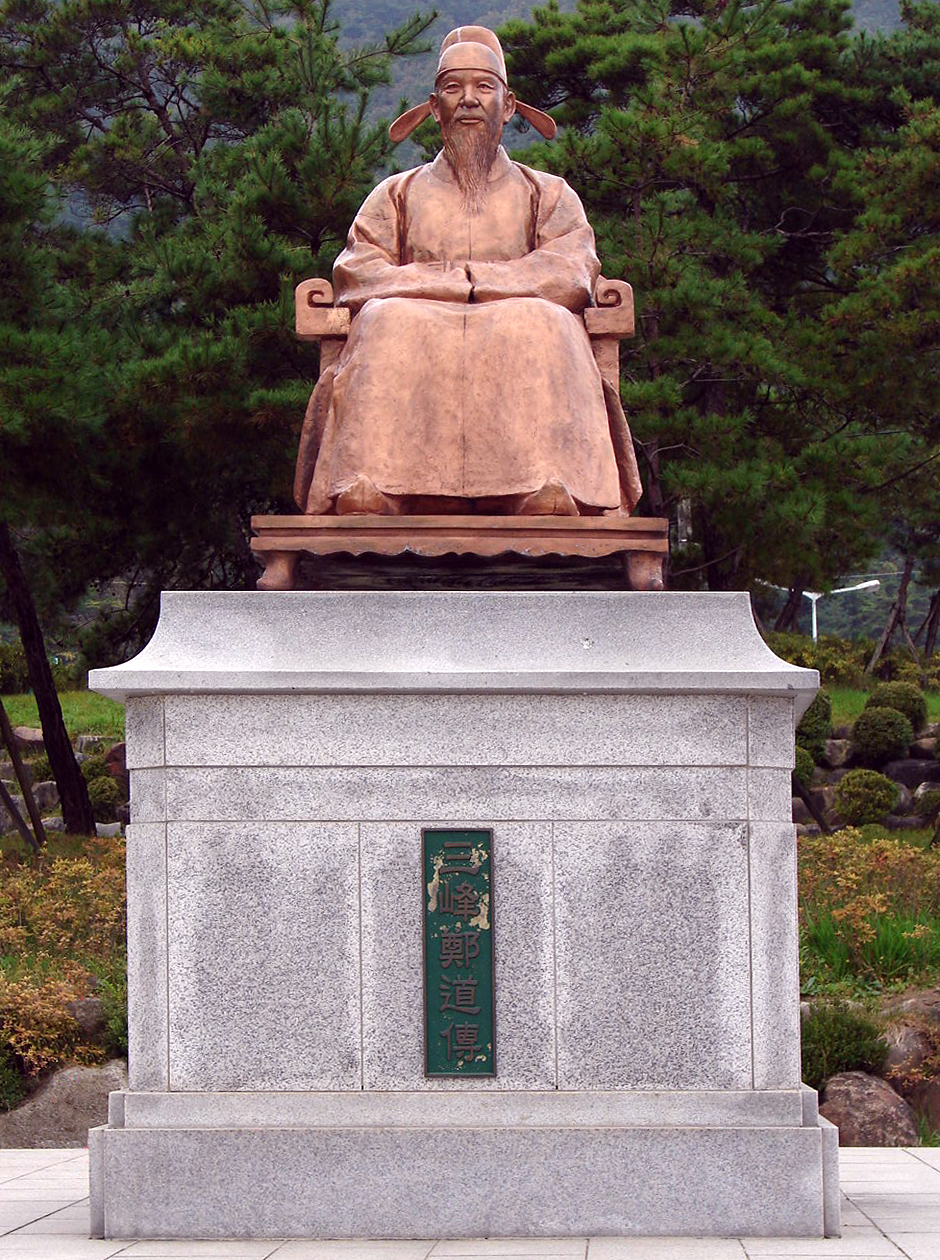
HISTORY · 918–1910
Chŏng Tojŏn (Korean: 정도전; Hanja: 鄭道傳; October 6, 1342 – October 6, 1398), also known by his art name Sambong (삼봉), was a prominent Korean scholar-official during the late Goryeo to the early Joseon periods. Chŏng Tojŏn was an adviser to the Joseon founder Yi Sŏnggye and also the principal architect of the Joseon dynasty's policies, laying down the kingdom's…
Read the brief →
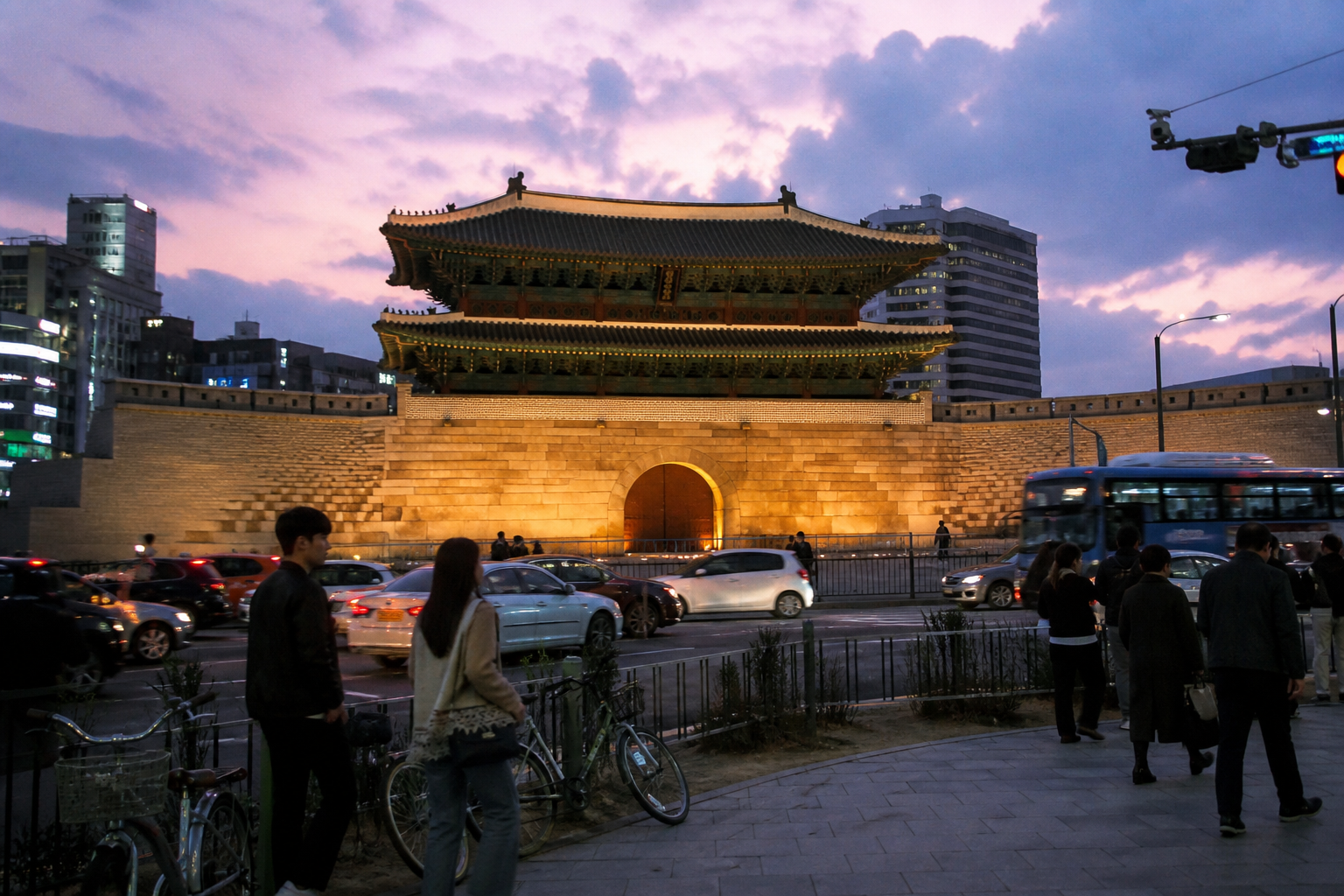
CITY · Seoul across time
Heunginjimun (Korean: 흥인지문; lit. 'Gate of Rising Benevolence'), a.k.a. Dongdaemun (동대문; lit. 'Eastern Great Gate'), is one of The Eight Gates of Seoul in the Seoul City Wall, a prominent landmark in central Seoul, South Korea.
Read the brief →
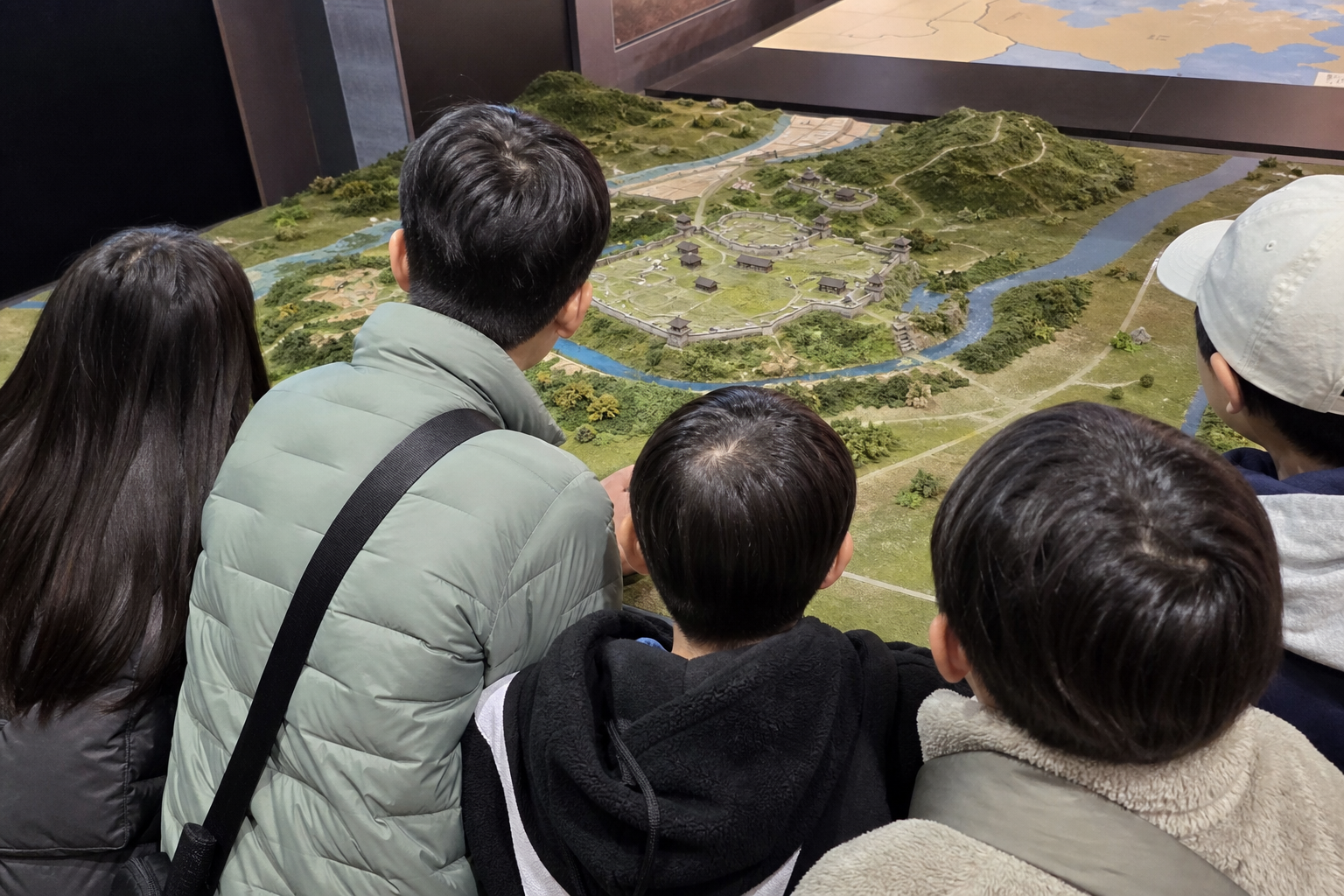
HISTORY · Prehistory to 935
Jangsu (394–491, r. 412–491) was the 20th monarch of Goguryeo, the northernmost of the Three Kingdoms of Korea. He was born in 394 as the eldest son of Gwanggaeto. He became the crown prince in 409, and upon his father's death in 412, became the ruler at the age of 18.
Read the brief →
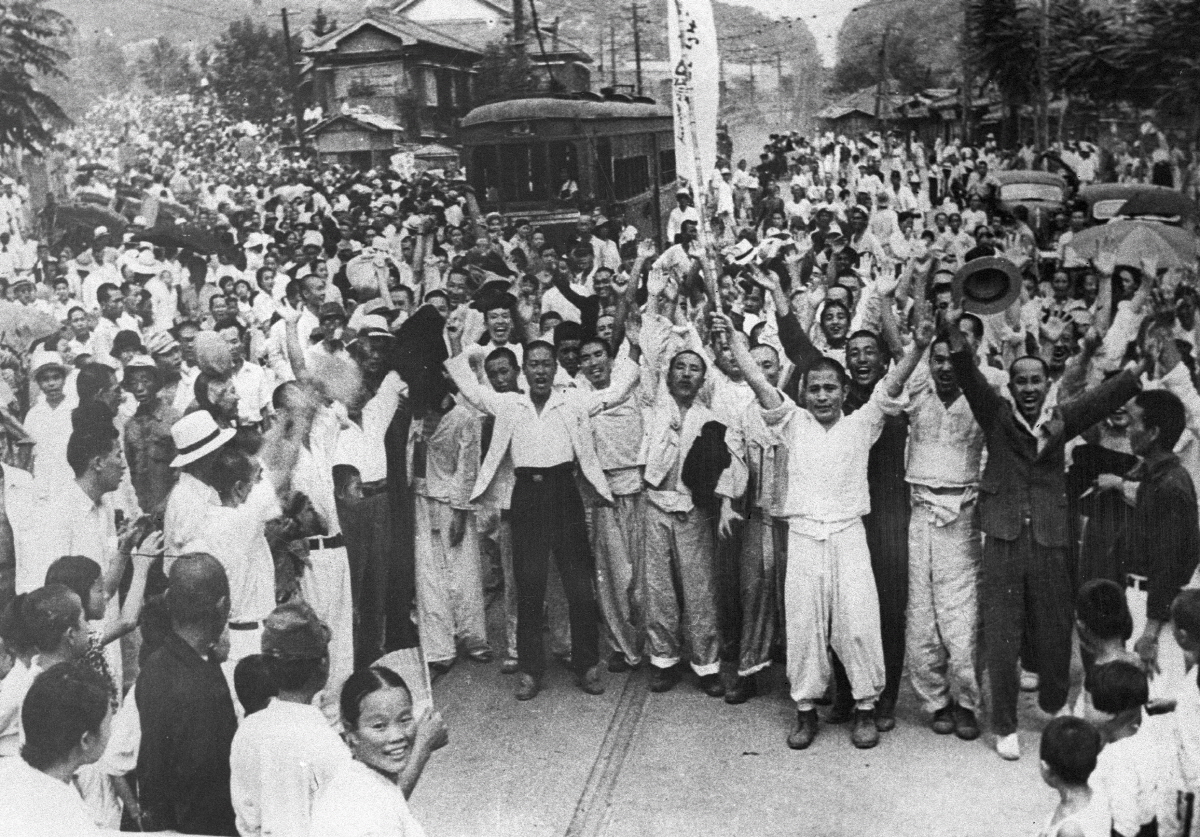
HISTORY · Late 19th century to today
The National Liberation Day of Korea is a public holiday celebrated annually on 15 August in both North Korea and South Korea. It commemorates the day when the Korean Peninsula was liberated by the Allies in 1945 from 35 years of Japanese colonial rule. The day also coincides with the anniversary of the establishment of the South Korean government in 1948.
Read the brief →
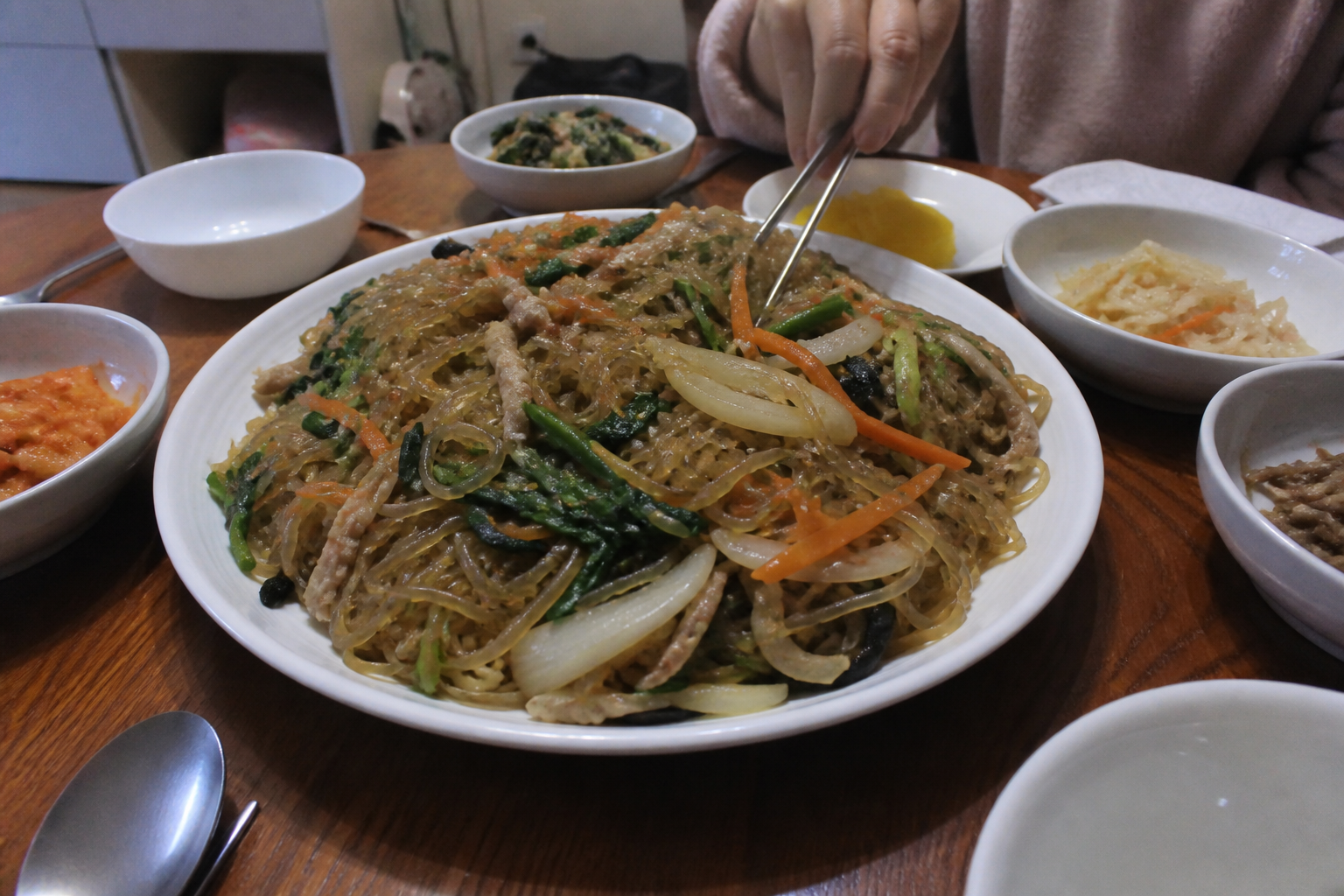
FOOD · Everyday and ceremonial food
Japchae (Korean: 잡채; Hanja: 雜菜; IPA: [tɕap̚tɕʰɛ]) is a savory and slightly sweet dish of stir-fried glass noodles and vegetables that is popular in Korean cuisine. Japchae is typically prepared with dangmyeon (당면; 唐麵), a type of cellophane noodles made from sweet potato starch; the noodles are mixed with assorted vegetables, meat, and mushrooms, and seasoned…
Read the brief →
PLACES · Landscapes and regions
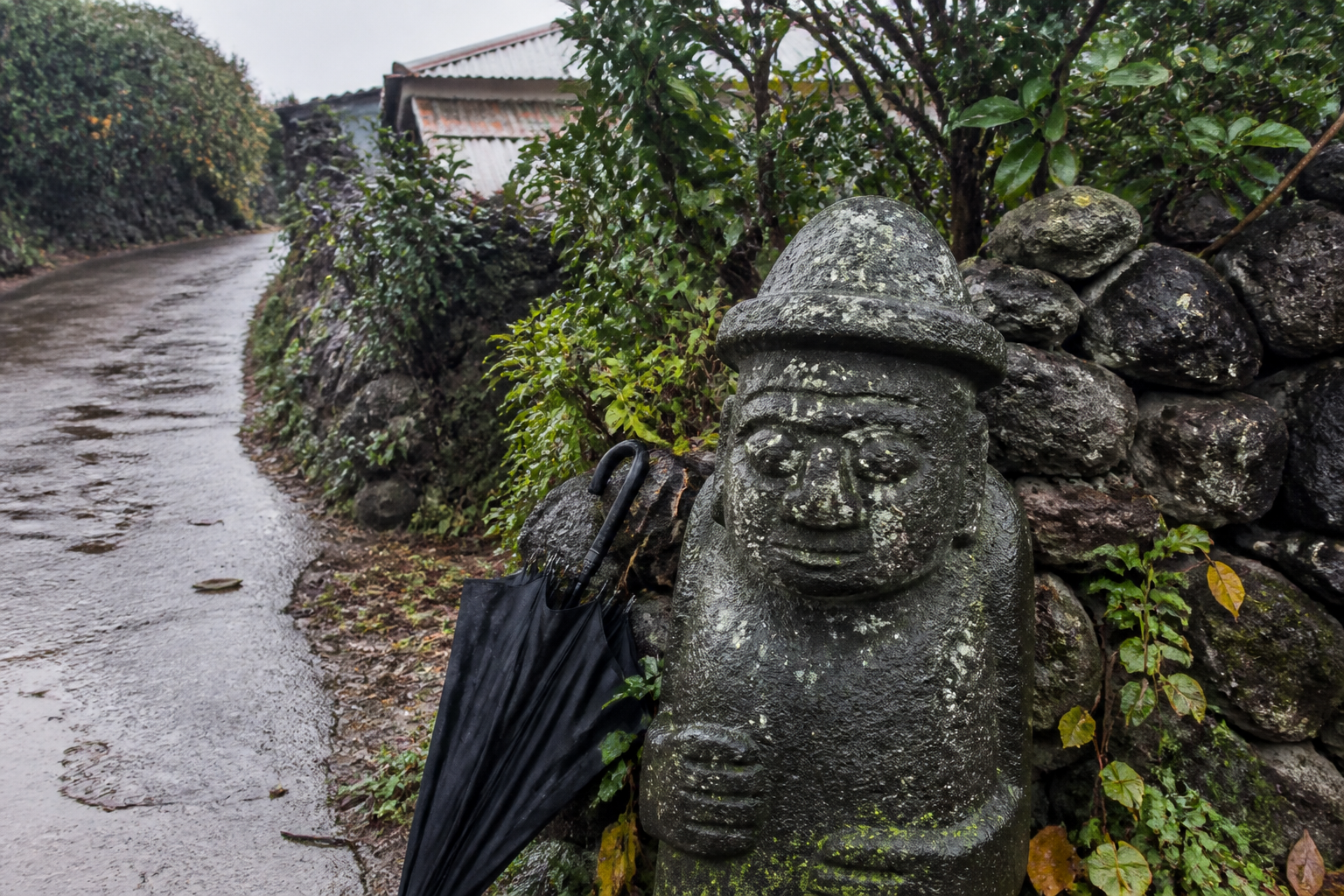
A dol hareubang (Jejuan: 돌하르방; lit. 'stone grandfather'), alternatively tol harubang, hareubang or harubang, is a type of traditional volcanic rock statue from Jeju Island, South Korea. It is not known when the statues first began to be made; various theories exist for their origin.
Read the brief →
FOOD · Everyday and ceremonial food
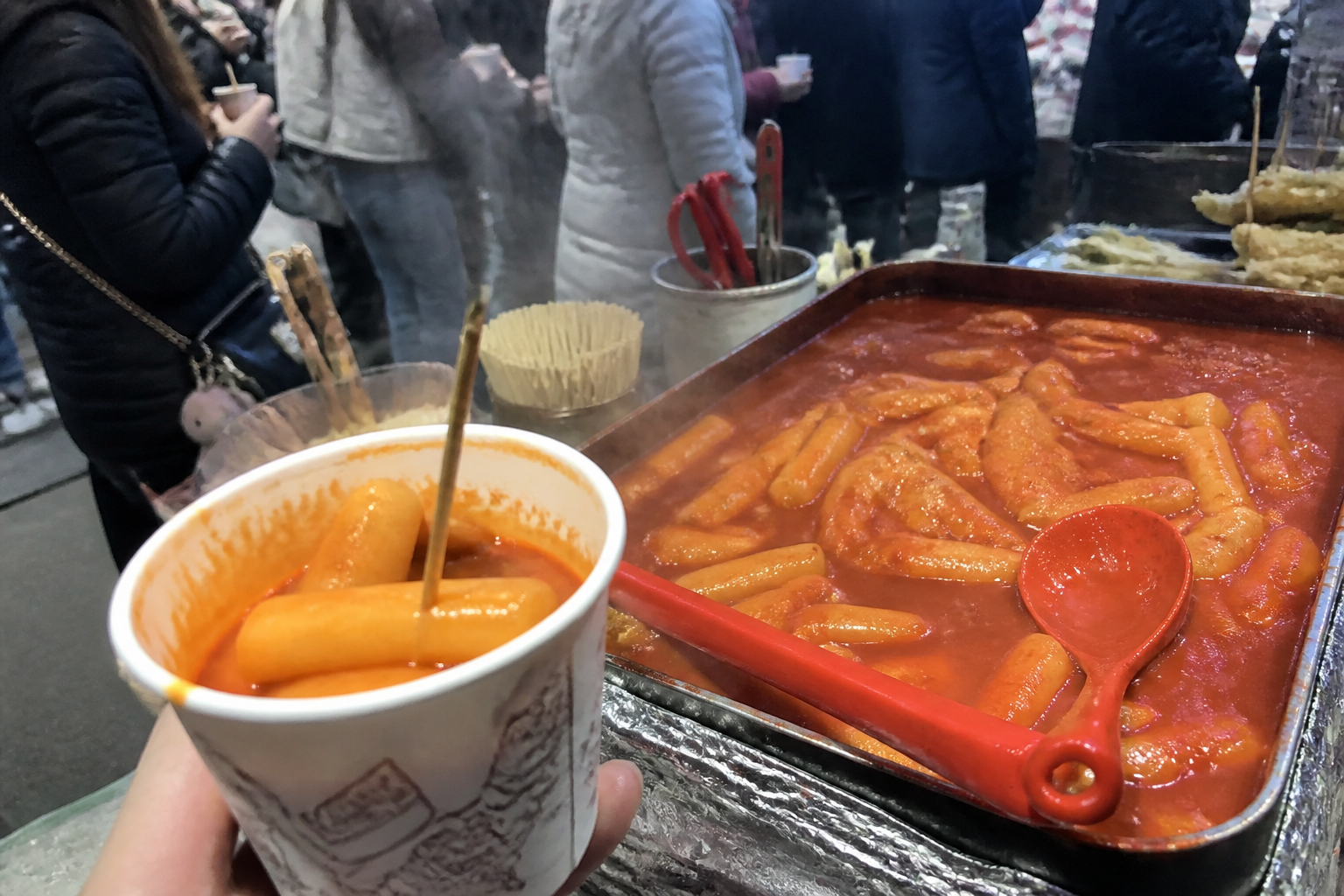
Tteokbokki (English: TUK-bok-ee, TUK-boh-kee; Korean: 떡볶이, pronounced [t͈ʌk̚p͈ok͈i]), topokki or simmered rice cake, is a Korean food made from small-sized garae-tteok (long, white, cylinder-shaped rice cakes) called tteokmyeon (떡면; lit. 'rice cake noodles') or commonly tteokbokki-tteok (떡볶이 떡; lit. 'tteokbokki rice cakes').
Read the brief →
CULTURE · Contemporary Korea
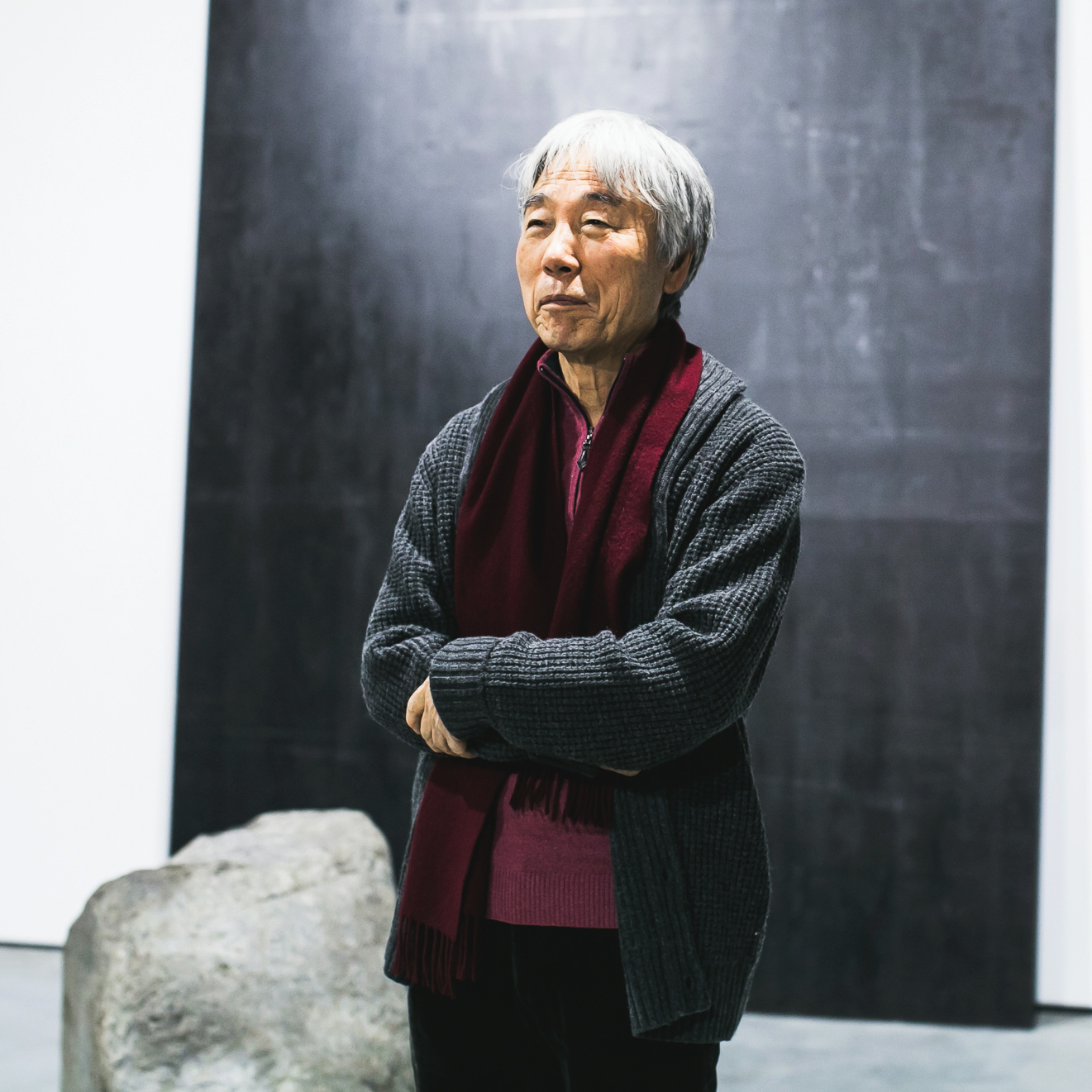
Lee Ufan (Korean: 이우환; Hanja: 李禹煥, Korean pronunciation: [iːuhwan]; born 1936) is a South Korean minimalist painter, sculptor, and academic, known for innovative bodies of work emphasizing process, materials, and the experiential engagement of viewer and site, and critiques of European phenomenology.
Read the brief →
CITY · Seoul across time
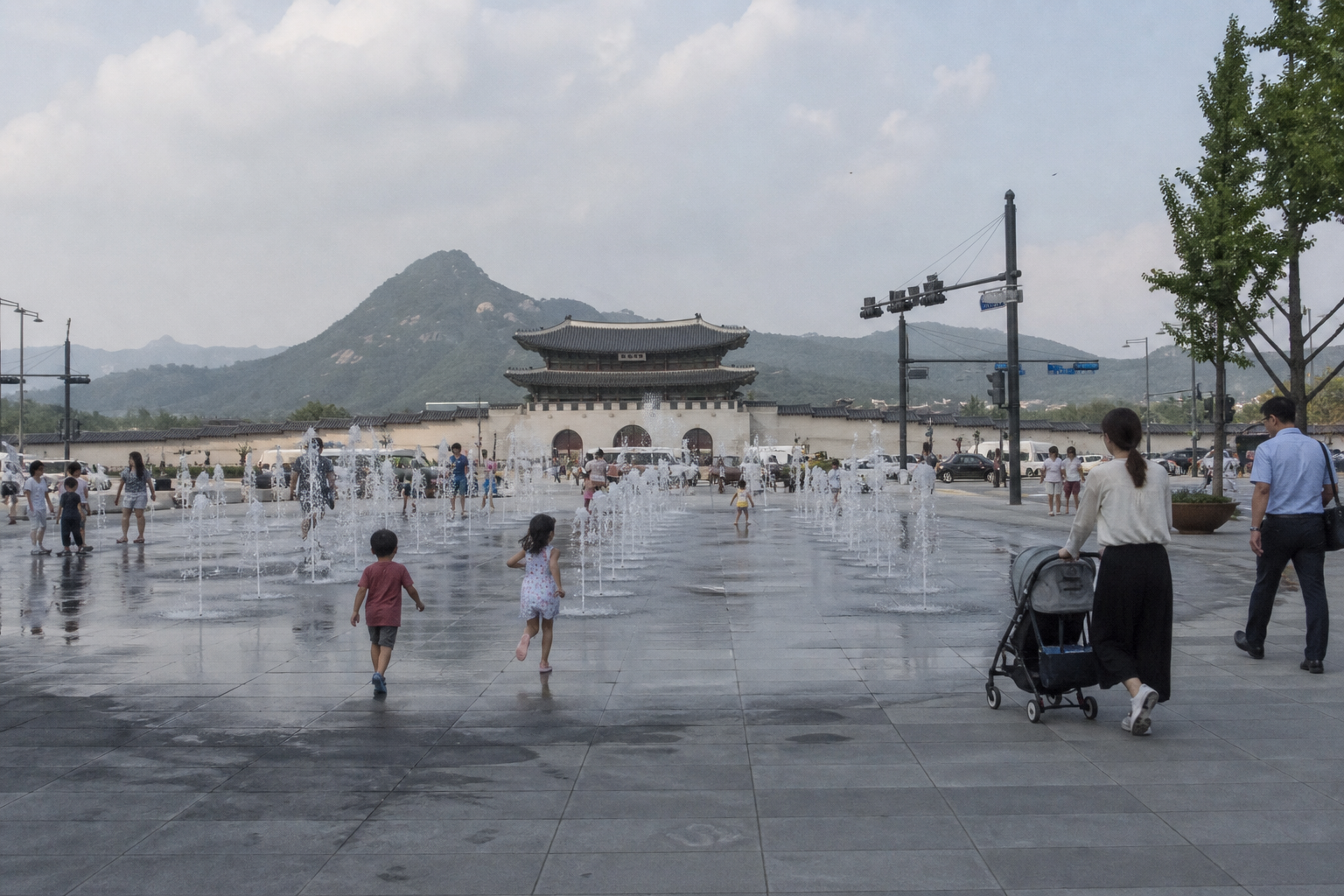
Gwanghwamun Square (Korean: 광화문광장), a.k.a. Gwanghwamun Plaza, is a public square located in Sejongno, Jongno-gu, Seoul, in front of Gyeongbokgung. Serving as a public space and, at times, a road for centuries of Korean history, it is also historically significant as it is the location of royal administrative buildings, known as Yukjo-geori or Street of Six…
Read the brief →
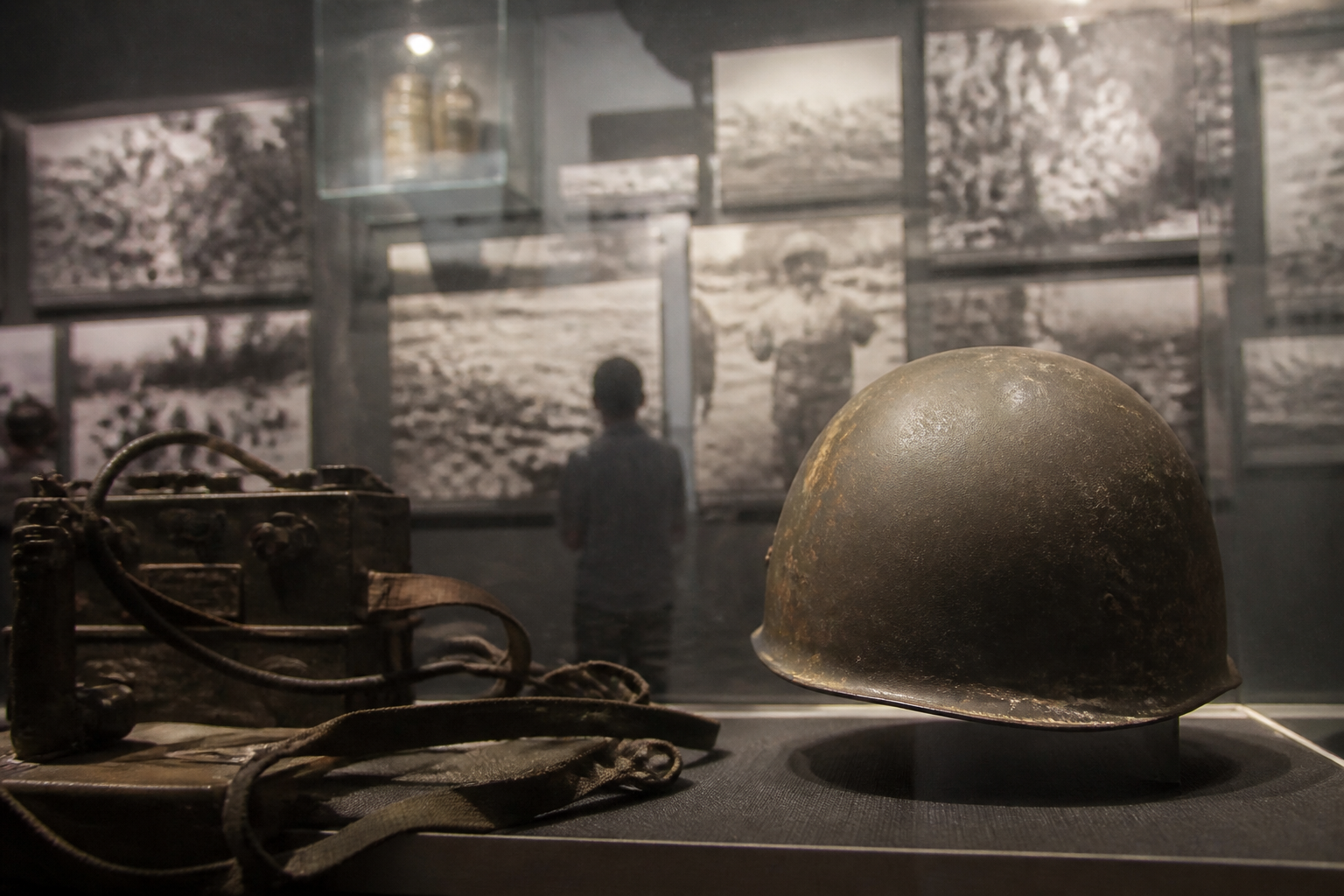
HISTORY · Late 19th century to today
The Korean War (25 June 1950 – 27 July 1953) was an armed conflict fought on the Korean Peninsula between North Korea (Democratic People's Republic of Korea; DPRK) and South Korea (Republic of Korea; ROK) and their allies. North Korea was supported by China and the Soviet Union, while South Korea was supported by the United Nations led by the United States…
Read the brief →
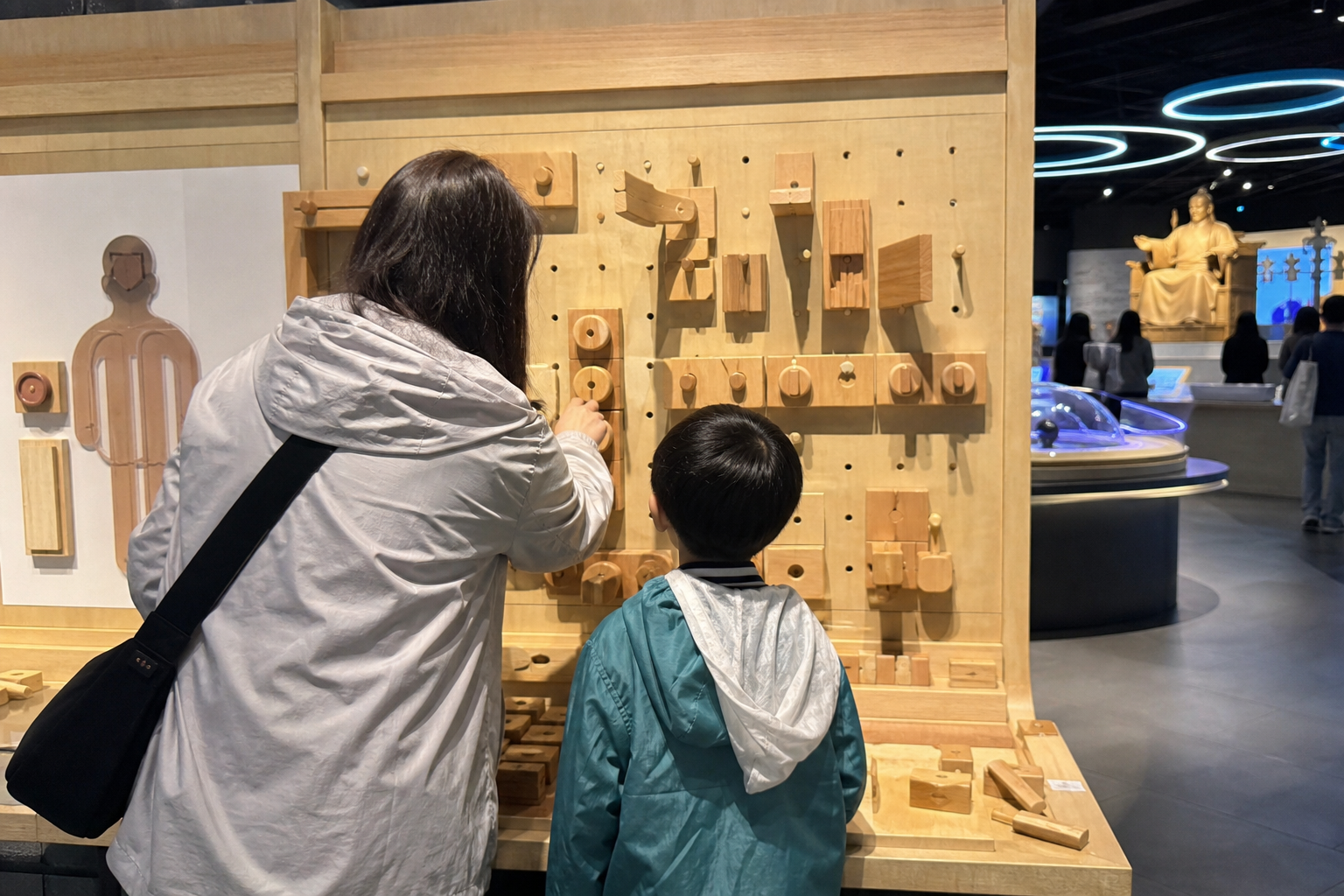
HISTORY · 918–1910
Sejong (Korean: 세종; Hanja: 世宗; May 15, 1397 – April 8, 1450), commonly known as Sejong the Great (세종대왕; 世宗大王), was the fourth monarch of the Koreanic state Joseon. He ruled from 1418 to his death in 1450. He is widely regarded as the greatest king in Korean history, and is particularly remembered for the creation of Hangul, the native alphabet of the Korean…
Read the brief →
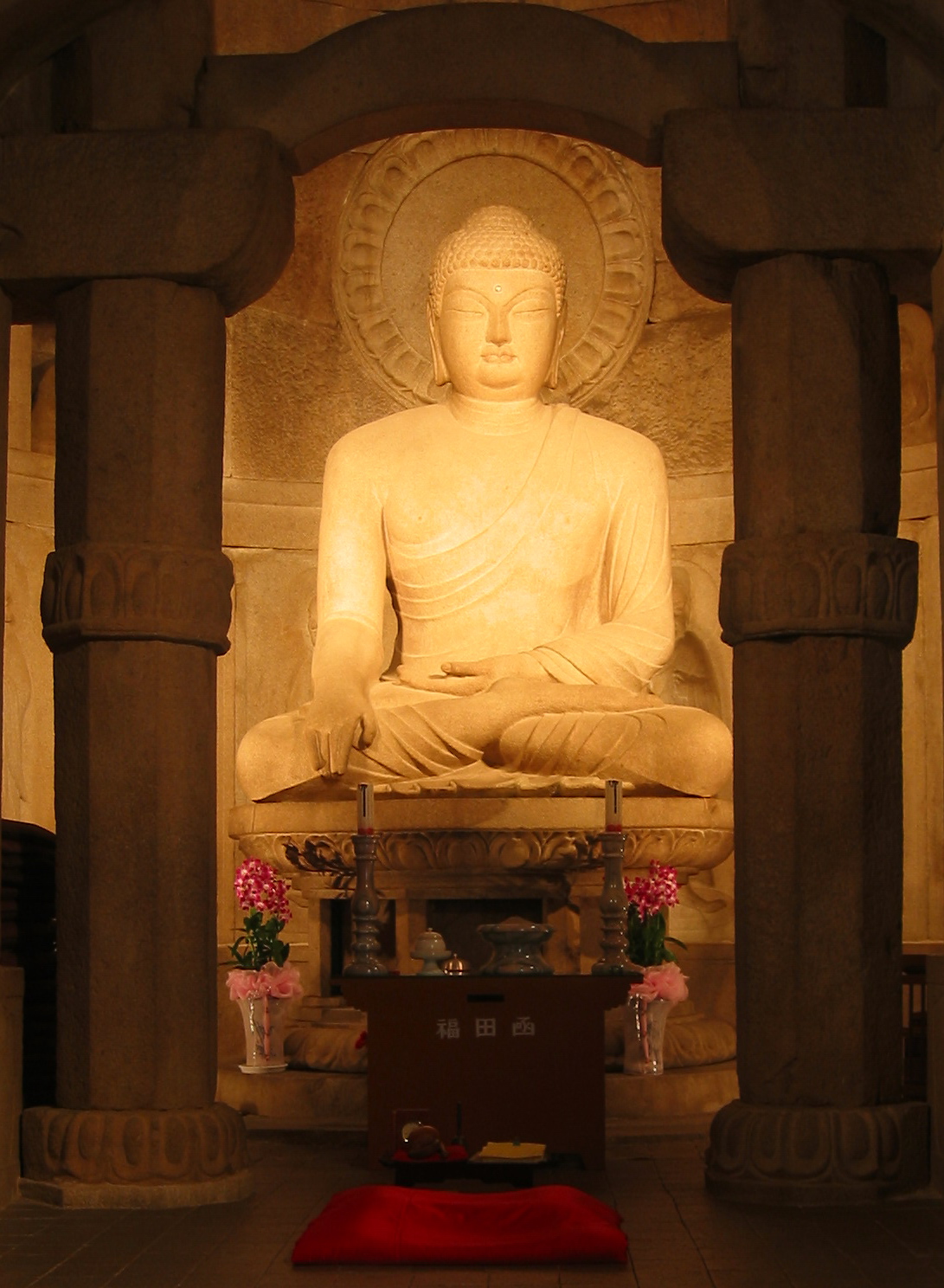
CULTURE · Living heritage
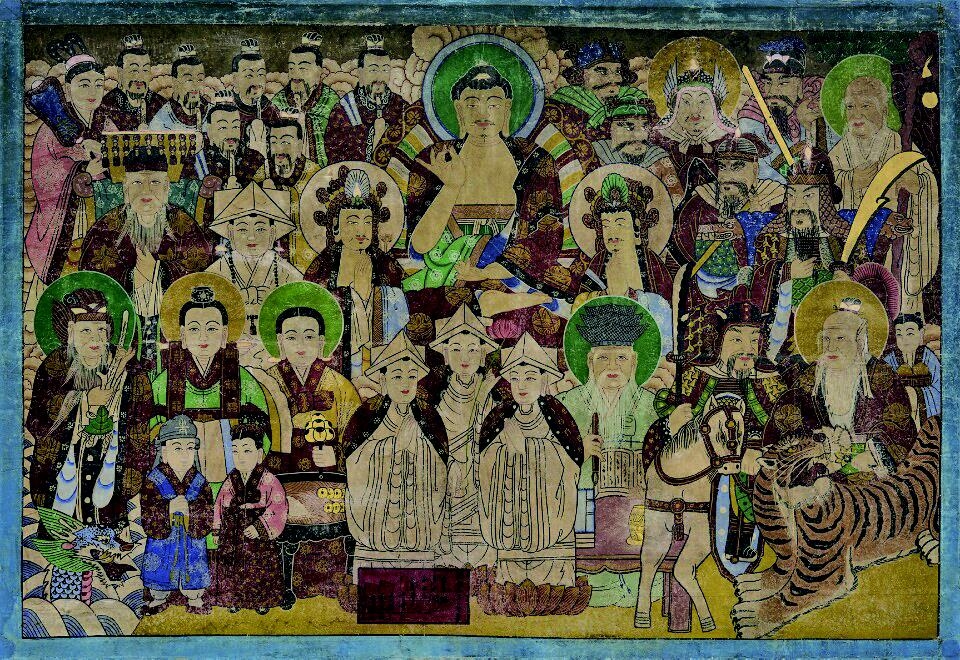
Korean Buddhism began in the 4th century CE during the Three Kingdoms Period. Centuries after Buddhism originated in India, the Mahayana tradition arrived in China through the Silk Road in the 1st century CE, then entered the Korean peninsula in the 4th century, from where it was transmitted to Japan.
Read the brief →
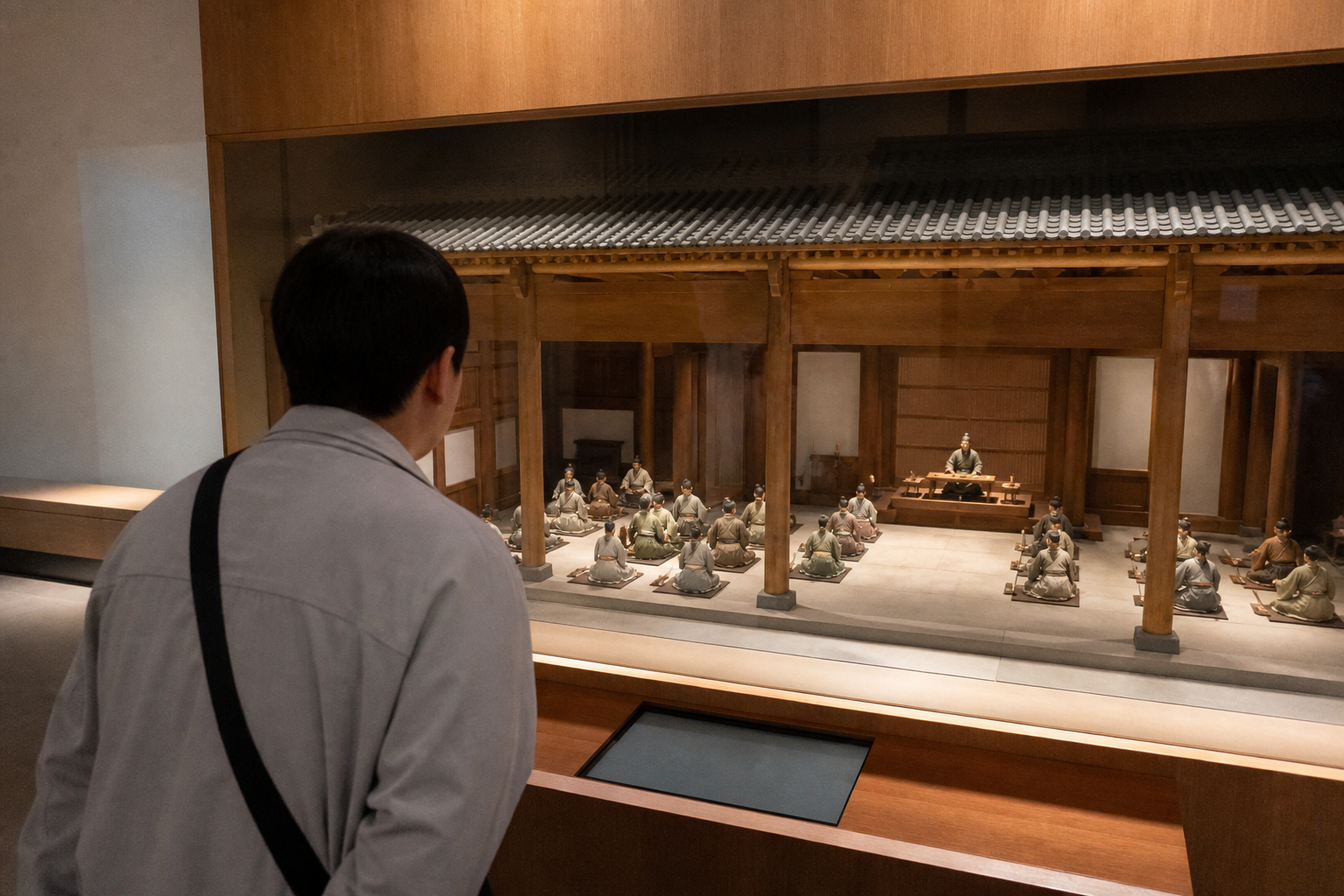
HISTORY · 918–1910
Taejong (Korean: 태종; Hanja: 太宗; 21 June 1367 – 8 June 1422), personal name Yi Pangwŏn, was the third monarch of Joseon and the father of Sejong the Great. The fifth son of King Taejo, the founder of the dynasty, he was himself a major contributor toward the establishment of the new regime.
Read the brief →
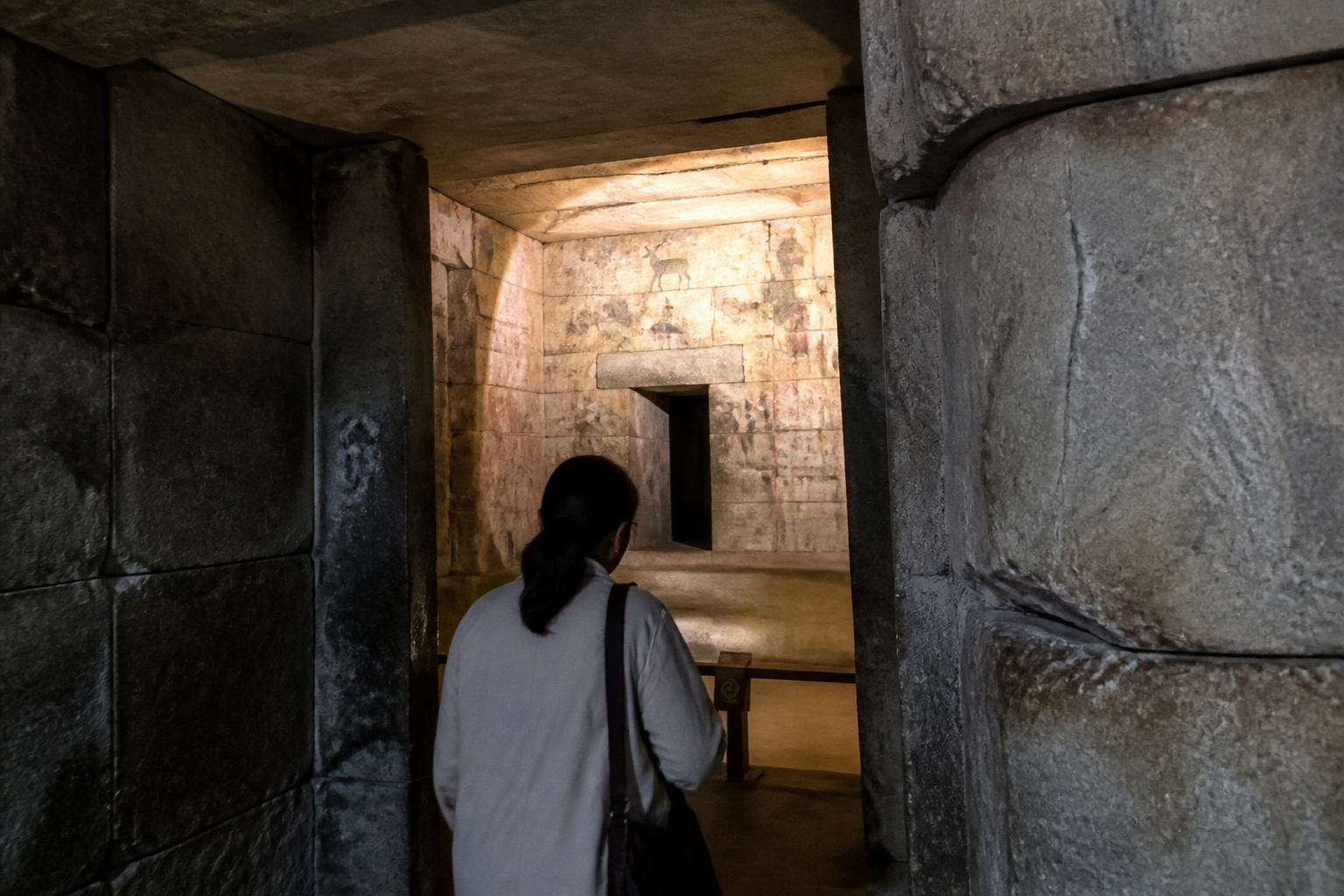
HISTORY · Prehistory to 935
Goguryeo tombs, officially designated as the Complex of Koguryo Tombs (Korean: 고구려 고분군), are tombs in North Korea. In July 2004, they became the first UNESCO World Heritage site in the country. The site consists of 30 individual tombs from the later Goguryeo kingdom, one of Three Kingdoms of Korea, located in the cities of P'yŏngyang and Namp'o.
Read the brief →
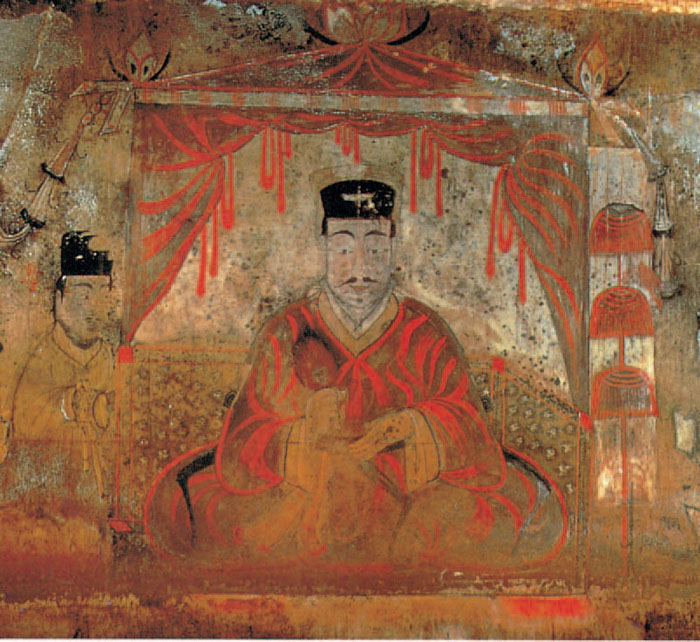
HISTORY · Prehistory to 935
Anak Tomb No. 3 is a chamber tomb of Goguryeo located in Anak, South Hwanghae, North Korea. It is known for mural paintings and an epitaph. It is part of the Complex of Koguryo Tombs. The identity of the tomb's owner is disputed due to an epitaph in the tomb bearing the name of Dong Shou, a former general of the Xianbei Murong clan in Liaodong who fled…
Read the brief →
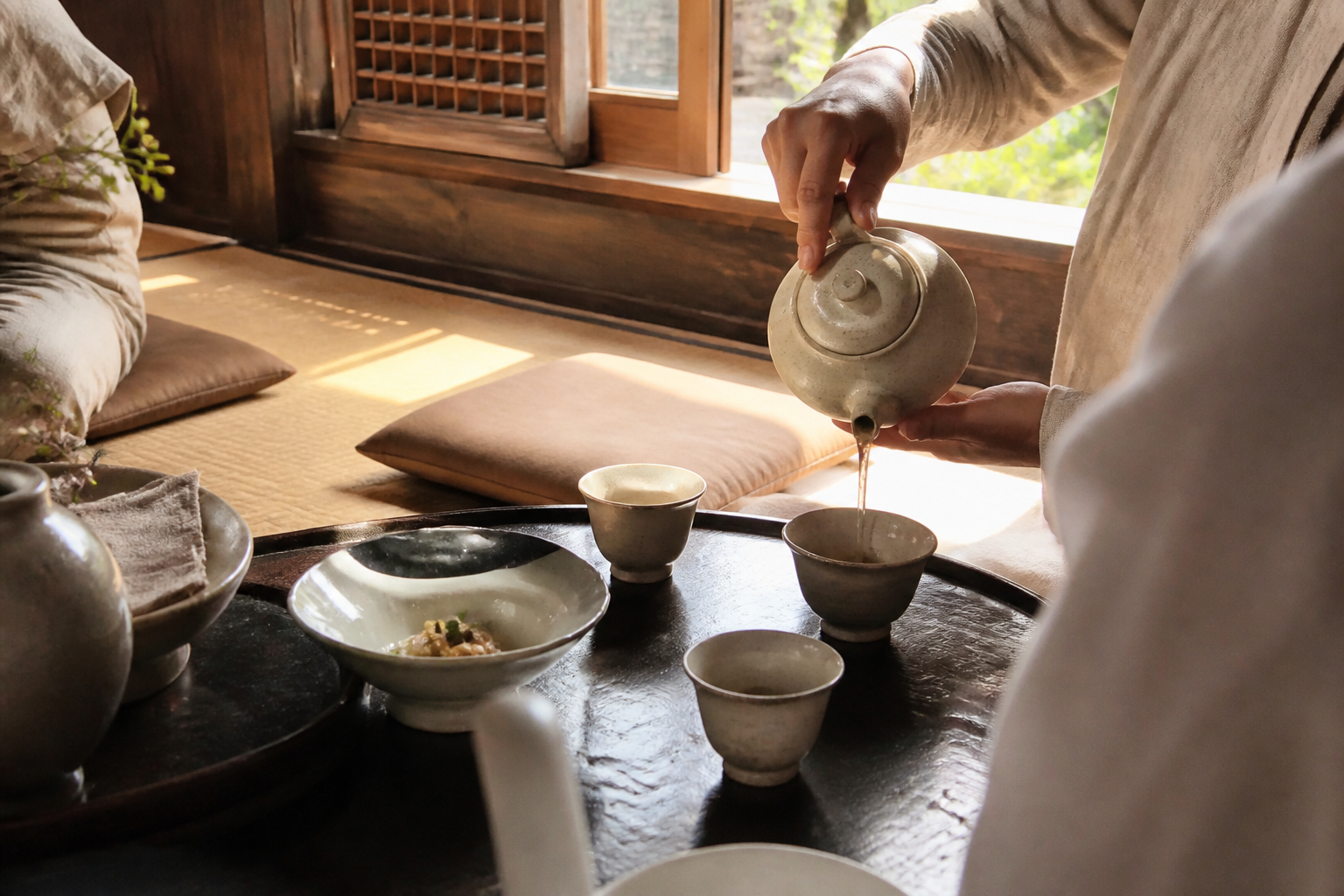
CULTURE · Living heritage
Korean tea ceremonies (Korean: 다례) are variants of tea ceremonies practiced in Korea. Darye literally refers to "etiquette for tea" or "tea rite", and has been kept among Korean people for over a thousand years. Although records exist of court tea ceremonies during the Goryeo and early Joseon dynasties, by the time of Seonjo (1590s), it had ceased to be…
Read the brief →
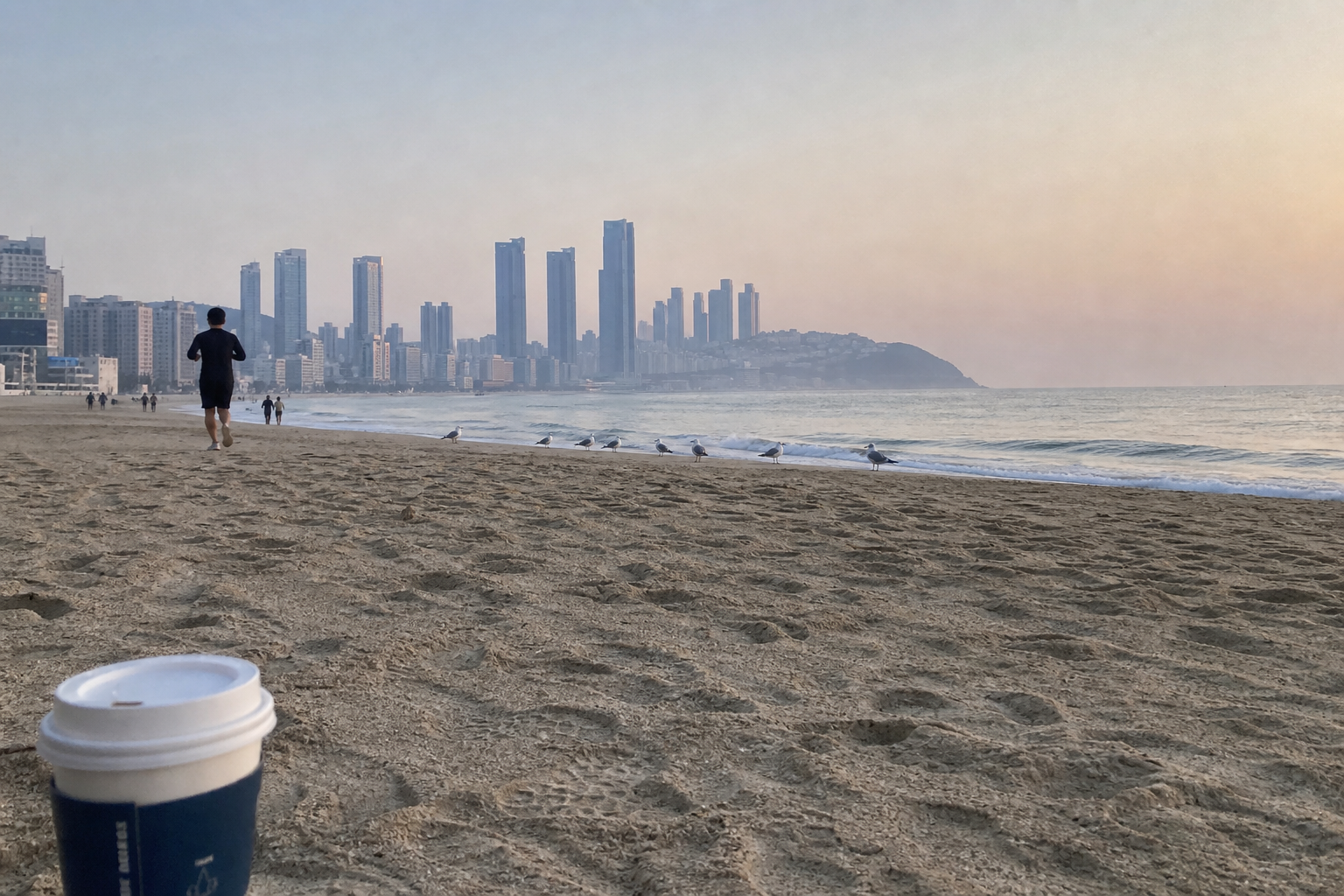
PLACES · Landscapes and regions
Haeundae Beach (Korean: 해운대해수욕장) is an urban beach in Busan, South Korea, located in the eponymous Haeundae District. It is one of Busan's most popular tourist attractions and one of South Korea's most popular beaches. It is open around the year, and hosts a variety of events, including the Haeundae Sand Festival and Busan International Film Festival.
Read the brief →
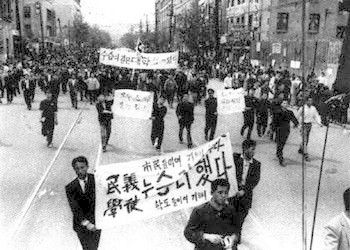
HISTORY · Late 19th century to today
The April Revolution (Korean: 4.19 혁명), also called the April 19 Revolution or April 19 Movement, were mass protests in South Korea against President Syngman Rhee and the First Republic from April 11 to 26, 1960, which led to Rhee's resignation.
Read the brief →
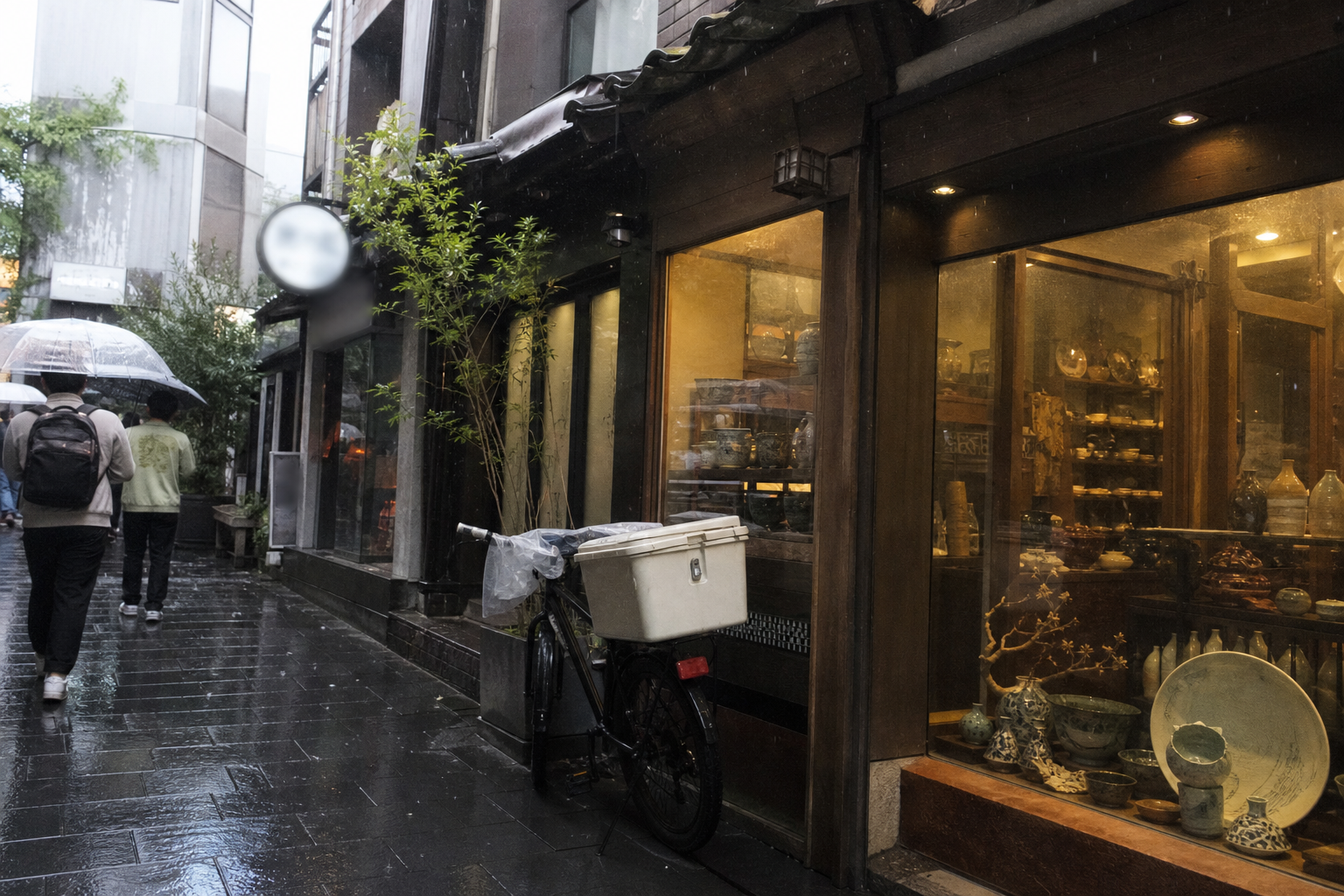
CITY · Seoul across time
Insa-dong (Korean: 인사동) is a dong, or neighborhood, in Jongno District, Seoul, South Korea. Its main street is Insadong-gil, which is connected to a number of alleys that lead deeper into the district, with modern galleries and tea shops. Historically, it was the largest market for antiques and artwork in Korea.
Read the brief →
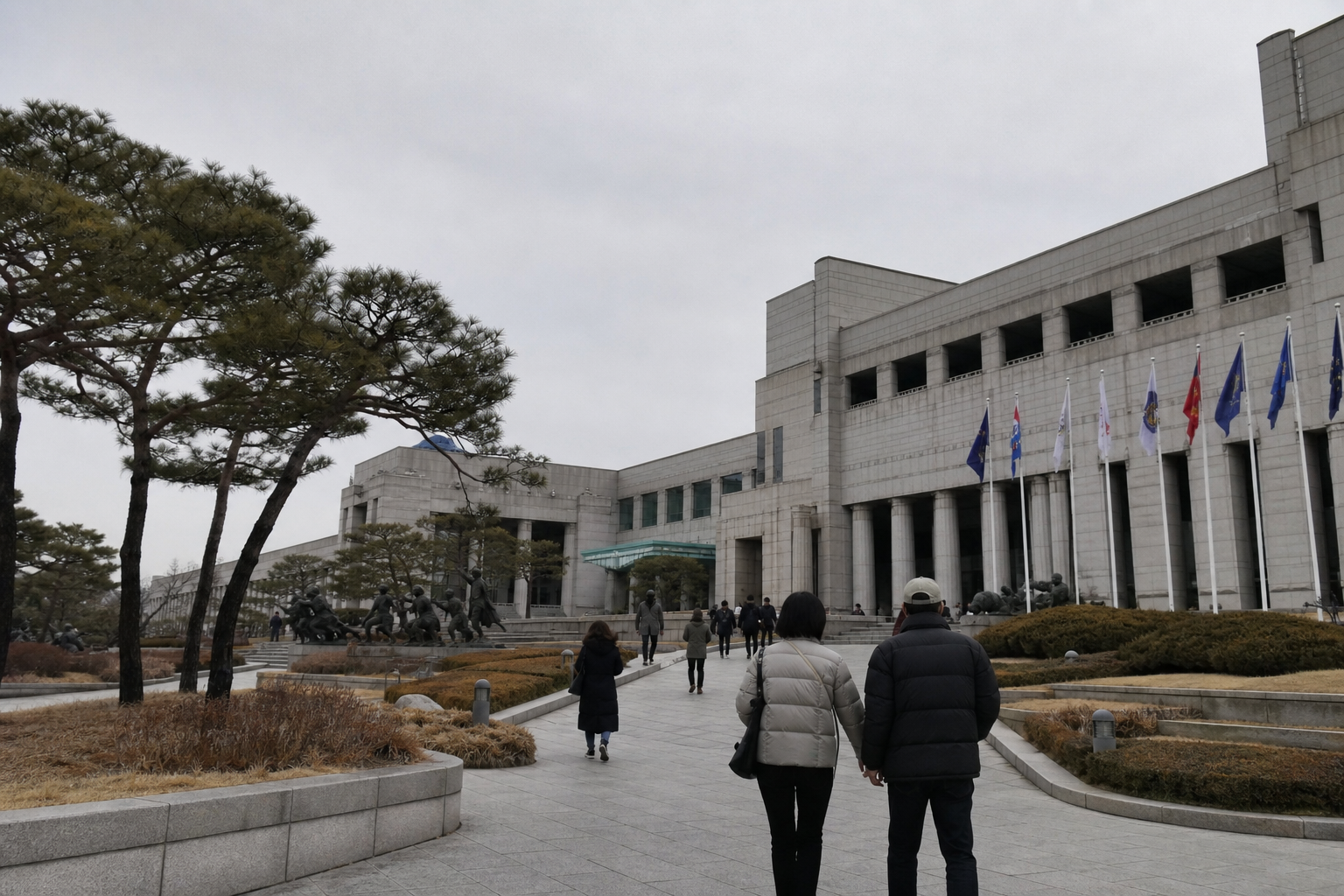
HISTORY · Late 19th century to today
The War Memorial of Korea (Korean: 전쟁기념관) is a museum located in Yongsan-dong, Yongsan-gu, Seoul, South Korea. It opened in 1994 on the former site of the army headquarters to exhibit and memorialize the military history of Korea.
Read the brief →