HISTORY · Prehistory to 935
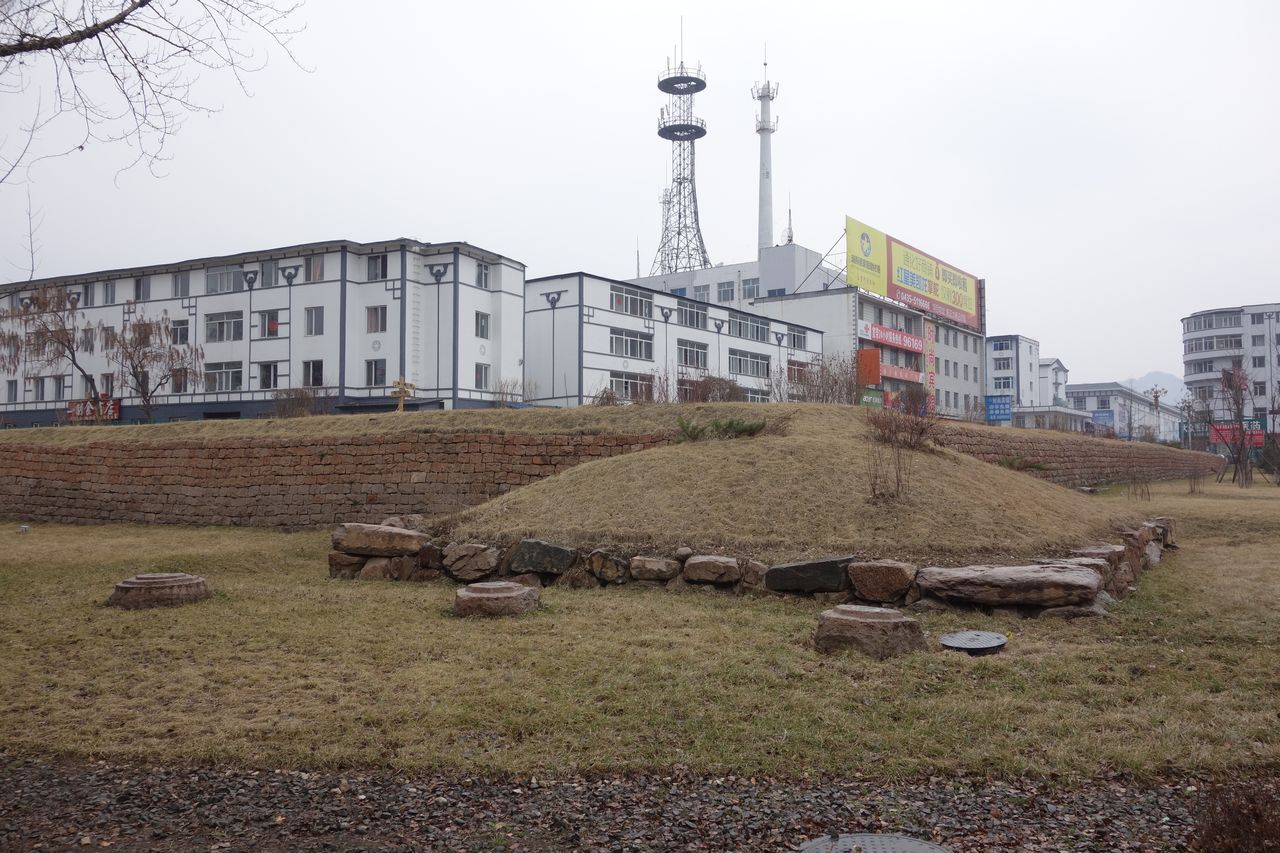
Gungnaeseong (Korean: 국내성; Hanja: 國內城) or Guonei (Chinese: 國內) was the capital of the ancient Korean kingdom of Goguryeo, which was located in Manchuria and the Korean Peninsula. The perimeter of its outer fortress measures 2,686m. It is located in present day Ji'an city, Jilin province, northeast China.
Read the brief →
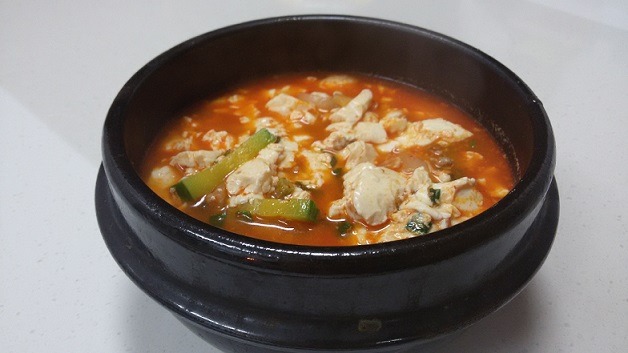
FOOD · Everyday and ceremonial food
Sundubu-jjigae (Korean: 순두부찌개) is a jjigae in Korean cuisine. The dish is made with freshly curdled extra soft tofu (sundubu) which has not been strained and pressed, vegetables, sometimes mushrooms, onion, optional seafood (commonly oysters, mussels, clams and shrimp), optional meat (commonly beef or pork), and gochujang or gochugaru.
Read the brief →
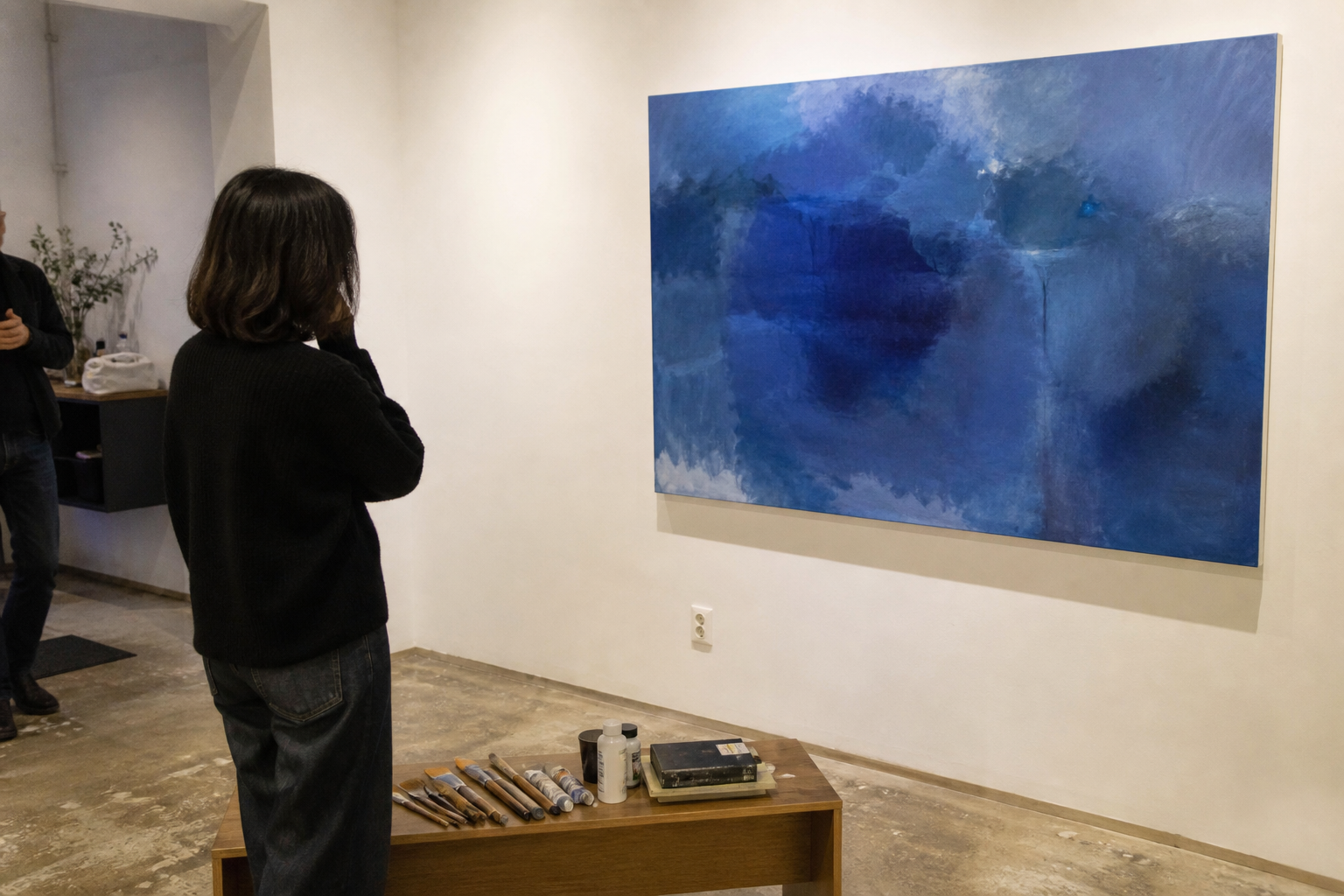
CULTURE · Contemporary Korea
Kim Whanki (Korean: 김환기; Hanja: 金煥基; April 3, 1913 – July 25, 1974) was a Korean painter and pioneering abstract artist. Kim lived and worked in a number of cities and countries during his lifetime, including Tokyo, Japan; Seoul and Busan, Korea; Paris, France; and New York City, USA, where he died.
Read the brief →
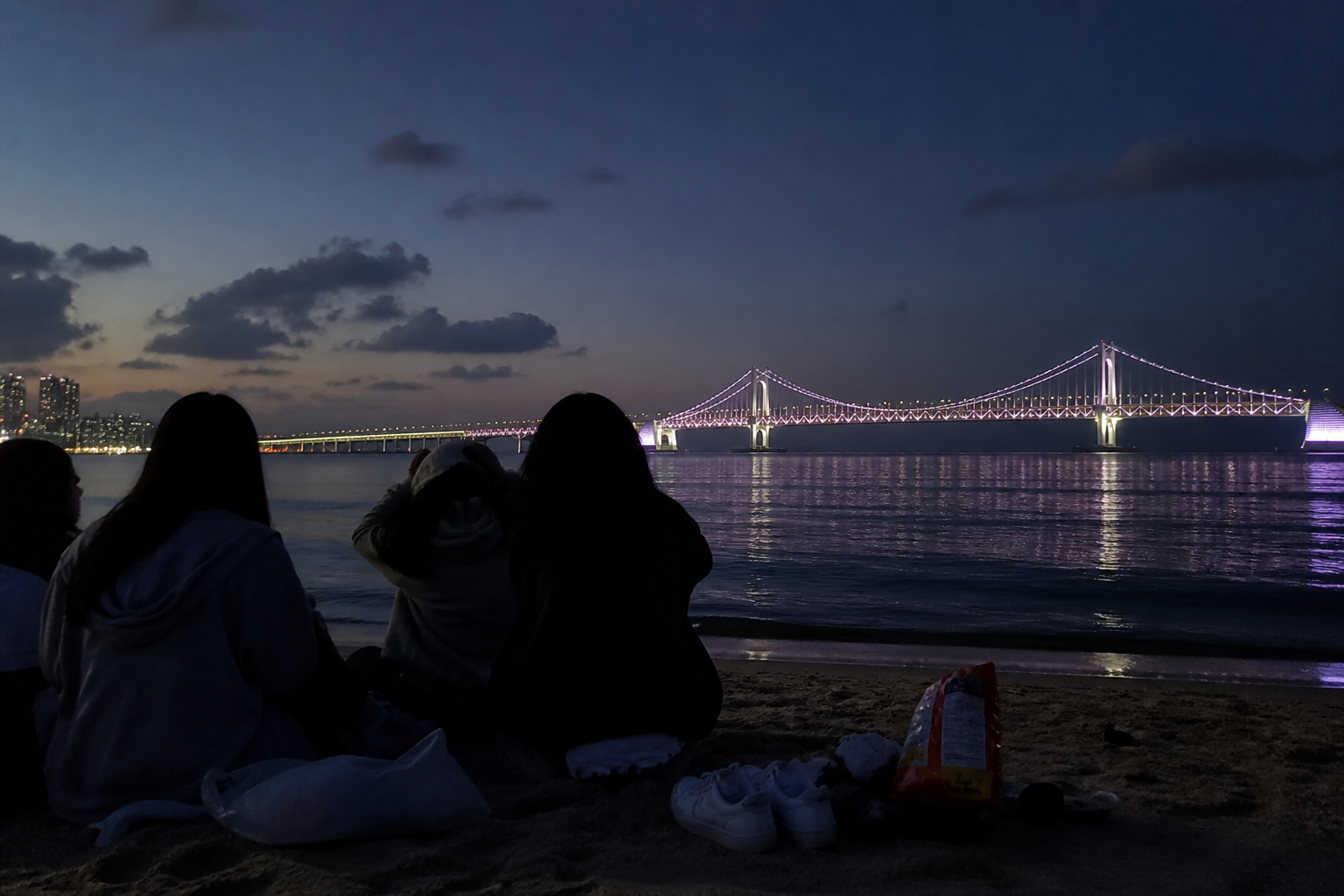
PLACES · Landscapes and regions
The Gwangalli Beach (Korean: 광안리 해수욕장) or Gwangan Beach is a beach in Gwangan 2(i)-dong, Suyeong District, Busan, South Korea. It is west of Haeundae Beach. It sits inside a cove spanned by the Gwangan Bridge and covers 82,000 square meters over a length of 1.4 km and a width of 25 to 110 metres, in a curved in a half-moon shape with fine sand.
Read the brief →
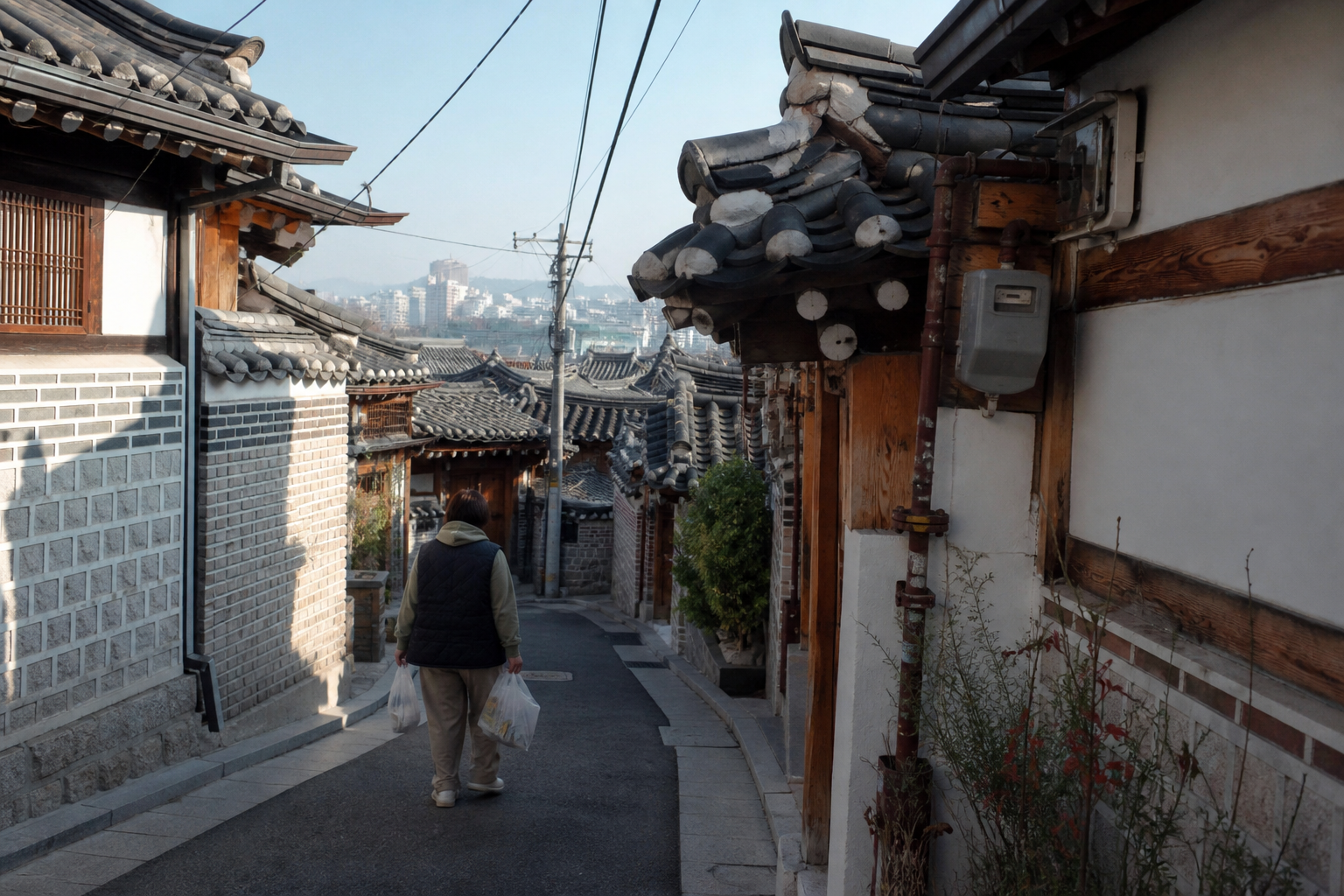
CITY · Seoul across time
Bukchon Hanok Village (Korean: 북촌한옥마을) is a residential neighborhood in Jongno District, Seoul, South Korea. It has many restored traditional Korean houses, called hanok. This has made it a popular tourist destination. The area contains many hanok that date to the late 19th and early 20th centuries.
Read the brief →
FOOD · Everyday and ceremonial food
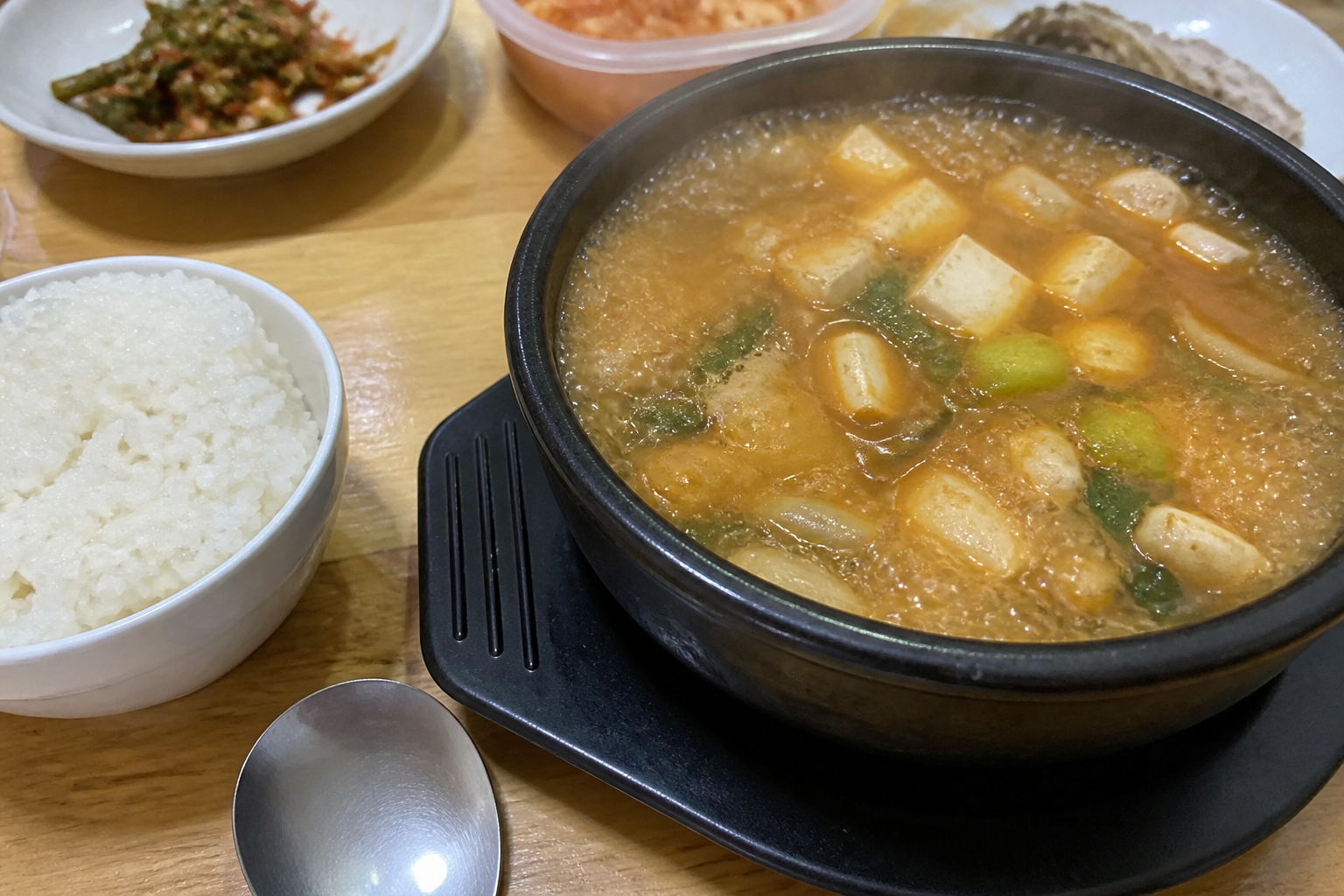
Doenjang-jjigae (Korean: 된장찌개; pronounced [twen.dʑaŋ.t͈ɕi.ɡɛ]), referred to in English as soybean paste stew, is a Korean traditional jjigae (stew-type dish), made from the primary ingredient of doenjang (soybean paste), and additional optional ingredients of vegetables, seafood, and meat.
Read the brief →
CULTURE · Contemporary Korea
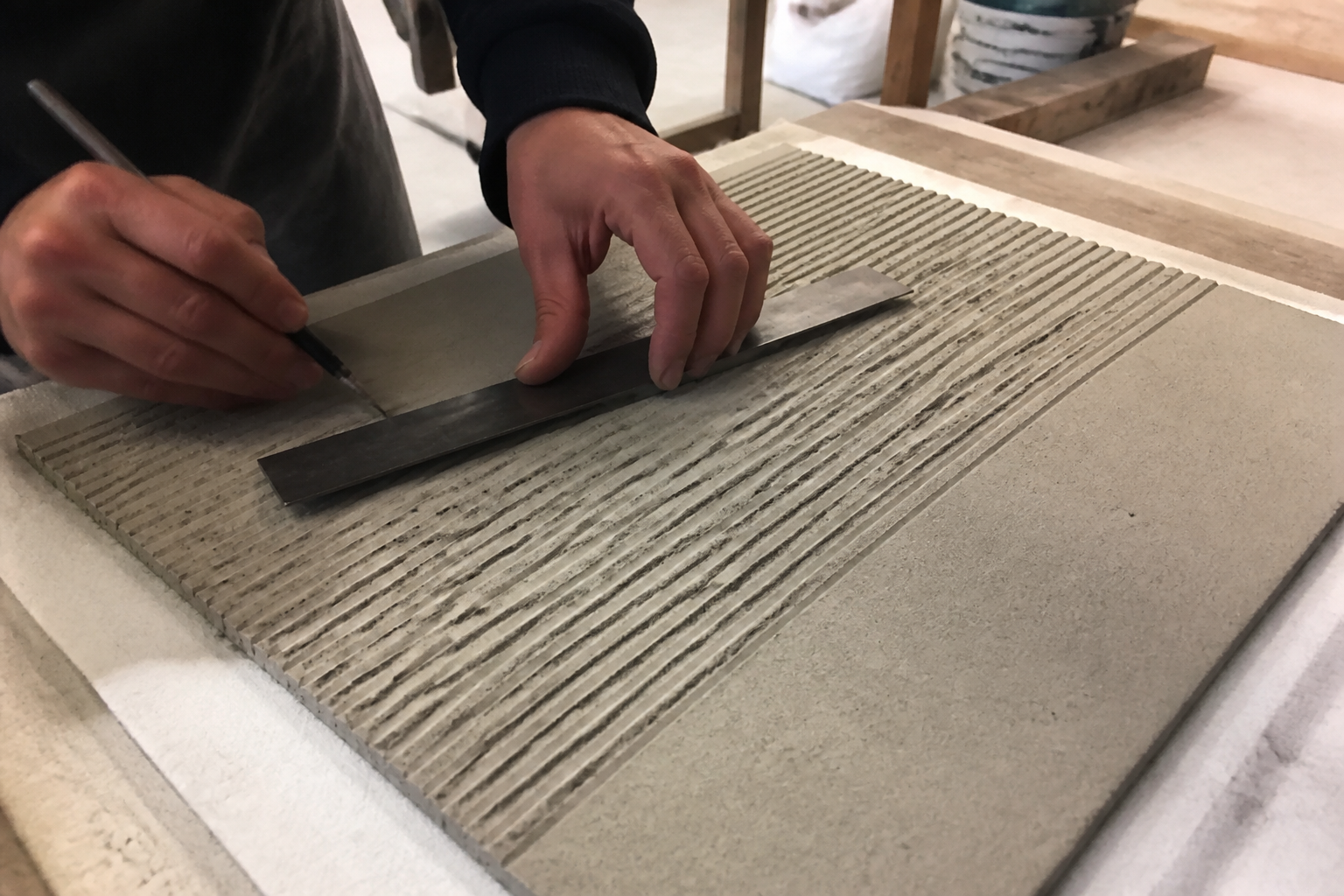
Park Seo-bo (Korean: 박서보; 15 November 1931 – 14 October 2023) was a South Korean painter known for his "Écriture" series (1967 onwards), involvement in the Korean Art Informel movement, and particular formal concerns around painting that have led critics and art historians to identify him as a leading Dansaekhwa artist.
Read the brief →
HISTORY · 918–1910
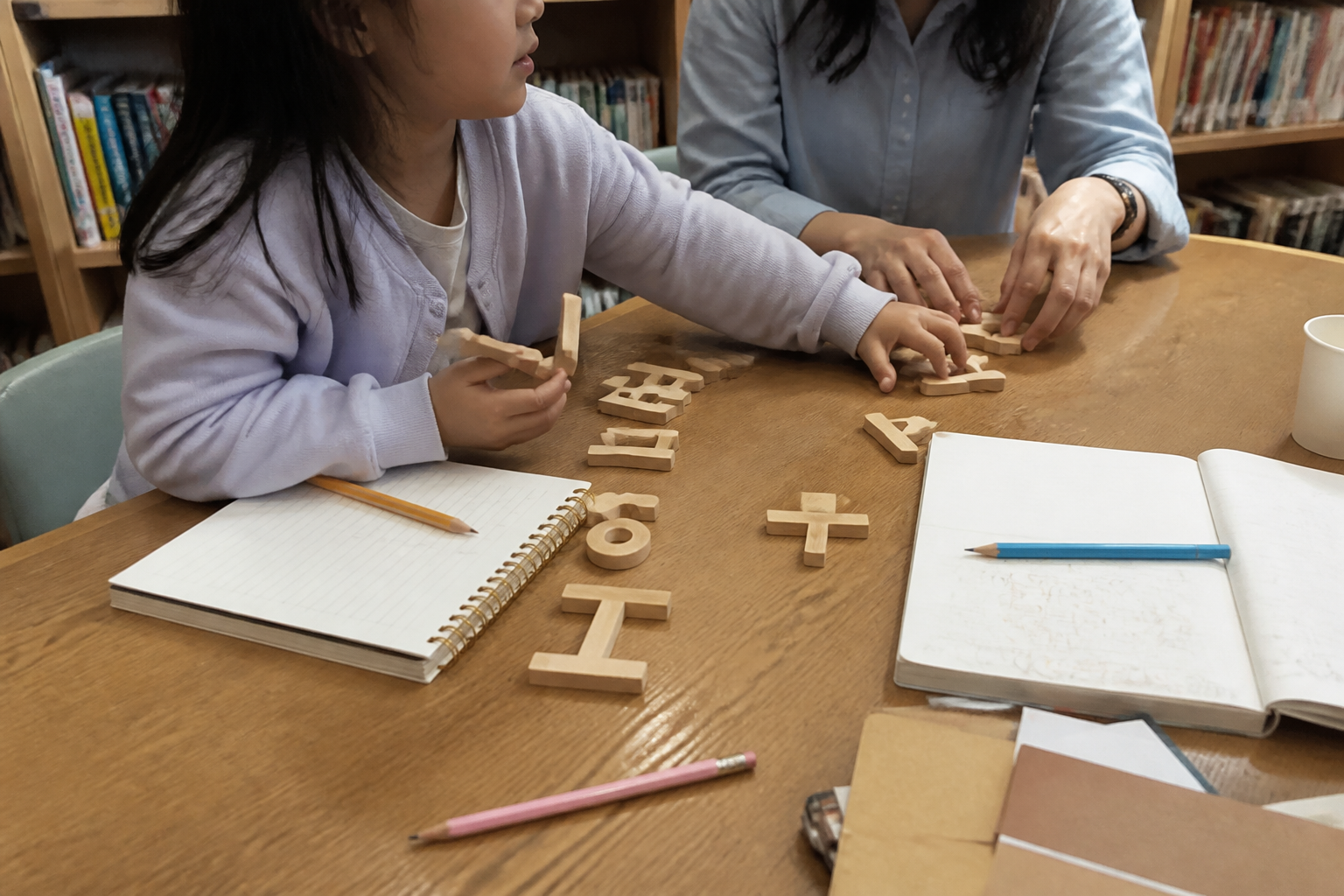
The Korean alphabet is the modern writing system for the Korean language. It has gone by a variety of names, such as Chosŏn'gŭl in North Korea, Hangul internationally, and Hangeul in South Korea. The script's original name was Hunminjeongeum. Before Hangul's creation, Korea had been using Hanja (Chinese characters) since antiquity.
Read the brief →
HISTORY · 918–1910
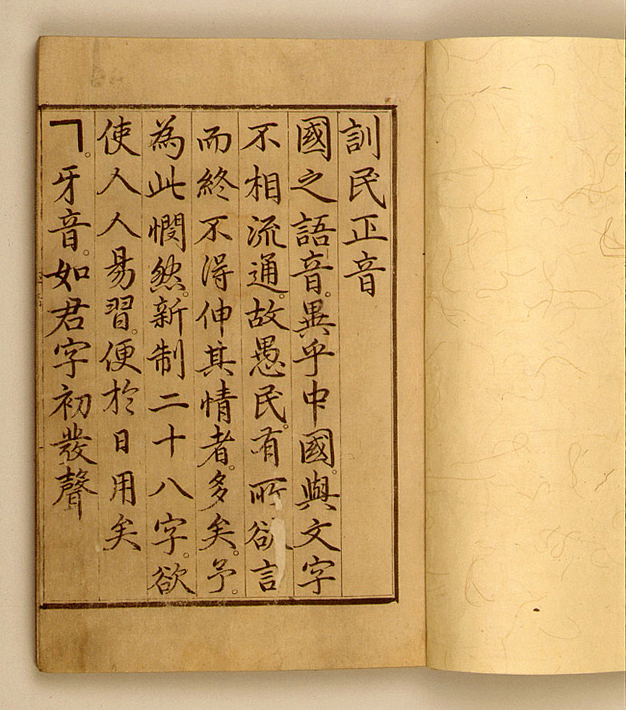
Hunminjeongeum (Korean: 훈민정음; Hanja: 訓民正音; lit. 'The Correct Sounds for the Instruction of the People') is a 1446 work that formally introduced the first native Korean alphabet. That alphabet was originally also called "Hunminjeongeum", although it is now widely called "Hangul" (international spelling; spelled in South Korea "Hangeul") or "Chosŏn'gŭl" (in…
Read the brief →
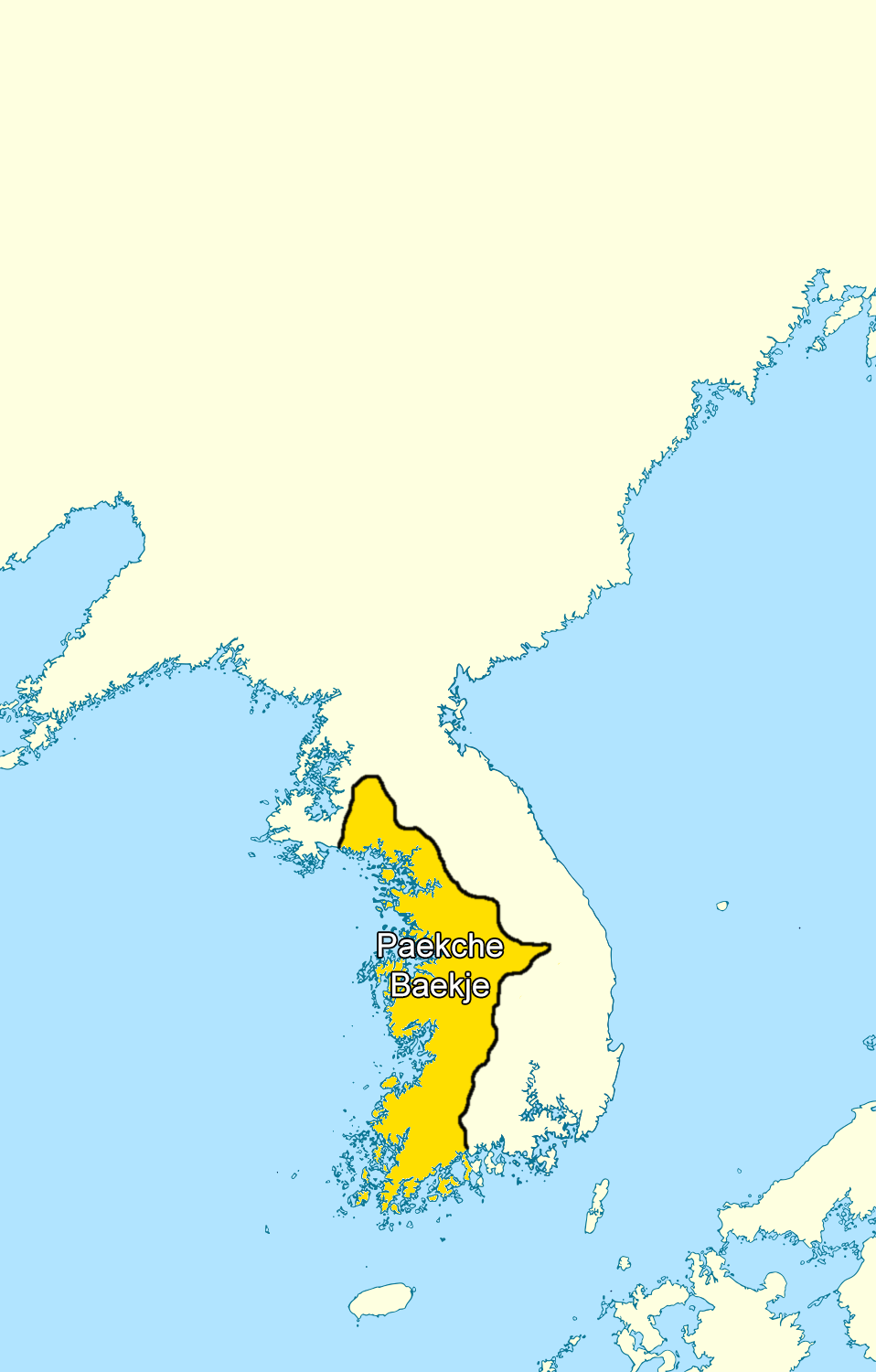
HISTORY · Prehistory to 935
Paekche or Baekje (Korean: 백제; Hanja: 百濟; RR: Baekje; MR: Paekche; pronounced [pɛk̚.tɕ͈e]) was a Korean kingdom located in southwestern Korea from 18 BCE to 660 CE. It was one of the Three Kingdoms of Korea, together with Goguryeo and Silla.
Read the brief →
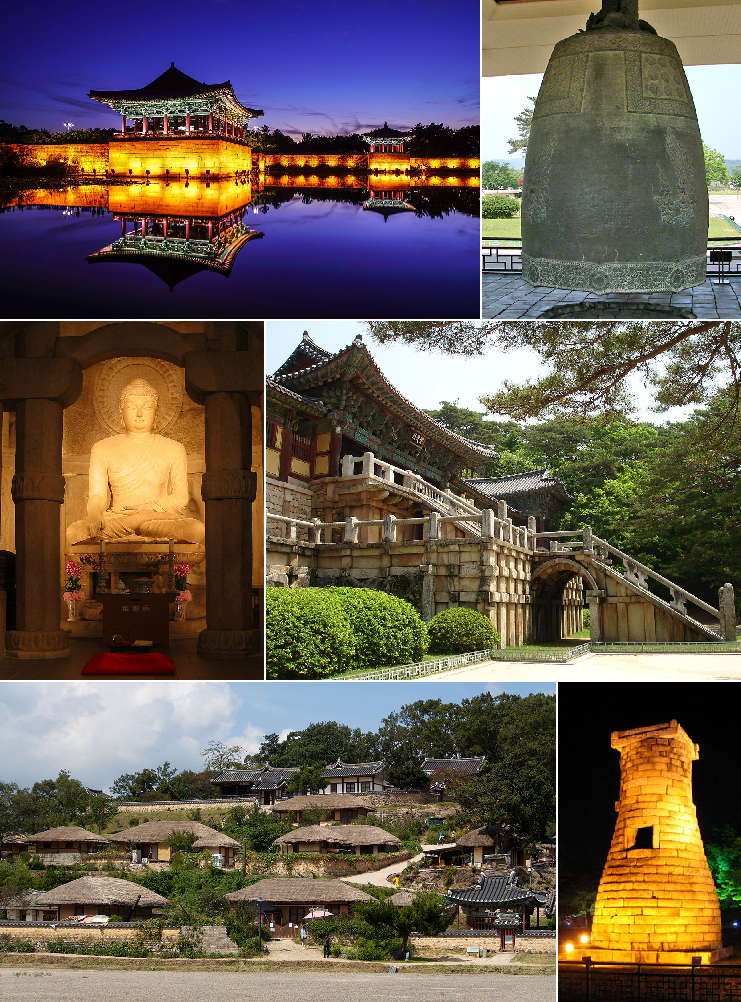
PLACES · Landscapes and regions
Gyeongju (Korean: 경주; pronounced [kjʌŋ.dʑu]), historically known as Sŏrabŏl (서라벌; pronounced [sʰʌ.ɾa.bʌɭ]), is a coastal city in the far southeastern corner of North Gyeongsang Province, South Korea. It is the second largest city by area in the province after Andong, covering 1,324 km2 (511 sq mi) with a population of 264,091 people as of December 2012.
Read the brief →
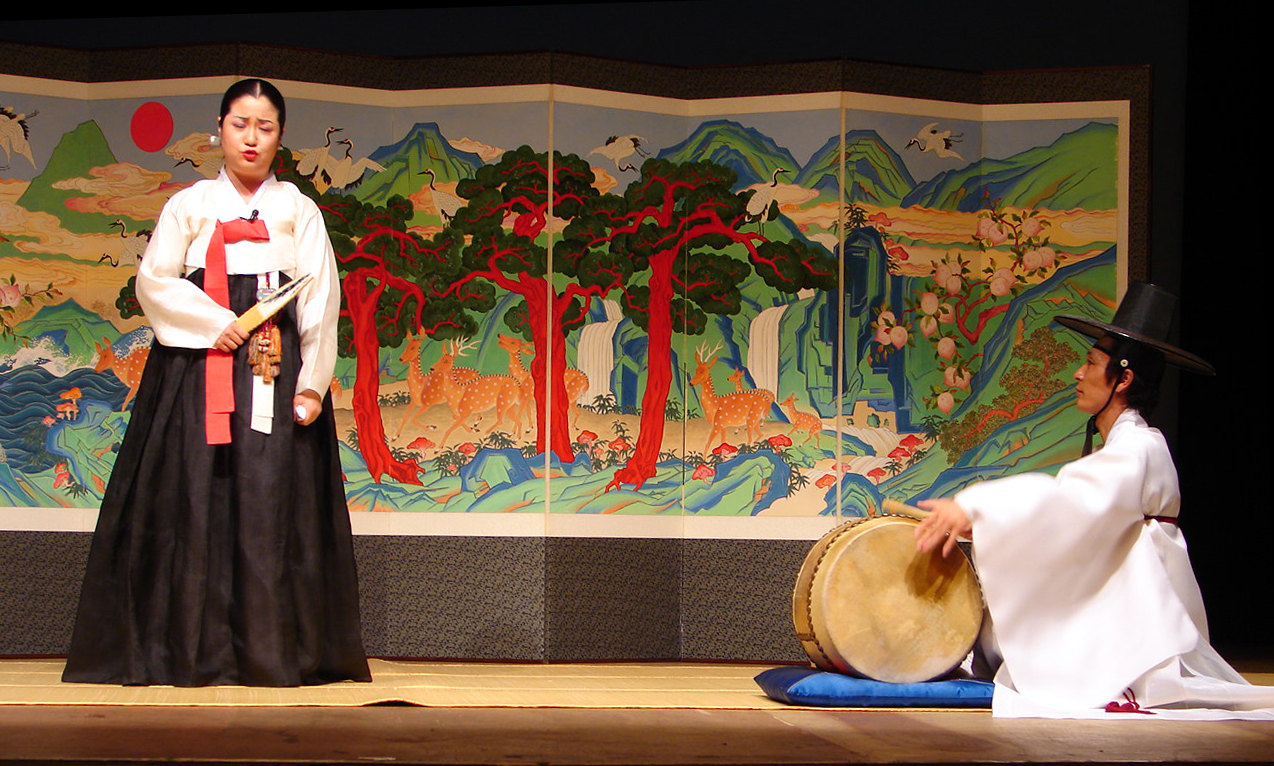
CULTURE · Living heritage
Pansori (Korean: 판소리) is a Korean genre of musical storytelling performed by a singer and a drummer. The term pansori is a compounds of the Korean words pan 판 and sori 소리, the latter of which means "sound." However, pan has multiple meanings, and scholars disagree on which was the intended meaning when the term was coined.
Read the brief →
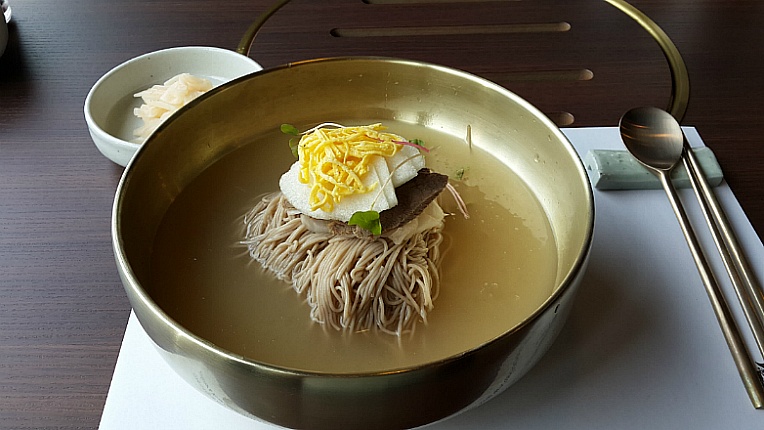
FOOD · Everyday and ceremonial food
Naengmyeon (냉면, in South Korea) or raengmyŏn (랭면, in North Korea) is a noodle dish of North Korean origin which consists of long and thin handmade noodles made from the flour and starch of various ingredients, including most commonly buckwheat (메밀, memil) but also potatoes, sweet potatoes, arrowroot starch (darker color and chewier than buckwheat noodles)…
Read the brief →
CULTURE · Contemporary Korea
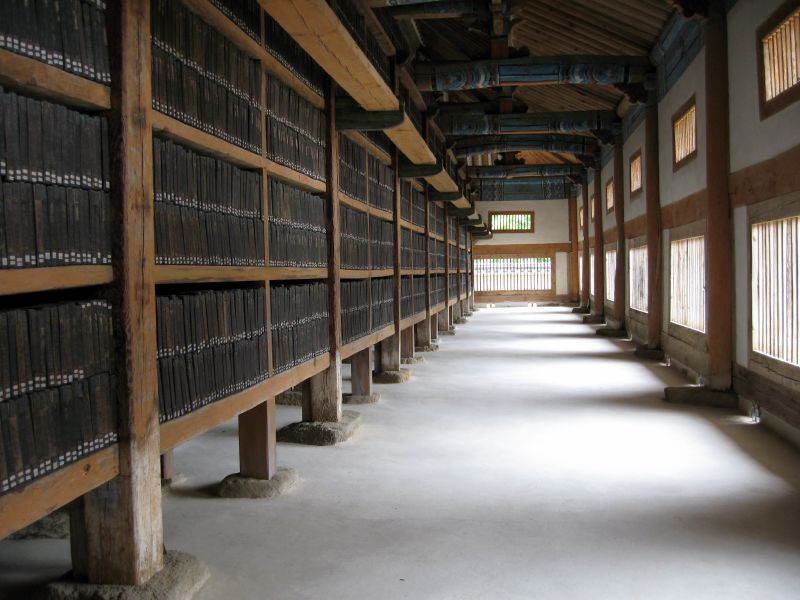
Korean literature is the body of literature produced by Koreans, mostly in the Korean language and sometimes in Classical Chinese. For much of Korea's 1,500 years of literary history, it was written in Hanja. It is commonly divided into classical and modern periods, although this distinction is sometimes unclear.
Read the brief →
FOOD · Everyday and ceremonial food
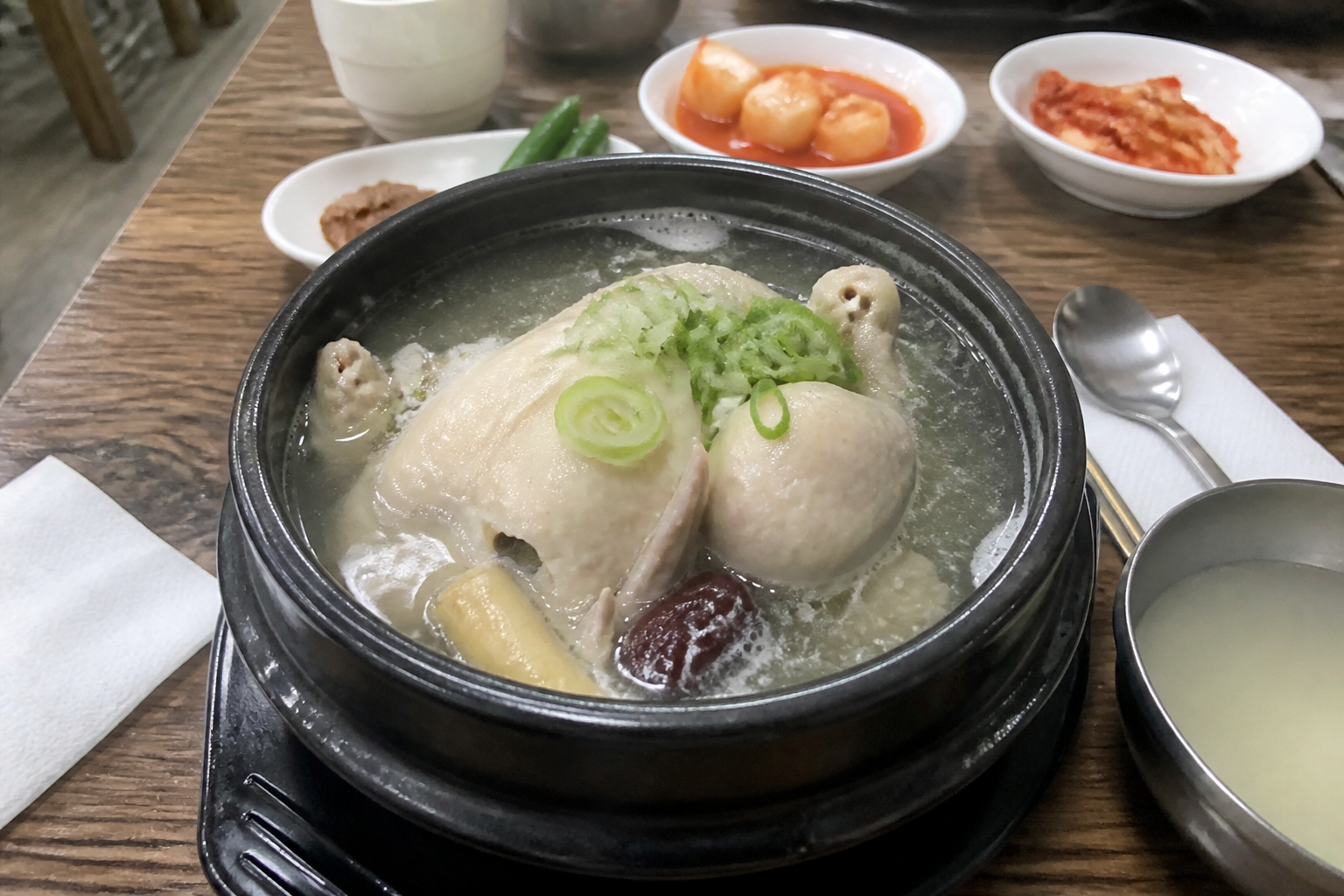
Samgye-tang (Korean: 삼계탕), or "ginseng chicken soup" is a tang (Korean soup) that consists primarily of a whole young chicken (poussin) or quail filled with garlic, rice, jujube, mung bean, and ginseng. It is traditionally considered to be a health food. Samgye-tang is a representative summer health food.
Read the brief →
FOOD · Everyday and ceremonial food
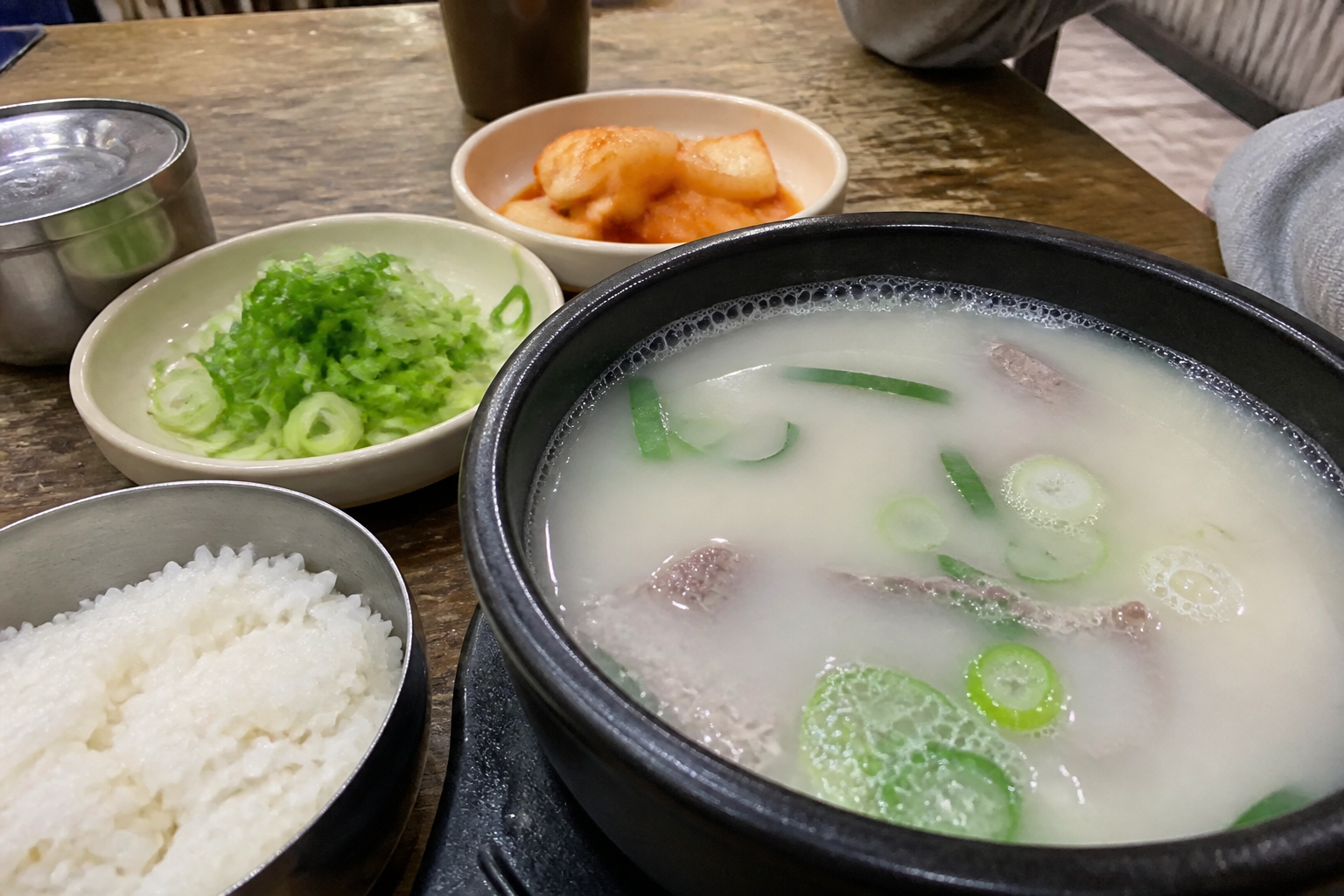
Seolleongtang (Korean: 설렁탕) or ox bone soup is a Korean tang (soup) made from ox bones (mostly leg bones), brisket and other cuts. Seasoning is generally done at the table according to personal taste by adding salt, ground black pepper, red pepper, minced garlic, or chopped spring onions. It is a local dish of Seoul.
Read the brief →
CITY · Seoul across time
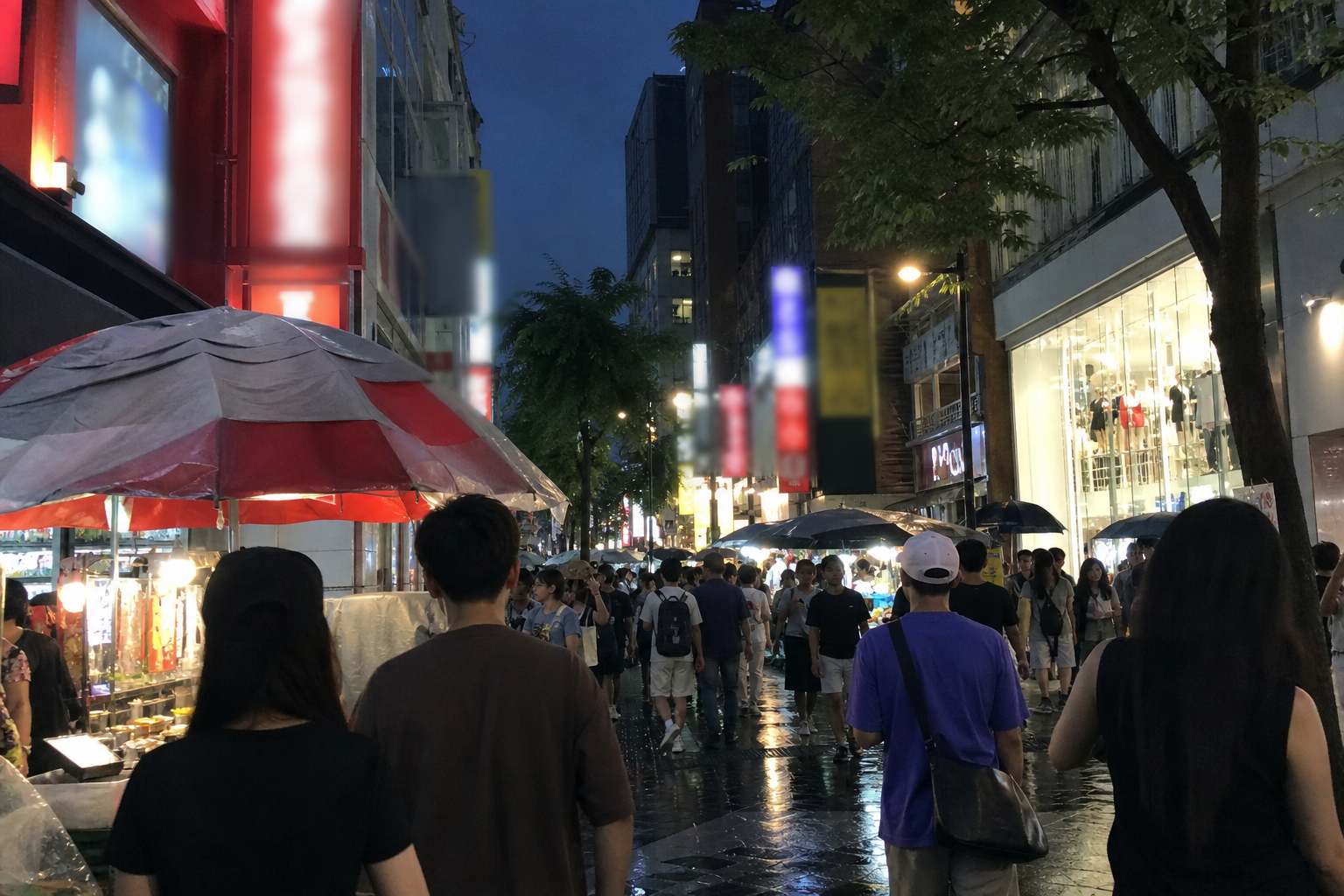
Myeong-dong (Korean: 명동; lit. ''bright neighborhood'') is a dong (neighborhood) in Jung District, Seoul, South Korea. It is between Chungmu-ro, Eulji-ro, and Namdaemun-ro. Myeongdong is known for being one of Seoul's main shopping, parade route, and tourism districts. In 2023, it was listed as the ninth most expensive shopping street in the world.
Read the brief →
CITY · Seoul across time
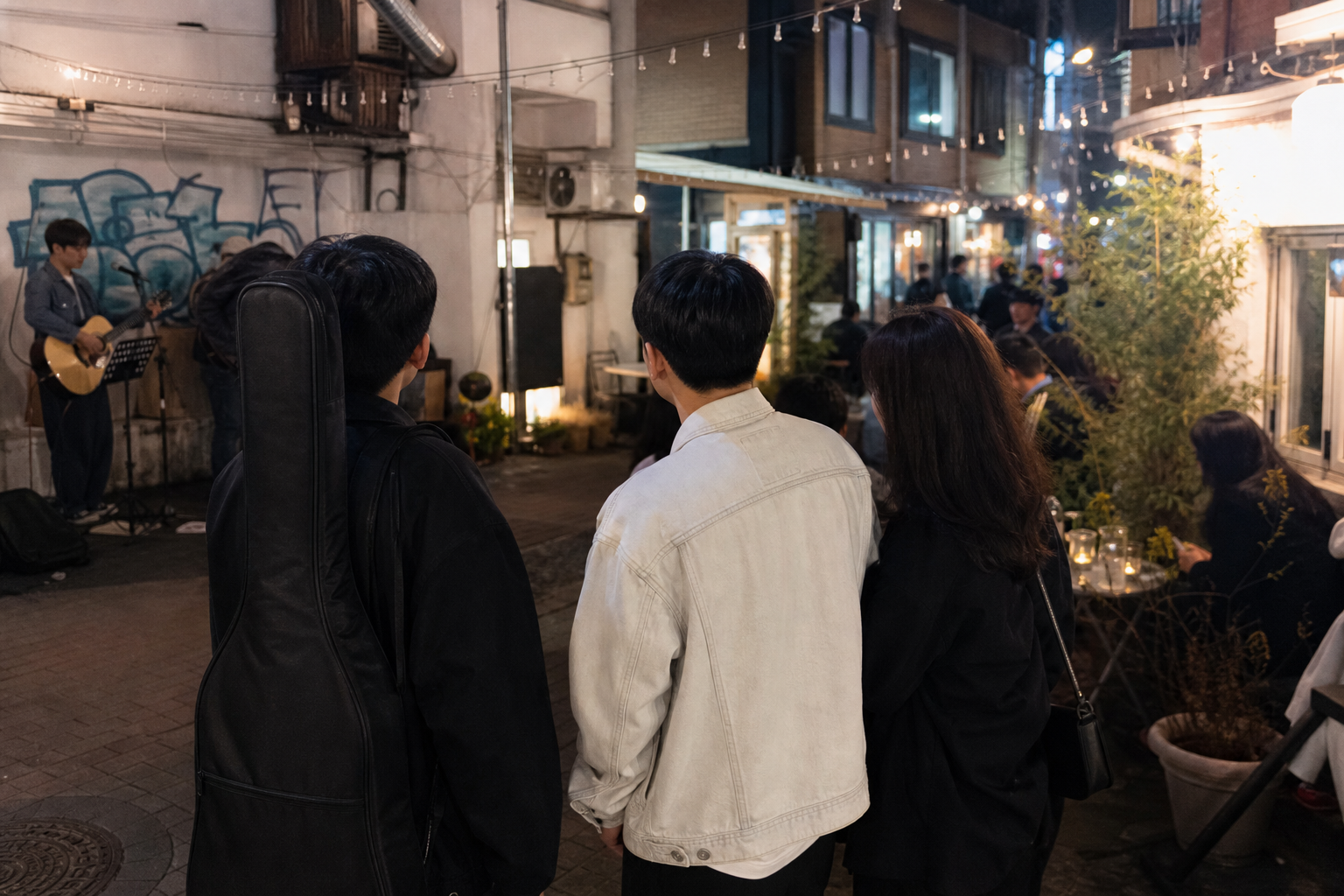
Hongdae (Korean: 홍대) is a neighborhood in Mapo District, Seoul, South Korea, near Hongik University ("Hongik Daehakgyo" in Korean), after which it is named. The neighborhood is known for its urban arts and indie music culture, local shops, clubs, cafés and entertainment.
Read the brief →
HISTORY · 918–1910
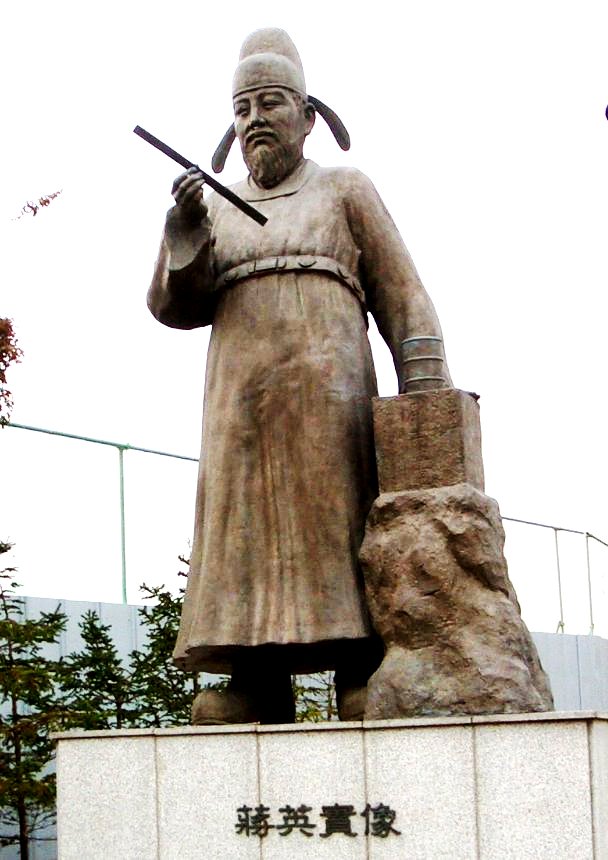
Chang Yŏngsil (Korean: 장영실; Hanja: 蔣英實; pronounced [t͡ɕɐŋ jʌŋɕiɭ]; ? – after 1442) was a Korean mechanical engineer, scientist, and inventor during the Joseon dynasty. He was born to a mother who was a government-registered courtesan (관기; 官妓) and a father of Yuan dynasty descent.
Read the brief →
PLACES · Landscapes and regions
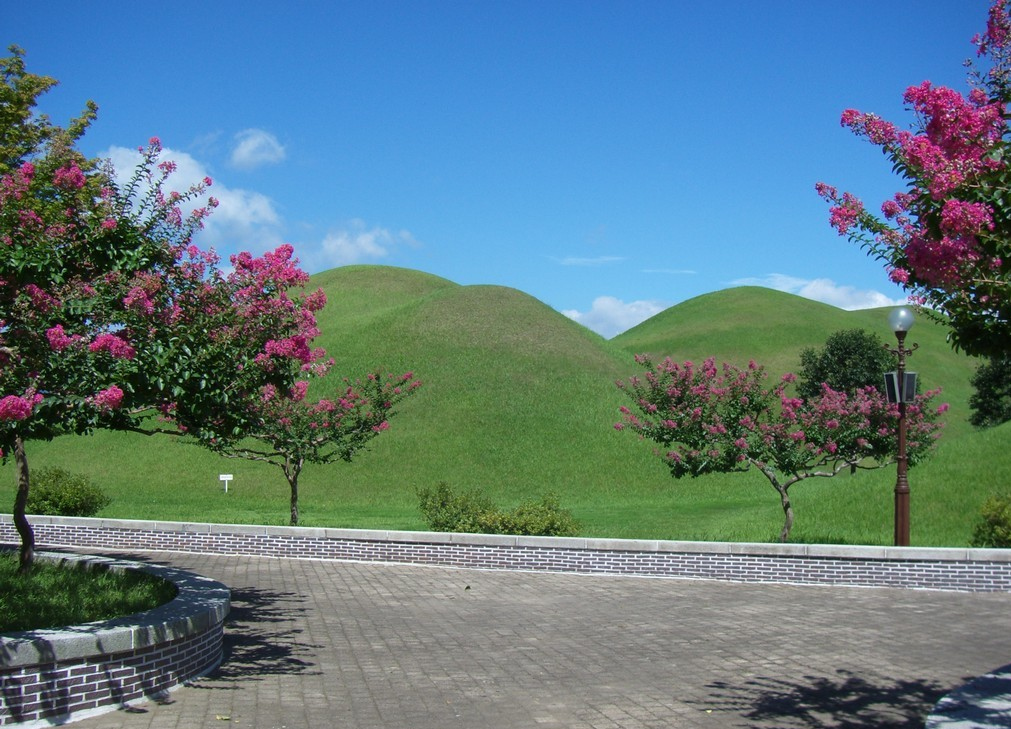
Gyeongju Historic Areas (Korean: 경주 역사유적 지구) is a World Heritage Site in Gyeongju, South Korea that was designated by UNESCO in 2000. The protected areas encompass the ruins of temples and palaces, outdoor pagodas and statuary, and other cultural artifacts left by the Koreanic kingdom Silla (57 BC – 935 AD).
Read the brief →
HISTORY · Late 19th century to today
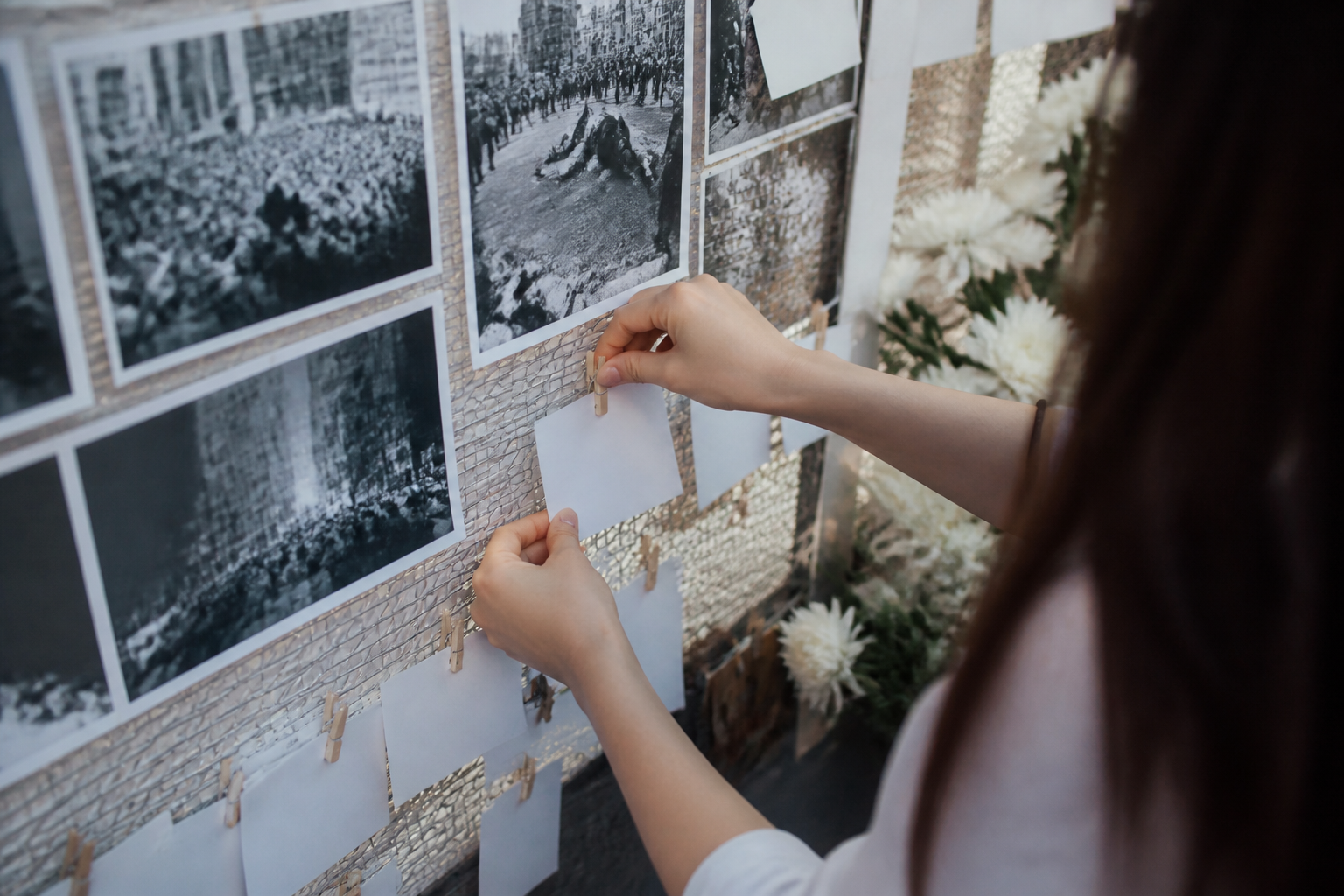
The June Democratic Struggle (Korean: 6월 민주 항쟁), also known as the June Democracy Movement and the June Uprising, was a nationwide pro-democracy movement in South Korea that generated mass protests from June 10 to 29, 1987. The demonstrations forced the ruling authoritarian government to hold direct presidential elections and institute other democratic…
Read the brief →
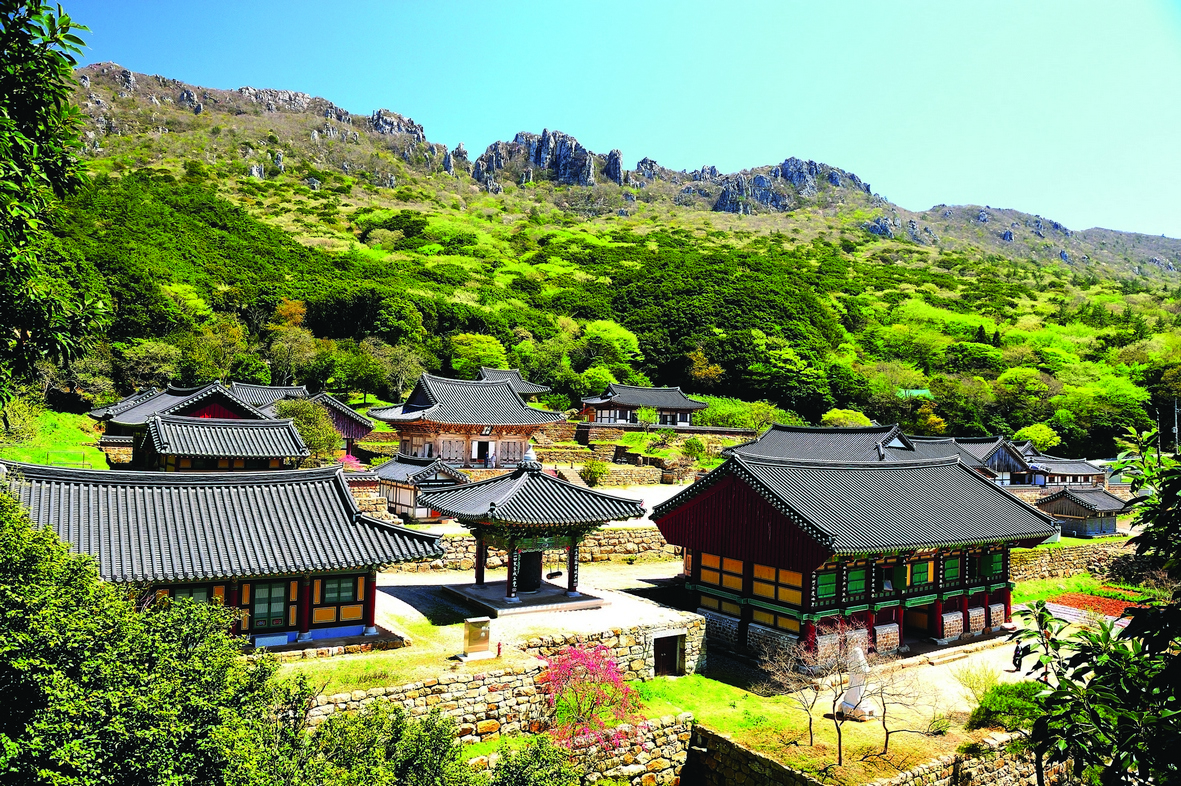
CULTURE · Living heritage
Templestay (Korean: 템플스테이) is a cultural program offered in numerous South Korean Buddhist temples. Templestay allows participants to experience the life of Buddhist practitioners and learn the various aspects of Korean Buddhist culture and history through stories told by monks.
Read the brief →
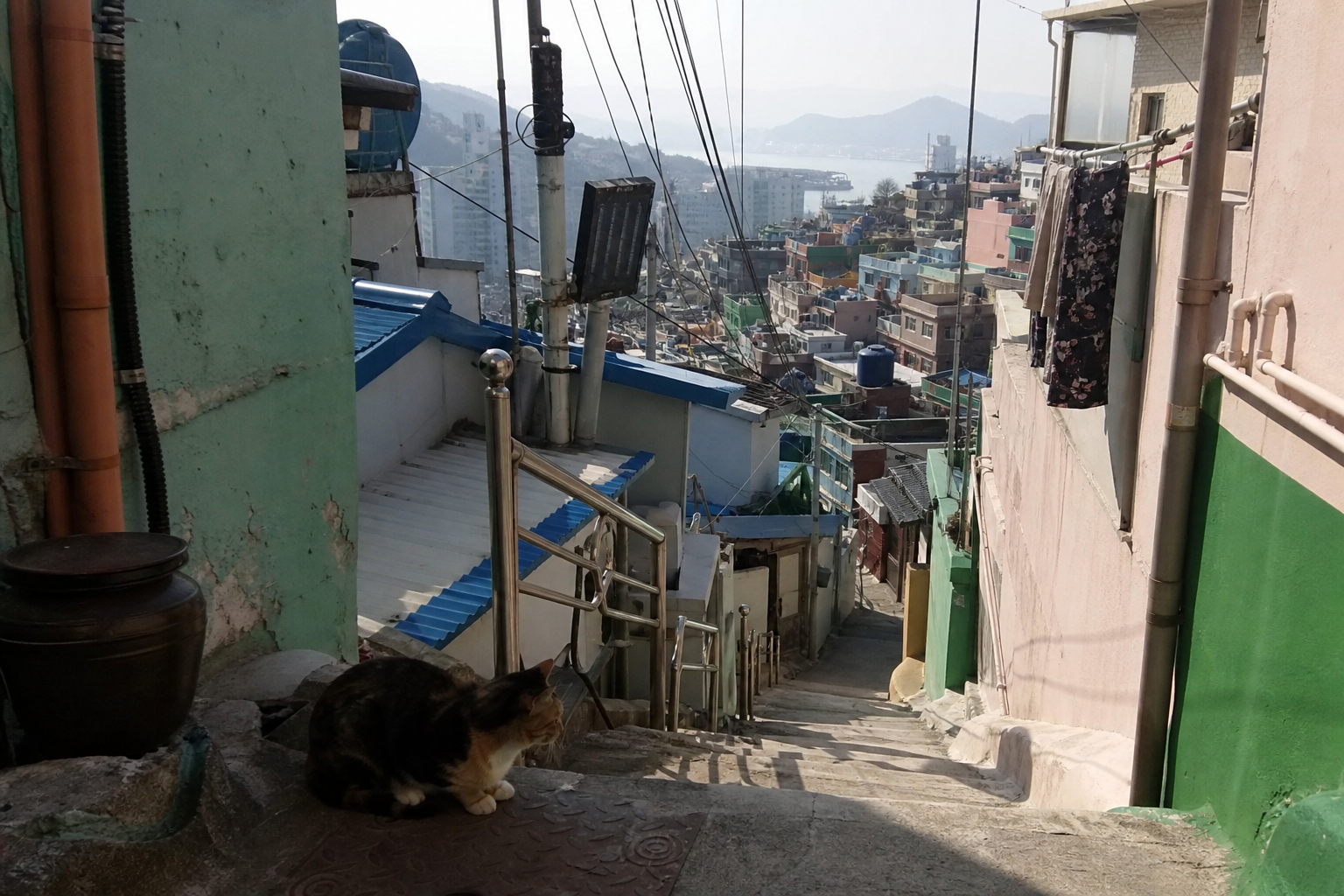
PLACES · Landscapes and regions
Gamcheon Culture Village (Korean: 감천문화마을) is a town within Gamcheon-dong, Saha District, Busan, South Korea. The area is known for its layered streets, twisted labyrinth-like alleys, and brightly painted houses, which have been restored and enhanced in recent years to attract tourism.
Read the brief →
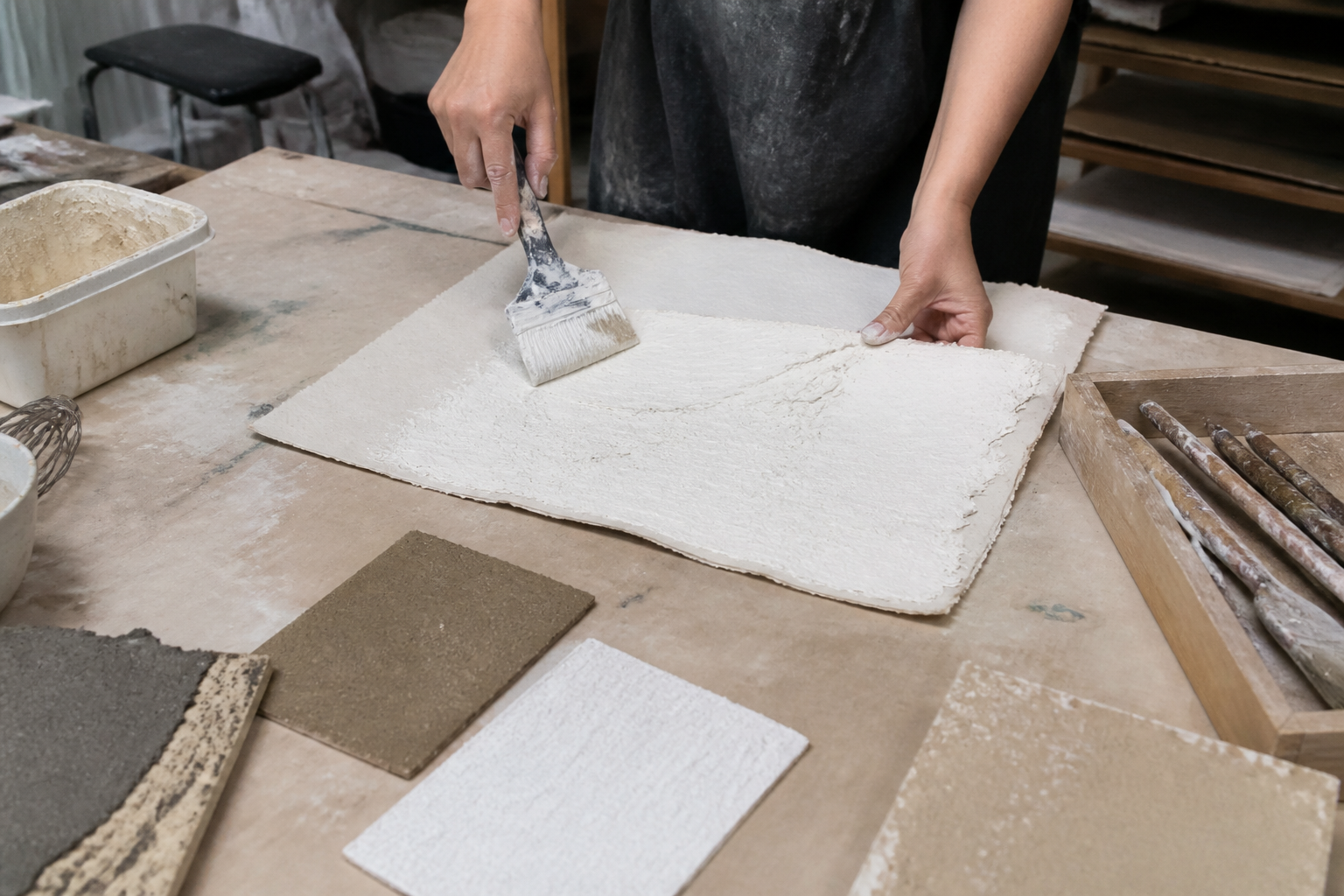
CULTURE · Contemporary Korea
Dansaekhwa (Korean: 단색화, hanja 單色畵, also known as Tansaekhwa), often translated as "monochrome painting" from Korean, is a retroactive term grouping together disparate artworks that were exhibited in South Korea beginning in the mid 1970s.
Read the brief →